A leather jacket can look almost identical to another one online and still be a completely different product once you actually put it on. The leather grade, the way the panels are cut, the stitching, the hardware, even how the lining is attached all of it decides whether a jacket lasts fifteen years or starts falling apart after one winter. Most of these things aren’t obvious from a product photo, which is exactly why so many people end up disappointed after buying a leather jacket online. Here are the ten things actually worth checking before you buy one, in the order they usually matter most.
1. The Leather Grade
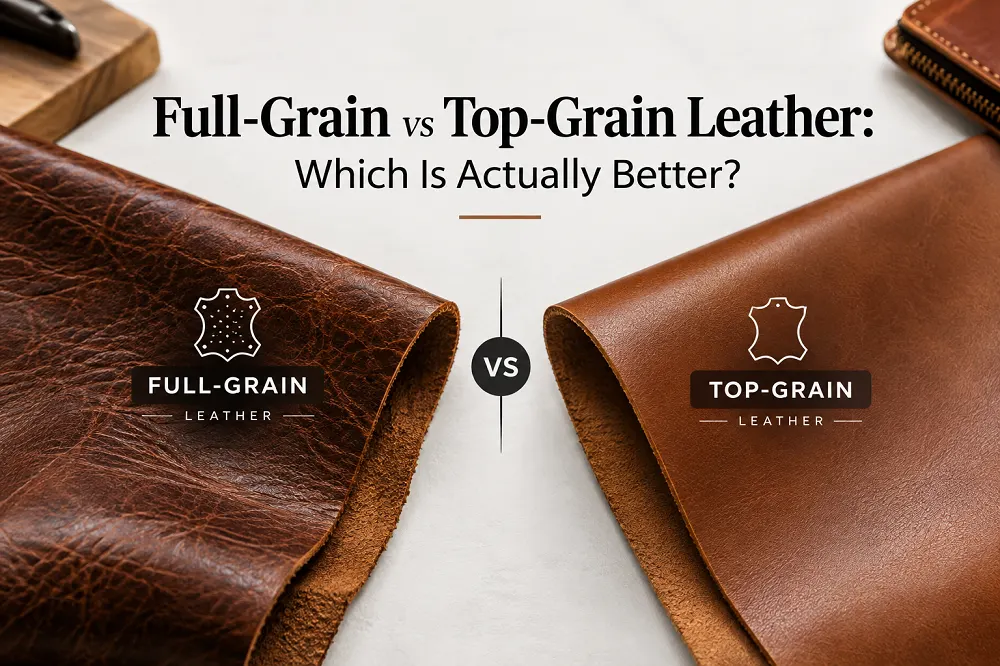
This is one of the most important factors to consider when buying a leather jacket. Different leather grades offer different characteristics in terms of durability, surface appearance, and how the material develops with age. Full-grain leather retains the hide’s natural grain, including its pores and minor imperfections, making each piece distinctive. Top-grain leather has had its outer surface lightly sanded or refined to achieve a more uniform appearance. Both can be used to make quality leather jackets, but their characteristics differ depending on the leather’s processing, finish, and overall construction. Before buying, check whether the seller clearly identifies the leather type and provides enough information to help you understand what you’re paying for.
2. The Type of Hide
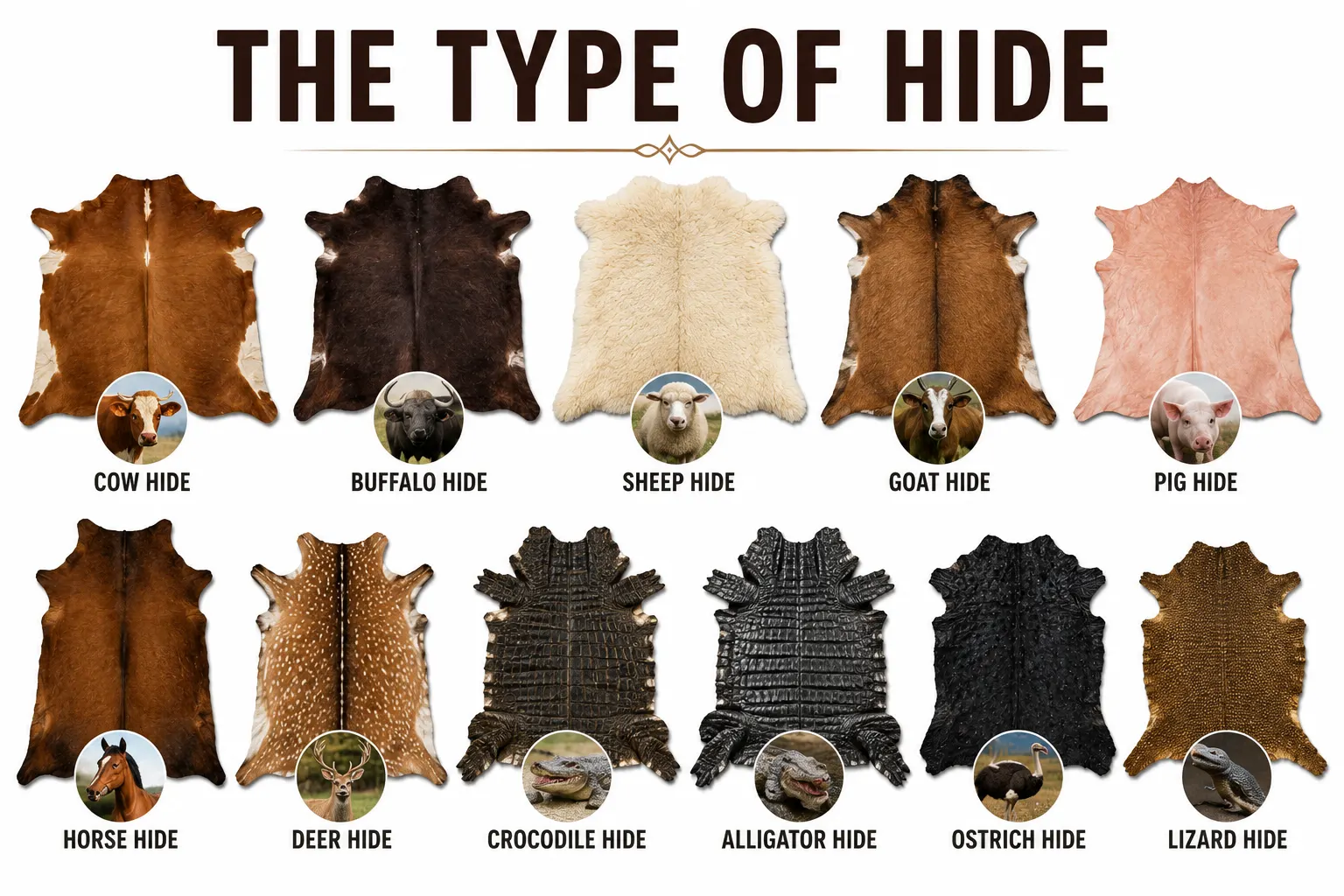
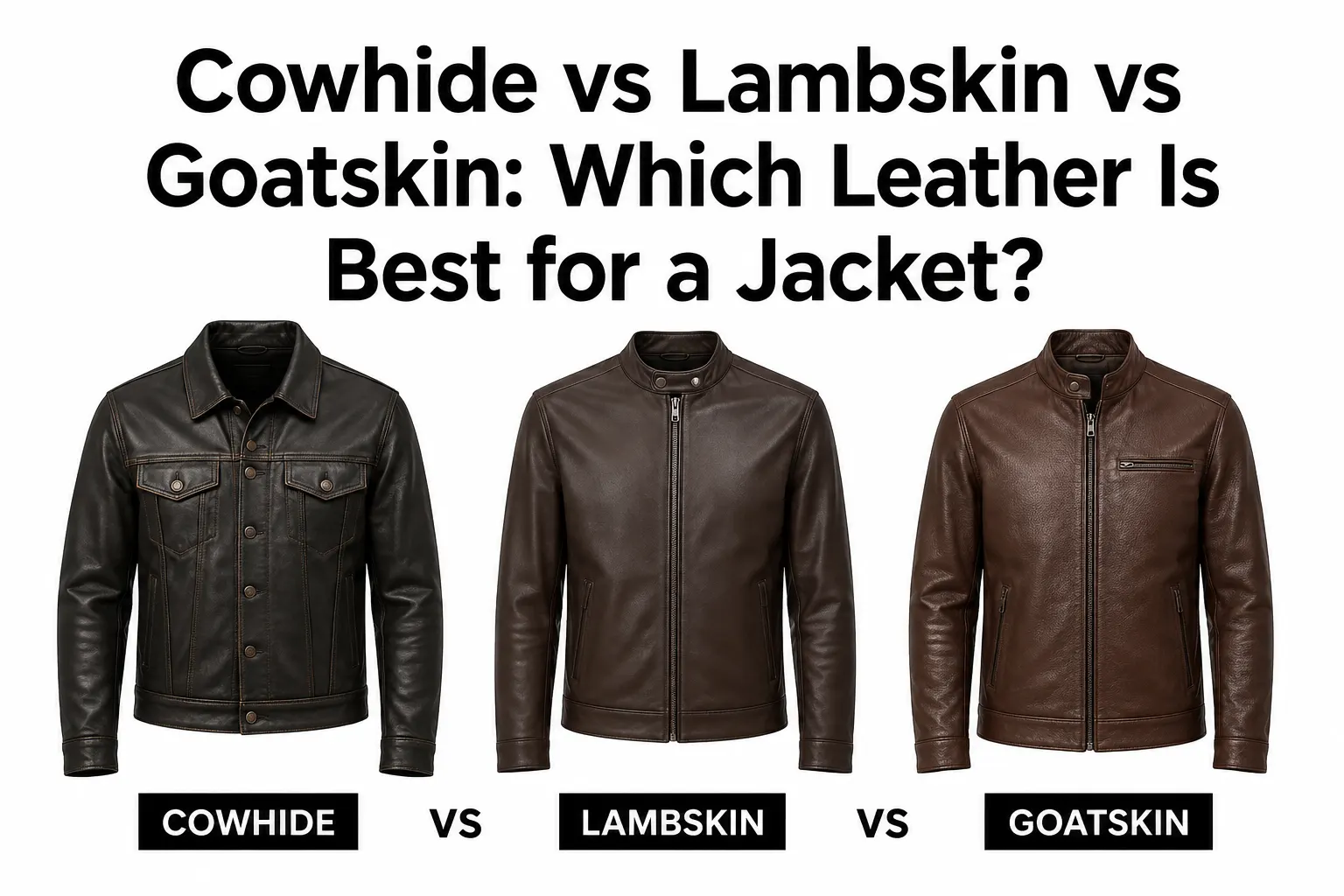
Not every leather jacket is meant to be built the same way. Cowhide is thick and structured, which is why it dominates classic biker and aviator styles. Lambskin is soft and lightweight, closer to a second skin, which is why it’s the usual choice for fashion-forward, slim-fit jackets. Goat leather sits somewhere in between strong for its weight, with a fine, textured grain. None of these is “better” in an absolute sense; the right one depends on whether you want a jacket that holds its shape and toughens up with age, or one that drapes and moves with you from day one. If you’re weighing current options, it helps to see how the leather jacket trends for men this year are actually playing out across hide types and styles.
3. Panel Size and Seam Matching
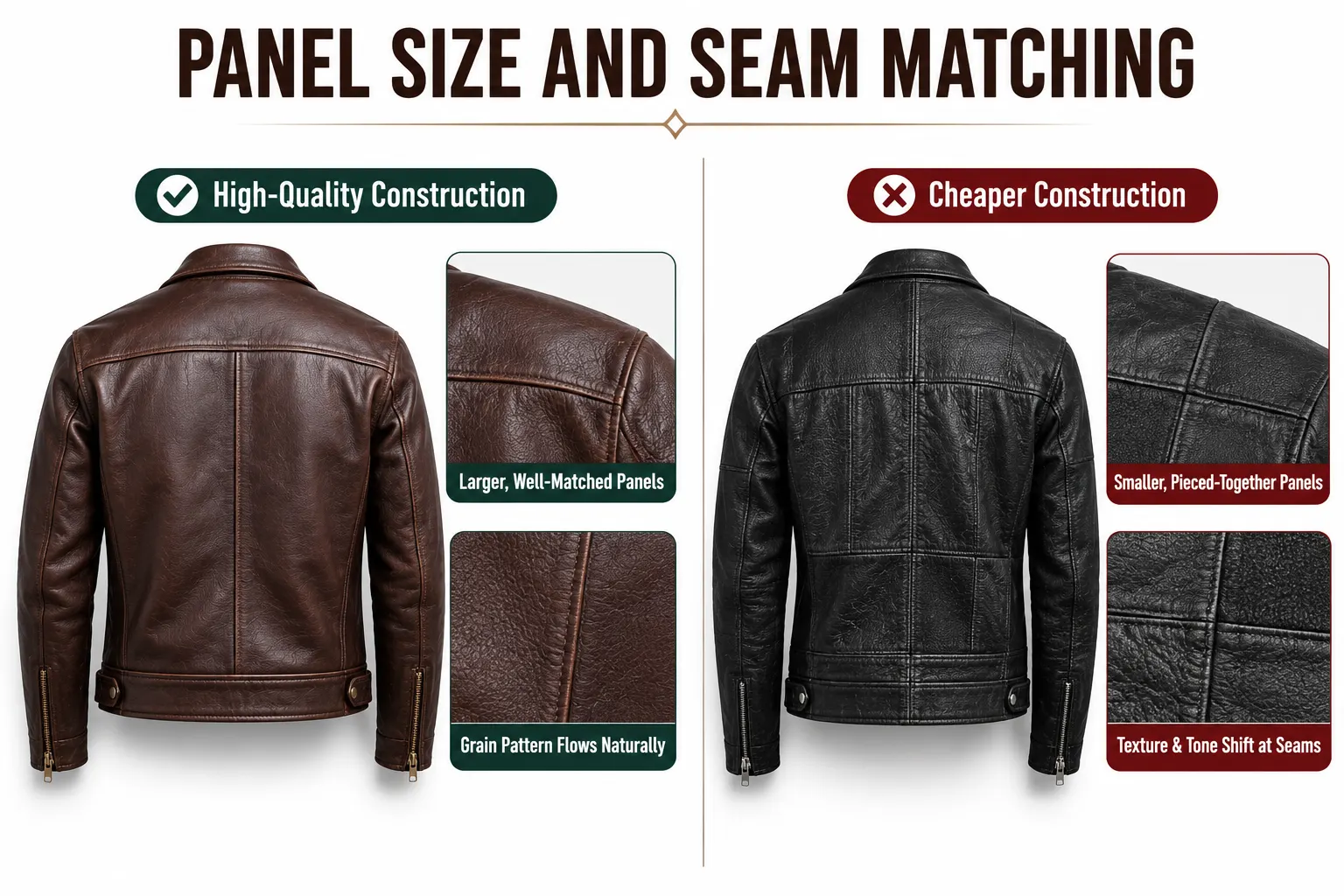
Look at how many separate pieces of leather were used to build the jacket, and how they meet at the seams. Higher-quality jackets often use well-matched panels, allowing the grain pattern and colour to flow naturally from one piece to the next across the shoulders and back. Cheaper construction may use poorly matched offcuts, resulting in noticeable shifts in texture and tone at the seams. However, the number and size of panels should always be considered in the context of the jacket’s design, as some styles intentionally require multiple smaller pieces. Unless the design calls for otherwise, well-matched panels, secure stitching, and neatly finished seams are signs of careful craftsmanship.
4. Stitching Quality
Stitching tells you more about a jacket’s construction standard than almost anything else visible. Good stitching is tight, even, and consistent in length, with no loose threads or skipped stitches. Stress points shoulder seams, underarms, cuffs, pocket corners should have reinforced or double stitching, since these are the areas that take the most strain every time you move. If the stitching looks uneven under normal light, it’s only going to get worse with wear, not better.
5. Hardware Weight and Attachment
Zippers, snaps, and buckles are an easy place for manufacturers to cut cost, and an easy place for you to catch it. Quality hardware feels heavy, moves smoothly, and is anchored into reinforced leather rather than just punched through a single thin layer. Metal zippers from established zipper makers are the standard on well-made jackets; lightweight molded plastic sliders are a reliable sign of corner-cutting elsewhere too. Give a snap or rivet a gentle wiggle if you can it shouldn’t rotate loosely against the leather
6. Lining Quality and Attachment
A jacket’s lining affects comfort, but how it’s attached tells you about construction quality. On well-made jackets, the lining is fully stitched in, including where it meets the zipper tape and cuffs, not just tucked or glued in place. Breathable linings, like cupro, viscose, or a good satin weave, feel smoother and hold up better over years of wear than cheap polyester, which tends to bunch, tear at the seams, or trap heat.
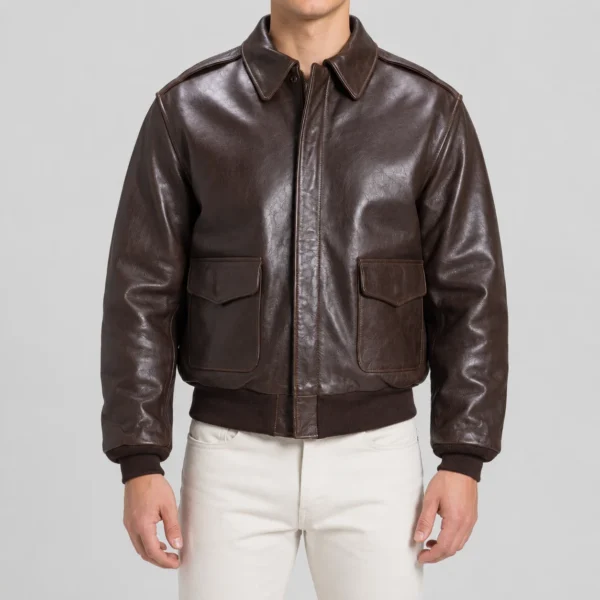


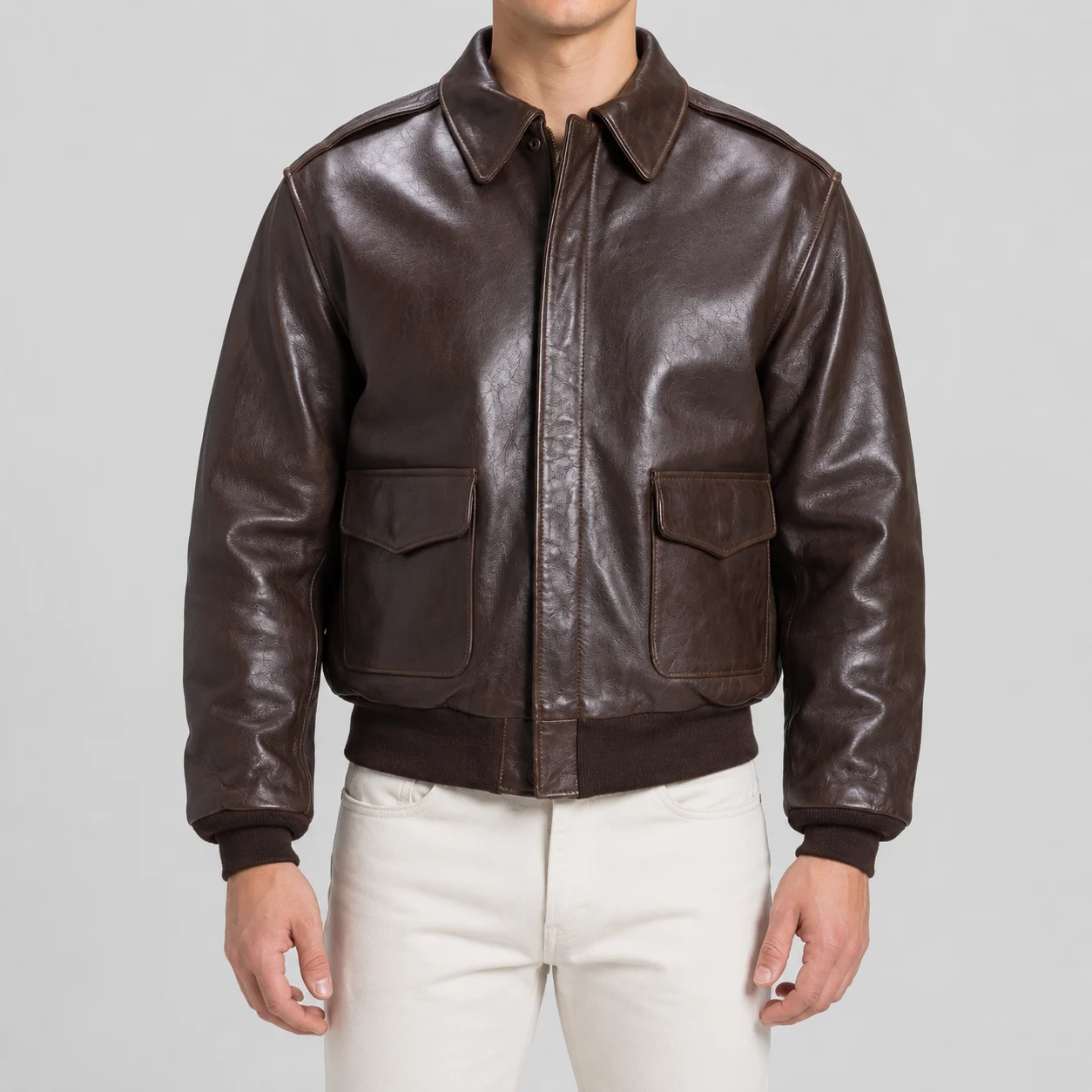
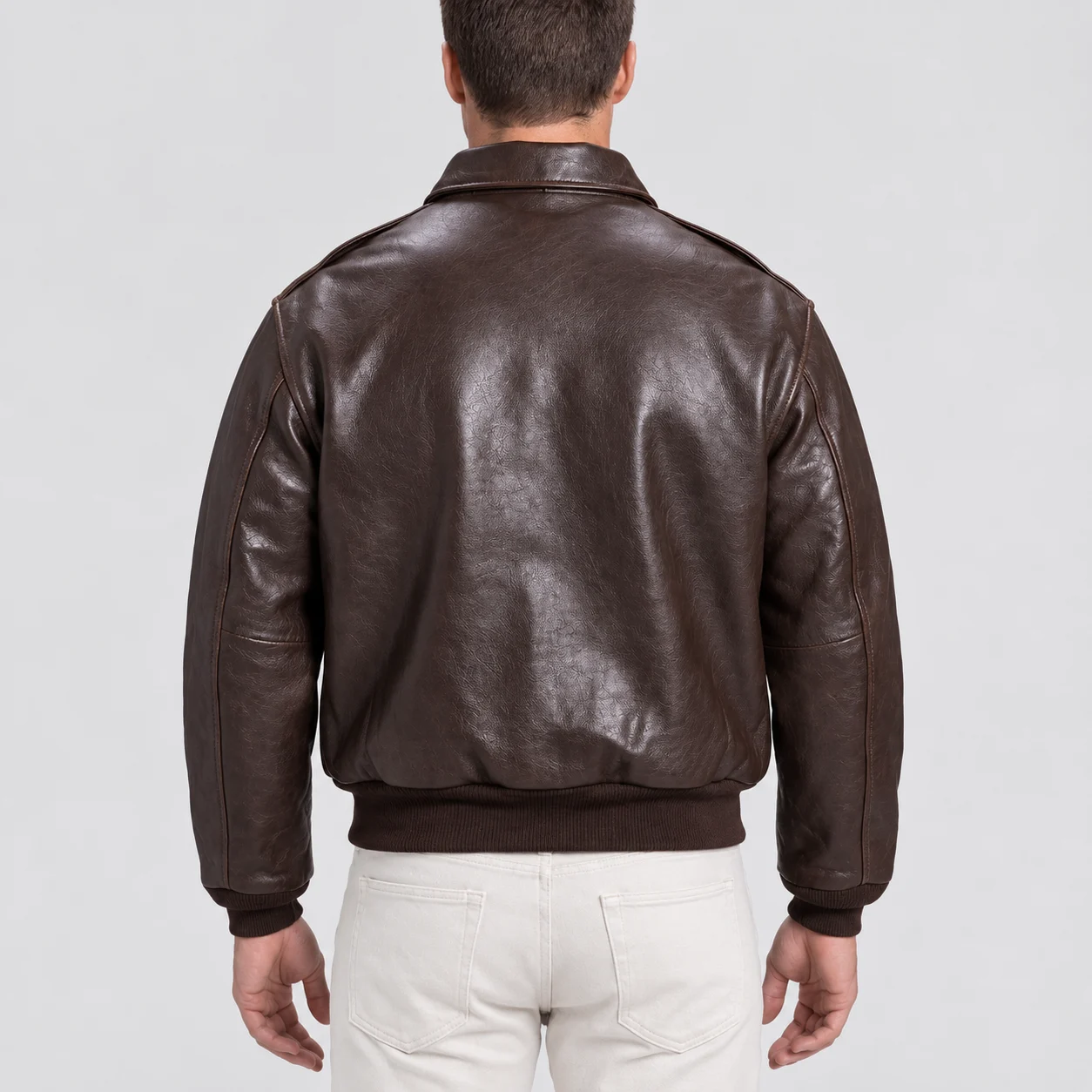
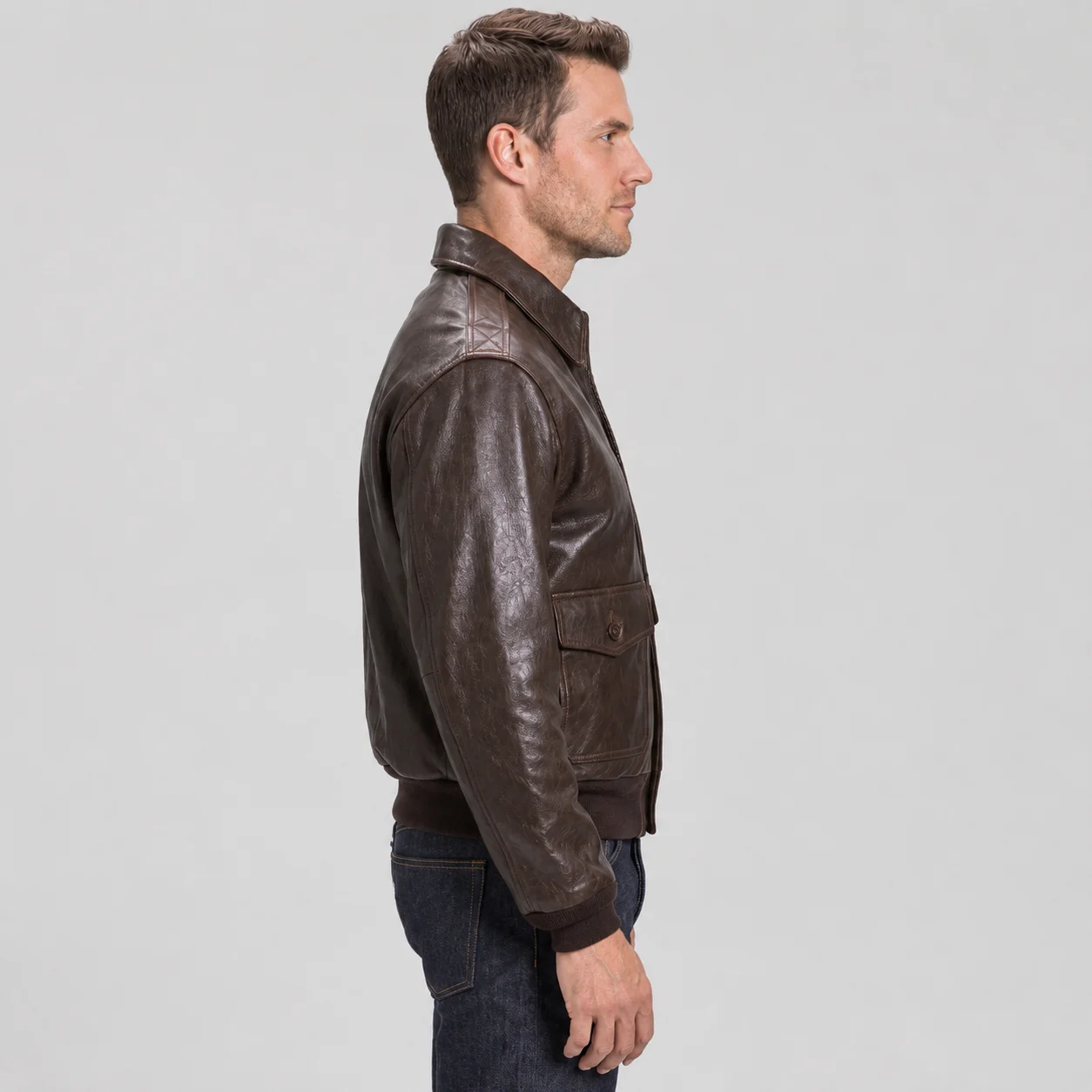
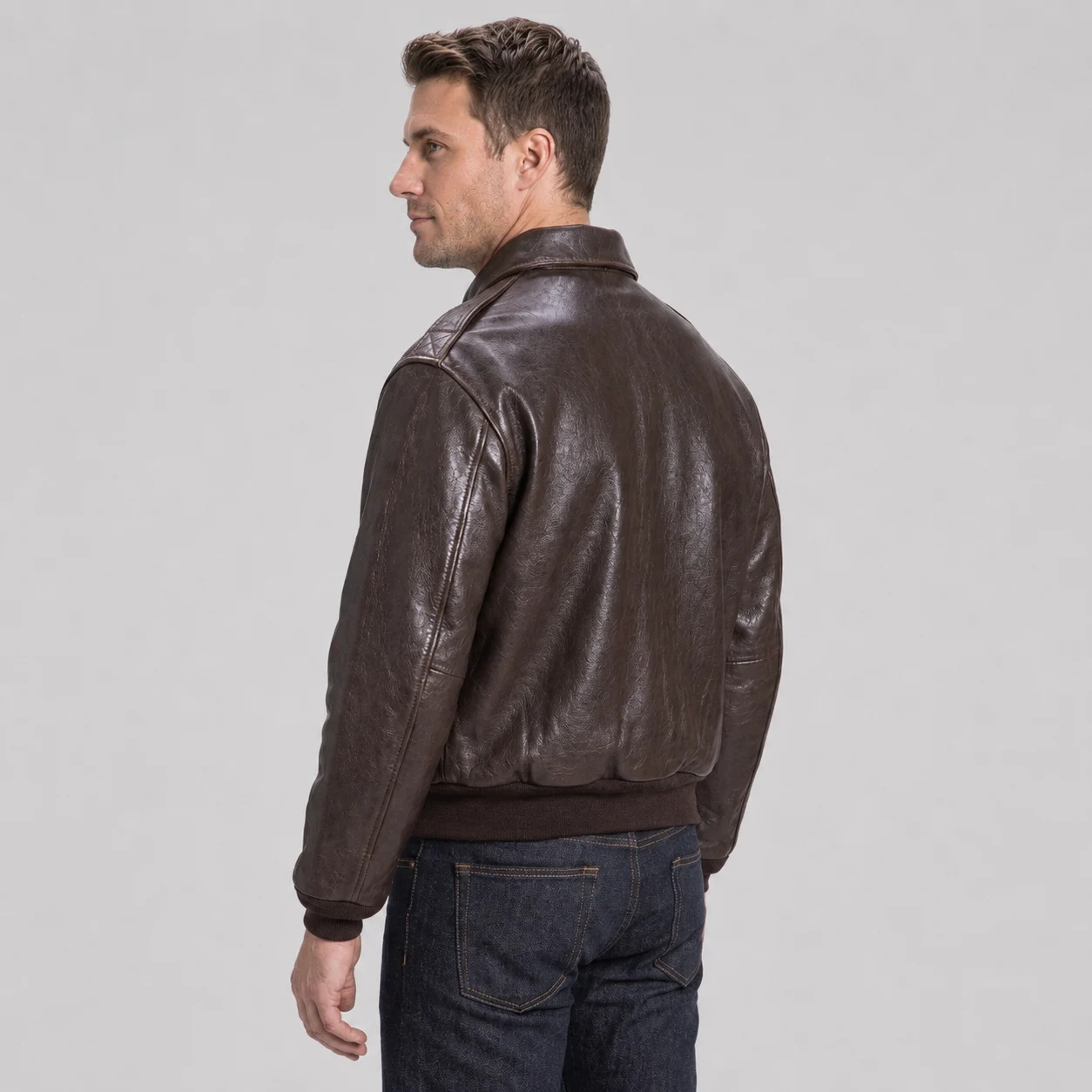
A-2 Antique WWII Leather Flight Jacket For Men
7. Interior Finishing
This is the part almost nobody checks before buying, and exactly where corners get cut most aggressively. Turn the jacket inside out if you can, or zoom into interior photos if you’re buying online. Interior seams should be clean and finished, not raw or fraying. Pockets should be properly sewn into the lining rather than added as an afterthought. If the outside of a jacket looks great but the inside looks rushed, that’s usually the more honest picture of the whole build.
8. How the Leather Feels and Smells
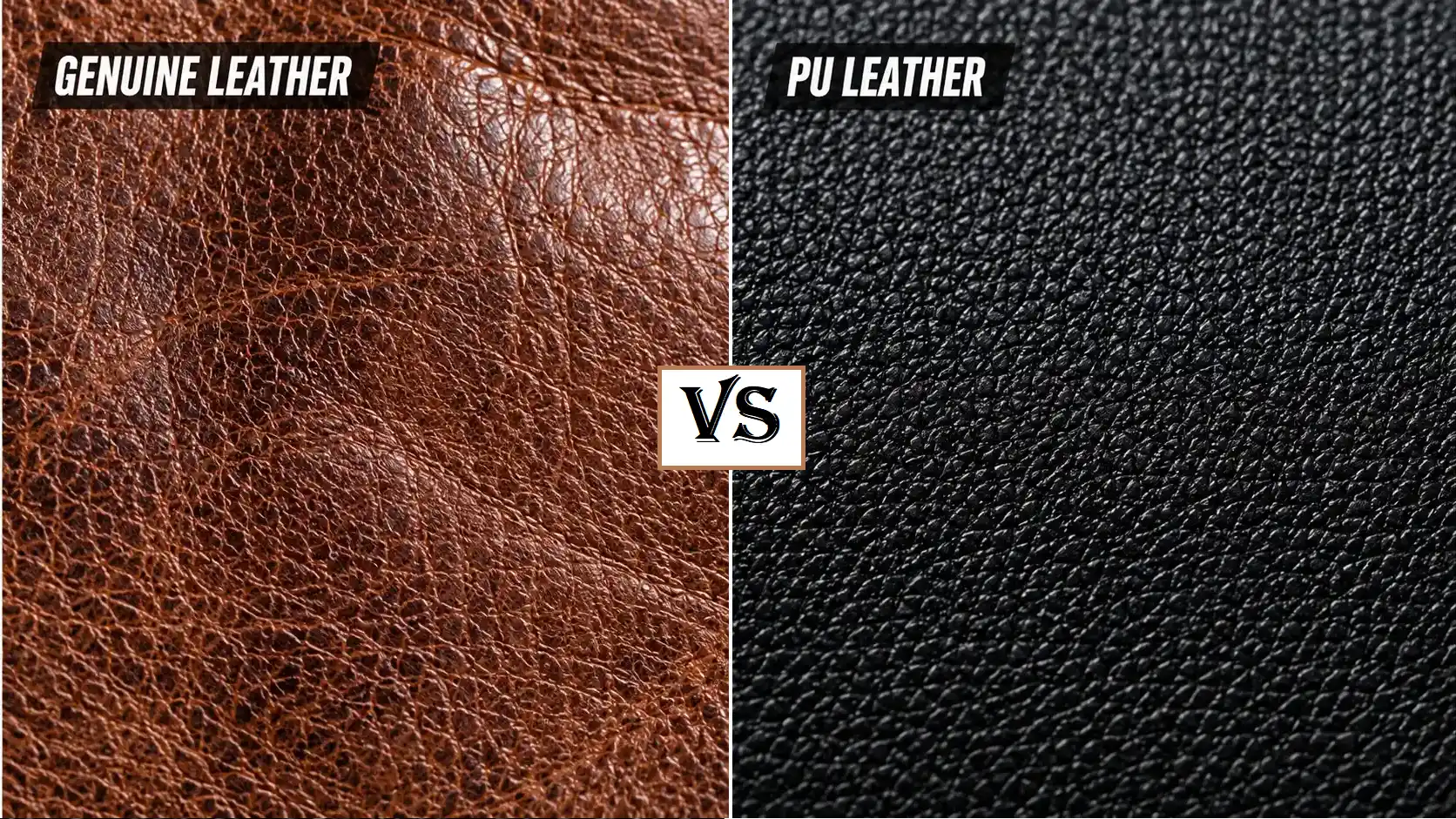
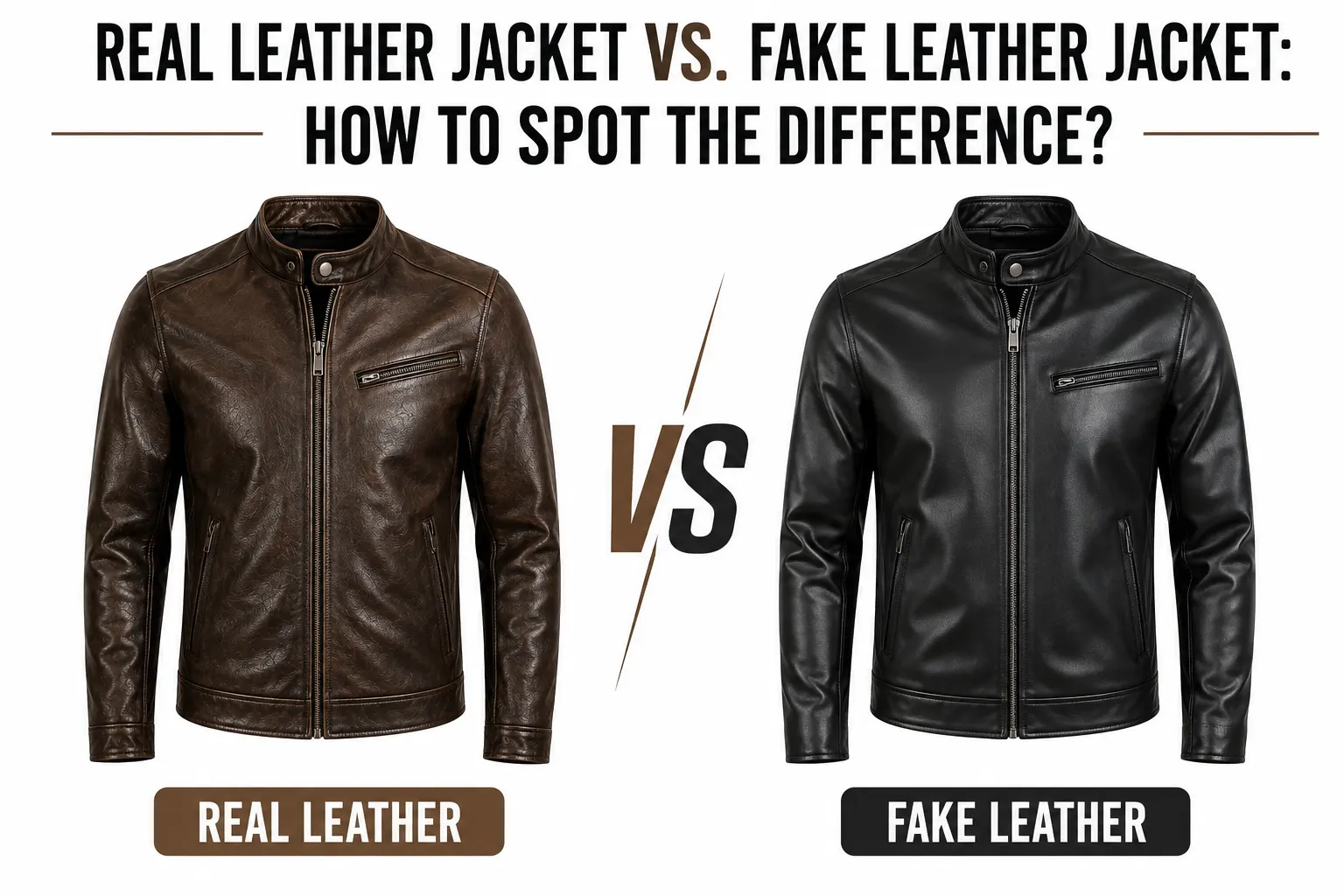
Genuine leather has a distinct, slightly earthy smell that’s very different from the flat, chemical smell of synthetic materials. It should feel supple and substantial in your hands not stiff like cardboard, and not slick and rubbery like plastic. Run a finger across the surface: full-grain leather has a natural, slightly irregular texture, while heavily corrected or synthetic material feels artificially smooth and uniform, almost too perfect.
9. Shoulder Fit, Specifically
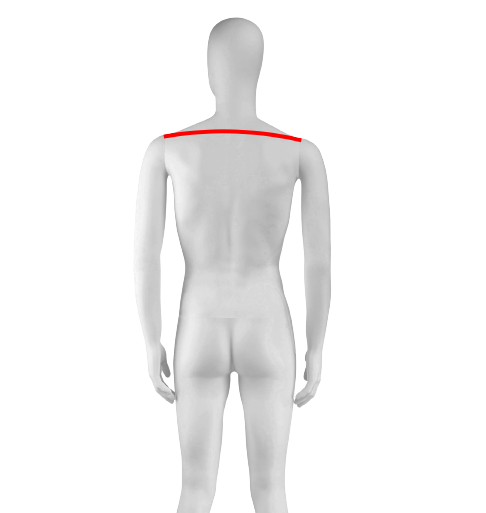
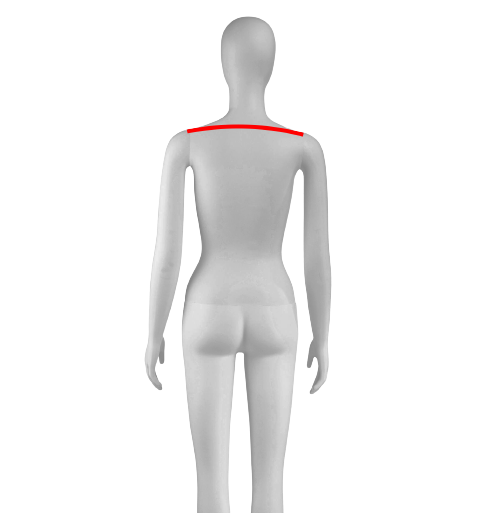
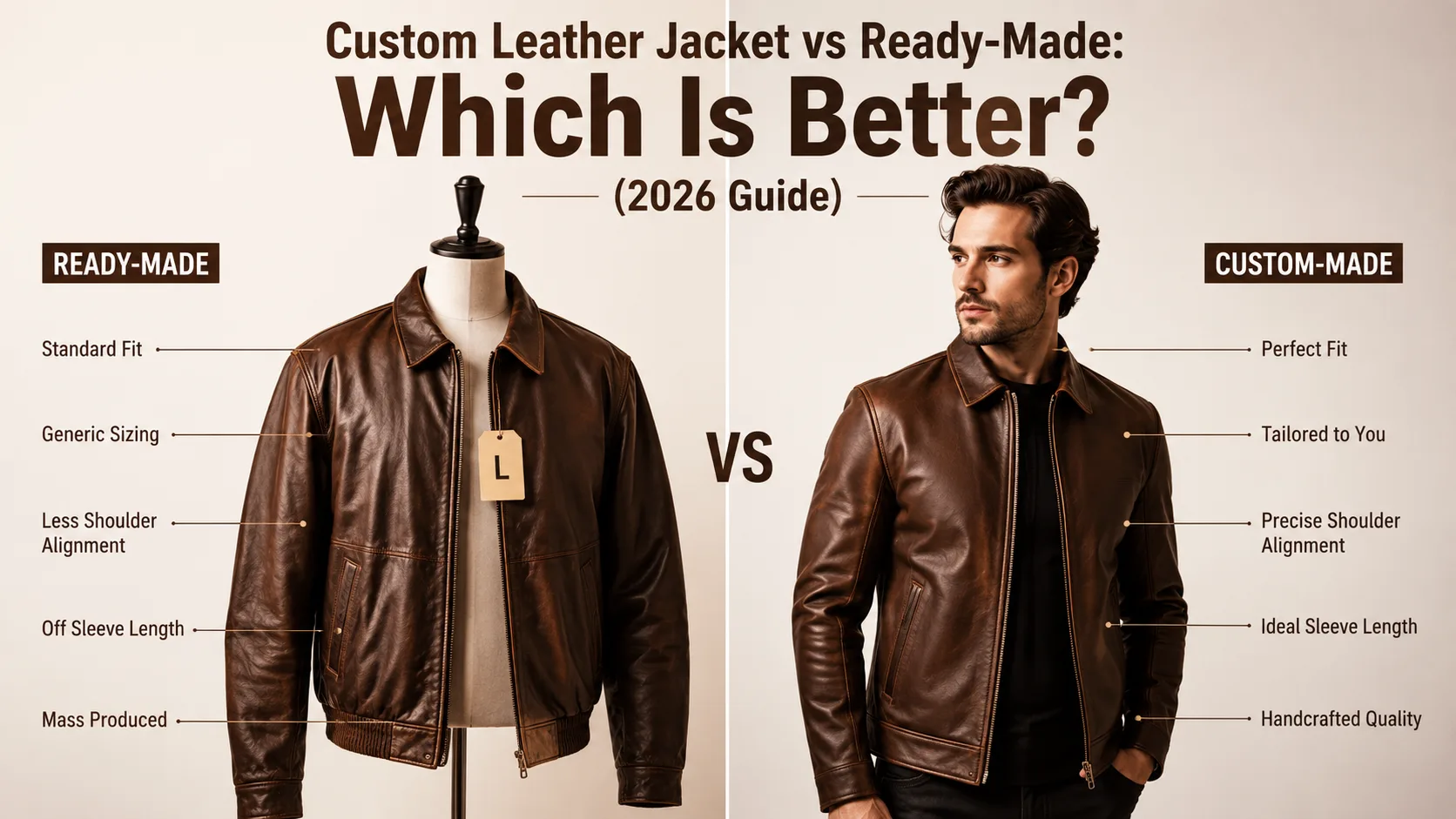
Leather barely stretches, unlike woven fabric, so this is the one measurement you cannot fix later. A tailor can take in the waist, shorten the sleeves, or adjust the hem, but shoulder seams sitting even slightly off is very difficult and expensive to correct properly on leather. If you’re buying online, check the brand’s actual shoulder measurement against your own rather than relying on a general size label, since sizing can vary noticeably between brands.
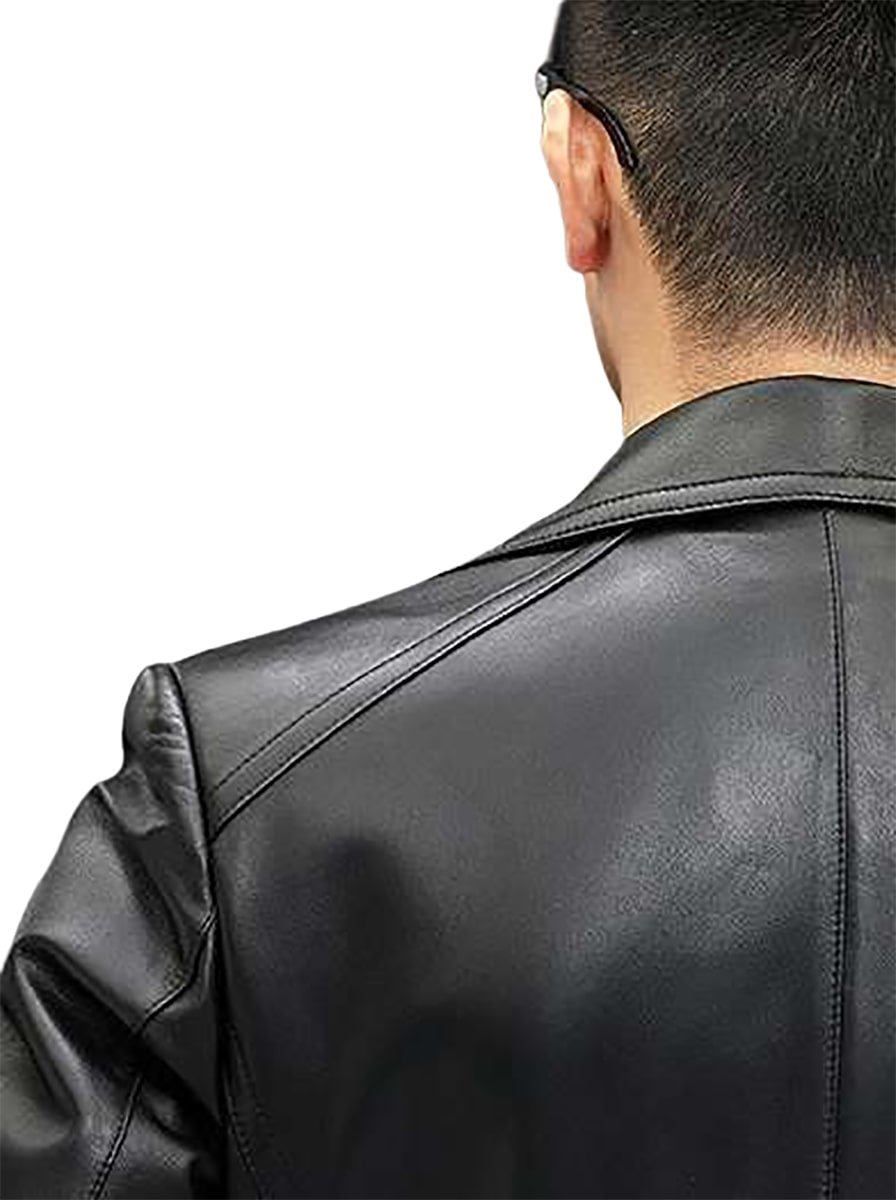
10. Pattern Accuracy and Symmetry
Check whether both sides of the jacket are properly balanced, including the sleeves, shoulders, collar, pockets, and front panels. Well-executed patterns help ensure that the jacket maintains its intended shape when worn, with properly aligned details and a balanced silhouette. Minor variations may occur in natural leather, but the overall cut and proportions should reflect careful pattern-making and manufacturing.
Putting It All Together
No single one of these ten checks tells the whole story on its own a jacket can have great stitching and still use a low grade of leather, or use full-grain leather and still have sloppy interior construction. It’s the combination that matters. Check the grade first, since it sets a ceiling on how good the jacket can possibly be, then work through construction, hardware, and fit before you commit.
At LAMMBERG, jackets are made to measure using full-grain and top-grain leather, which is part of why checking these details matters it’s exactly what separates a jacket worth keeping for years from one that’s worth returning within a month. Browse the full men’s leather jacket collection or women’s leather jacket collection
Related Articles
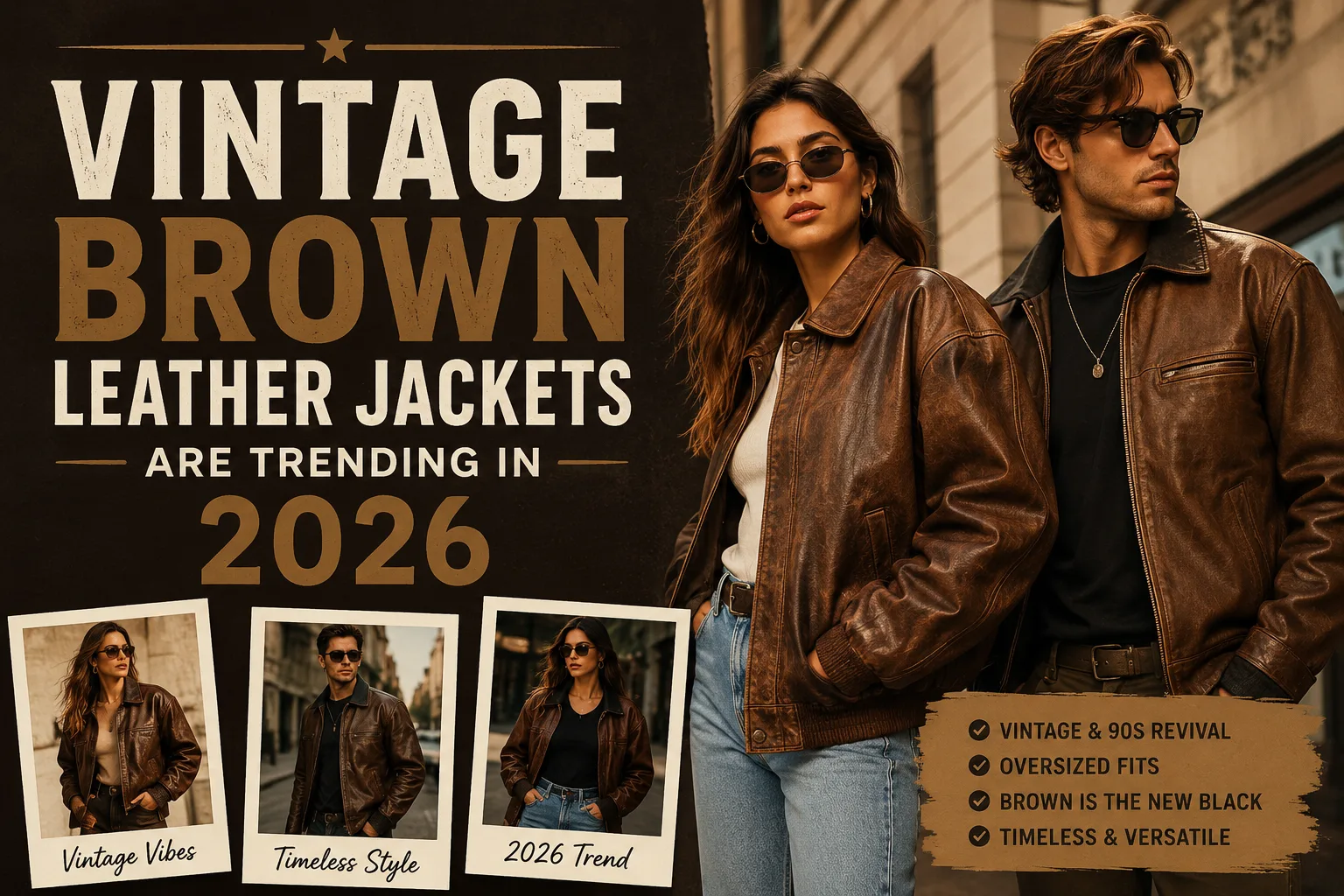
- Vintage Brown Leather Jackets Are Trending in 2026
- Leather Jacket Too Tight? Here’s Exactly What to Do (2026 Complete Guide)
- How to Wash a Suede Jacket Without Damaging It: Expert Cleaning Guide
- Best Leather Jackets Under $300 in 2026: 8 Genuine Picks That Don’t Feel Like a Compromise
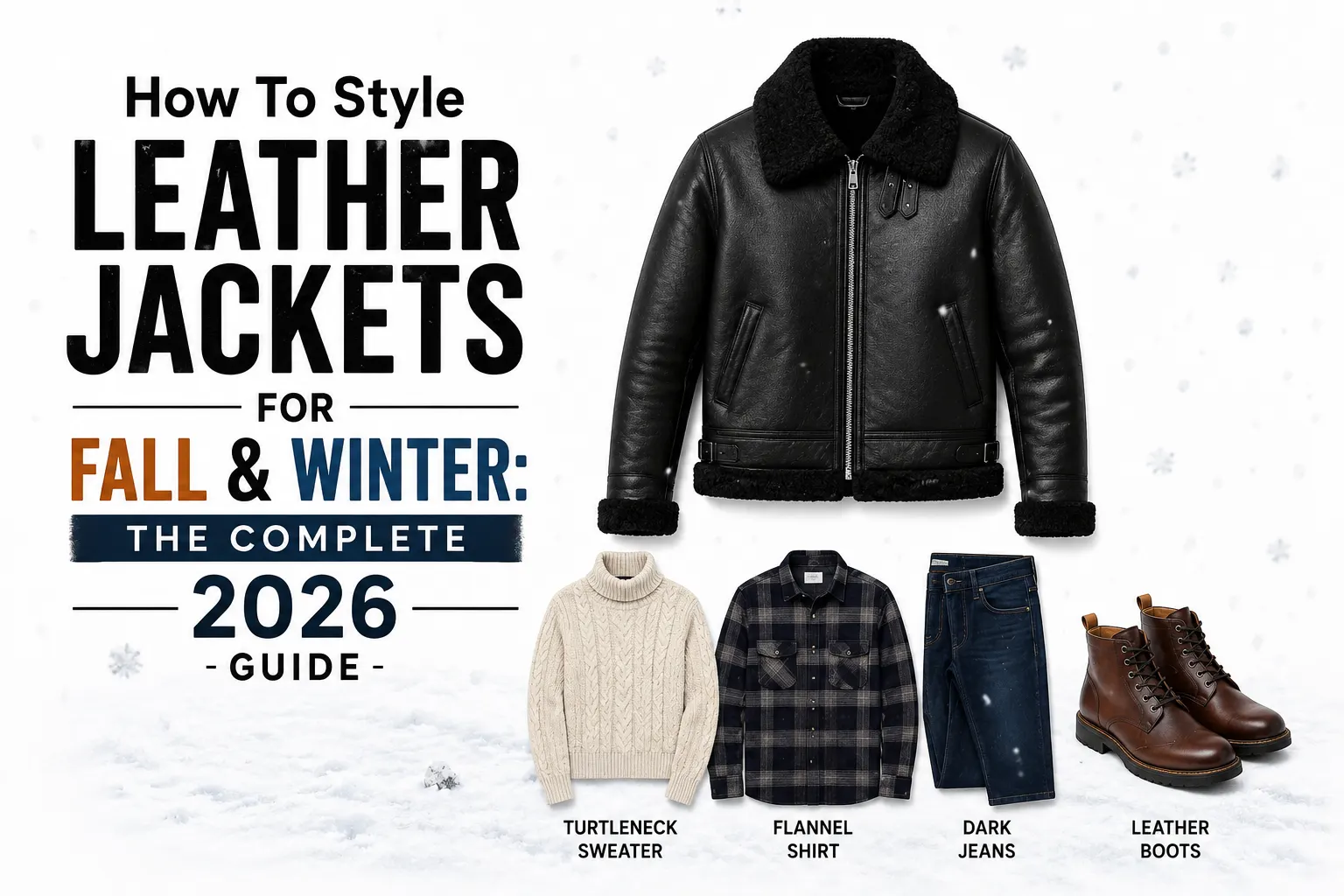
- The Professional’s Guide to Styling Leather Jackets 2026: Timeless Outfit Ideas
- Full-Grain vs Top-Grain Leather: Which Is Actually Better?
- PU Leather vs Genuine Leather – The Truth Most Sellers Won’t Tell You
- The Incredible Story of Leather: 7,000 Years of History That Changed Fashion Forever
- Don’t Buy a Leather Jacket Until You Read These 7 Expert Tips
- 15 Leather Jacket Myths That Are Costing You Money (Fact #7 Surprises Everyone)
- Real vs Fake Leather Jackets: 10 Easy Ways to Spot the Difference in Seconds
- What Makes a Premium Leather Jacket So Expensive? The Craftsmanship Explained
- Never Buy Bonded Leather Until You Read This Complete Guide
- Peacoat vs Trench Coat: Which One Makes You Look Better?
- 11 Men’s Leather Jacket Trends That Will Dominate Fashion in 2025
- How to Remove Bad Smells from a Leather Jacket (Without Damaging It)
- The Ultimate Leather Jacket Size Guide: Get the Perfect Fit Every Time
- How to Measure Yourself Correctly Before Buying a Leather Jacket Online
- Top Women’s Leather Coat Trends Everyone Will Be Wearing in 2026
- 10 Men’s Leather Coats That Make You Look Rich in 2026
- The Only Jacket Guide You’ll Ever Need for Every Season
- Top 10 Genuine Leather Jackets in the USA (Ranked by Experts)
- Best Lightweight Packable Puffer Jackets That Travelers Swear By
- How Fashion Experts Style Leather Jackets in 2026 (Copy These Looks)
- How to Wear a Men’s Leather Jacket Without Looking Outdated
- How to Remove Wrinkles from a Leather Jacket Without Ruining It
- 10 Leather Jacket Outfit Ideas That Make Every Woman Look Stylish Instantly
- How to Remove Mold from a Leather Jacket Before It Gets Worse
- The Hidden World of Leather Clusters: How the Global Leather Industry Really Works
- Can You Wash a Leather Jacket in a Washing Machine? The Answer May Surprise You
- 25 Best Leather Coats to Buy in 2026 (Expert Picks)
- The 25 Best Leather Jackets of 2026 You Won’t Regret Buying
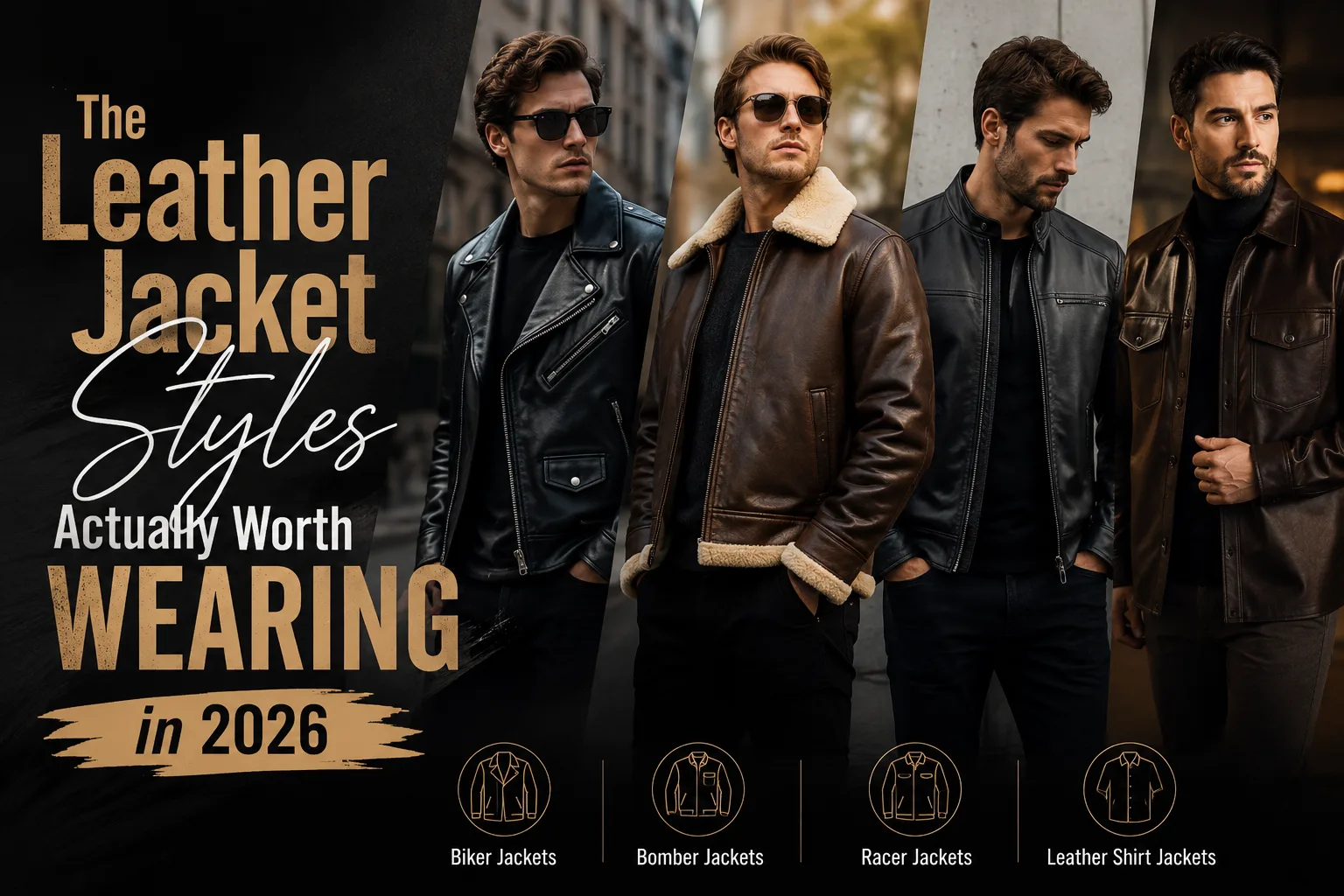
- 5 Types of Leather Jackets Every Stylish Man & Woman Should Own
- The Untold History of Leather Jackets: From War Heroes to Hollywood Legends
- 10 Leather Blazer Office Outfits Every Working Woman Should Copy in 2026
- 10 Leather Blazer Office Looks That Instantly Upgrade Your Style
- How to Remove Cigarette Smell & Mildew from Leather Jackets Fast (Pro Methods)
- Do Police Officers Still Wear Leather Jackets? The Truth Will Surprise You









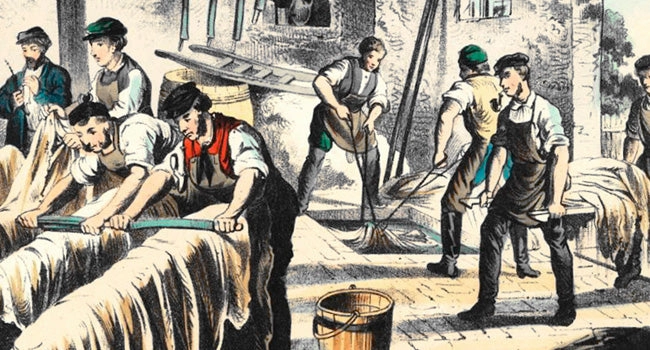

What Is Corinthian Leather? History, Meaning, Uses, and Care
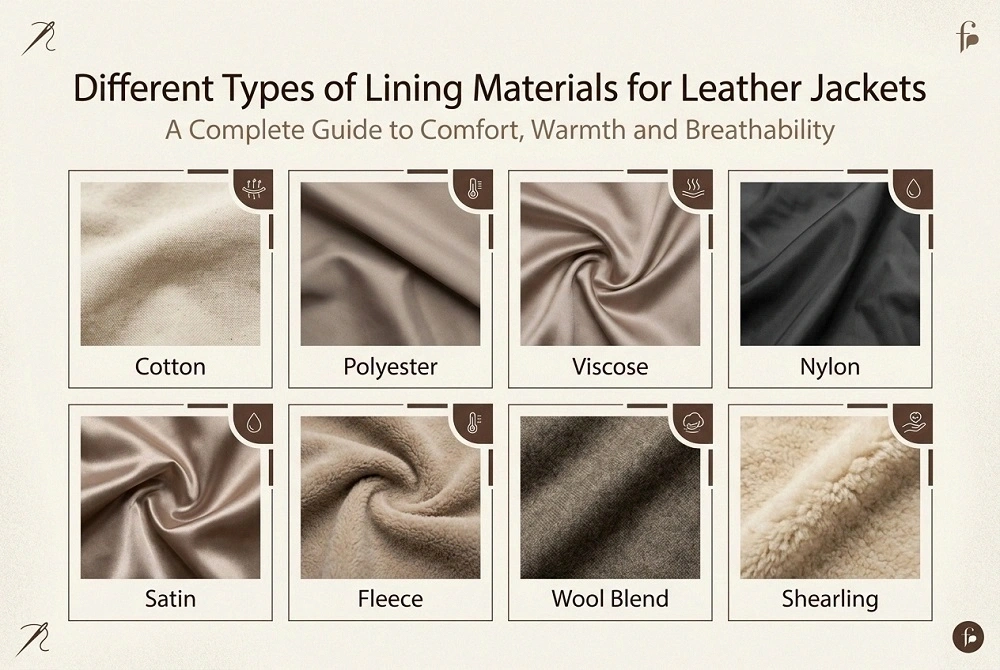
Different Types of Lining Materials Used for Jackets