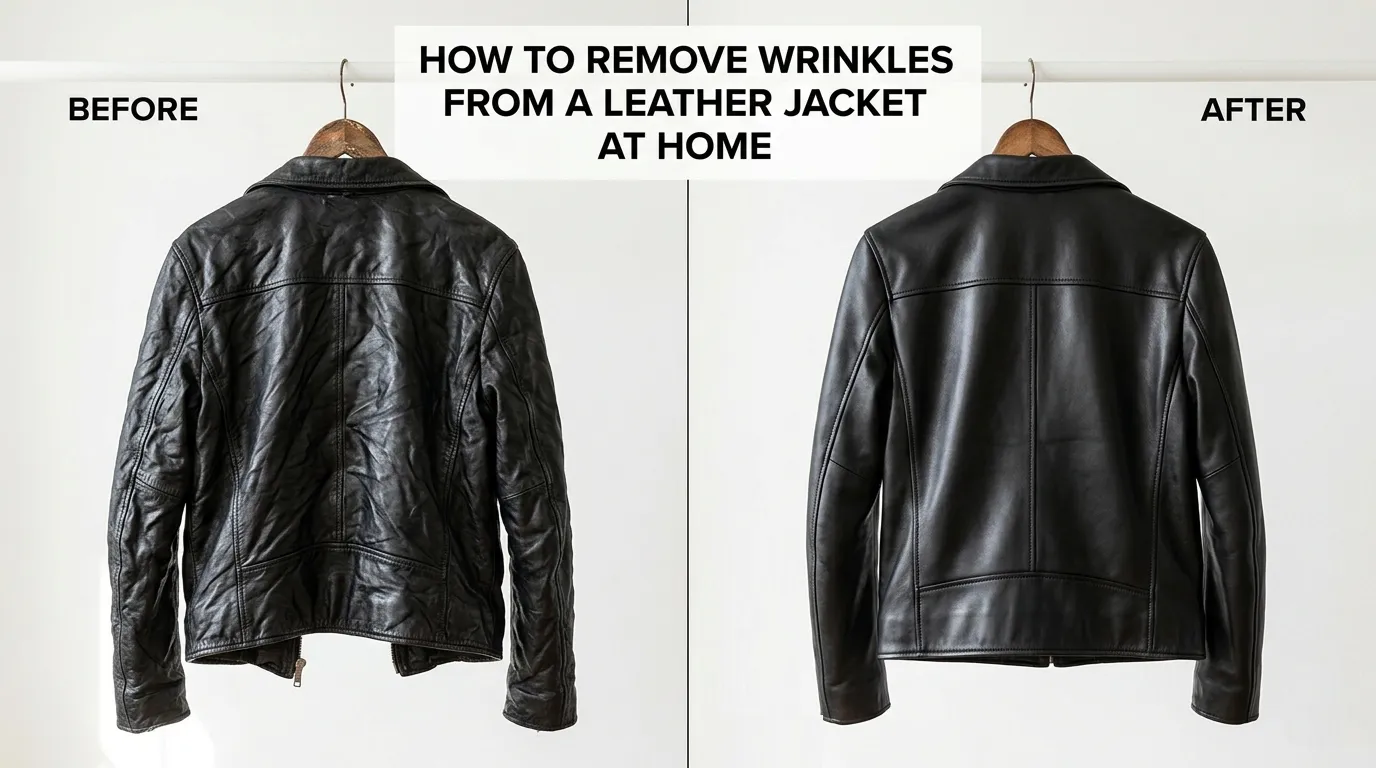
A leather jacket is one of those wardrobe essentials that deserves proper care. Whether you have just received a new jacket or pulled out a favorite piece from your wardrobe, you may occasionally notice a few wrinkles or creases on the leather. The good news is that most leather jacket wrinkles can be removed safely at home with a little patience and the right technique.
Leather is a natural material that responds differently to pressure, movement, and environmental conditions than ordinary fabrics. Light creases can develop during storage, everyday wear, packing, or transportation. In many cases, these marks are temporary and become less noticeable once the jacket is unpacked, hung properly, and gently smoothed by hand.
The key is knowing which methods are suitable for leather and which treatments could damage its natural texture or finish.
Inspired by popular leather-care techniques shown online and backed by leather care experts, here’s a complete guide to restoring your jacket’s smooth premium look without damaging the leather.
Why Leather Jackets Get Wrinkles?
Leather naturally creases because it is a flexible material. Common reasons include:
- Folding the jacket for long periods
- Tight closet storage
- Shipping and packaging pressure
- Moisture and temperature changes
- Dry leather lacking conditioner

How to Remove Wrinkles From a Leather Jacket by Hand
Best for: Light creases caused by shipping, packing, handling, storage, and everyday wear.
Hand smoothing is one of the simplest ways to reduce wrinkles in a leather jacket. It requires no special equipment and helps you care for your jacket without exposing the leather to unnecessary heat or moisture.
Minor wrinkles and creases are among the most common temporary marks that can appear on a leather jacket during shipping and handling. Although jackets are carefully packed for transportation, parcels may be moved, stacked, or placed beneath other cartons during transit. The resulting pressure can sometimes leave light creases on the leather.
This is a normal possibility when shipping garments and does not automatically indicate poor-quality leather or a defective jacket. In many cases, these minor creases can be reduced with gentle hand smoothing and proper hanging.
Step 1: Unpack and Inspect the Jacket
Once your leather jacket arrives, remove it from its packaging and unfold it carefully. Examine the sleeves, shoulders, front panels, and back for any visible creases.
Avoid pulling sharply on the leather or trying to flatten every fold immediately. First, determine whether the marks are light surface creases or deeper folds.
Step 2: Smooth the Creases Gently by Hand
Use clean, dry hands to smooth the affected area with your palm. Apply light, even pressure, moving your hand along the natural direction of the leather panel.
Repeat the movement a few times if necessary, particularly around minor creases caused by packing or handling.
Avoid aggressive rubbing, pinching, twisting, or forcefully stretching the leather. The aim is to help the material settle naturally rather than force it into shape.
Step 3: Hang the Jacket on a Wide Hanger
After smoothing the leather, hang the jacket on a broad, sturdy hanger that properly supports the shoulders.
Make sure the jacket has enough space to hang freely without being compressed by other garments. A suitable hanger helps maintain the jacket’s shape while allowing gravity to assist in reducing minor wrinkles.
Step 4: Allow the Leather to Relax Naturally
Leave the jacket hanging in a well-ventilated room for 24–48 hours. Keep it away from direct sunlight, radiators, and other heat sources.
Many minor creases become less noticeable during this time. Results depend on the leather type, surface finish, and depth of the folds.
Step 5: Check the Results
After allowing the jacket to rest, inspect the affected areas again. If the creases have improved, no additional treatment may be necessary.
For ordinary wrinkles caused by shipping and handling, gentle hand smoothing and proper hanging are sensible first steps. Avoid using an iron, direct steam, or a hair dryer to speed up the process, as excessive heat can damage the leather’s finish.
If a deep crease remains, or you notice peeling, tearing, or other visible damage, contact the seller or consult a leather-care professional before attempting further treatment.
Pro tip: A few light creases after delivery are common and usually nothing to worry about. Give your leather jacket time to settle and start with gentle hand smoothing before considering any other treatment.
Can Wearing a Leather Jacket Help Reduce Wrinkles?
Yes, wearing a leather jacket can sometimes help minor wrinkles become less noticeable over time. Genuine leather is a flexible natural material that gradually adapts to movement and the shape of your body.
As you wear your jacket, normal body movement and warmth may help some temporary creases relax, while the shoulders, sleeves, and torso gradually settle into a more natural shape. This is particularly helpful when a jacket has developed light wrinkles during packing, shipping, or storage.
However, wearing a leather jacket will not eliminate every wrinkle. Movement can also create natural creases around the elbows and other areas that bend frequently. Deep folds and permanent pressure marks may remain.
Tip: If your new leather jacket has a few minor creases after delivery, wear it normally and allow the leather time to settle. You can also gently smooth the affected areas by hand and hang the jacket properly between wears. Avoid deliberately stretching or heating the leather to speed up the process.
Iron Carefully on Low Heat
If wrinkles remain after trying gentler methods, you may consider using an iron, but this is an extremely delicate process that requires great care and experience. Leather is sensitive to heat, and one mistake can permanently damage its finish, leave shiny marks, cause discoloration, or make the material stiff and brittle.
If you are not experienced with ironing delicate materials and controlling heat, it is best not to attempt this method at home. A leather jacket can be expensive, and risking permanent damage just to remove a few wrinkles is rarely worthwhile.
How to iron leather at home?
Ironing leather requires extreme care. If you are inexperienced or unsure how to control the heat, do not attempt this method at home.

Important Rules
- Use the Lowest Heat Setting: Set the iron to its lowest heat setting. Even low heat can damage certain leather finishes, so proceed with extreme caution.
- Never Iron Leather Directly: Never allow the hot iron to touch the leather surface. Direct contact can cause permanent marks, discoloration, or damage to the finish.
- Always Place a Cotton Cloth Between the Iron and Leather: This step is essential. Place a clean cotton pressing cloth over the wrinkled area before bringing the iron near it. Never iron the leather directly, even for a second. The cloth acts as a protective barrier, although it cannot eliminate all the risks of heat damage.
- Keep the Iron Moving: Never leave the iron resting in one spot. Avoid prolonged contact with any area, even when a cloth is in place.
- Do Not Use Steam: Avoid steam, as excessive heat and moisture can affect the leather’s texture, color, and finish.
Steps
- Lay the jacket flat on a clean ironing board, ensuring the leather is not stretched or folded underneath.
- Place a clean cotton pressing cloth over the wrinkled area.
- If you choose to proceed, use the lowest heat setting and work with extreme caution, avoiding prolonged contact with any one spot.
- Check the leather’s appearance frequently and stop immediately if you notice any change in color, texture, or finish.
Should You Use Leather Conditioner to Remove Wrinkles?
Leather conditioner can help maintain the flexibility and appearance of suitable leather, especially when the material has become dry. However, it is not a dedicated wrinkle-removal product.
If your jacket is already supple and in good condition, conditioner may not be necessary at all.
 Conditioning restores moisture and flexibility
How to Use Leather Conditioner Correctly
- Select a product suitable for the jacket’s leather type and finish.
- Test it on a small, concealed area.
- Check for changes in color, texture, or appearance.
- If the test is successful, apply a small amount according to the product instructions.
- Allow the leather to absorb and dry as directed.
Do not apply ordinary smooth-leather conditioner to suede or nubuck unless the product is specifically designed for those materials.
Remember that conditioner may improve the condition of dry leather, but it will not necessarily remove established creases or fold marks.
Can a Hair Dryer Remove Wrinkles From a Leather Jacket?
A hair dryer may seem convenient, but concentrated heat can dry out leather or damage its finish. Holding it close to a wrinkled area can create uneven heating and leave visible marks.
For ordinary creases, a hair dryer is unnecessary.
Start with hand smoothing and proper hanging instead. If the leather is delicate, distressed, or has a special surface finish, avoid experimenting with heat altogether.
Patience is generally safer than trying to force leather into shape quickly.
How to Prevent Wrinkles in a Leather Jacket
Proper storage and handling can help keep your leather jacket in good condition and reduce the likelihood of pronounced creases.
Hang It After Every Wear
Whenever practical, hang the jacket on a broad hanger instead of leaving it folded on a chair or compressed beneath other clothing.
Keep Your Wardrobe Organized
Give the jacket enough space to hang freely. Heavy garments pressing against it can create unnecessary folds over time.

Avoid Long-Term Folding
If you are not using the jacket, store it on a suitable hanger rather than leaving it folded for extended periods.
Pack It Carefully for Travel
When travelling, avoid placing heavy objects directly on a folded leather jacket. If the jacket must be packed, protect it from sharp folds and unpack it when convenient.
Keep It Away From Excessive Heat
Do not store leather near radiators, heaters, or other concentrated heat sources. Excessive heat can affect the material’s flexibility and finish.
Follow the Manufacturer’s Care Instructions
Different leather finishes respond differently to moisture, conditioners, and cleaning products. Use care methods appropriate for the specific jacket rather than applying the same treatment to every type of leather.
Things You Should Never Do
⚠️ Avoid these common mistakes:
- Don’t use high heat or place a hot iron directly on the leather.
- Don’t iron without a protective cotton cloth between the iron and leather.
- Don’t put the jacket in a dryer or use a hair dryer too close to the leather.
- Don’t soak the jacket in water or apply direct steam.
- Don’t use harsh chemicals or excessive leather conditioner.
- Don’t pull, stretch, or rub the leather aggressively to remove creases.
- Don’t fold the jacket tightly or store it under heavy objects for long periods.
Improper treatment can permanently damage the leather texture and finish.

Final Thoughts
Removing wrinkles from a leather jacket at home does not have to be complicated. For most minor creases, start by smoothing the leather gently by hand and hanging the jacket properly. Giving the material time to relax can make a noticeable difference without the risks associated with excessive heat or moisture.
A few creases after delivery can happen because of packing, transportation, or handling. These marks are often manageable and should not automatically be mistaken for a defect. At the same time, deep folds, tears, or changes to the leather’s finish deserve closer attention.
With sensible handling, suitable storage, and the right care techniques, you can help your leather jacket maintain its shape, texture, and appearance for years to come.
At LAMMBERG, we believe that understanding your leather garment is an important part of caring for it. Treat your jacket gently, follow the appropriate care instructions, and enjoy wearing it with confidence.






























Are Leather Jackets Good for Snow and Winter? What You Need to Know
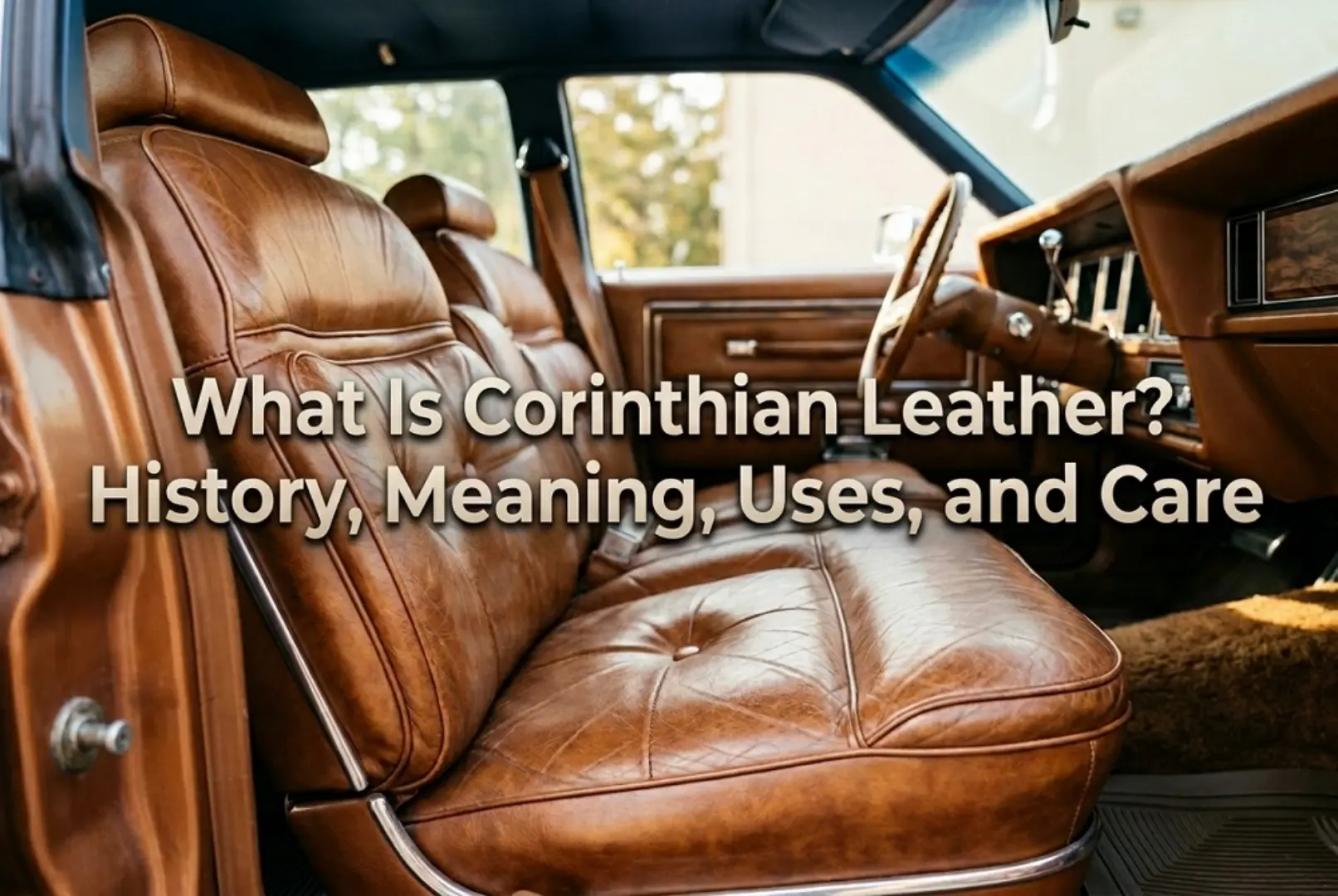
What Is Corinthian Leather? History, Meaning, Uses, and Care