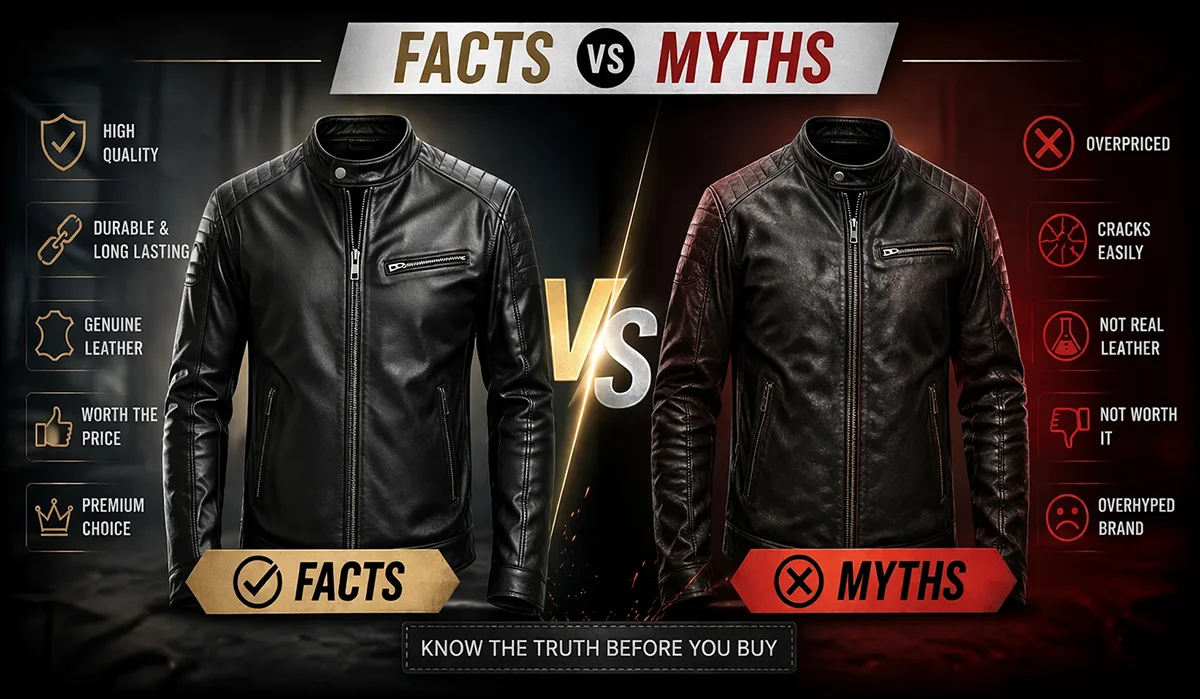
This detailed guide will not only debunk those myths but also help you understand how to choose the perfect leather jacket that suits your budget, preferences and lifestyle.
Myth 1: Leather Jackets Are Only for Bikers or Rebels
Fact: Leather jackets belong to every wardrobe
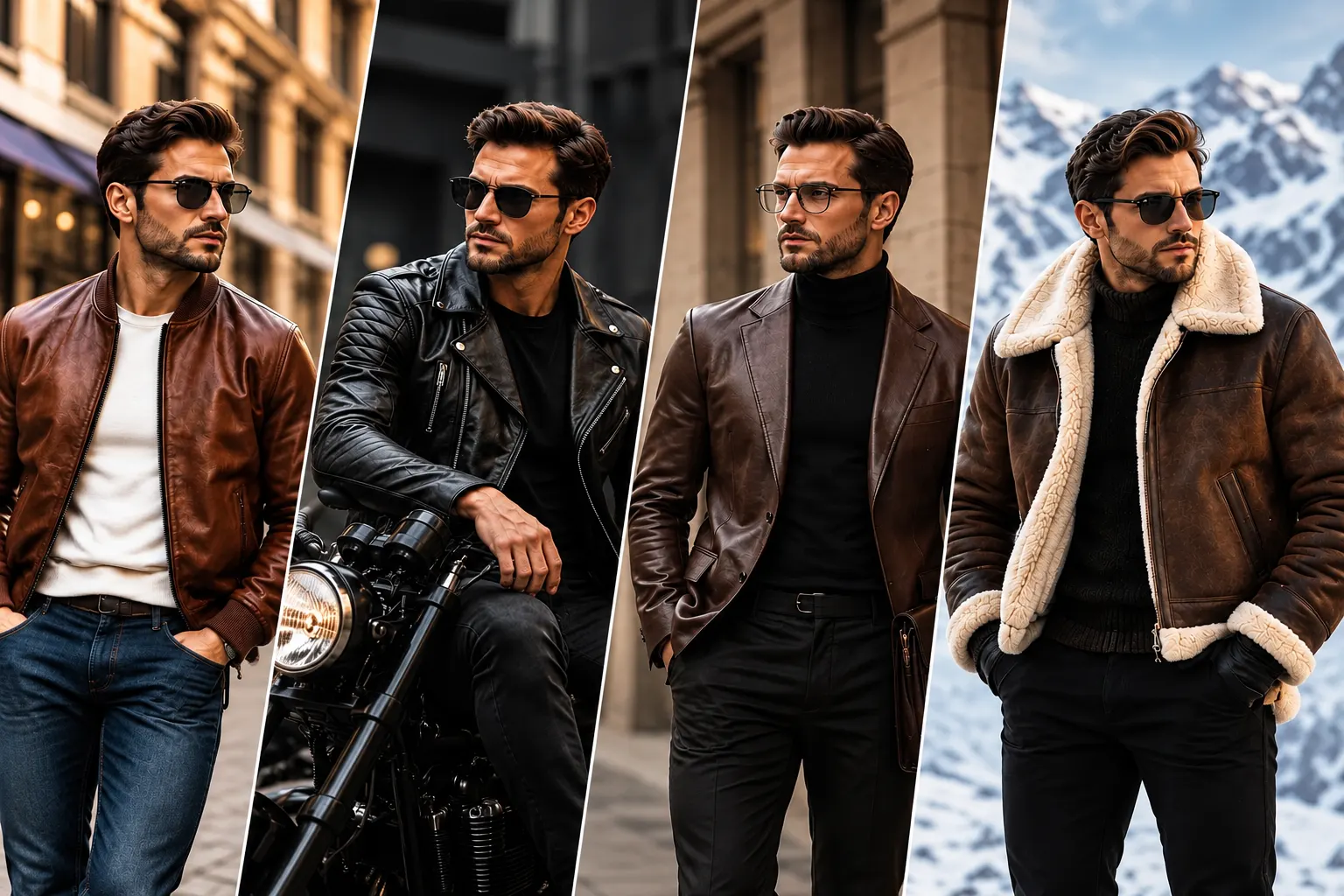
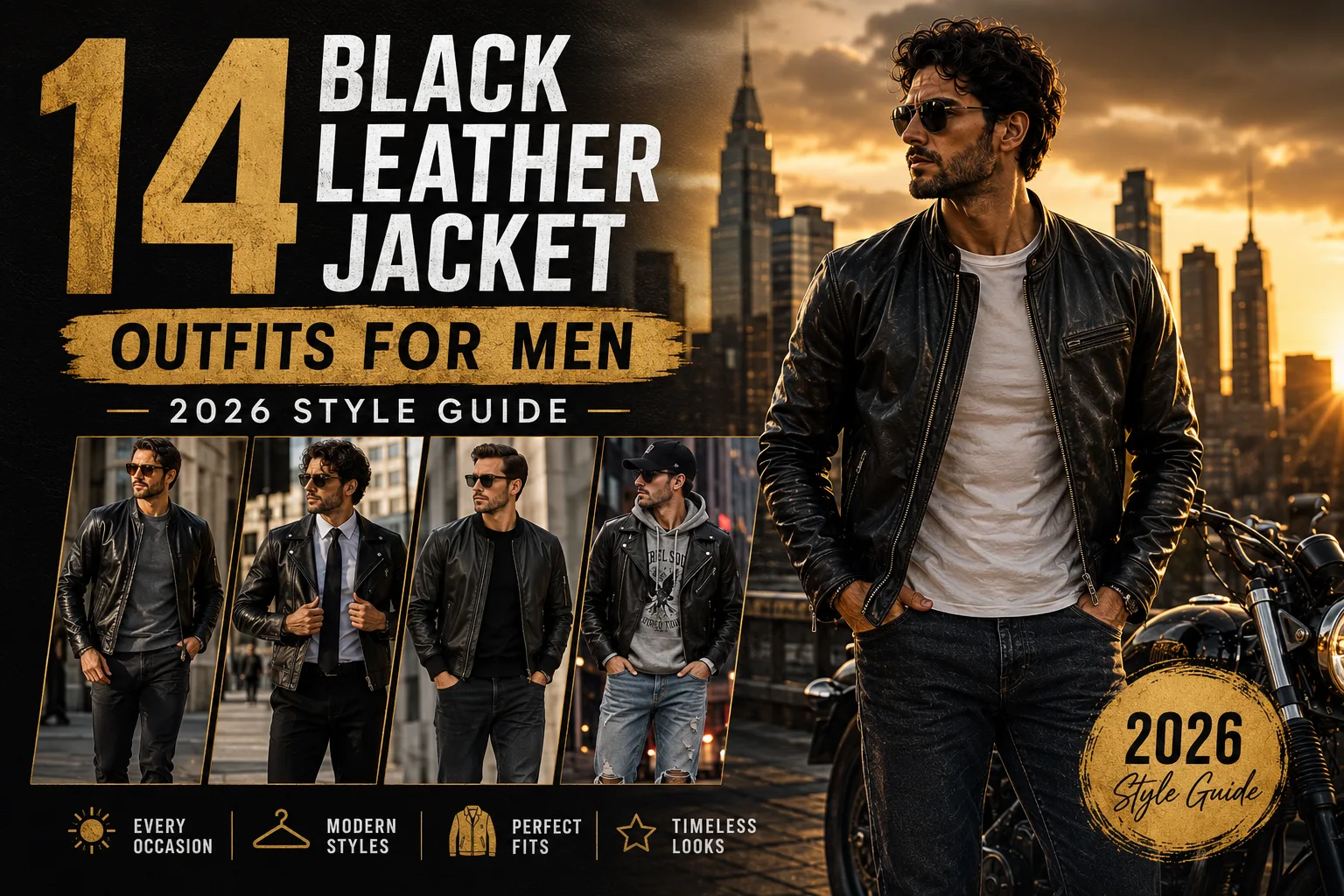
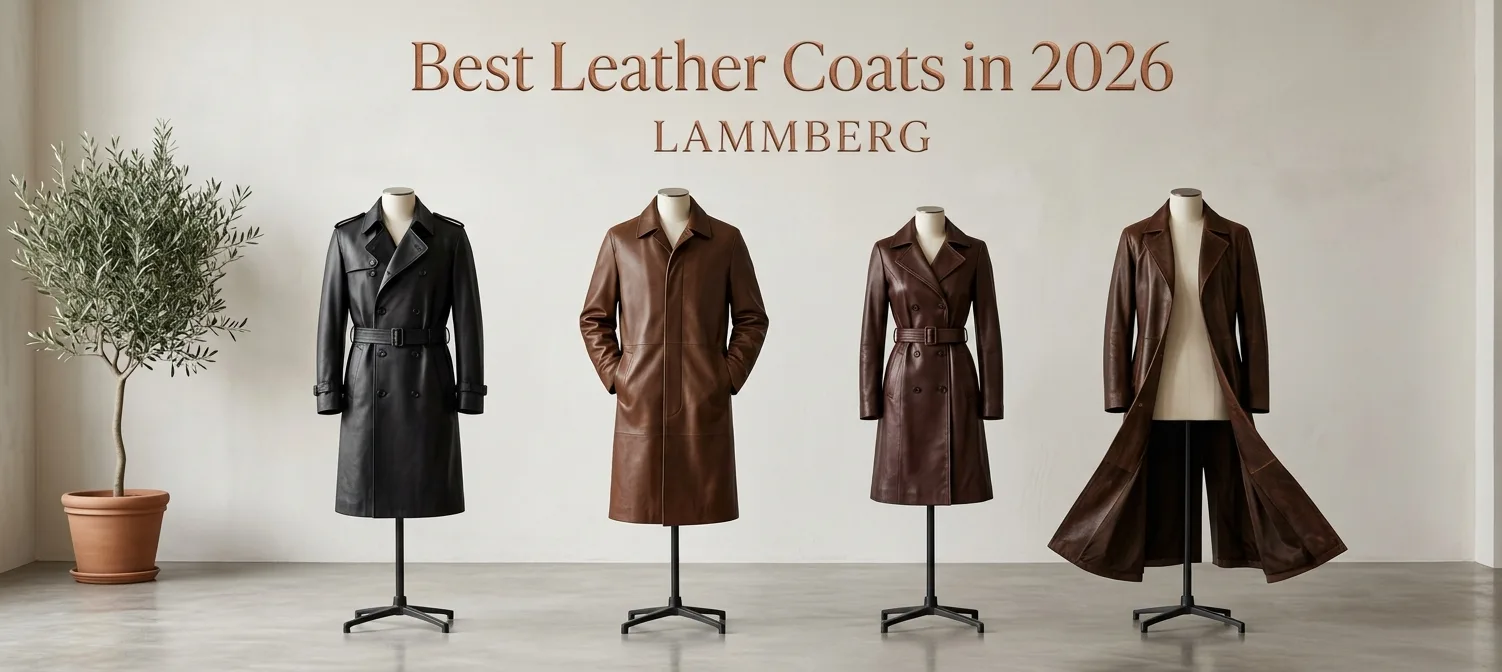
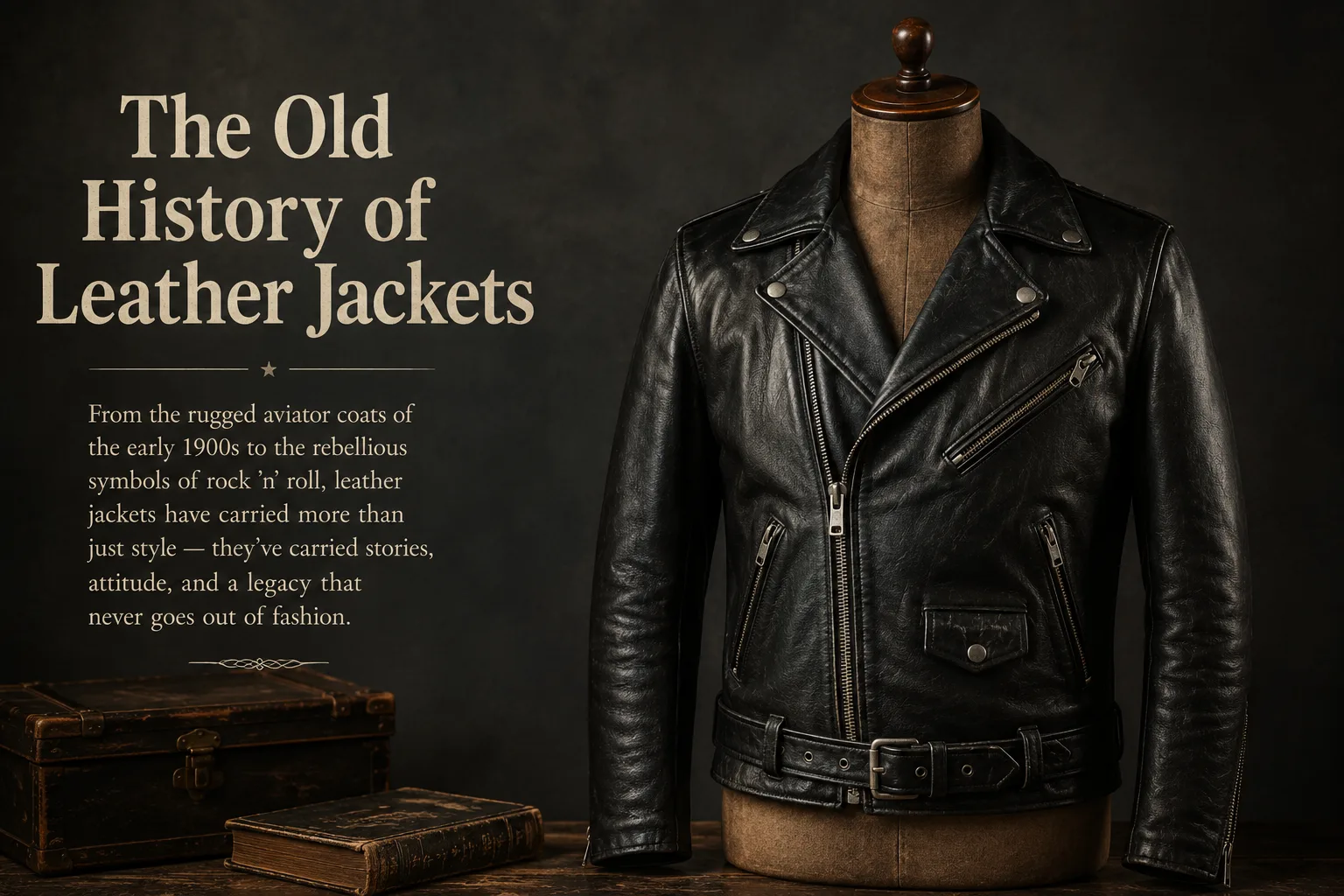
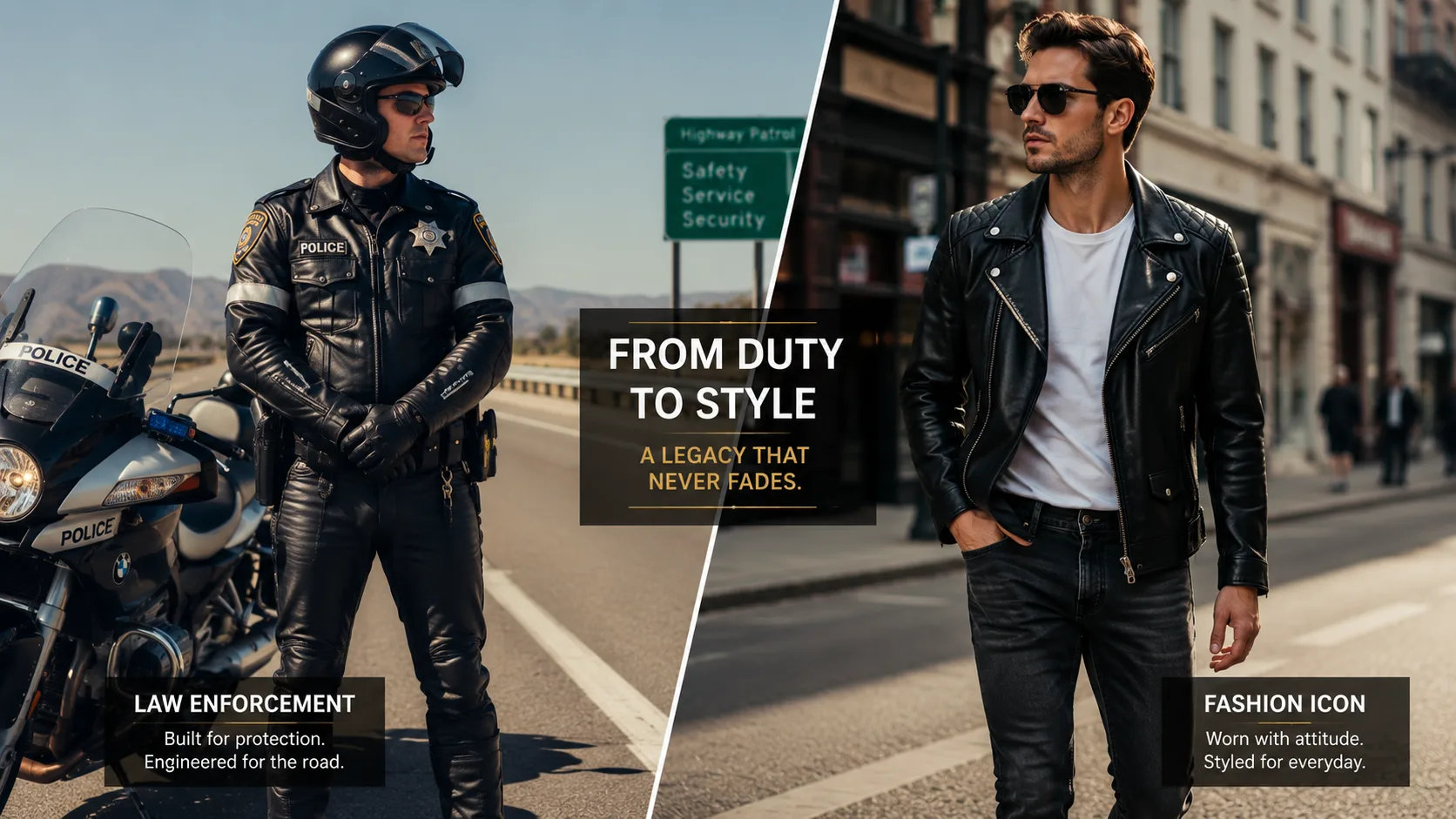
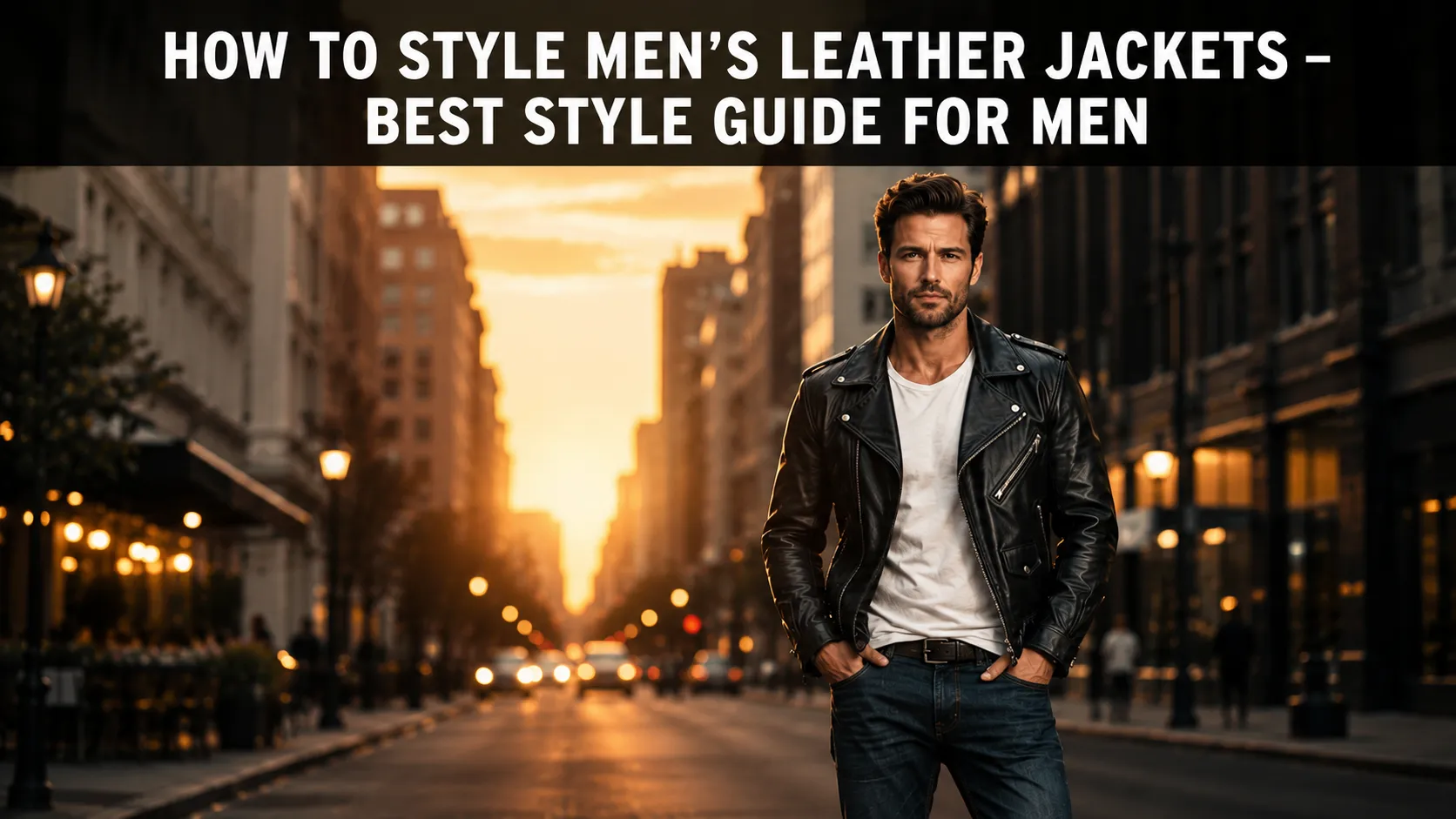
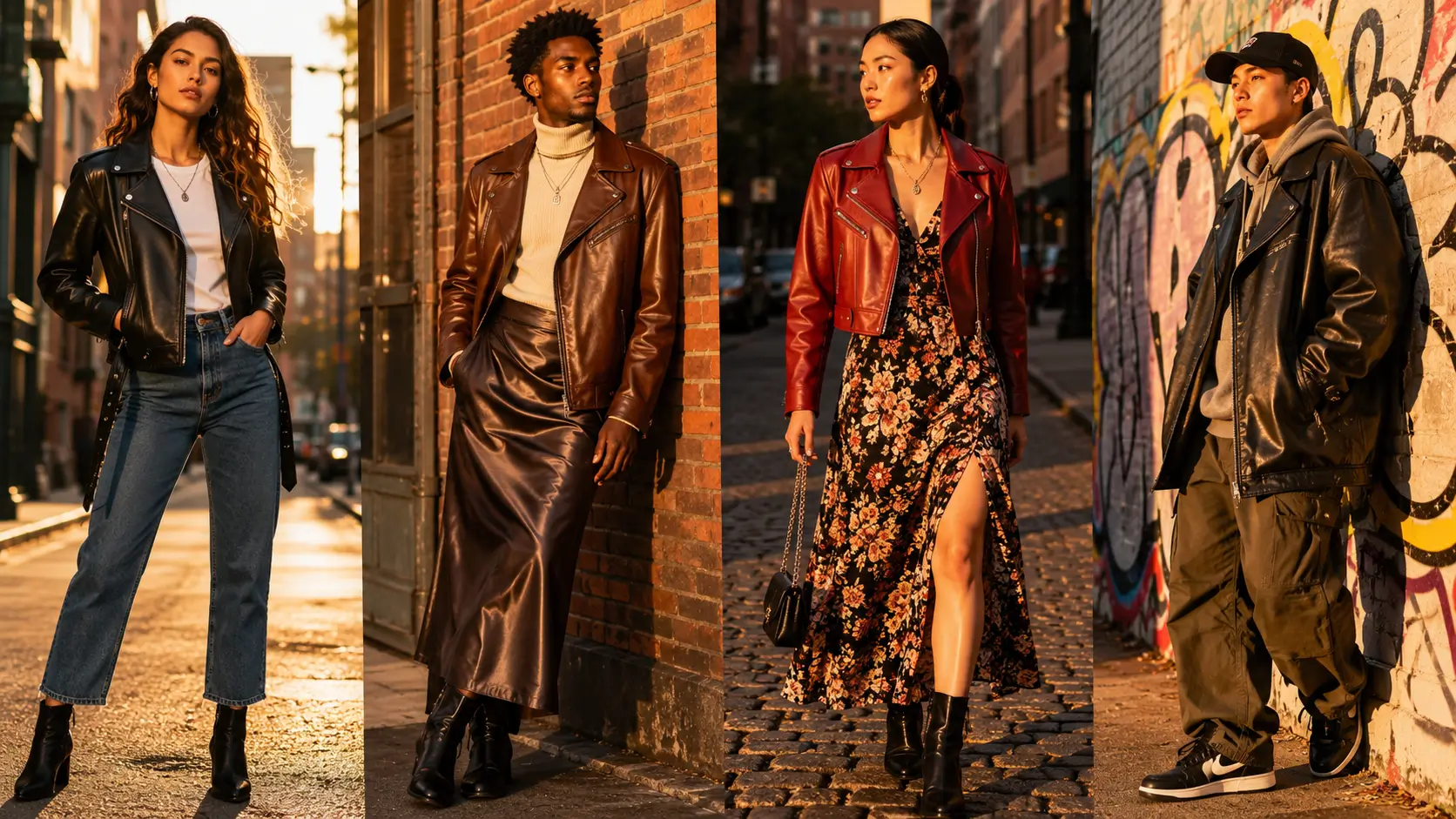
One of the biggest fashion misconceptions is that leather jackets are only for bikers, rock stars, or action movie heroes. In reality, leather jackets have evolved into a global fashion essential worn by everyone from business professionals to students and fashion influencers.
Today, leather jackets are designed in multiple styles so they can match any personality or occasion.
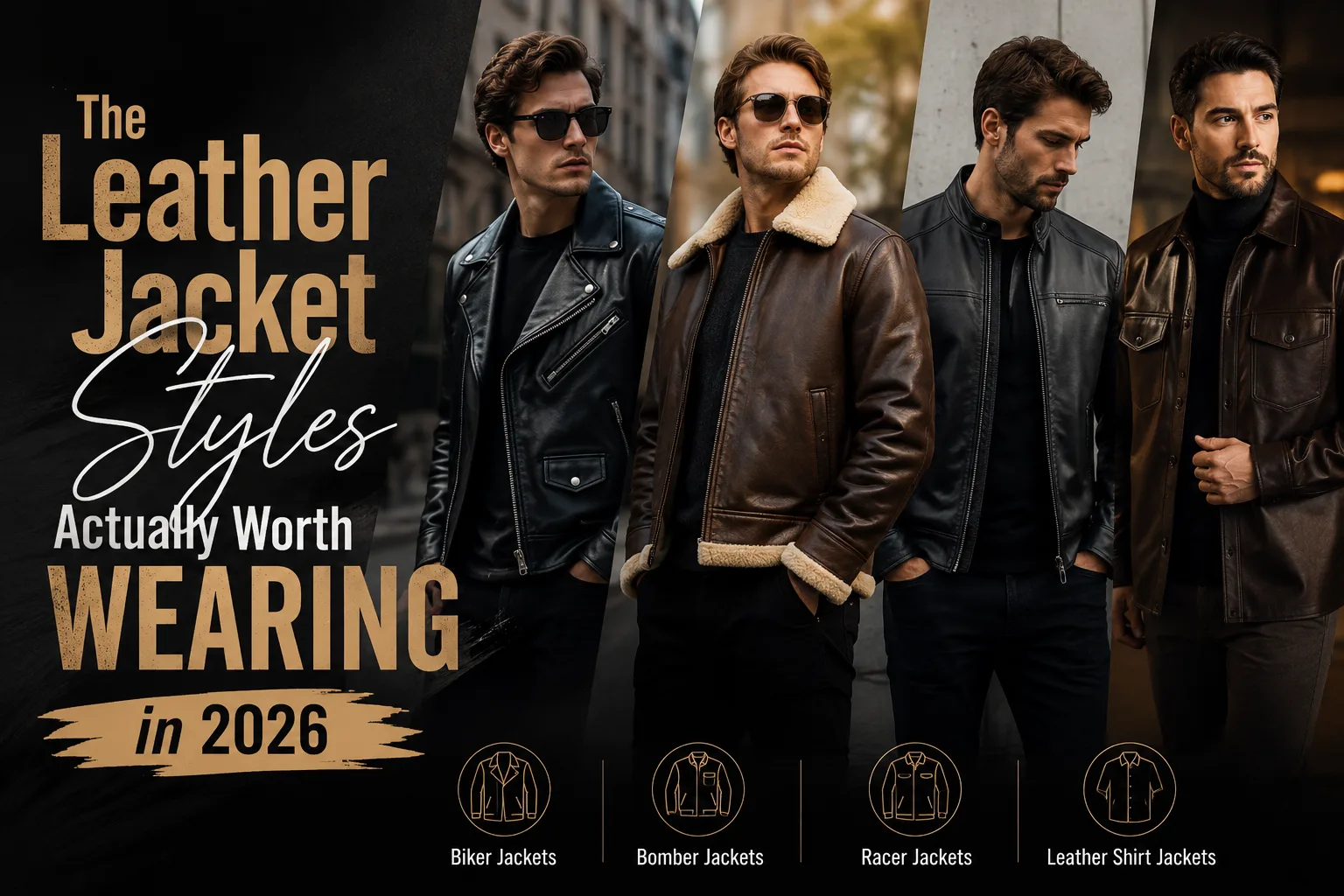
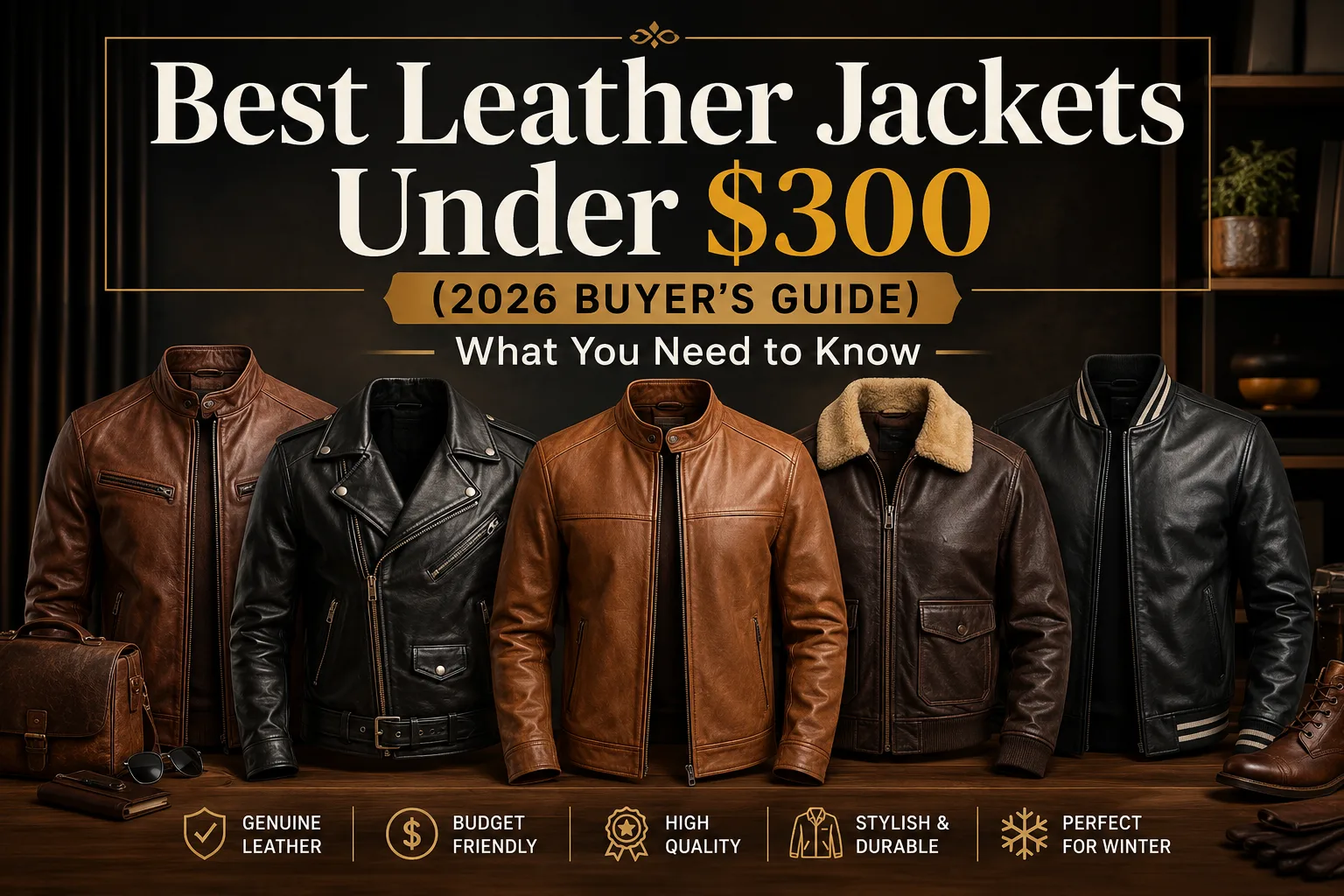
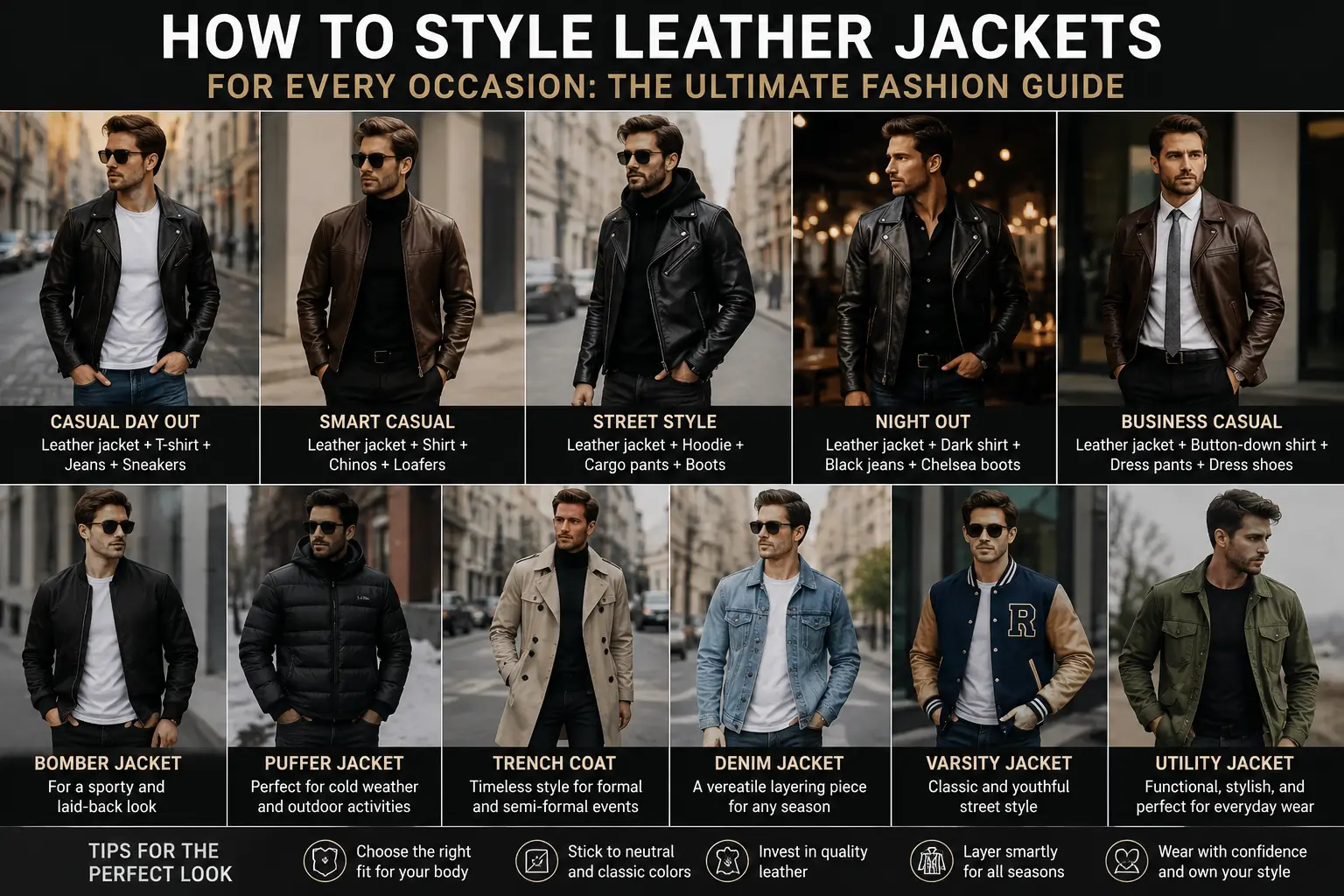
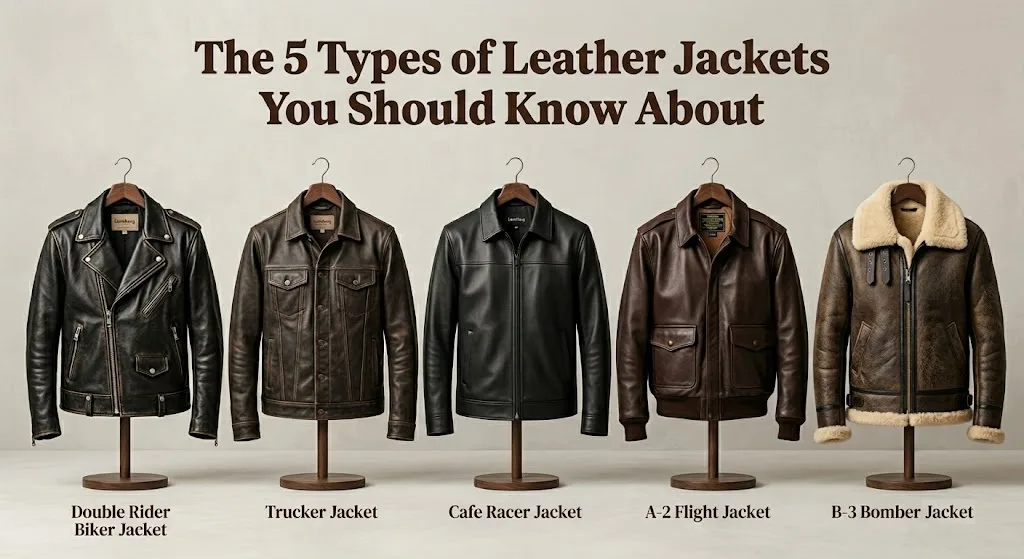
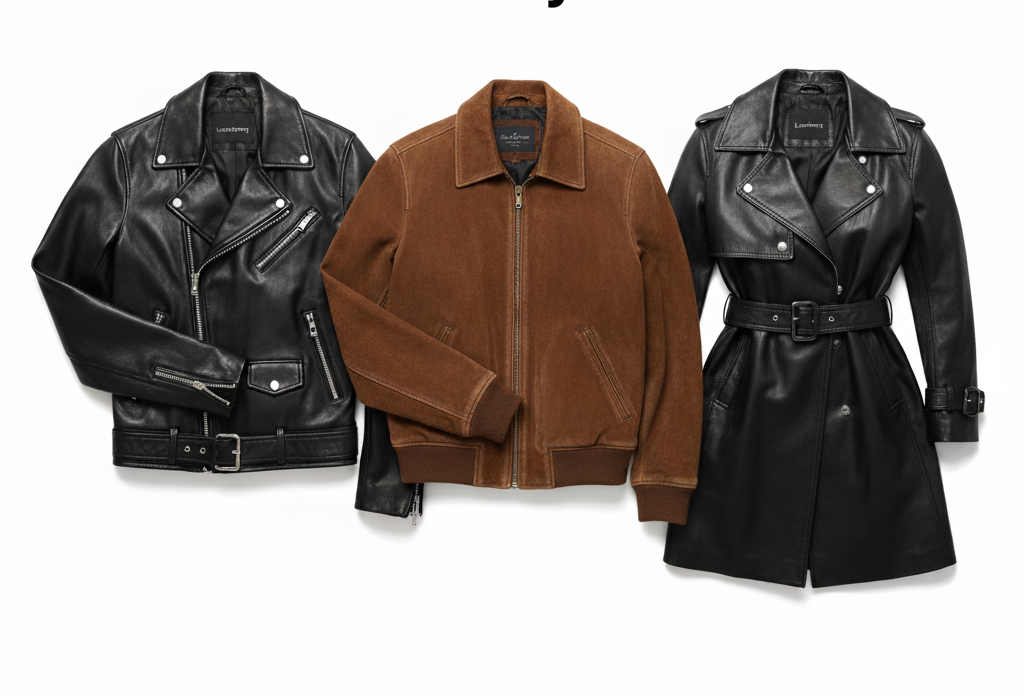
Modern Leather Jacket Styles You Should Know
- Bomber Jackets: Clean, casual, and perfect for everyday wear
- Moto Jackets: Bold street-style fashion with attitude
- Leather Blazers: Smart, semi-formal, and business-ready
- Shearling Jackets: Premium winter luxury with warmth
Who Wears What: A Quick Style Match
- Office or business-casual look: Leather blazer over a plain shirt
- Everyday streetwear: Bomber jacket with jeans and sneakers
- Classic rugged style: Moto jacket with boots
- Cold-weather formal or luxury look: Shearling jacket over layered knitwear
Explore Modern Leather Jacket Collection
Myth 2: Real Leather and Faux Leather Are the Same
Fact: There is a massive difference in quality and lifespan
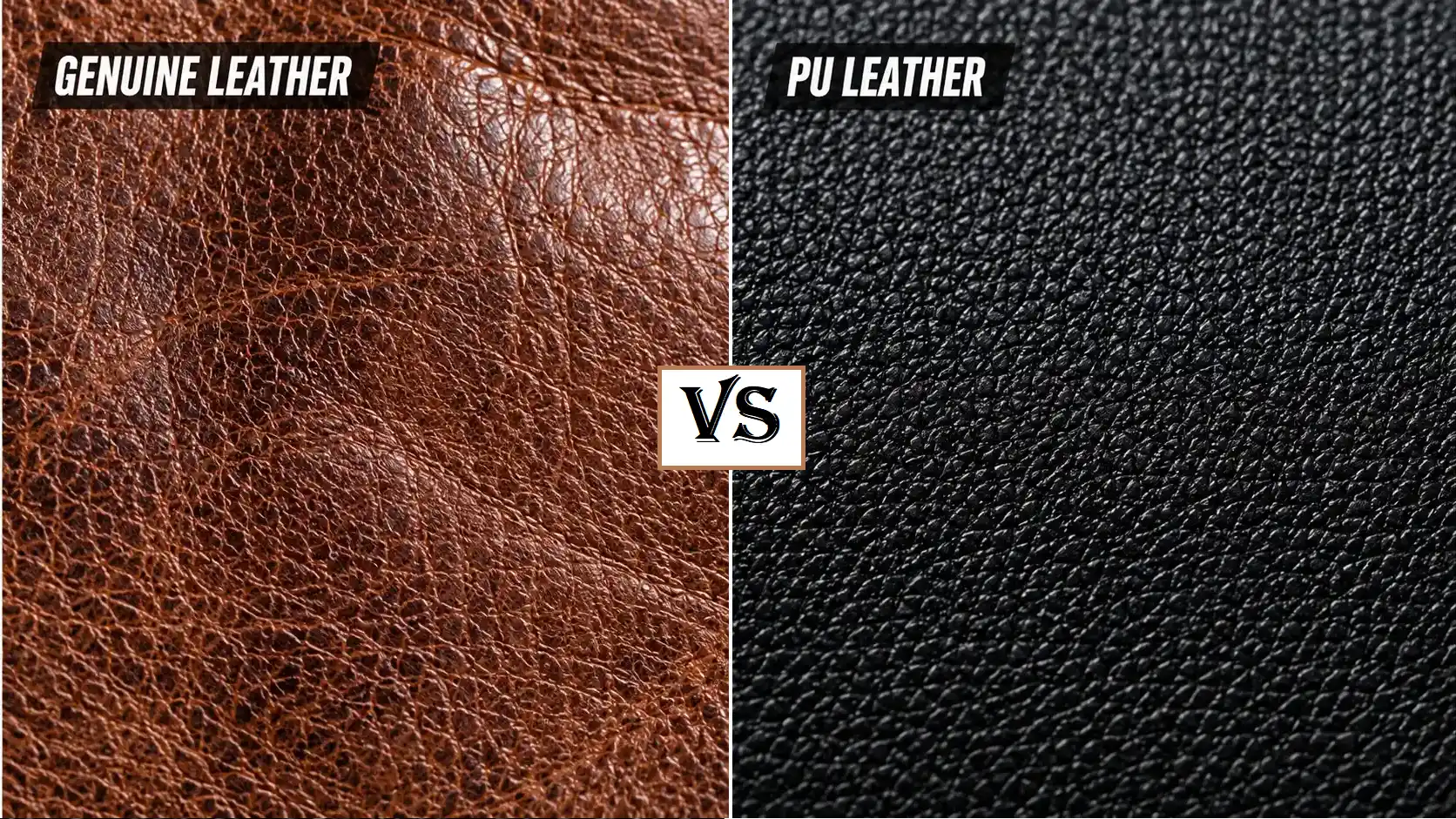
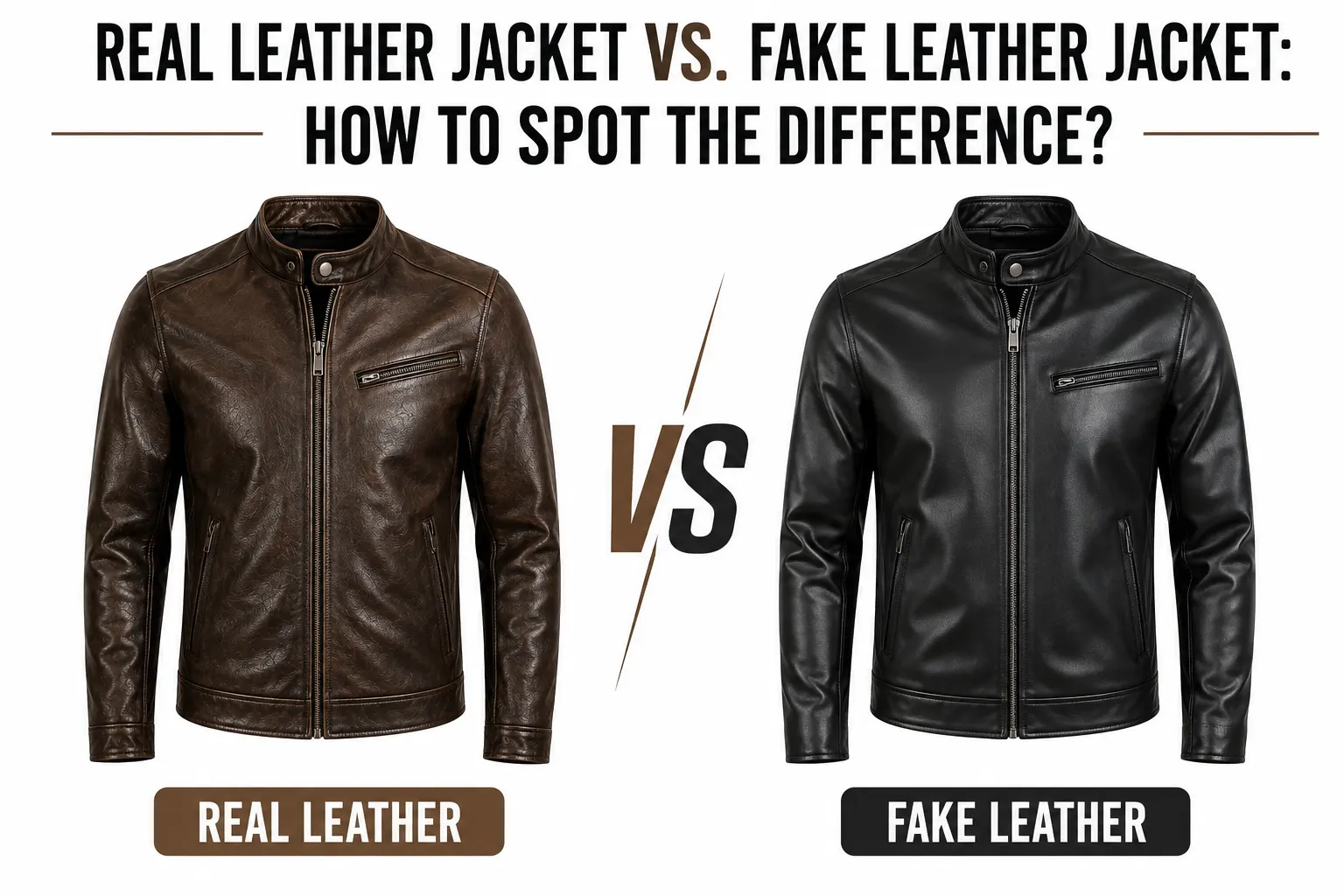
Many buyers get confused between genuine leather and faux leather. While they may look similar at first glance, their performance, durability, and long-term value are completely different.
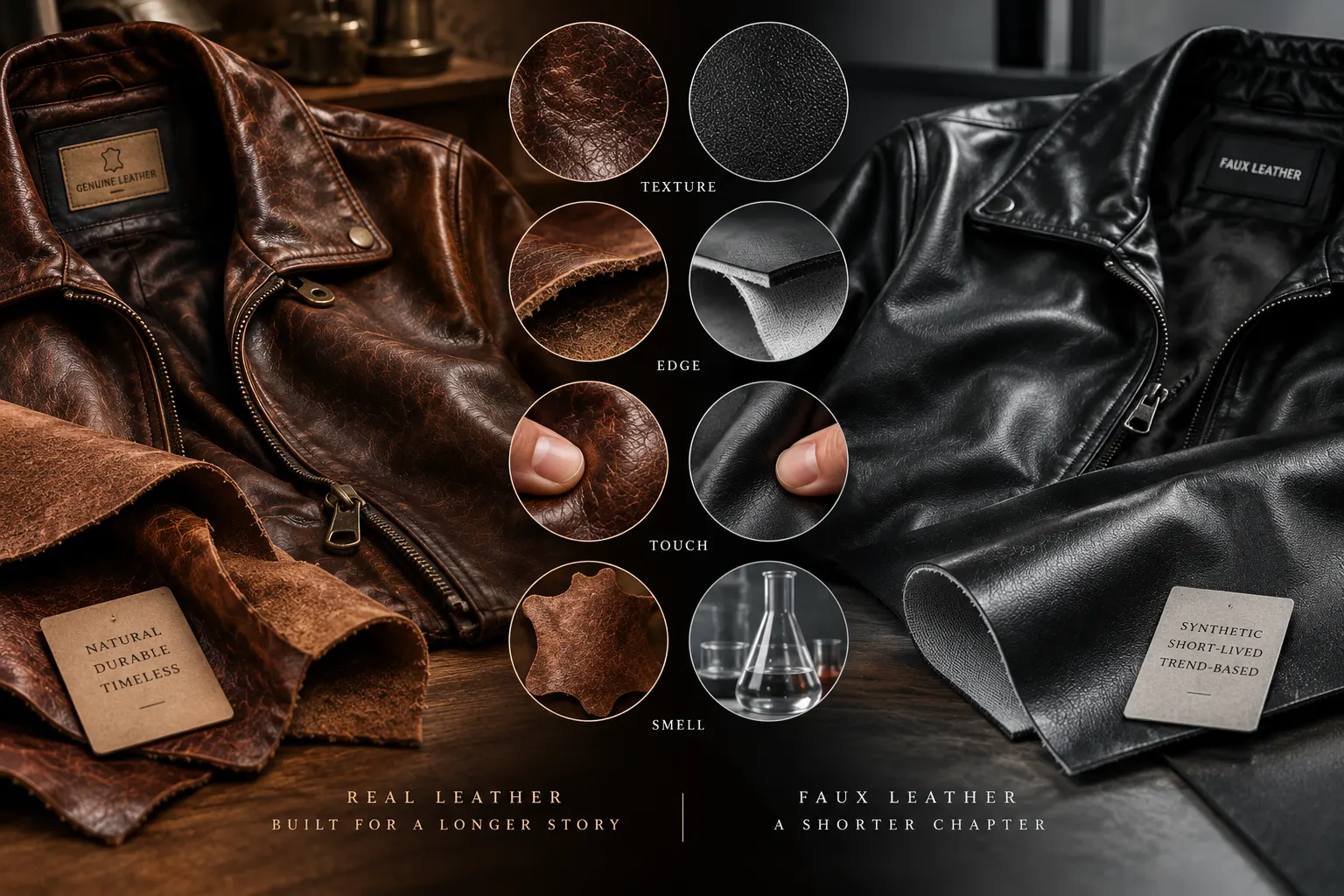
| Feature | Genuine Leather | Faux Leather |
|---|---|---|
| Durability | Can last 10–20+ years | 1–2 years average |
| Comfort | Breathable and natural | Can feel sticky or hot |
| Style Aging | Improves with patina over time | Cracks and fades |
| Value | Long-term investment | Short-term fashion item |
Conclusion: If you want durability, comfort, and long-term style genuine leather is always the smarter investment.
How to Spot the Difference in Seconds
- Touch: Genuine leather feels supple and slightly uneven; faux leather often feels uniformly smooth or plasticky.
- Smell: Real leather has a natural, earthy scent; faux leather usually smells chemical or has no smell at all.
- Edges: Genuine leather has natural, slightly irregular cut edges; faux leather edges are perfectly uniform.
- Label: Always check for “genuine,” “full-grain,” or “top-grain” on the tag rather than assuming from the product name alone.
Myth 3: Leather Jackets Are Always Expensive
Fact: There is a leather jacket for every budget
Many people assume leather jackets are luxury-only items, but that is not true. Today’s market offers everything from affordable premium pieces to high-end designer jackets.
The price depends on:
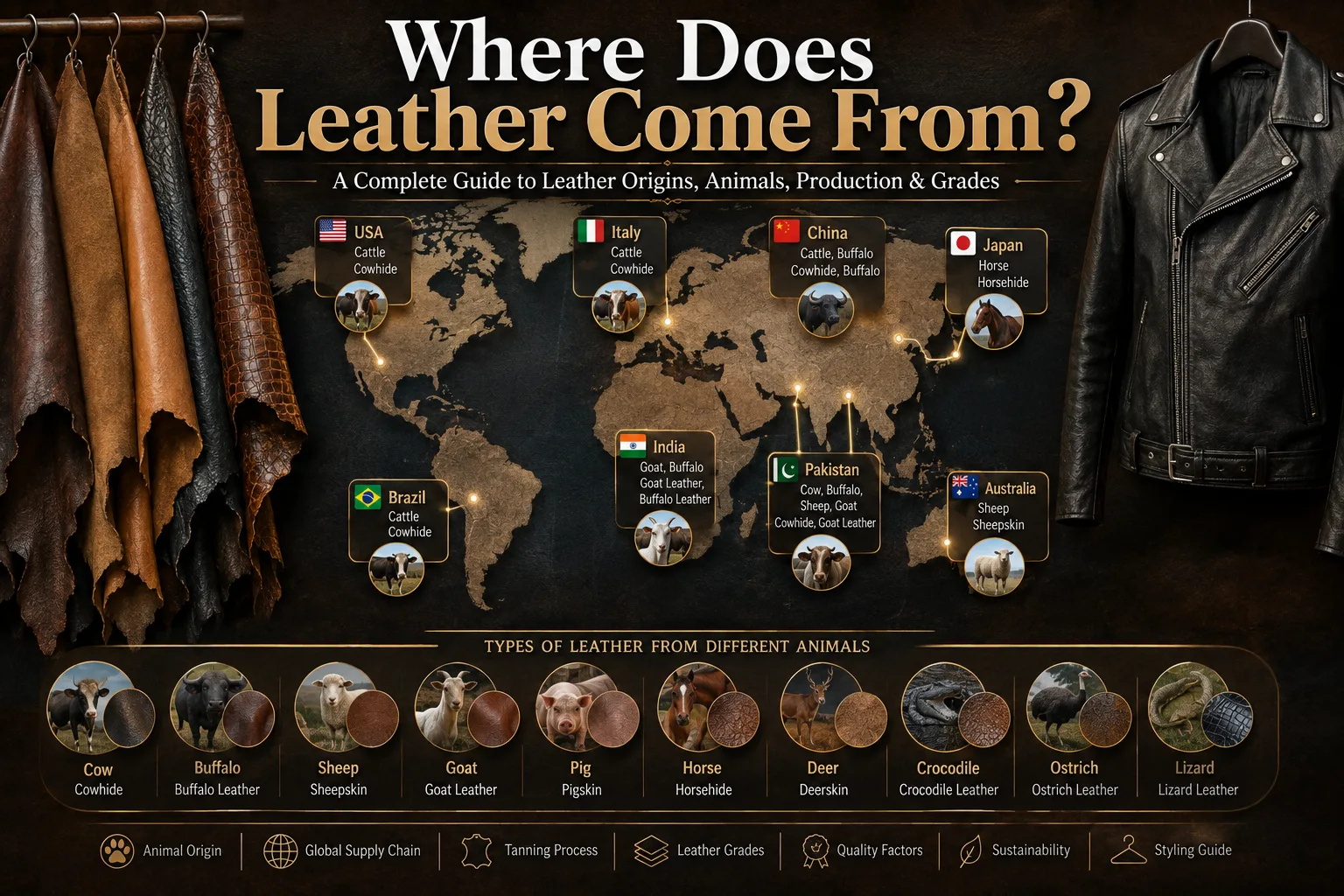
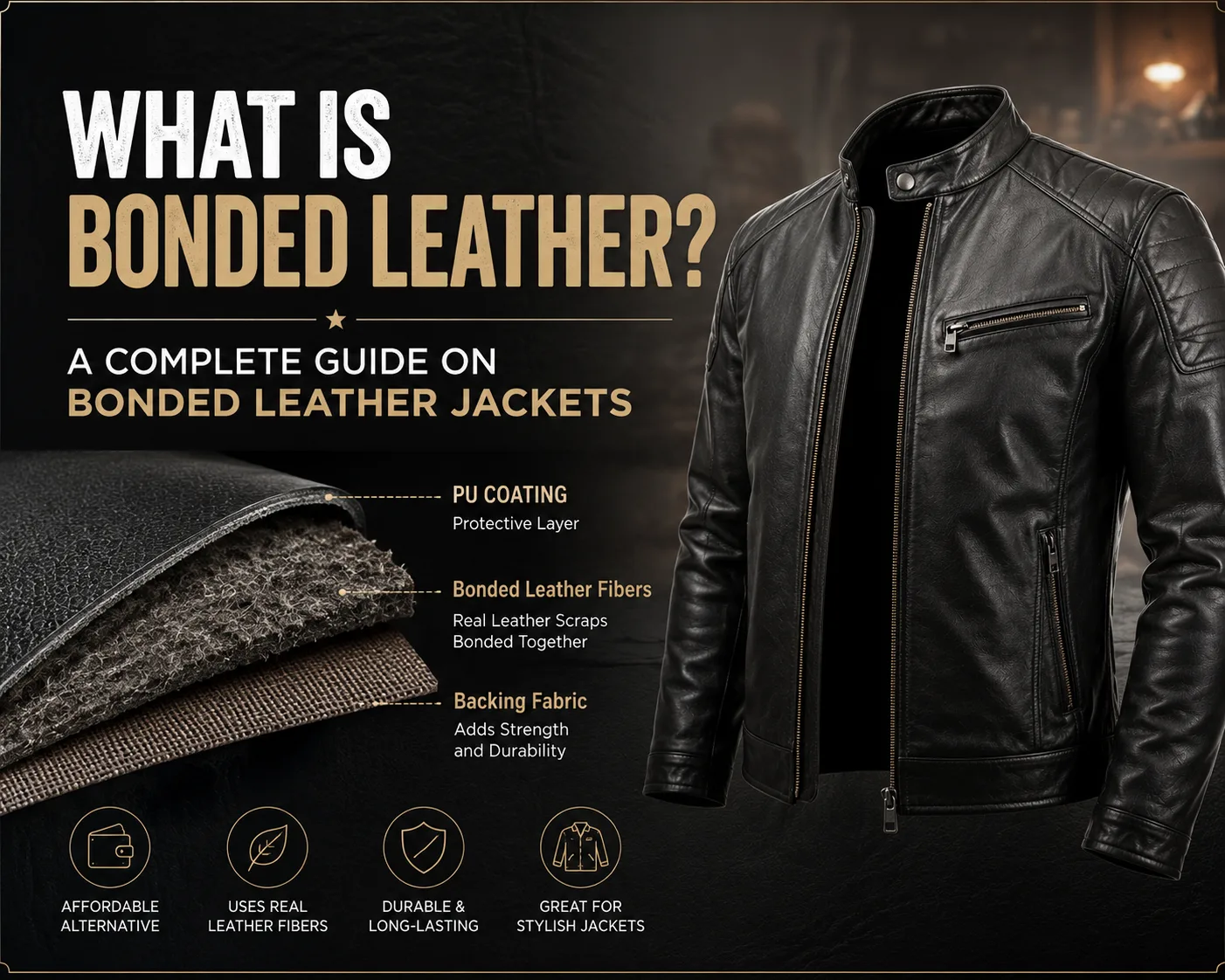
- Type of leather (full-grain, top-grain, bonded)
- Craftsmanship and stitching quality
- Brand positioning
What Actually Drives Leather Jacket Pricing
Beyond the leather type itself, a few other factors shape the final price tag: the tanning process used, the amount of hand-finishing versus machine production, hardware quality (zippers, buttons, snaps), lining material, and whether the jacket is mass-produced or made to order. Understanding these factors helps you judge whether a jacket’s price actually reflects its quality rather than just its brand name.
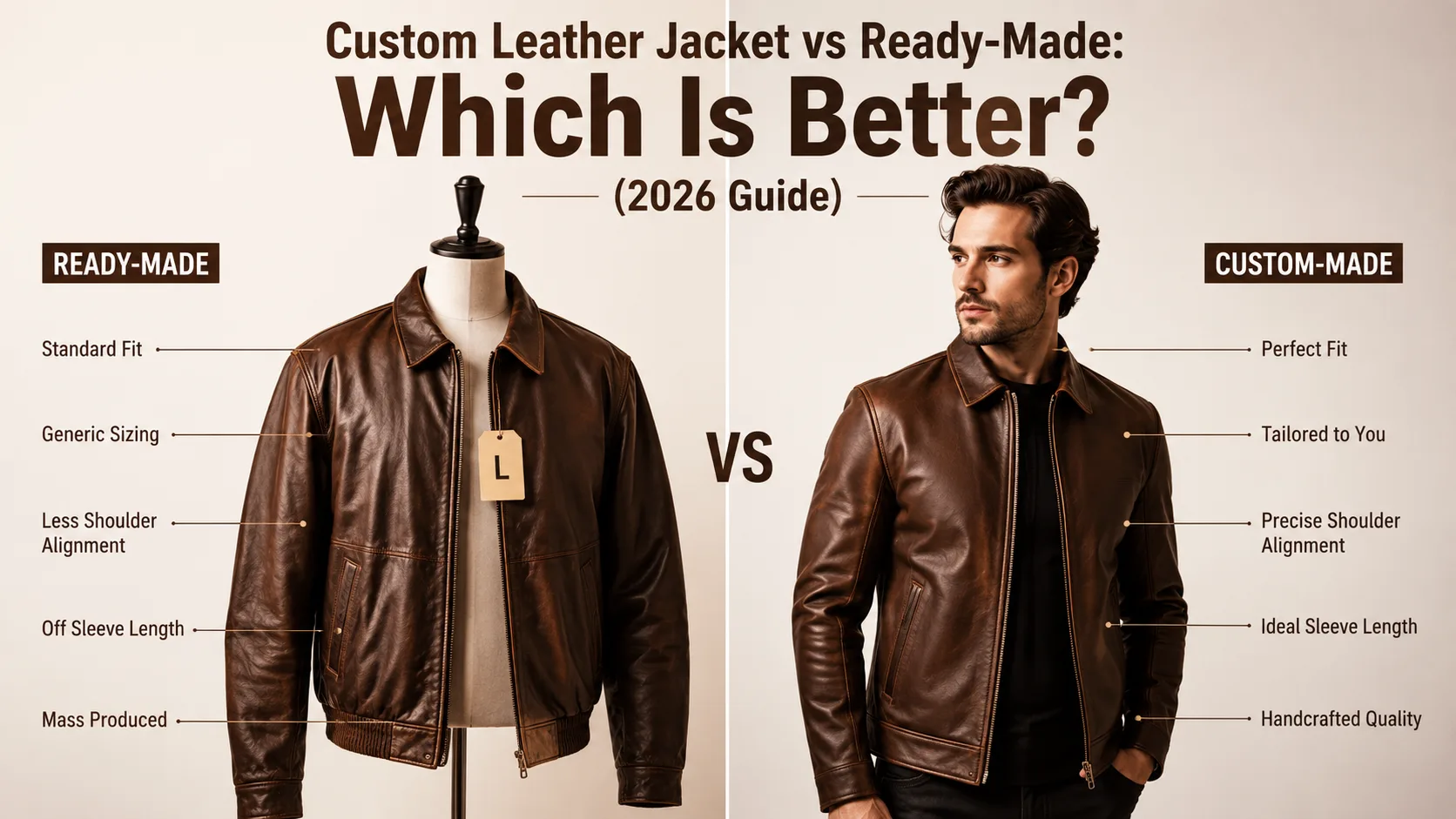
Explore Custom Leather Jackets (Best Value Option)
Myth 4: Leather Jackets Require Too Much Maintenance
Fact: They are surprisingly low maintenance
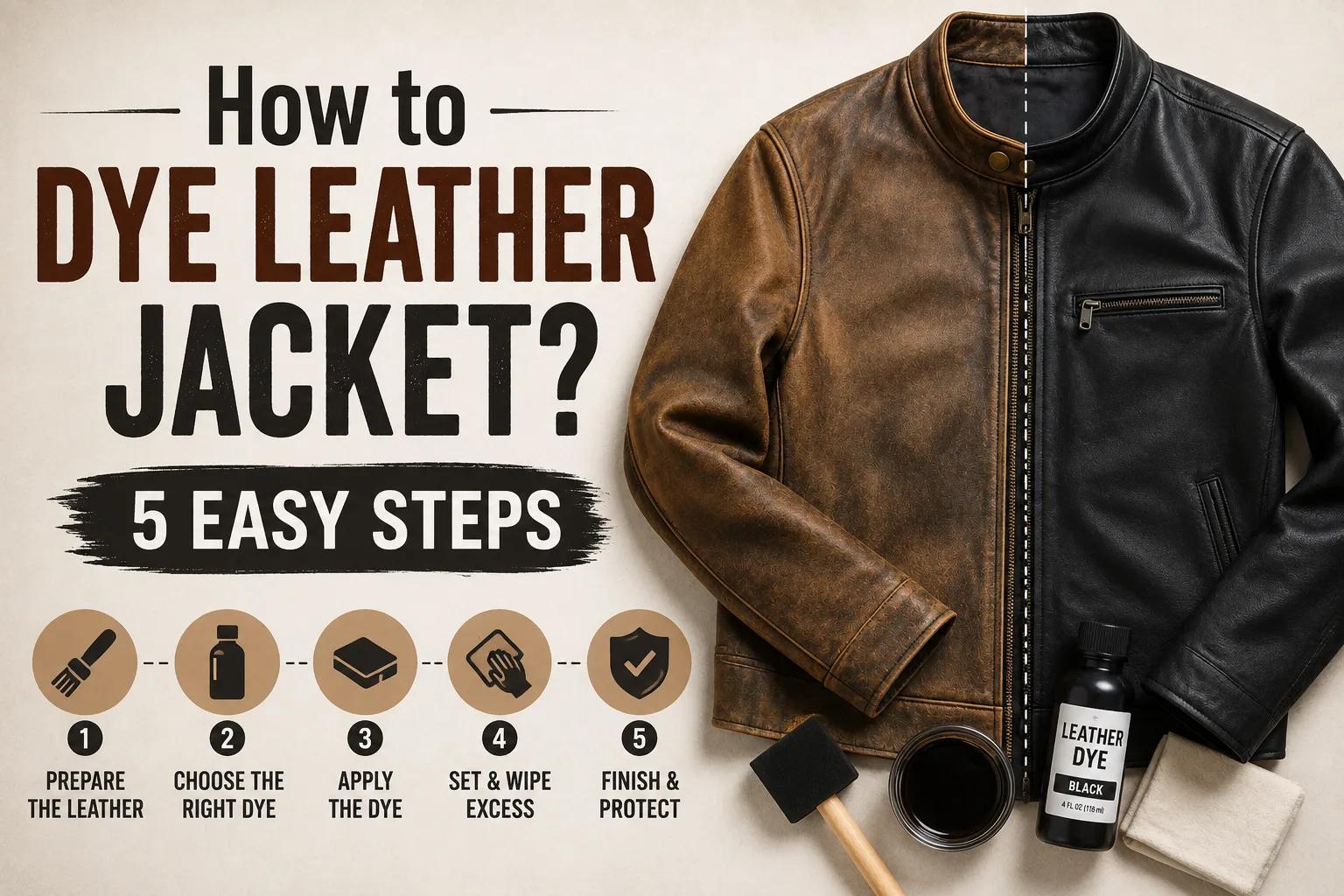
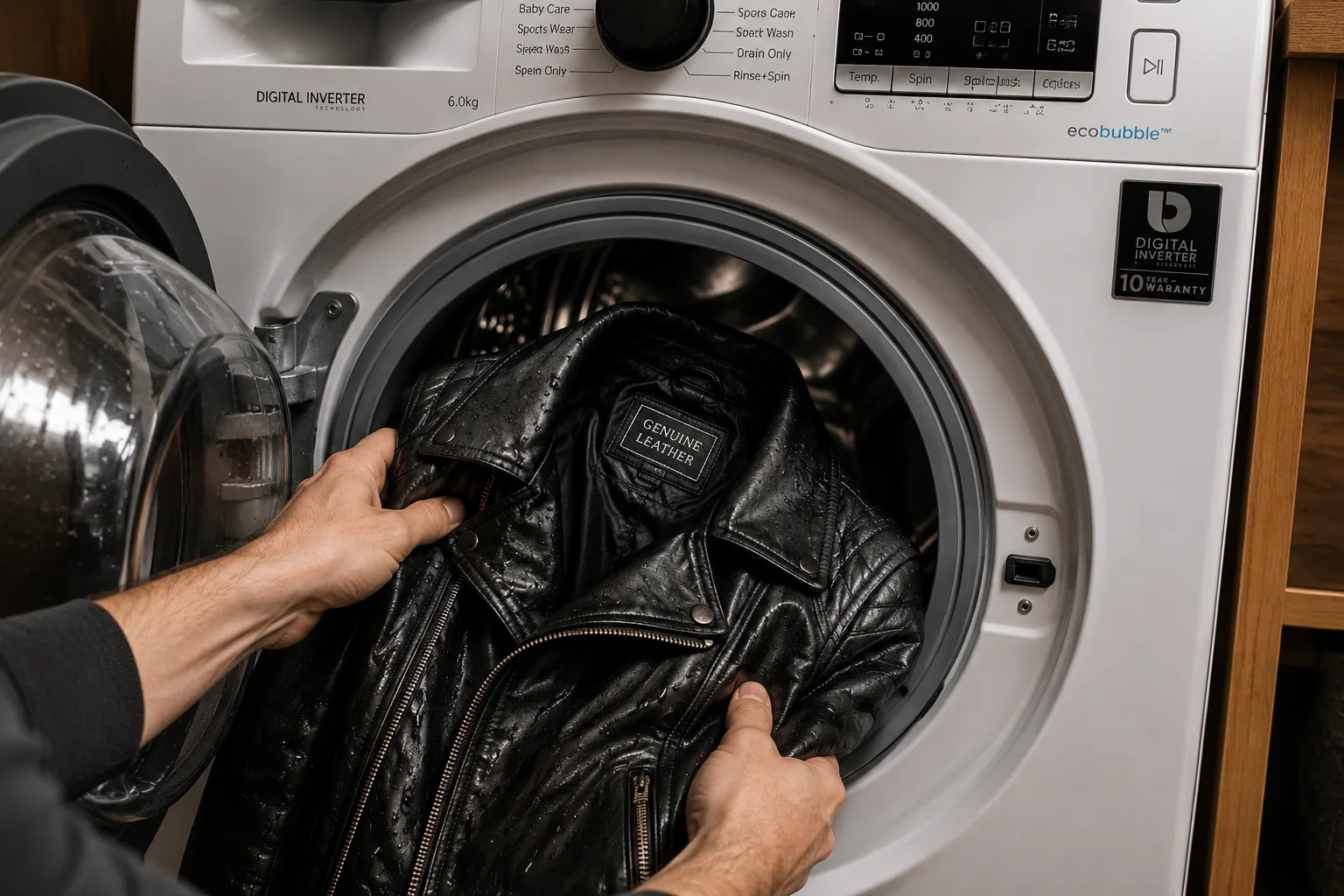
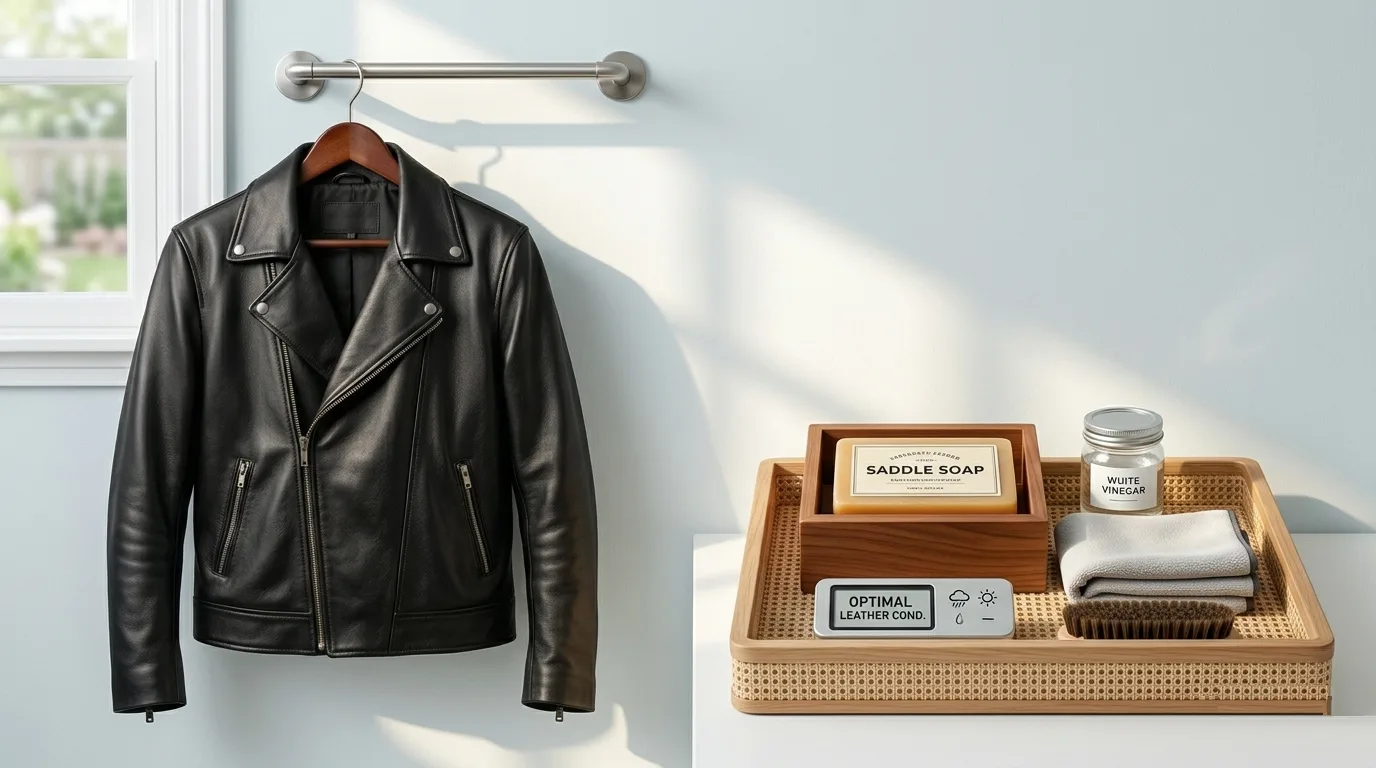
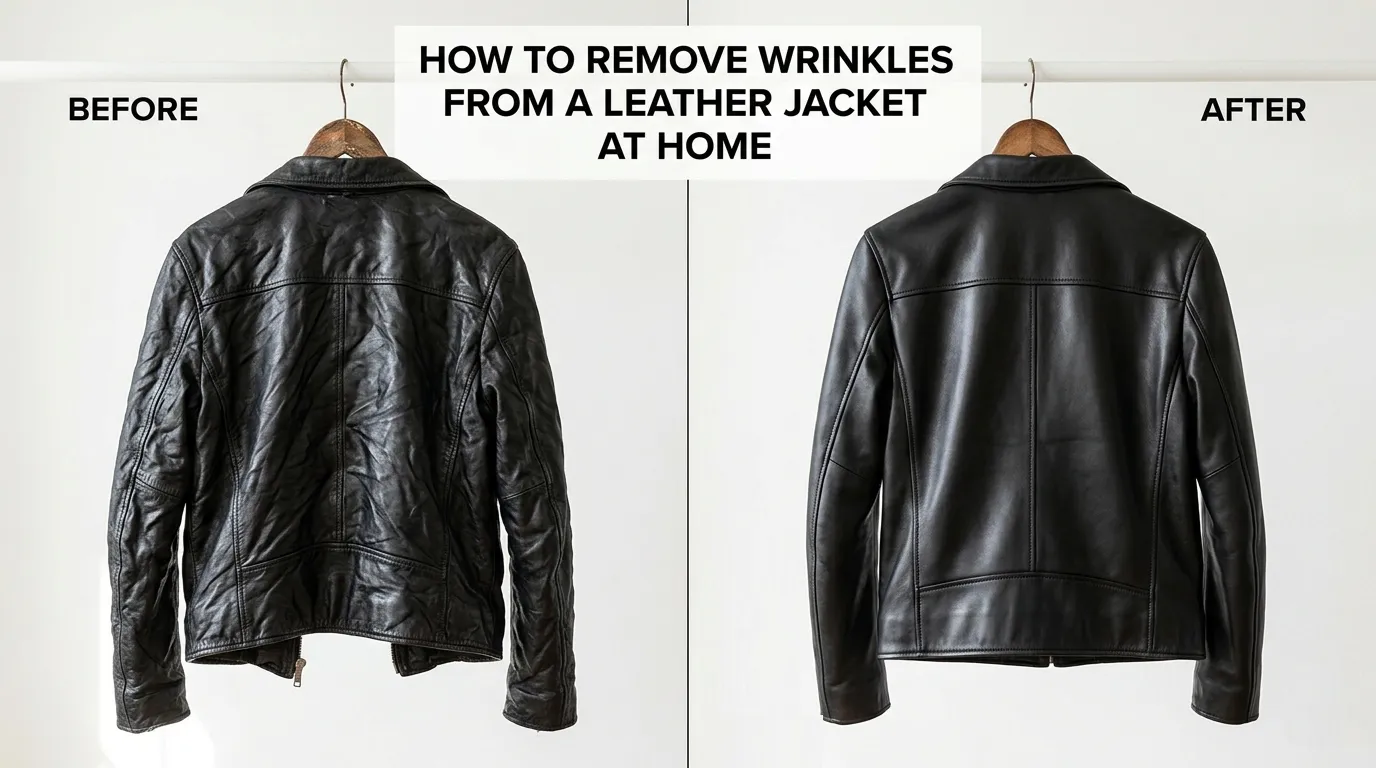
Leather jackets do not require daily care. In fact, with basic maintenance, they can last for decades without losing quality.
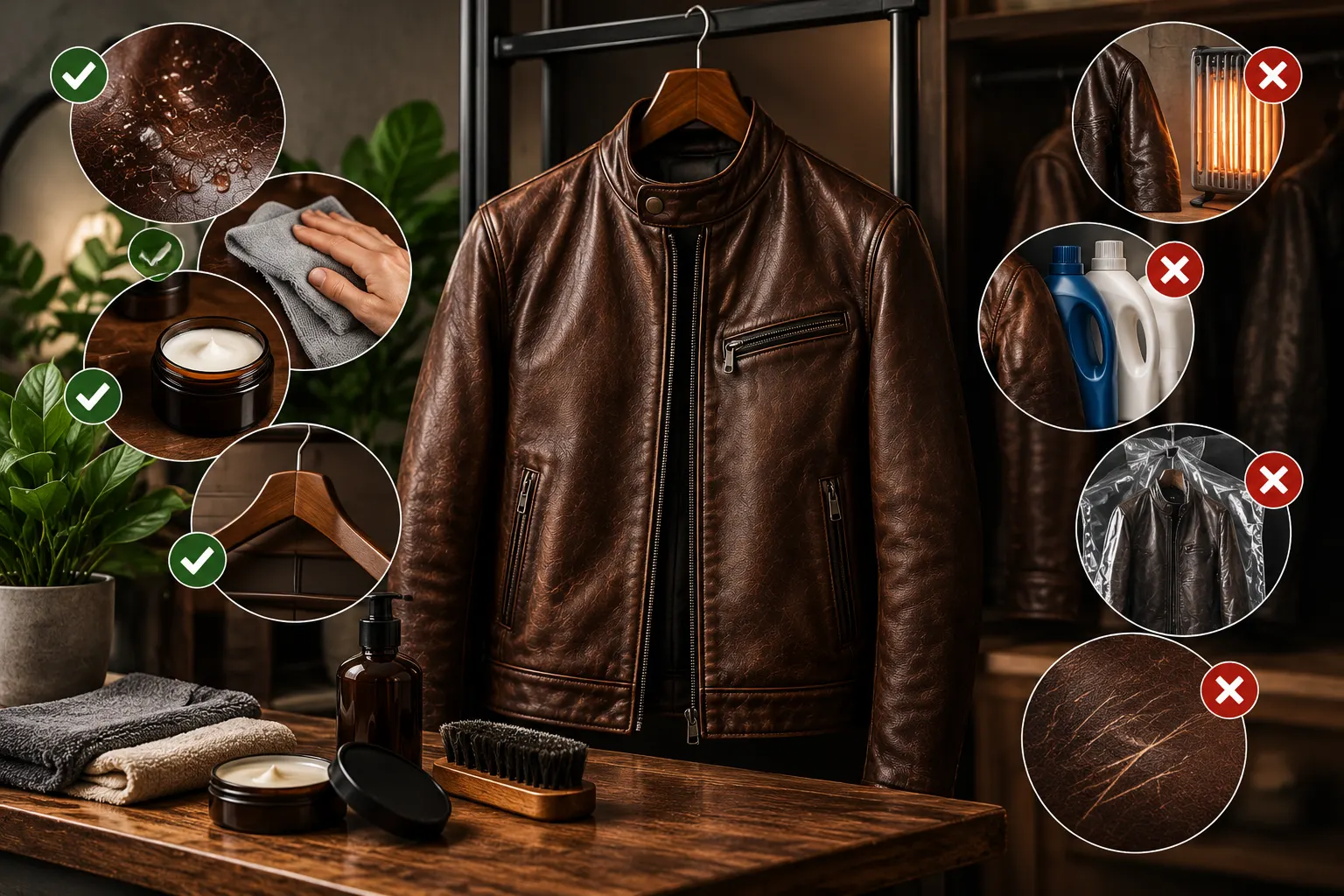
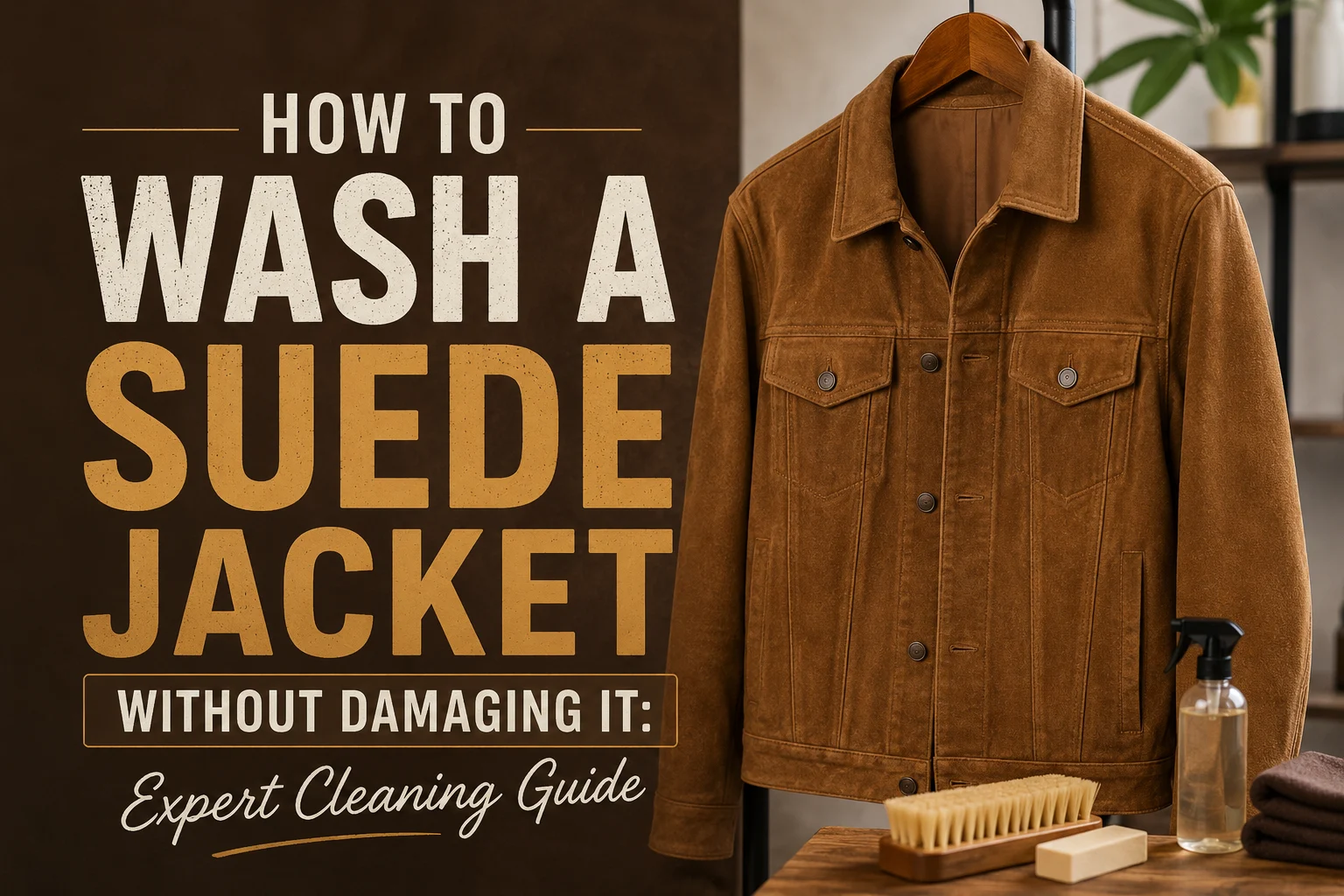
Simple Care Routine
- Avoid keeping it wet for long periods
- Use leather conditioner every few months
- Store it on a wide hanger to maintain shape
- Clean with a soft cloth when needed
Pro Tip: A well-maintained leather jacket actually becomes more beautiful over time.
Common Care Mistakes to Avoid
- Drying near direct heat: Radiators or heaters cause leather to stiffen and crack always air-dry away from direct heat sources.
- Using regular fabric detergent: This strips natural oils from the leather; use a leather-specific cleaner instead.
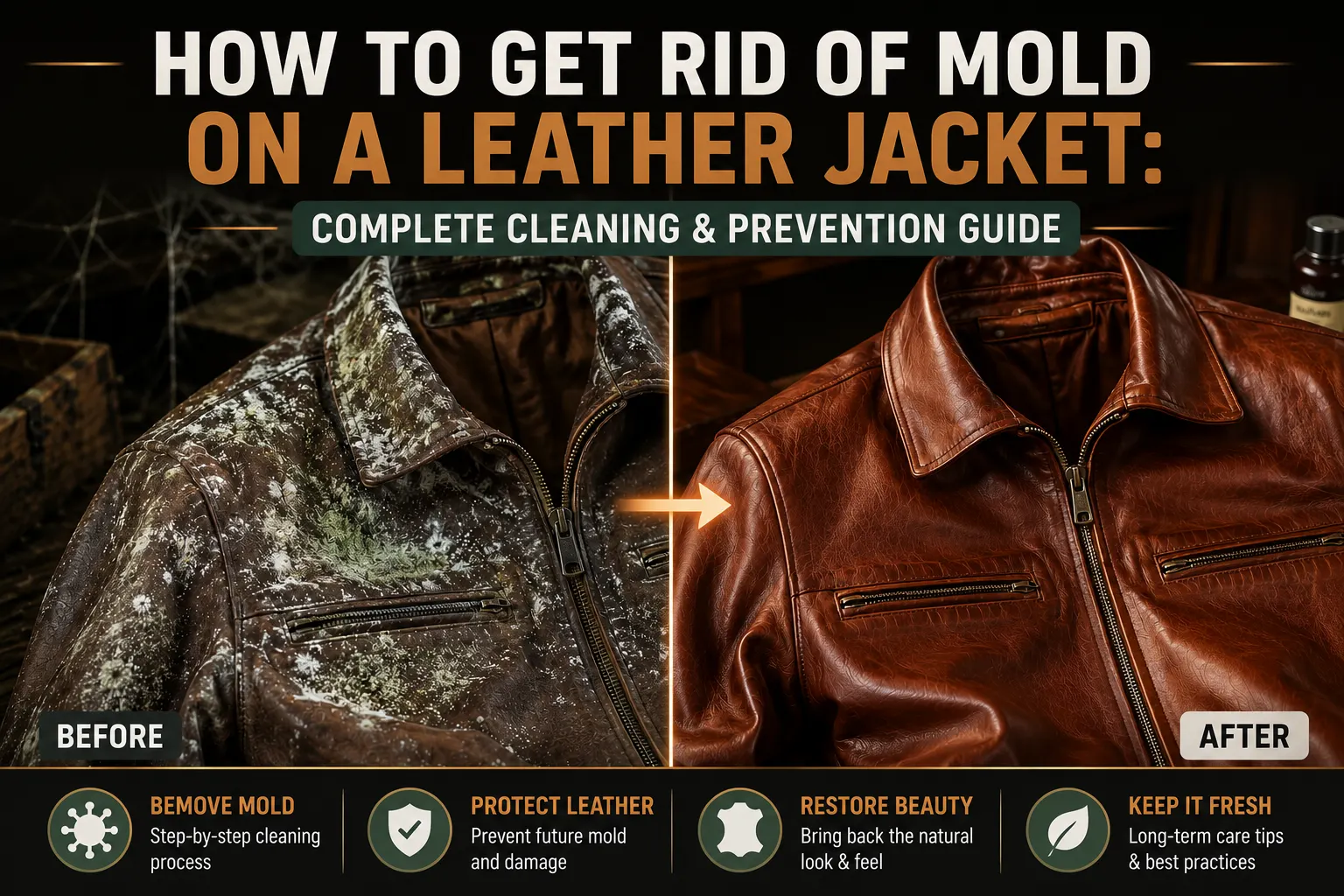
- Storing in plastic covers: Plastic traps moisture and can cause mold; use a breathable garment bag instead.
- Ignoring small scratches: Minor surface scratches can often be buffed out early with light conditioning before they set in.
Myth 5: Leather Jackets Are Heavy and Uncomfortable
Fact: Modern leather is lightweight and flexible
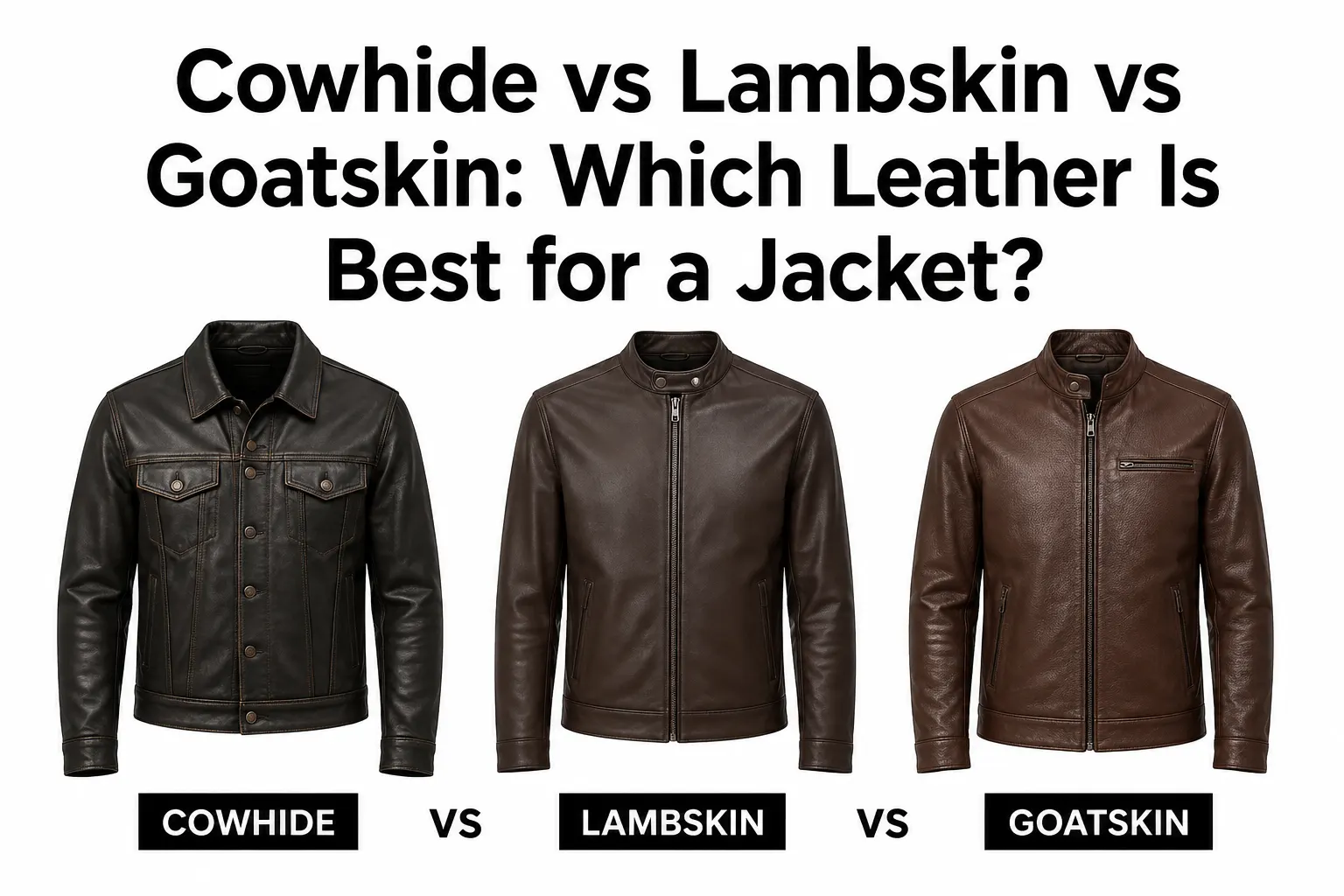
Old-generation leather jackets were heavy, but modern designs use soft leather like lambskin, making them extremely comfortable for daily wear.
Today’s jackets are designed for movement, comfort, and long-hour wear without fatigue.
Leather Types Ranked by Weight and Softness
- Lambskin: The softest and lightest option, ideal for fitted, everyday jackets.
- Goatskin: Slightly firmer than lambskin but still lightweight, with excellent durability.
- Cowhide: Heavier and thicker, offering a rugged, long-lasting classic feel.
- Sheepskin/Shearling: Heavier due to the wool lining, but unmatched for warmth.
Myth 6: Leather Jackets Are Only for Winter
Fact: They are a year-round fashion essential
Leather jackets are no longer seasonal. Different designs make them suitable for all weather conditions.
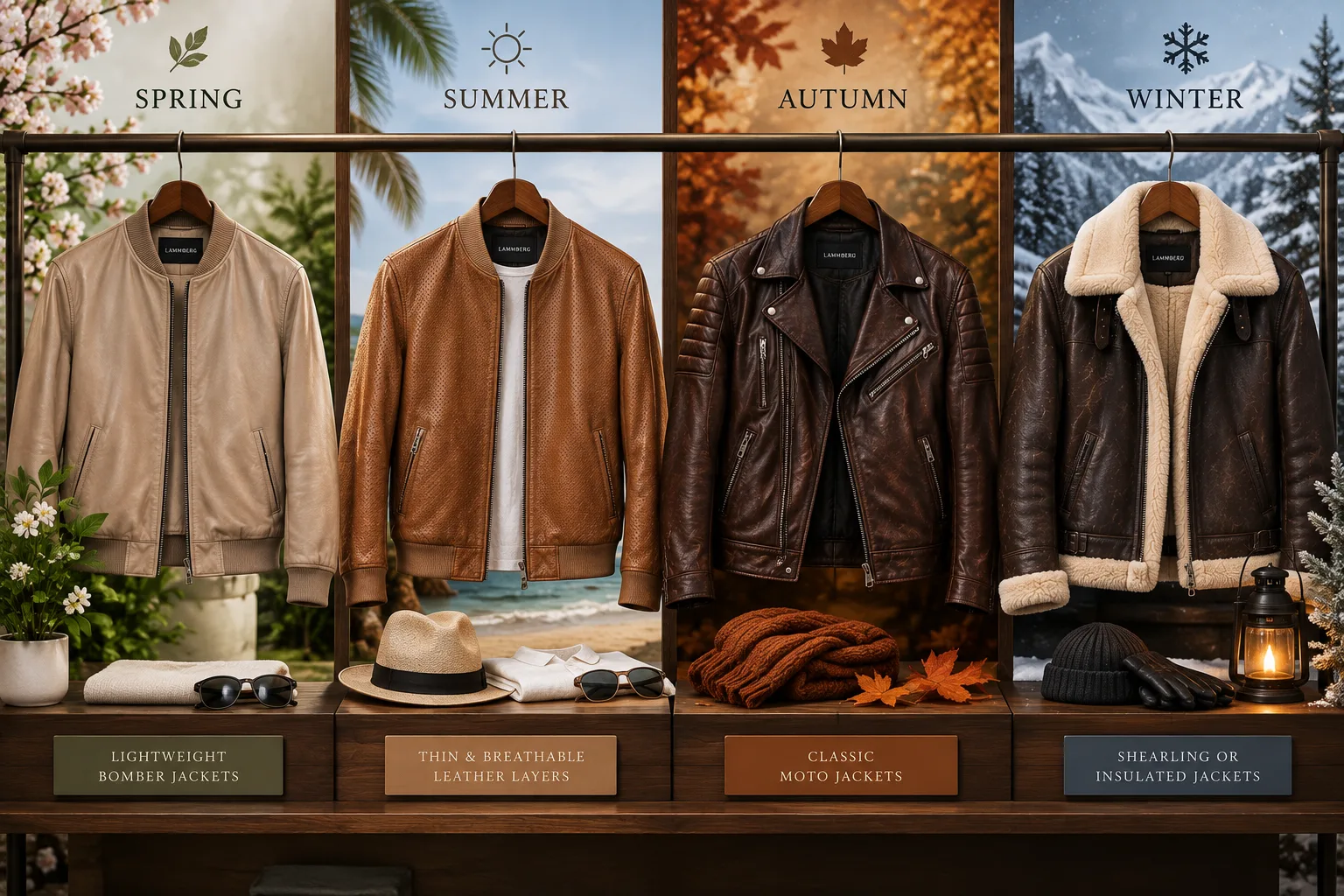
Seasonal Styling Guide
- Spring: Lightweight bomber jackets
- Summer Nights: Thin breathable leather layers
- Autumn: Classic moto jackets
- Winter: Shearling or insulated leather jackets
Tips for Wearing Leather Jackets Comfortably in Warmer Weather
- Choose thinner, unlined leather cuts for summer evenings.
- Opt for lighter colors, which absorb less heat than black leather.
- Wear over breathable cotton or linen layers rather than synthetic fabrics.
Myth 7: Leather Jackets Are Not Eco-Friendly
Fact: Genuine leather is more sustainable than synthetic alternatives
While synthetic leather may seem eco-friendly, it is actually plastic-based and non-biodegradable. Genuine leather, on the other hand, lasts much longer and naturally decomposes over time.
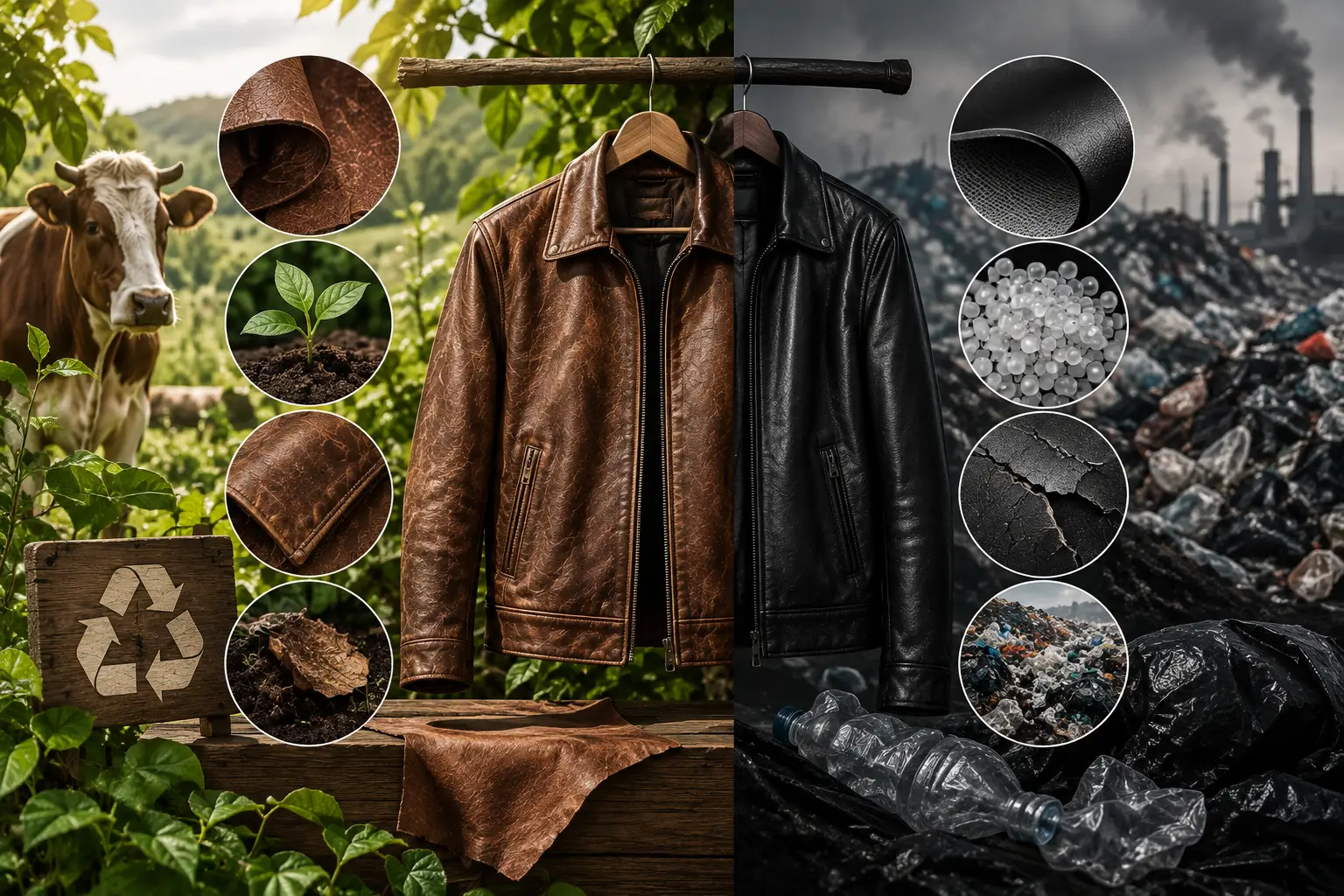
Why Real Leather Is More Sustainable
- Long lifespan reduces waste
- Biodegradable material
- Less fast-fashion replacement cycle
How to Buy Leather More Sustainably
- Choose brands that use offcuts and by-product hides rather than leather from animals raised solely for hides.
- Invest in fewer, higher-quality jackets instead of frequently replacing cheaper ones.
- Repair and recondition your jacket instead of discarding it at the first sign of wear.
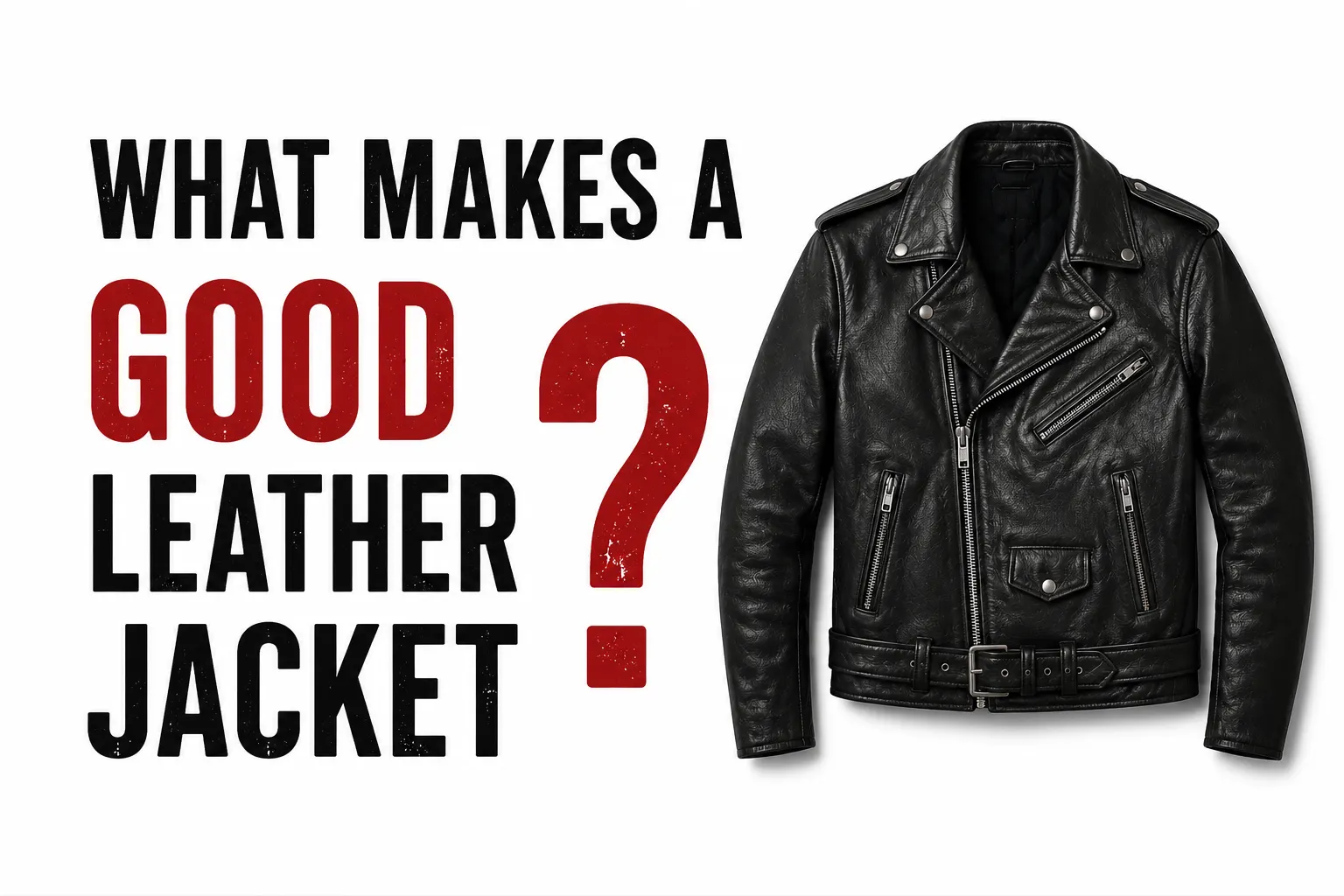
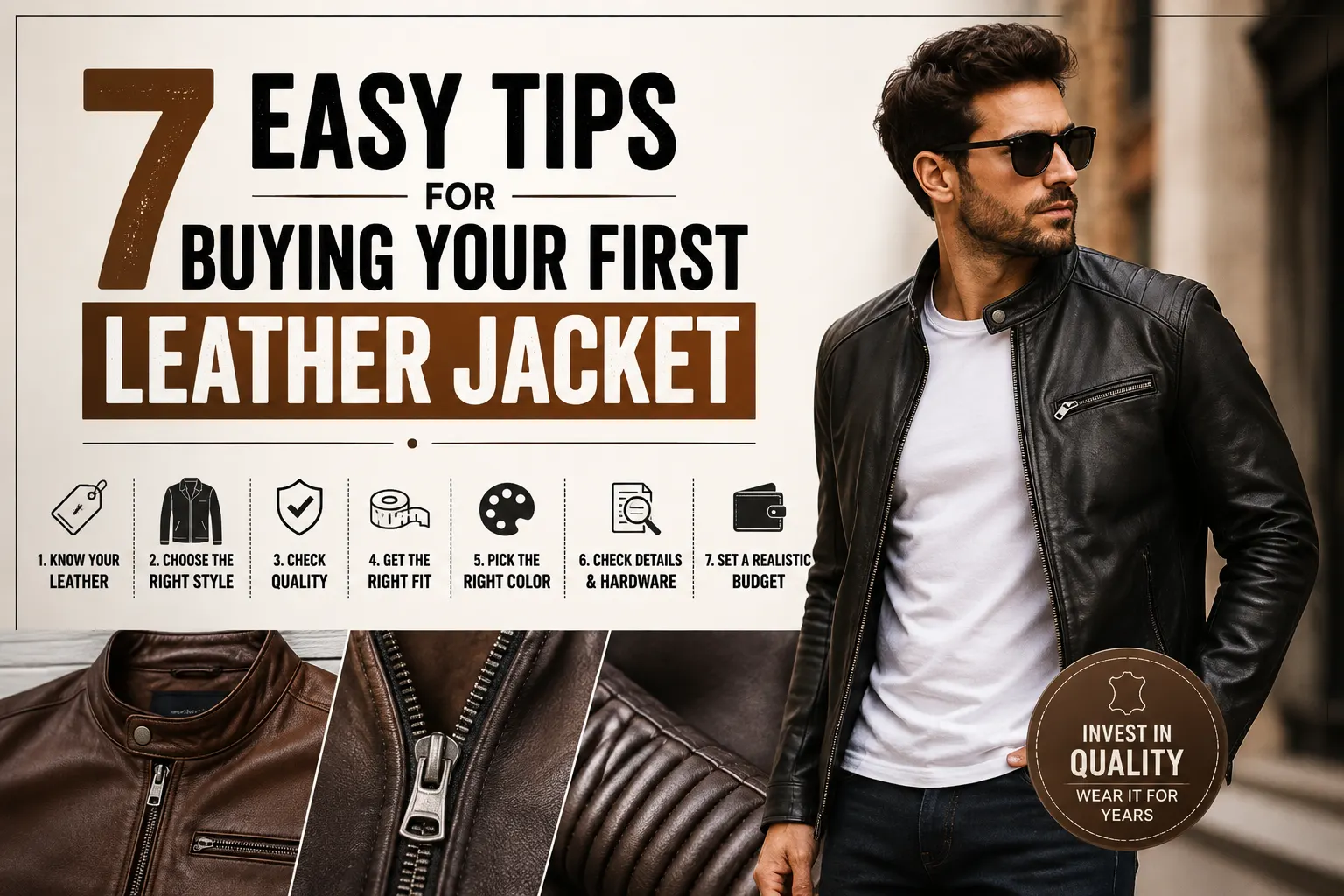
How to Choose the Right Leather Jacket: A Quick Checklist
- Leather type: Full-grain or top-grain for longevity; bonded or faux only for short-term, budget wear.
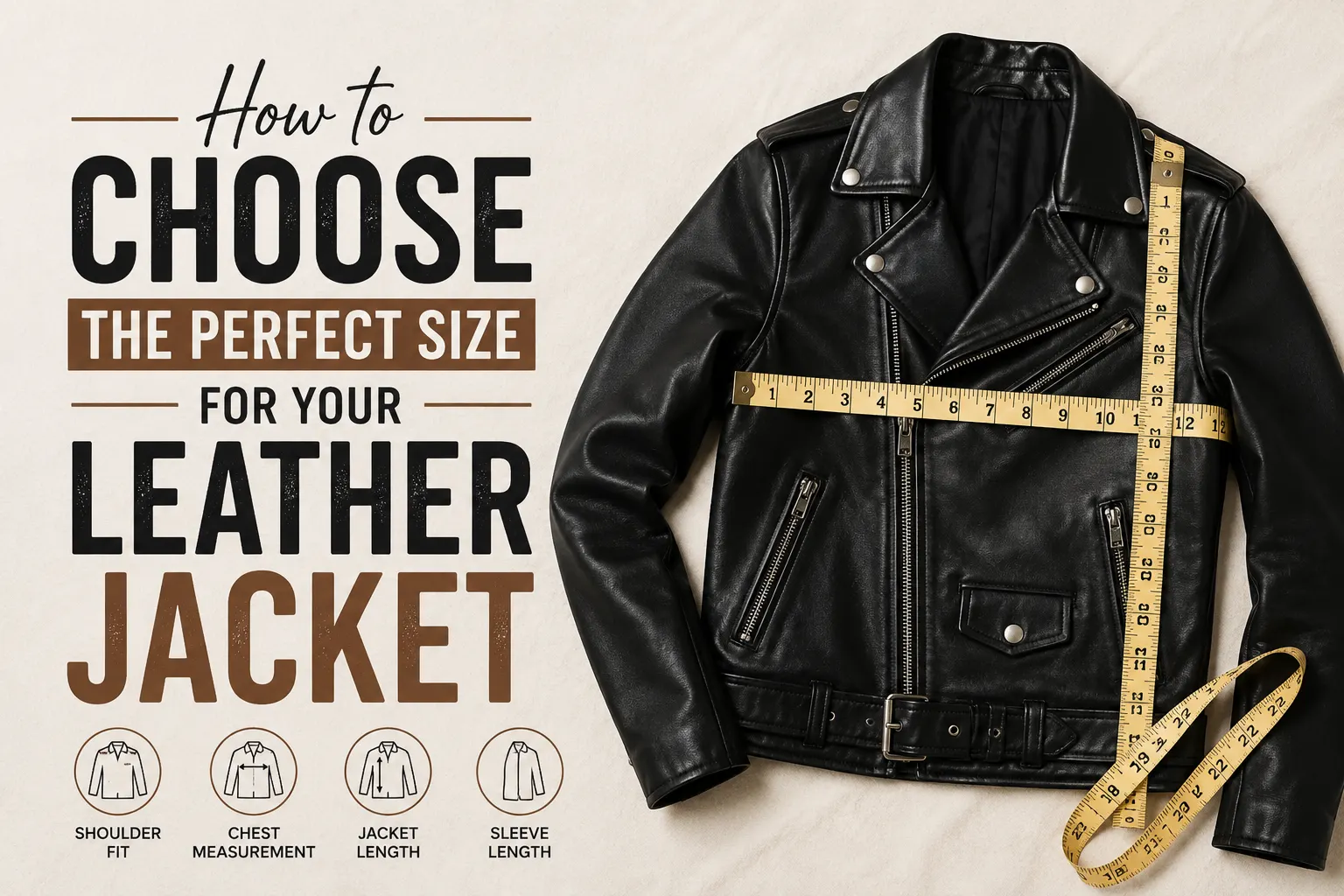
- Fit: A well-fitted jacket should be snug at the shoulders with room to layer underneath.
- Purpose: Match the style bomber, moto, blazer, or shearling to how and where you’ll actually wear it.
- Hardware and lining: Check zippers, stitching, and lining quality, since these wear out faster than the leather itself if low quality.
- Budget: Decide whether you want a long-term investment piece or a seasonal style piece, and choose the leather type accordingly.
Frequently Asked Questions
Q1: How long should a genuine leather jacket last?
A well-made genuine leather jacket, cared for properly, can last 10 to 20 years or longer, often improving in appearance as it ages.
Q2: Is it normal for a leather jacket to feel stiff when new?
Yes, most leather jackets soften naturally with wear over the first few weeks as the fibers relax and mold to your body.
Q3: Can leather jackets get wet in the rain?
Light rain is generally fine, but leather should be dried naturally afterward and conditioned occasionally to maintain water resistance.
Q4: What’s the difference between full-grain and top-grain leather?
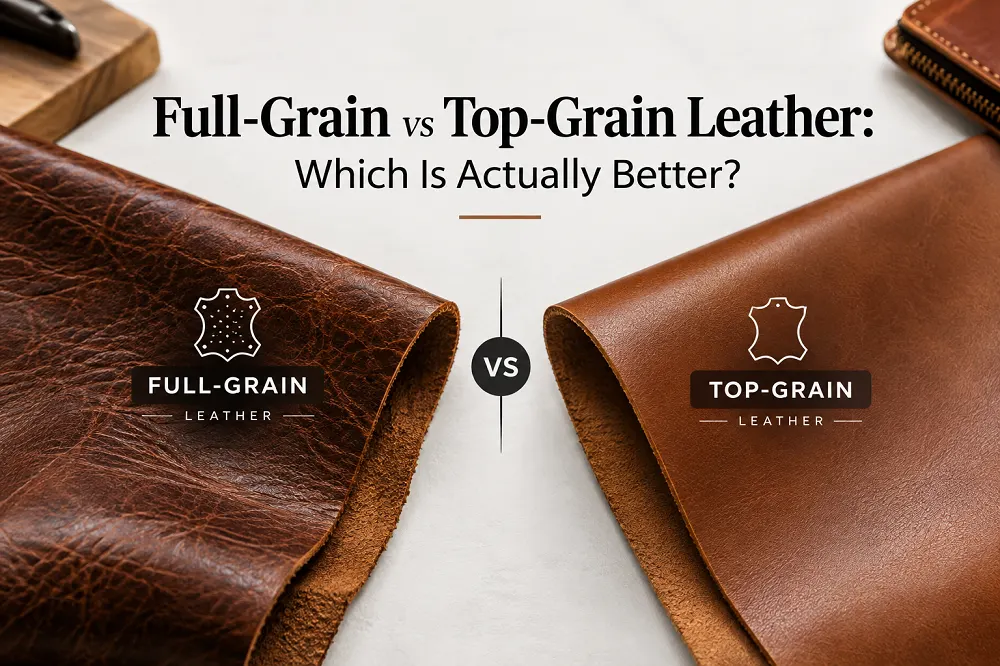
Full-grain leather uses the entire top layer of the hide with no sanding, making it the most durable and highest quality. Top-grain leather is lightly sanded to remove imperfections, making it slightly more affordable while still highly durable.
Q5: Are leather jackets a good long-term investment?
Yes, a genuine leather jacket, unlike most fast-fashion items, holds its style and function for years and often increases in character and value over time.
Final Conclusion: Why Leather Jackets Are a Smart Investment
Leather jackets are not just fashion pieces they are long-term style investments. They evolve with time, improve in appearance, and never go out of trend.
If you are planning to buy one, focus on quality, fit, and authenticity rather than just price.
Explore Premium Collection: Visit Lammberg
Key Takeaways
- Leather jackets are for everyone, not just specific groups
- Genuine leather is far superior to faux leather
- Available in all price ranges
- Low maintenance and long-lasting
- Suitable for all seasons
- More sustainable than synthetic alternatives
- Fit, leather type, and purpose matter more than price alone when choosing a jacket