What Is Distressed Leather? How It’s Made, How It Looks, and How to Care for It
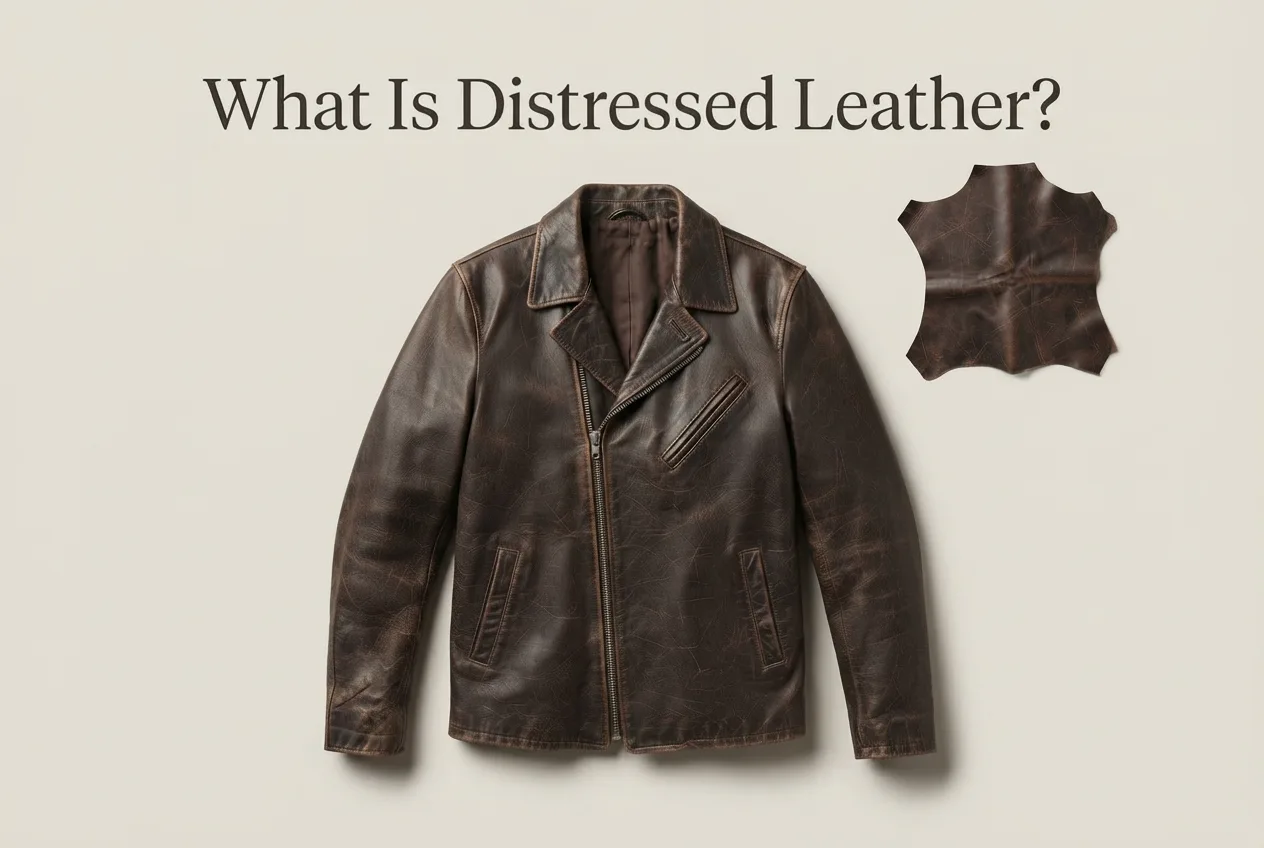
Short answer: Distressed leather is real leather that has been deliberately treated with sanding, tumbling, dyeing, and waxing so it looks aged and broken-in from the first wear. The finish creates uneven color, soft creases, and a matte surface, which is why everyday scuffs blend in instead of standing out.
Key Takeaways
Distressed leather is real leather finished to look worn-in from day one.
Quality pieces start with full-grain or top-grain hides, which can handle the abrasive process.
Marks and creases blend into the texture, so it suits daily wear.
With proper care, a well-made distressed jacket can last many years, often well over a decade.
What Is Distressed Leather?
Distressed leather is leather finished to look lived-in. Think of it as the leather equivalent of pre-washed denim: the wear is part of the design.
The look typically includes:
Uneven color, with lighter and darker patches
Fine surface cracks, creases, and scuff-like texture
A matte, non-glossy finish
A soft, broken-in feel from the start
Smooth leather starts pristine and takes years to develop character. Distressed leather arrives with that character already built in.
Where Did Distressed Leather Come From?
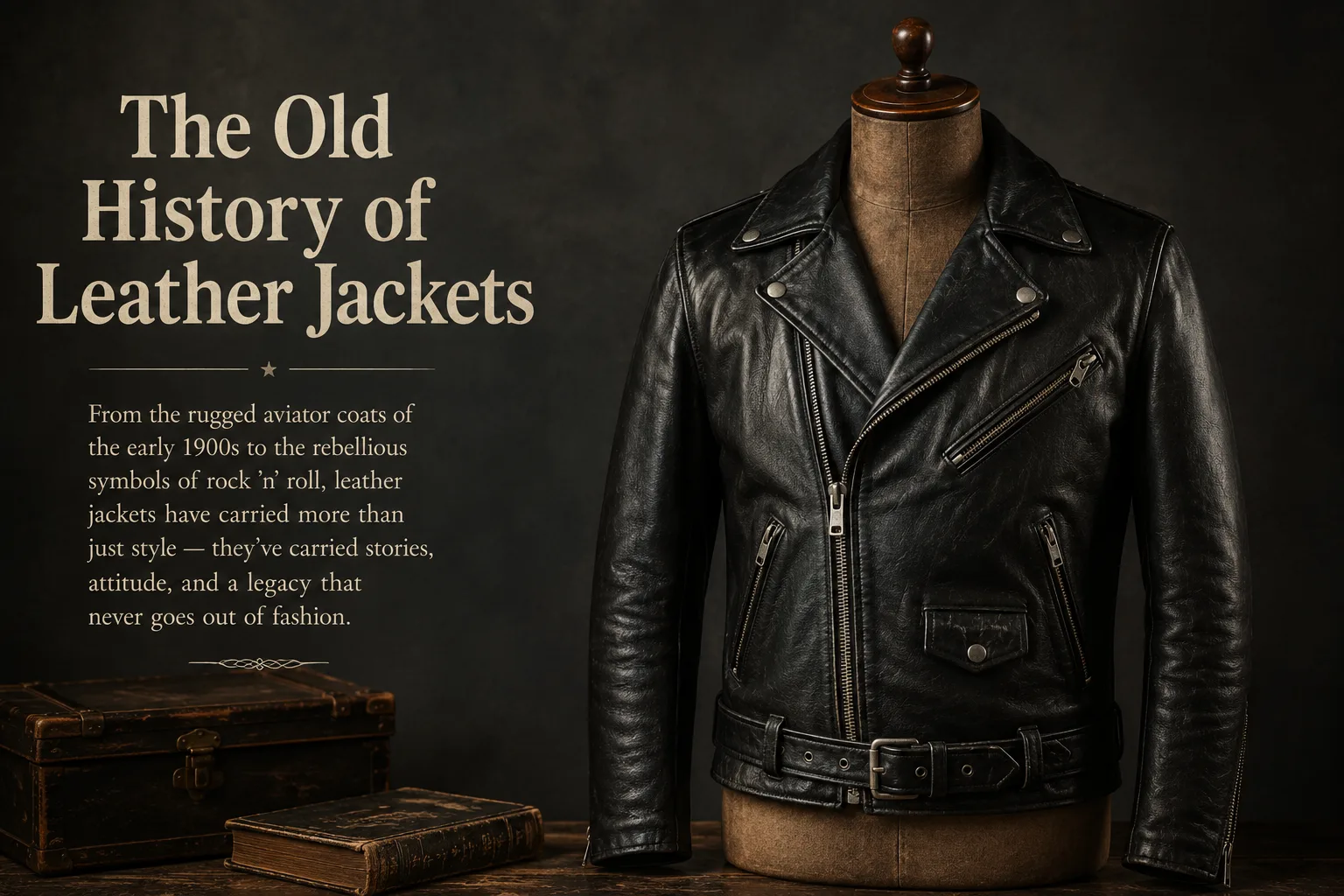
The look comes from real wear. In the mid-20th century, leather jackets became closely tied to pilots, bikers, and rock and roll, and the fading and creasing on well-worn jackets came to signal authenticity. If you want the full backstory, read the history of leather jackets.
Over the following decades, manufacturers developed finishing methods to reproduce that aged look without the wait. Grunge culture and luxury fashion houses both embraced worn-in leather in the 1990s, and by the 2000s, intentionally distressed leather was a fashion category of its own.
What Is Distressed Leather Made From?
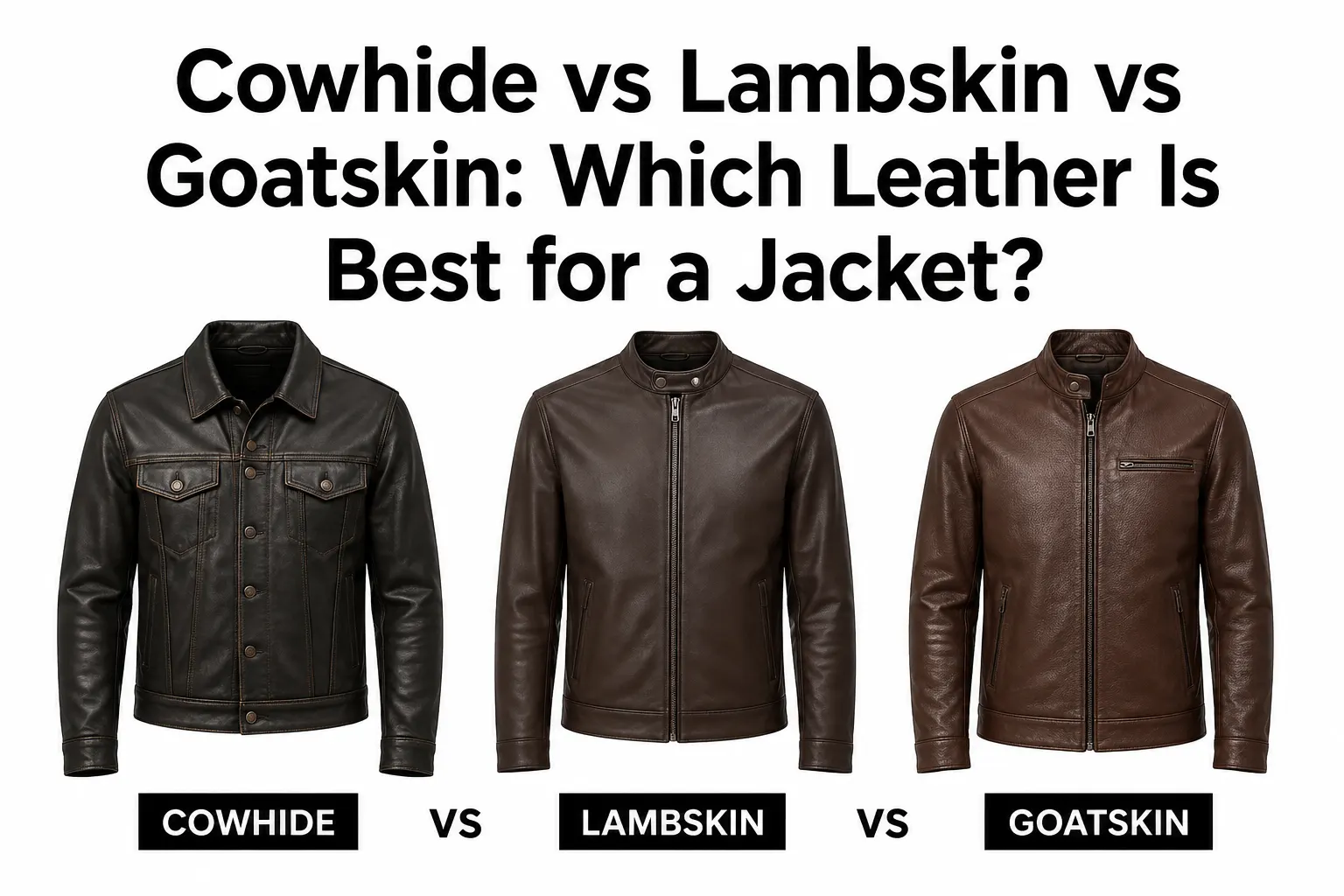
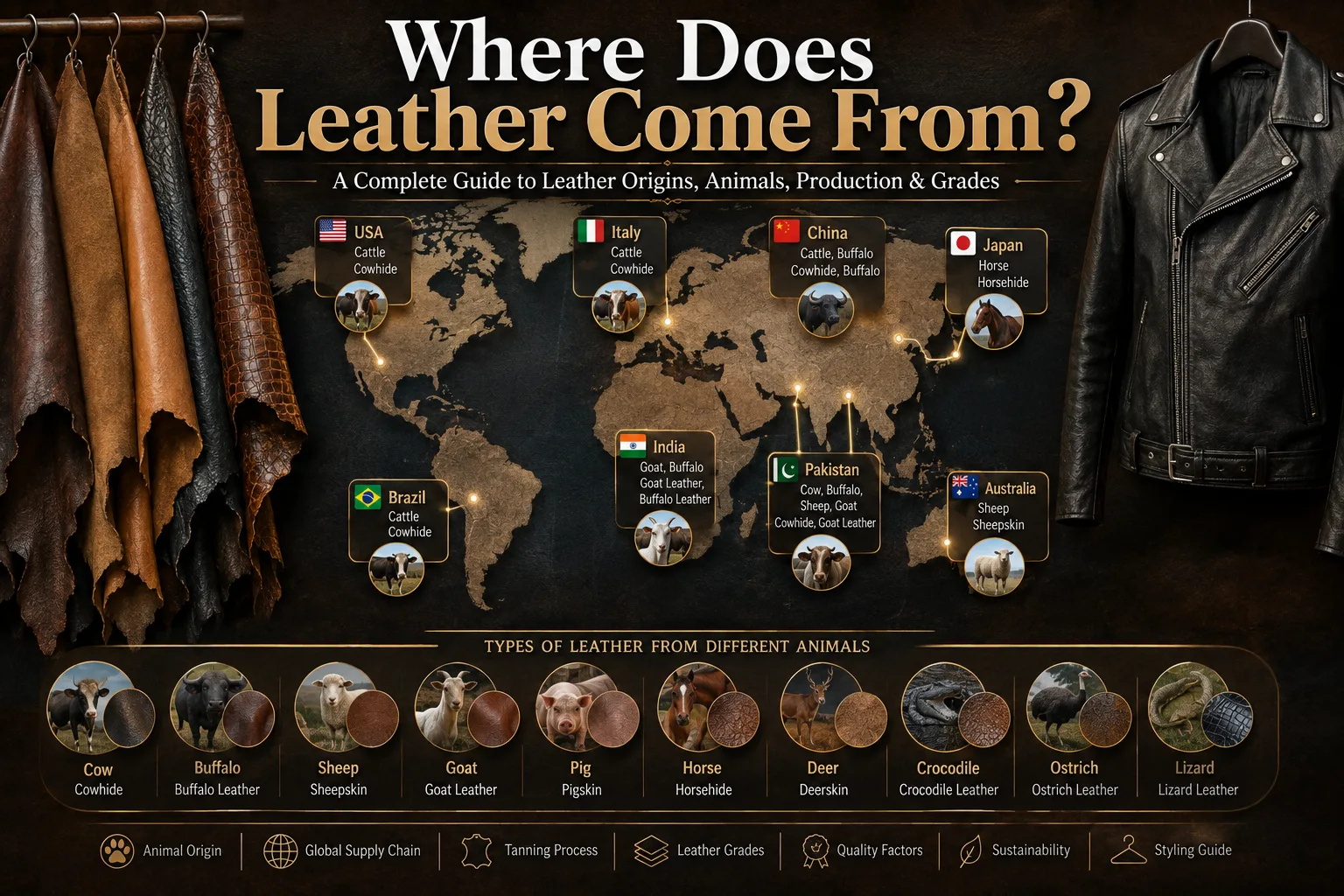
Distressed leather uses the same hides as any other leather, most commonly cowhide, lambskin, goatskin, and calfskin. What differs is the finishing.
Producers almost always choose full-grain or top-grain leather, because the natural grain surface is intact or mostly intact. Lower grades such as split leather do not hold up well to abrasion and heavy finishing.
Cowhide: Strong and substantial. The most common choice for distressed jackets.
Lambskin: Softer and lighter, suited to fashion-focused pieces.
Goatskin: A middle ground, with a distinctive grain that shows well when distressed.
How Is Distressed Leather Made?
Most quality jackets combine several techniques.
Mechanical treatment
The surface is physically worn to create uneven, natural-looking wear.
Sandblasting: Fine abrasive media lightens and fades the surface.
Hand sanding: Artisans target edges, seams, and other high-wear zones.
Tumbling: Leather is tumbled with coarse materials, much like stone-washing denim, to soften it and add random wear marks.
Brushing and buffing: Mechanical brushes lift the grain and add texture.
Dye and chemical treatment
Aniline dyeing: Transparent dyes are applied unevenly so the natural grain shows through.
Wax and oil treatments: These create a “pull-up” effect, where color lightens when the leather is stretched or folded.
Hand-rubbed stains: Uneven staining adds depth and shading.
Finishing
Lanolin oil: Restores moisture after abrasive steps.
Hand polishing: Adds subtle sheen in some areas while leaving others matte.
Final wax coat: Protects the surface and enhances the pull-up effect.
Why does the finish look so natural?
Leather is made of collagen fibers. Flexing, rubbing, and abrasion change the surface of those fibers, and dye wears away at high-contact points to reveal a lighter tone underneath. Distressing recreates this process in a controlled way, and the waxes and oils in the finish encourage a patina to keep developing with use.
Why Do People Choose Distressed Leather Jackets?
It looks broken-in immediately. There is no stiff, brand-new phase.
It hides wear. Scratches and scuffs blend into the existing texture.
It keeps developing character. Oils and waxes let the color deepen with use.
It is forgiving. You do not need to baby it.
Distressed Leather vs Other Leather Types
Distressed vs smooth leather: Smooth leather starts uniform and builds its own story over time. Distressed leather gives you a head start, but with a pre-set look.
Distressed vs vintage leather: Vintage leather is genuinely old, with wear accumulated over decades. Distressed leather is new leather finished to look aged, without the fragility of truly old material.
Distressed vs pull-up leather: Pull-up leather lightens when stretched, thanks to heavy oil and wax content. It is one technique that can produce a distressed look, while distressed leather is the broader category.
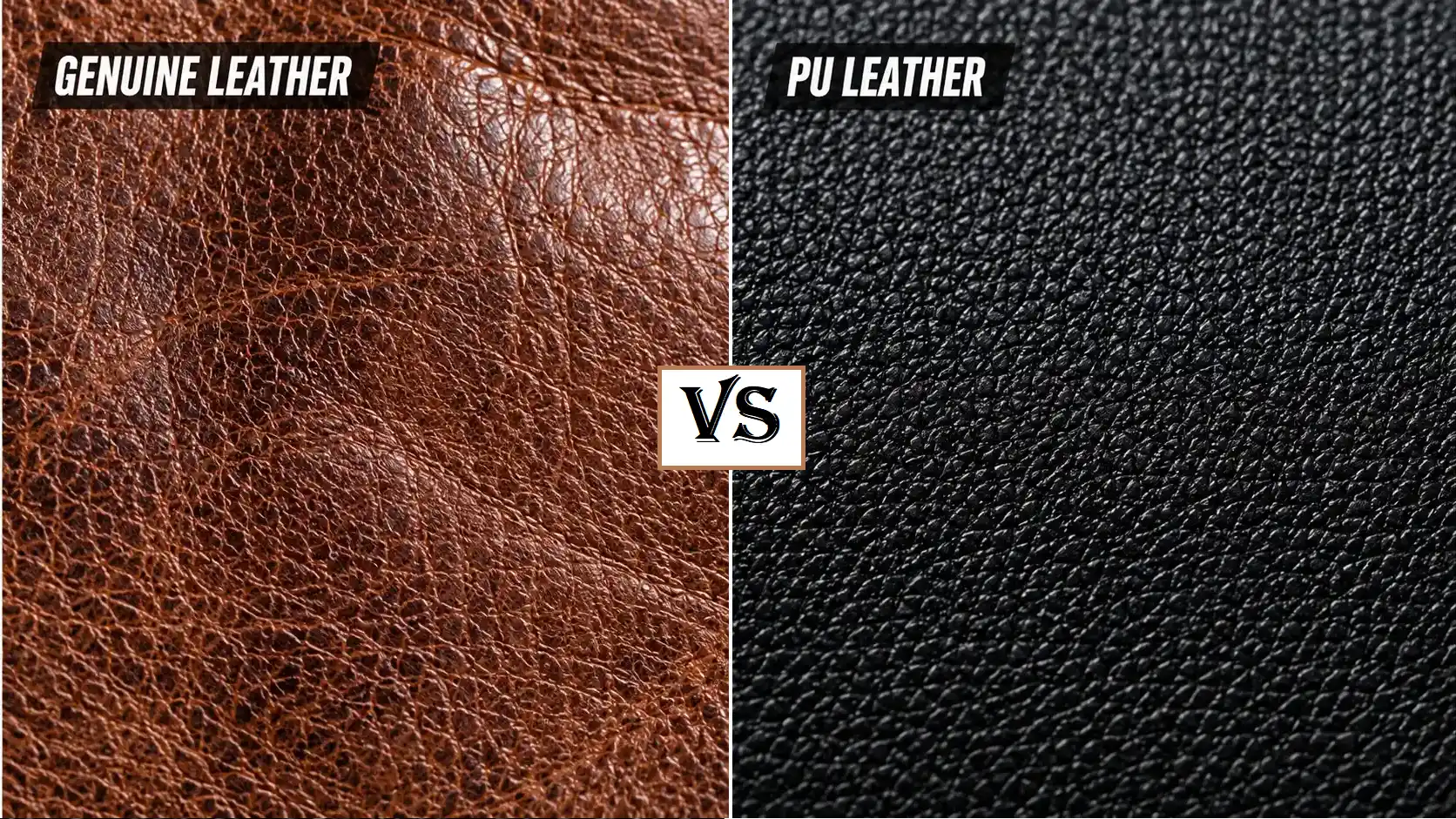
Distressed vs faux leather: Faux leather is synthetic. It can be printed or embossed to look distressed, but it does not develop a patina and tends to crack or peel over time.
Boots and shoes: The finish hides scuffs and creases. It is common on Chelsea, combat, and Western boots.
Bags and accessories: Bags, wallets, and belts take on a vintage look and build a richer patina with daily use.
Furniture: Sofas and armchairs gain warmth and hide everyday wear.
Décor: Book covers, desk accessories, and wall panels use it for texture.
How Can You Tell Quality Distressed Leather?
Check the base material. Look for full-grain or top-grain leather. If the grade isn’t stated, be cautious. Our guide to genuine leather jackets explains what to look for.
Look at the color variation. Good distressing has depth, lighter on worn areas and darker in creases. Flat, uniform color often means a printed finish.
Feel the texture. It should feel dry, matte, and substantial, not thin or plasticky.
Inspect the edges. On quality pieces, distressing carries through to seams and edges. Cheap versions often leave edges clean.
Smell it. Real leather has an earthy, natural scent, while synthetics often smell chemical.
Ask for a sample. Some brands let you request a leather sample before you buy, which helps you judge the material in person.
Pros and Cons of Distressed Leather Jackets
Pros
Instant character
Hides scuffs and marks well
Durable when made from quality hides
Lower-maintenance look than smooth leather
No two pieces look exactly alike
Cons
Reads casual rather than formal
The aging pattern is pre-set
Quality varies, and cheap versions look fake
Overdone finishes can look like a costume
How Do You Care for a Distressed Leather Jacket?
The goal is to preserve the texture, not flatten it.
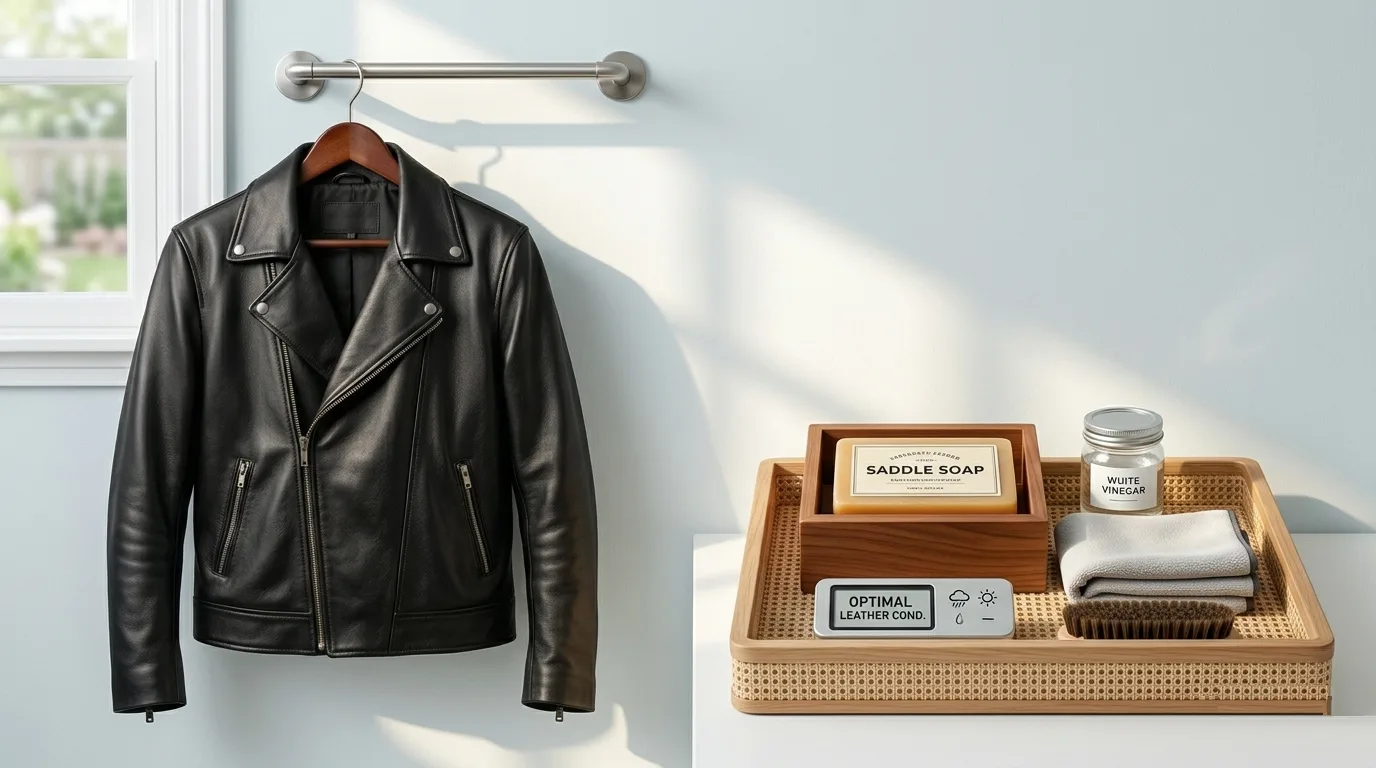
Cleaning
Dust with a soft, dry microfiber cloth.
Spot clean with a barely damp cloth and mild soap. Never soak the jacket.
Avoid alcohol, solvents, and wipes, which can strip the finish.
Conditioning
Choose a conditioner suited to the finish. Wax-based products usually suit waxed or pull-up leather.
Condition every 3 to 6 months, more often in dry climates or winter.
Do not over-condition. Too much product can make leather limp.
Always test on a hidden area first, since some conditioners darken leather.
Storage
Use a padded hanger to protect the shoulders.
Keep it away from direct sunlight and heat sources.
Use a breathable garment bag, not plastic.
Light scratches
On waxed and pull-up finishes, light scratches often fade when you rub them gently with warm fingers, because the waxes redistribute. Deeper damage is best handled by a leather professional.
How Do You Choose a Distressed Leather Jacket?
Start with leather quality. Full-grain or top-grain is the foundation.
Inspect the distressing. It should look random and natural, with real texture variation you can feel.
Get the fit right. Distressing does not change fit rules: snug through the shoulders, room in the arms, hem at the right spot. Lammberg offers made-to-measure jackets, so you can supply your own measurements, and its bespoke service covers materials like sheep, goat, and cow leather.
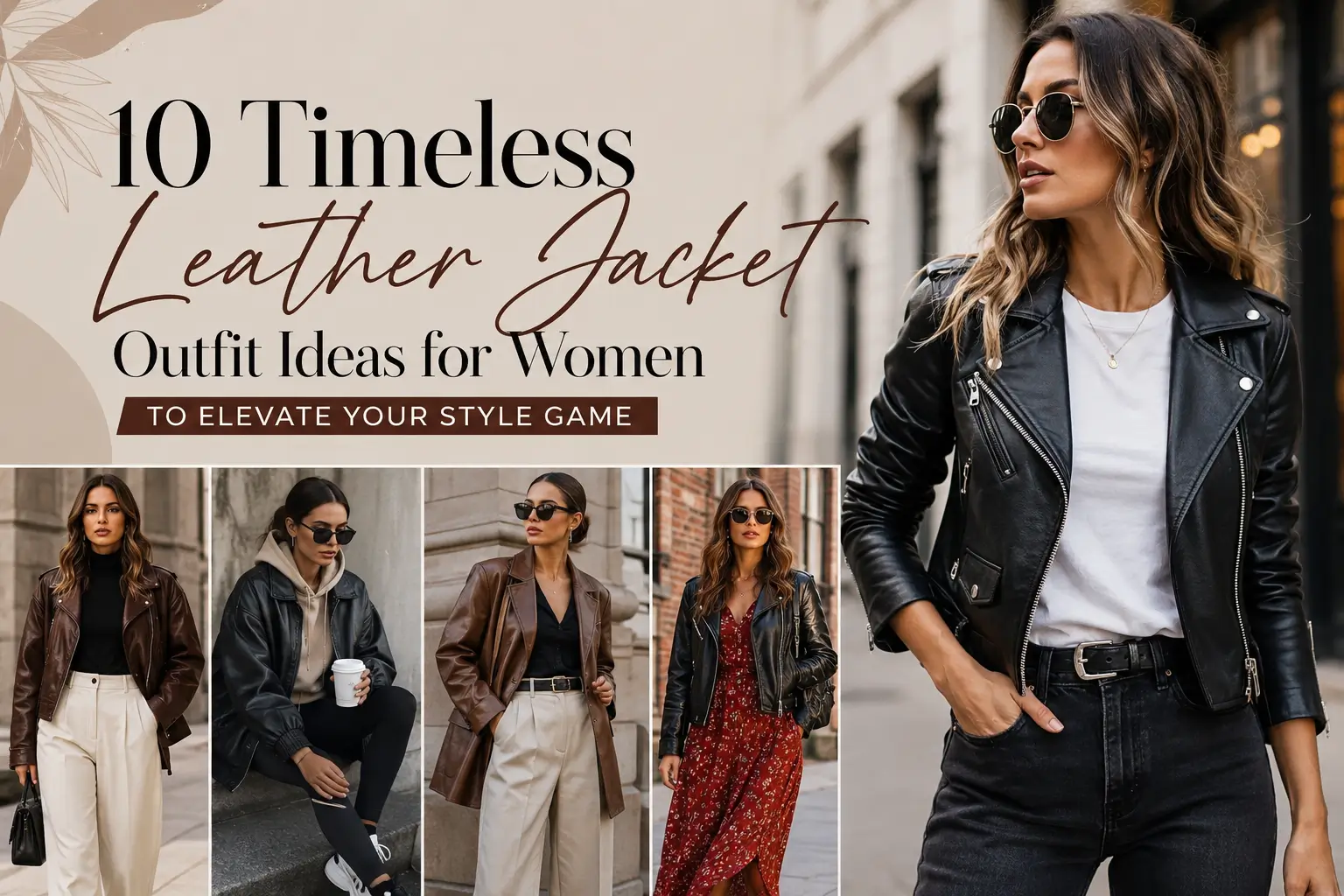
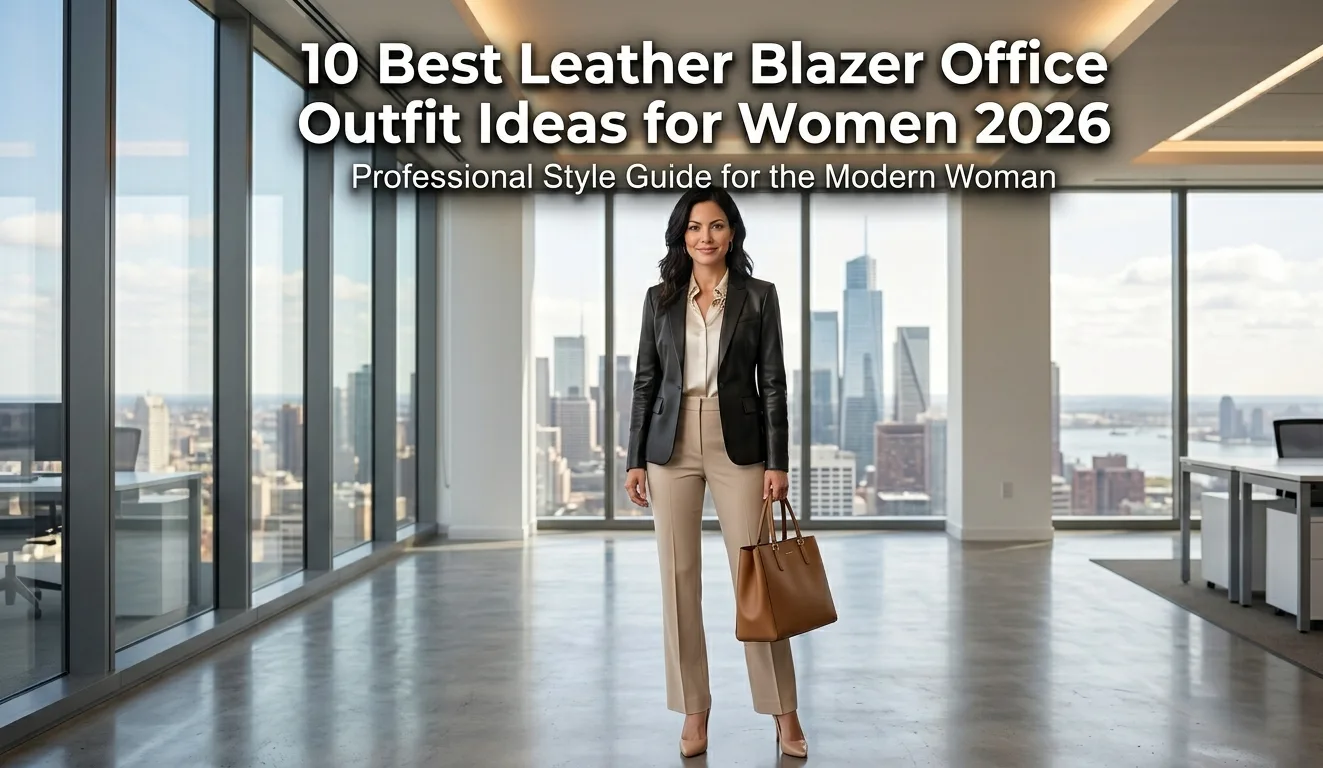
Pick the color. Black and dark brown are the most versatile. Lighter browns and tans read more casual. For styling ideas, see these leather jacket outfit ideas for women.
Check the hardware. Zippers, snaps, and buckles should feel solid.
“Distressed leather is damaged leather.” No. Distressing is a deliberate finishing process, not a defect.
“Distressed leather doesn’t last.” Quality distressed leather made from full-grain or top-grain hides can last as long as other well-made leather, given proper care.
“All distressed leather is the same.” Quality varies widely. Sandblasted full-grain cowhide is very different from printed faux leather.
“You can’t repair distressed leather.” Minor marks often blend in with gentle rubbing. Bigger damage can be repaired professionally, though the repair may not match the surrounding texture perfectly.
FAQs
Is distressed leather real leather? Yes, when made from genuine hides. Distressing is a finish applied to real leather. Faux leather can imitate the look but does not age the same way.
How long does a distressed leather jacket last? A well-made jacket from full-grain leather can last many years, often well over a decade, with basic care.
Can you wear distressed leather to a formal event? Usually not. It reads casual. For dressier occasions, smooth leather or a leather blazer is more appropriate.
Does distressed leather get darker over time? It can. Oils in the finish and natural oils from your skin may deepen the color, and lighter shades often develop a richer tone.
Is distressed leather waterproof? No. Wax and oil finishes give some resistance to light moisture, but it is not waterproof. If it gets wet, let it air dry naturally, away from heat.
How do I know if a distressed jacket is good quality? Check the leather grade, look for an irregular and natural distressing pattern, and feel for a dry, matte surface rather than a plasticky one.
Final Thoughts
Distressed leather gives you the character of a well-loved jacket without the years of waiting. Focus on the base leather, the naturalness of the finish, and the fit, and you will get a jacket that looks good on day one and keeps developing over time. Ready to find yours? Browse the full Lammberg collection.
Quick Answer: Bison leather is genuine leather made from the hide…
How to Measure Your Weight
Place the weighing scale on a flat, hard floor (not on carpet) and step on it to measure your weight. Wear your everyday light clothing and don’t forget to remove your shoes while weighing.
At lammberg, your privacy is of paramount importance to us. When you provide your measurements and upload pictures while ordering our made-to-measure items, rest assured that this information is collected solely for internal purposes related to pattern making and determining the appropriate size for your order. We understand the sensitivity of the data you share with us, and we want to assure you that your pictures will be treated with the utmost confidentiality. They will never be disclosed or shared with any third party. Instead, they will be securely stored with industry-standard encryption, and access will be restricted to authorized personnel directly involved in the pattern making and sizing process. We are committed to using this information solely for the purpose it was provided and will not retain it longer than necessary.
Thank You!
We are truly excited that you’ve chosen us for crafting your custom jacket!
Your dream jacket is our mission, and we can’t wait to bring it to life.
Our dedicated support agent will be in touch via email to have a conversation about all the intricate details and options you have mentioned, ensuring a stress-free experience for you.
To ensure our messages reach you promptly and smoothly, kindly add customized@lammberg.com to your address book.
We can’t wait to start working on your perfect jacket!
Thank You!
We are truly excited that you’ve chosen us for crafting your bespoke jacket!
Your dream jacket is our mission, and we can’t wait to bring it to life.
Our dedicated support agent will reach out to you via email to have a conversation about tailoring a bespoke jacket based on your preferences, ensuring a stress-free experience for you.
To ensure our messages reach you promptly and smoothly, kindly add bespoke@lammberg.com to your address book.
We can’t wait to start working on your perfect jacket!
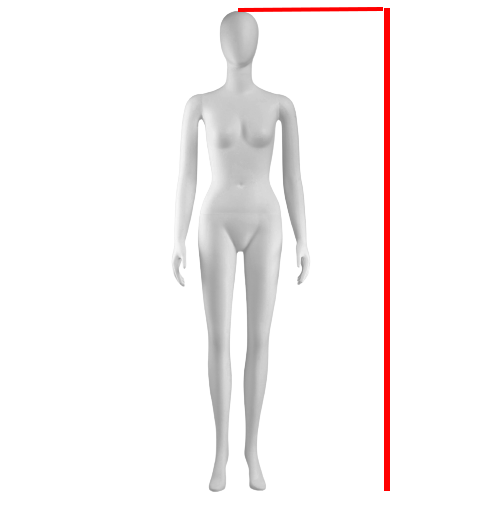
How to Measure Your Height
Stand against a wall without shoes. Place a straight object such as a book or ruler on your head and mark where it meets the wall. And then measure from the floor to the mark for an accurate height reading.
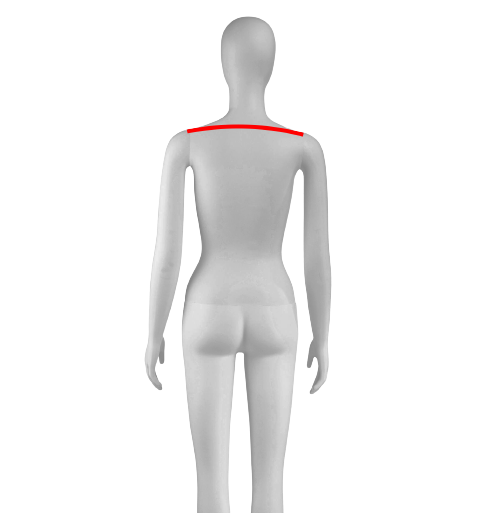
How to Measure Your Shoulder
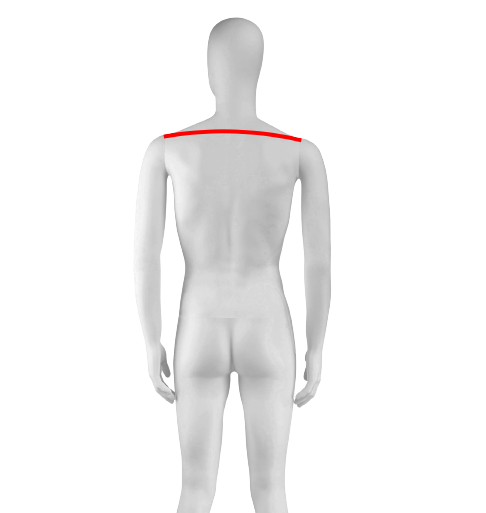
Measure the distance from the bony end of one shoulder, straight across the back of the neck, continuing to the bony end of the other shoulder.
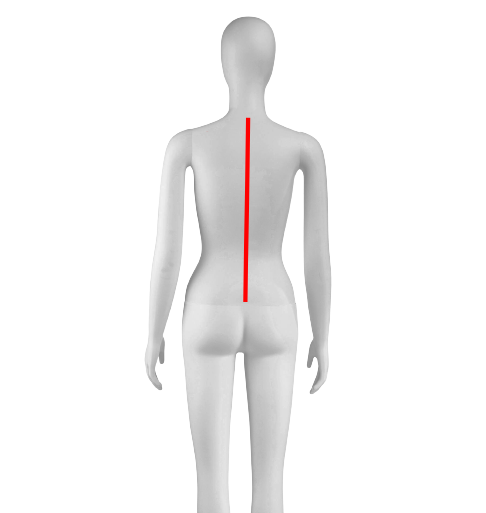
How to Measure The Required Length
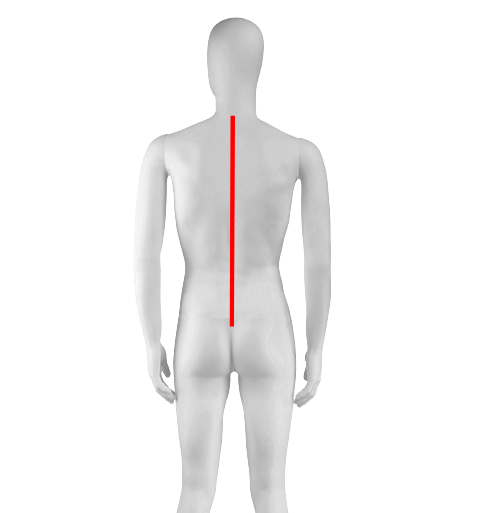
Facing backwards, measure vertically down, from the bone at the base of your neck, to your required length. If you are unsure of the perfect length, this will vary depending on the style of the jacket and your personal preference, but typically falls somewhere where your arms end.
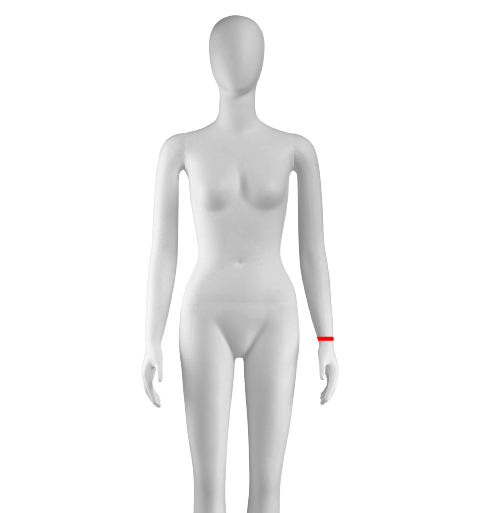
How to Measure Your Wrist
Measure around the fullest part of your wrist, that is exactly above your wrist bone and you will get your wrist measurement.
How to Measure Your Forearm
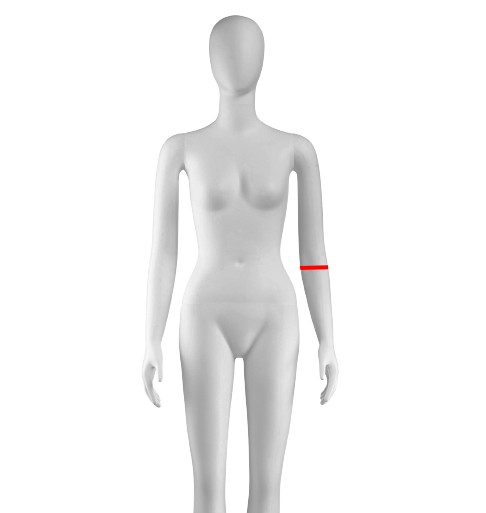
Wrap the tape measure around the widest part of your forearm, which is usually 2 inches below the elbow.
How to Measure Your Bicep
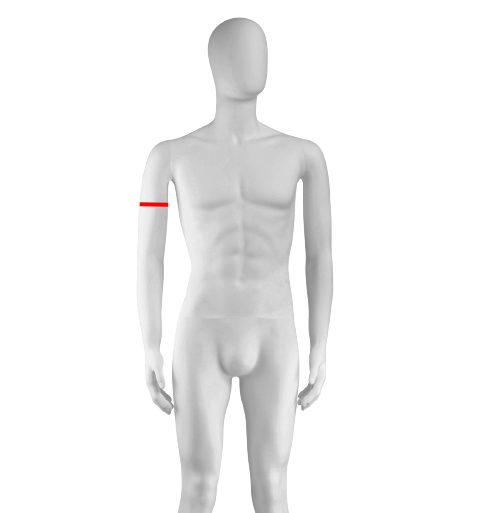
To know your bicep measurement, measure around the fullest part of your bicep with your arms relaxed.
How to Measure Your Armhole
To measure your armhole, wrap the tape measure around your arm and shoulder, drawing it up from behind your shoulder until it meets the starting end.
How to Measure Your Sleeve Length
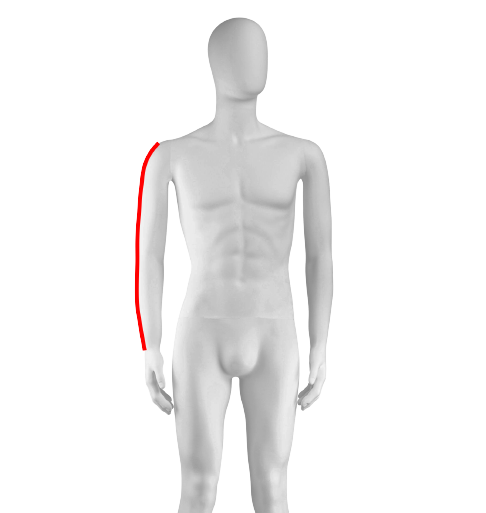
Place the tape measure at the edge of your shoulder. Guide it down alongside your arm straight to the point where you would like your sleeve to end.
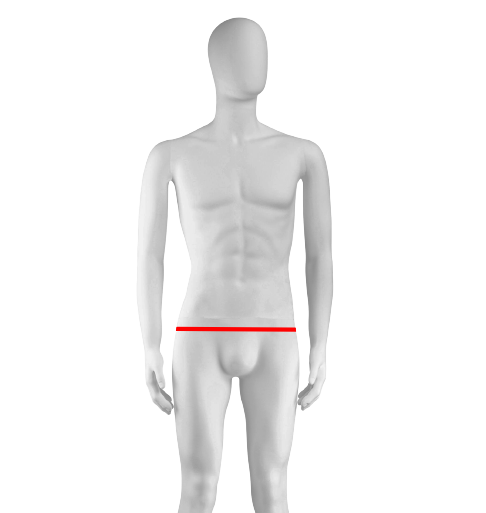
How to Measure your Hip
Measure around the fullest part of your hips. Start at one hip, then bring the tape measure around the back and over the other hip, and back to where you started. Stand straight and make sure the tape is leveled all the way around.
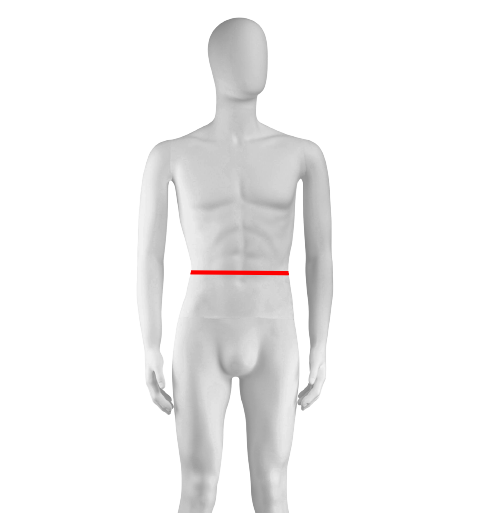
How to Measure Your Waist
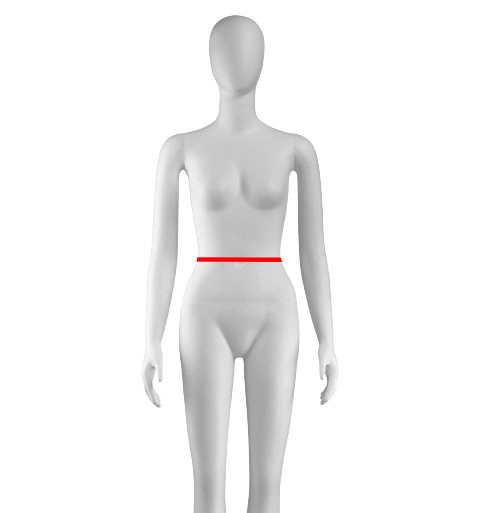
To know your waist measurement, measure the circumference of your waist. Use the tape to circle your waist (sort of like a belt would) at your natural waistline across the belly button. Breathe normally while taking the measurement and make sure the tape is leveled all the way around.
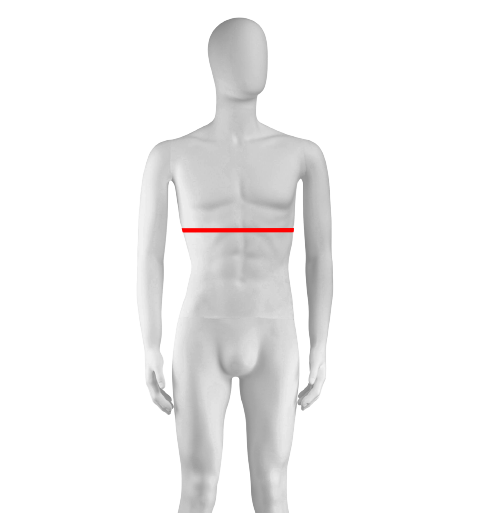
How to Measure Your Midriff
Your midriff is part of the body between your chest and the waist. Measure around the circumference of your body, above your belly button and below your rib cage. Relax and breathe normally.
Make sure the tape is leveled all the way around.
How to Measure Your Chest
To measure your chest, raise your arms, wrap the measuring tape an inch below the armhole.
Now lower your arms and measure around the circumference of the body, covering the broadest part of the chest and across the shoulder blades. Relax and breathe normally.
Make sure the tape is leveled all the way around.
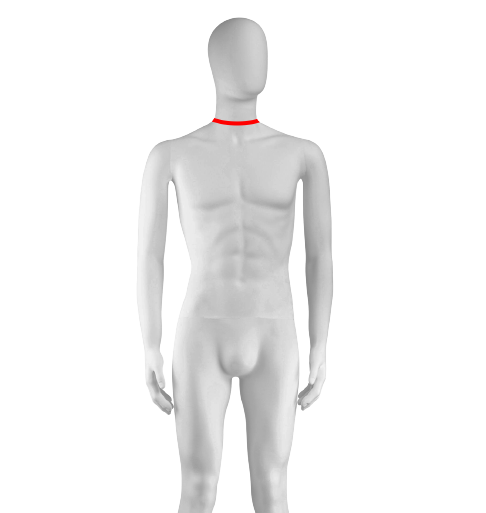
How to Measure Your Neck
Wrap the measuring tape around your neck and measure around the thickest part of your neck just above your collar bone. The thickest part of your neck is typically just below your Adam’s apple. Be careful not to pull too tightly.
You should be able to comfortably fit two fingers between your neck and the measuring tape.
How to Measure Your Height
Stand against a wall without shoes. Place a straight object such as a book or ruler on your head and mark where it meets the wall. And then measure from the floor to the mark for an accurate height reading.
Unit of Measurement
Select your preferred unit of measurement. We will follow this throughout your measurements.
How to Measure Your Shoulder
Measure the distance from the bony end of one shoulder, straight across the back of the neck, continuing to the bony end of the other shoulder.
How to Measure The Required Length
Facing backwards, measure vertically down, from the bone at the base of your neck, to your required length. If you are unsure of the perfect length, this will vary depending on the style of the jacket and your personal preference, but typically falls somewhere where your arms end.
How to Measure Your Wrist
Measure around the fullest part of your wrist, that is exactly above your wrist bone and you will get your wrist measurement.
How to Measure Your Forearm
Wrap the tape measure around the widest part of your forearm, which is usually 2 inches below the elbow.
How to Measure Your Bicep
To know your bicep measurement, measure around the fullest part of your bicep with your arms relaxed.
How to Measure Your Armhole
To measure your armhole, wrap the tape measure around your arm and shoulder, drawing it up from behind your shoulder until it meets the starting end.
How to Measure Your Sleeve Length
Place the tape measure at the edge of your shoulder. Guide it down alongside your arm straight to the point where you would like your sleeve to end.
How to Measure your Hip
Measure around the fullest part of your hips. Start at one hip, then bring the tape measure around the back and over the other hip, and back to where you started. Stand straight and make sure the tape is leveled all the way around.
How to Measure Your Waist
To know your waist measurement, measure the circumference of your waist. Use the tape to circle your waist (sort of like a belt would) at your natural waistline across the belly button. Breathe normally while taking the measurement and make sure the tape is leveled all the way around.
How to Measure Your Midriff
Your midriff is part of the body between your chest and the waist. Measure around the circumference of your body, above your belly button and below your rib cage. Relax and breathe normally.
Make sure the tape is leveled all the way around.
How to Measure Your Bust
To measure your bust, raise your arms, wrap the measuring tape around the fullest part of your chest.
Now lower your arms and measure around the circumference of the body, covering the broadest part of the chest and across the shoulder blades. Relax and breathe normally.
Make sure the tape is leveled all the way around.
How to Measure Your Neck
Wrap the measuring tape around your neck and measure around the thickest part of your neck just above your collar bone. The thickest part of your neck is typically just below your Adam’s apple. Be careful not to pull too tightly.
You should be able to comfortably fit two fingers between your neck and the measuring tape.
Measurement Instructions
You will need a fabric tape measure and a helping hand. You may also do the measurements yourself, but for the most accurate results, we suggest getting a friend or a relative to do it for you. It’s more fun as well.
You must provide full, accurate and legible measurements on this form.
Please make sure you have precisely followed the demonstration pictures to obtain measurements.
We guarantee that your item will fit you perfectly if you provide us the correct measurements. There will be no returns or exchanges related to fit when pertaining to wrongly submitted measurements.
Once you have given us the measurements, we will process your order immediately, so any changes at later stage may not be possible.
When taking measurements, the tape should be held flat against the body; hold it snugly enough to prevent drooping, but not so tight as to feel restrictive.
Wear what you would normally wear under a jacket while taking measurements.
Make sure to measure without any bulky clothing or layers that might affect the accuracy of the measurement.
Stand as you normally would stand in your day to day stance.
If you wish to, please send 3 full length photos of yourself (Front, Back and Side pose) wearing a t-shirt and a trouser for a better perception for our production team.
Should you need further clarification or assistance, we are always available to you, please write to tailorsupport@lammberg.com