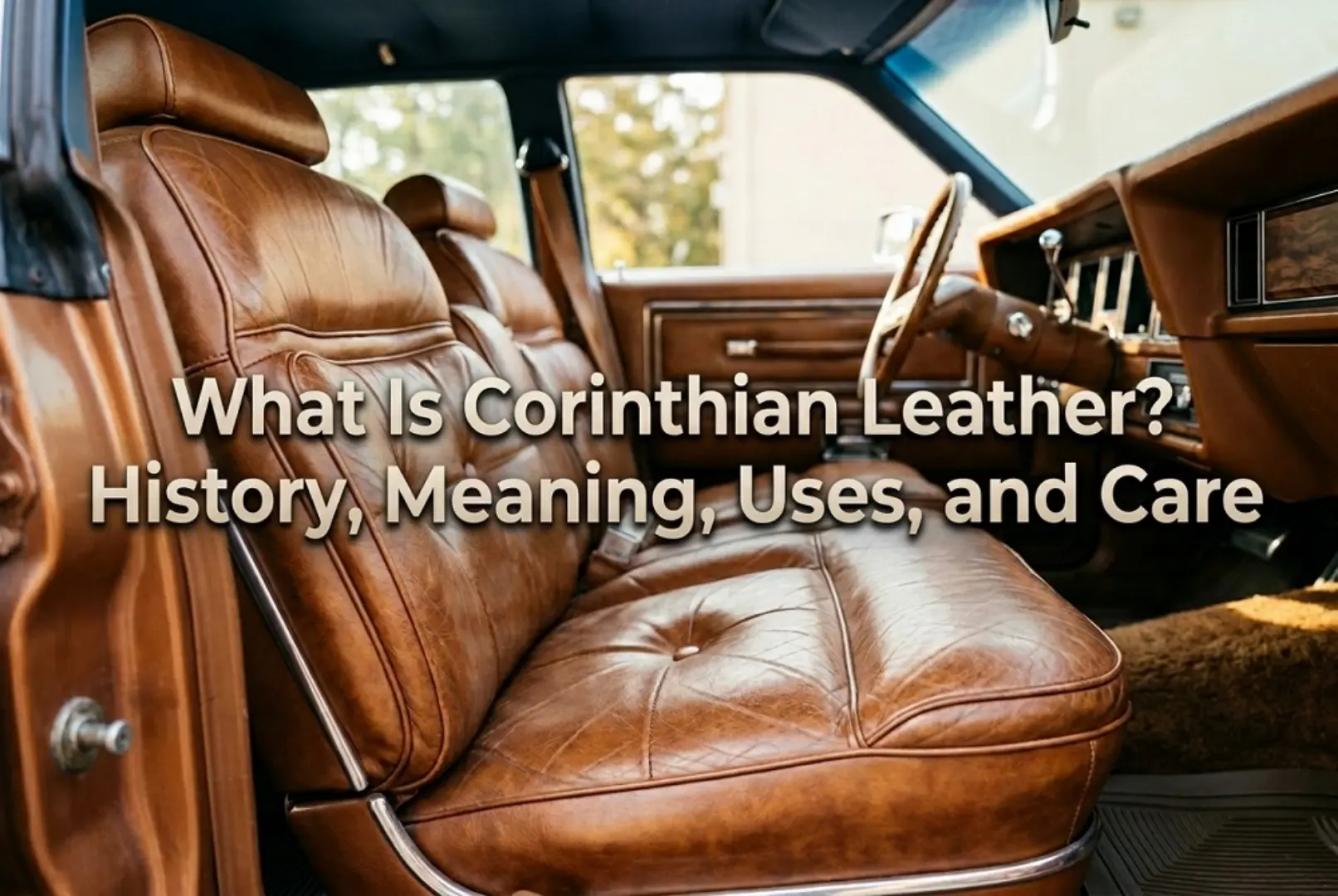
What Is Corinthian Leather? History, Meaning, Uses, and Care
Corinthian leather is a famous name in automotive history, but it is not a separate leather type or a recognized leather grade. Chrysler made the term popular during the 1970s to promote the luxurious interiors of its cars, especially the Chrysler Cordoba. The name sounded exclusive, and actor Ricardo Montalbán helped turn it into one of the most memorable phrases in car advertising.
Today, people still use the term when discussing luxury car interiors, classic cars, and even jokes in films. However, the name itself does not tell you the leather’s grade, origin, or durability. Understanding its real meaning helps you separate advertising from the material’s actual qualities.
What Exactly Is Corinthian Leather?
Corinthian leather is a marketing name associated with leather upholstery in certain Chrysler vehicles. Chrysler introduced the term in 1974 and later made it widely recognizable through advertisements for the Chrysler Cordoba.
The word “Corinthian” created an impression of luxury, refinement, and an exotic origin. It sounded like the name of a rare material that wealthy buyers would appreciate. In reality, it was not a technical classification used by leather manufacturers.
This distinction matters because leather quality depends on factors such as the hide, tanning method, finishing process, thickness, and intended use. A marketing label alone cannot establish any of these qualities.
What Is Corinthian Leather Really Made Of?
The original Corinthian leather was automotive upholstery leather supplied to Chrysler by a manufacturer in Newark, New Jersey. It was not a special leather imported from the ancient Greek city of Corinth.
The name does not identify one specific animal hide, tanning method, or leather grade. Therefore, it would be inaccurate to claim that all Corinthian leather was full-grain, top-grain, or made using a particular finishing technique without evidence about the specific material.
It is also important to distinguish the leather upholstery from the entire car interior. Some surfaces in the interiors marketed under this name used vinyl rather than genuine leather. The presence of the Corinthian label did not mean that every covered surface contained leather.
If you are comparing leather products today, look for the actual material description rather than relying on a luxurious-sounding name.
Why the Name “Corinthian”?
The advertising team wanted a word that sounded sophisticated, distinctive, and memorable. The name “Corinthian” evoked classical Greece and suggested an association with luxury and an established tradition.
That impression made the term effective in car advertising. Buyers could associate the name with an expensive-looking interior without needing to understand the details of leather production.
However, the name did not indicate that the material came from Corinth, Greece, or followed an ancient Greek leather-making tradition. Its significance came from advertising rather than geography or manufacturing.
Pros and Cons of Corinthian Leather
Because Corinthian leather was a marketing term, its advantages and disadvantages depend on the actual upholstery material and its condition, not on the name alone.
Pros
Recognizable history: The term remains strongly associated with classic American luxury cars.
Distinctive identity: Original Corinthian leather interiors can add character to certain vintage Chrysler models.
Potential collector appeal: A well-preserved original interior may matter to classic-car enthusiasts.
Comfort: The original upholstery was promoted for its soft feel and luxurious seating experience, although comfort varies with the seat design and material condition.
Cons
No independent leather grade: The name does not guarantee premium leather quality.
Possible confusion: Buyers may assume the material came from Greece or represents a unique leather-making process.
Condition matters: Older upholstery can suffer from fading, cracking, wear, or damage.
Mixed interior materials: Some surfaces associated with these interiors used vinyl, so not every panel should be treated as genuine leather.
The main takeaway is simple: evaluate the material itself, its condition, and its authenticity instead of judging it by the Corinthian name.
Marketing Invention: How Corinthian Leather Became Famous
Chrysler introduced the Corinthian leather name in the 1970s, when car manufacturers used distinctive materials, styling, and advertising to differentiate their models. The name gave an ordinary product description a more exclusive identity.
Rather than explaining technical details about the upholstery, advertisements emphasized how it sounded and felt. This approach made the name easy to remember and helped create a strong association between the material and luxury motoring.
The campaign also demonstrates an important marketing principle: a memorable name can influence how people perceive a product. However, a successful name does not automatically mean that the product uses a rare or superior material.
Rich Corinthian Leather and Deadpool
The phrase “rich Corinthian leather” became a pop-culture reference because of its association with classic Chrysler advertisements. The wording is often repeated in jokes about wealth, luxury, and exaggerated product descriptions.
Deadpool uses the reference as a humorous nod to that advertising legacy. The joke works because the phrase sounds extravagant, while people familiar with its history know that Corinthian leather was a marketing term rather than a unique luxury leather category.
The reference also shows how advertising phrases can outlive the products they originally promoted. Even people who have never owned a Chrysler Cordoba may recognize the phrase through films and internet discussions.
Real Origin: Where Did Corinthian Leather Come From?
Despite the name’s association with ancient Greece, the original Chrysler upholstery came from a supplier in Newark, New Jersey.
The term did not describe leather from Corinth, and it did not identify a special regional tanning tradition. Its origin was commercial rather than geographical.
This is one reason the phrase remains interesting to car enthusiasts. The name created an impression of exotic luxury, but the material’s real production history was much more ordinary.
Famous Promotion: Ricardo Montalbán and the Chrysler Cordoba
Actor Ricardo Montalbán became closely associated with Corinthian leather through his Chrysler advertisements. His confident delivery and distinctive voice helped make the phrase memorable.
The Chrysler Cordoba became the best-known model connected with the campaign. Advertisements presented its interior as a luxurious feature, and the repeated use of the term helped establish a recognizable identity for the car.
The campaign succeeded because it combined a distinctive name, a memorable spokesperson, and a clear message about comfort and luxury. The phrase later became a familiar reference in popular culture, even after the original advertising campaign had ended.
What Is Special About Corinthian Leather?
The most unusual thing about Corinthian leather is its cultural reputation rather than a unique physical property.
The name became memorable because Chrysler used it consistently and associated it with a specific style of luxury car. Ricardo Montalbán’s advertisements strengthened that association, while later films and jokes kept the phrase alive.
From a material perspective, the term does not establish superior softness, strength, breathability, or lifespan. Those characteristics depend on the actual leather or upholstery material, its construction, its finishing, and how people maintain it.
For a classic-car enthusiast, an authentic original interior may have historical value. For someone shopping for leather goods, however, the label alone offers little information about quality.
Why Is Corinthian Leather So Expensive?
Corinthian leather is not inherently expensive because of its name. There is no universal price or official premium grade attached to the term.
When a classic Chrysler with its original Corinthian leather interior commands a high price, several other factors may explain the value:
Vehicle rarity: Certain models or configurations may attract collectors.
Original condition: Well-preserved factory interiors can be more desirable than heavily repaired or replaced ones.
Historical significance: The car’s place in automotive history can influence its collector appeal.
Restoration costs: Reproducing an original interior or finding suitable replacement materials can add expense.
Overall vehicle condition: Mechanical condition, mileage, originality, and maintenance history also affect the car’s value.
A seller’s claim that an interior has Corinthian leather should not, by itself, justify a higher price. Buyers should inspect the vehicle and verify its originality.
What Leather Does Rolls-Royce Use?
Rolls-Royce uses leather selected and finished for its automotive interiors, with bespoke options that allow customers to choose colors and other details. The company also describes specific quality-control and finishing processes for its leather.
However, Rolls-Royce leather is not the same thing as Corinthian leather. The two terms refer to different things: Corinthian leather is a historical Chrysler marketing name, while Rolls-Royce describes materials and craftsmanship associated with its own vehicle interiors.
You should not assume that Rolls-Royce uses Corinthian leather or that all its upholstery has one universal leather grade. Specifications can vary by model, interior configuration, and bespoke requirements.
When comparing luxury car interiors, look at the manufacturer’s material specifications, finishing, craftsmanship, and maintenance requirements rather than comparing marketing names alone.
Where Do We Use Corinthian Leather?
Historically, Corinthian leather referred to upholstery used in certain Chrysler luxury vehicles, especially the Chrysler Cordoba and other related models promoted under the name.
It was intended for automotive interiors, where upholstery needs to provide comfort, an appropriate appearance, and resistance to everyday use. The exact materials used across different interior surfaces could vary.
Today, the term mainly appears in discussions about classic cars, vintage Chrysler interiors, automotive advertising, and popular culture. It is not a widely recognized modern material category used across the leather industry.
You may encounter the phrase in product listings for vintage vehicles or replacement upholstery. In those cases, confirm whether the seller means original factory material, a reproduction, or simply a similar-looking replacement.
Is Corinthian Leather Used for Leather Jackets?
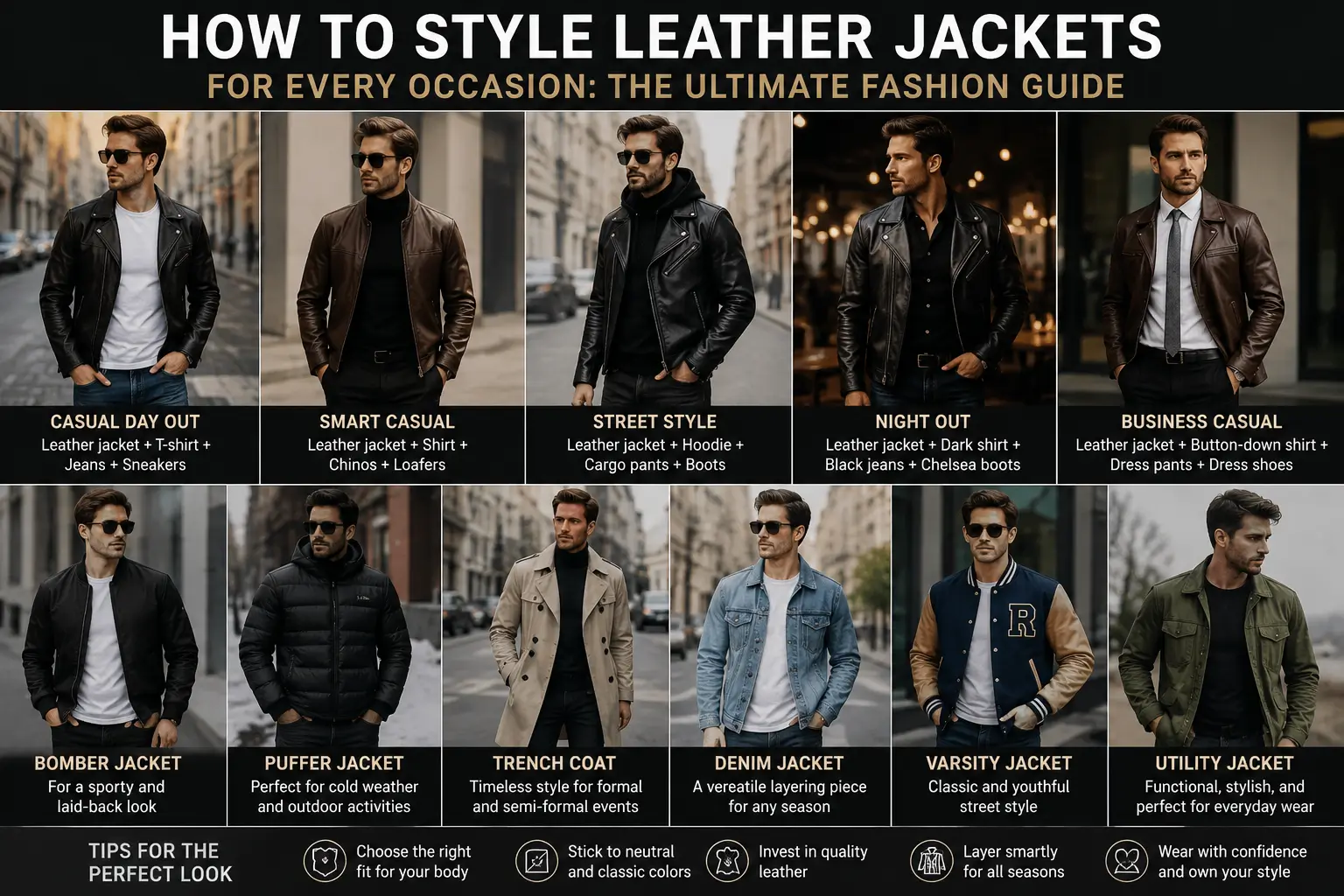
Corinthian leather is not a standard type of leather used to manufacture leather jackets. The name was created for automotive upholstery, and it does not specify the hide, grade, or treatment needed to make a suitable jacket.
Manufacturers generally describe jacket leather using terms such as full-grain, top-grain, suede, lambskin, cowhide, or sheepskin. Each term provides different information about the material or the part of the hide used.
If you want a leather jacket, focus on the following details:
Leather type: Check whether the jacket uses lambskin, cowhide, sheepskin, or another material.
Leather grade: Look for a clear explanation of whether it is full-grain, top-grain, or another grade.
Finish: Understand whether the surface has a natural, pigmented, waxed, or otherwise treated finish.
Construction: Inspect the stitching, lining, zippers, seams, and overall fit.
Care requirements: Choose a material you can maintain according to the manufacturer’s instructions.
A jacket advertised as “Corinthian leather” would need a clear material specification to establish what it actually contains. The name alone is not proof of quality or authenticity.
How to Maintain Corinthian Leather
If you own a classic car with original Corinthian leather upholstery, first identify which surfaces contain genuine leather and which use vinyl. Different materials may require different cleaning products and techniques.
1. Regular Cleaning
Remove loose dust and debris with a soft brush or clean microfiber cloth. For confirmed leather surfaces, use a cleaner formulated for automotive leather and follow the product instructions.
Avoid soaking the upholstery or scrubbing aggressively. Test any cleaning product on a small, inconspicuous area before applying it to a larger surface.
2. Conditioning
Use a leather conditioner only when the material and its finish are compatible with that product. Follow the upholstery manufacturer’s guidance where available.
Too much conditioner can leave residue or create an unwanted surface feel. Some coated automotive leathers need less conditioning than absorbent, unfinished leather, while vinyl generally requires a different care product.
3. Protection
Protect the interior from prolonged direct sunlight and excessive heat whenever possible. Use suitable window shades and park in a covered area when practical.
Clean spills promptly, avoid harsh solvents, and do not use household chemicals unless the upholstery manufacturer confirms they are suitable. If the material has extensive cracking or damage, consult an automotive upholstery specialist before attempting repairs.
Corinthian Leather vs. Other Types of Leather
Corinthian leather differs from familiar leather categories because it is a marketing term, not a recognized grade or tanning method.
Term
What It Means
Common Consideration
Corinthian leather
Historical marketing name for certain Chrysler automotive upholstery
The name does not establish a leather grade
Full-grain leather
Leather that retains the natural grain layer without removing it through corrective sanding
Natural surface variation can remain visible
Top-grain leather
Leather whose grain surface may be corrected or refined
Appearance and durability depend on processing and finish
Aniline leather
Leather colored primarily with soluble dyes while retaining much of its natural surface appearance
Can show natural marks and may stain more easily
Suede
Leather finished to create a soft, napped surface
Needs suitable care to manage moisture and staining
Bonded leather
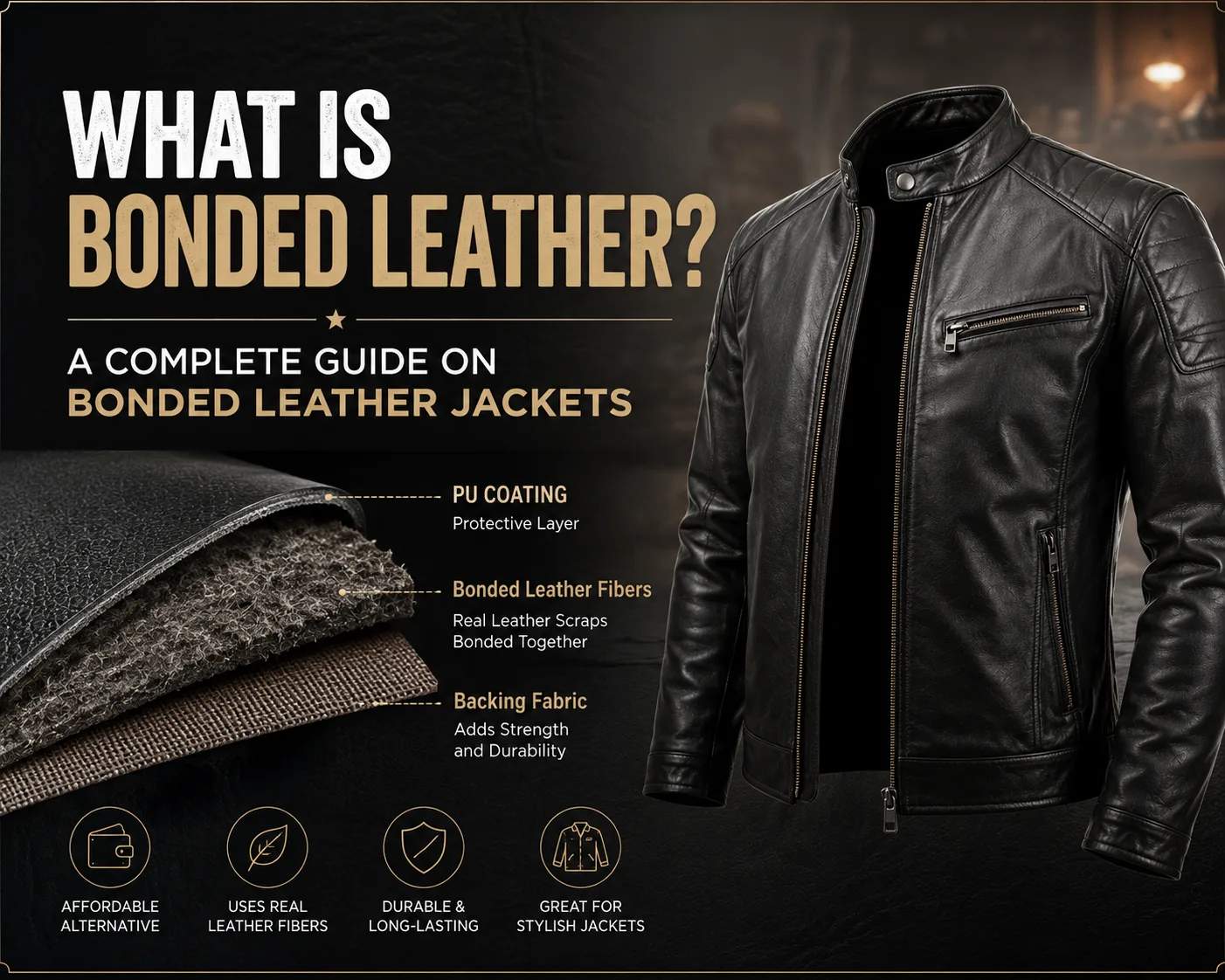
A material made using leather fibers or scraps combined with binding materials
Its performance varies with composition and construction
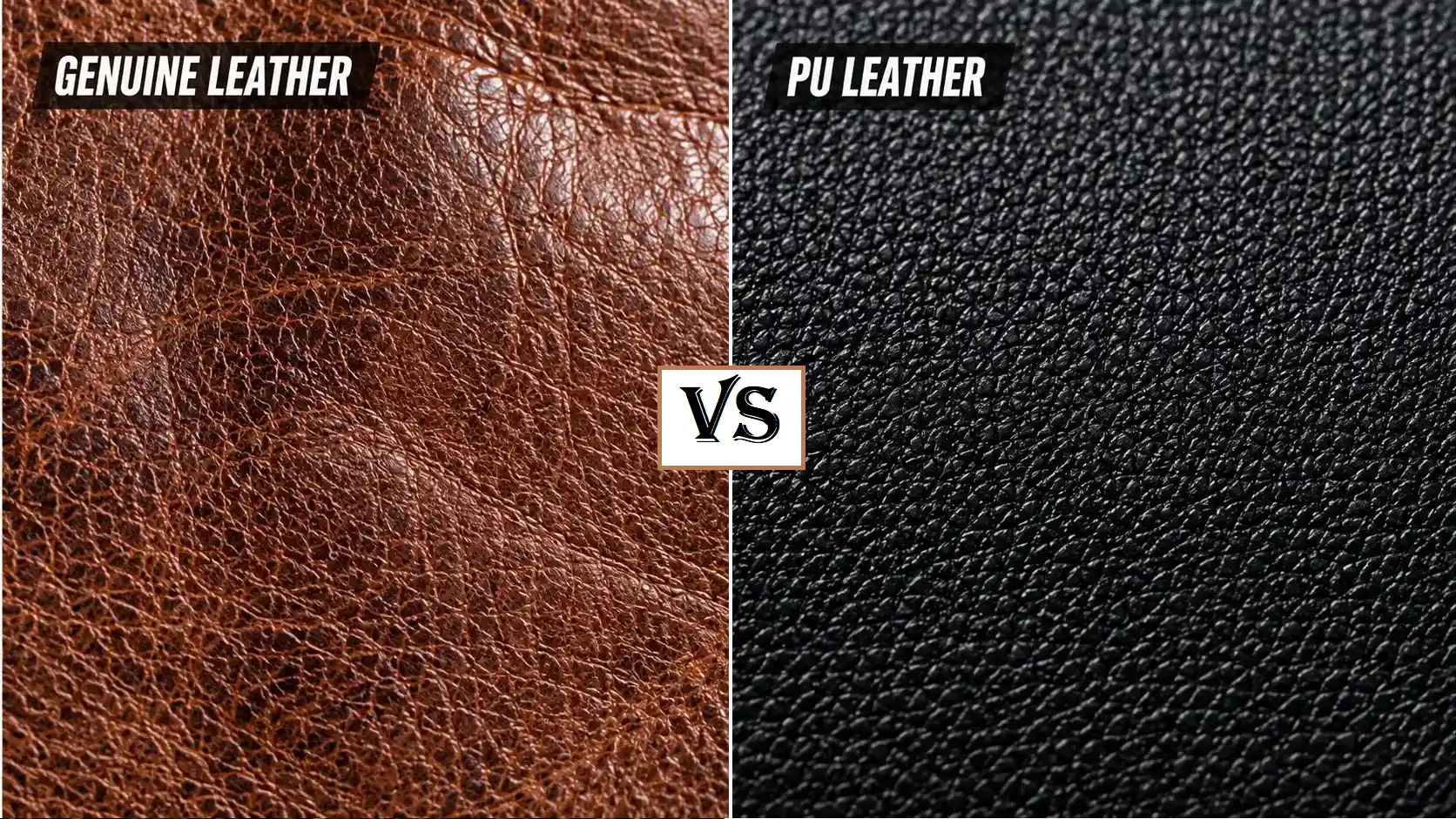
These terms describe different characteristics, so they are not direct equivalents. Full-grain and top-grain describe how the grain layer is treated, aniline describes a dyeing approach, suede describes a surface finish, and bonded leather describes a composite material.
When choosing a leather product, use the manufacturer’s specifications to understand what you are buying. A recognizable name may tell you about a product’s history, but the material description tells you much more about its construction.
Conclusion
Corinthian leather became famous because Chrysler turned a name into a powerful symbol of automotive luxury. Its association with the Chrysler Cordoba, Ricardo Montalbán’s advertisements, and later pop-culture references helped preserve its reputation for decades.
Despite the luxurious sound, Corinthian leather is not a separate leather grade or a material from ancient Greece. The term refers to certain historical Chrysler upholstery, and it does not automatically guarantee superior quality.
Whether you are researching classic cars, comparing automotive interiors, or shopping for a leather jacket, check the actual material, construction, condition, and care requirements. Those details provide a more reliable measure of quality than a marketing name.
FAQs: What Is Corinthian Leather?
1. Is Corinthian leather real leather?
The original Chrysler upholstery associated with the name included genuine leather, but some interior surfaces used vinyl. The term itself does not guarantee that every surface is leather.
2. Is Corinthian leather a real type of leather?
No. It is a marketing term associated with certain Chrysler vehicle interiors, not an independently recognized leather grade or tanning method.
3. Does Corinthian leather come from Greece?
No. The original Chrysler material was supplied by a manufacturer in Newark, New Jersey. The name was chosen for its luxurious sound, not to indicate a Greek origin.
4. Who made Corinthian leather famous?
Actor Ricardo Montalbán helped popularize the term through Chrysler advertisements, particularly those promoting the Chrysler Cordoba.
5. Why is Corinthian leather associated with the Chrysler Cordoba?
Chrysler used the term in advertising to emphasize the Cordoba’s luxury interior. The campaign’s memorable wording and spokesperson made the association particularly strong.
6. Is Corinthian leather better than full-grain leather?
There is no direct comparison. Corinthian leather is a marketing name, whereas full-grain leather describes a particular treatment of the hide’s grain layer. You need the actual material specifications to compare quality.
7. Does Rolls-Royce use Corinthian leather?
The terms are not interchangeable. Rolls-Royce specifies and finishes leather for its own interiors, while Corinthian leather is associated with historical Chrysler upholstery.
8. Can you buy a Corinthian leather jacket?
The term is not a standard jacket-leather category. Before buying a jacket advertised under this name, ask the seller to identify the hide, grade, finish, and material composition.
9. How do you clean Corinthian leather car seats?
Identify whether each surface uses leather or vinyl, then use a compatible automotive upholstery cleaner. Avoid harsh chemicals, excessive moisture, and untested conditioners.
10. Why do people still talk about Corinthian leather?
The phrase remains memorable because of its classic advertising campaign and later references in films and online discussions. Its cultural reputation has lasted much longer than the original campaign.
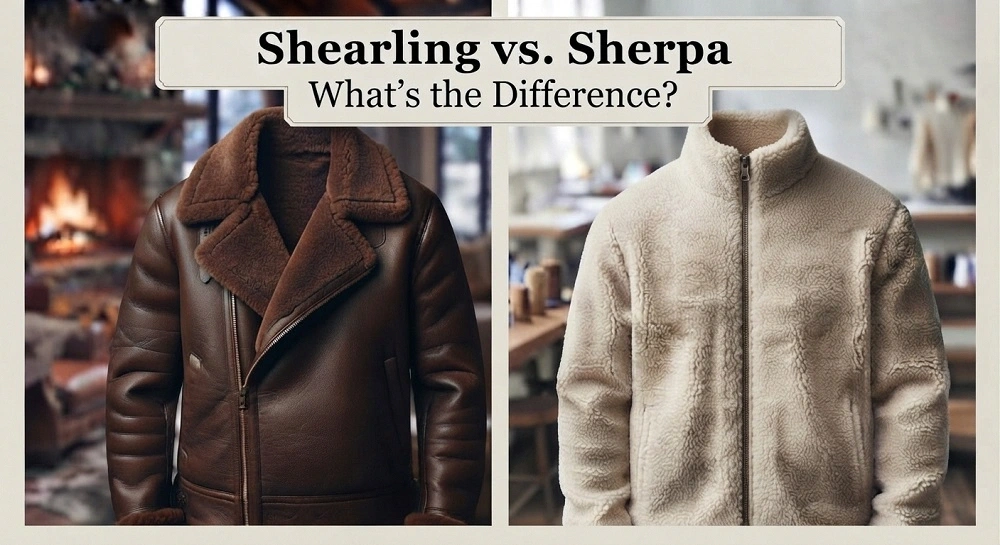
Short Answer: Shearling is genuine sheepskin with the wool still…
How to Measure Your Weight
Place the weighing scale on a flat, hard floor (not on carpet) and step on it to measure your weight. Wear your everyday light clothing and don’t forget to remove your shoes while weighing.
At lammberg, your privacy is of paramount importance to us. When you provide your measurements and upload pictures while ordering our made-to-measure items, rest assured that this information is collected solely for internal purposes related to pattern making and determining the appropriate size for your order. We understand the sensitivity of the data you share with us, and we want to assure you that your pictures will be treated with the utmost confidentiality. They will never be disclosed or shared with any third party. Instead, they will be securely stored with industry-standard encryption, and access will be restricted to authorized personnel directly involved in the pattern making and sizing process. We are committed to using this information solely for the purpose it was provided and will not retain it longer than necessary.
Thank You!
We are truly excited that you’ve chosen us for crafting your custom jacket!
Your dream jacket is our mission, and we can’t wait to bring it to life.
Our dedicated support agent will be in touch via email to have a conversation about all the intricate details and options you have mentioned, ensuring a stress-free experience for you.
To ensure our messages reach you promptly and smoothly, kindly add customized@lammberg.com to your address book.
We can’t wait to start working on your perfect jacket!
Thank You!
We are truly excited that you’ve chosen us for crafting your bespoke jacket!
Your dream jacket is our mission, and we can’t wait to bring it to life.
Our dedicated support agent will reach out to you via email to have a conversation about tailoring a bespoke jacket based on your preferences, ensuring a stress-free experience for you.
To ensure our messages reach you promptly and smoothly, kindly add bespoke@lammberg.com to your address book.
We can’t wait to start working on your perfect jacket!
How to Measure Your Height
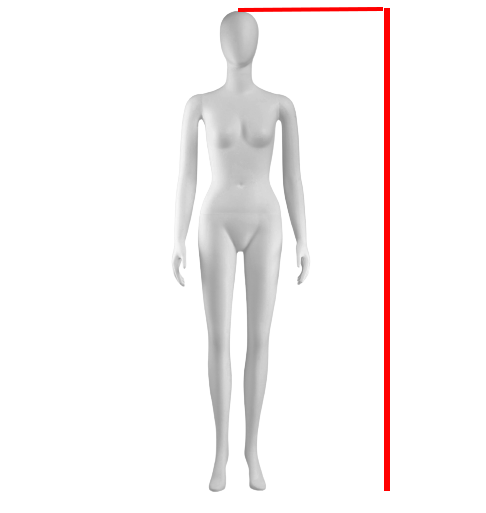
Stand against a wall without shoes. Place a straight object such as a book or ruler on your head and mark where it meets the wall. And then measure from the floor to the mark for an accurate height reading.
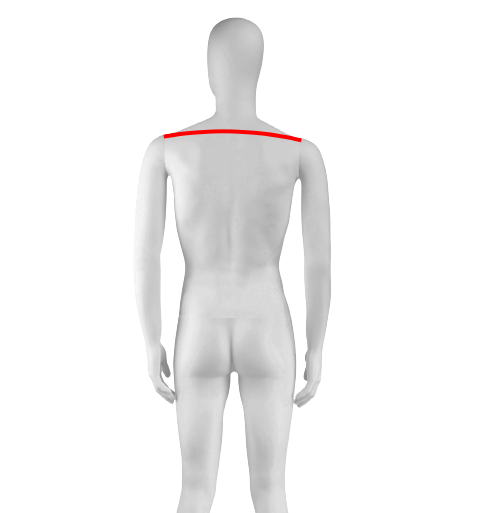
How to Measure Your Shoulder
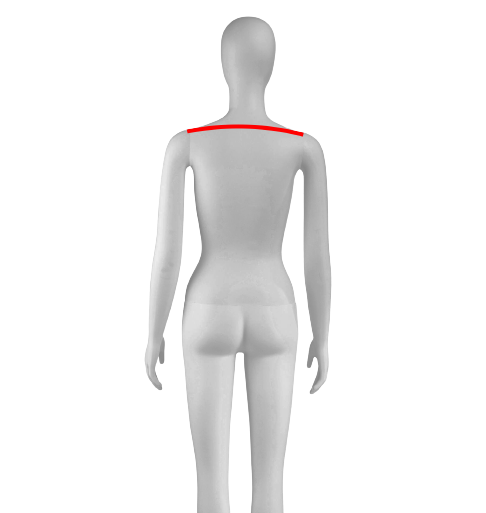
Measure the distance from the bony end of one shoulder, straight across the back of the neck, continuing to the bony end of the other shoulder.
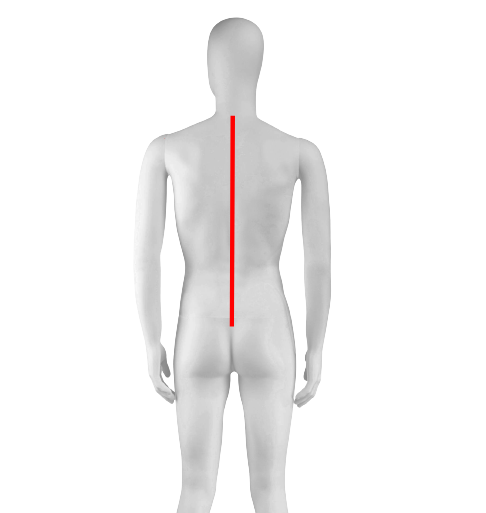
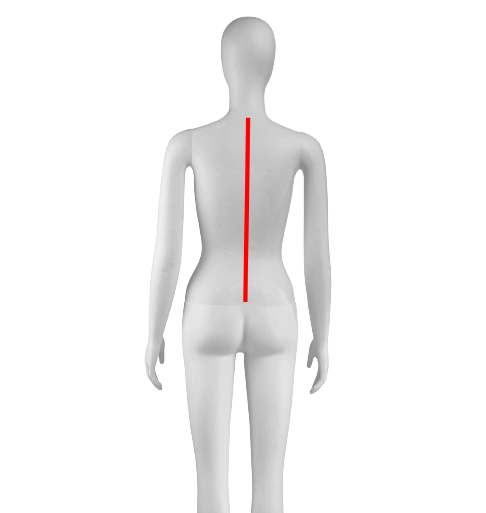
How to Measure The Required Length
Facing backwards, measure vertically down, from the bone at the base of your neck, to your required length. If you are unsure of the perfect length, this will vary depending on the style of the jacket and your personal preference, but typically falls somewhere where your arms end.
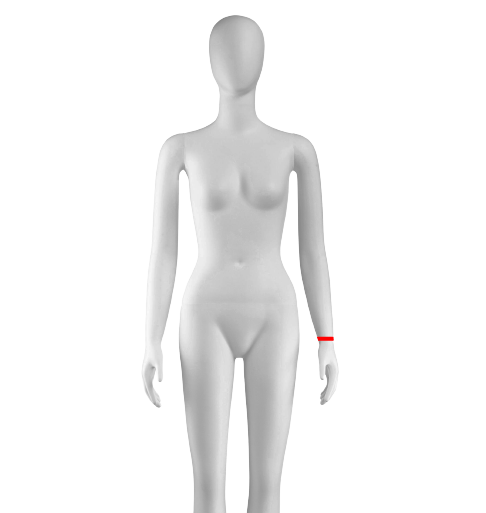
How to Measure Your Wrist
Measure around the fullest part of your wrist, that is exactly above your wrist bone and you will get your wrist measurement.
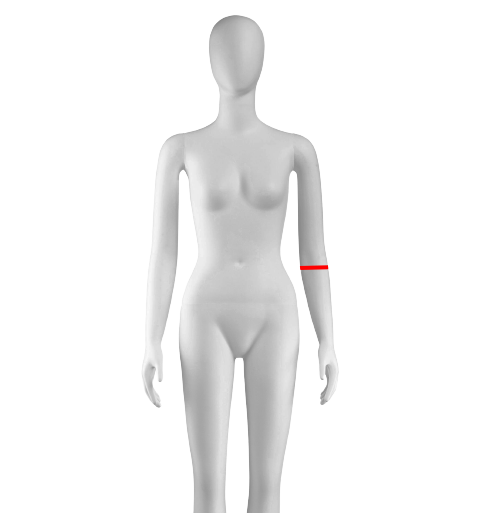
How to Measure Your Forearm
Wrap the tape measure around the widest part of your forearm, which is usually 2 inches below the elbow.
How to Measure Your Bicep
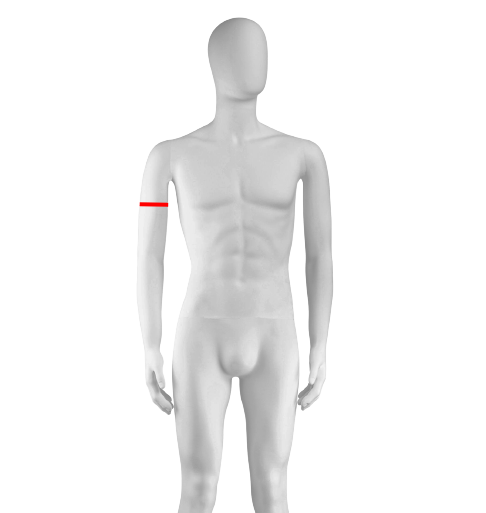
To know your bicep measurement, measure around the fullest part of your bicep with your arms relaxed.
How to Measure Your Armhole
To measure your armhole, wrap the tape measure around your arm and shoulder, drawing it up from behind your shoulder until it meets the starting end.
How to Measure Your Sleeve Length
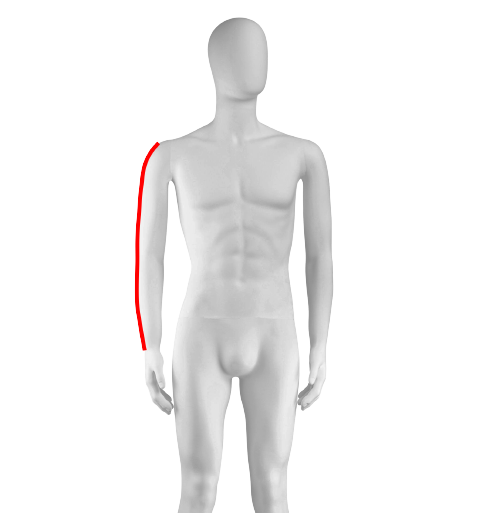
Place the tape measure at the edge of your shoulder. Guide it down alongside your arm straight to the point where you would like your sleeve to end.
How to Measure your Hip
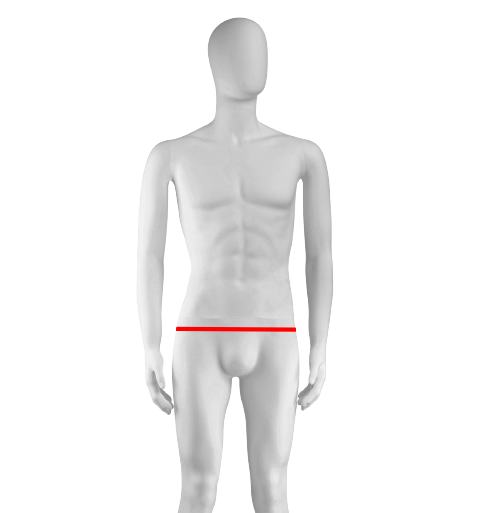
Measure around the fullest part of your hips. Start at one hip, then bring the tape measure around the back and over the other hip, and back to where you started. Stand straight and make sure the tape is leveled all the way around.
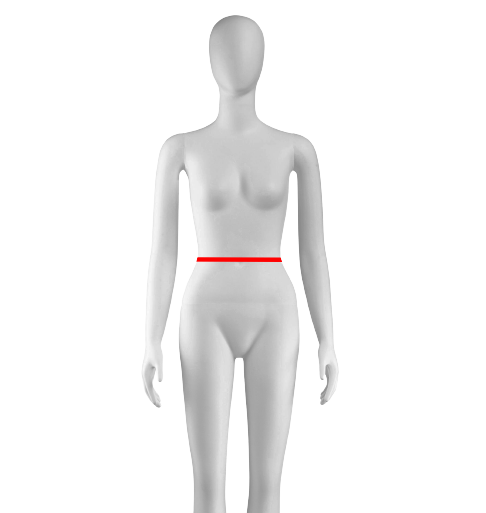
How to Measure Your Waist
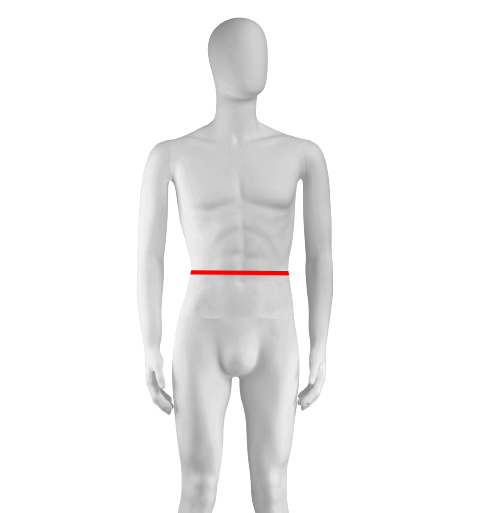
To know your waist measurement, measure the circumference of your waist. Use the tape to circle your waist (sort of like a belt would) at your natural waistline across the belly button. Breathe normally while taking the measurement and make sure the tape is leveled all the way around.
How to Measure Your Midriff
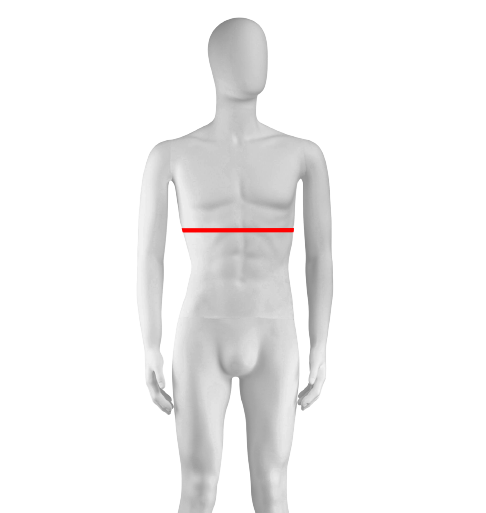
Your midriff is part of the body between your chest and the waist. Measure around the circumference of your body, above your belly button and below your rib cage. Relax and breathe normally.
Make sure the tape is leveled all the way around.
How to Measure Your Chest
To measure your chest, raise your arms, wrap the measuring tape an inch below the armhole.
Now lower your arms and measure around the circumference of the body, covering the broadest part of the chest and across the shoulder blades. Relax and breathe normally.
Make sure the tape is leveled all the way around.
How to Measure Your Neck
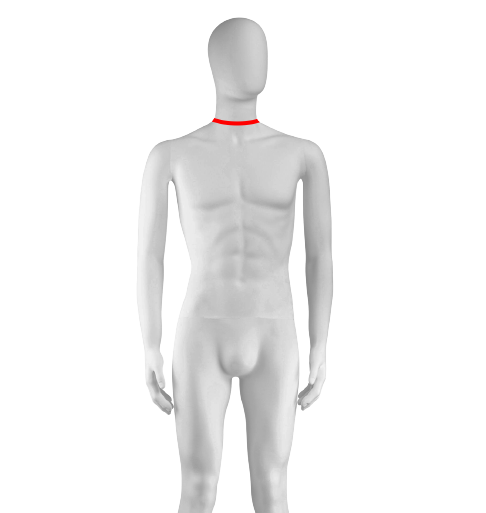
Wrap the measuring tape around your neck and measure around the thickest part of your neck just above your collar bone. The thickest part of your neck is typically just below your Adam’s apple. Be careful not to pull too tightly.
You should be able to comfortably fit two fingers between your neck and the measuring tape.
How to Measure Your Height
Stand against a wall without shoes. Place a straight object such as a book or ruler on your head and mark where it meets the wall. And then measure from the floor to the mark for an accurate height reading.
Unit of Measurement
Select your preferred unit of measurement. We will follow this throughout your measurements.
How to Measure Your Shoulder
Measure the distance from the bony end of one shoulder, straight across the back of the neck, continuing to the bony end of the other shoulder.
How to Measure The Required Length
Facing backwards, measure vertically down, from the bone at the base of your neck, to your required length. If you are unsure of the perfect length, this will vary depending on the style of the jacket and your personal preference, but typically falls somewhere where your arms end.
How to Measure Your Wrist
Measure around the fullest part of your wrist, that is exactly above your wrist bone and you will get your wrist measurement.
How to Measure Your Forearm
Wrap the tape measure around the widest part of your forearm, which is usually 2 inches below the elbow.
How to Measure Your Bicep
To know your bicep measurement, measure around the fullest part of your bicep with your arms relaxed.
How to Measure Your Armhole
To measure your armhole, wrap the tape measure around your arm and shoulder, drawing it up from behind your shoulder until it meets the starting end.
How to Measure Your Sleeve Length
Place the tape measure at the edge of your shoulder. Guide it down alongside your arm straight to the point where you would like your sleeve to end.
How to Measure your Hip
Measure around the fullest part of your hips. Start at one hip, then bring the tape measure around the back and over the other hip, and back to where you started. Stand straight and make sure the tape is leveled all the way around.
How to Measure Your Waist
To know your waist measurement, measure the circumference of your waist. Use the tape to circle your waist (sort of like a belt would) at your natural waistline across the belly button. Breathe normally while taking the measurement and make sure the tape is leveled all the way around.
How to Measure Your Midriff
Your midriff is part of the body between your chest and the waist. Measure around the circumference of your body, above your belly button and below your rib cage. Relax and breathe normally.
Make sure the tape is leveled all the way around.
How to Measure Your Bust
To measure your bust, raise your arms, wrap the measuring tape around the fullest part of your chest.
Now lower your arms and measure around the circumference of the body, covering the broadest part of the chest and across the shoulder blades. Relax and breathe normally.
Make sure the tape is leveled all the way around.
How to Measure Your Neck
Wrap the measuring tape around your neck and measure around the thickest part of your neck just above your collar bone. The thickest part of your neck is typically just below your Adam’s apple. Be careful not to pull too tightly.
You should be able to comfortably fit two fingers between your neck and the measuring tape.
Measurement Instructions
You will need a fabric tape measure and a helping hand. You may also do the measurements yourself, but for the most accurate results, we suggest getting a friend or a relative to do it for you. It’s more fun as well.
You must provide full, accurate and legible measurements on this form.
Please make sure you have precisely followed the demonstration pictures to obtain measurements.
We guarantee that your item will fit you perfectly if you provide us the correct measurements. There will be no returns or exchanges related to fit when pertaining to wrongly submitted measurements.
Once you have given us the measurements, we will process your order immediately, so any changes at later stage may not be possible.
When taking measurements, the tape should be held flat against the body; hold it snugly enough to prevent drooping, but not so tight as to feel restrictive.
Wear what you would normally wear under a jacket while taking measurements.
Make sure to measure without any bulky clothing or layers that might affect the accuracy of the measurement.
Stand as you normally would stand in your day to day stance.
If you wish to, please send 3 full length photos of yourself (Front, Back and Side pose) wearing a t-shirt and a trouser for a better perception for our production team.
Should you need further clarification or assistance, we are always available to you, please write to tailorsupport@lammberg.com