What You’ll Learn
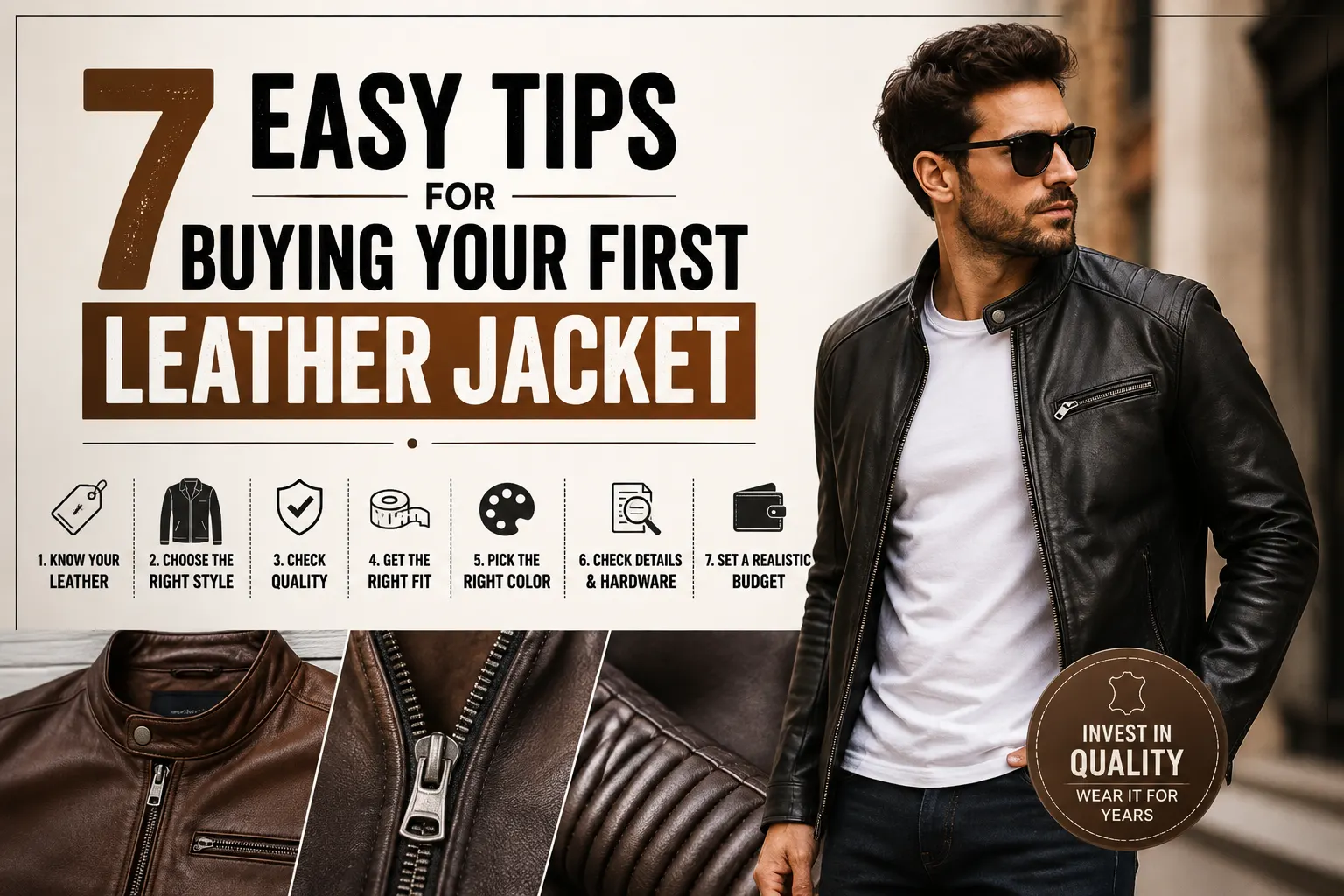
- How to evaluate leather quality
- Why jacket panels matter
- The importance of inner lining
- What good stitching looks like
- Hardware and zipper quality
- Choosing the right style
- Finding your perfect fit
A good leather jacket is a key piece for any wardrobe. For both men and women, it is a style statement. A top quality leather jacket is a big purchase. It is something you buy once and it lasts for many years. It should be strong, look good for a long time, and work with many different outfits.
Because there are so many choices, finding the right one can be hard. This guide will walk you through every step. It will show you what to look for so you spend your money wisely and love your jacket for years.
Let us get started with our leather jacket buying guide.
What You Will Learn In This Guide
- How to check the type and quality of leather
- Why the jacket’s panels matter
- The role of the inner lining
- How to spot good stitching
- What to know about zippers and hardware
- Picking the right style for you
- Finding the perfect fit
1. Focus on The Leather Type and Quality
The most important step is knowing about the leather. For a new buyer, it can be hard to tell the difference. Learning a little about leather will help you make a smart choice.
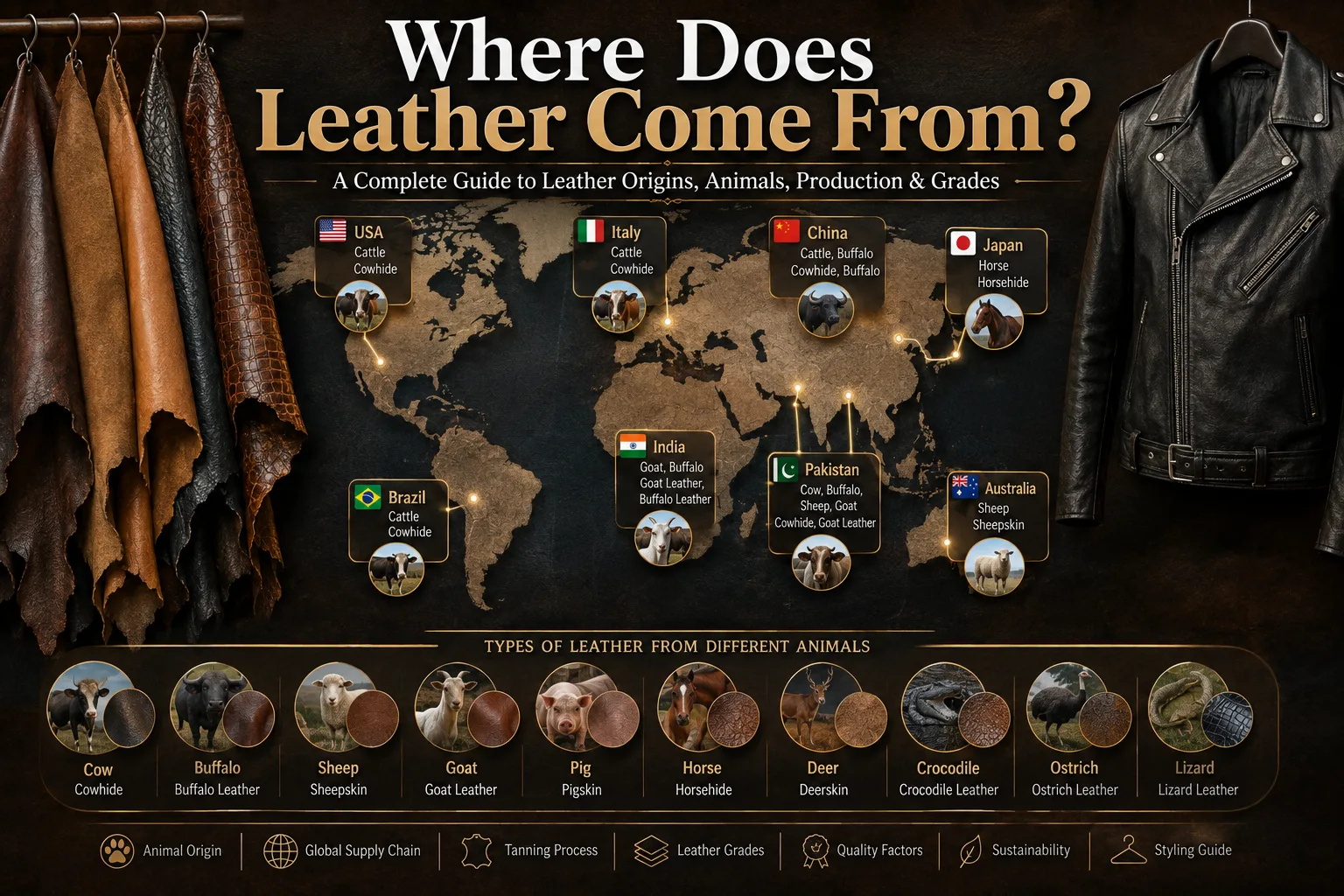
Animal Skin First, think about what animal skin you want. This choice depends on your budget and how you want the jacket to feel.
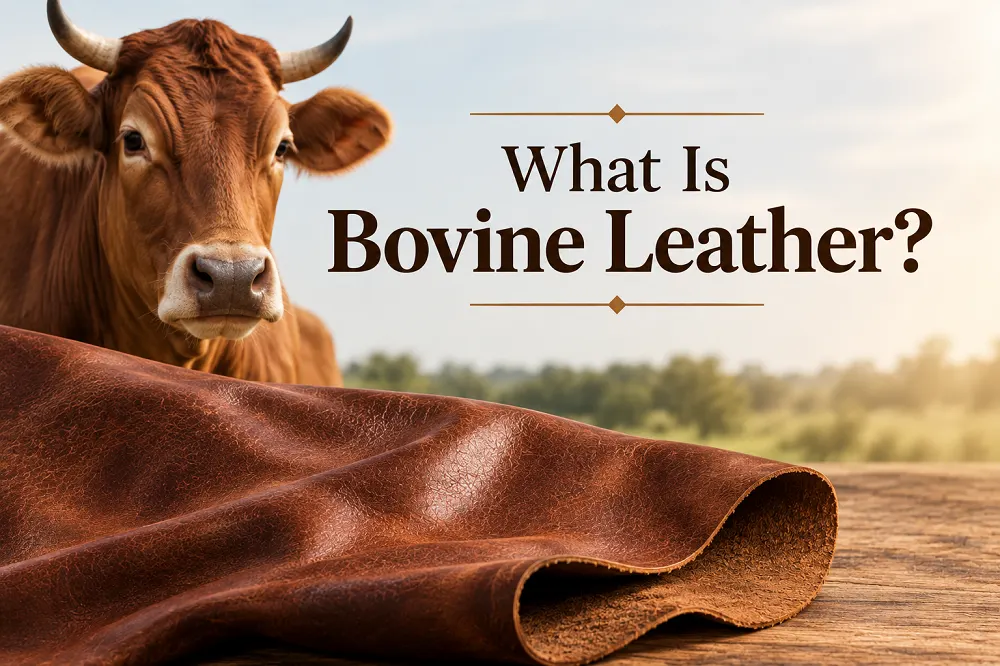
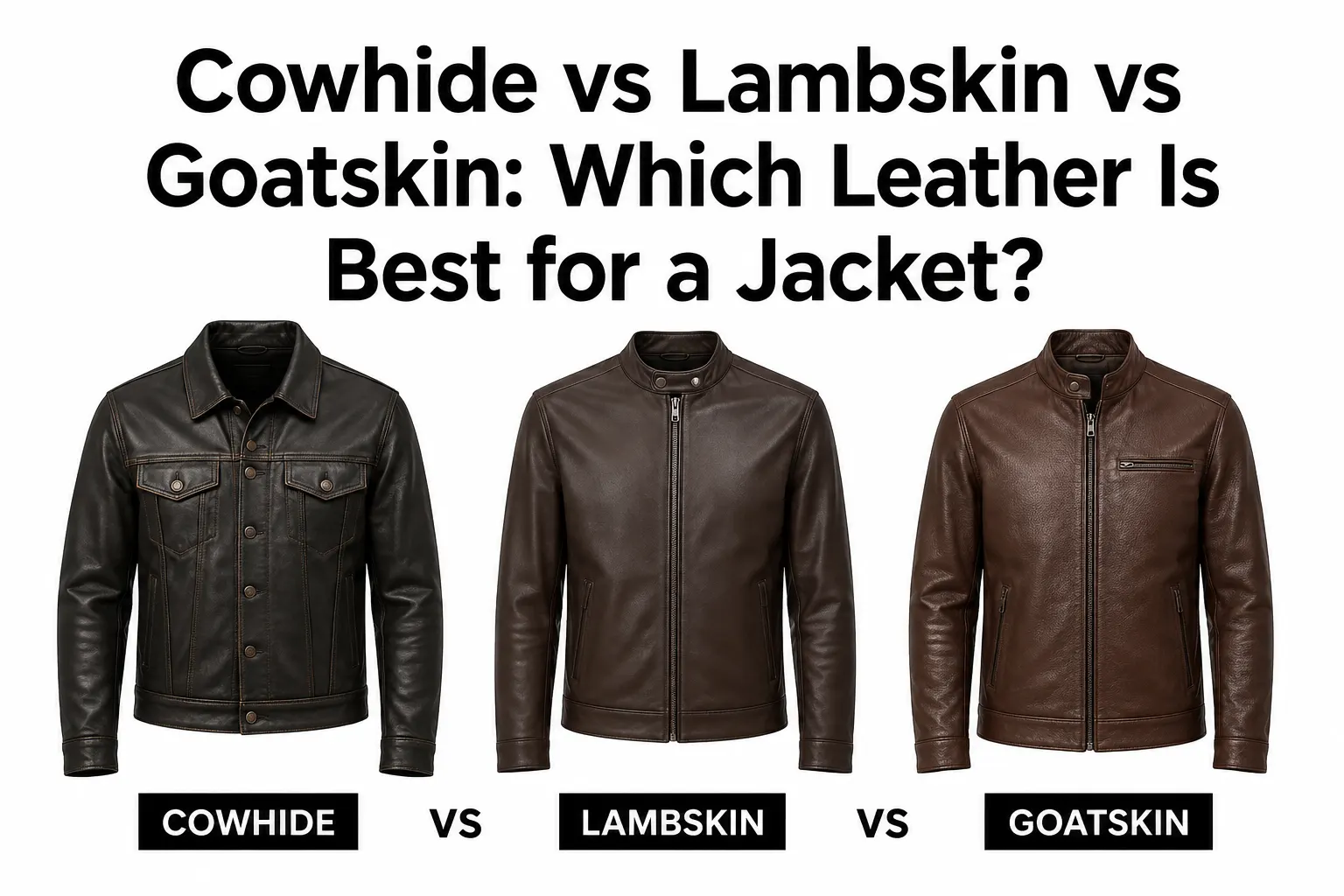
- Cowhide & Calfskin: Cowhide is tough, strong, and highly durable, making it a popular choice for biker and rugged leather jackets. Calfskin comes from younger cattle and offers a softer, finer grain while still providing good durability. Together, they are ideal for buyers who want long-lasting leather with options ranging from heavy-duty to more refined finishes.
- Sheepskin & Lambskin: This is very soft and smooth right away. It is not as tough as cowhide and often costs more. It feels lightweight and comfortable, making it ideal for everyday wear and stylish fashion jackets. Its natural softness gives the jacket a luxurious and premium feel.
- Goatskin: This is a good middle ground. It is a bit strong like cowhide but has a softer feel and a unique grain pattern. It is naturally flexible, so it feels comfortable without sacrificing durability. The distinctive grain also gives goatskin jackets a stylish and textured appearance.
Leather Grade Next, you need to know the leather grade. This tells you about the quality of the hide.
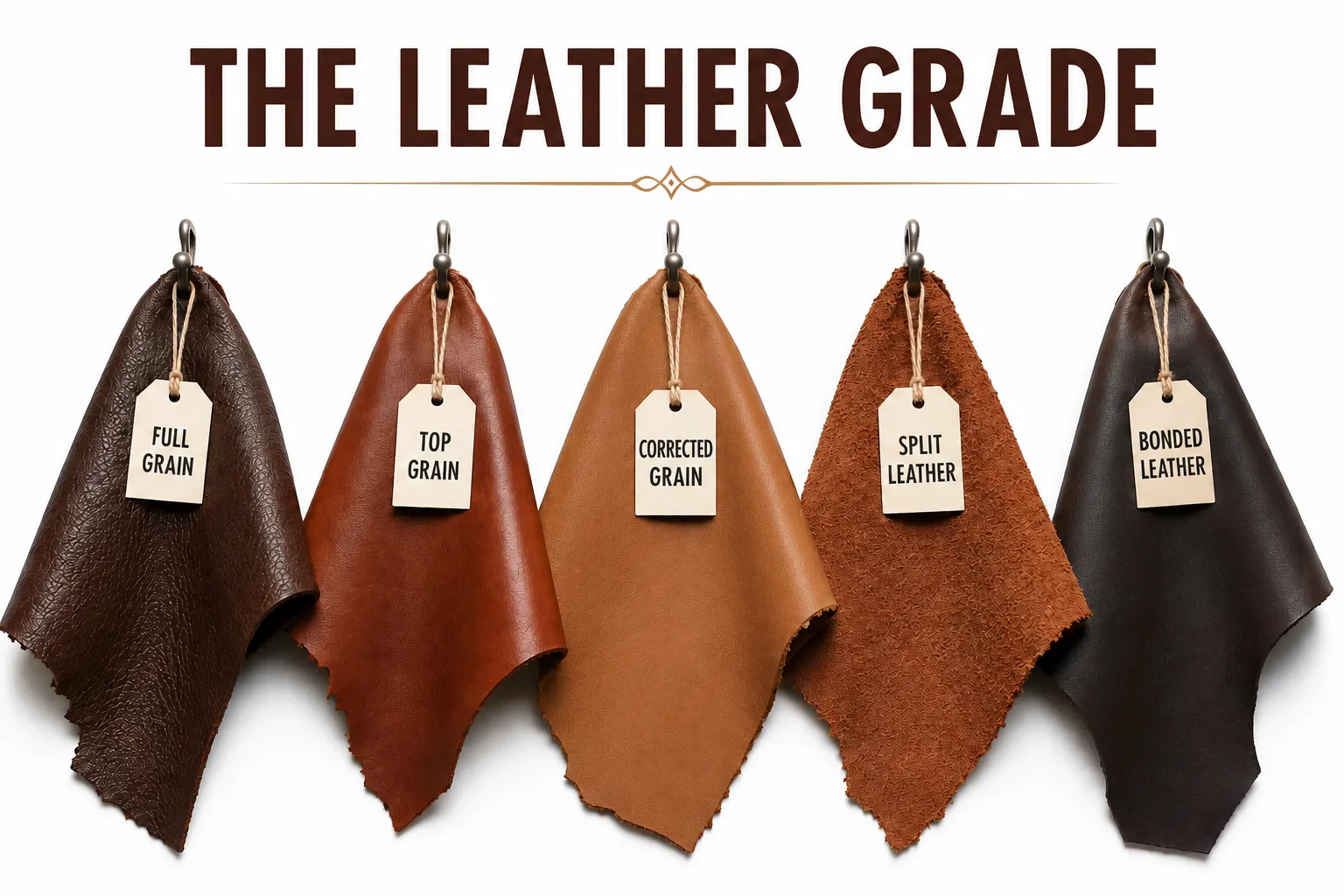
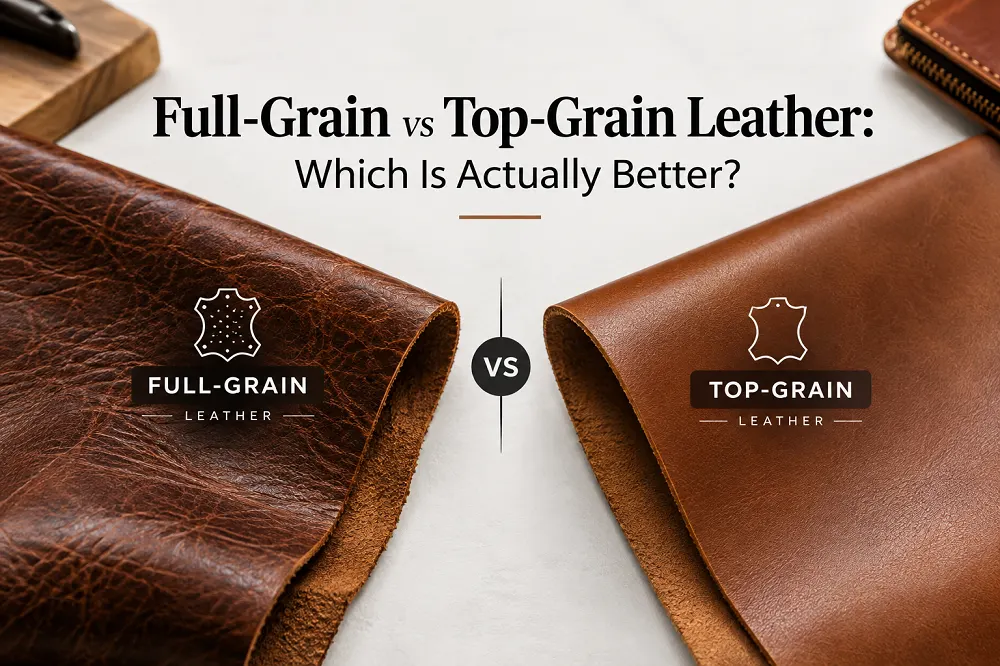
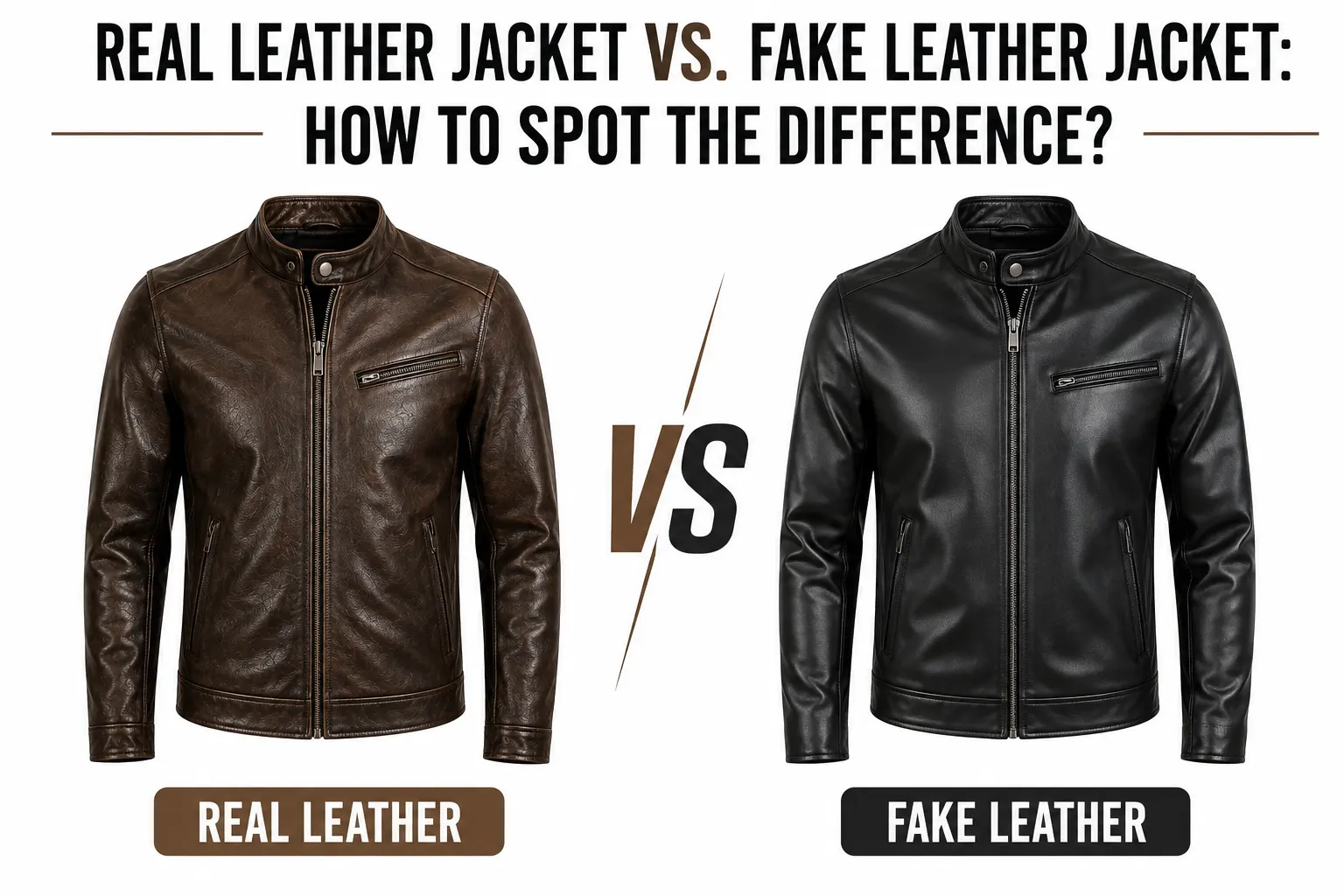
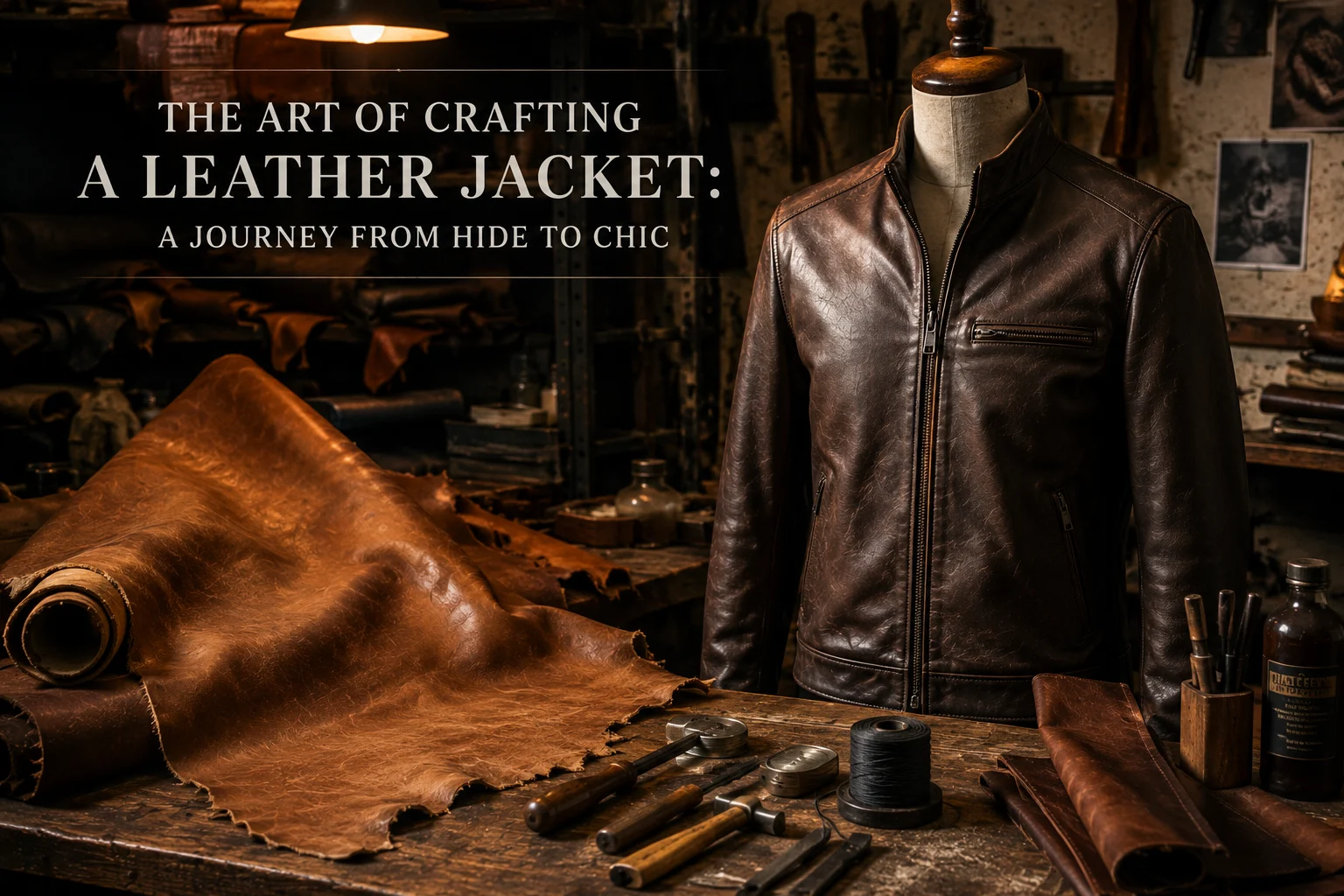
- Full-Grain Leather: Full-grain leather is considered one of the highest-quality leather options because the natural grain surface remains intact. It is strong, durable, and develops a unique patina over time, making every jacket look more distinctive with age.
- Top-Grain Leather: Top-grain leather is made from the upper portion of the hide and is lightly buffed to create a smoother, more uniform appearance. It is thinner and more flexible than full-grain leather while still offering a good balance of durability, softness, and a refined finish. This makes it a popular choice for fashion jackets.
- Corrected-Grain Leather: Corrected-grain leather is processed to reduce natural marks, scars, and other surface imperfections. It may then be embossed or finished to create a more consistent texture and appearance.
- Split Leather: Split leather is made from the lower layers of the hide after the top grain has been separated. It is generally more affordable than full-grain or top-grain leather and can be finished in different ways, including suede.
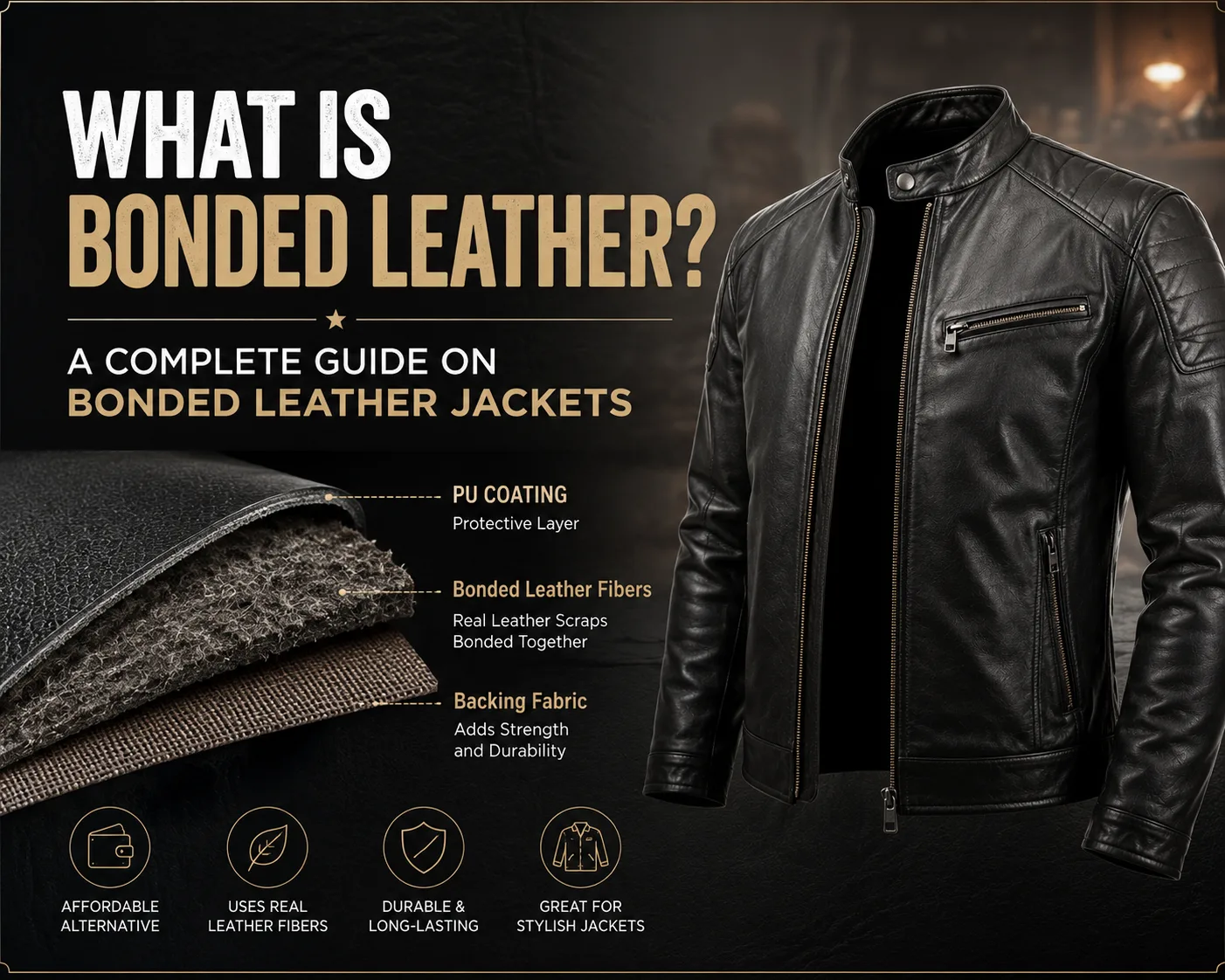
- Bonded Leather: Bonded leather is made by combining leather fibers or scraps with binding materials and then forming them into sheets. It is typically more affordable than higher-quality leather but generally does not offer the same durability, natural appearance, or longevity.
Leather Finish
Leather comes in many different finishes, each offering a unique look, feel, and level of protection. While there are many types available, we will focus on some of the most commonly used finishes in leather jackets.
Aniline: Aniline leather has a very natural appearance because its surface remains largely uncoated. The natural grain, pores, and markings remain visible, giving it a soft and luxurious feel.
Semi-Aniline: Semi-aniline leather combines a natural appearance with better protection than pure aniline leather. A light protective coating helps improve resistance to stains, moisture, and everyday wear while maintaining its softness.
Nappa: Nappa leather is known for its exceptionally soft, smooth, and supple feel. It is commonly made from sheep or lamb leather and is widely used for premium fashion jackets.
Distressed: Distressed leather is specially finished to create a worn, aged, or vintage appearance. It often features natural-looking variations in color and shading that give the jacket a rugged character.
Waxed: Waxed leather is treated with wax to create a rich, slightly oily, or weathered appearance. It can develop beautiful color variations when the leather is bent, rubbed, or handled.
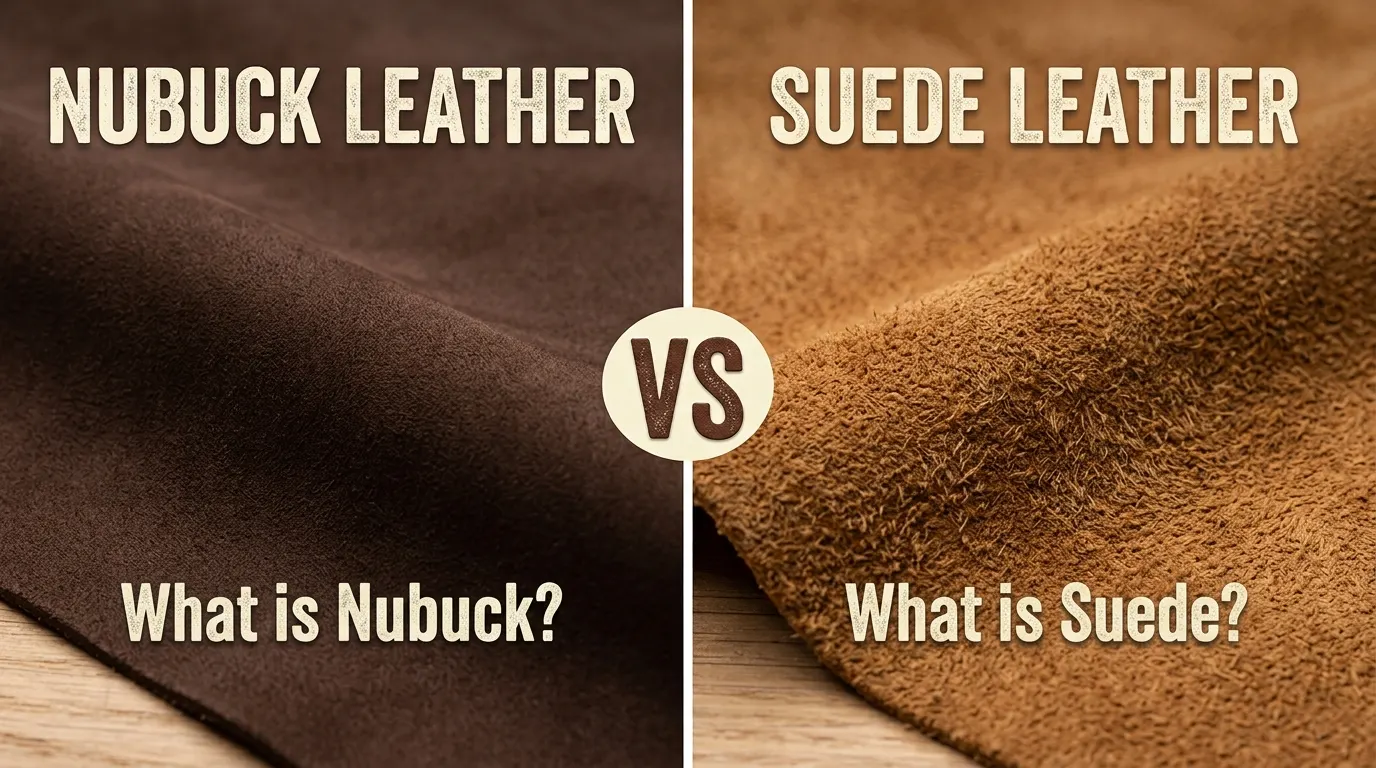
Nubuck: Nubuck is made from the grain side of the hide and lightly sanded to create a soft, velvety surface. It offers a luxurious feel while retaining the strength of the outer layer.
Suede: Suede is made from the inner split side of the hide, giving it a soft and fuzzy texture. It is lightweight, flexible, and commonly used for fashion and casual leather jackets.
2. Check The Jacket Panels and Joints
Look at how the jacket is put together. A jacket made from fewer large pieces of leather will usually cost more. This is because it requires bigger, cleaner hides.
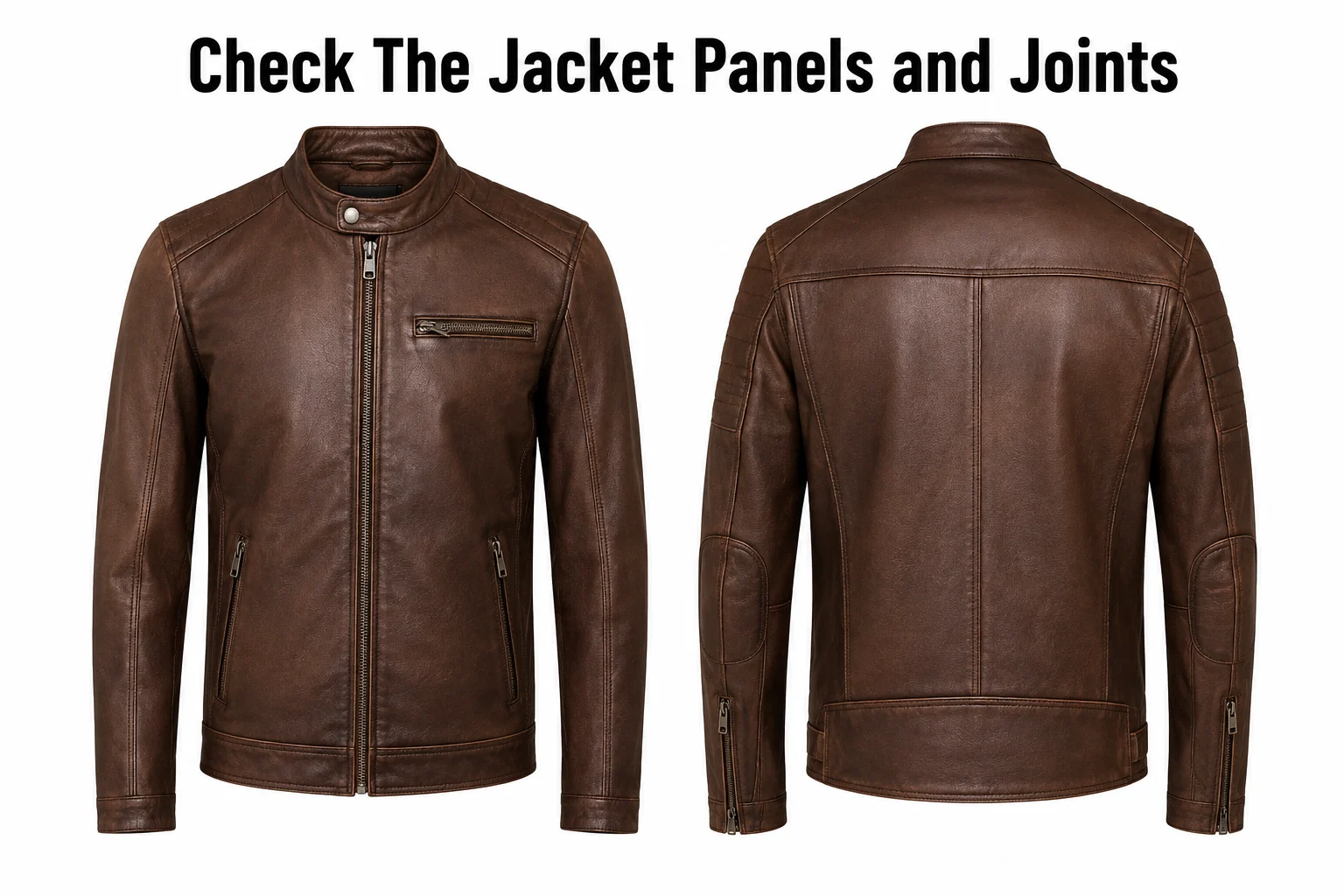
Jackets made from many small pieces are often made from leftover leather. This can be a way to make the jacket cheaper. However, some jackets have many panels for style, like with stitching or designs. These can also be expensive because of the extra work.
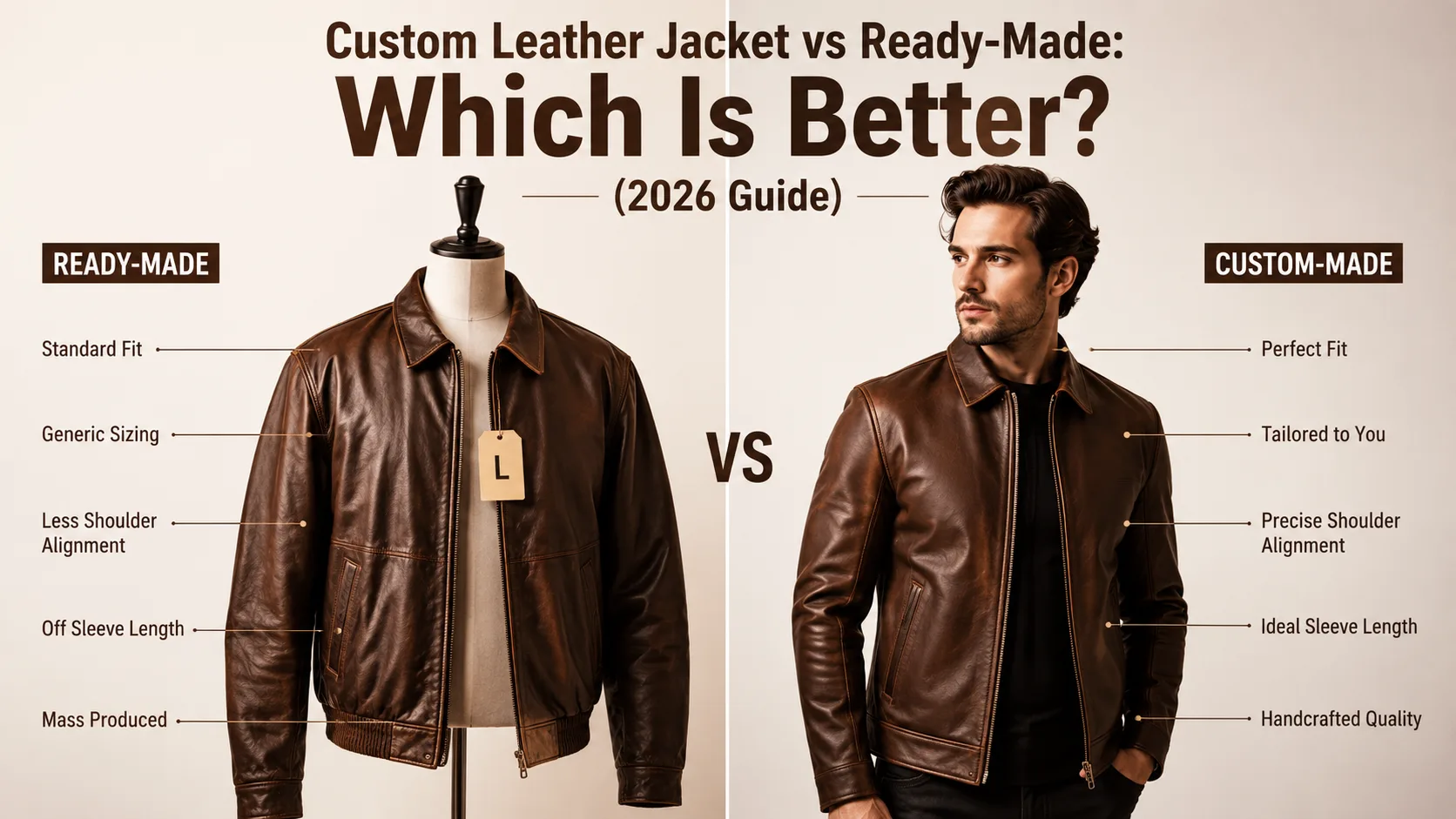
When you order a custom made jacket, you can often choose to have fewer panels for a cleaner look.
3. Do Not Forget The Inner Lining
The inside of the jacket is very important. The inner lining is the fabric on the inside. A good lining makes the jacket feel heavy and helps it sit well on your shoulders.
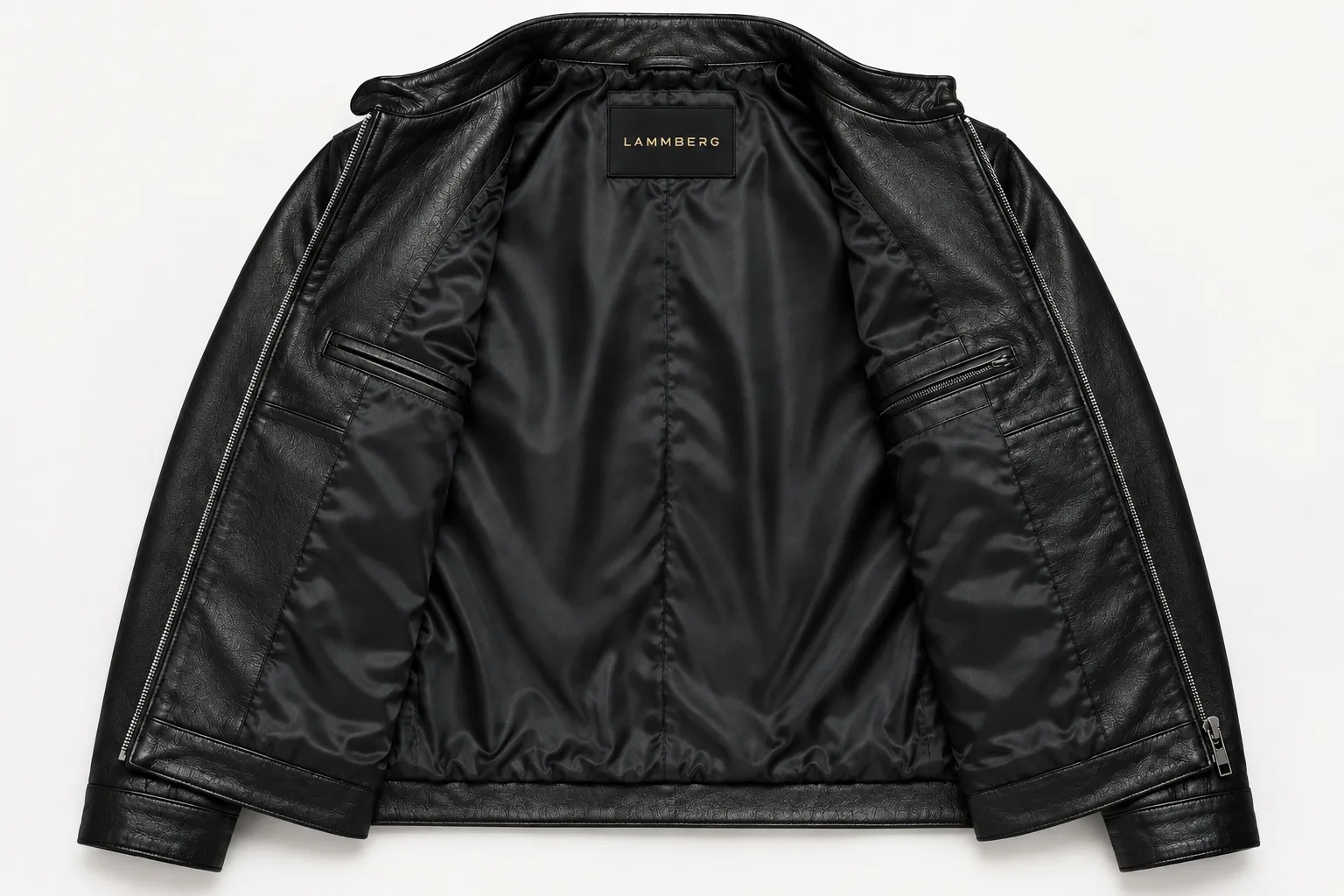
A lining also keeps you warm and absorbs sweat. You can sometimes choose your lining fabric. A popular choice is Taffeta Polyester lining. It is smooth, light, and lets air pass through.
Some jackets have no lining at all. This makes the jacket lighter and more breathable. But, making a jacket without a lining needs more work on the inside seams, which can make it cost more.
4. Look Closely at The Stitching
The stitching shows how well the jacket was made. Good stitching is a sign of a high quality jacket.
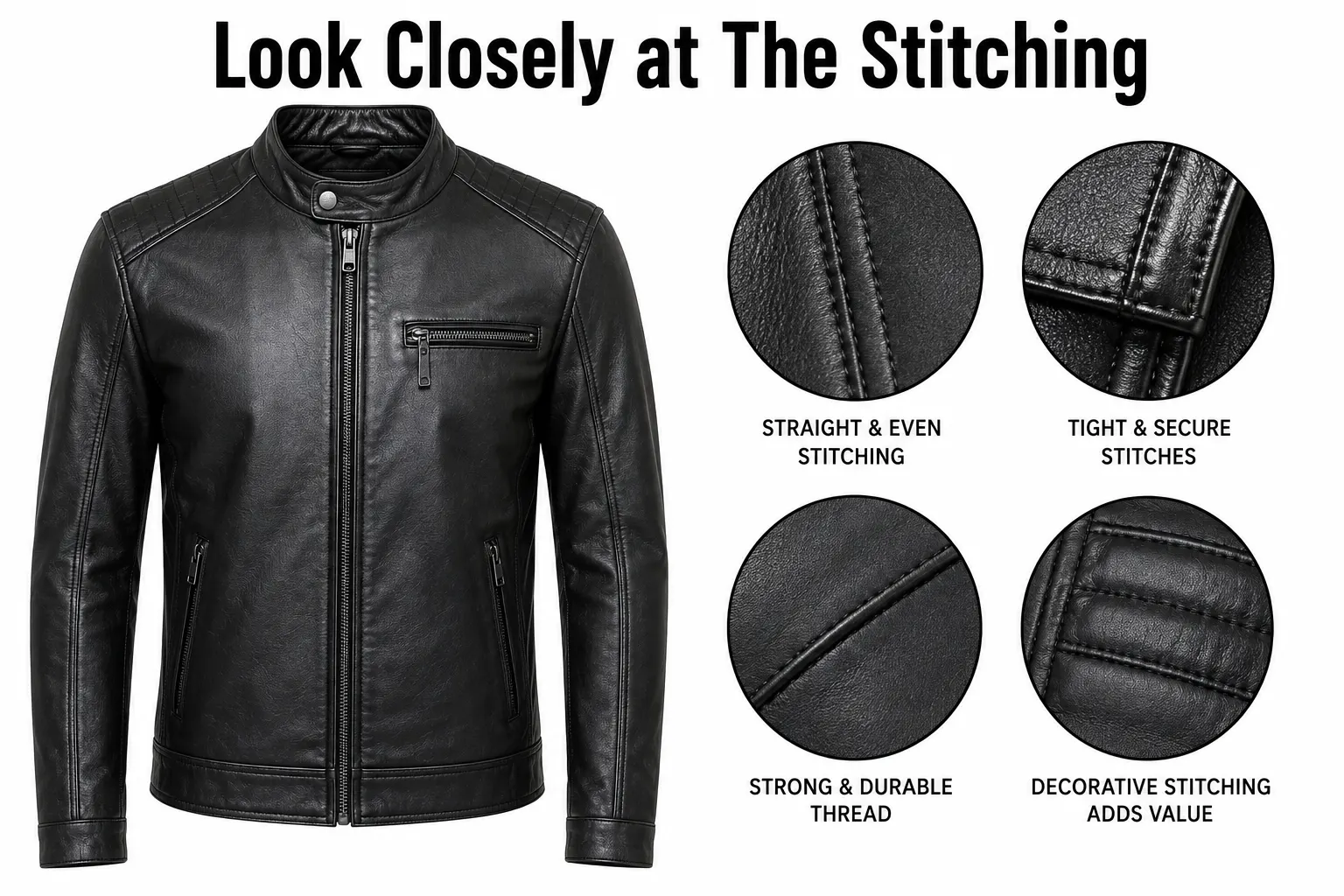
Look for stitching that is straight, tight, and even. There should be no loose threads. The thread used should be strong, like polyester.
Also, look for decorative stitching on pockets and seams. This extra detail takes more time and skill, which can add to the jacket’s price.
5. Test The Hardware and Zippers
The zippers, buttons, and other metal parts are called hardware. Good hardware means the jacket will last.
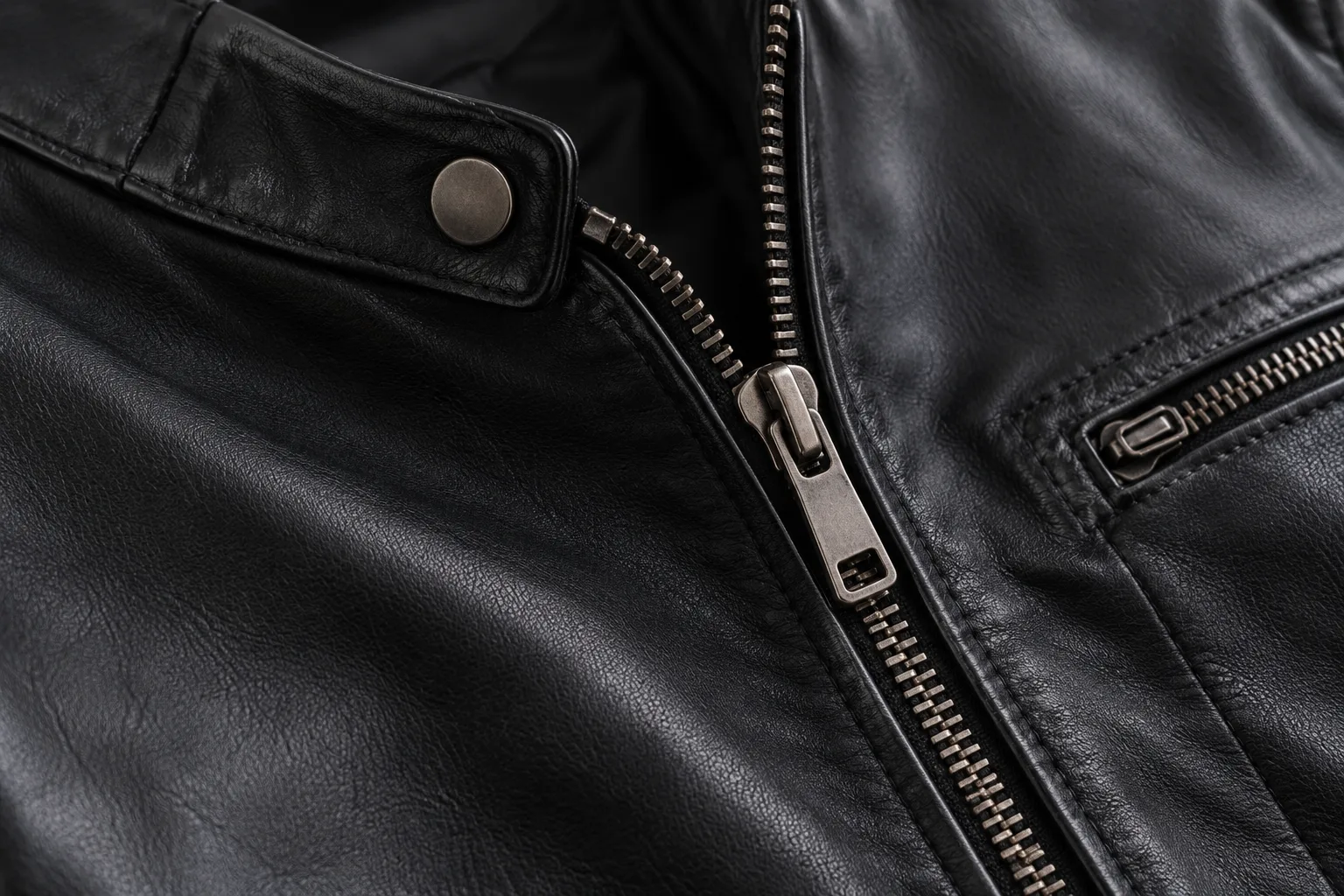
Check that zippers move smoothly up and down. Do they feel strong? Famous zipper brands like YKK are a good sign. Buttons should be secure and not feel loose or cheap.
Other decorations like studs or patches should be firmly attached and not falling off.
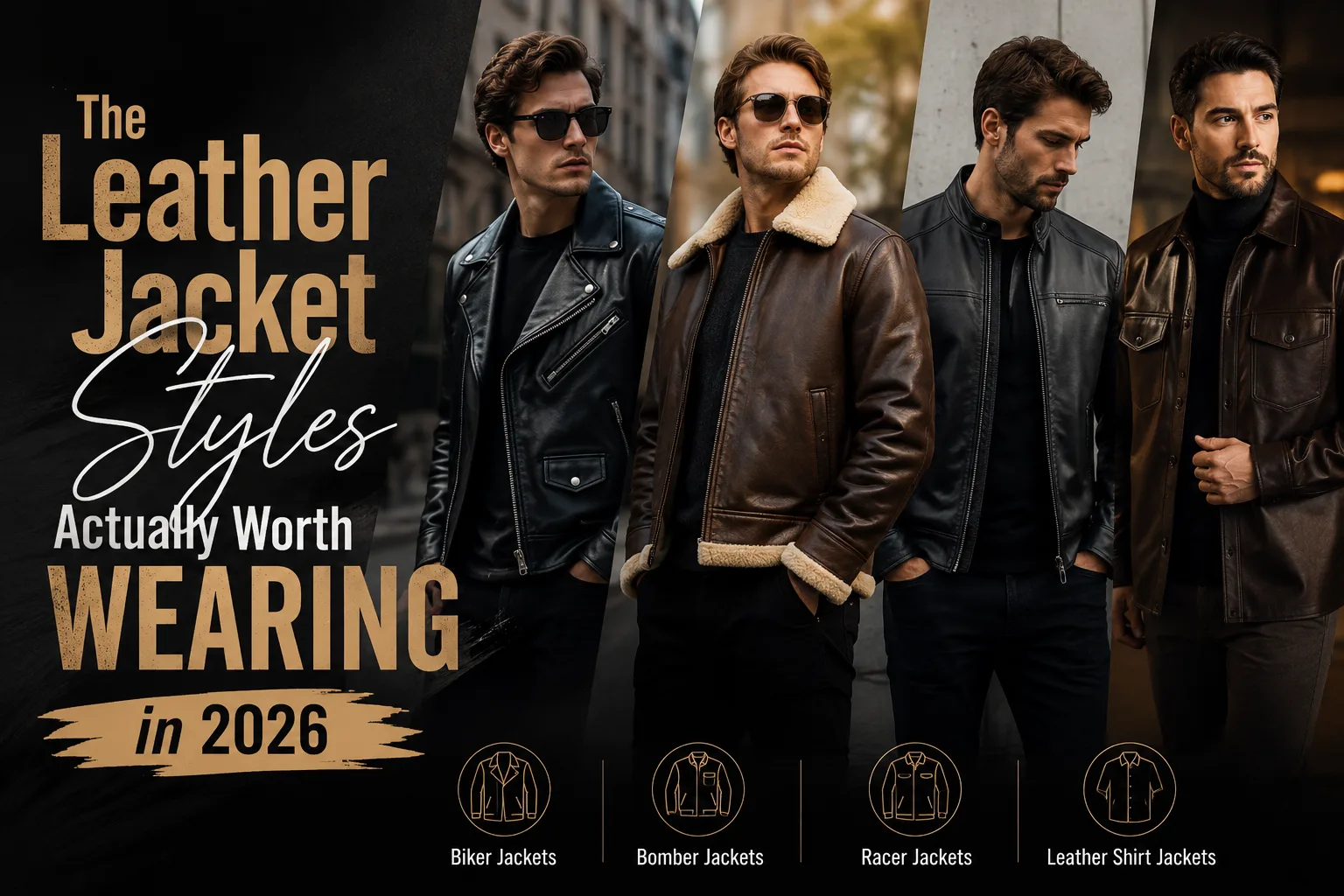
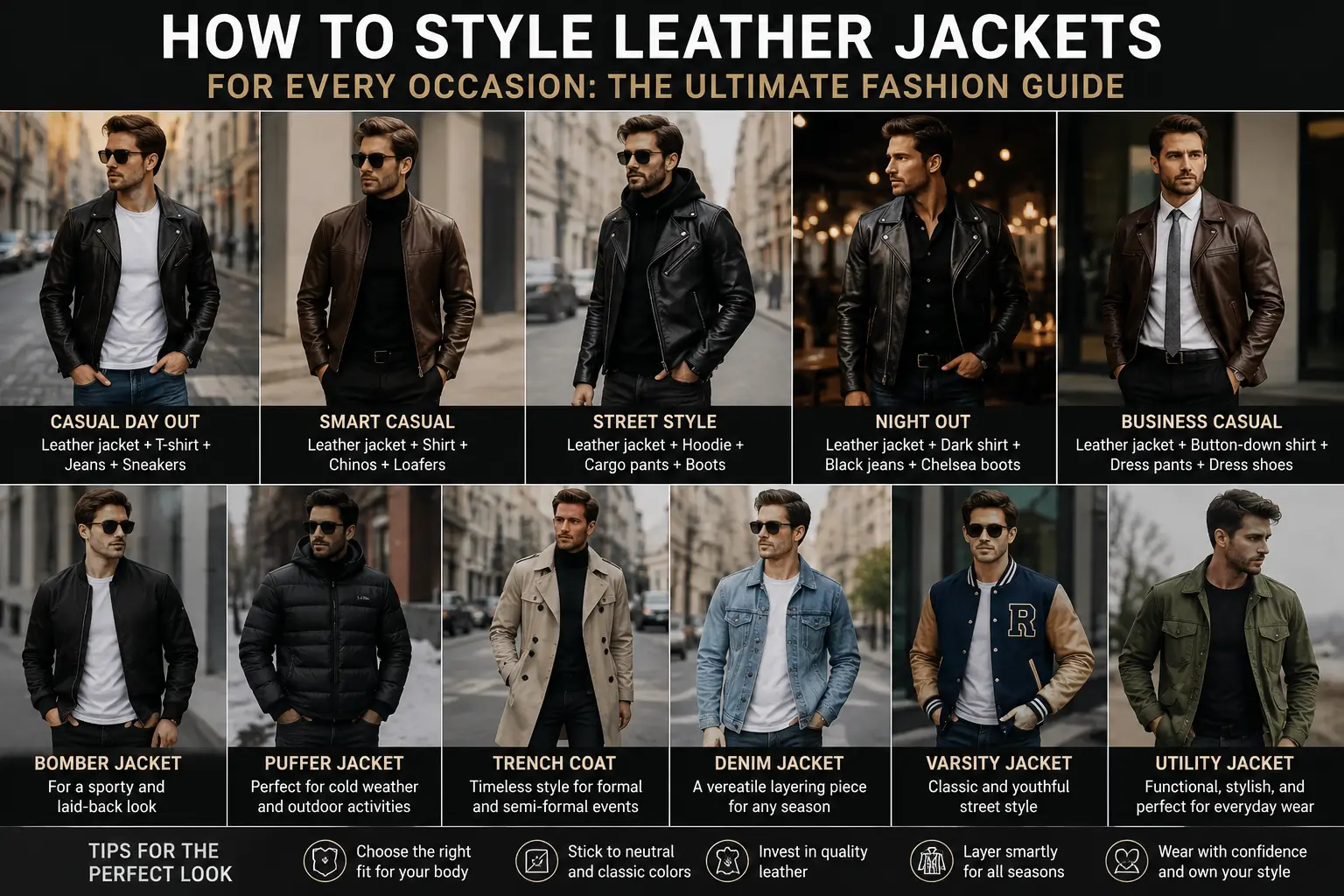
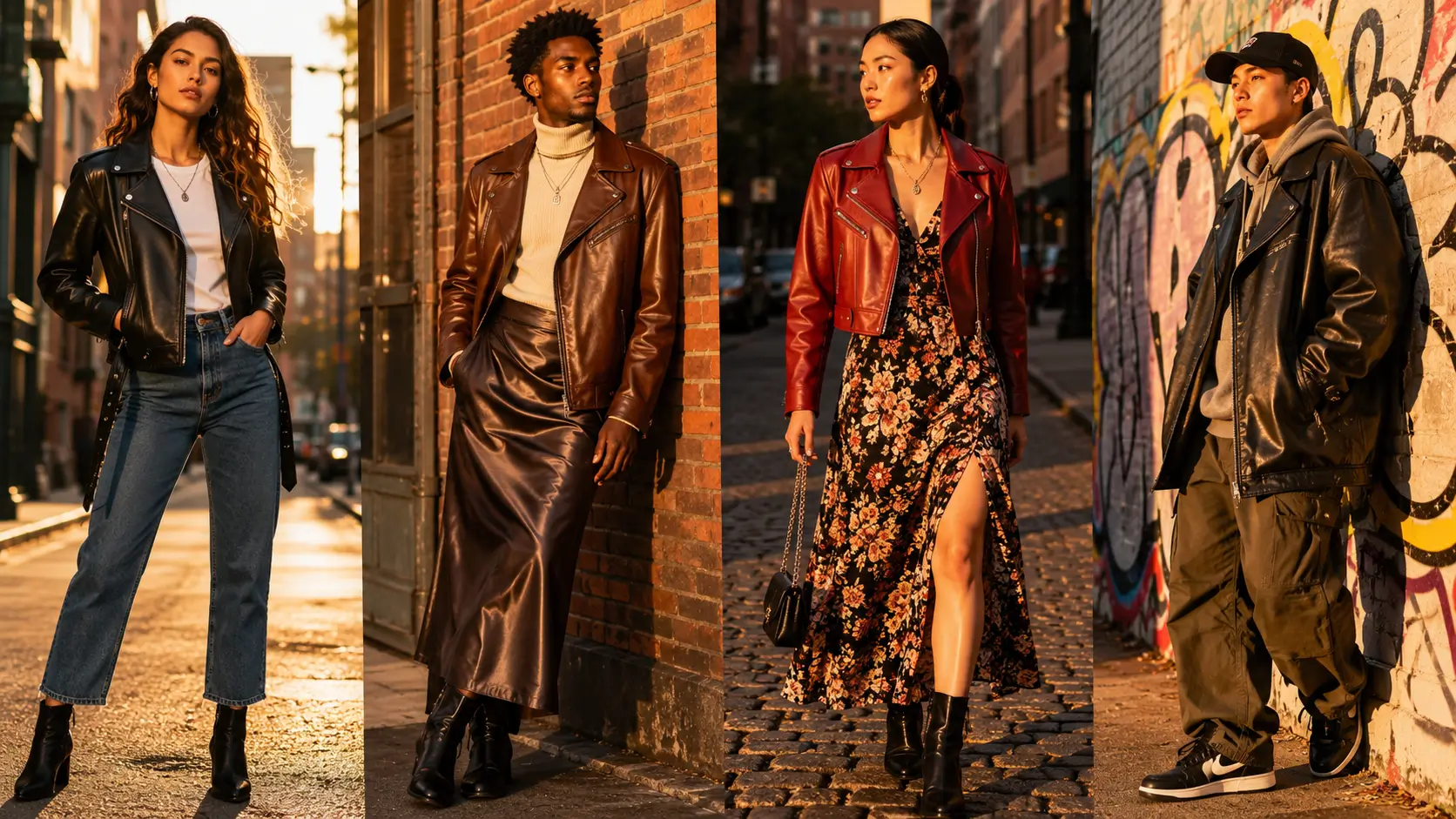
6. Pick a Style You Love
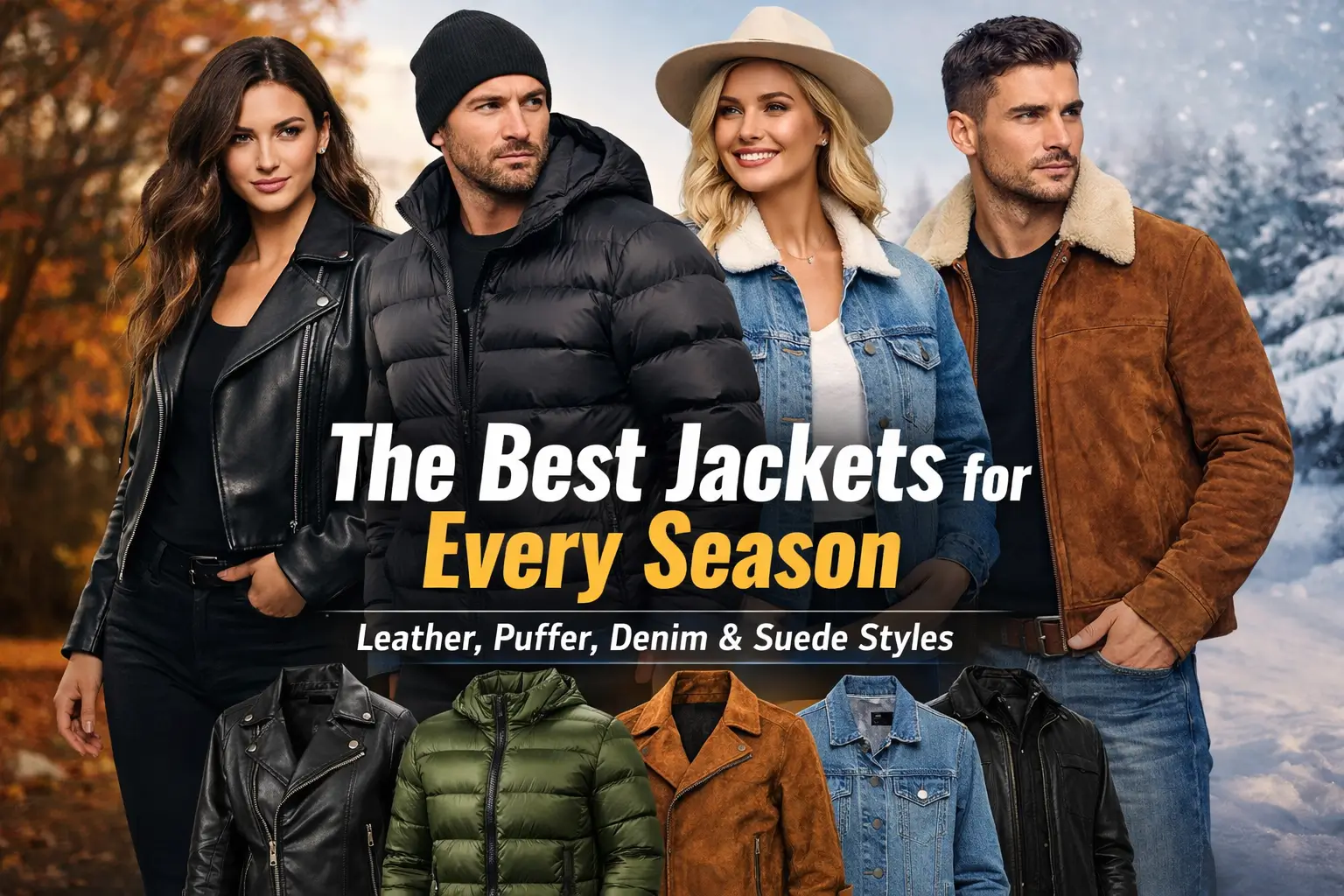
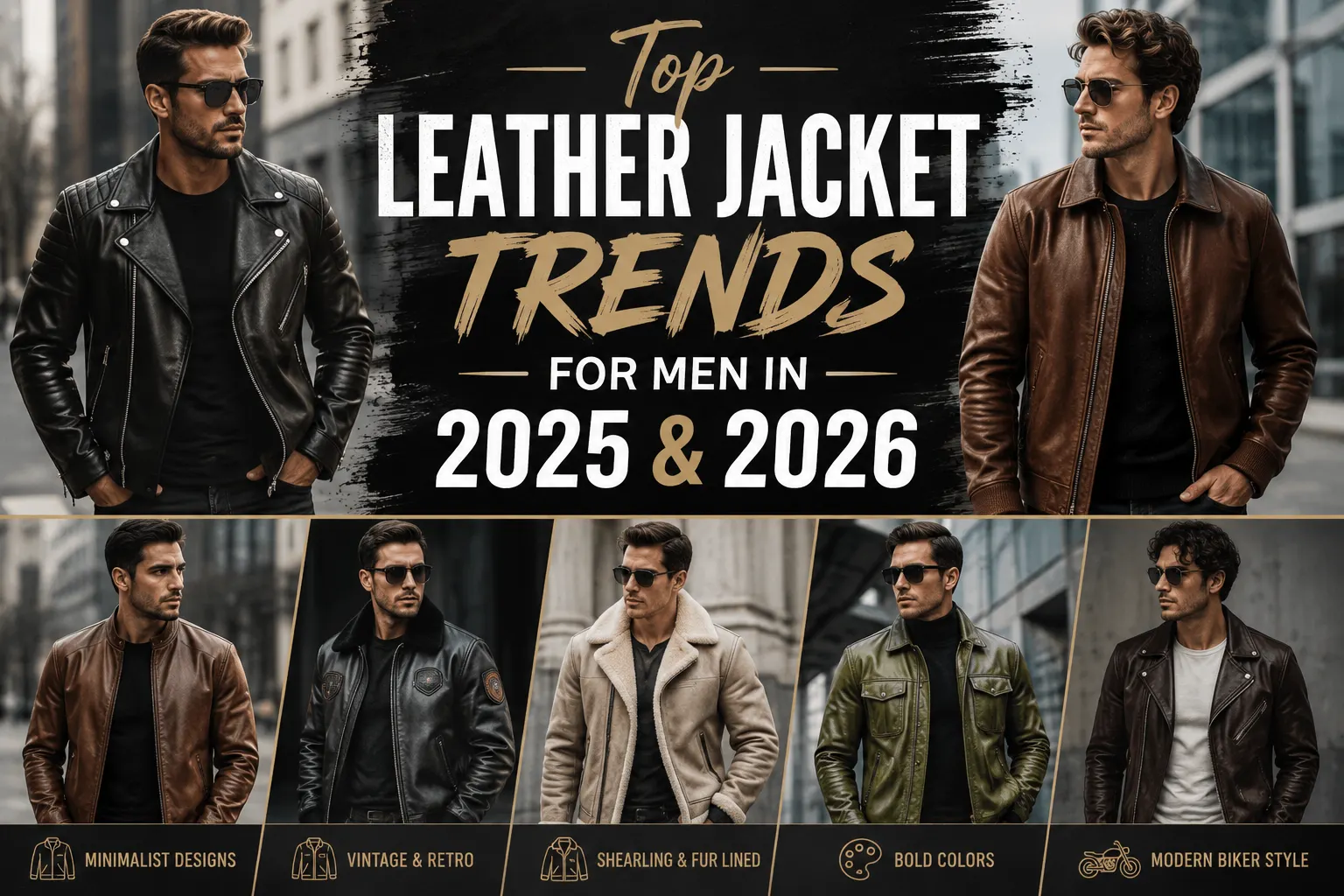
Leather jackets come in many styles. Pick one that matches your personal style.
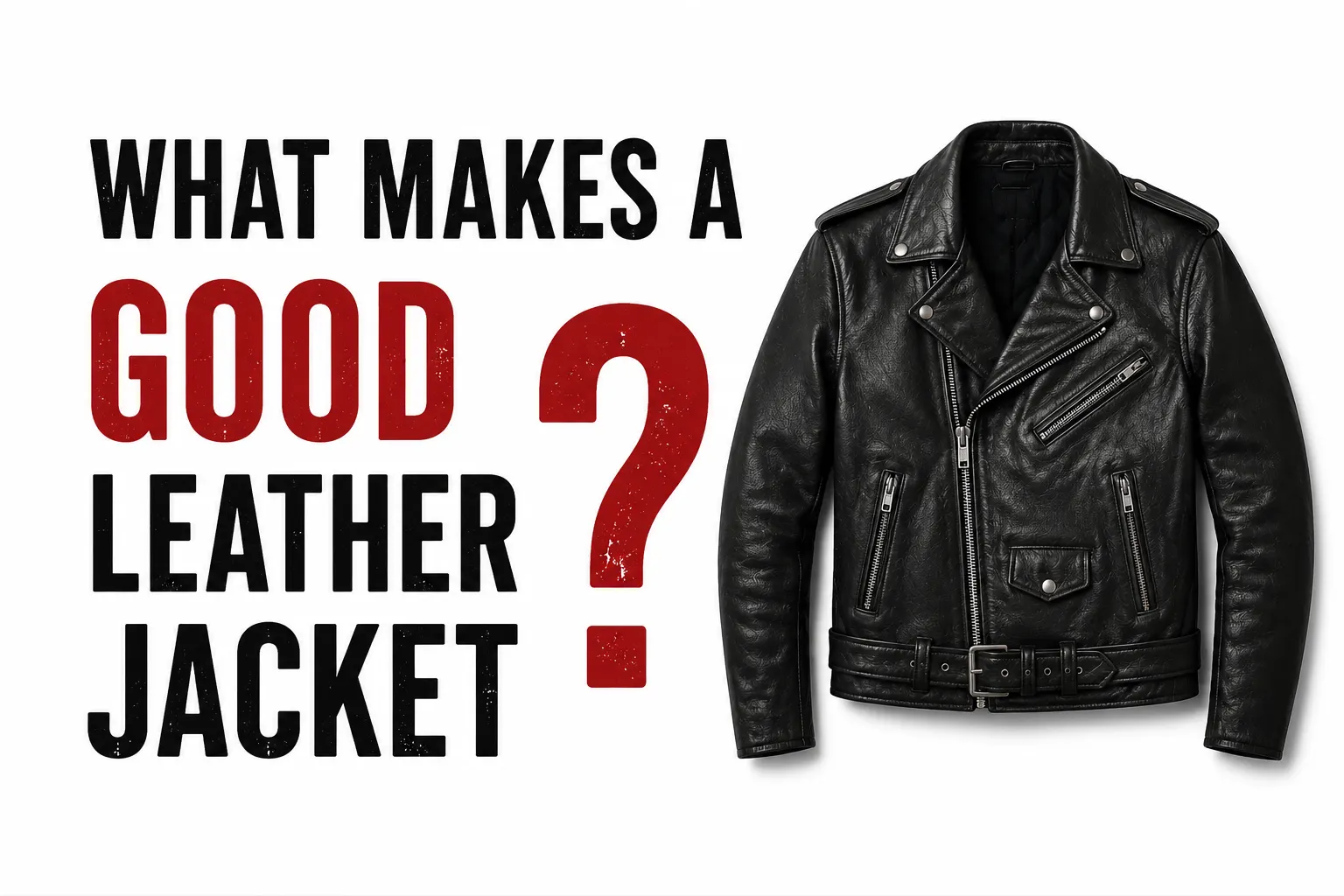
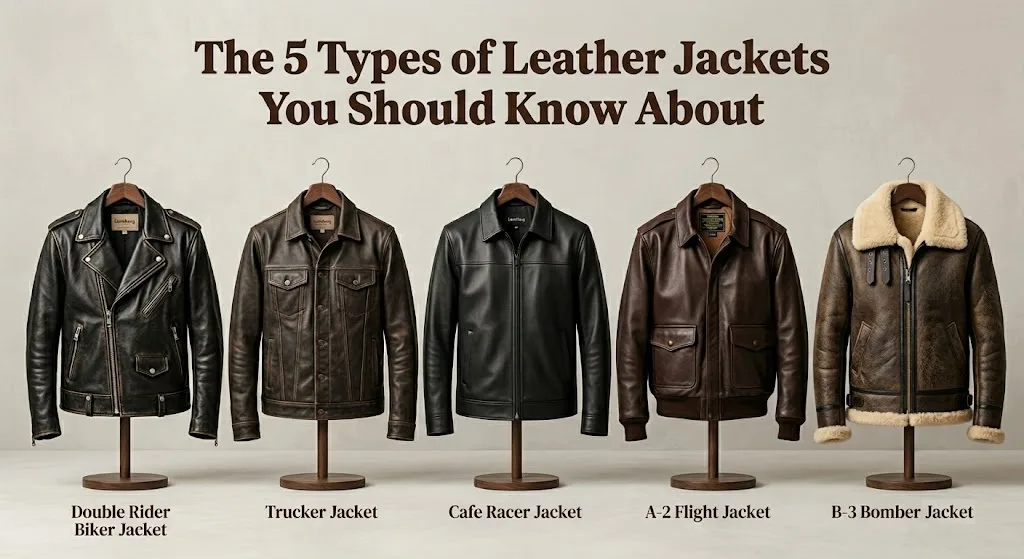
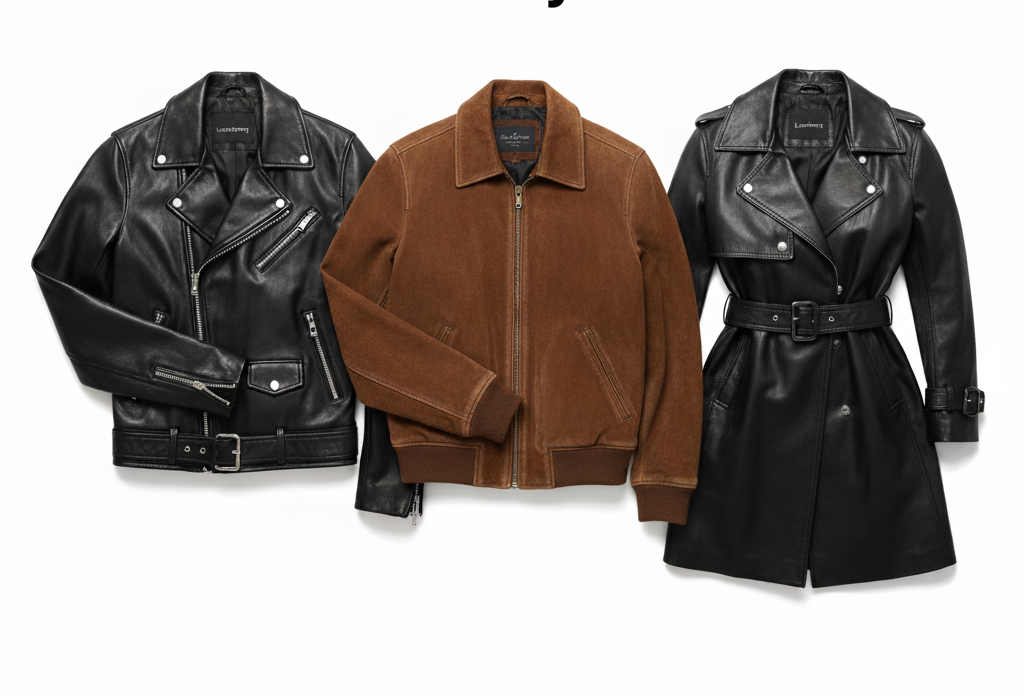
- Biker Jacket: The classic style with a diagonal zipper. Perfect for a tough, cool look.
- Bomber Jacket: Has a simple style with ribbed cuffs and hem. Great for a casual outfit.
- Racer Jacket: A simple, clean jacket with a minimal design. Very stylish.
- Trucker Jacket: Often has a waistline seam and is made from stiff leather. A timeless look.
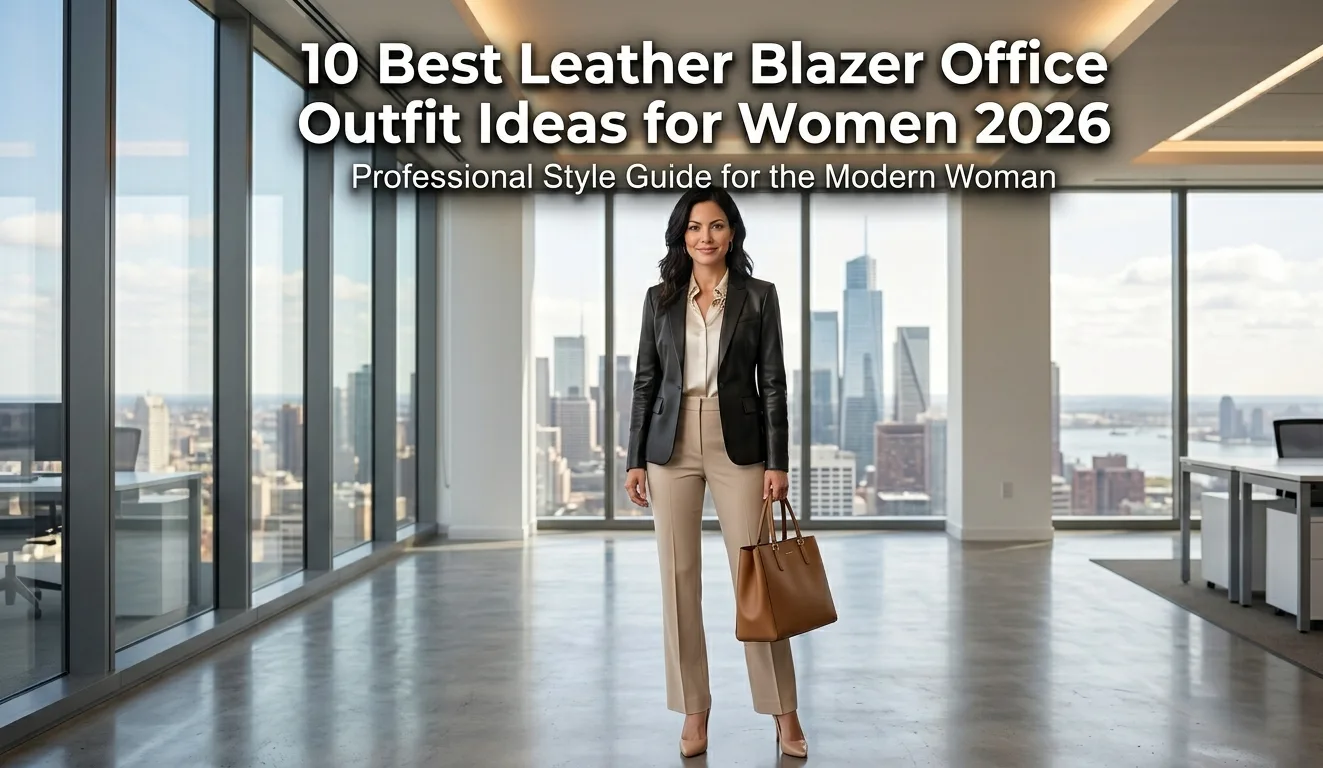
- Blazer Style Jacket: A leather jacket that looks like a formal suit blazer. Good for smart casual wear.
Think about how you will wear the jacket most often. This will help you choose the best style for your needs.
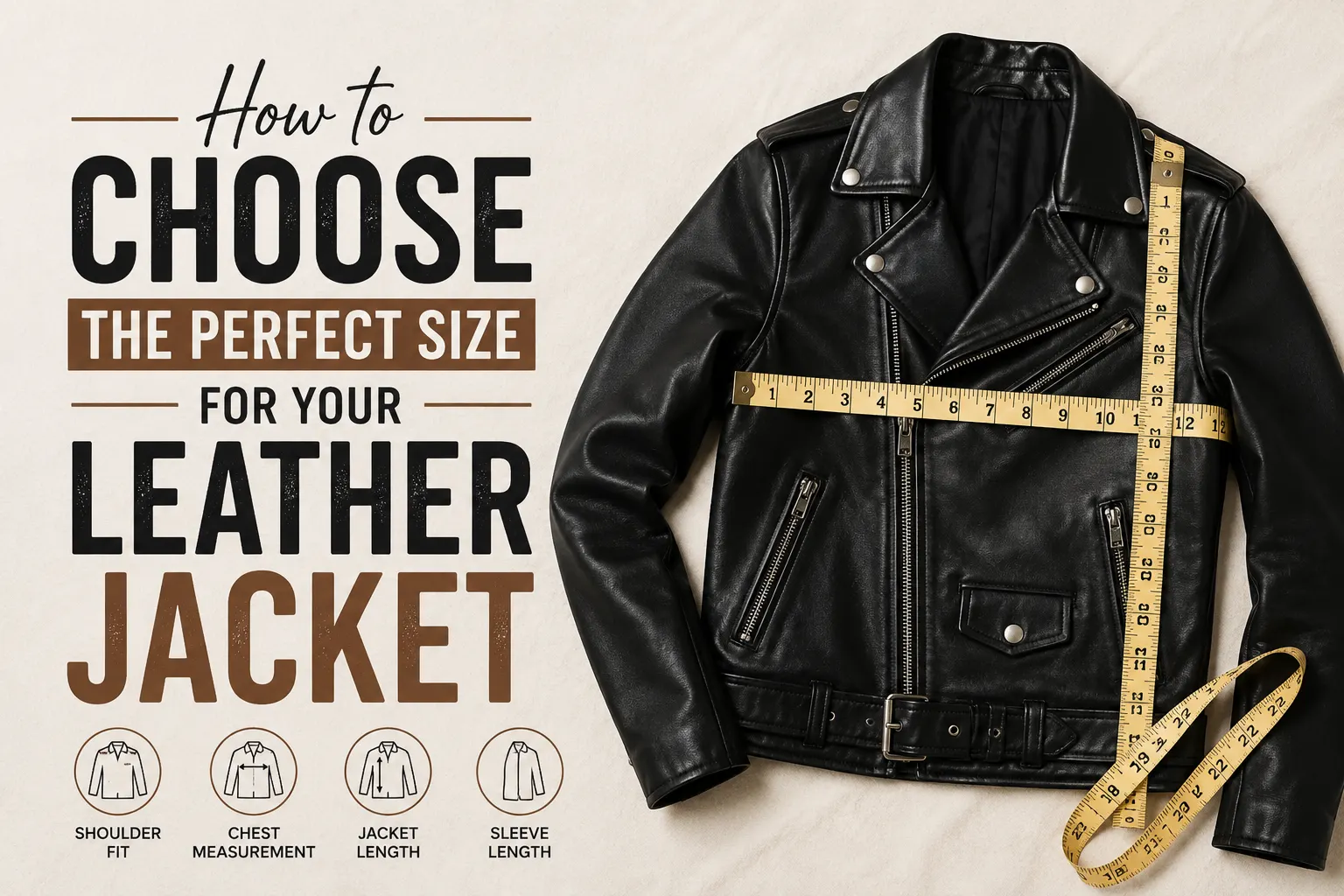
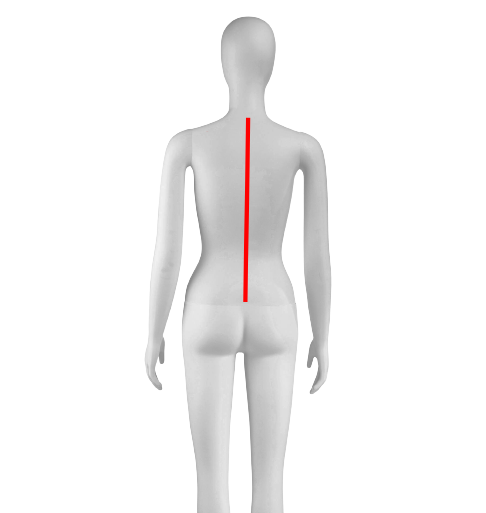
7. The Fit is Everything
A leather jacket must fit you well. A bad fit will ruin the look. Here is how to check the fit:
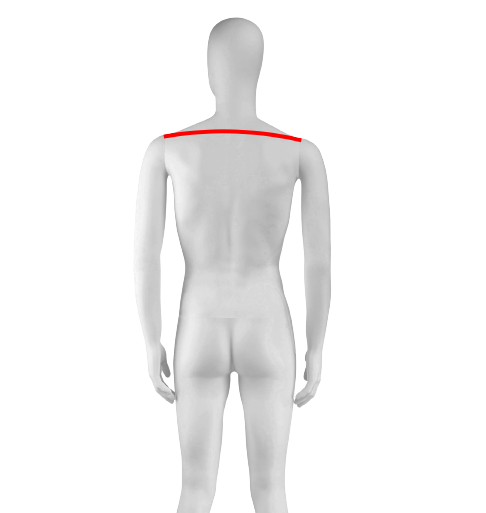
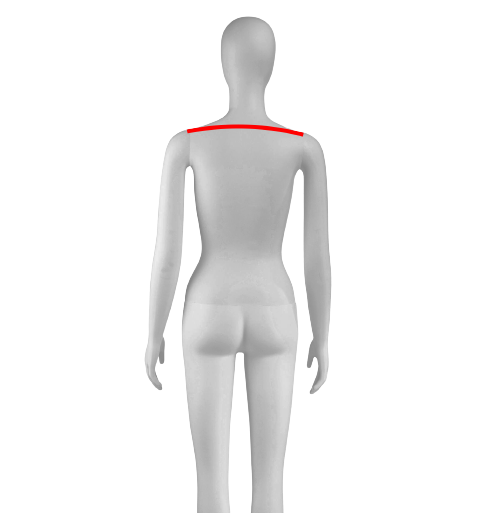
- Shoulders: The seam where the sleeve attaches should sit right on the edge of your shoulder.
- Armholes: The armholes should be high enough so you can move your arms without the whole jacket moving.
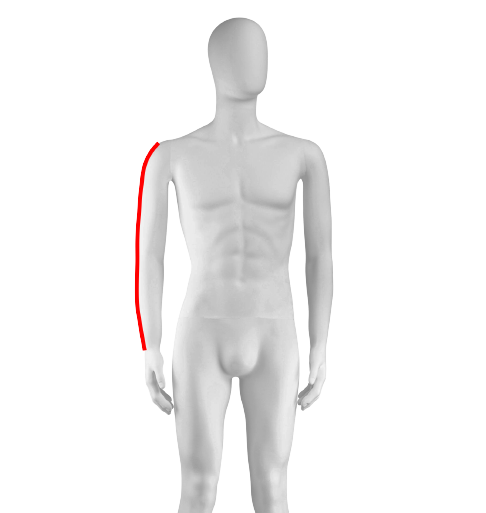
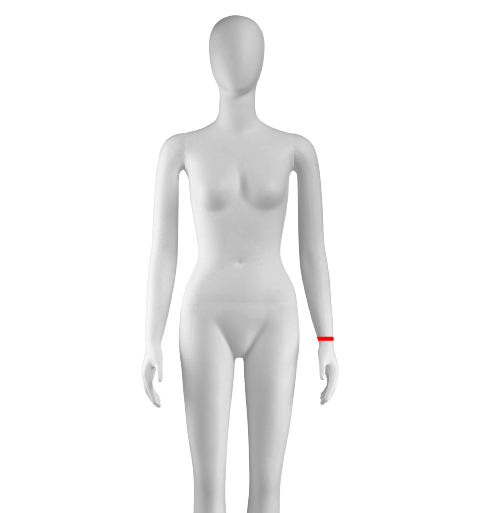
- Sleeves: The sleeve should end at your wrist bone or the base of your thumb.
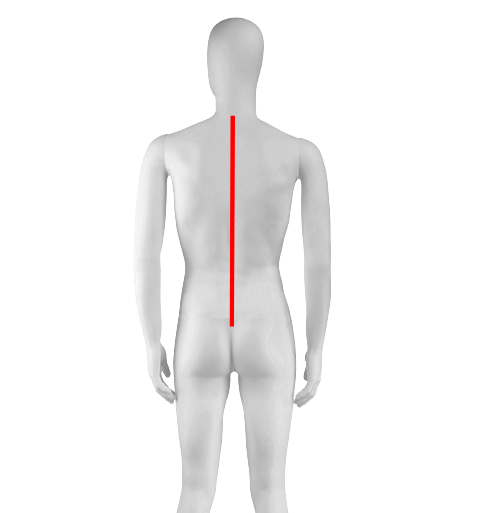
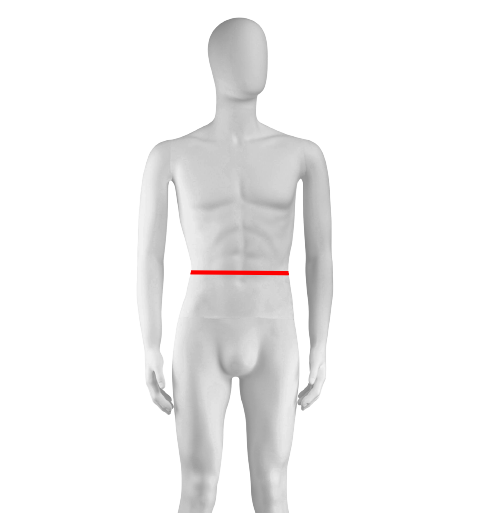
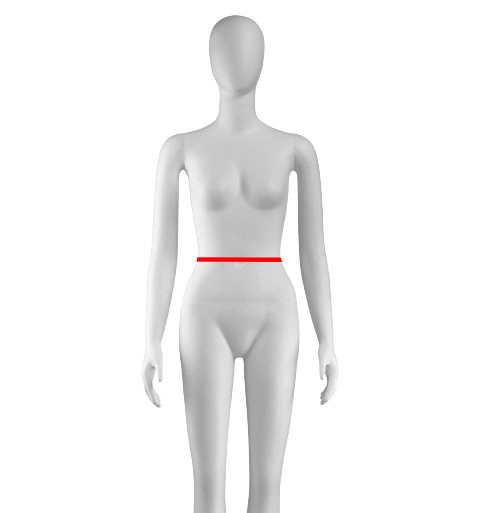
- Length: The bottom of the jacket should hit at your waistline or just below it.
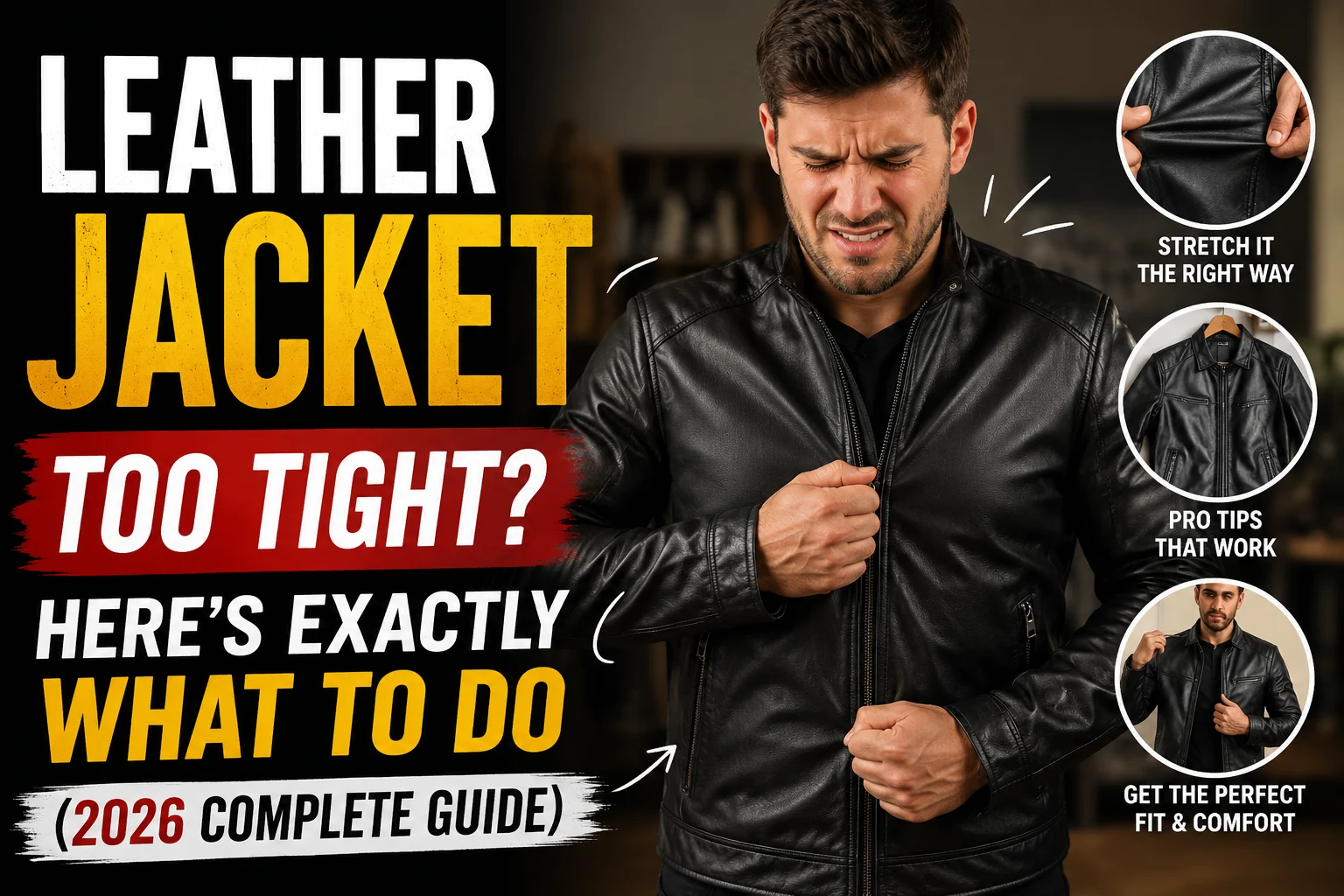
- Comfort: It should feel snug but not tight. You should be able to zip it up and move your arms comfortably.
Remember, some leather will stretch a little over time, especially lambskin. A jacket that is slightly tight at first might become a perfect fit later.
Frequently Asked Questions
Should I buy a real leather jacket?
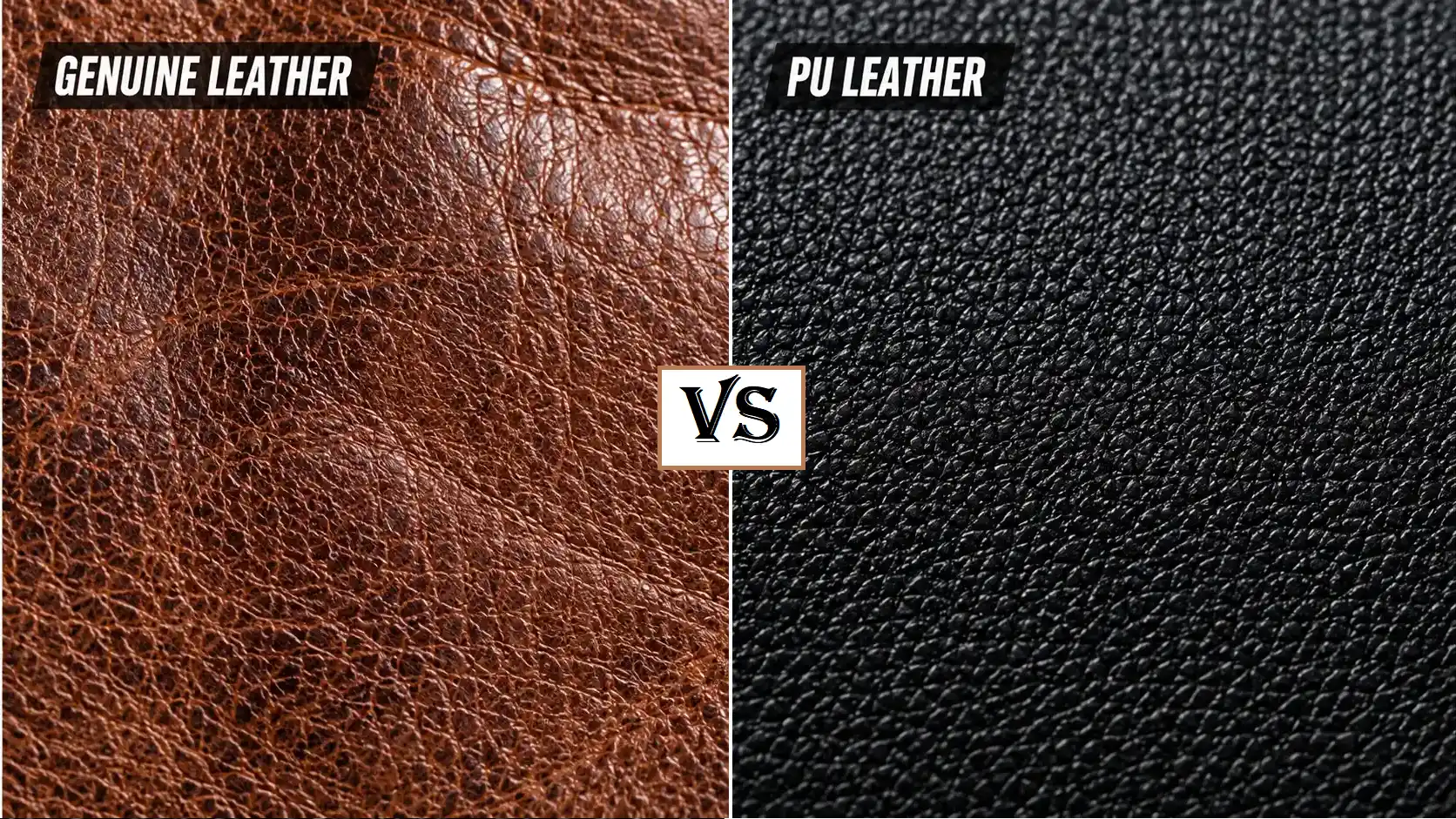
Yes. A real leather jacket is a long term investment. Fake leather jackets will crack and peel after some time. A real one will last for many years and look better with age.
How do I choose my first leather jacket?
Start by thinking about your budget and the style you like. Then, focus on finding a good quality leather like top-grain or full-grain. Most importantly, make sure it fits you perfectly.
Should I buy a size up or down?
This depends. Leather stretches over time. If the jacket is very tight, you might need your normal size as it will stretch. If it is comfortable but snug, your normal size is good. Always check the size chart if buying online.
How long does a leather jacket last?
With proper care, a good quality leather jacket can last 10 years or even more. It is a very durable item.
How can I tell a good quality leather jacket?
Check the leather feel, the strength of the stitching, and the quality of the zippers. The jacket should feel substantial and well-made.
How to choose the right leather jacket?
Fit is everything, shoulders should sit exactly on your shoulder bone, sleeves at your wrist, hem at your hip. Choose full-grain or top-grain leather and pick a style (biker, bomber, cafe racer, or blazer) that matches your wardrobe.
How much should I pay for a leather jacket?
$350–$700 gets you a good quality top-grain jacket. Full-grain starts around $450 and can last decades, at LAMMBERG, full-grain starts at just $299.
How do I know what size leather jacket to buy?
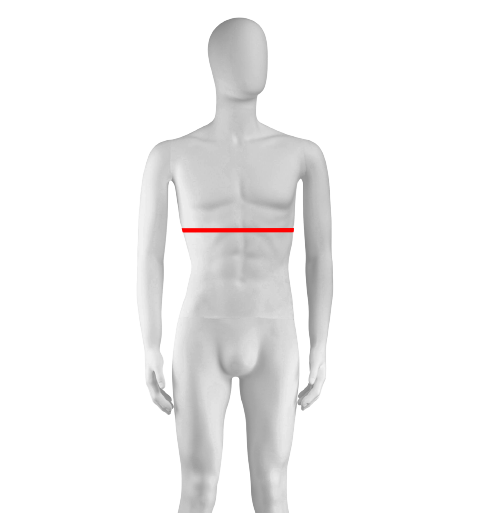
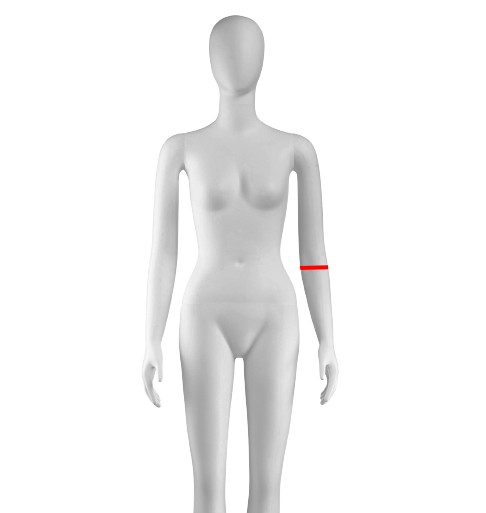
Measure your chest, sleeve, and shoulders and compare with the brand’s size chart. Never guess leather doesn’t stretch the way fabric does.
Should a leather jacket be tight at first?
No, snug but not tight. It should close comfortably without pulling at the zipper. Leather stretches slightly with wear, but not a full size.
How to Buy Your First Leather Jacket?
Set a budget, choose a style, pick full-grain or top-grain leather, and measure yourself. Check the fit (shoulders, chest, sleeves), test the zippers, and always check the return policy.
Conclusion
We hope this detailed leather jacket buying guide helps you. Remember these points to make a smart choice. Do not rush your decision. A good leather jacket is a friend for life. It will protect you and make you look good for many years to come.
Take your time, use this guide, and find the perfect jacket for you in our online store.