Quick Answer: Bison leather is genuine leather made from the hide of North American bison. It is known for its pronounced natural grain, exceptional durability, and rugged appearance. Compared to cowhide, bison leather is thicker, more textured, and less common, which makes it a premium choice for jackets, boots, and bags.
What Is Bison Leather?
Bison leather is real leather made from the hide of the North American bison, also known as the American buffalo. It is not the same as water buffalo leather, which comes from a different animal entirely.
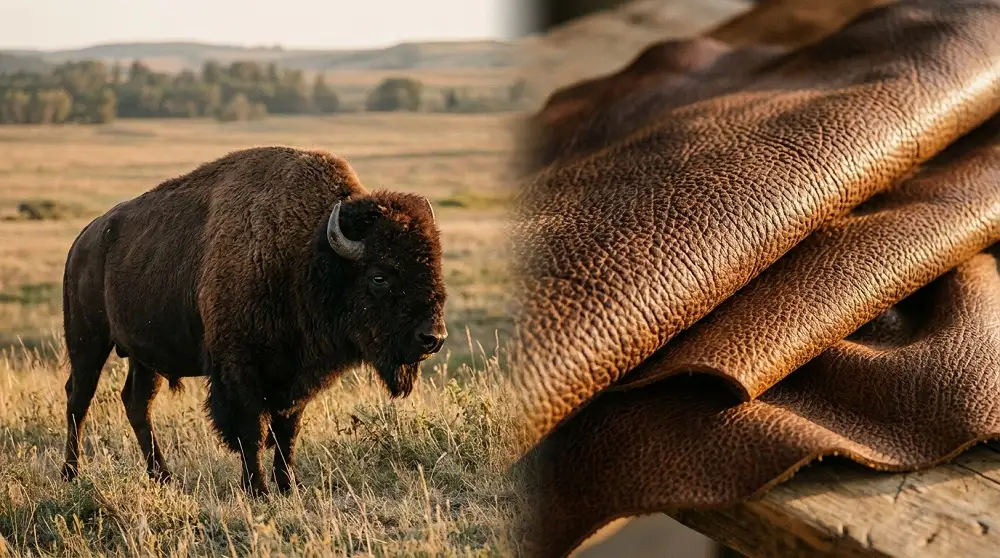
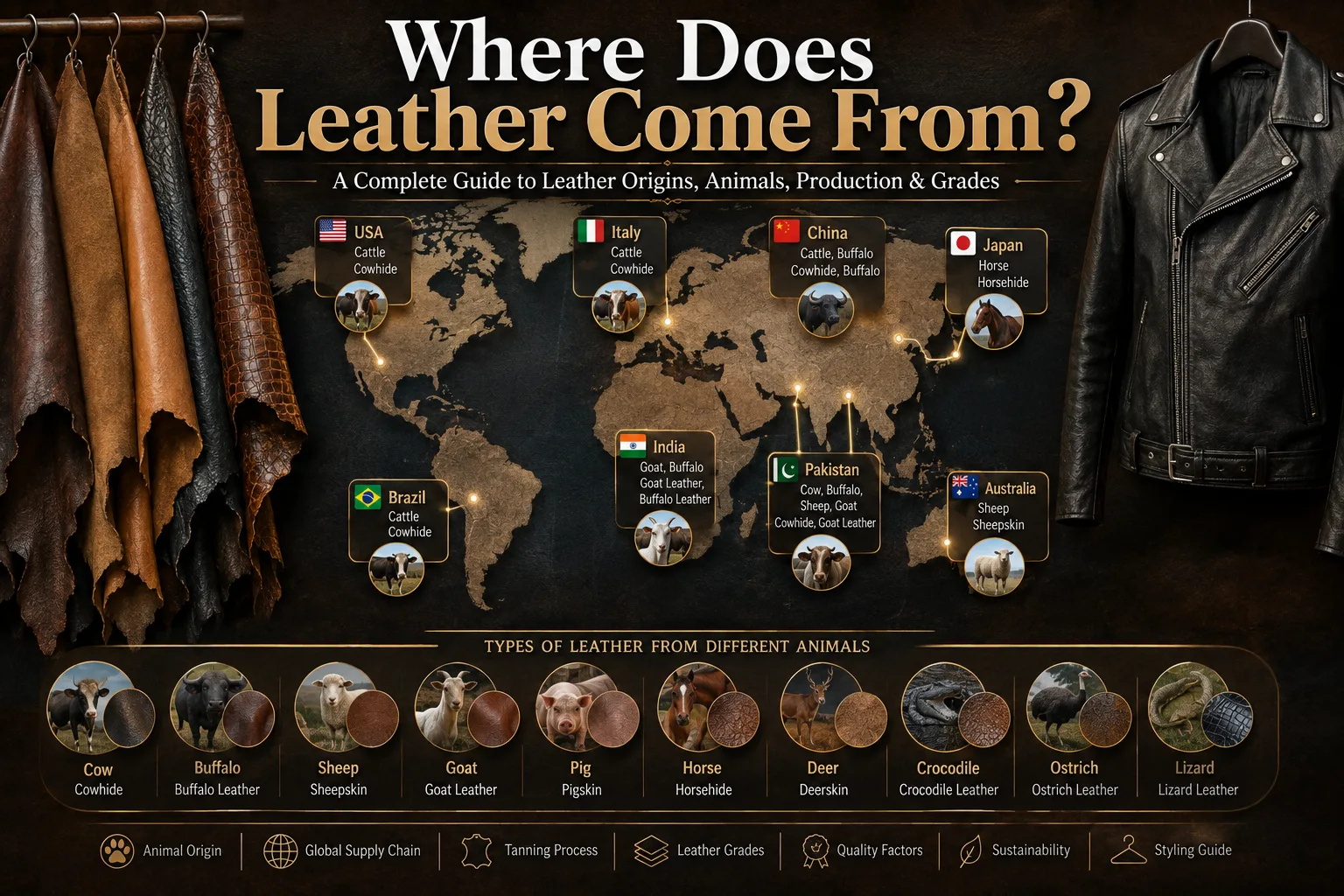
Bison hides come from bison raised for meat, primarily in the United States and Canada. The hides are a byproduct of the meat industry, which makes bison leather a sustainable choice. Bison are not raised specifically for their hides.
Compared to cowhide, bison leather has a more pronounced grain, a heavier feel, and a distinctly rugged appearance. It is less common in the market, which adds to its premium status.
What Does Bison Leather Look and Feel Like?
Pronounced natural grain: Bison leather has a deep, visible grain pattern that is far more textured than cowhide. No two hides look the same.
Texture: The surface is rugged and slightly bumpy. It feels natural, almost like a fingerprint on every piece.
Thickness: Bison hides are thicker than most cowhides, which gives finished products a substantial, heavy-duty feel.
Softness and stiffness: Bison leather starts out firm but breaks in beautifully over time. It becomes soft and molds to the body with use.
Pull-up and distressed appearance: Many bison leathers have a natural pull-up effect, meaning the color lightens where the leather is stretched or folded. This gives it a vintage, worn-in character from day one.
How Is Bison Leather Made?
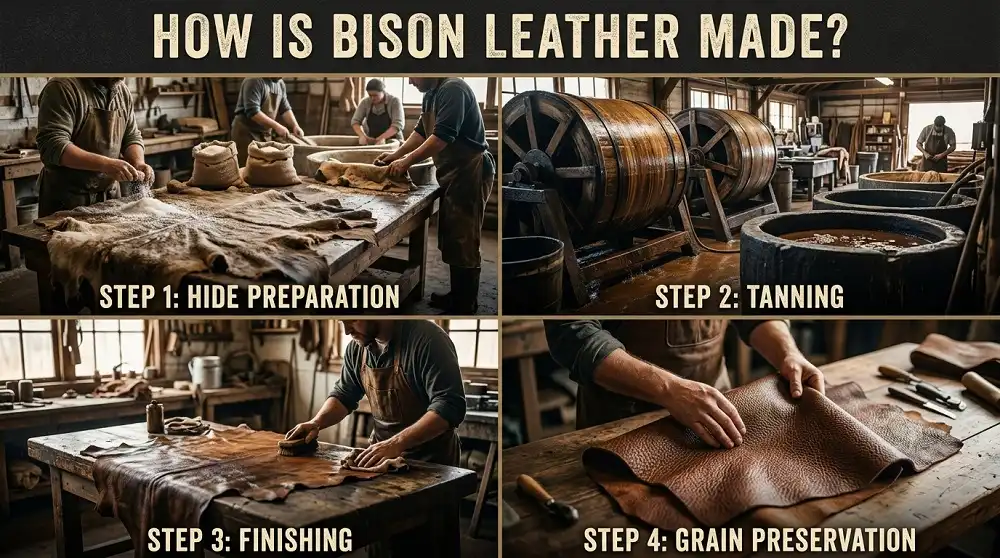
Hide preparation: Raw bison hides are salted or cured to prevent decay during transport. At the tannery, they are soaked, cleaned, and dehaired.
Tanning: Bison leather is usually chrome-tanned or vegetable-tanned. Chrome tanning is faster and more common, while vegetable tanning produces a more natural finish and a richer patina over time.
Finishing: After tanning, the leather is dyed, oiled, and lightly finished. Many tanneries leave the natural grain intact to preserve bison leather’s distinctive texture.
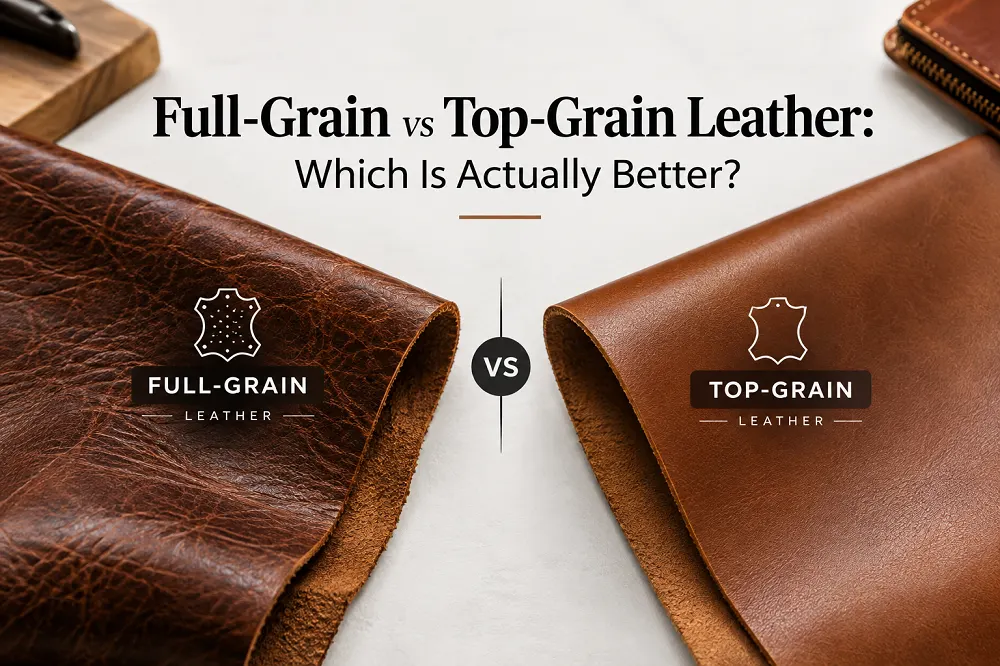
Grain preservation: Unlike cowhide, which is often sanded or corrected for uniformity, bison leather is usually left with its natural grain. This is what makes it look and feel so unique.
Is Bison Leather Strong and Durable?
Durability: Bison leather is extremely durable, often stronger than cowhide of the same thickness. Its dense fiber structure resists tearing and stretching.
Abrasion resistance: Bison leather handles scuffs and daily wear better than most leathers. It is ideal for products that see heavy use.
Everyday use: Jackets, boots, bags, and belts made from bison leather can last for decades with basic care.
Best for: Bison leather works best for products where durability and character matter more than a perfectly uniform finish.
Shrunken Bison Leather: What Is It?
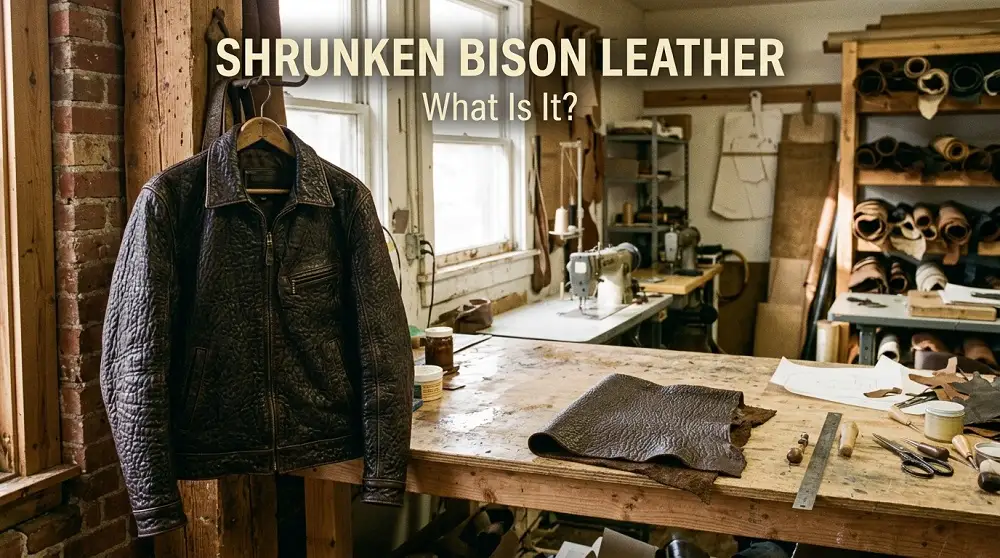
Shrunken bison leather is a specialty leather made by shrinking the bison hide during tanning. This process tightens the fiber structure, making the leather denser, stronger, and more water-resistant than regular bison leather.
The result is a leather with a dramatic, deep grain pattern and a soft, almost pebbled surface. Shrunken bison leather is especially prized for jackets, where its unique texture and vintage character stand out. It has a distinctive lived-in look from day one and ages beautifully over time.
Because the shrinking process reduces the size of the hide, shrunken bison leather is rarer and more expensive than standard bison leather. If you see a bison leather jacket with an unusually rich, pebbled grain and a soft, broken-in feel, it is likely shrunken bison leather.
What Is Regenerative Bison Leather?
Regenerative bison leather comes from bison raised using regenerative agriculture practices. These practices focus on restoring soil health, improving biodiversity, and capturing carbon through managed grazing.
Unlike conventional ranching, regenerative bison ranching mimics natural herd migration. Bison move frequently across grasslands, which helps soil absorb carbon, retain water, and support native plant life. The result is a leather that is not only durable but also tied to a more sustainable supply chain.
Regenerative bison leather is still a niche category, but it is growing fast. Buyers who care about environmental impact often choose regenerative bison leather over conventional options because it supports healthier land and more ethical farming.
It looks and feels the same as standard bison leather: pronounced grain, rugged texture, and long-lasting durability. The difference is in how the animal was raised, not in the leather itself.
What color is natural shrunken bison leather?
Natural shrunken bison leather typically comes in warm earth tones: deep browns, rich tans, chestnuts, and dark mahogany. The shrinking process intensifies the natural color variation, so no two hides look exactly the same. Some pieces show lighter pull-up areas where the leather stretches, while others stay darker and more uniform. The color deepens over time with use, developing a rich patina. If you want a shrunken bison leather jacket with natural character, expect warm, earthy, and slightly uneven tones rather than a flat, uniform color.
Bison Leather vs Cowhide: What’s the Difference?
| Feature | Bison Leather | Cowhide |
|---|---|---|
| Grain | More pronounced, deeper | Usually more uniform |
| Texture | Rugged, natural | Smoother, more consistent |
| Durability | Very high | High |
| Availability | Less common | Very common |
| Appearance | Distinctive, rugged | Versatile, clean |
| Weight | Heavier | Lighter to medium |
| Price | Higher | More affordable |
| Break-in | Firm at first, softens with use | Varies by grade |
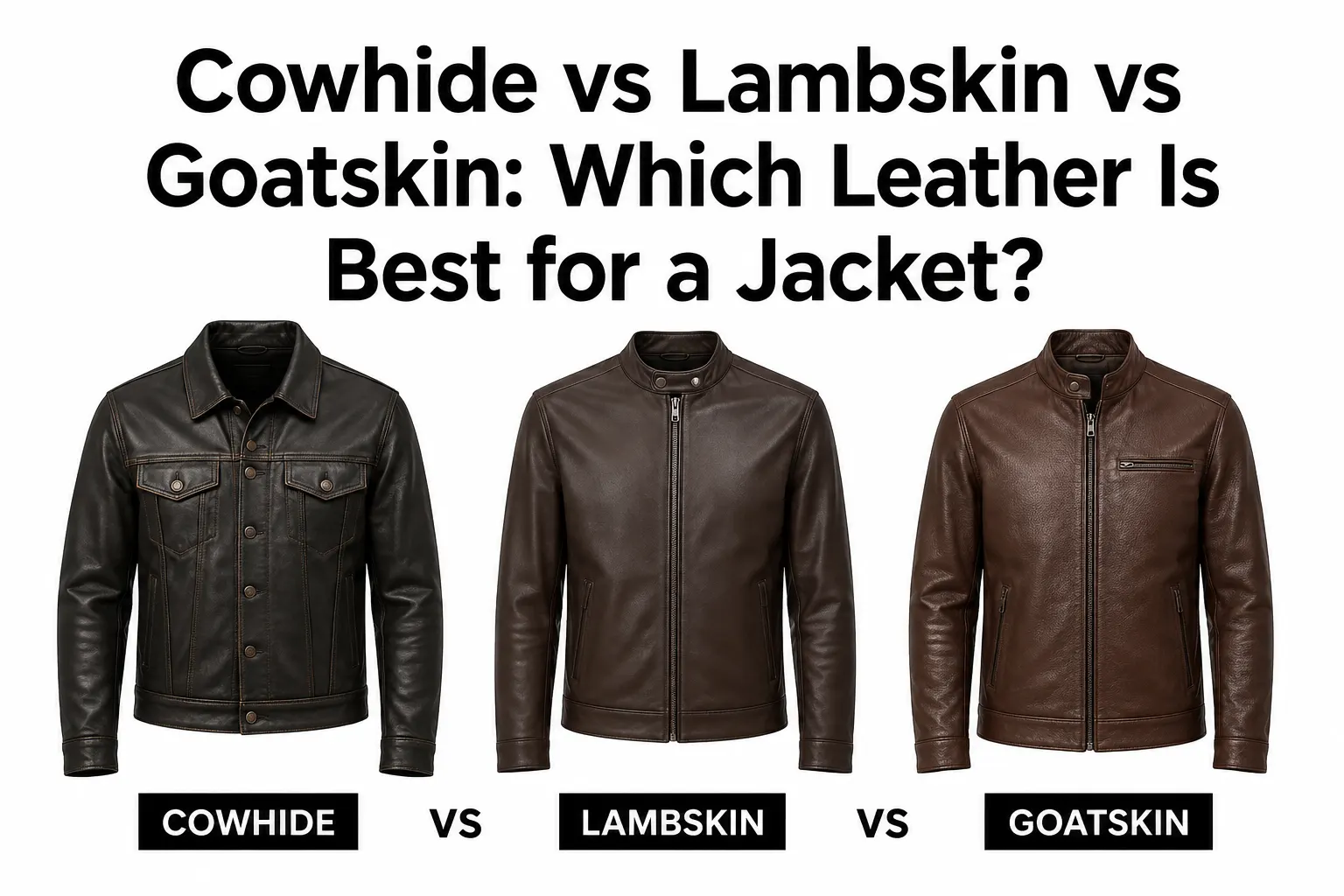
Bison leather is thicker and more textured. Cowhide is smoother and more available. Both are durable, but they serve different purposes and appeal to different buyers.
Is Bison Leather Good for Jackets?
Bison leather jackets: Yes, bison leather makes excellent jackets. It is tough, weather-resistant, and has a rugged look that stands out.
Weight: Bison leather jackets are heavier than cowhide jackets. This gives them a substantial feel but may not suit everyone in warm climates.
Drape: Bison leather drapes well once broken in. It molds to the body and develops a personalized fit over time.
Durability: A bison leather jacket can last 20 to 30 years with proper care. It is one of the most durable jacket leathers available.
Who should buy one: Bison leather jackets are ideal for people who want a distinctive, long-lasting jacket with natural character. If you prefer a smooth, uniform look, cowhide may be a better fit.
What Are the Uses of Bison Leather?
Bison leather is used for a wide range of products:
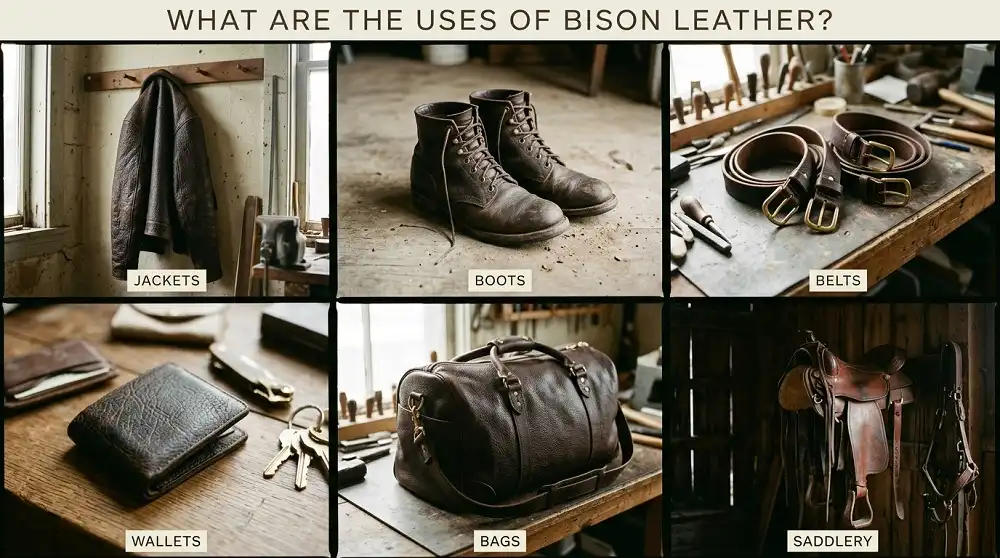
- Jackets: rugged, durable, distinctive
- Boots: excellent for work and casual wear
- Belts: strong, long-lasting
- Wallets: durable, unique grain
- Bags: heavy-duty, premium look
- Saddlery and other leather goods: traditional use, still popular today
Its strength and natural appearance make it suitable for any product where durability and character matter.
Pros and Cons of Bison Leather
Pros
Extremely durable: dense fiber structure resists tearing and stretching better than most leathers
Unique appearance: pronounced grain and natural markings make every piece one of a kind
Ages beautifully: develops a rich patina and vintage look over time
Strong and thick: ideal for heavy-use products like boots, belts, and jackets
Sustainable byproduct: comes from the meat industry, not from animals raised for leather alone
Weather resistant: handles cold and light moisture well
Cons
Heavier: thicker than cowhide, which can feel bulky in warm weather
Less common: harder to find and often more expensive than cowhide
Natural imperfections: scars, marks, and grain variation are normal and part of the look
Firmer at first: requires a break-in period before it feels fully comfortable
Limited colors: natural earth tones dominate; bright colors are rare
Not fully waterproof: water-resistant but not waterproof; needs care in heavy rain
How Much Does Bison Leather Cost?
Bison leather is generally more expensive than cowhide. Prices vary widely depending on:
- Hide quality: full-grain bison leather costs more than corrected or split grain
- Tanning method: vegetable-tanned bison leather is usually more expensive than chrome-tanned
- Finished product: a bison leather jacket can cost significantly more than a comparable cowhide jacket
On average, bison leather products cost 20 to 50 percent more than similar cowhide products. The higher price reflects the scarcity of bison hides and the premium quality of the leather.
How to Care for Bison Leather
Cleaning: Wipe with a soft, damp cloth. Avoid harsh soaps and chemicals.
Conditioning: Apply a quality leather conditioner every 3 to 6 months to prevent drying.
Water exposure: Bison leather is water-resistant but not waterproof. If it gets wet, blot it dry and let it air dry away from direct heat.
Storage: Store in a cool, dry place. Use padded hangers for jackets and dust bags for bags. Avoid direct sunlight for long periods.
With basic care, bison leather can last for decades and look better every year.
Is Bison Leather Better Than Cow Leather?
There is no simple yes or no. It depends on your needs.
Choose bison leather if: you want a distinctive, rugged look, maximum durability, and natural character.
Choose cowhide if: you want a smoother finish, more color options, lighter weight, and a lower price.
Both are excellent leathers. Bison is the premium, character-rich choice. Cowhide is the versatile, accessible choice.
Is Bison Leather Real Leather?
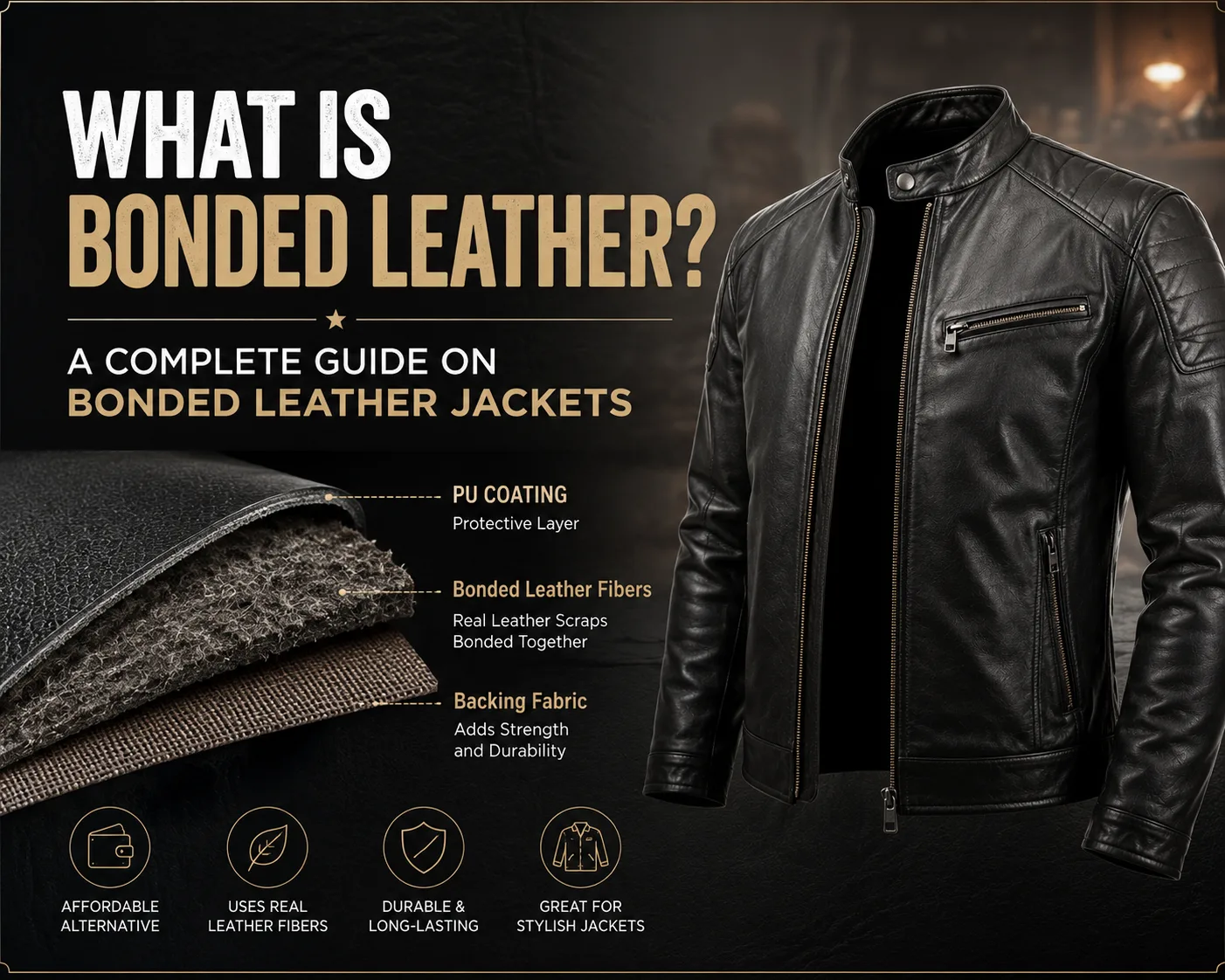
Yes. Bison leather is 100 percent real leather made from actual bison hides through tanning. It is not synthetic, not faux leather, and not bonded leather. It is genuine, high-quality leather with all the natural properties that come with it.
Bison Leather vs Buffalo Leather
Bison leather and buffalo leather are often confused, but they are not the same.
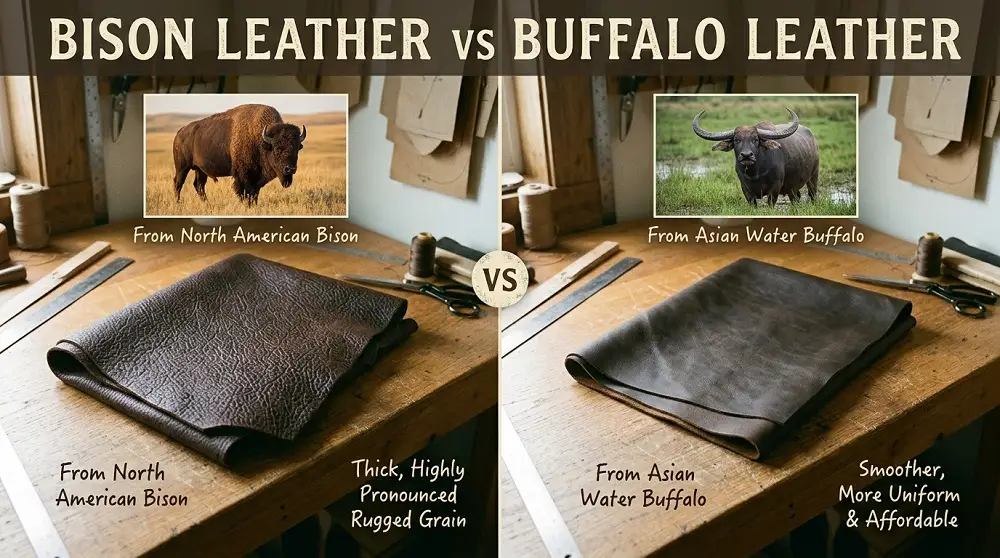
Bison leather comes from North American bison, also called American buffalo. It has a pronounced grain, thick hide, and rugged appearance.
Buffalo leather usually refers to water buffalo hide, primarily from Asia. It is smoother, more uniform, and often lighter than bison leather.
Both are durable, but bison leather is typically thicker, more textured, and less common. Water buffalo leather is more widely available and often more affordable.
FAQs: Bison Leather
Is bison leather good quality?
Yes. Bison leather is considered premium leather. It is thick, durable, and has a distinctive grain that is highly valued by leather enthusiasts.
Is bison leather durable?
Extremely. Bison leather is one of the most durable leathers available, often stronger than cowhide of the same thickness. It resists tearing, stretching, and abrasion.
Is bison leather better than cowhide?
It depends on use. Bison is more durable and distinctive but heavier and more expensive. Cowhide is smoother, lighter, and more affordable.
Is bison leather expensive?
Yes, generally. Bison leather costs 20 to 50 percent more than cowhide because bison hides are less common and the leather is considered premium.
Is bison leather waterproof?
No. It is water-resistant but not waterproof. Light rain is fine; prolonged soaking can damage it. Use a leather protector spray for extra protection.
Is bison leather good for jackets?
Yes. Bison leather jackets are durable, distinctive, and weather-resistant. They are heavier than cowhide jackets but develop a beautiful patina over time.
What is the difference between bison leather and buffalo leather?
Bison leather comes from North American bison. Buffalo leather usually comes from water buffalo. Bison is thicker, more textured, and less common. Buffalo is smoother and more widely available.
Does bison leather stretch?
Bison leather stretches slightly with use but far less than cowhide. Its dense fiber structure helps it hold its shape over time.
Can bison leather get wet?
Light moisture is fine. Prolonged soaking can cause stiffness or damage. Blot dry and condition after exposure to water.
How long does bison leather last?
With proper care, bison leather can last 20 to 30 years or more. It is one of the longest-lasting leathers available.
Conclusion
Bison leather is a premium, durable, and distinctive leather made from North American bison hides. It stands out for its pronounced grain, rugged appearance, and exceptional strength. Compared to cowhide, it is thicker, more textured, and less common, which makes it a favorite among buyers who want something unique and long-lasting.
If you value character, durability, and natural beauty in your leather goods, bison leather is an excellent choice. If you prefer a smoother, lighter, and more affordable option, cowhide remains a strong alternative.
At Lammberg, we work only with full grain leather, including premium bison and bovine hides, to ensure every piece delivers maximum longevity, natural breathability, and authentic character.






























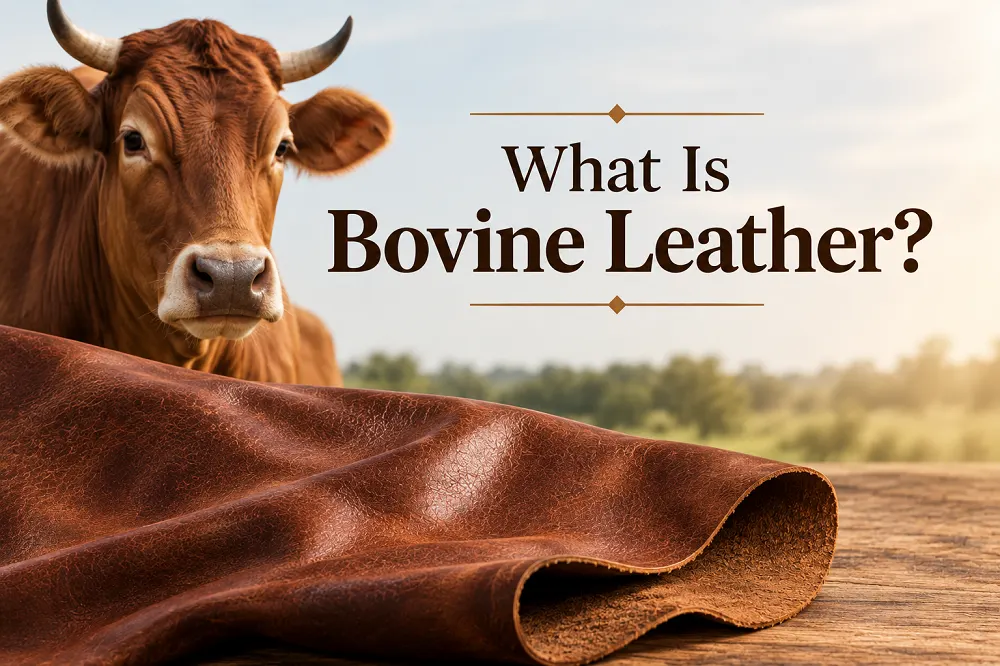
What Is Bovine Leather?
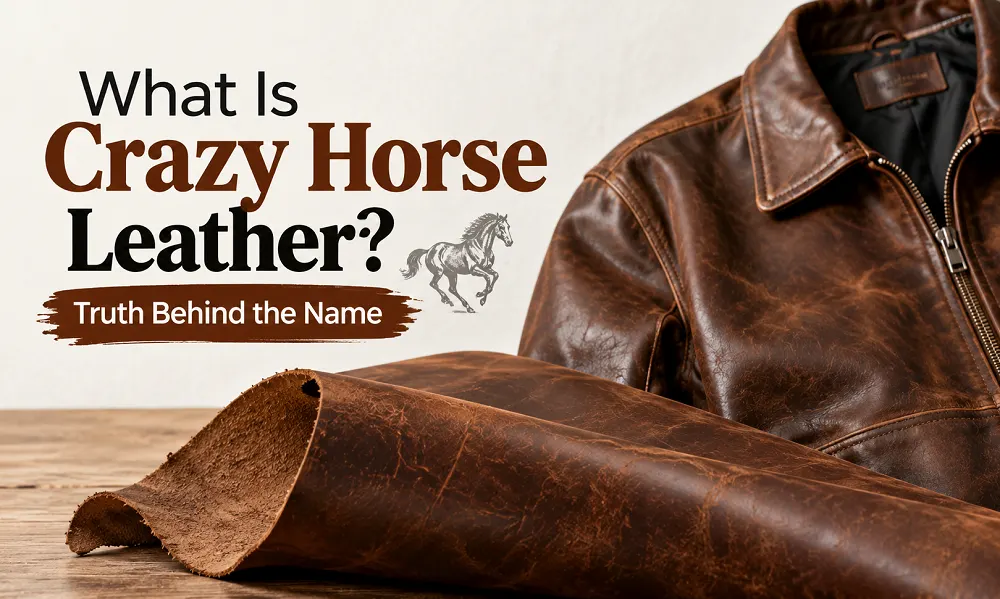
What Is Crazy Horse Leather? Complete Guide to Quality, Uses, Care & More