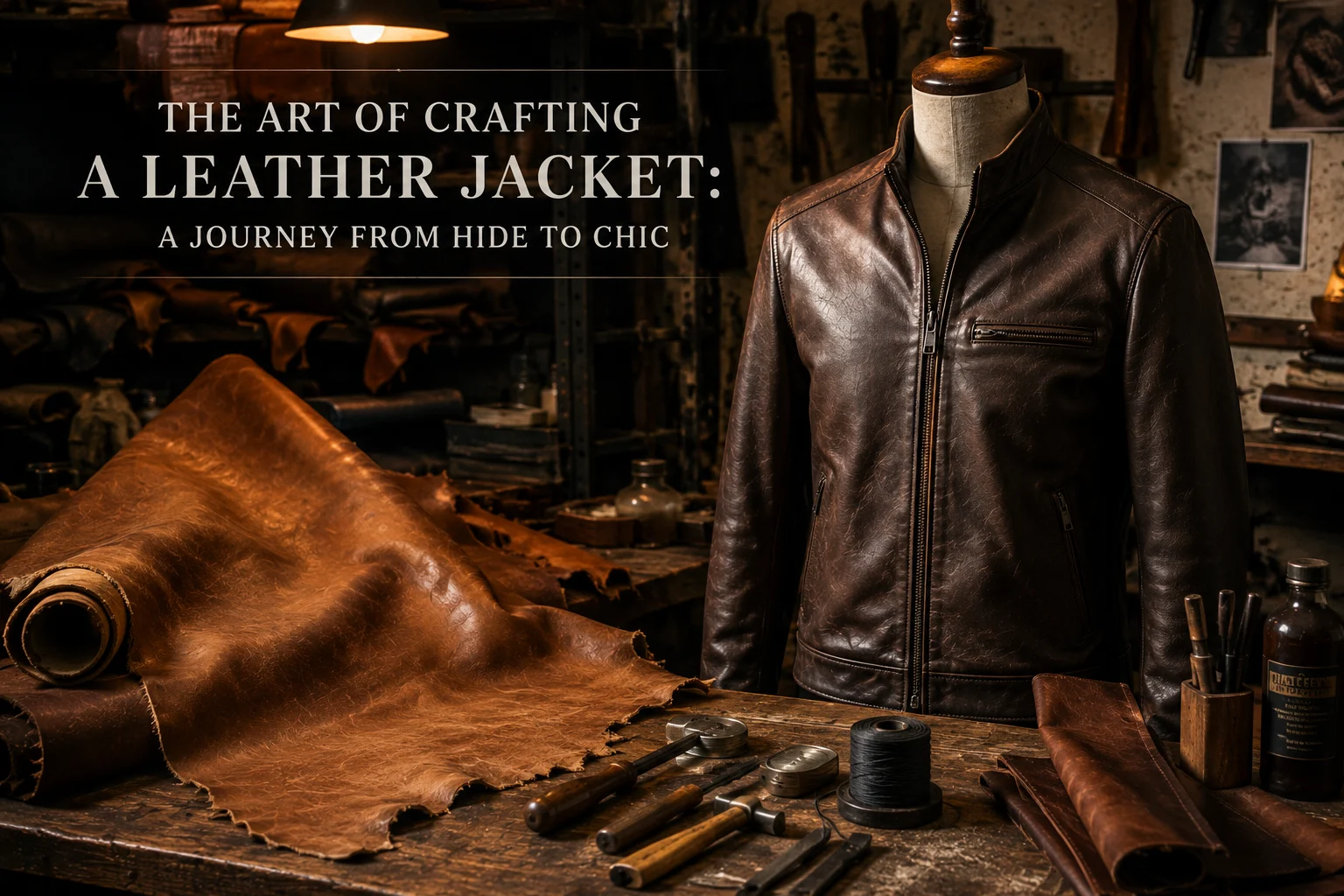
Crafting a leather jacket is a skillful art that transforms raw animal hides into a fashionable and enduring piece of outerwear. This iconic garment, known for its classic style and rebellious charm, has remained a fashion staple for decades. Behind its allure, lies a meticulous and intricate leather jacket manufacturing process that blends ancient techniques with modern innovation.
In this comprehensive guide, we will take you through the fascinating journey of how a leather jacket is made—from the careful selection of premium hides to the final product that graces the shoulders of fashion enthusiasts worldwide. Whether you are a curious fashion lover, a potential buyer, or someone interested in the craftsmanship behind leather jackets, this article will give you a deep appreciation for the art and skill involved.
Raw Material Selection
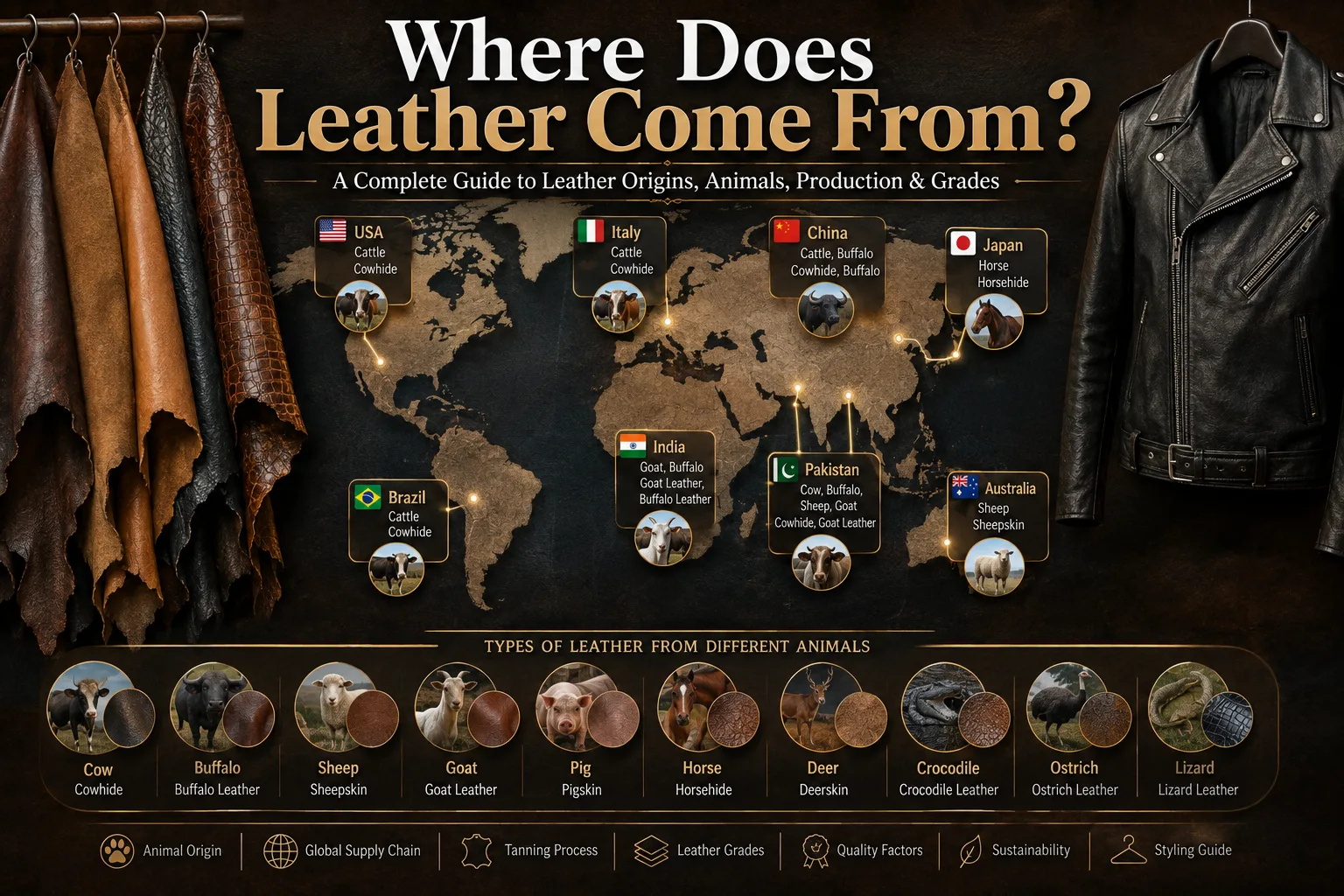
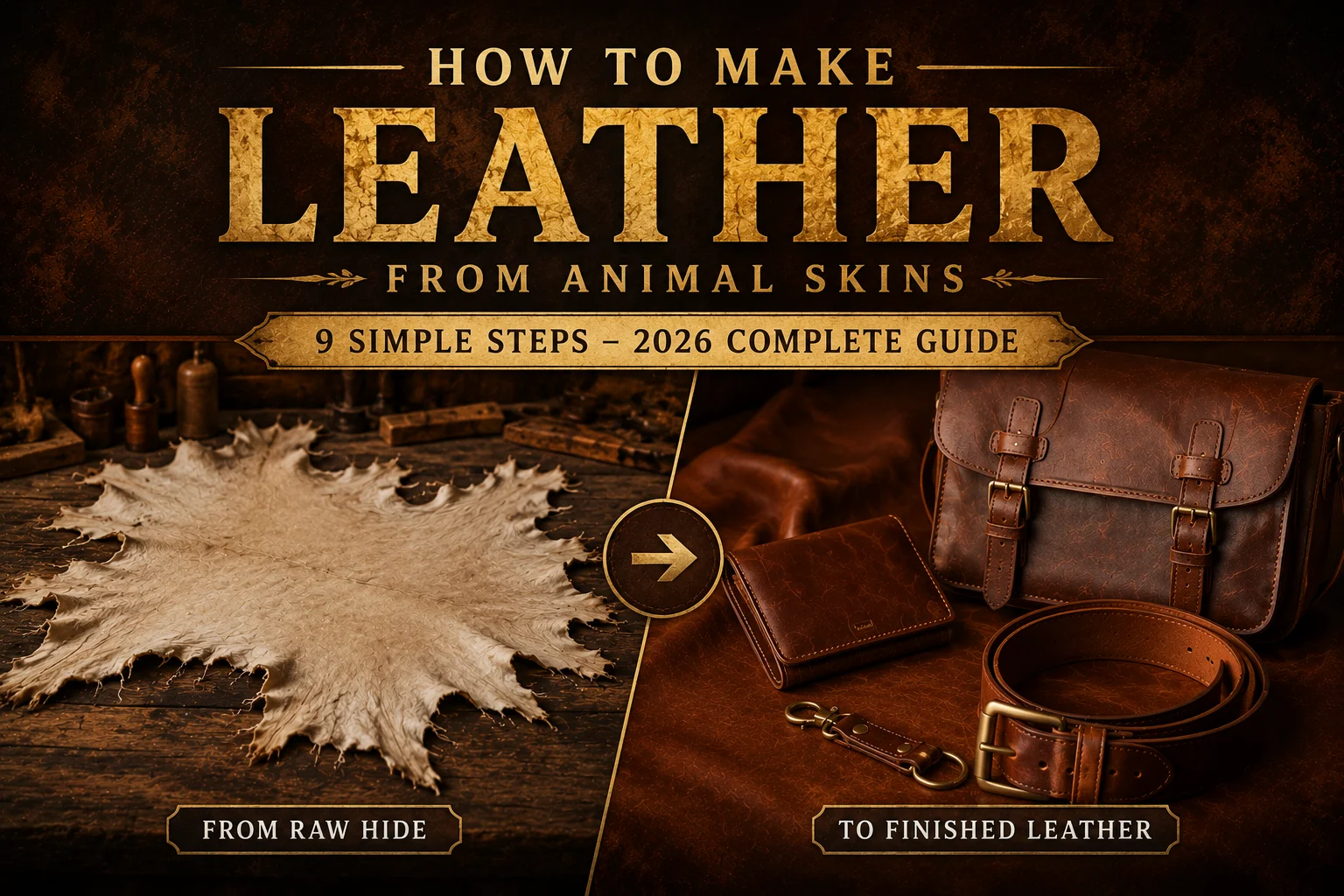
The journey of every exceptional leather jacket begins with the careful selection of raw materials. High-quality leather jackets require premium hides, typically sourced from cows, goats, or sheep. The choice of leather depends entirely on the desired end product—whether it is a rugged biker jacket, a sophisticated bomber, or a classic aviator style.
Different Hides for Different Purposes
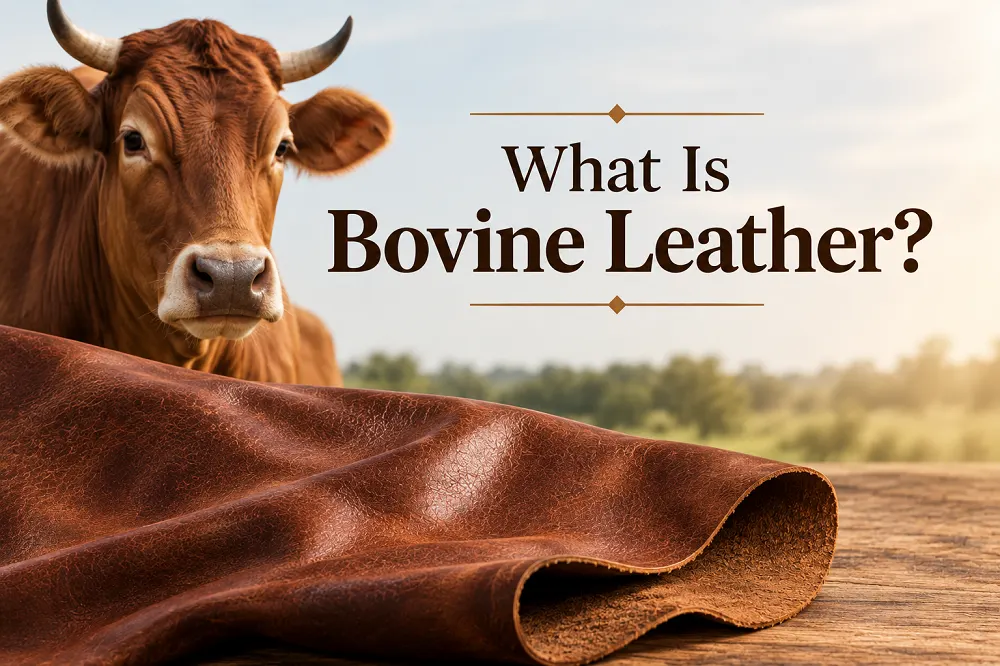
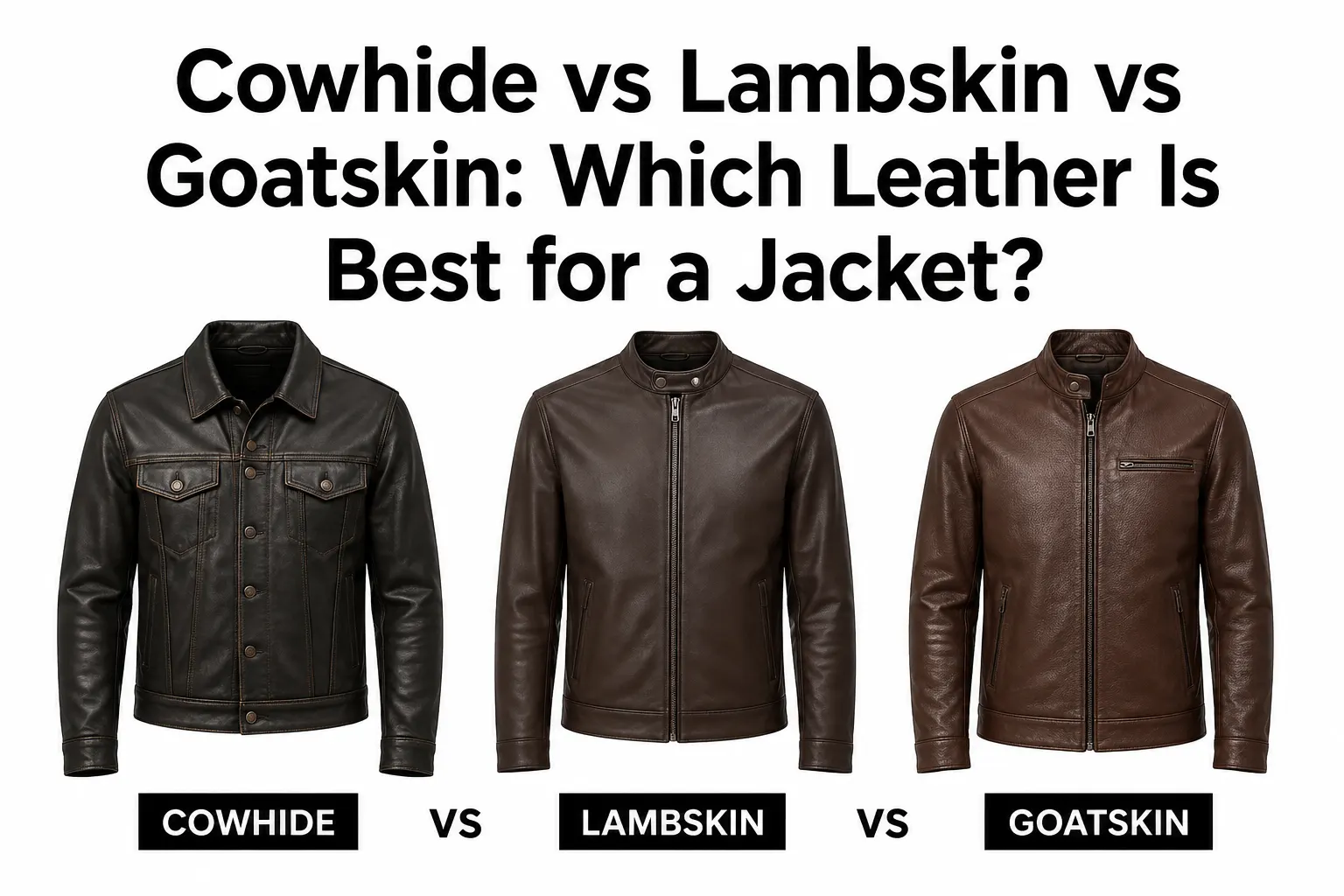
Cowhide is the most common choice for durable leather jackets. It is thick, strong, and develops a beautiful patina over time, making it ideal for rugged, everyday wear. Lambskin is softer, lighter, and more luxurious, perfect for fashion-forward designs that prioritize comfort and drape. Goatskin offers a unique balance of durability and softness, making it an excellent choice for jackets that need to withstand frequent use while remaining comfortable.
The hides must be free from defects, scars, and blemishes to ensure a smooth and flawless finish. Expert artisans inspect each hide individually, feeling the texture and examining the grain. Only the finest hides make the cut. This is why a premium leather jacket from a trusted brand costs more—the raw material itself is selected with extreme care and attention to detail.
Pre-Tanning Preparation
Pre-Tanning Preparation: Before tanning, hides go through several preparation stages to remove unwanted materials and prepare them for the tanning process.
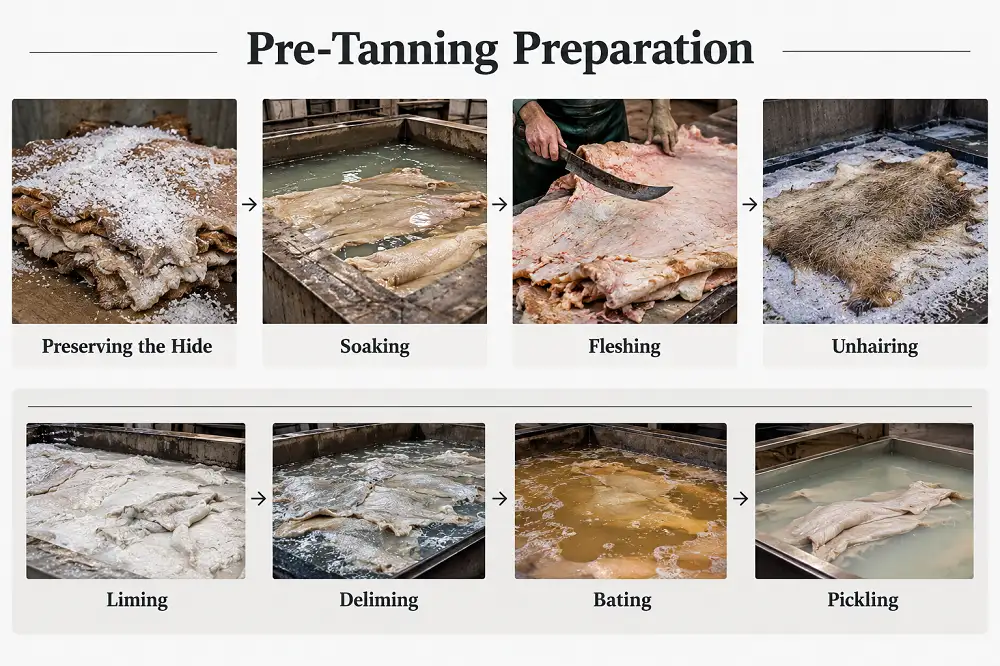
Preserving the Hide: Fresh hides are commonly cured with salt soon after removal from the animal. Salting reduces moisture and helps prevent bacterial growth during storage and transportation to the tannery.
Soaking: At the tannery, the hides are soaked in water to restore moisture and remove salt, dirt, blood, and other soluble materials. This prepares them for the next processing stages.
Fleshing: The hides are then fleshed to remove remaining flesh, fat, and connective tissue from the inner side. This creates a cleaner and more uniform hide for further processing.
Unhairing: The hides are treated with alkaline chemicals, commonly lime together with sulfides, to loosen and remove the hair. This also helps prepare the hide’s fiber structure for tanning.
After these preparation stages, the hides undergo further processes such as liming, deliming, bating, and pickling before they are ready for tanning.
Tanning Process
Tanning is the magical step that transforms raw hides into durable, flexible, and long-lasting leather. Without tanning, the hide would rot and become unusable. This process stabilizes the collagen fibers in the hide, preventing decomposition and giving the leather its characteristic strength and texture.
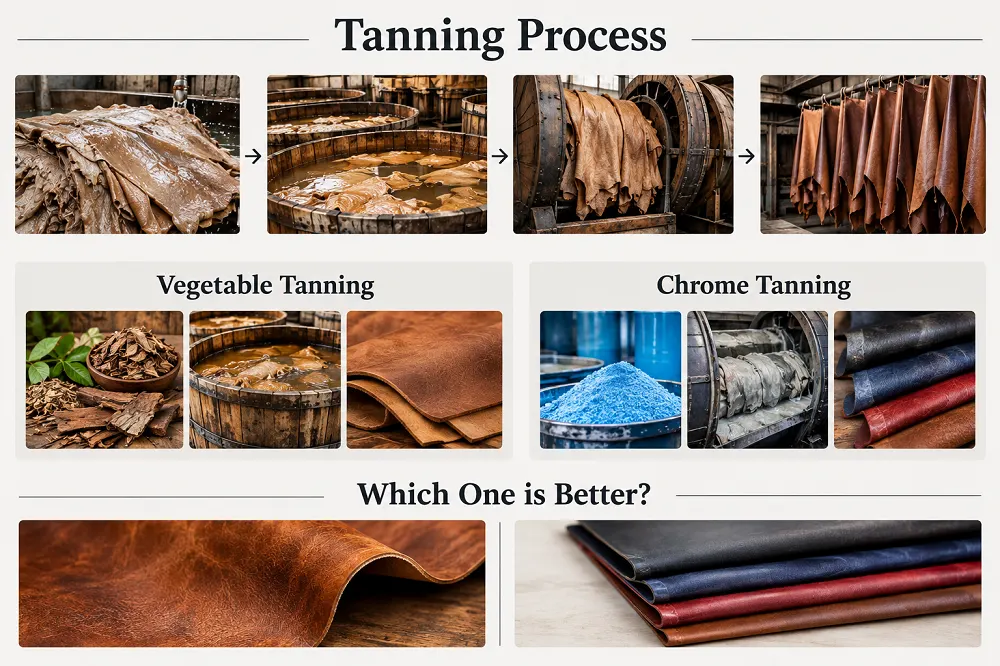
Vegetable Tanning vs Chrome Tanning
There are two primary methods of tanning used in the industry today.
Vegetable tanning uses natural tannins from plant sources such as oak, chestnut, and quebracho. It is a slower tanning method that produces firm, character-rich leather that develops a distinctive patina with age. Vegetable-tanned leather is commonly used for heritage-style goods, accessories, and some premium leather jackets.
Chrome tanning uses mineral salts, primarily chromium, to achieve faster results. This method takes only a few days and produces softer, more flexible leather. Most modern fashion leather jackets are chrome-tanned because it allows for a wider range of colors and finishes. Chrome-tanned leather is also more resistant to water and heat, making it practical for everyday wear.
Which One is Better?
Both methods have their advantages. Vegetable-tanned leather ages beautifully and develops unique character, making it ideal for premium leather jackets that improve with time. Chrome-tanned leather is more affordable and versatile, making it suitable for contemporary fashion designs. The choice between the two depends on your priorities—heritage and patina or versatility and affordability.
Dyeing and Finishing
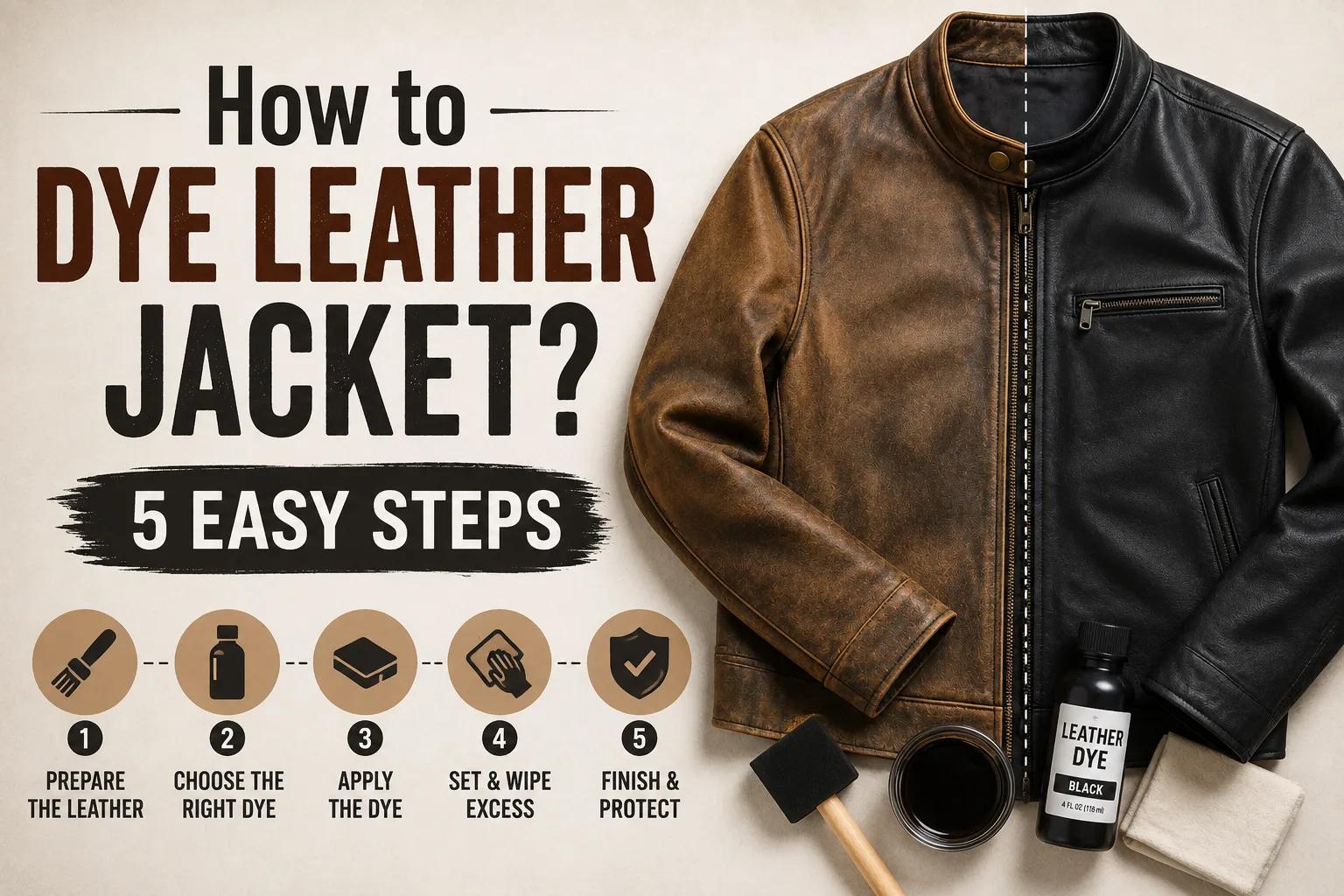
Once tanned, the leather is dyed to achieve the desired color. This can be done using natural or synthetic dyes, depending on the manufacturer’s preferences and the desired outcome. The dyeing process requires considerable skill and precision to ensure the color penetrates evenly and deeply.
After dyeing, the leather undergoes finishing processes such as buffing, oiling, and polishing. These steps enhance the appearance, texture, and overall quality of the leather. Premium leather jackets often have minimal finishing to preserve the natural beauty of the hide, allowing the unique grain and markings to shine through.
Cutting and Pattern Making
With the prepared leather in hand, skilled artisans create a pattern for the jacket. This pattern serves as a template for cutting the leather into individual pieces, including the body, sleeves, and various panels. Precision is crucial at this stage to ensure consistency and accuracy in the final product.
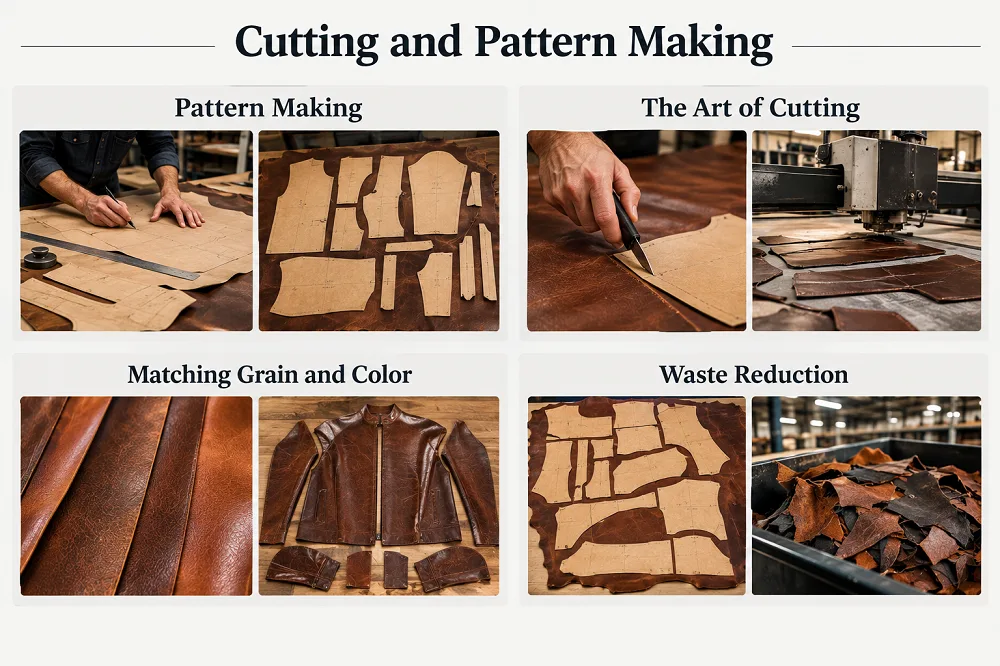
The Art of Cutting
Leather is cut using specialized knives or die-cutting machines. The goal is to maximize the use of each hide while avoiding defects and blemishes. Skilled cutters can visualize the final jacket and cut accordingly, ensuring the most attractive parts of the hide are used for visible areas. This is why expert leather jacket craftsmen are so highly valued—their skill directly impacts the quality of the finished product.
Matching Grain and Color
Because leather is a natural material, each hide has unique grain patterns and color variations. Artisans carefully match pieces from the same hide to ensure consistency across the final jacket. This attention to detail is what sets high-quality leather jackets apart from mass-produced alternatives. A well-matched jacket will have a seamless appearance, with no obvious transitions between panels.
Waste Reduction
Modern cutting techniques also focus on reducing waste. By carefully planning the layout of each pattern piece, skilled cutters can maximize the yield from each hide, reducing waste and lowering costs. This is both environmentally and economically important.
Assembly and Stitching
The cut leather pieces are then skillfully assembled by expert craftsmen. Using heavy-duty sewing machines or hand-stitching techniques, these artisans meticulously bring the jacket to life. Reinforcements may be added to critical areas for durability, and pockets, zippers, and other hardware are carefully integrated.
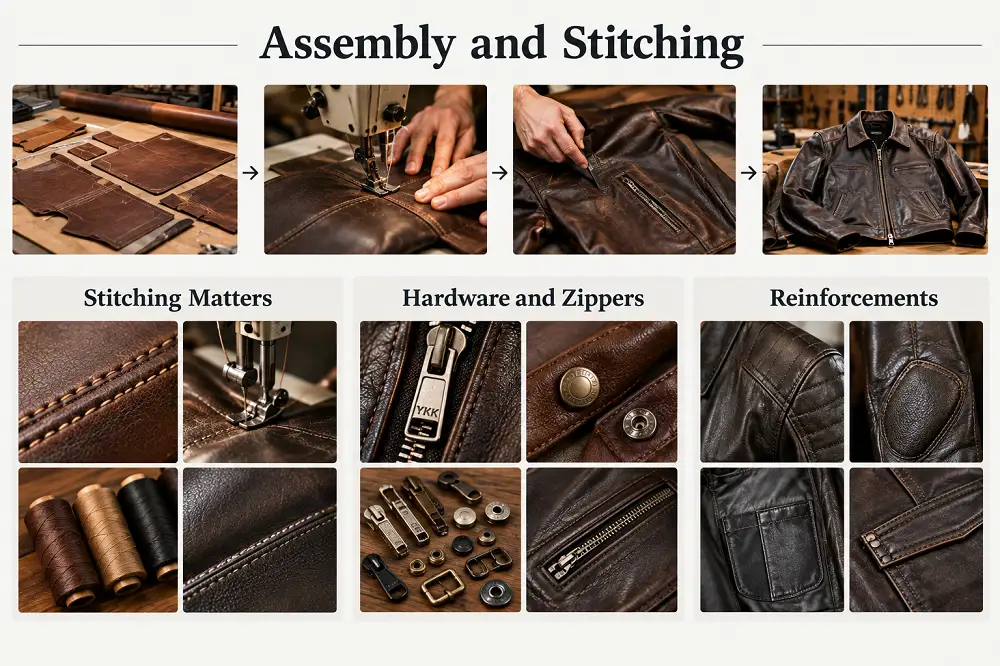
Stitching Matters
Stitching is one of the most visible indicators of quality. Premium leather jackets use strong, even stitching with no loose threads. The thread type is also important—polyester and nylon threads are more durable than cotton and resist breaking under stress. The stitch count per inch is another indicator of quality; higher stitch counts generally indicate better craftsmanship.
Hardware and Zippers
Zippers, buttons, and snaps are the unsung heroes of a good leather jacket. Expert leather jacket craftsmen use high-quality hardware from trusted brands like YKK to ensure the jacket lasts for years. Cheap hardware is a common point of failure in lower-quality jackets, leading to frustration and costly repairs.
Reinforcements
Critical areas such as the shoulders, elbows, and pockets receive additional reinforcements to ensure durability. These reinforcements may include double stitching, extra layers of leather, or specialized seam construction. This attention to detail ensures that your jacket can withstand daily wear and tear.
Detailing and Embellishments
To add character and style, designers incorporate details and embellishments. This can include quilting, embroidery, studs, or patches, depending on the jacket’s design. These elements contribute to the uniqueness of each leather jacket and make it a personal statement piece.
Custom Touches
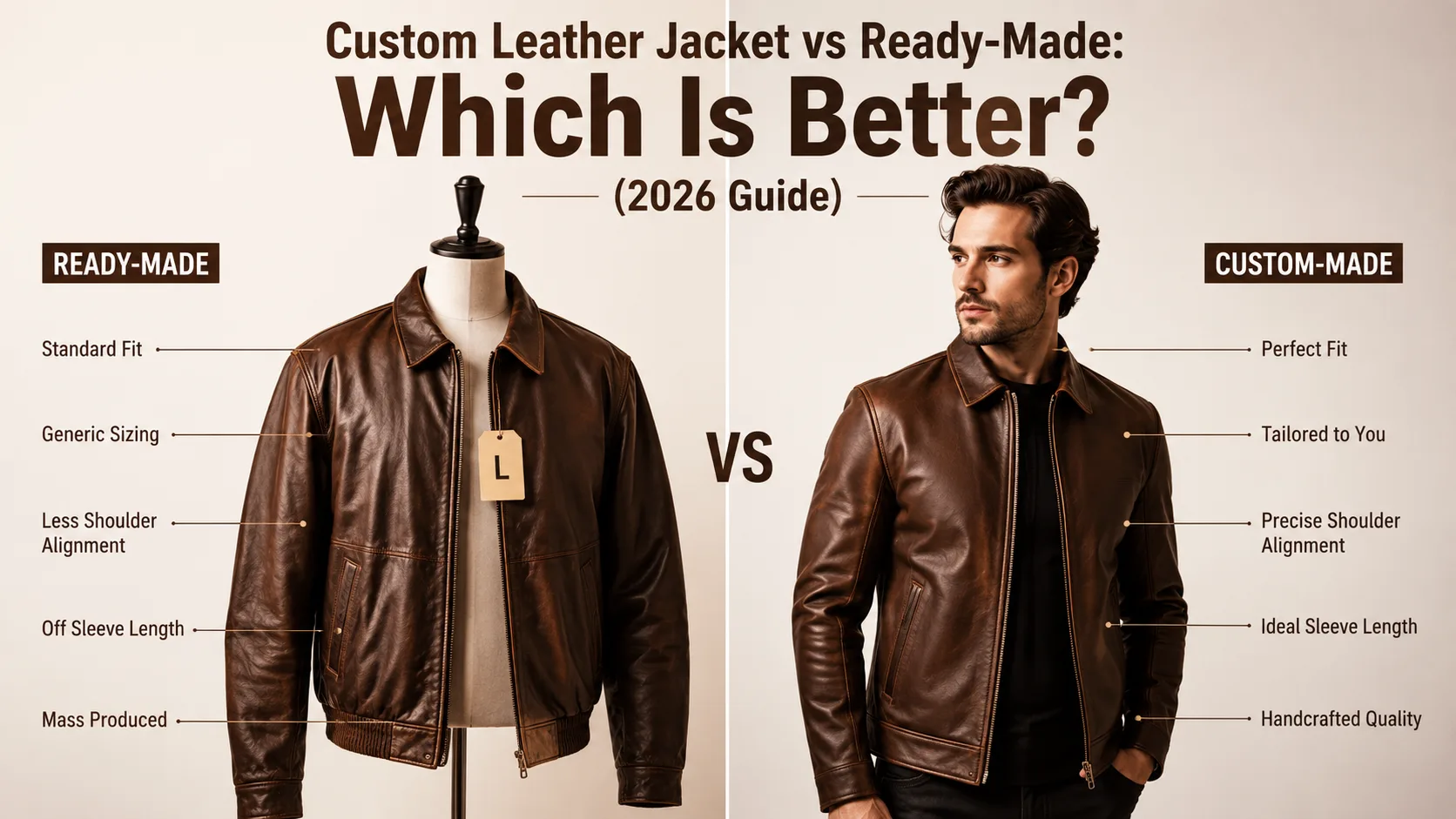
For those who want something truly unique, custom leather jackets offer the opportunity to personalize every detail. From choosing the leather type to selecting hardware and stitching color, the possibilities are endless. A custom jacket is not just a garment—it is a reflection of your personal style and taste.
Lining and Insulation
While not always visible, the lining is an essential part of the jacket. It provides comfort, warmth, and protection. Winter leather jackets often feature shearling or quilted linings for insulation, while lighter jackets use satin or cotton linings. The choice of lining affects both the comfort and the functionality of the jacket.
Quality Control
Before the jackets hit the shelves, rigorous quality control measures are in place. Each piece undergoes inspection to ensure it meets the brand’s standards for craftsmanship, durability, and aesthetic appeal.
What Inspectors Check
Quality control inspectors check every detail—stitching, hardware, leather quality, and fit. They look for any imperfections that may have been missed during production. Only jackets that pass this rigorous inspection are approved for sale. This is a critical step in ensuring that customers receive only the best products.
Why Quality Control Matters
Quality control is what separates premium brands from budget alternatives. A brand that invests in thorough quality control is a brand that stands behind its products. This is why Lammberg leather jackets are known for their durability and craftsmanship—every jacket is inspected to ensure it meets the highest standards.
Final Treatments
In the final stages, the leather jackets may undergo additional treatments for waterproofing, stain resistance, or other specific features. This step adds functionality to the garment, ensuring it not only looks great but also stands up to the challenges of everyday wear.
Conditioning
Before packaging, high-quality jackets are often conditioned to ensure the leather is supple and flexible. This conditioning step restores any oils lost during the manufacturing process and prepares the jacket for its new owner.
Packaging and Distribution
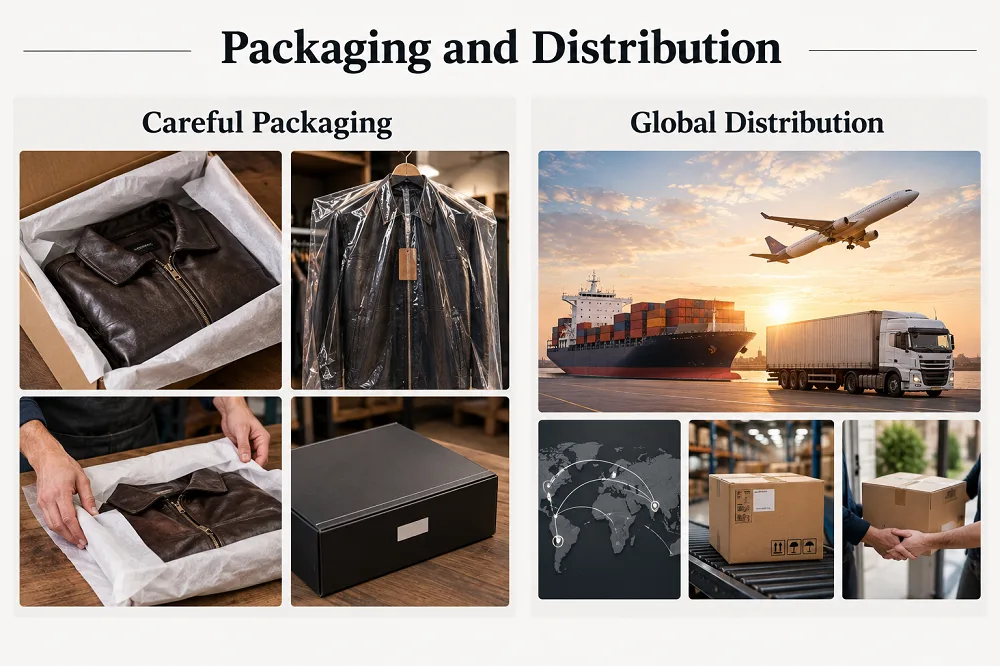
Once approved, the leather jackets are carefully packaged and prepared for distribution. From the hands of skilled artisans to the closets of fashion enthusiasts, each jacket embarks on its own unique journey.
Careful Packaging
Each jacket is carefully folded or hung to prevent creasing and damage during transit. Protective covers and tissue paper are often used to protect the leather from dust and scratches. This attention to detail ensures that your jacket arrives in perfect condition.
Global Distribution
Today’s leather jackets travel across the globe to reach their new owners. From the workshop to your doorstep, each jacket carries with it the craftsmanship and dedication of the artisans who created it.
Frequently Asked Questions
Q: How long does it take to make a leather jacket?
A: The entire leather jacket manufacturing process can take anywhere from a few days to several weeks, depending on the complexity of the design and the tanning method used.
Q: What type of leather is best for a jacket?
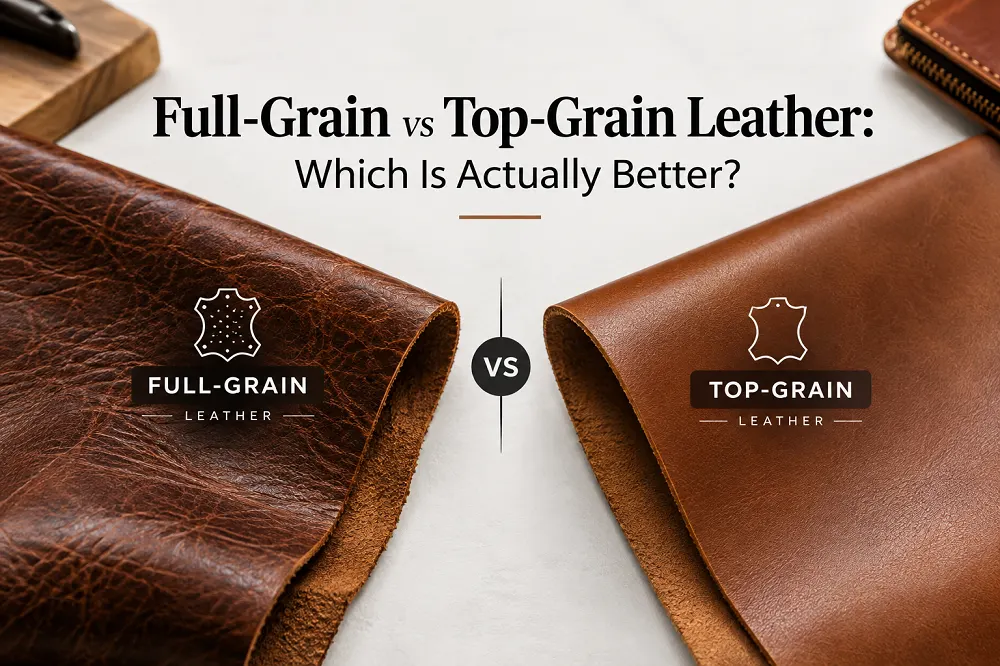
A: Full-grain leather is the highest quality, offering durability and natural beauty. However, top-grain leather is also an excellent choice for those seeking a balance of quality and affordability. Learn more about leather grades to make an informed choice.
Q: Is handmade leather better than machine-made?
A: Handmade jackets often have superior attention to detail and better quality control. However, well-made machine-stitched jackets can also be excellent. The craftsmanship behind a leather jacket matters more than the method alone.
Q: How can I tell if a leather jacket is well-made?
A: Check the stitching, hardware, leather quality, and fit. Look for even stitching, high-quality zippers, and smooth, consistent leather. Read our complete buying guide for more tips on choosing quality.
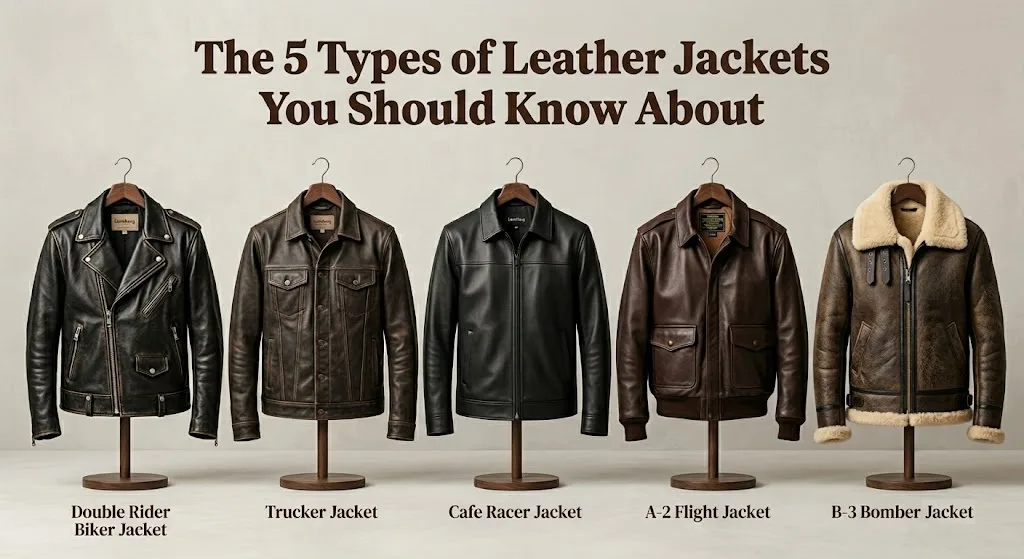
Q: What is the difference between a biker jacket and a bomber jacket?
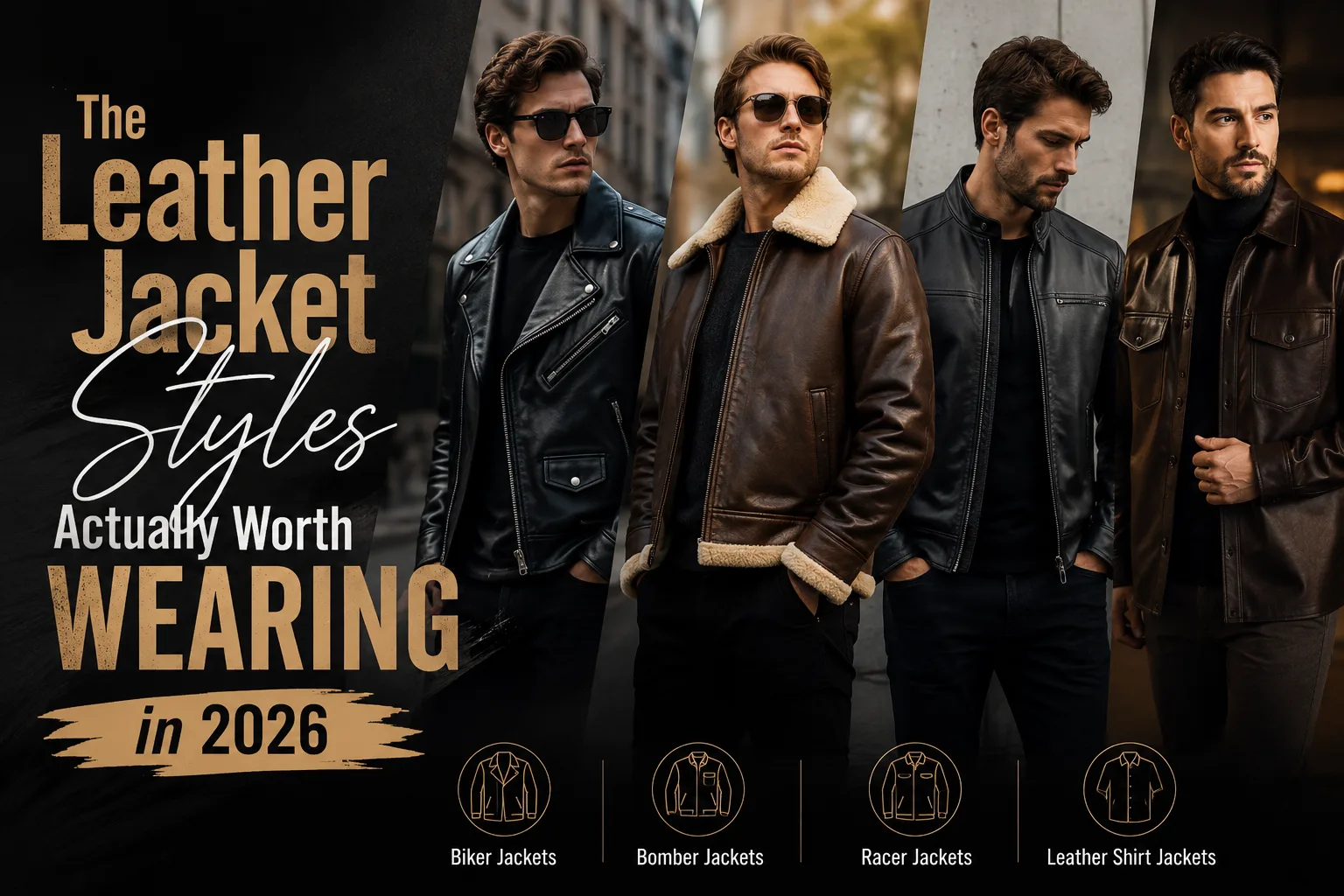
A: Biker jackets are typically shorter, with asymmetrical zippers and a more rugged look. Bomber jackets have a longer length, ribbed cuffs, and a more relaxed fit. Both styles are available in premium leather.
Q: How should I care for my leather jacket?
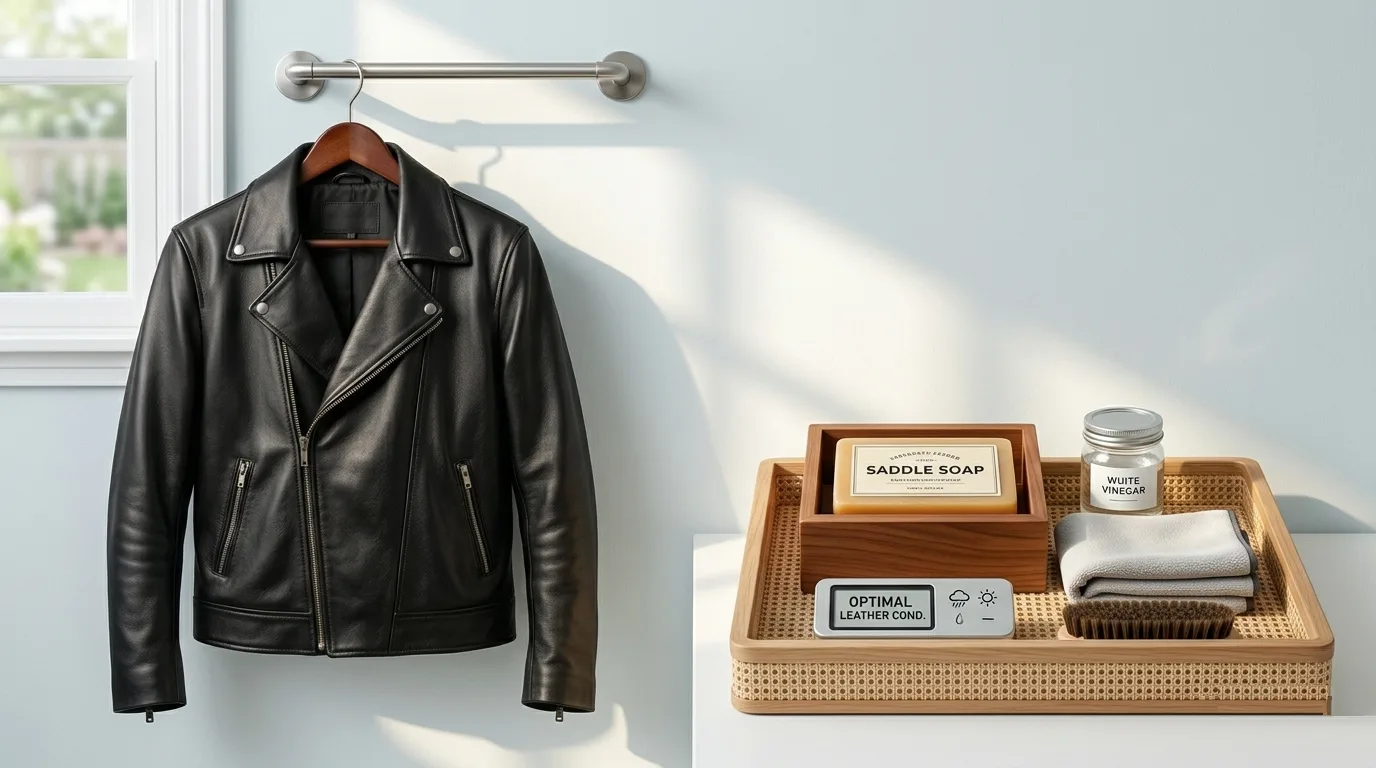
A: Condition it regularly, store it on a wide hanger, and avoid prolonged exposure to heat and moisture. Proper care will keep your jacket looking great for years.
Conclusion
The creation of a leather jacket is a labor-intensive process that combines traditional craftsmanship with modern techniques. From the selection of premium hides to the final stitches, every step is a testament to the dedication and skill of the artisans involved.
The result is not just a garment but a piece of wearable art that carries with it the rich history and craftsmanship of leatherworking traditions. When you wear a genuine leather jacket, you are not just wearing clothing—you are wearing a piece of history, skill, and passion.
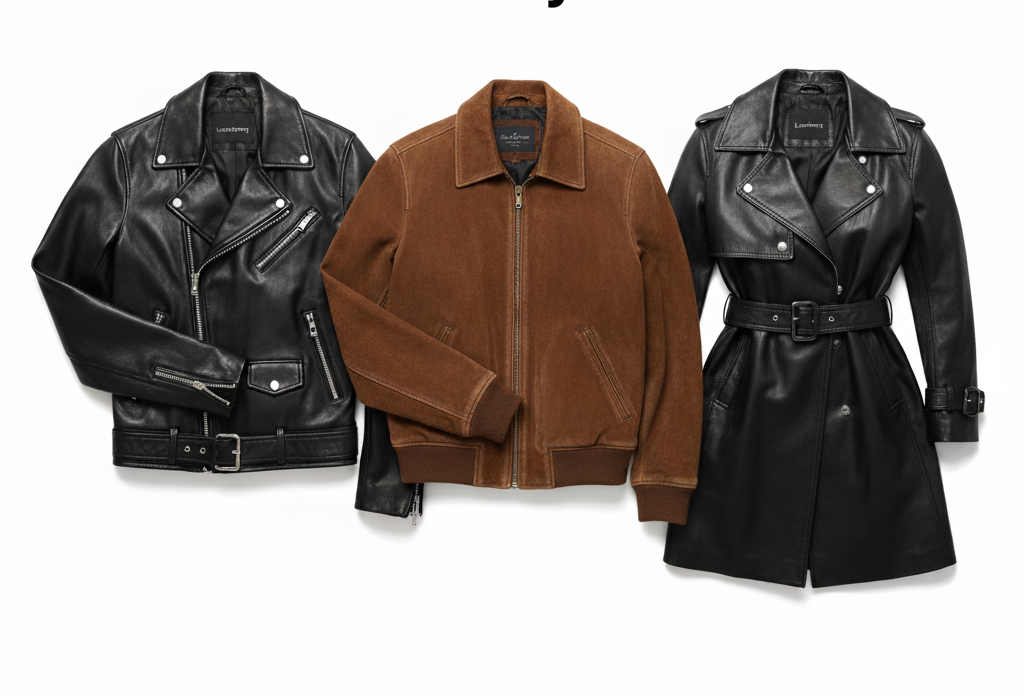
Whether you choose a classic black biker jacket, a sophisticated brown aviator, or a custom-made design, the leather jacket making process ensures you are getting a product built to last. Invest in quality, care for it properly, and your leather jacket will reward you with years of style and durability.
Ready to find your perfect leather jacket? Explore the collection at Lammberg.com and discover handcrafted leather jackets built to last a lifetime.
Related Articles
- What Makes a Leather Jacket Premium?
- How to Spot Real vs Fake Leather
- Ultimate Leather Jacket Size Guide
- Top 10 Genuine Leather Jackets in USA
- PU Leather vs Genuine Leather – The Truth
- How to Style a Leather Jacket for Men
- How to Remove Wrinkles from a Leather Jacket
- How to Remove Smell from a Leather Jacket