The evolution of leather, from its early discovery to its modern-day uses, showcases a fascinating journey through time and human innovation. Leather is one of the oldest materials humans have ever manufactured, dating back roughly 7,000 to 10,000 years depending on which archaeological evidence you count, and it remains one of the few materials still made almost the same way, through tanning, that it was made in the Bronze Age.
From its earliest use as a means of survival to its current status as a fashion and design staple, leather has undergone a long and fascinating evolution. In this blog, we will delve into the history of leather, exploring its development and significance over time.
Key Facts: Leather’s Timeline at a Glance
- ~8000 BCE — Early Stone Age humans begin rubbing fat and oils into rawhide to slow decay, the earliest known preservation method
- ~7000–3300 BCE — Some of the earliest direct archaeological evidence of hide tanning comes from the Indus Valley region, in present-day Pakistan
- ~5000–3000 BCE — Egyptians and Mesopotamians develop vegetable tanning using tree bark and plant tannins
- ~800 BCE–500 CE — Greeks and Romans refine leatherworking for sandals, armor, and military equipment; Rome regulates leather production by law
- 5th–15th century — Medieval European tanners organize into guilds; vellum and parchment become standard writing surfaces
- 1858 — Chrome tanning is developed, commonly credited to American chemist Augustus Schultz, cutting tanning time from months to days
- Today — Chrome tanning accounts for the large majority of leather produced worldwide, though vegetable tanning persists for heritage and specialty goods
The Discovery of Leather
Leather wasn’t invented by any one person on any one date — it was discovered gradually, likely by accident, as early humans learned to make use of animals they had already killed for food.
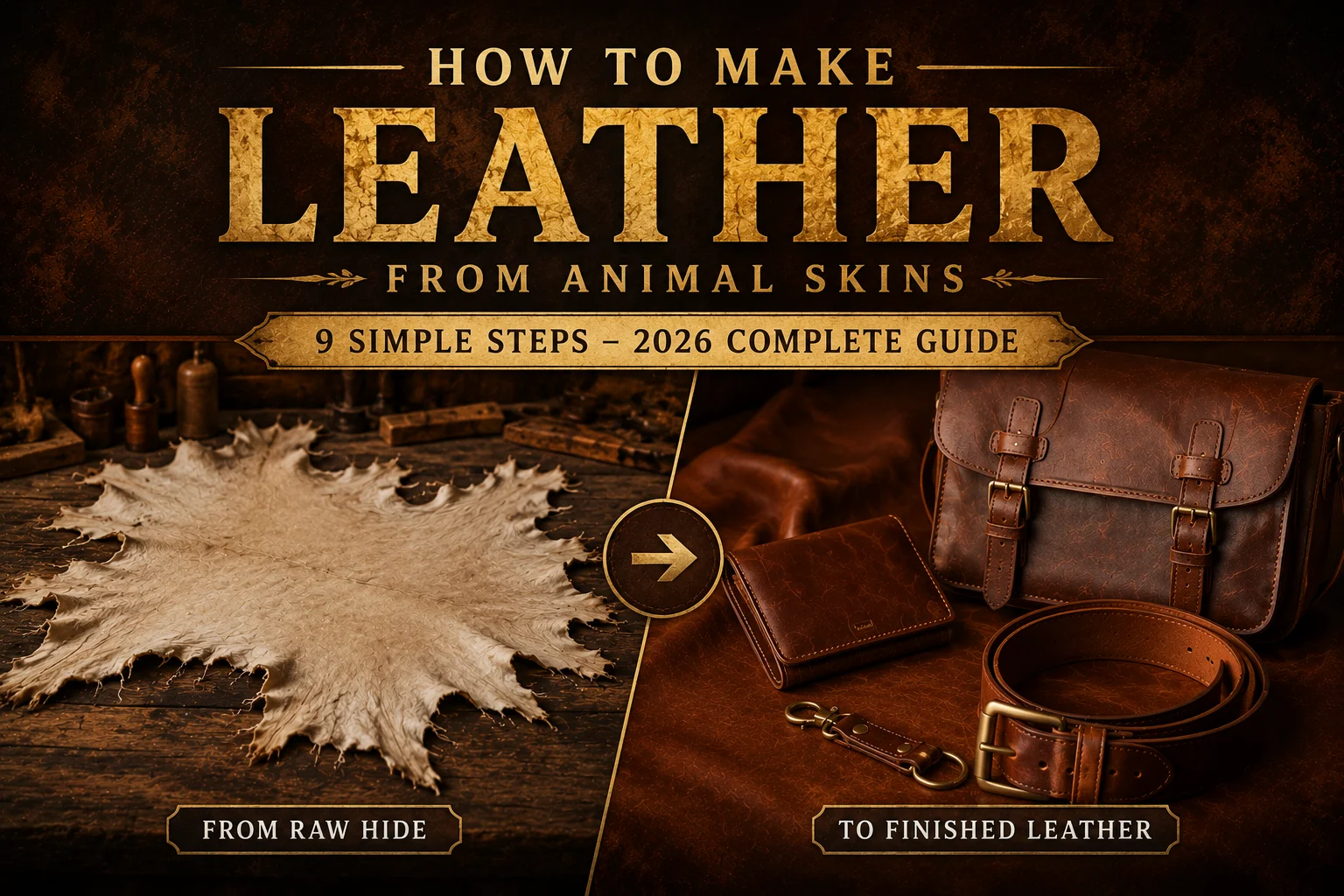
Early humans quickly found that raw, untreated hide had a problem: left alone, it either rotted or dried out into something as stiff and brittle as wood, neither of which was useful for clothing or shelter. The earliest fix, dating back to roughly 8000 BCE in the Stone Age, was surprisingly simple: rubbing animal fats and oils into the hide to slow decay and keep it workable. This is generally considered the earliest form of tanning, even though it long predates the plant-based and chemical methods that came later.
It’s likely early humans discovered this by trial and error, working with skins that were already available from hunting, rather than through any deliberate research process. Over the following thousands of years, this crude fat-based preservation gradually gave way to more advanced and durable techniques, which is where vegetable tanning enters the story.

The discovery of leather is widely considered one of the more significant material innovations in early human history, since it let people create clothing, shelter, containers, and tools that were both more durable and more weather-resistant than raw hide or plant fiber alone.
As leather use spread across regions, different early societies began developing their own preservation techniques based on locally available materials, tree bark in some regions, minerals like alum in others, laying the groundwork for the more distinct regional tanning traditions that would emerge in the ancient world.
Explore Premium Leather Apparel
The Ancient Use of Leather
By the time organized civilizations emerged, leather had already moved well beyond basic survival gear, becoming a genuine craft with regional techniques, trade value, and cultural significance.
Some of the earliest direct archaeological evidence of true hide tanning, dated to roughly 7000–3300 BCE, comes from the Indus Valley region in what is now Pakistan, where tanned leather was used for waterskins, bags, harnesses, and footwear. Around the same broad period, further west, Egyptians and Mesopotamians independently developed vegetable tanning using tannins extracted from tree bark, most notably acacia, which produced leather that was firmer and considerably more durable than fat-tanned hide.
The ancient Egyptians used leather extensively: sandals, papyrus-reinforced footwear, belts, shields, and military equipment, and leather goods have even been found remarkably well preserved in Egyptian tombs thanks to the country’s dry climate. Leather also carried symbolic and economic weight in Egypt, at times functioning as a valued trade commodity alongside its practical uses. Mesopotamian cuneiform trade records document leather goods and pricing directly, making them some of the oldest known written evidence of an organized leather trade.
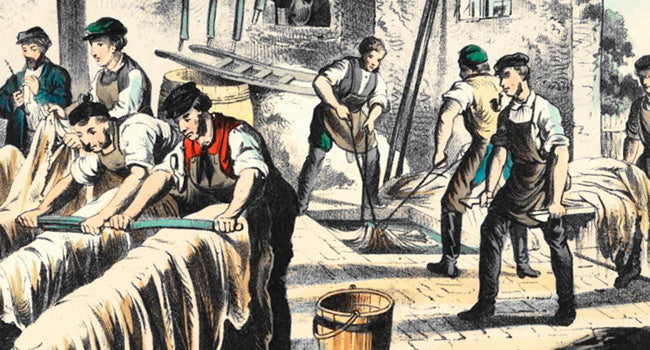
Further west and later in time, the Greeks and Romans advanced leatherworking considerably. Greek craftsmen were known for finely made leather sandals worn by philosophers, athletes, and soldiers alike, while Rome developed its own mineral-based technique, alum tanning, alongside vegetable tanning, and used leather at genuine military scale for armor, shields, and horse harnesses. Leather production in Rome was significant enough to the economy that it was formally regulated by law, and tanning itself, a notoriously foul-smelling process, was typically pushed to the outskirts of towns.

As trade routes expanded across the ancient world, tanning knowledge spread with them, and leather became an increasingly valuable, tradeable commodity. Skilled artisans developed decorative techniques, tooling, dyeing, embossing, that turned leather goods from purely functional items into objects that also signaled status and craftsmanship.
The Medieval Use of Leather
Medieval Europe didn’t just continue ancient tanning methods, it organized and refined them into a recognized, regulated trade.
Vegetable tanning, using tree bark and other plant matter, became the standard method across medieval Europe, and tanning itself developed into a formal craft, with tanners forming guilds that set quality standards, controlled techniques, and trained apprentices. This period also saw meaningful regional innovation: in 8th-century Moorish Spain, tanners are credited with refining leather-processing techniques that produced softer leather with brighter, more consistent color, methods that would go on to influence European leatherworking more broadly, including its later use in upholstery and decorative goods, not just armor and footwear.
Leather’s role in medieval life extended well past clothing and military gear. Leather armor and saddlery remained common on the battlefield, but leather also became central to record-keeping and scholarship: parchment and vellum, both leather-derived writing surfaces, were the standard medium for illuminated manuscripts and religious texts throughout the period, well before paper became widely available in Europe.

View Related Products
Men’s Leather Jackets →The Modern Use of Leather
The single biggest turning point in leather’s entire history arrived in 1858, when chrome tanning, commonly credited to American chemist Augustus Schultz, was developed. Where vegetable tanning could take weeks or months to complete, chrome tanning could turn raw hide into usable leather in a matter of days, and it produced leather that was noticeably softer and more water-resistant. That single shift is largely responsible for making leather production fast and consistent enough for genuine mass manufacturing, and chrome tanning remains the dominant method used worldwide today, even as vegetable tanning persists for heritage, saddlery, and specialty goods.
In the modern era, leather has become a genuinely versatile material used across a wide range of industries. It’s a staple of the fashion industry for clothing, footwear, and accessories, a core material in furniture upholstery, and a mainstay of automotive interiors. It also shows up in sporting goods, from baseball gloves to footballs, and in countless smaller everyday goods, wallets, belts, bags, that most people don’t think twice about.
Advances in tanning and finishing technology have also expanded what leather can look and feel like. Modern dyeing and finishing techniques allow tanneries to produce leather in a much wider range of colors, textures, and finishes than was possible even a century ago, while manufacturing improvements have made consistent, large-scale production genuinely achievable without sacrificing durability.

Shop Modern Leather Products
Visit our Shop →The Future of Leather
Leather’s next chapter is being shaped by two forces at once: rising demand for transparency and sustainability, and genuine innovation in how leather is sourced and processed.
Third-party certification bodies now audit tanneries on water use, chemical management, and traceability, giving buyers a more concrete way to evaluate “responsibly made” leather than marketing language alone. At the same time, there’s a renewed interest in vegetable tanning and other lower-impact processing methods among smaller and heritage tanneries, alongside continued research into alternative and lab-grown materials designed to reduce the industry’s environmental footprint without sacrificing durability.
What seems unlikely to change is leather’s basic appeal: a natural material that improves with age, wears in rather than out, and can be repaired and recolored rather than simply discarded. As sustainable practices and traceability standards continue to mature, that combination of durability and craftsmanship is likely to keep leather relevant well into the next era of fashion and design.
Frequently Asked Questions About the History of Leather
When was leather first used?
There’s no exact date, but the earliest known hide-preservation technique, rubbing fat and oils into rawhide, dates back to roughly 8000 BCE in the early Stone Age, well before true tanning existed.
Who invented tanning?
No single person or culture invented tanning. Fat-based preservation appeared first in the Stone Age, and true vegetable tanning developed independently in multiple regions, including Egypt, Mesopotamia, and the Indus Valley, roughly between 7000 and 3000 BCE.
What is the oldest known tanned leather?
Some of the earliest solid archaeological evidence of true hide tanning comes from the Indus Valley region, in present-day Pakistan, dated to roughly 7000–3300 BCE.
When was chrome tanning invented?
Chrome tanning was developed in 1858, commonly credited to American chemist Augustus Schultz. It reduced tanning time from months to days and remains the most widely used tanning method in the world today.
Why did tanneries used to be located outside of towns?
Historic tanning, particularly the liming and soaking stages, produced a strong, unpleasant odor, so tanneries in ancient and medieval societies were typically situated on the outskirts of towns or near water sources, away from residential areas.
Is vegetable tanning older than chrome tanning?
Yes, by thousands of years. Vegetable tanning dates back roughly five thousand years to ancient Egypt and Mesopotamia, while chrome tanning wasn’t developed until 1858.
Conclusion
The evolution of leather is a genuinely long story, spanning roughly seven to ten thousand years and touching nearly every major civilization along the way, from Stone Age fat-tanning to Indus Valley and Egyptian vegetable tanning, through Roman regulation, medieval guilds, and the 1858 breakthrough of chrome tanning that made modern mass production possible.
What’s remarkable is how much of that original process survives largely intact. Tanning today still does exactly what it did five thousand years ago: it takes a perishable animal hide and transforms it into a material that can last for decades. As sustainability standards and material technology continue to advance, leather’s next chapter will likely add new methods to that long history rather than replace the fundamentals that have defined it since the beginning.
Related Articles:
- Full Grain vs Genuine Leather: The Shocking Truth Most Jacket Buyers Don’t Know
- The Incredible Story of Leather: 7,000 Years of History That Changed Fashion Forever
- Don’t Buy a Leather Jacket Until You Read These 7 Expert Tips
- 15 Leather Jacket Myths That Are Costing You Money (Fact #7 Surprises Everyone)
- Real vs Fake Leather Jackets: 10 Easy Ways to Spot the Difference in Seconds
- What Makes a Premium Leather Jacket So Expensive? The Craftsmanship Explained
- Never Buy Bonded Leather Until You Read This Complete Guide
- Peacoat vs Trench Coat: Which One Makes You Look Better?
- 11 Men’s Leather Jacket Trends That Will Dominate Fashion in 2025
- How to Remove Bad Smells from a Leather Jacket (Without Damaging It)
- The Ultimate Leather Jacket Size Guide: Get the Perfect Fit Every Time
- How to Measure Yourself Correctly Before Buying a Leather Jacket Online
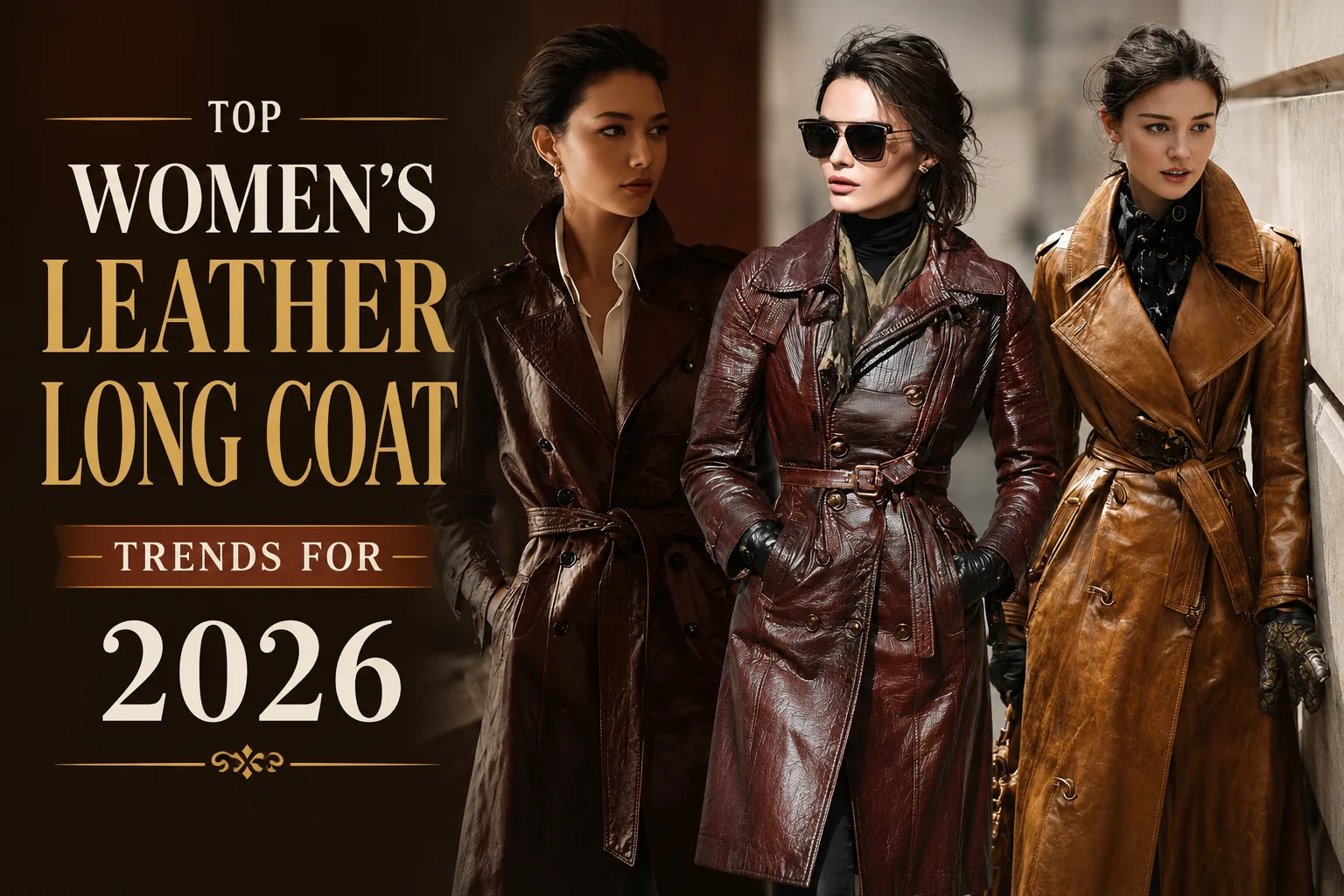
- Top Women’s Leather Coat Trends Everyone Will Be Wearing in 2026
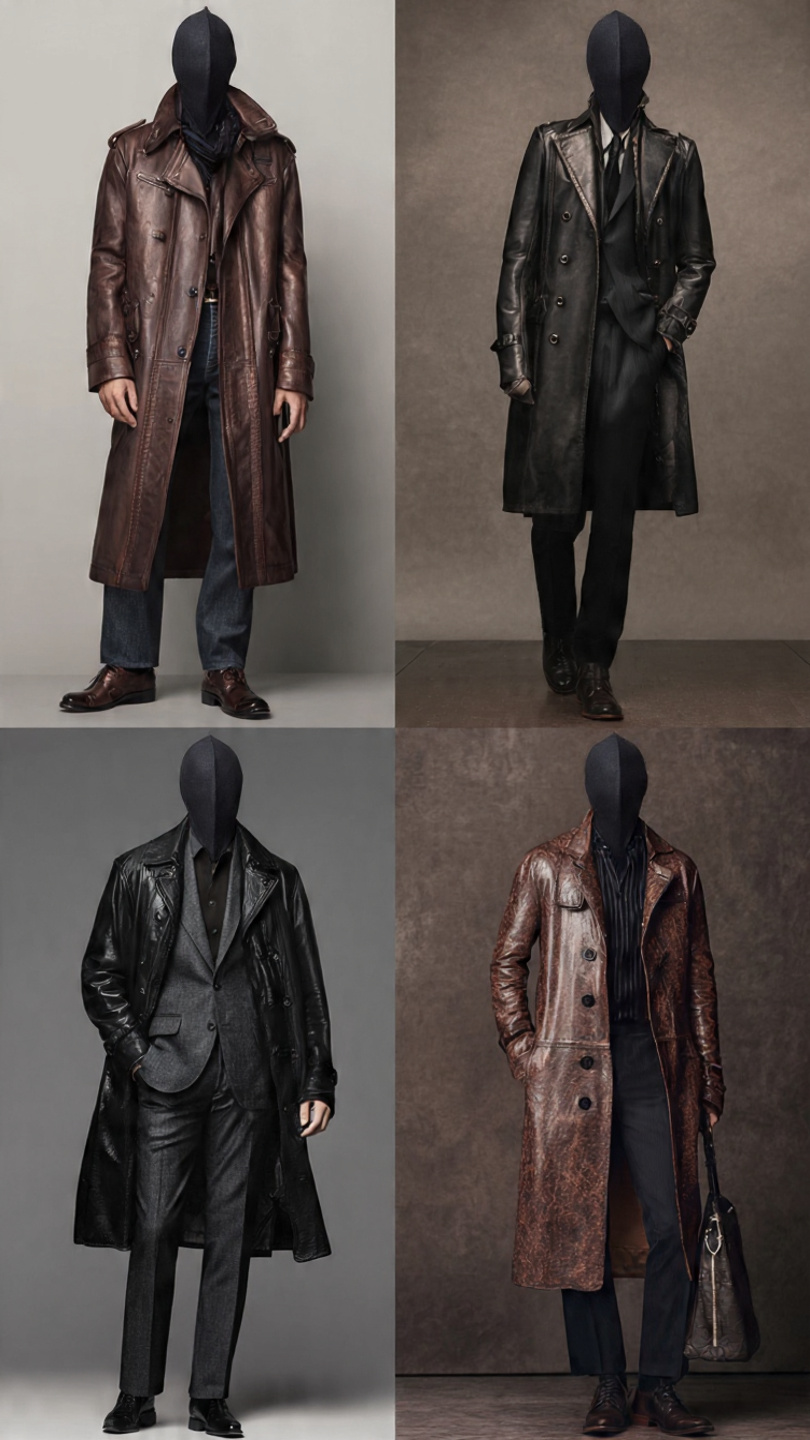
- 10 Men’s Leather Coats That Make You Look Rich in 2026
- The Only Jacket Guide You’ll Ever Need for Every Season
- Top 10 Genuine Leather Jackets in the USA (Ranked by Experts)
- Best Lightweight Packable Puffer Jackets That Travelers Swear By
- How Fashion Experts Style Leather Jackets in 2026 (Copy These Looks)
- How to Wear a Men’s Leather Jacket Without Looking Outdated
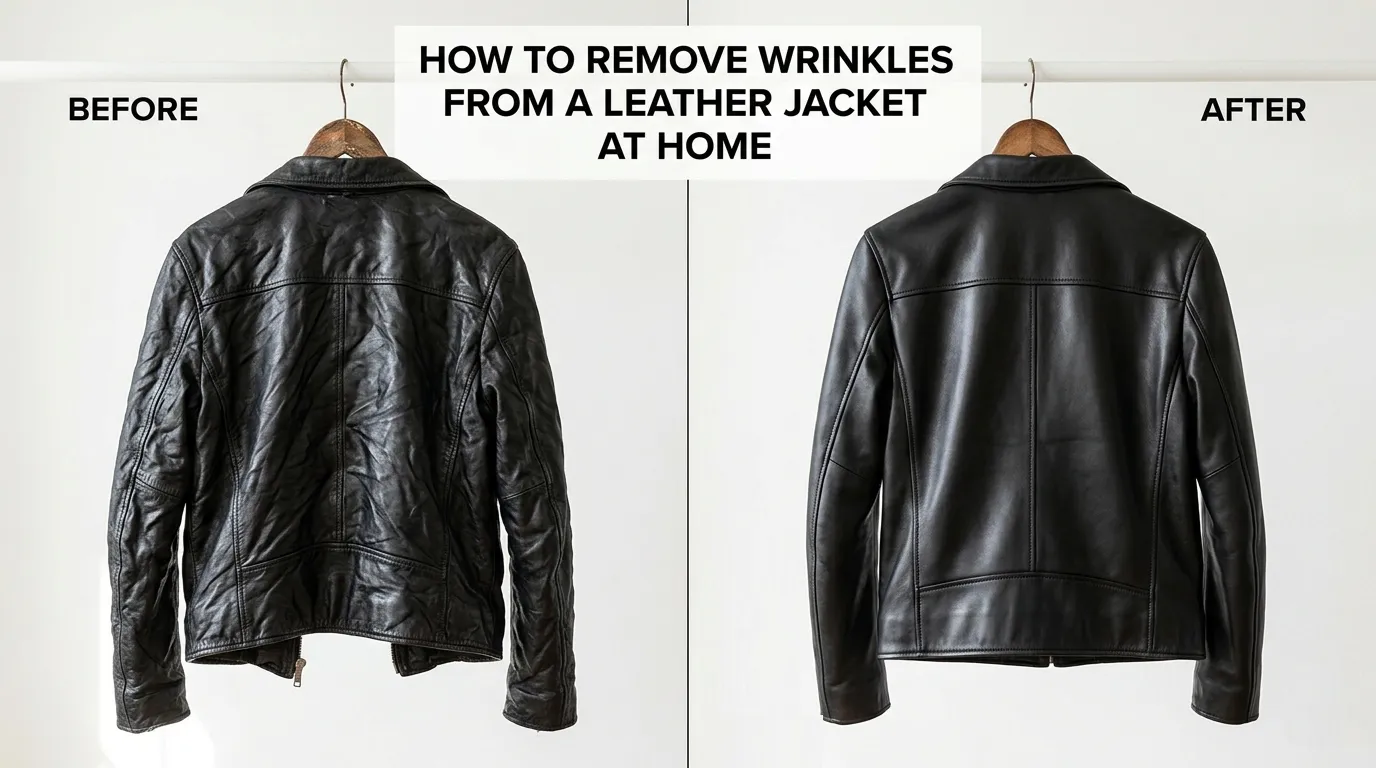
- How to Remove Wrinkles from a Leather Jacket Without Ruining It
- 10 Leather Jacket Outfit Ideas That Make Every Woman Look Stylish Instantly
- How to Remove Mold from a Leather Jacket Before It Gets Worse
- The Hidden World of Leather Clusters: How the Global Leather Industry Really Works
- Can You Wash a Leather Jacket in a Washing Machine? The Answer May Surprise You
- 25 Best Leather Coats to Buy in 2026 (Expert Picks)
- The 25 Best Leather Jackets of 2026 You Won’t Regret Buying
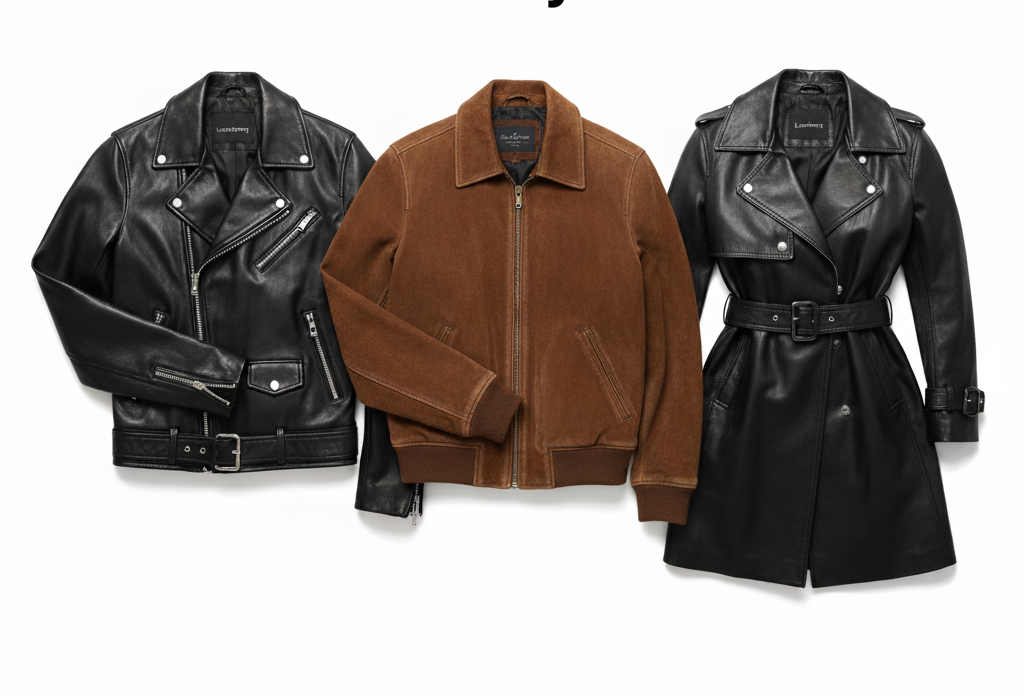
- 5 Types of Leather Jackets Every Stylish Man & Woman Should Own
- The Untold History of Leather Jackets: From War Heroes to Hollywood Legends
- 10 Leather Blazer Office Outfits Every Working Woman Should Copy in 2026
- 10 Leather Blazer Office Looks That Instantly Upgrade Your Style
- How to Remove Cigarette Smell & Mildew from Leather Jackets Fast (Pro Methods)
- Do Police Officers Still Wear Leather Jackets? The Truth Will Surprise You
Explore Premium Leather Collections
Discover classic leather jackets and modern fashion essentials crafted for style, durability, and everyday sophistication.
Shop Men’s Leather Jackets → Shop Women’s Leather Fashion →
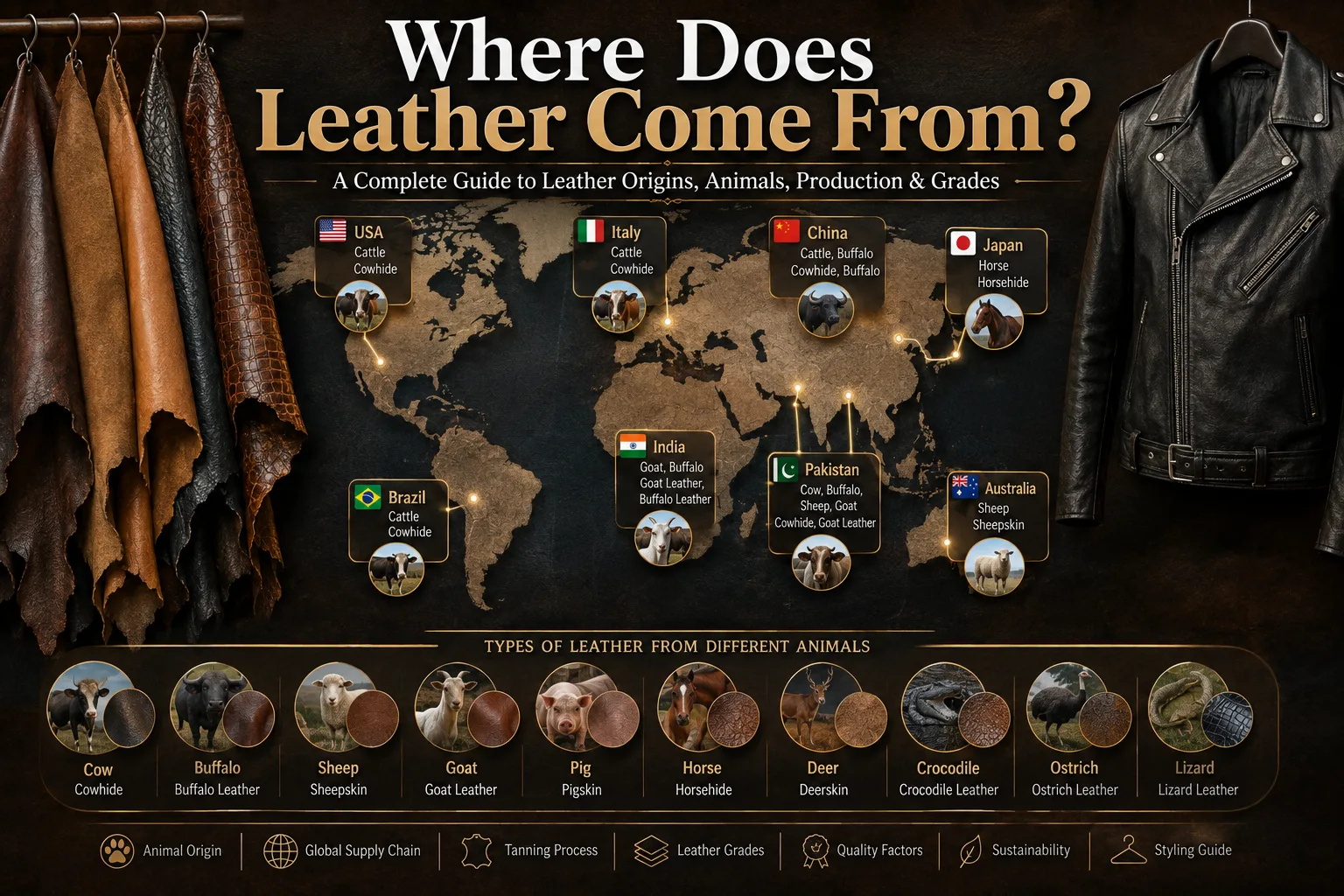
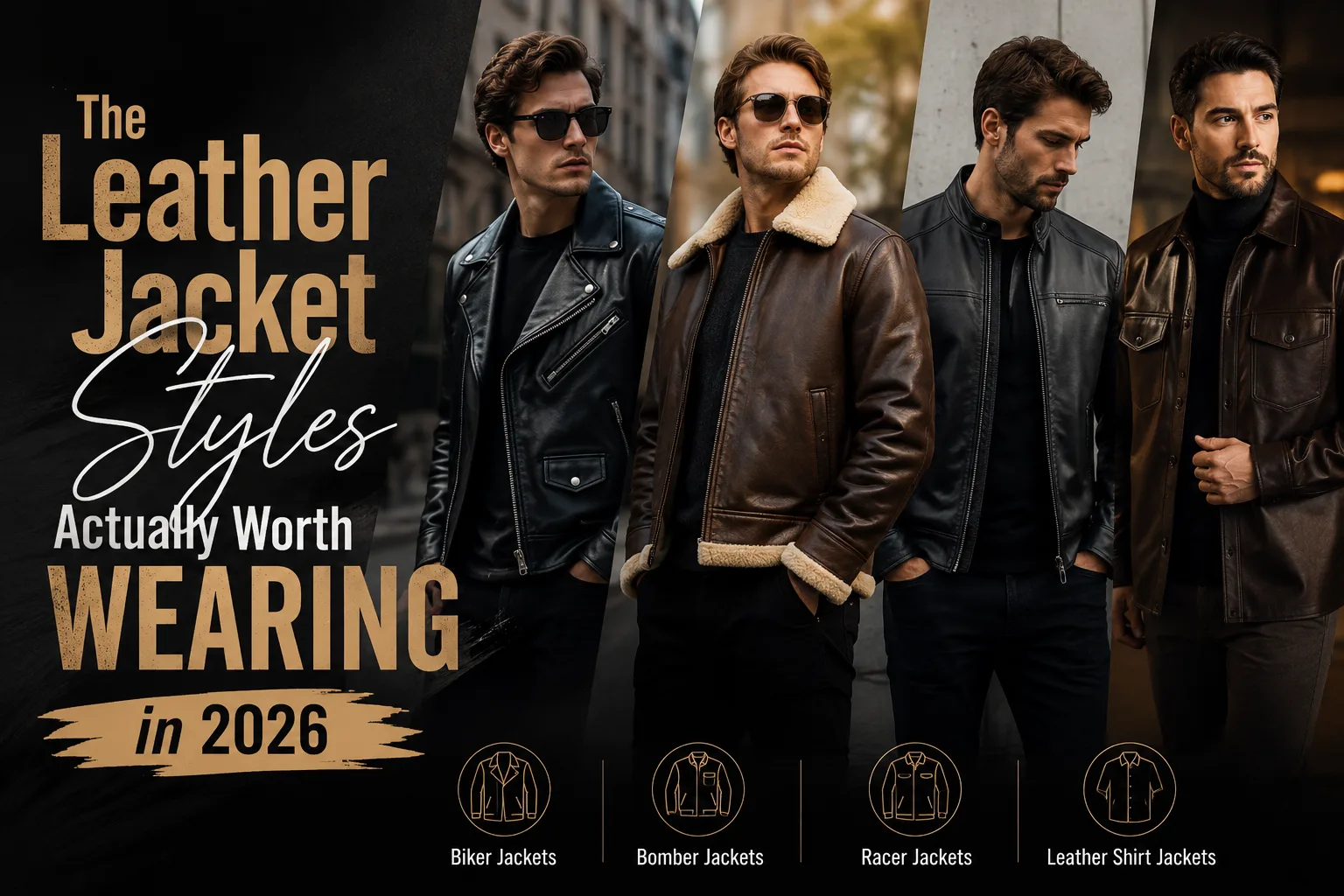


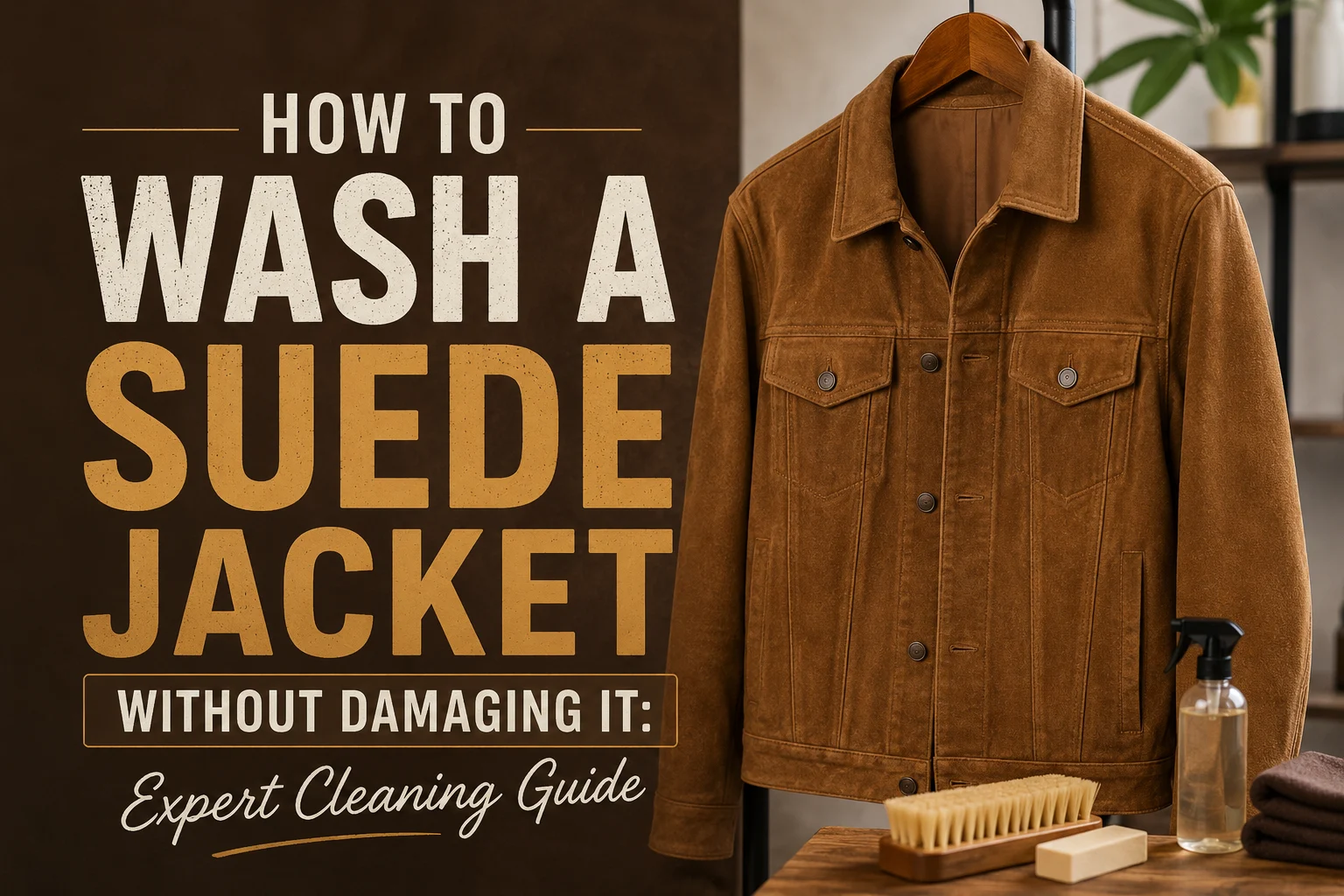


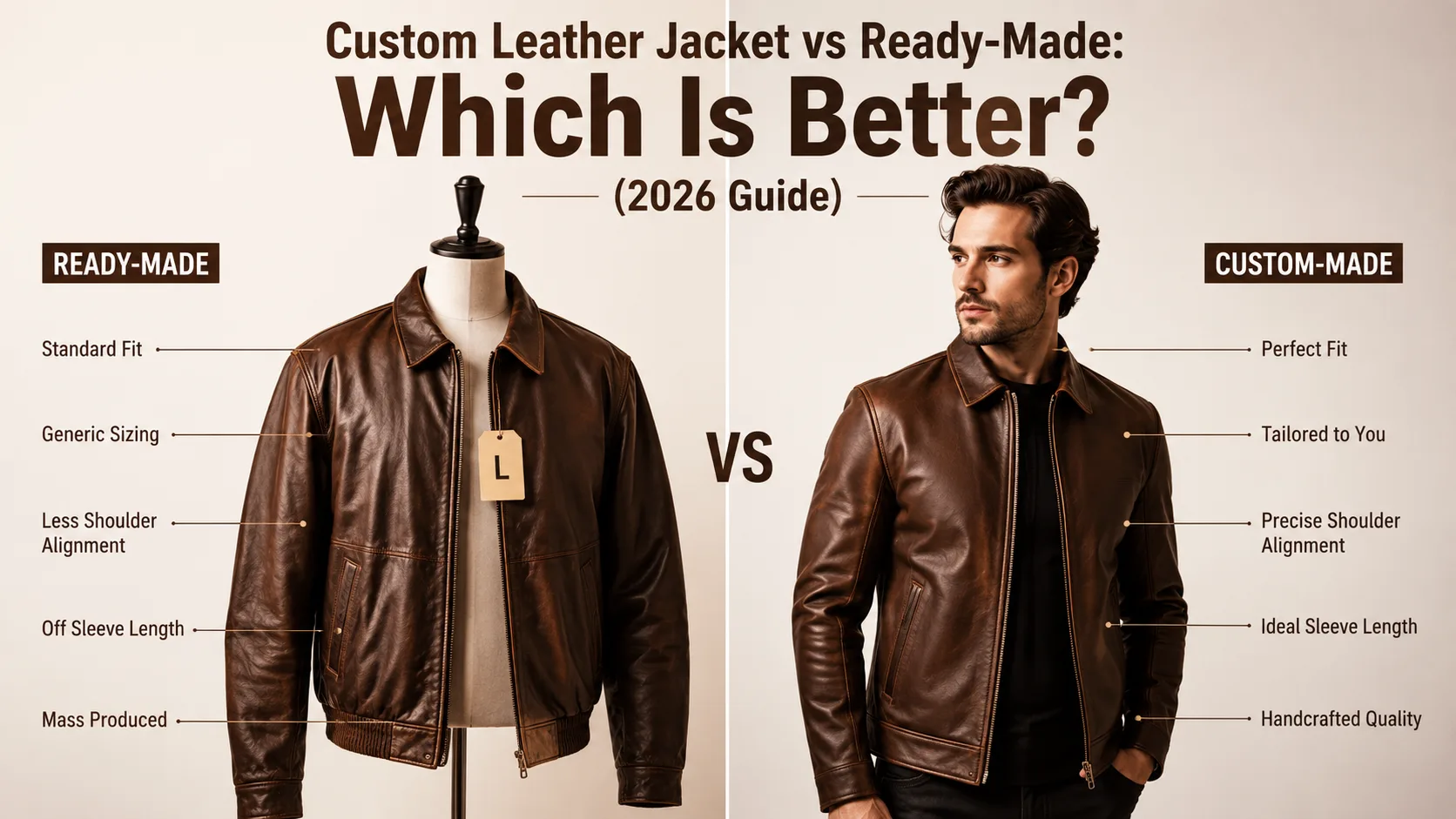
























Top Leather Exporting Countries in the World 2026
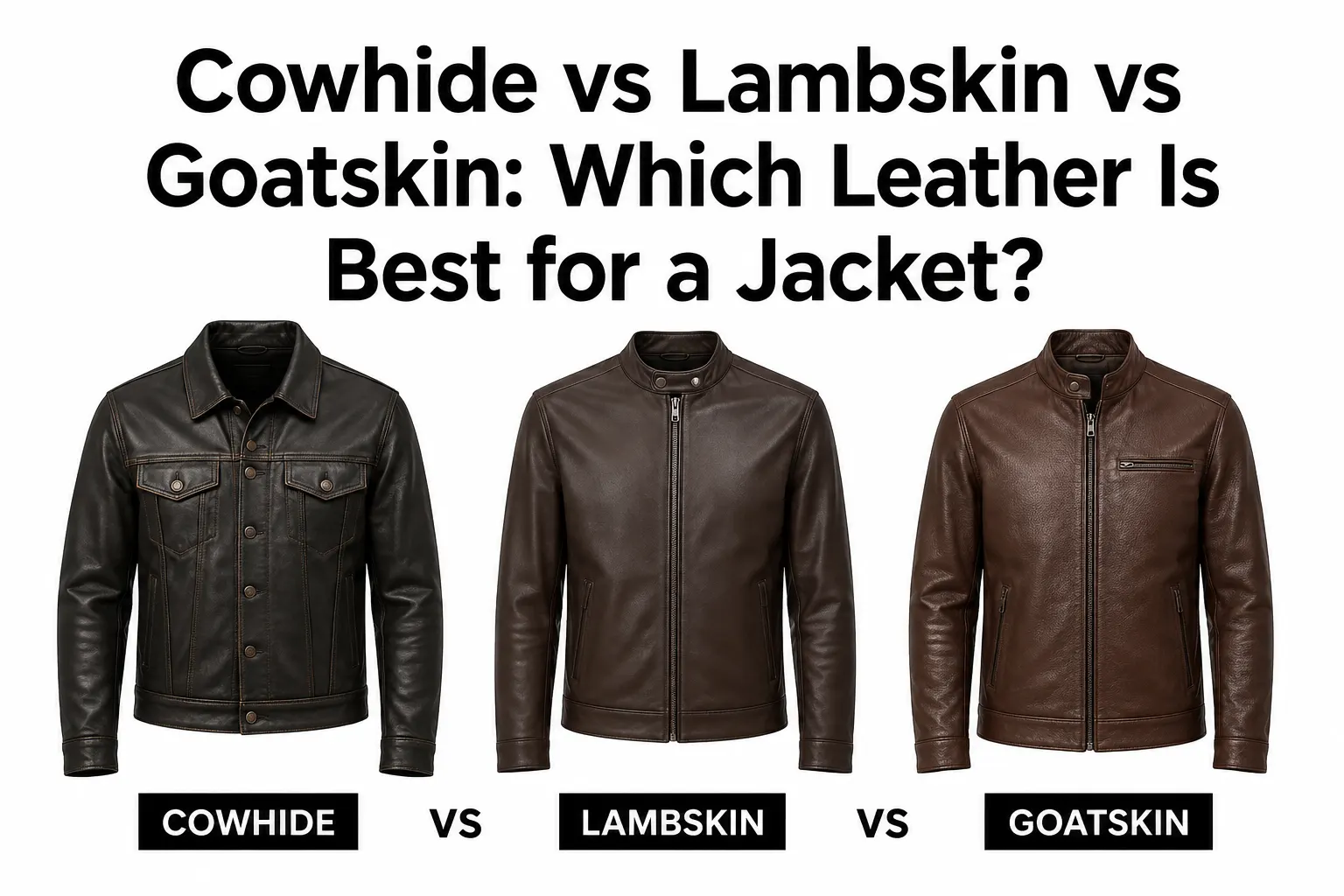
Cowhide vs Lambskin vs Goatskin: Which Leather Is Best for a Jacket?