Best Leather for a Jacket: The Direct Answer
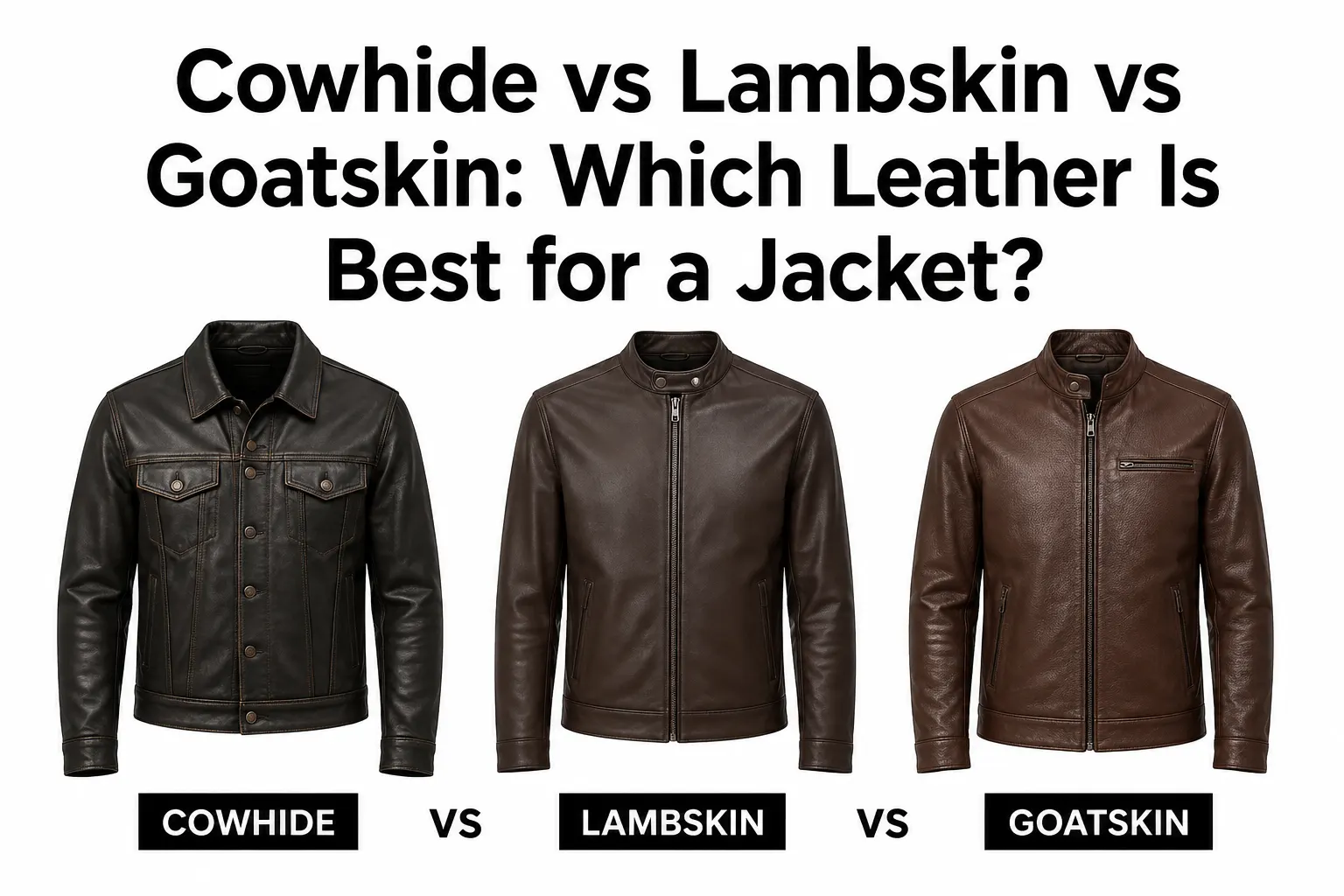
There is no single “best” leather, it depends on how you’ll wear the jacket. Cowhide is the toughest and most weather-resistant choice, built for jackets that need to survive years of hard, daily wear, but it’s heavy and takes the longest to break in. Lambskin is the softest and lightest option, ideal for a refined, comfortable everyday jacket, but it scuffs more easily and isn’t built for rough use. Goatskin sits in between noticeably more durable than lambskin, noticeably lighter than cowhide, naturally water-resistant, and the closest thing to an all-around choice if you only want to own one jacket. If protection and longevity matter most, pick cowhide. If comfort and refinement matter most, pick lambskin. If you want balance, pick goatskin.
That’s the short version. The rest of this guide explains exactly why each leather behaves the way it does, where each one falls apart in real-world use, and how to actually verify what you’re buying before you commit.
What Actually Makes These Leathers Different
The differences start with the animal, not the tannery. A hide’s fiber structure how densely the collagen strands are packed, how long they are, and how they’re layered is set before the leather is ever tanned or dyed. Young sheep produce a thin hide with fine, loosely packed fibers. Adult cattle produce a much thicker hide with dense, longer fibers. Goats fall in the middle, but with an unusually tight, interlocking fiber pattern for their thickness, which is why goatskin often outperforms its weight class. Everything else softness, weight, how it ages, how it holds up to rain follows from this structural starting point.
Cowhide: The Toughest Option
Cowhide comes from mature cattle and is the leather most people picture when they think “leather jacket.” Its fibers are thick and densely packed, which gives it the highest abrasion resistance and tensile strength of the three. This is why cowhide has been the standard choice for motorcycle jackets and military flight jackets for over a century. It’s the leather that survives a fall or years of daily rough use.
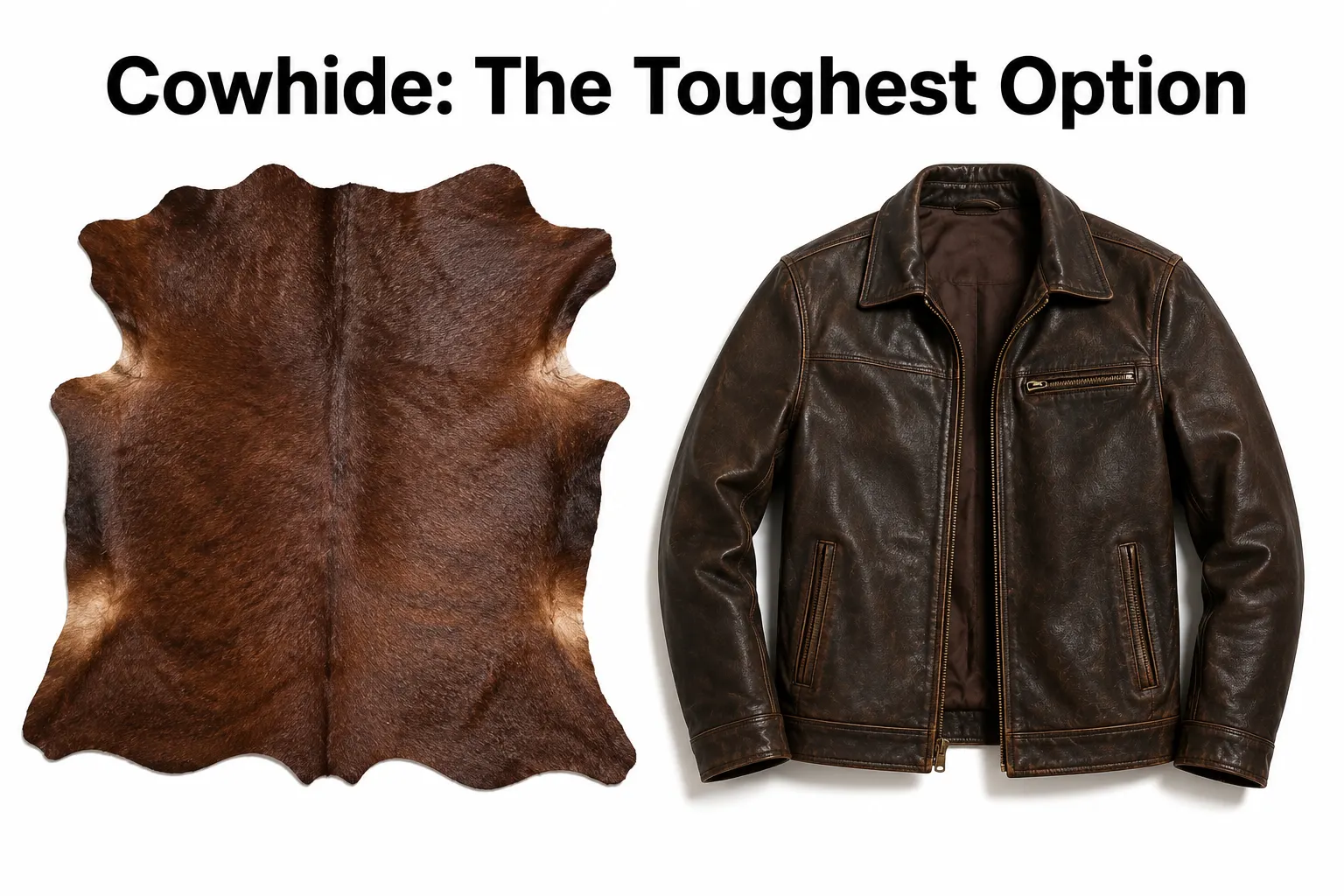
Strengths: Maximum durability, holds its structured shape rather than draping, develops a deep, dramatic patina over years, widely available at the thicknesses needed for real protection.
Trade-offs: Heavier than the alternatives, needs the longest break-in period before it stops feeling stiff, and traps more heat than a thinner hide, which makes it less comfortable in warm weather.
Best for: Riders, buyers who want a jacket that gets better with two decades of hard use, and anyone prioritizing protection over all-day comfort.
Lambskin: The Softest Option
Lambskin comes from young sheep, typically a year old, which produces a thin hide with short, loosely woven fibers and naturally high oil content. That combination is what gives lambskin its signature buttery feel straight off the rack there’s barely a break-in period because the leather is already soft.
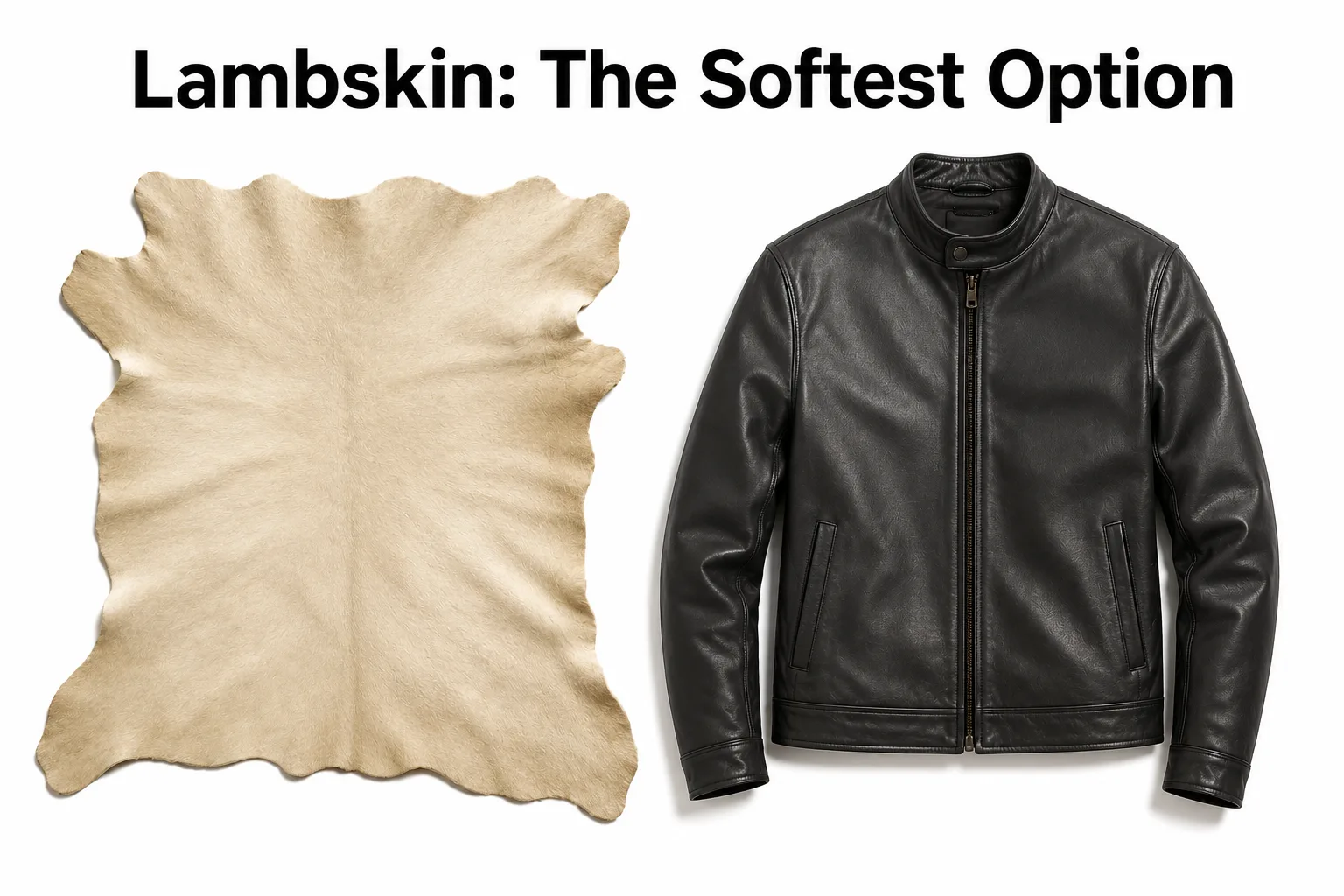
Strengths: The most comfortable drape of any jacket leather, lightest weight for all-day wear, takes dye evenly for rich, consistent color, and feels broken-in from the first wear.
Trade-offs: The thinnest of the three, so it scuffs and scratches more visibly, absorbs moisture faster in the rain, and needs more frequent conditioning to stay supple.
Best for: City wear, smart-casual and evening outfits, and buyers who want the most refined, elegant feel a leather jacket can offer.
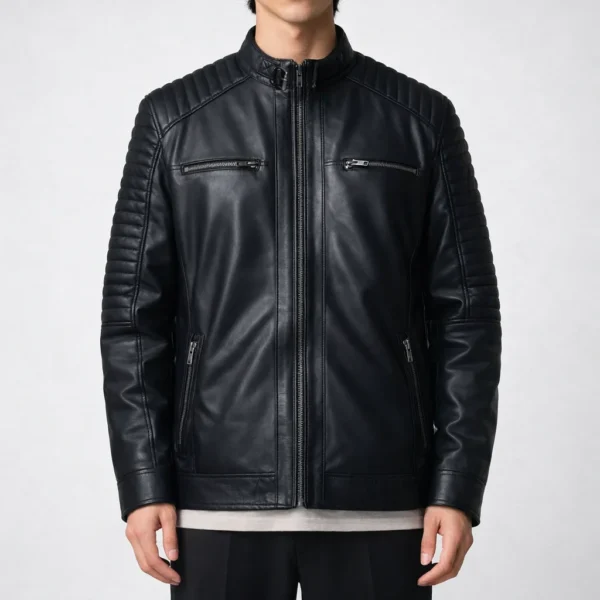


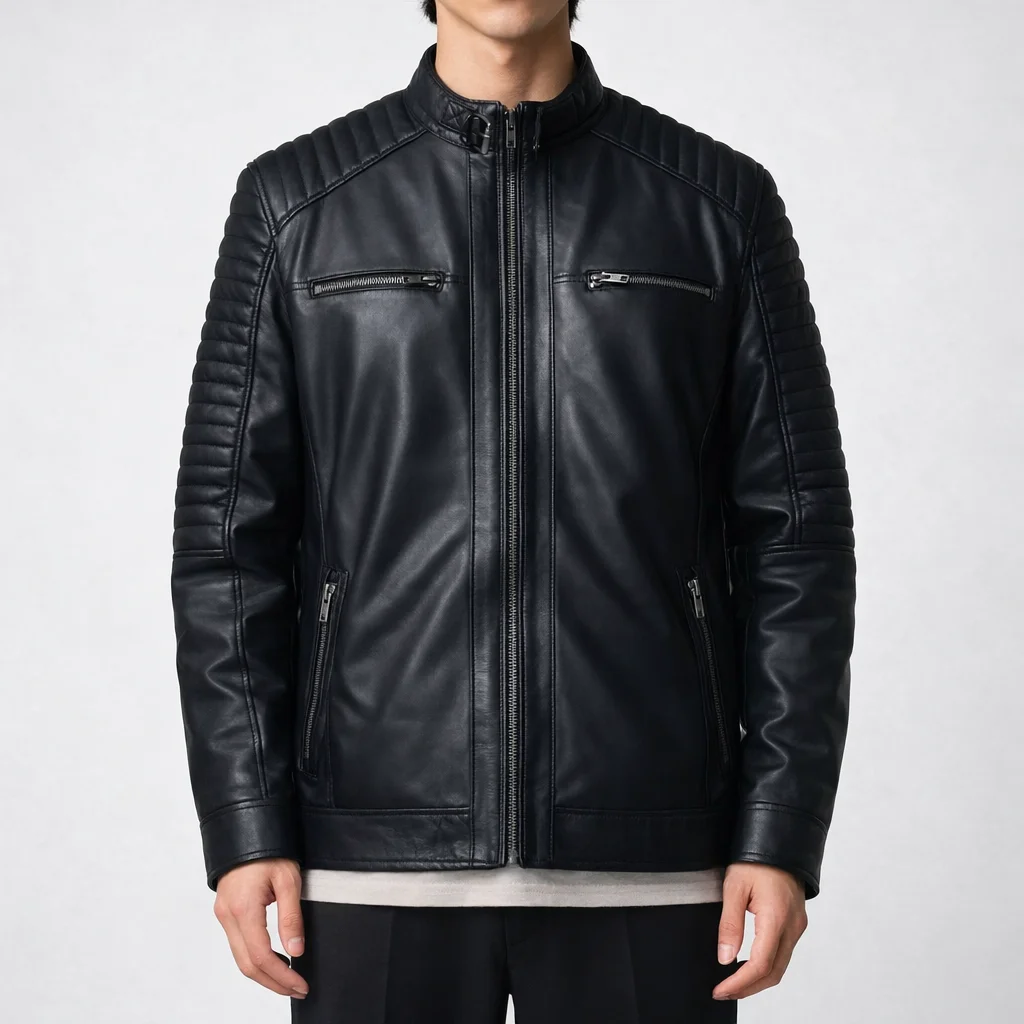
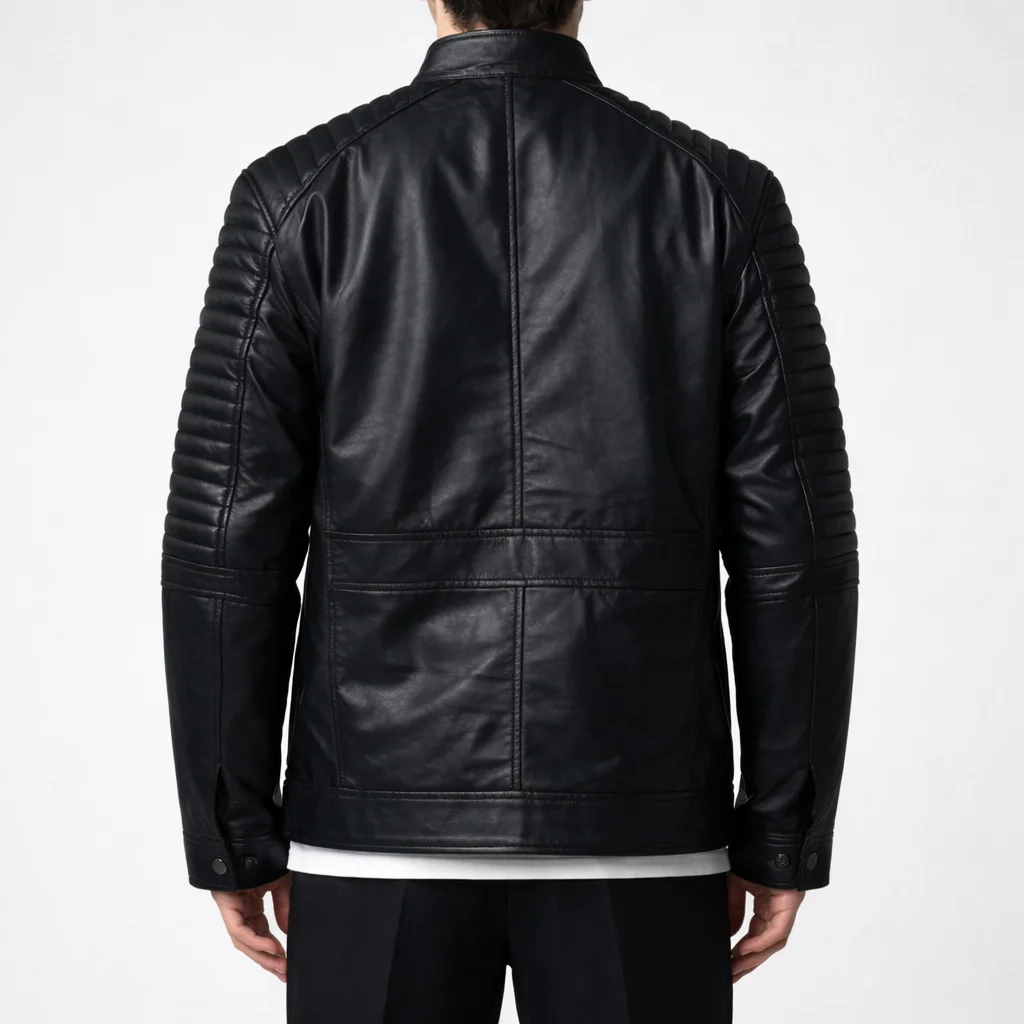
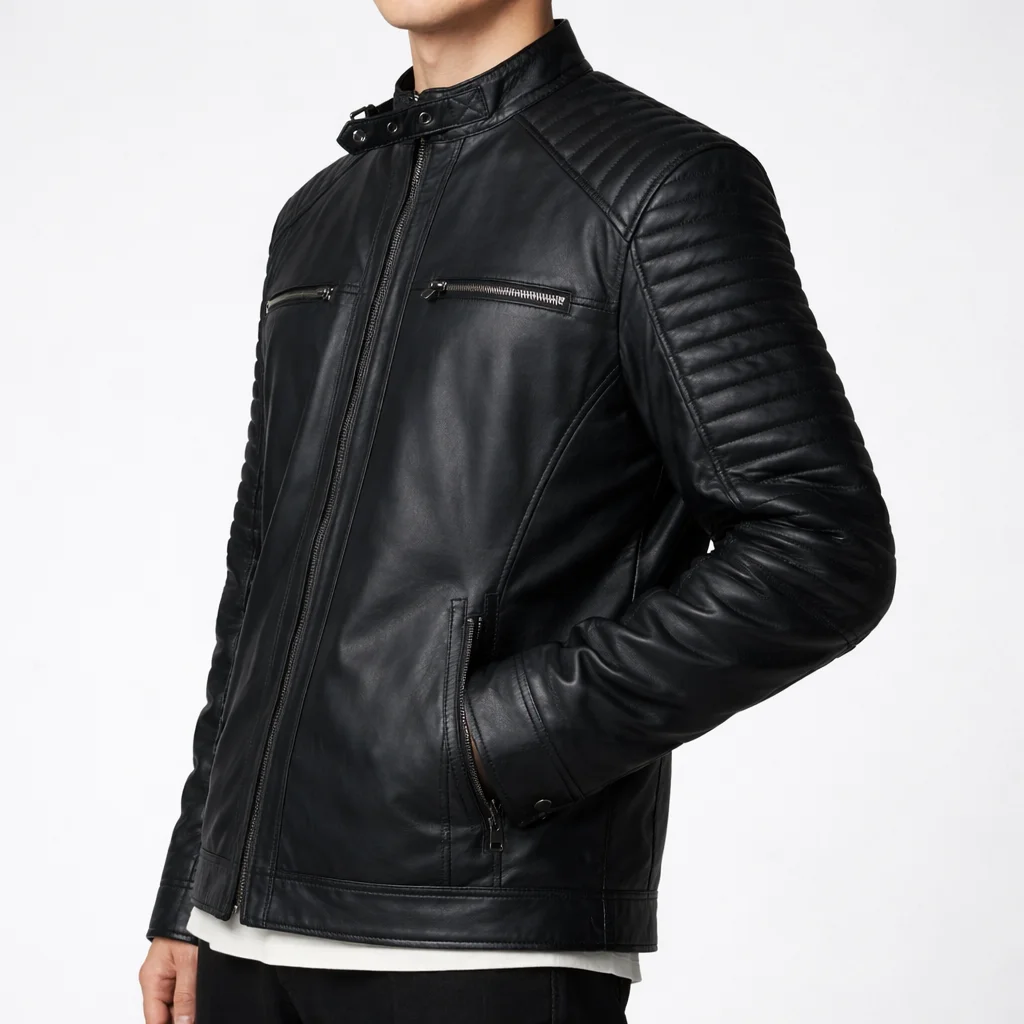
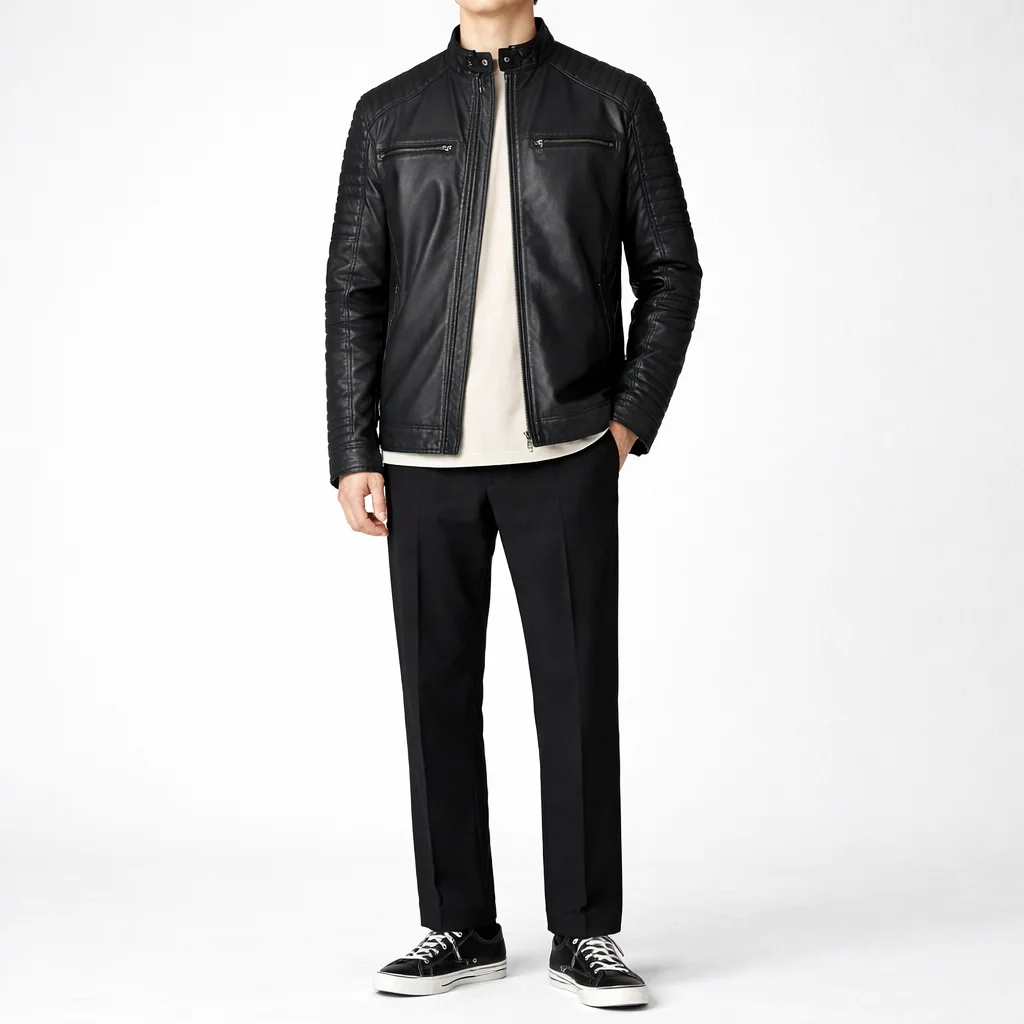
FRANCIS Black Leather Jacket For Men
Goatskin: The Balanced Option
Goatskin is the leather most buyers underestimate. It’s thinner than cowhide but its fibers interlock tightly enough to punch well above its weight in strength and abrasion resistance, which is part of why military aviator jackets historically favored goatskin over cowhide for pilots who needed both protection and mobility in a cramped cockpit.
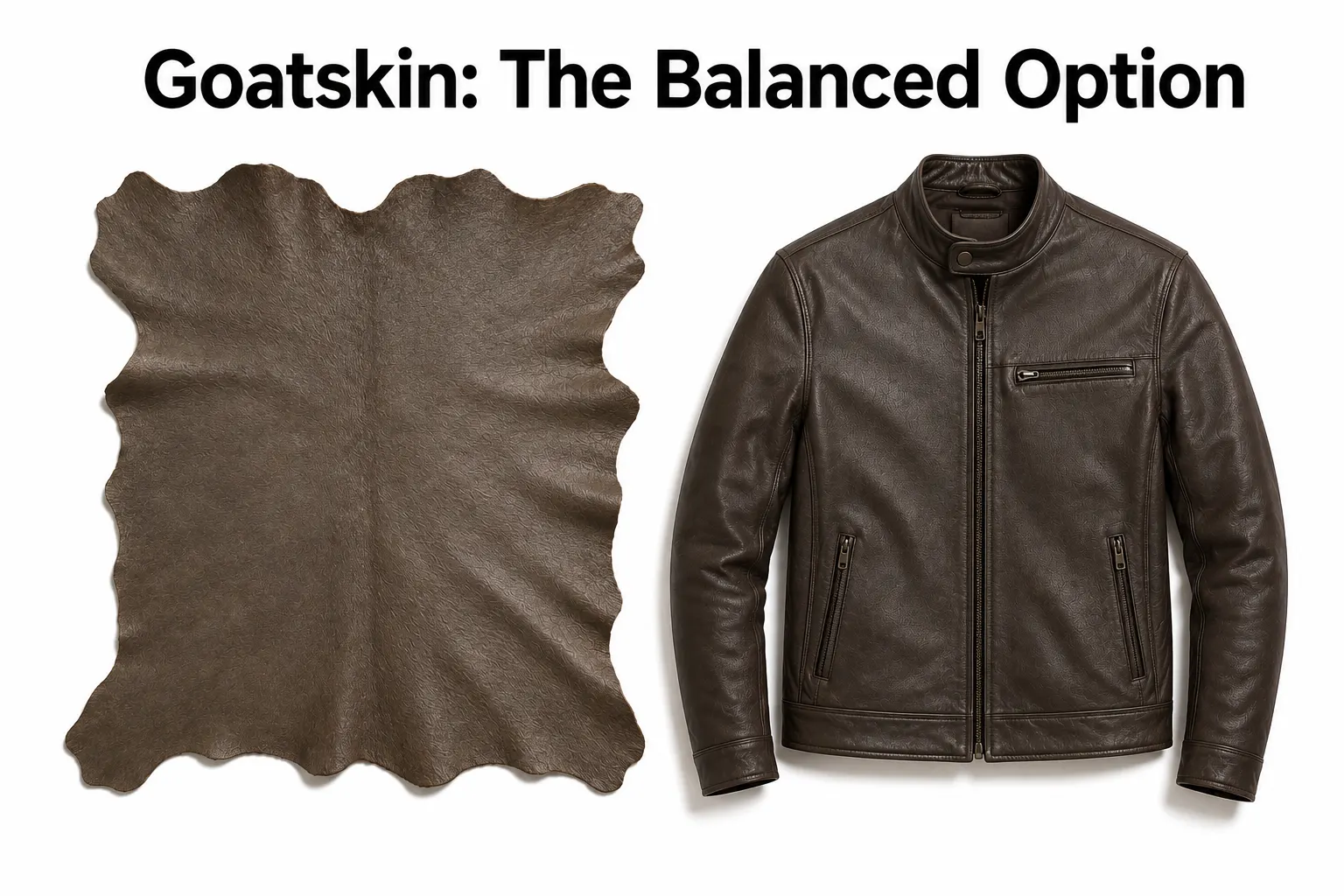
Strengths: A strength-to-weight ratio that beats both alternatives, higher natural water resistance thanks to the goat’s own oils, a distinctive pebbled grain that camouflages minor scuffs, and a shorter break-in period than cowhide.
Trade-offs: Less dramatic patina than cowhide over the long run, and slightly firmer than lambskin if pure softness is the priority.
Best for: Buyers who want one versatile jacket that handles rain, travel, and regular wear without cowhide’s weight or lambskin’s fragility.
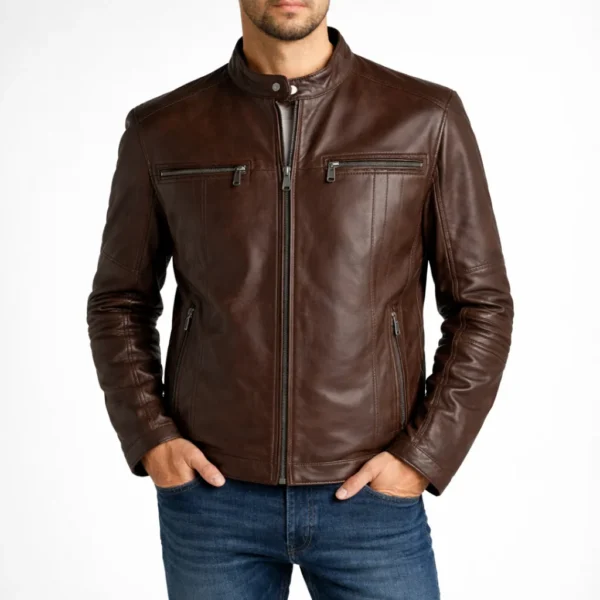


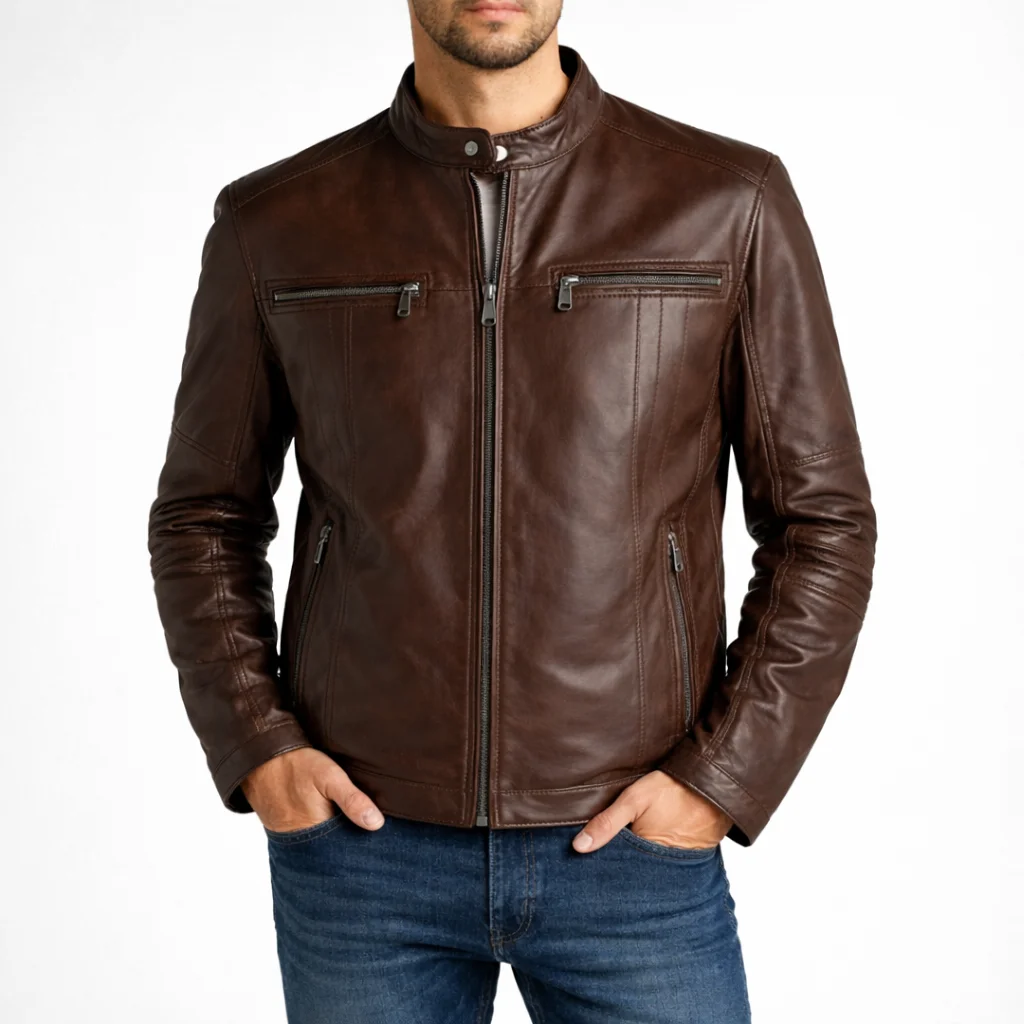
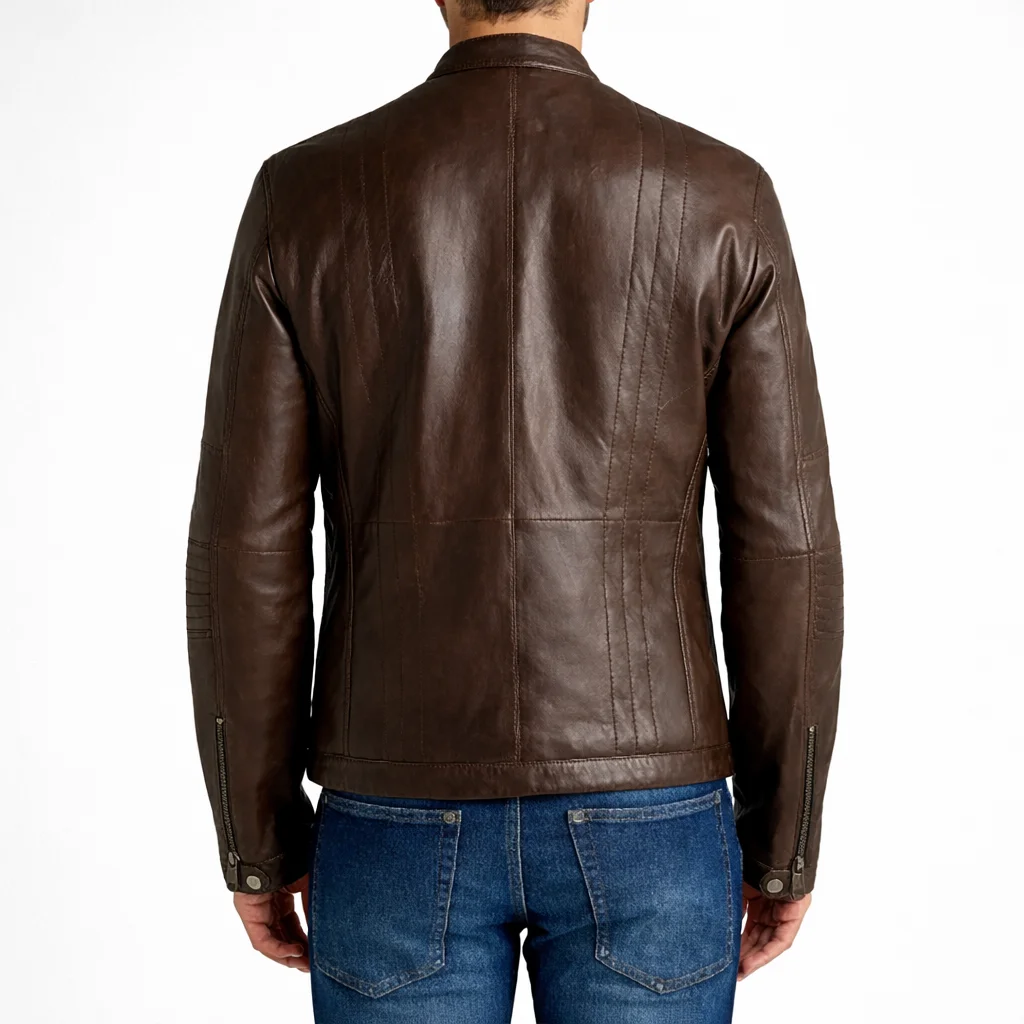
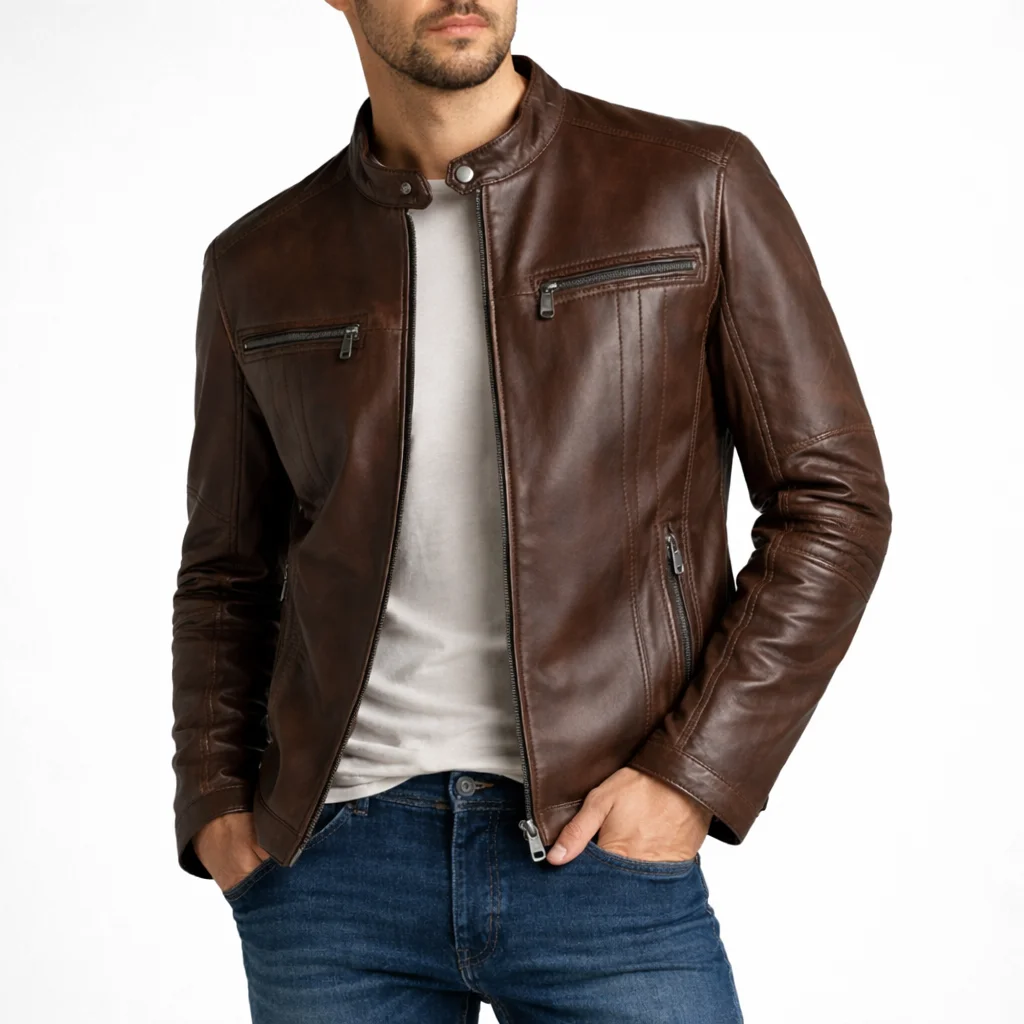
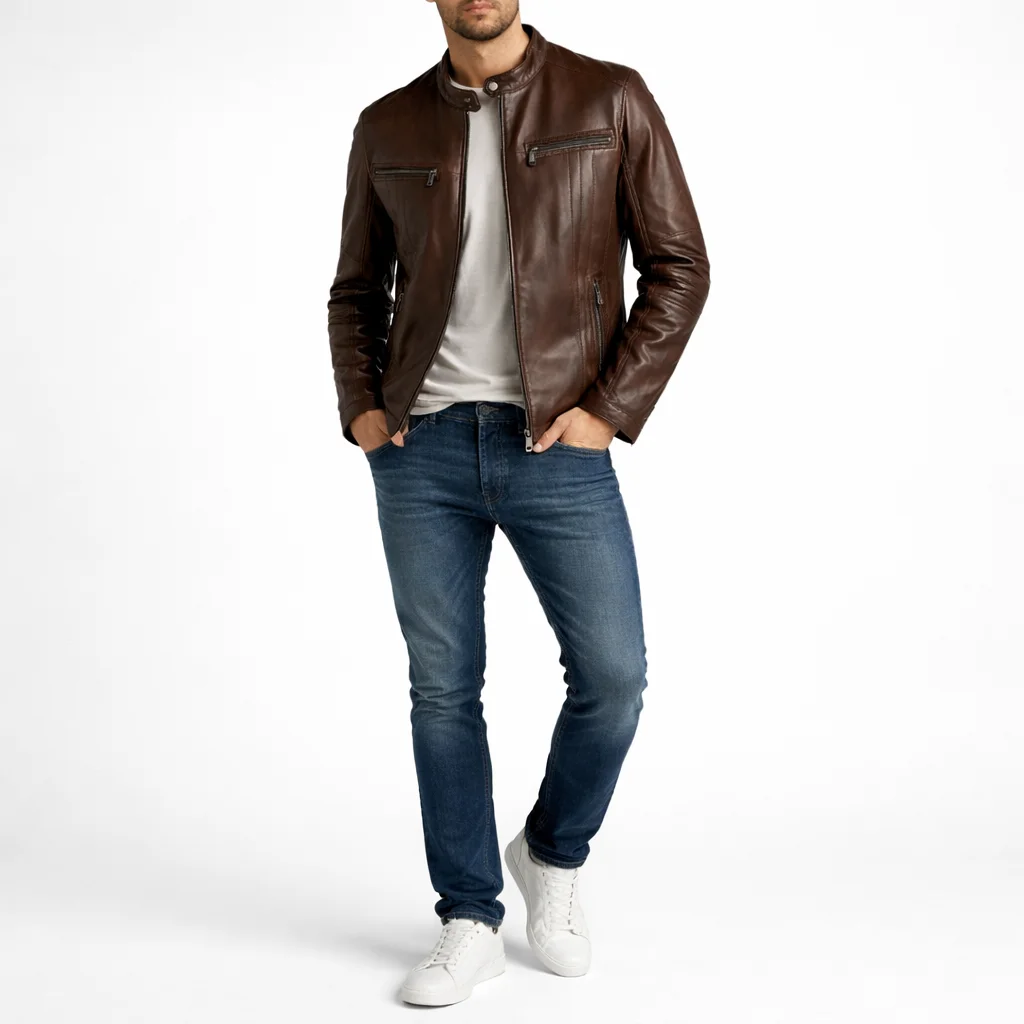
REBEL Dark Brown Leather Jacket For Men
- Outer Shell: Real Leather
- Leather Type: Sheep Nappa
- Inner Shell (Lining): Polyester
- Closure Style: Zipper
- Collar Style: Stand
- Inside Pockets: 2
- Outside Pockets: 4
The Factor That Matters More Than Species: Grain Quality
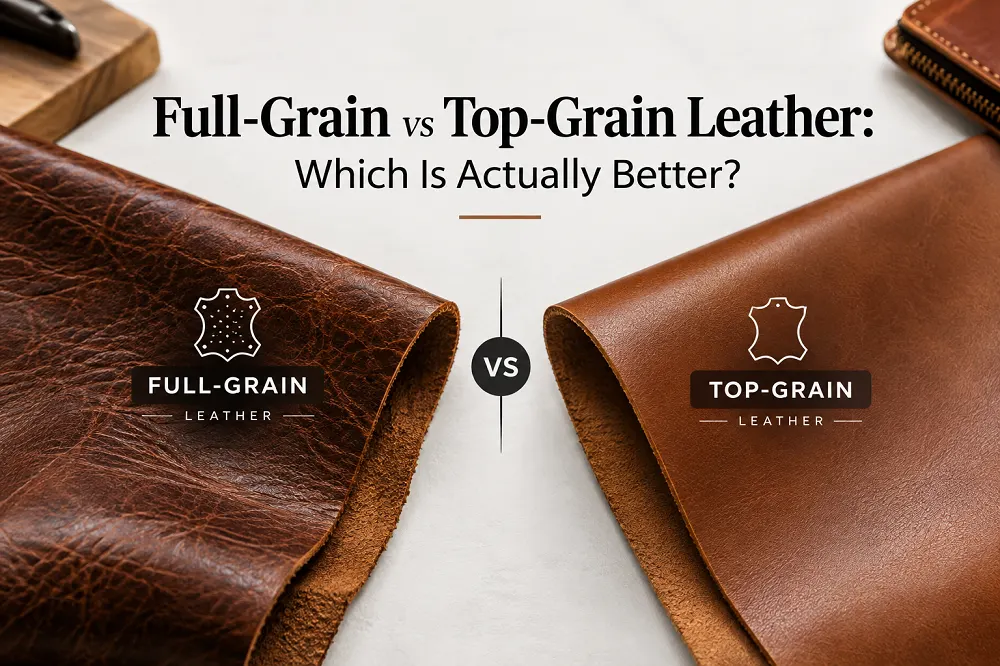
Here’s what most comparisons underplay: the grade of leather often affects durability more than which animal it came from. Full-grain leather keeps the hide’s complete outer layer intact the tightest, strongest part of the skin and it’s available across cowhide, lambskin, and goatskin alike. Corrected-grain or “genuine leather” (a lower grade despite the reassuring name) has had the surface sanded down to hide imperfections, which strips away the strongest fiber layer in the process. A full-grain lambskin jacket will often outlast a corrected-grain cowhide jacket, even though cowhide is the tougher species on paper. Grade first, species second is the more useful buying rule.
Side-by-Side Comparison
| Property | Cowhide | Lambskin | Goatskin |
|---|---|---|---|
| Typical thickness | 1.0–1.4 mm | 0.5–0.8 mm | 0.6–1.0 mm |
| Weight | Heaviest | Lightest | Medium |
| Softness on day one | Firm, needs breaking in | Softest, minimal break-in | Moderate, short break-in |
| Abrasion resistance | Highest | Lowest | Good, close to cowhide by weight |
| Water resistance | Moderate | Lowest | Highest (natural oils) |
| Breathability | Lower | Highest | Good |
| Patina over time | Deep and dramatic | Subtle, stays refined | Moderate, grain stays visible |
| Typical lifespan (cared for) | 15–50 years | 10–25 years | 10–30 years |
| Conditioning needed | Every 4–6 months | Every 3–4 months | Every 6–9 months |
| Best for | Motorcycle, workwear, heritage pieces | Fashion, city wear, everyday comfort | Travel, variable weather, all-around use |
How to Verify What You’re Actually Buying
Leather labeling is loosely regulated, and “genuine leather” tags mislead more buyers than they help. A few practical checks before you commit:
- Ask for the grain grade, not just the species. “Full-grain goatskin” tells you far more than “goatskin” alone.
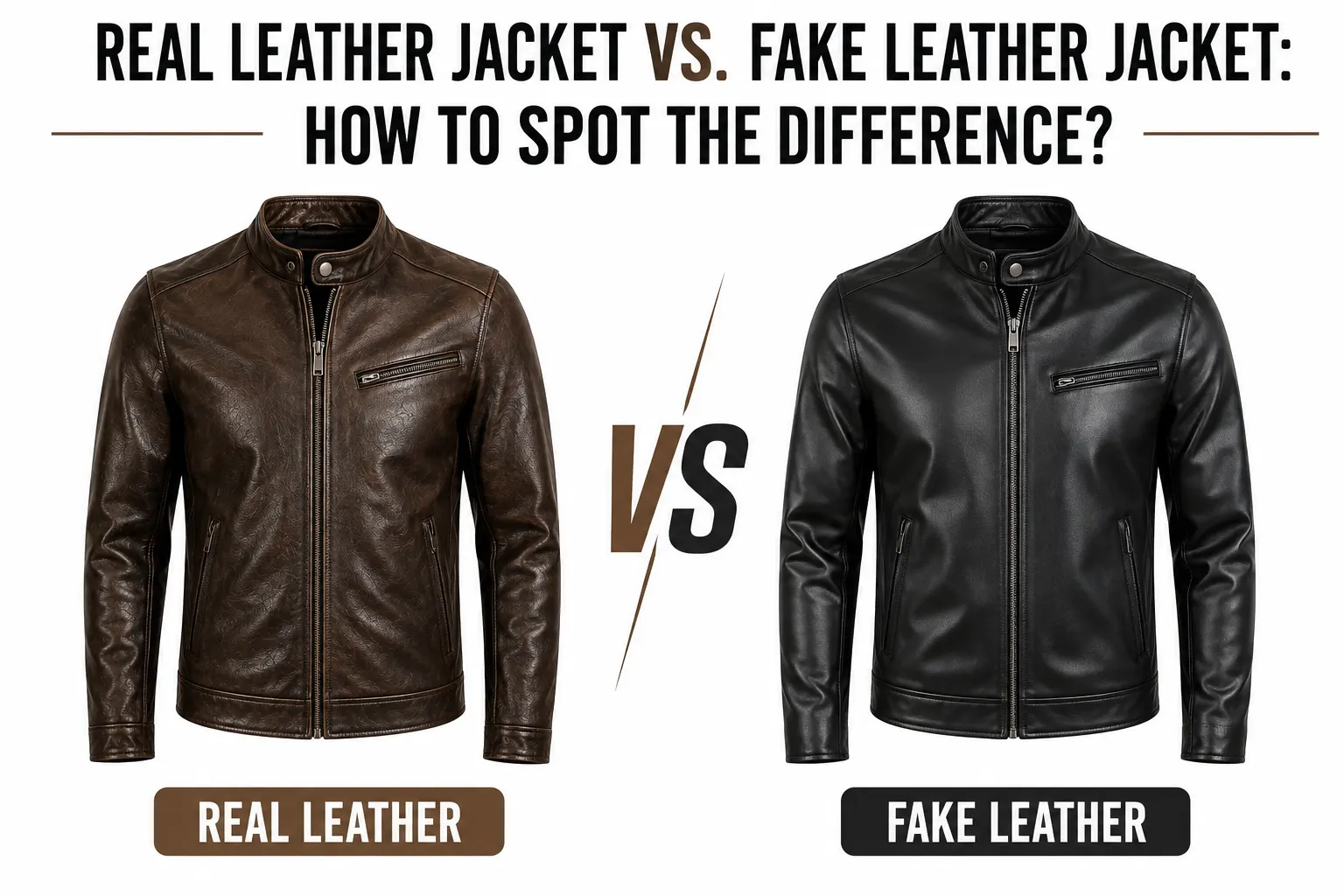
- Check the smell and feel. Real leather has a distinct, faintly earthy smell and slight natural imperfections in the grain; a suspiciously uniform, plasticky surface is a red flag for corrected-grain or bonded leather.
- Request a sample where possible. Reputable jacket makers, including LAMMBERG, will send a physical leather swatch before you commit to a full jacket, which is the fastest way to confirm thickness and hand-feel in person.
- Compare the price to the material. A cowhide jacket priced like fashion lambskin, or a “lambskin” jacket priced like budget corrected-grain, is worth double-checking before buying.
Which Leather Should You Actually Choose?
- Choose cowhide if you want a jacket built to survive decades of rough, daily use and don’t mind extra weight and a longer break-in.
- Choose lambskin if comfort and refinement matter more than raw toughness, and you’re wearing the jacket for city life rather than punishment.
- Choose goatskin if you want one jacket that handles unpredictable weather and regular wear without the extremes of the other two a strong all-rounder for travel and daily rotation.
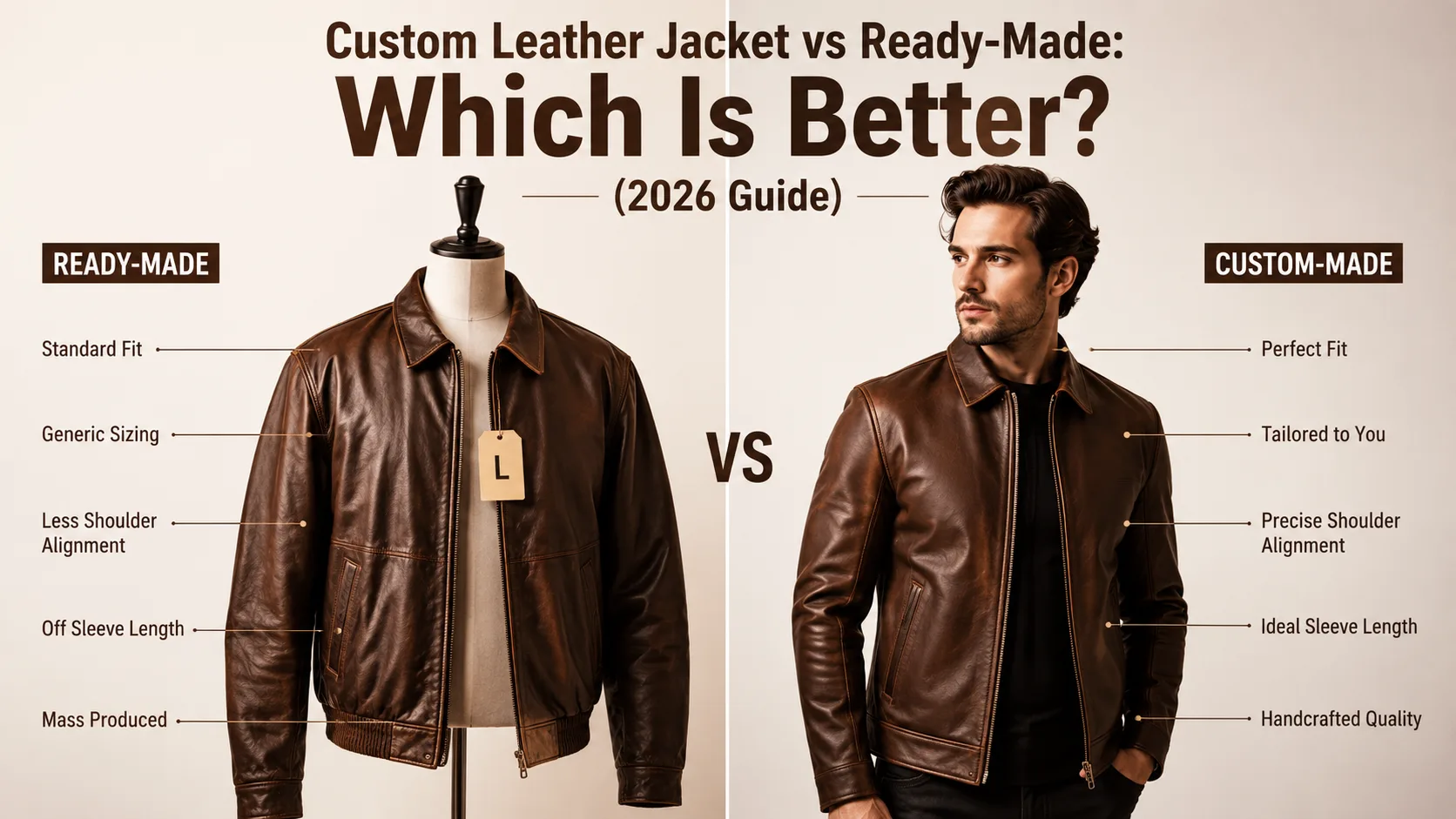
If you’re not sure which fits your lifestyle, comparing options at a set budget is often a faster way to decide than comparing materials in the abstract. And if none of the standard cuts feel right, LAMMBERG’s bespoke service lets you choose the exact hide sheep, goat, or cow for a jacket built to your measurements rather than picking the closest ready-made size.
Caring for Each Leather Type
- Cowhide: Condition every 4–6 months, wipe down regularly, and let it dry naturally if caught in rain — never use direct heat.
- Lambskin: Condition every 3–4 months since it dries out fastest, and use a leather protector spray before wearing it in unpredictable weather.
- Goatskin: The lowest maintenance of the three thanks to natural oils, but still needs conditioning every 6–9 months to stay supple long-term.
Whatever the leather, use a padded hanger rather than a hook, store it away from direct sunlight and heat sources, and avoid folding; creases in leather don’t fully release the way they do in fabric.
Frequently Asked Questions
Is goatskin better than cowhide?
Not universally better goatskin is lighter and more water-resistant, while cowhide has higher raw abrasion resistance at full thickness. Goatskin wins for versatility and comfort; cowhide wins for maximum protection and long-term toughness.
Which leather is best for a first leather jacket?
Goatskin is a practical first choice because it balances durability and comfort without the heavy break-in of cowhide or the delicacy of lambskin. If comfort and style matter more than durability, lambskin is a strong first pick too.
Is lambskin real leather?
Yes. Lambskin is genuine leather tanned from a young sheep’s hide it’s simply thinner and softer than cowhide or goatskin, not a synthetic or lower-grade material.
Does full-grain leather matter more than the type of animal?
Often, yes. A full-grain jacket in any of the three species will typically outlast a corrected-grain or “genuine leather” (lower-grade) jacket in a supposedly tougher species. Always check the grain grade alongside the animal source.
Can any of these leathers be worn in the rain?
All three can handle light rain if air-dried properly afterward, but goatskin naturally resists moisture best. Lambskin is the most vulnerable and benefits from a protector spray before wet-weather wear.
Final Verdict
There’s no single winner between cowhide, lambskin, and goatskin only the right fit for how you’ll actually wear the jacket. Cowhide rewards patience and hard use with a jacket that can outlive its owner. Lambskin rewards comfort-first buyers with a piece that feels finished from day one. Goatskin quietly does both jobs reasonably well, which is why it’s often the smartest single-jacket choice for someone who doesn’t want to overthink it. Whichever you land on, prioritize full-grain quality over the species label alone browse Lammberg’s full leather jacket collection across all three hide types, or check a sizing guide and measurement guide before ordering to make sure the fit matches the material you’ve chosen.
Related Articles
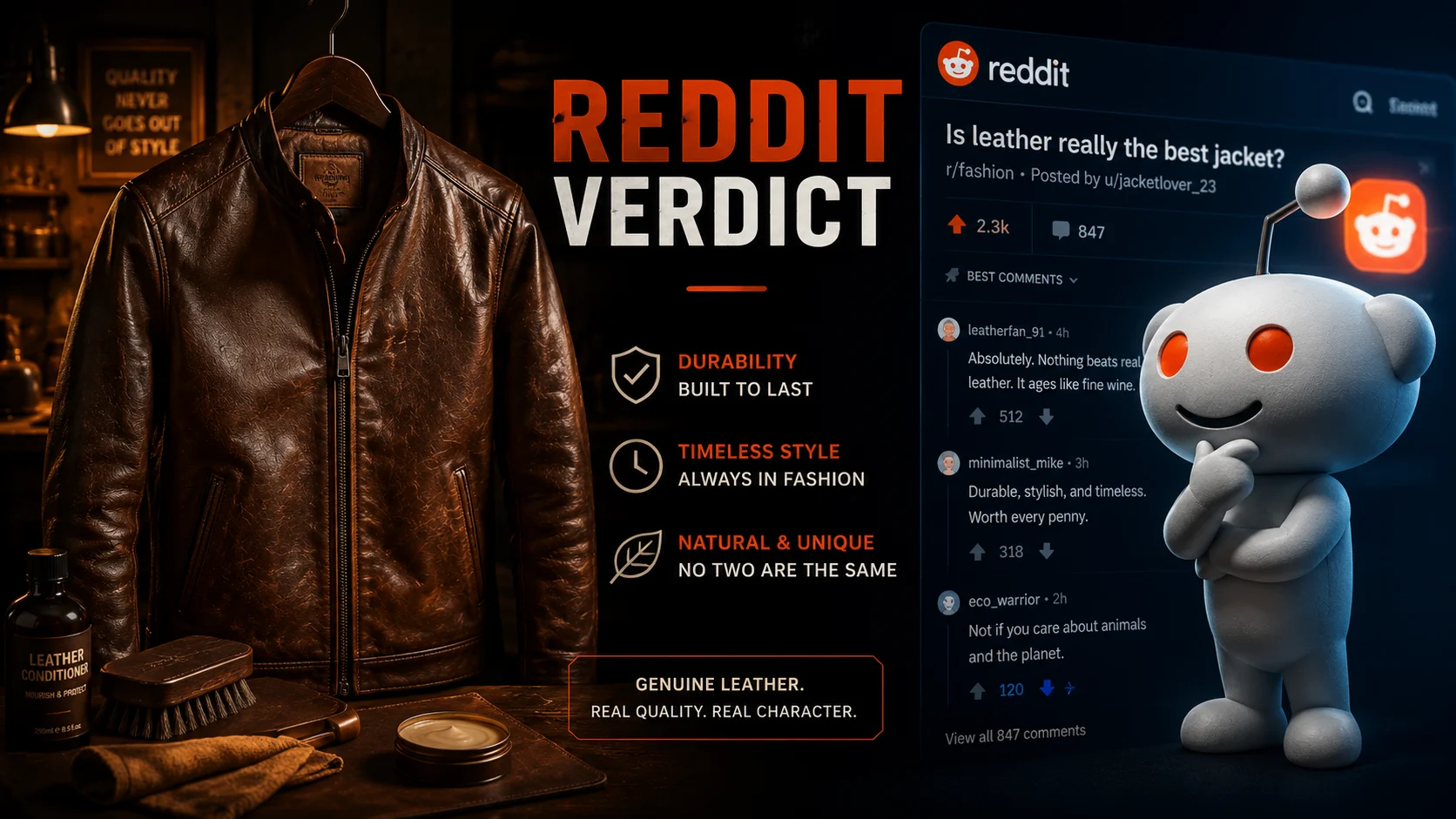
Is Leather Really the Best Jacket? What Reddit Users Actually Say
Do Police Officers Still Wear Leather Jackets? The Truth Will Surprise You
Vintage Brown Leather Jackets Are Trending in 2026
Leather Jacket Too Tight? Here’s Exactly What to Do (2026 Complete Guide)
How to Wash a Suede Jacket Without Damaging It: Expert Cleaning Guide
Best Leather Jackets Under $300 in 2026: 8 Genuine Picks That Don’t Feel Like a Compromise
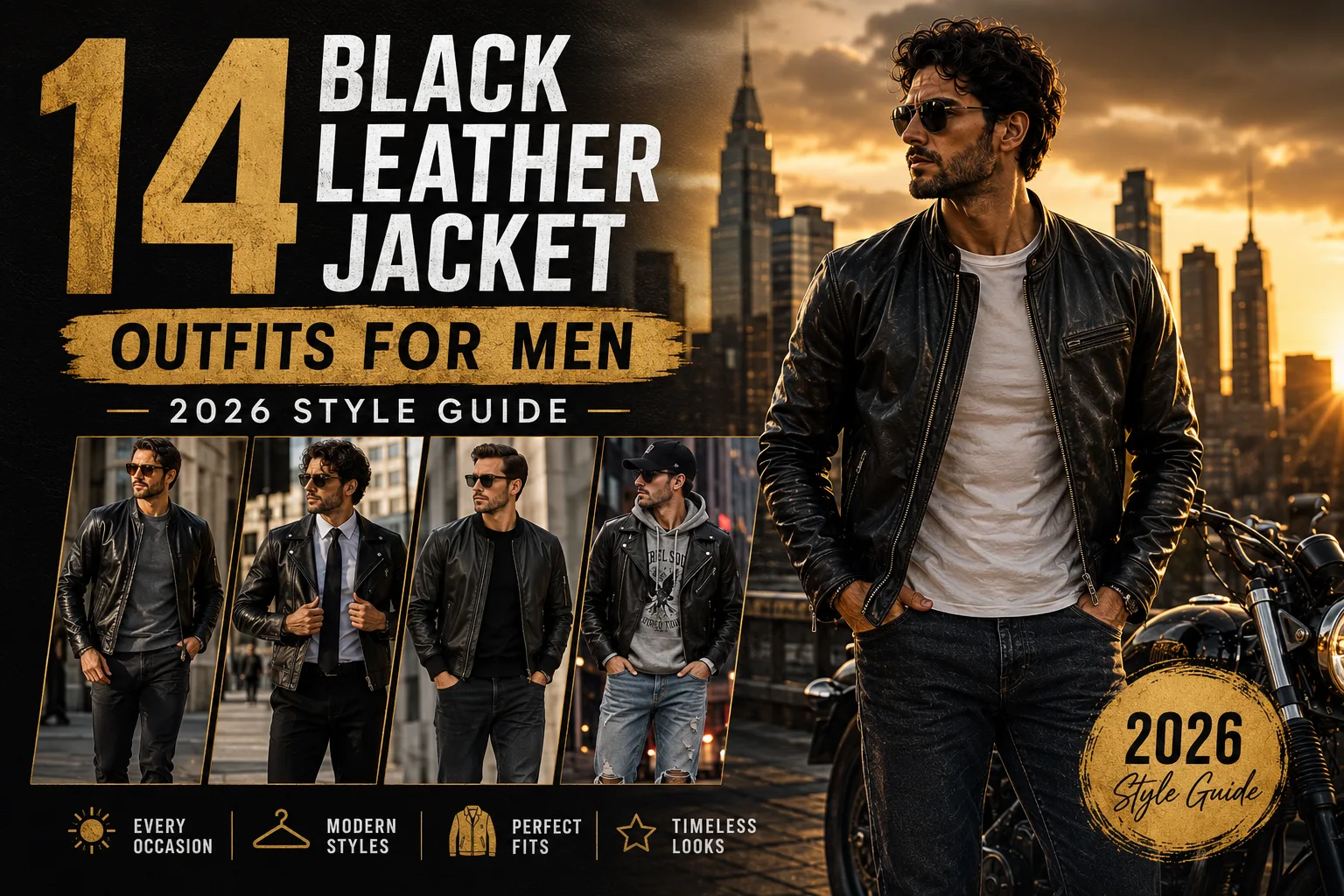
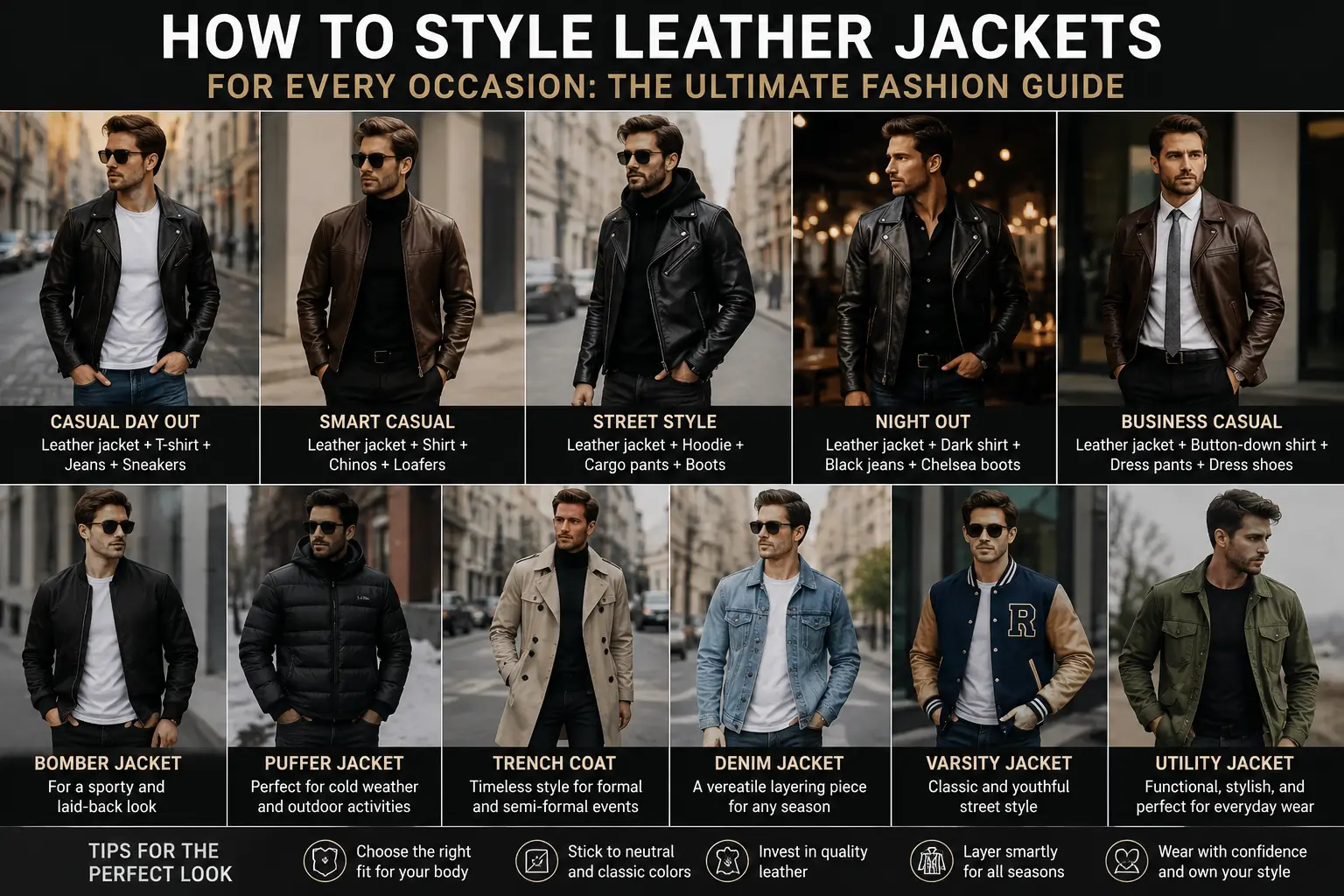
The Professional’s Guide to Styling Leather Jackets 2026: Timeless Outfit Ideas
Full-Grain vs Top-Grain Leather: Which Is Actually Better?
PU Leather vs Genuine Leather – The Truth Most Sellers Won’t Tell You
The Incredible Story of Leather: 7,000 Years of History That Changed Fashion Forever
Don’t Buy a Leather Jacket Until You Read These 7 Expert Tips
15 Leather Jacket Myths That Are Costing You Money (Fact #7 Surprises Everyone)
Real vs Fake Leather Jackets: 10 Easy Ways to Spot the Difference in Seconds
What Makes a Premium Leather Jacket So Expensive? The Craftsmanship Explained
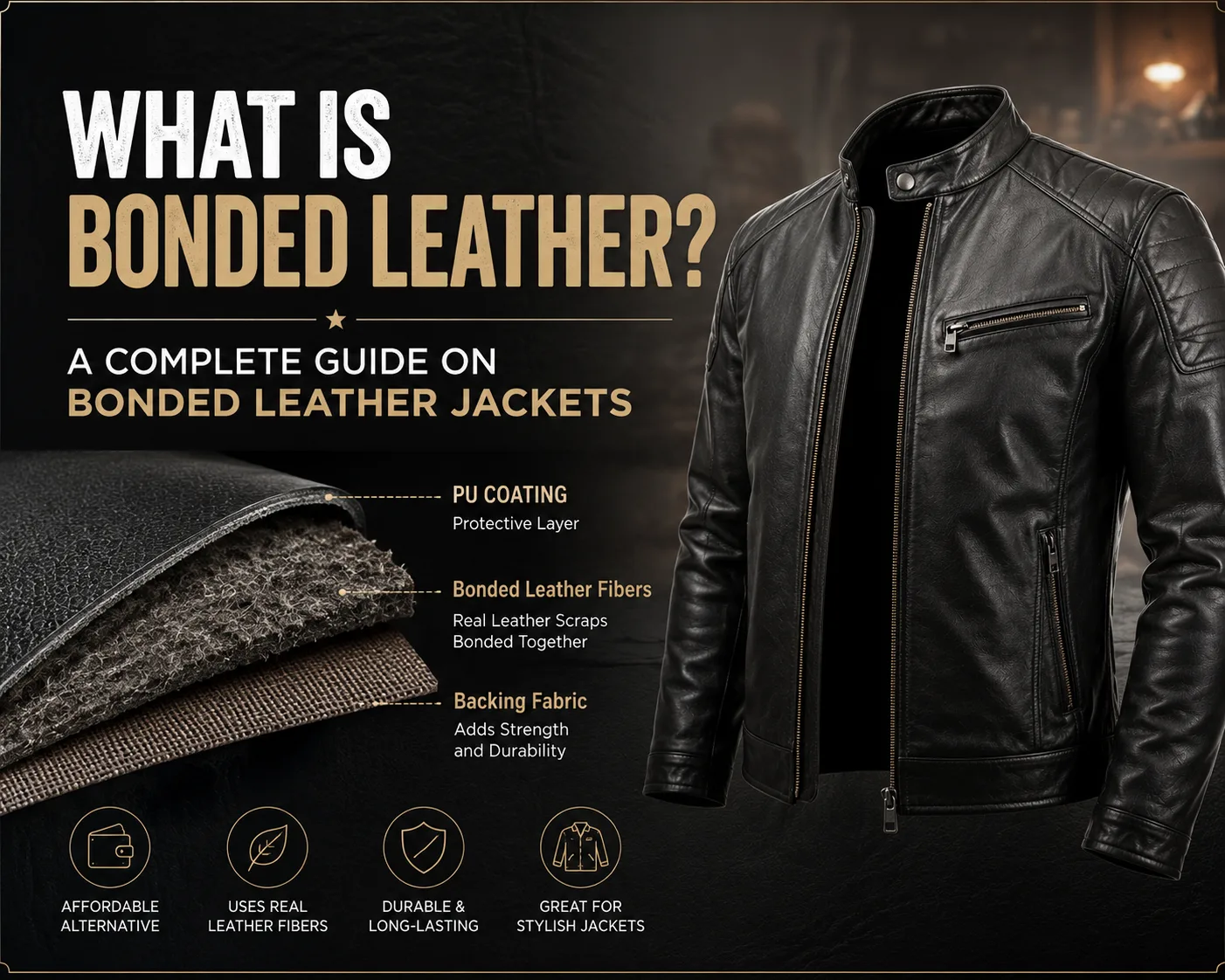
Never Buy Bonded Leather Until You Read This Complete Guide
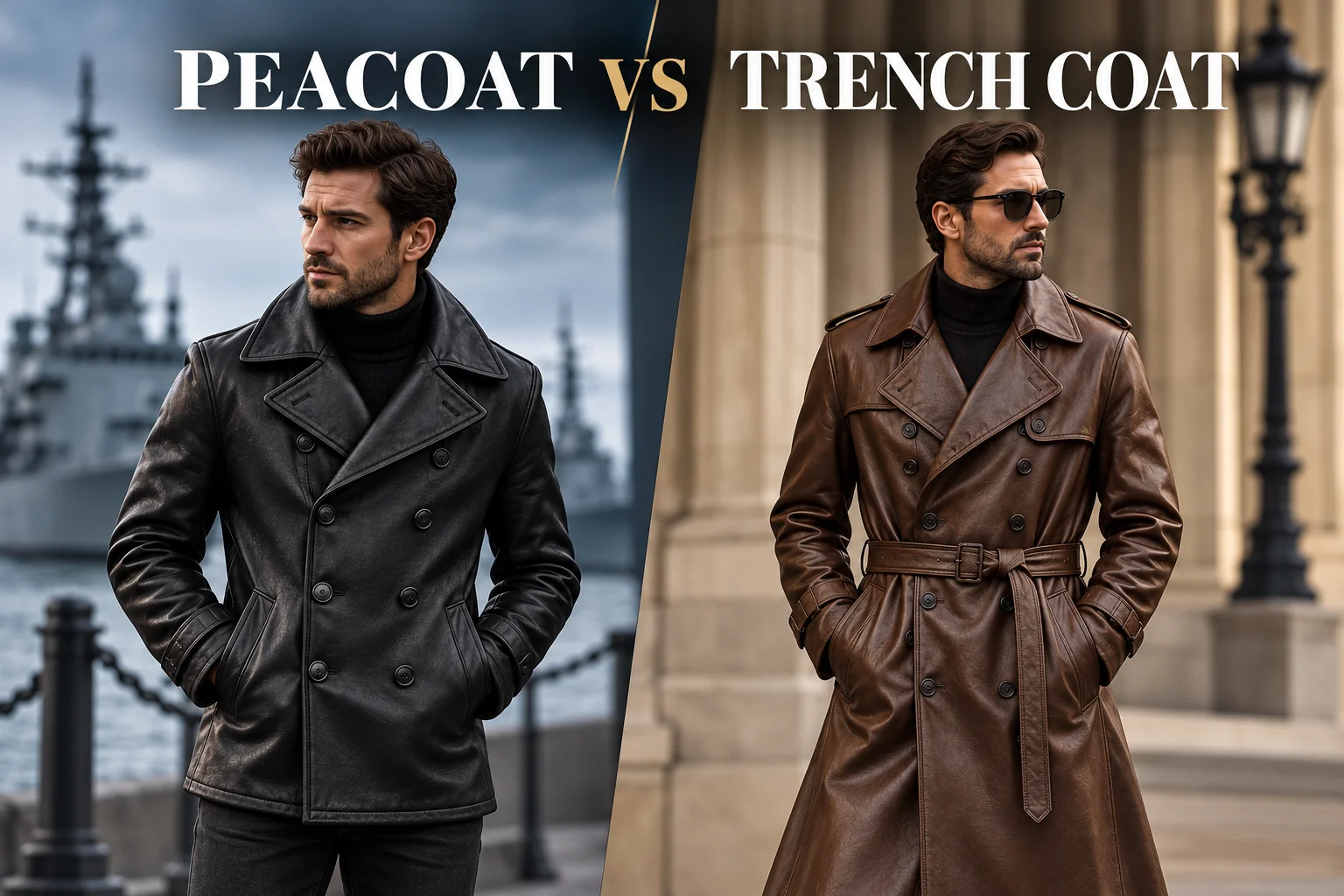
Peacoat vs Trench Coat: Which One Makes You Look Better?
11 Men’s Leather Jacket Trends That Will Dominate Fashion in 2025
How to Remove Bad Smells from a Leather Jacket (Without Damaging It)
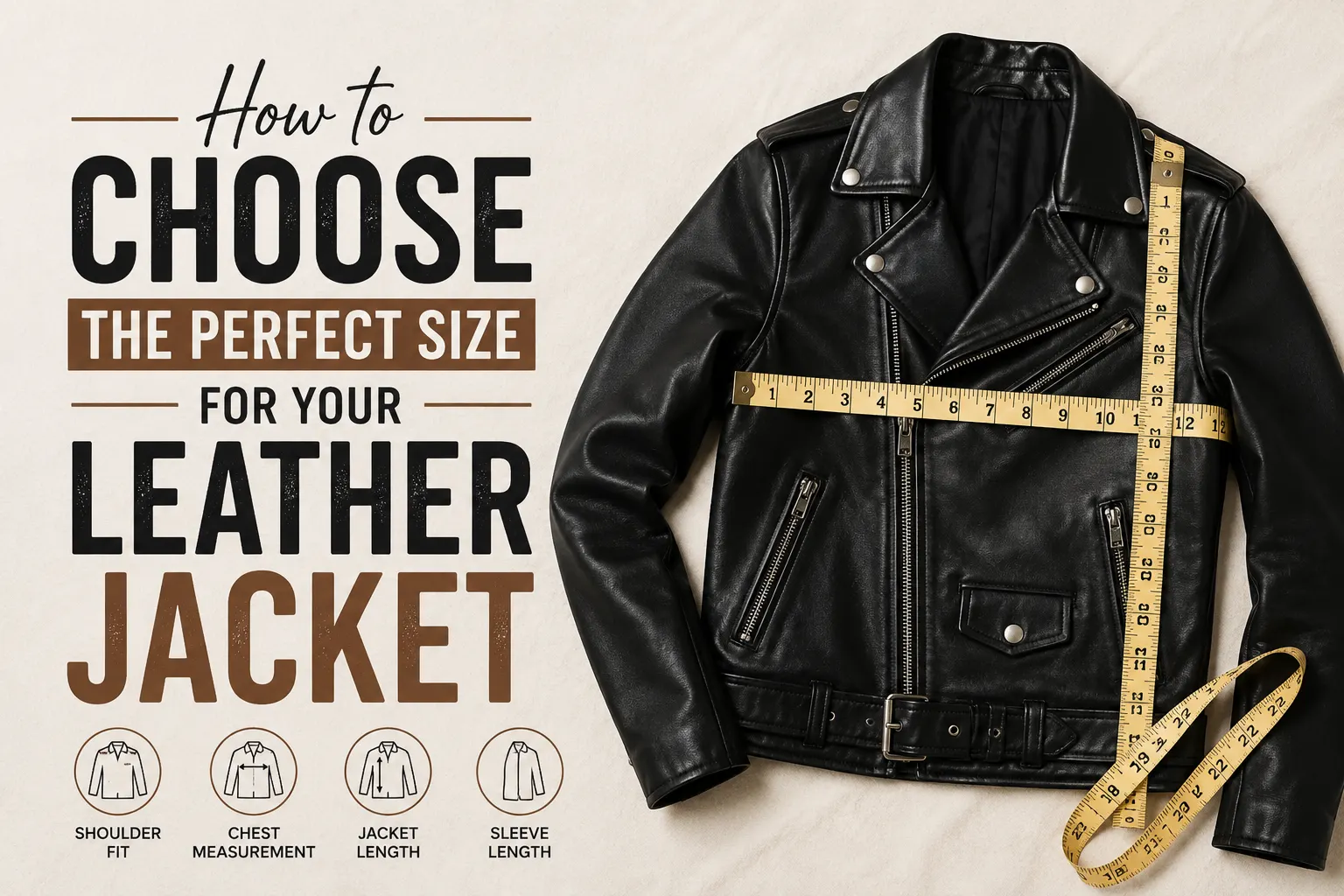
The Ultimate Leather Jacket Size Guide: Get the Perfect Fit Every Time
How to Measure Yourself Correctly Before Buying a Leather Jacket Online
Top Women’s Leather Coat Trends Everyone Will Be Wearing in 2026
10 Men’s Leather Coats That Make You Look Rich in 2026
The Only Jacket Guide You’ll Ever Need for Every Season
Top 10 Genuine Leather Jackets in the USA (Ranked by Experts)
Best Lightweight Packable Puffer Jackets That Travelers Swear By
How Fashion Experts Style Leather Jackets in 2026 (Copy These Looks)
How to Wear a Men’s Leather Jacket Without Looking Outdated
How to Remove Wrinkles from a Leather Jacket Without Ruining It
10 Leather Jacket Outfit Ideas That Make Every Woman Look Stylish Instantly
How to Remove Mold from a Leather Jacket Before It Gets Worse
The Hidden World of Leather Clusters: How the Global Leather Industry Really Works
Can You Wash a Leather Jacket in a Washing Machine? The Answer May Surprise You
25 Best Leather Coats to Buy in 2026 (Expert Picks)
The 25 Best Leather Jackets of 2026 You Won’t Regret Buying
5 Types of Leather Jackets Every Stylish Man & Woman Should Own
The Untold History of Leather Jackets: From War Heroes to Hollywood Legends
10 Leather Blazer Office Outfits Every Working Woman Should Copy in 2026
10 Leather Blazer Office Looks That Instantly Upgrade Your Style
How to Remove Cigarette Smell & Mildew from Leather Jackets Fast (Pro Methods)


















What Is Corinthian Leather? History, Meaning, Uses, and Care
Different Types of Lining Materials Used for Jackets