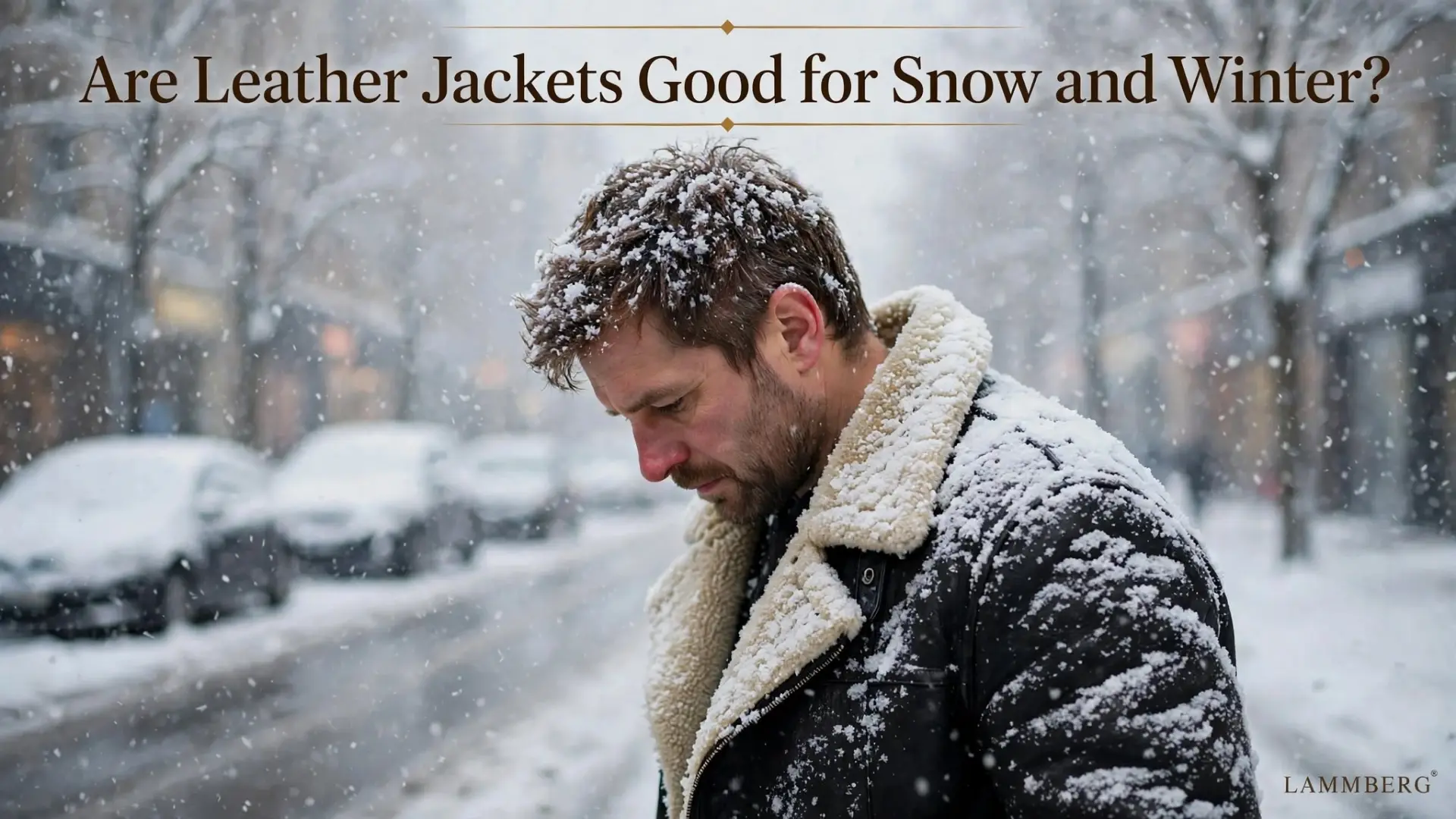
Leather jackets can be good for snow and winter, but it depends on the jacket. A heavyweight or shearling-lined leather jacket can handle cold, dry days and light snow reasonably well when worn with the right layers. A thin, unlined lambskin jacket will not. Warmth and snow performance depend on the leather type and thickness, the lining and insulation, how well the jacket blocks wind, how wet the snow is, the temperature, and how long you stay outside.
This guide covers each of those factors, along with layering, water resistance, care, and how leather compares with puffers and wool coats.
Are Leather Jackets Good for Snow?
Short answer: Many leather jackets can handle light, dry snow without trouble, especially if they are treated and insulated. Prolonged exposure to wet snow is harder on leather, and few leather jackets are designed for heavy, sustained snowfall.
Leather is a dense material that can block wind well, which helps in cold weather. Snow itself is less of a problem than what happens when it melts. Here is how different conditions play out:
- Light, dry snow: Flakes usually sit on the surface and can be brushed off. A treated smooth leather jacket can cope well.
- Wet snow: Wet snow melts on contact and can soak into the leather. Untreated leather may darken, and repeated soaking can leave it stiff or stained.
- Prolonged snow exposure: Standing or walking in snow for hours gives moisture time to work into seams, collars, and cuffs. Most leather jackets are not built for this.
- Freezing temperatures and wind: Leather’s wind resistance can help, but warmth comes mainly from the lining, insulation, and your layers rather than the leather shell alone.
Being suitable for snow does not mean being waterproof. A leather jacket can work in snowy weather without being waterproof, as long as exposure is reasonable and the jacket is cared for properly afterward.
Are Leather Jackets Warm Enough for Winter?
Leather jackets vary considerably in warmth. The outer shell can block wind, but the lining, insulation, construction, and fit determine how well the jacket retains heat.
Lightweight Leather Jackets
Thin, unlined lambskin or goatskin jackets, such as some classic bomber and café racer styles, are generally made for mild weather. They work well in cool autumn or early spring conditions, or in colder weather when worn with substantial layers underneath. On their own, they are usually not enough for a cold winter day.
Midweight Leather Jackets
Midweight jackets, often made from cowhide or sturdier goatskin with a light lining, suit chilly days. Add a sweater and they can work for cold, dry winter weather. They are a practical option for commuting or shorter periods outdoors, depending on the temperature and wind.
Heavyweight Leather Jackets
Thicker cowhide or buffalo leather jackets with a full lining can block wind well and provide a substantial outer layer. They are heavier and stiffer, but leather thickness alone does not determine warmth. A heavyweight jacket with a thin lining may still need several layers in genuinely cold weather.
Shearling-Lined Leather Jackets
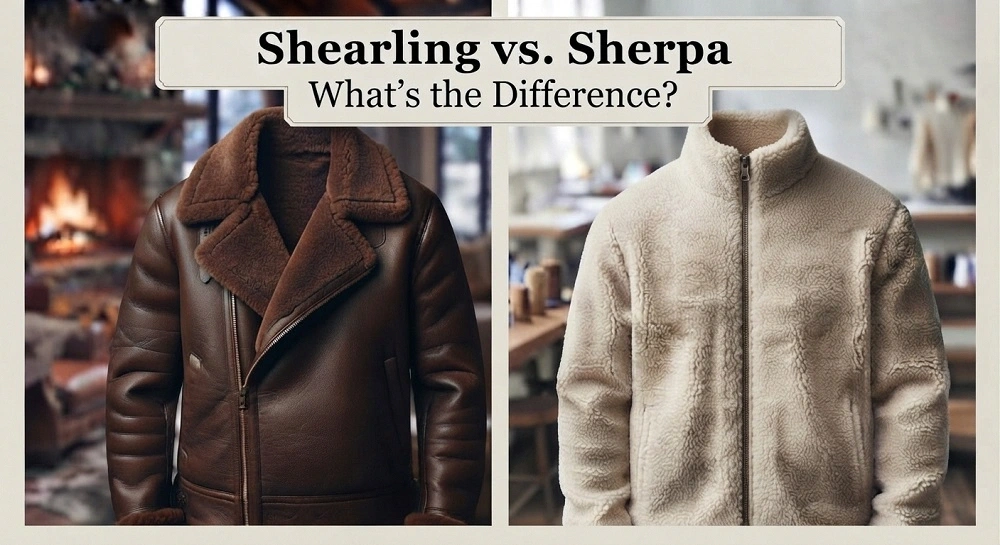
Shearling is sheepskin with the wool left on, providing natural insulation by trapping warm air. A shearling-lined or sheepskin jacket is among the warmest types of leather jackets and is well suited to cold winter conditions, including freezing temperatures when combined with appropriate layers and accessories.
| Type | Best for | Limitation |
|---|---|---|
| Lightweight, unlined | Cool, mild weather | Little insulation |
| Midweight, lightly lined | Chilly, dry days with layers | Limited in prolonged cold |
| Heavyweight, lined | Cold, windy days | Heavy; warmth depends on lining |
| Shearling-lined | Cold winter, freezing conditions | Bulkier; needs careful moisture care |
What Makes a Leather Jacket Warm?
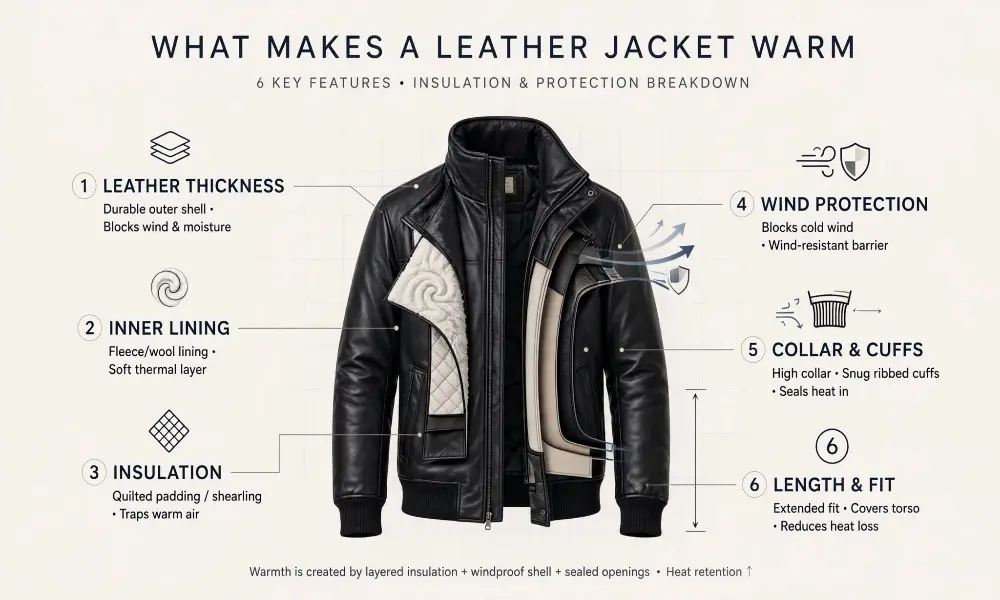
A leather jacket has two main parts: the leather outer shell and the insulation system inside it. The leather can help block wind, while the lining, insulation, and your layers help retain body heat. Treating leather thickness alone as the source of warmth is a common mistake.
Leather Thickness
Thicker leather can provide better wind resistance and feels more substantial, but it does not provide the same insulation as a dedicated insulating layer. A thick, unlined jacket can feel cold, while a thinner jacket with effective insulation can feel considerably warmer.
Inner Lining
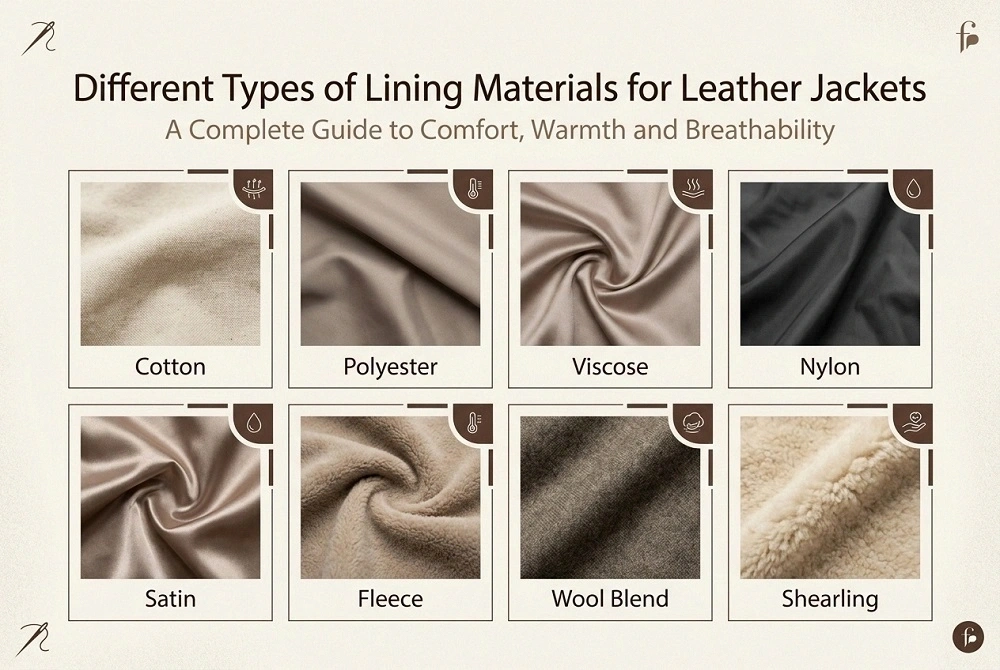
A smooth satin or polyester lining adds little warmth by itself. Fleece, wool, flannel, or pile linings can trap more air and make a noticeable difference.
Insulation
Quilted padding, synthetic fill, and shearling add actual insulation. This is what separates an insulated leather jacket from a standard leather jacket with little or no thermal lining.
Wind Protection
Wind can increase heat loss from the body. Leather can block wind effectively, which is why even a modestly lined leather jacket may feel more comfortable than its insulation level suggests on a windy day.
Collar and Cuffs
A high collar helps protect the neck, while snug cuffs or ribbed hems reduce gaps where cold air can enter and warm air can escape.
Jacket Length and Fit
Longer jackets cover more of the torso and hips. The fit should be close enough to avoid excessive gaps but roomy enough to accommodate a sweater or base layer without compressing it. Overly compressed layers can lose some of their insulating ability.
Layering
Layers are one of the easiest ways to adjust warmth. The same leather jacket can feel very different over a T-shirt compared with a wool sweater and thermal base layer.
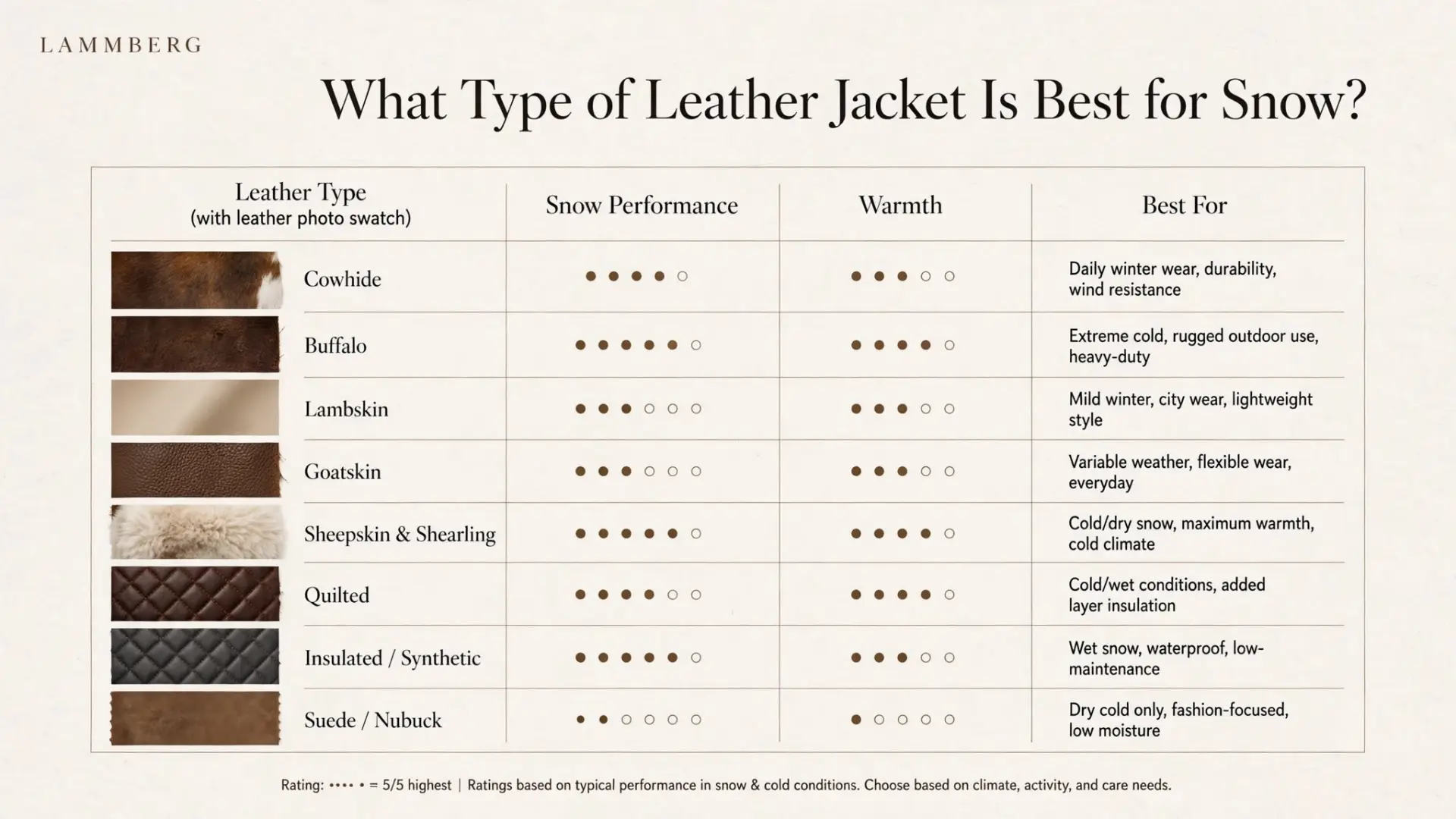
What Type of Leather Jacket Is Best for Snow?
No single leather type is automatically best for snow. Lining, thickness, construction, insulation, and weather treatment can matter more than the animal the hide came from.
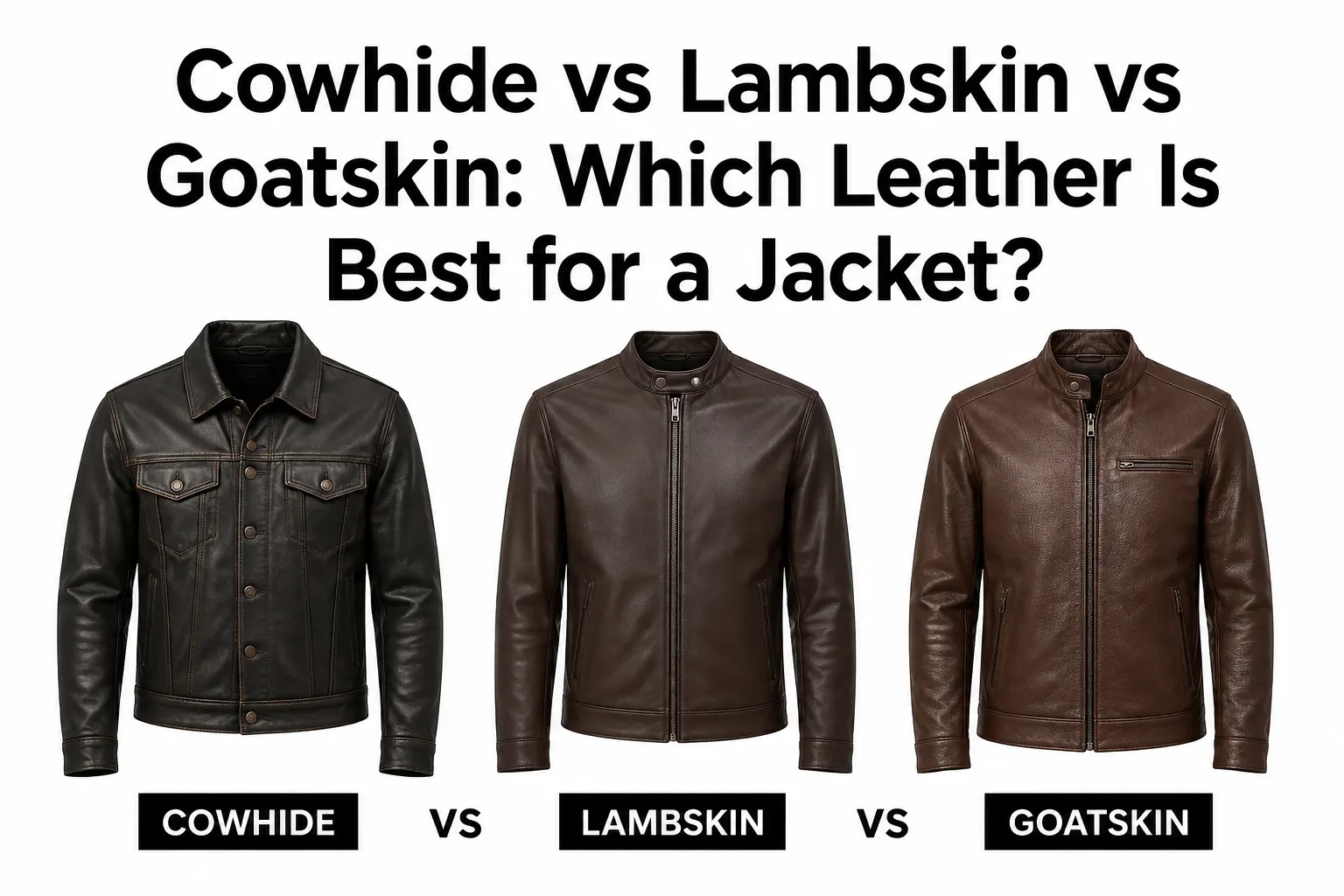
- Cowhide: Durable and relatively substantial, with good wind resistance. A well-lined cowhide jacket can be a solid winter option and is often used for sturdier jackets.
- Buffalo leather: Thick, rugged, and heavy, with a distinctive grain. It is durable, but warmth still depends heavily on the lining and insulation.
- Lambskin: Soft and lightweight. Many lambskin jackets are designed for style and milder weather, although a lined or insulated lambskin jacket can work in winter.
- Goatskin: Tough for its weight, with a naturally textured grain. It can suit cold weather when combined with suitable lining and layers.
- Sheepskin and shearling: The wool lining provides substantial insulation. These are among the most suitable leather options for cold winter weather, but they require more careful moisture management.
- Quilted leather jackets: A quilted lining adds insulation without necessarily adding excessive bulk, making this a useful middle ground for cold days.
- Insulated leather jackets: Synthetic or down-style insulation can provide warmth closer to that of conventional winter outerwear.
Suede and nubuck are also leather, but they generally require more care around moisture than finished smooth leather. Their surfaces can be more vulnerable to water marks and staining, so treatment should always be appropriate for the specific leather type.
When shopping for a winter leather jacket, whether a men’s or women’s cut, look at the lining and insulation first, then consider the leather itself. For examples of different leather jacket styles and constructions, see our men’s and women’s leather jacket collections.
Can You Wear a Leather Jacket in Freezing Temperatures?
Yes, some leather jackets can be worn in freezing temperatures, but there is no single temperature cutoff that applies to every jacket. An unlined lightweight jacket and a heavily insulated shearling jacket are not comparable.
What matters in cold conditions:
- Around freezing: A midweight, lined jacket with a sweater can be suitable for normal daily use, depending on wind, activity, and personal cold tolerance.
- Below freezing: You will usually need an insulated or shearling jacket, or substantial layers under a lined jacket.
- Wind chill: Wind can make conditions feel considerably colder than the thermometer indicates. Leather can help block wind, but gaps at the collar and cuffs can reduce that benefit.
- Time outdoors: A ten-minute walk to the car is very different from spending several hours outside.
- Activity level: Walking briskly generates more body heat than standing still.
- Layering: Good base layers and a warm mid layer can extend the useful range of a leather jacket.
If you will be outside for long stretches in sub-zero conditions, treat leather as one option among several rather than assuming every leather jacket will provide sufficient protection.
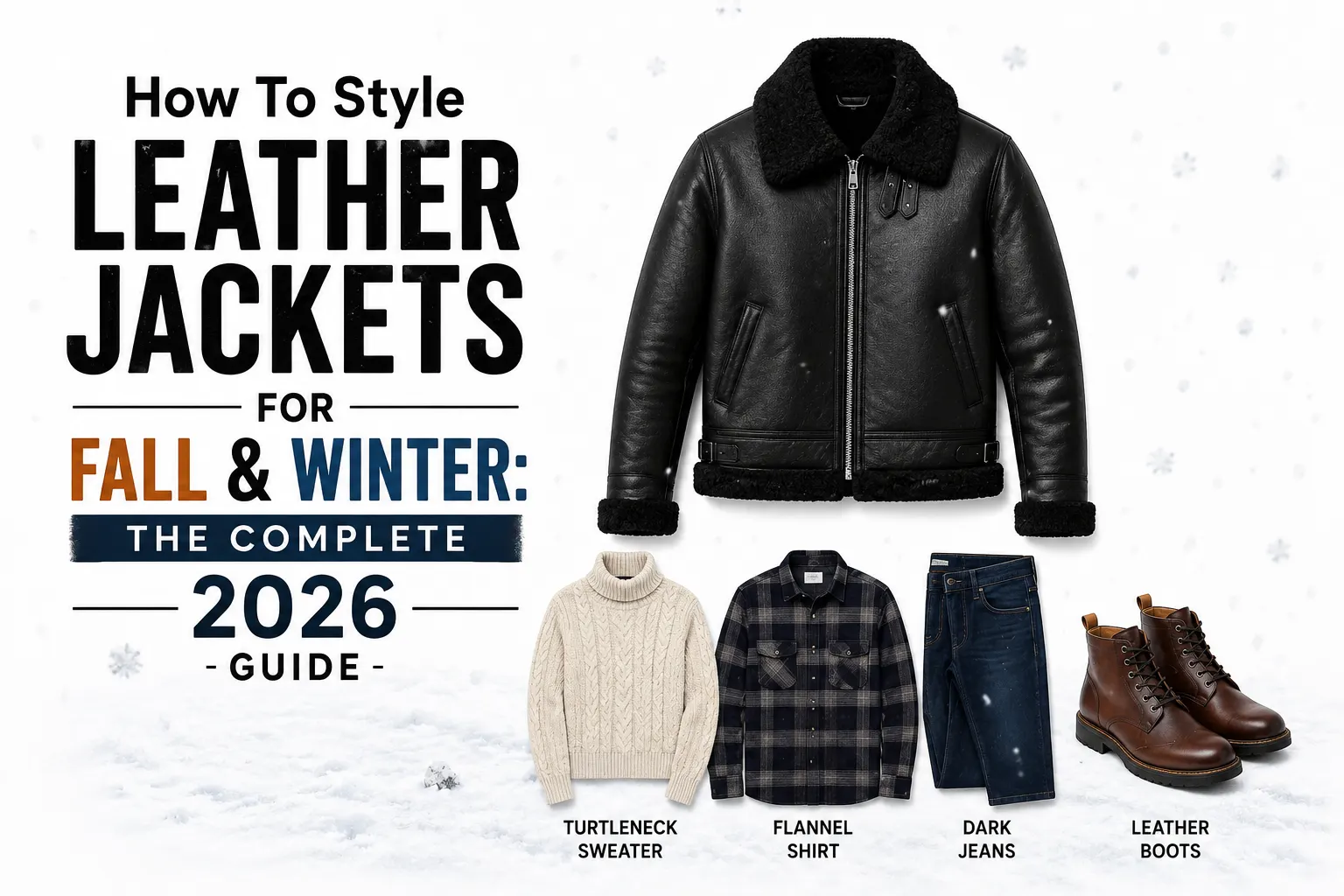
What Should You Wear Under a Leather Jacket in Winter?
Layering is the main way to make a leather jacket work in cold weather. Build from the skin outward:
- Thermal or base layer: A close-fitting merino or synthetic layer can help manage moisture and retain warmth.
- T-shirt: Fine for mild days, but usually not enough on its own once temperatures drop.
- Sweater or wool sweater: One of the simplest additions for extra warmth. Wool can provide insulation while remaining relatively breathable.
- Hoodie: A leather jacket with a hoodie works well for a casual winter outfit. Make sure the jacket still fits comfortably without pulling across the shoulders.
- Fleece: Lightweight and warm, making it useful when you need another layer without excessive bulk.
- Scarf: Helps close the gap around the collar and protect the neck.
- Gloves: Leather or lined gloves protect your hands, since the jacket cannot.
- Warm trousers: Heavier fabrics such as wool or thick denim can keep your legs more comfortable.
- Winter boots: Insulated, water-resistant boots can make a significant difference to overall winter comfort.
Layers that are too bulky can restrict movement and compress the insulation they are meant to provide. Leave enough room rather than forcing too many layers underneath the jacket.
A leather jacket with a sweater and thermal base layer can handle colder conditions than the same jacket worn over a T-shirt. For outfit ideas, see our winter style guides.
Are Leather Jackets Waterproof or Water-Resistant?
Most leather jackets are not fully waterproof. Depending on the leather finish and treatment, they are better described as water-resistant to varying degrees.
Water-resistant means the material can shed or tolerate limited moisture for a period of time. Waterproof means it is designed to prevent water from passing through under sustained exposure. Most traditional leather jackets are not designed to provide that level of protection.
How leather reacts to moisture:
- Light snow or drizzle: Treated smooth leather may repel small amounts of moisture before it penetrates.
- Wet snow and rain: Moisture can soak into the leather, darken the surface, and leave marks as it dries.
- Prolonged exposure: Water can penetrate seams and the lining, while repeated wetting and drying can contribute to stiffness and deterioration.
Finish matters. Finished smooth leather generally handles moisture differently from aniline or unfinished leather. Suede and nubuck require their own care approach. A protective product designed for the specific leather type can improve resistance, but it does not turn a traditional leather jacket into a waterproof shell.
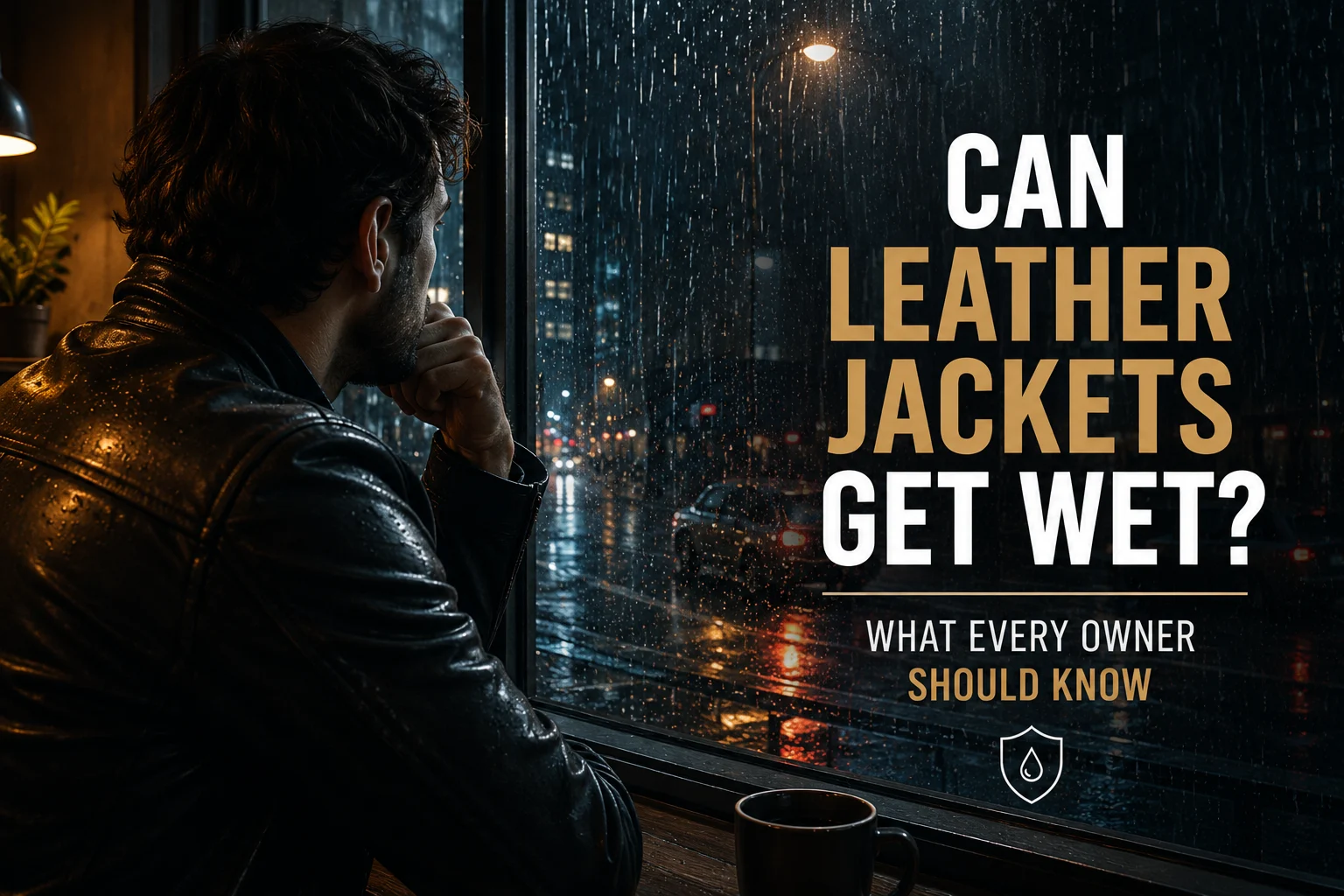
So, can leather jackets get wet? Yes, occasional exposure can happen, but the important part is to dry the jacket correctly afterward and avoid repeated soaking.
Can Snow Damage a Leather Jacket?
It can, although the main problems usually come from moisture, salt, dirt, and incorrect drying rather than snow itself.
- Moisture: Repeated soaking can contribute to water marks, stiffness, and deterioration.
- Salt residue: Road salt and other de-icing materials can leave visible marks and affect leather if not removed.
- Stains: Dirty slush can stain, particularly on lighter-colored leather.
- Drying: Leather should be allowed to dry gradually rather than being exposed to intense heat.
- Heat: Radiators, hairdryers, and heaters can dry leather too aggressively and contribute to cracking or damage.
- Lack of care: Leather that repeatedly becomes wet and dries out without appropriate care can become less supple over time.
Care differs by leather type. Smooth leather can usually be wiped gently and conditioned when appropriate. Suede and nubuck need their own brushes and specialist care, while shearling should be dried gently and kept away from excessive heat. Always follow the manufacturer’s care instructions for the particular jacket.
Our leather care guide covers each type in more detail.
How to Protect a Leather Jacket From Snow
- Check the manufacturer’s care instructions. Different leather types and finishes require different products and methods.
- Use a compatible protective product where appropriate. Choose a spray or treatment designed for your specific leather type. Always test it in an inconspicuous area first.
- Remove loose snow gently. Brush it away with your hand or a soft cloth before it melts into the leather.
- Blot away moisture carefully. Use a clean, dry cloth rather than rubbing aggressively.
- Allow the jacket to dry naturally. Hang it on a suitable wide hanger at room temperature and let moisture evaporate gradually.
- Keep it away from radiators, heaters, hairdryers, and direct high heat. Excessive heat can dry and damage leather.
- Condition when appropriate. Once smooth leather is fully dry, use a suitable conditioner if the manufacturer’s care instructions allow it. Avoid assuming that the same conditioner is suitable for suede or nubuck.
Leather Jacket vs Puffer Jacket for Snow
Puffers are built around insulation. Leather jackets combine a leather shell with whatever lining or insulation the individual jacket contains. Neither is automatically better in every situation.
| Factor | Leather Jacket | Puffer Jacket |
|---|---|---|
| Insulation | Varies widely by lining | Designed around insulation, usually down or synthetic |
| Wind protection | Generally strong | Depends on shell fabric and construction |
| Weight | Often heavier | Usually lighter for the amount of warmth |
| Snow exposure | Needs care in wet snow | Many have water-resistant outer fabrics |
| Layering | Can be limited if fitted closely | Often provides more room for layers |
| Everyday use | Versatile and style-focused | Practical and casual |
| Mobility | Can feel stiffer | Generally flexible |
A puffer is often warmer for its weight and may handle wet snow more easily, depending on its outer fabric and construction. A leather jacket can provide strong wind resistance and abrasion resistance.
So, is a leather jacket warmer than a puffer? Usually not when comparing similarly sized jackets, unless the leather jacket is heavily insulated or shearling-lined.
Leather Jacket vs Wool Coat for Winter
| Factor | Leather Jacket | Wool Coat |
|---|---|---|
| Warmth | Depends on lining and insulation | Depends on wool weight and construction |
| Wind resistance | Generally strong | Depends on weave and construction |
| Insulation | From lining or added insulation | Wool naturally traps air |
| Layering | Often more limited | Usually room for layers |
| Moisture | Finish and treatment affect resistance | Can absorb moisture and needs care |
| Weight | Moderate to heavy | Moderate to heavy |
| Daily winter use | Casual, rugged | Casual to smart, depending on style |
Is leather warmer than wool? Not necessarily. Leather can block wind effectively, while wool naturally provides insulation by trapping air. A lined leather jacket and a good wool coat can both work well in winter, with their performance depending on construction, weather, layering, and personal comfort.
Are Leather Jackets Good for Different Winter Climates?
Dry and Cold Weather
This is where leather can perform well. With limited moisture, a lined leather jacket combined with warm layers can provide a useful winter outer layer.
Cold and Windy Weather
Leather’s wind resistance can be an advantage. Pair it with a scarf, suitable layers, and snug cuffs to reduce drafts.
Wet and Snowy Weather
This is one of the more challenging conditions for leather. A treated, insulated leather jacket can handle short exposure, but frequent wet snow is generally better suited to outerwear specifically designed for wet weather.
Very Cold or Extreme Winter Conditions
For sustained sub-zero temperatures, heavy snowfall, or outdoor work and recreation, purpose-built extreme-weather outerwear such as an insulated winter coat or down parka is generally more suitable. A shearling jacket can provide substantial warmth, but it still requires appropriate protection from moisture.
Best Leather Jacket Features for Snow and Cold Weather
Use this checklist when choosing a jacket for winter:
- Medium or heavyweight leather
- A warm lining such as wool, fleece, or pile
- Quilted or synthetic insulation, or shearling
- A high collar
- Secure, adjustable cuffs
- A full-length, sturdy zipper
- Enough room for a sweater underneath
- A length that provides adequate torso coverage
- A water-resistant treatment suited to the specific leather
- Strong stitching and reliable hardware
If you want to compare insulated and shearling options, browse our Leather Jacket Shop.
Do Leather Jackets Keep You Warm Without Layers?
It depends on the jacket. A leather jacket alone can keep you comfortable in mild or cool weather, but in genuinely cold conditions most standard leather jackets benefit from additional layers.
Are leather jackets warm without layers? Only some are. Insulated, quilted, or shearling-lined jackets can provide substantial warmth on their own, while an unlined lightweight jacket will need a sweater or thermal layer as temperatures fall.
An unlined lightweight jacket and a heavily insulated winter leather jacket are essentially different products. The first needs additional layers once the weather becomes cold. The second may be comfortable on its own in colder conditions.
In both cases, a leather jacket with a sweater is warmer than the jacket alone, and adding a thermal base layer can extend the range further.
FAQ
Are leather jackets good for snow?
They can be, particularly insulated or shearling-lined styles worn in light, dry snow. Wet or prolonged snow is harder on leather and calls for suitable protection and careful drying afterward.
Can you wear a leather jacket in snow?
Yes. Brush snow off promptly, avoid prolonged exposure to wet snow, and allow the jacket to dry naturally afterward.
Are leather jackets warm enough for winter?
Some are. Warmth depends on the lining, insulation, construction, and layers more than the leather alone. Heavier, lined, insulated, and shearling jackets are generally better suited to winter than thin, unlined jackets.
Do leather jackets keep you warm?
They can help by blocking wind, but much of the warmth comes from the lining, insulation, and layers worn underneath. An unlined leather jacket is not automatically a warm winter jacket.
Are leather jackets waterproof?
Most traditional leather jackets are not fully waterproof. Their resistance to moisture varies with the leather, finish, construction, and protective treatment.
Can leather jackets get wet?
Occasional exposure can happen, but repeated soaking can damage leather. If a jacket becomes wet, allow it to dry naturally at room temperature and follow the manufacturer’s care instructions. Avoid direct heat.
What is the warmest type of leather jacket?
Shearling or sheepskin jackets are among the warmest types of leather jackets because the wool provides substantial insulation. Insulated and quilted leather jackets can also provide significant warmth.
Is a shearling leather jacket good for snow?
It can be excellent for cold, dry conditions and light snow. However, shearling and its leather outer surface still need careful moisture management.
Is a leather jacket good for freezing temperatures?
An insulated or shearling jacket can be suitable for freezing temperatures when combined with appropriate layers. A thin, unlined jacket is generally not suitable on its own.
What should you wear under a leather jacket in winter?
A thermal base layer, wool sweater or fleece, and accessories such as a scarf and gloves can add warmth. Avoid so many bulky layers that they restrict movement or compress each other.
Can snow damage a leather jacket?
Yes. The main risks come from moisture, salt, dirt, and improper drying. Promptly removing moisture and following appropriate care instructions can reduce the risk.
How do you protect a leather jacket from snow?
Use a protective product appropriate for the leather, brush off loose snow, blot moisture gently, allow the jacket to dry naturally away from heat, and condition smooth leather only when appropriate for that leather and finish.
Is leather warmer than wool?
Not generally. Leather can provide strong wind resistance, while wool naturally provides insulation. The actual result depends on the construction, lining, thickness, and weather conditions.
Is a leather jacket warmer than a puffer?
Usually not. Puffers are specifically designed around insulation and are often warmer for their weight. A heavily insulated or shearling-lined leather jacket can provide substantial warmth, but the individual construction matters.
Final Takeaway
A leather jacket can work well for winter and some snow conditions when its construction, lining, insulation, and weather protection match the conditions. Choose a midweight or heavyweight jacket with a warm lining, or a shearling option for colder days, layer sensibly, and treat and dry the leather properly after exposure.
For extreme cold, heavy snowfall, or long periods outdoors, purpose-built cold-weather outerwear is generally more suitable. The key is not simply choosing a leather jacket, but choosing the right combination of leather, lining, insulation, fit, layering, and weather protection for the conditions you expect to face.















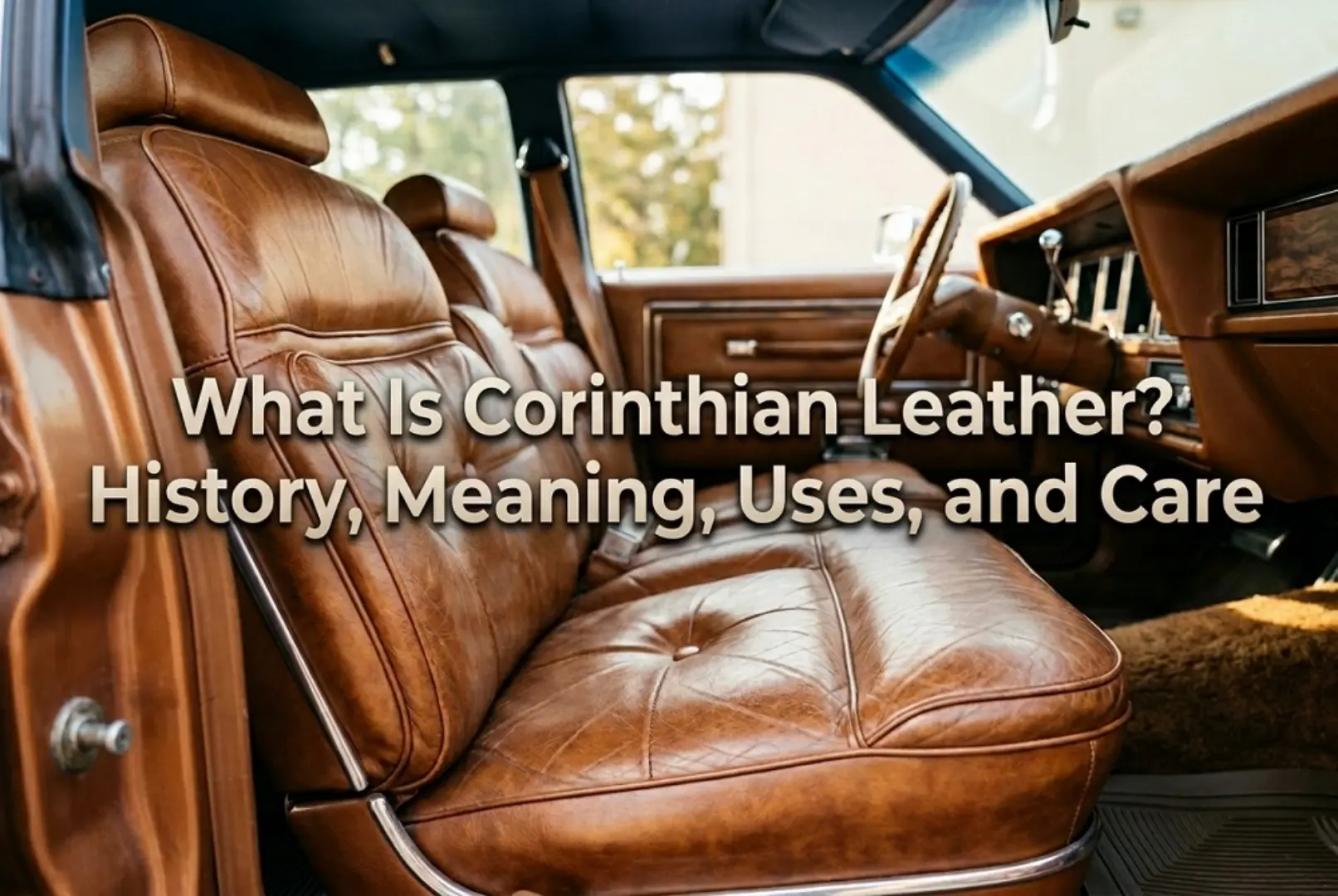
What Is Corinthian Leather? History, Meaning, Uses, and Care
Different Types of Lining Materials Used for Jackets