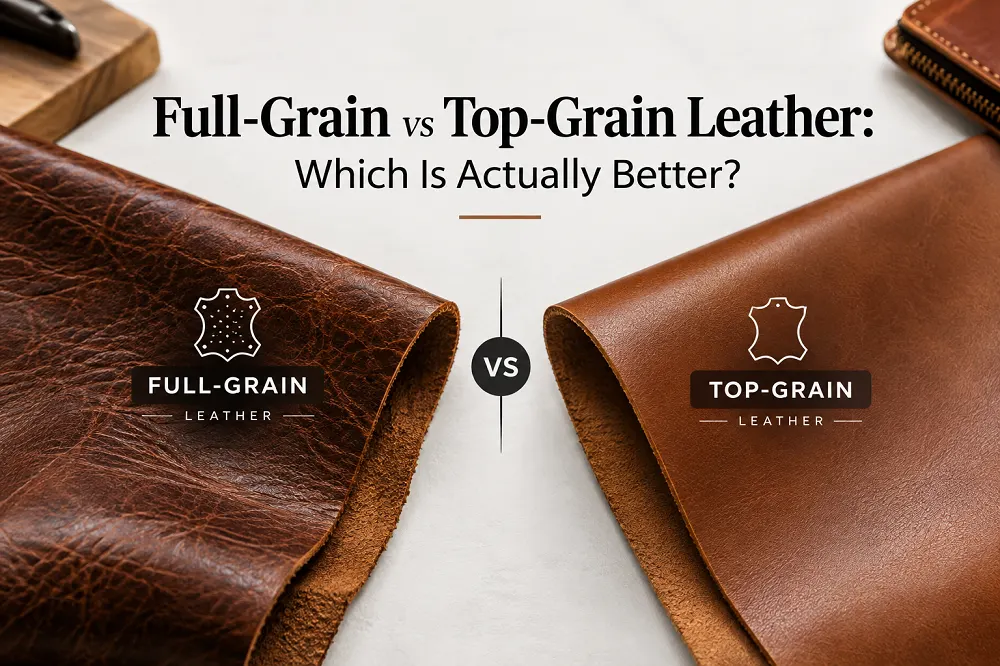
Full-grain vs top-grain leather is one of the most common comparisons when shopping for a leather jacket, bag, wallet, or other leather goods. Anyone who has shopped for these products has likely seen the two terms side by side, usually with full-grain priced higher and described as “the best” without much explanation of why. The short answer is that full-grain leather retains the natural grain surface and is valued for its strength, durability, and ability to develop character over time. Top-grain leather is also Real, durable leather, but its surface is typically sanded or buffed to create a smoother and more consistent appearance. The longer answer, the one that actually helps you spend your money well, has a few more layers to it than that.
What Full-Grain Leather Actually Is
Full-grain leather is the top layer of the hide, used exactly as it comes off the tanning process. Nothing gets sanded away, nothing gets buffed smooth, and none of the surface is corrected to hide flaws. The scars, wrinkles, and pore pattern that were on the animal stay right there on the finished product.
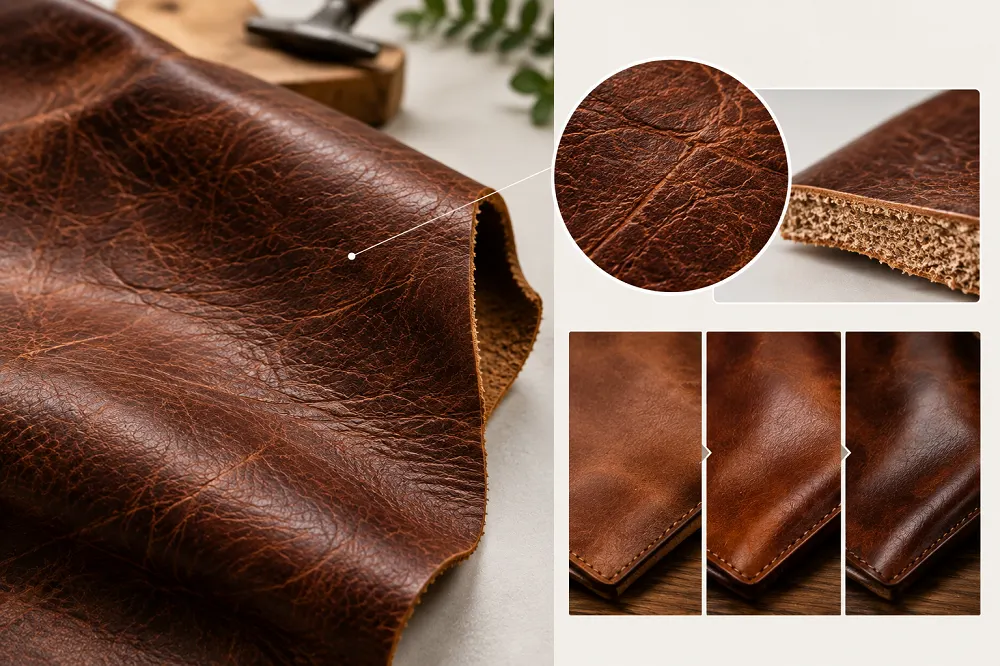
That untouched surface is also the strongest part of any hide. The fibers sit tightly packed together at the very top, and that density is what gives full-grain leather its resistance to tearing and its ability to handle years of abuse without falling apart. It’s also why the leather darkens and softens with use instead of just wearing thin, a process most people know as developing a patina.


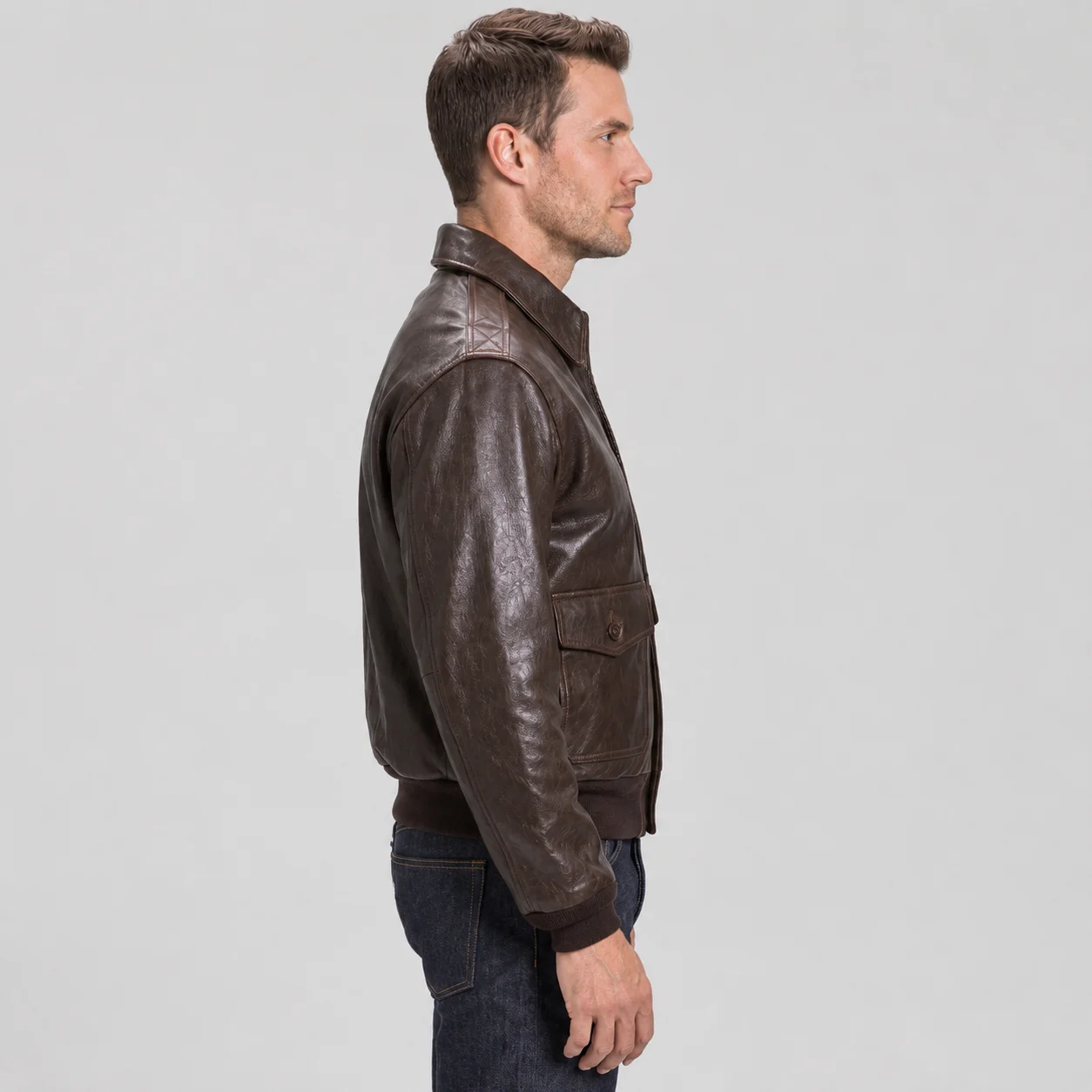
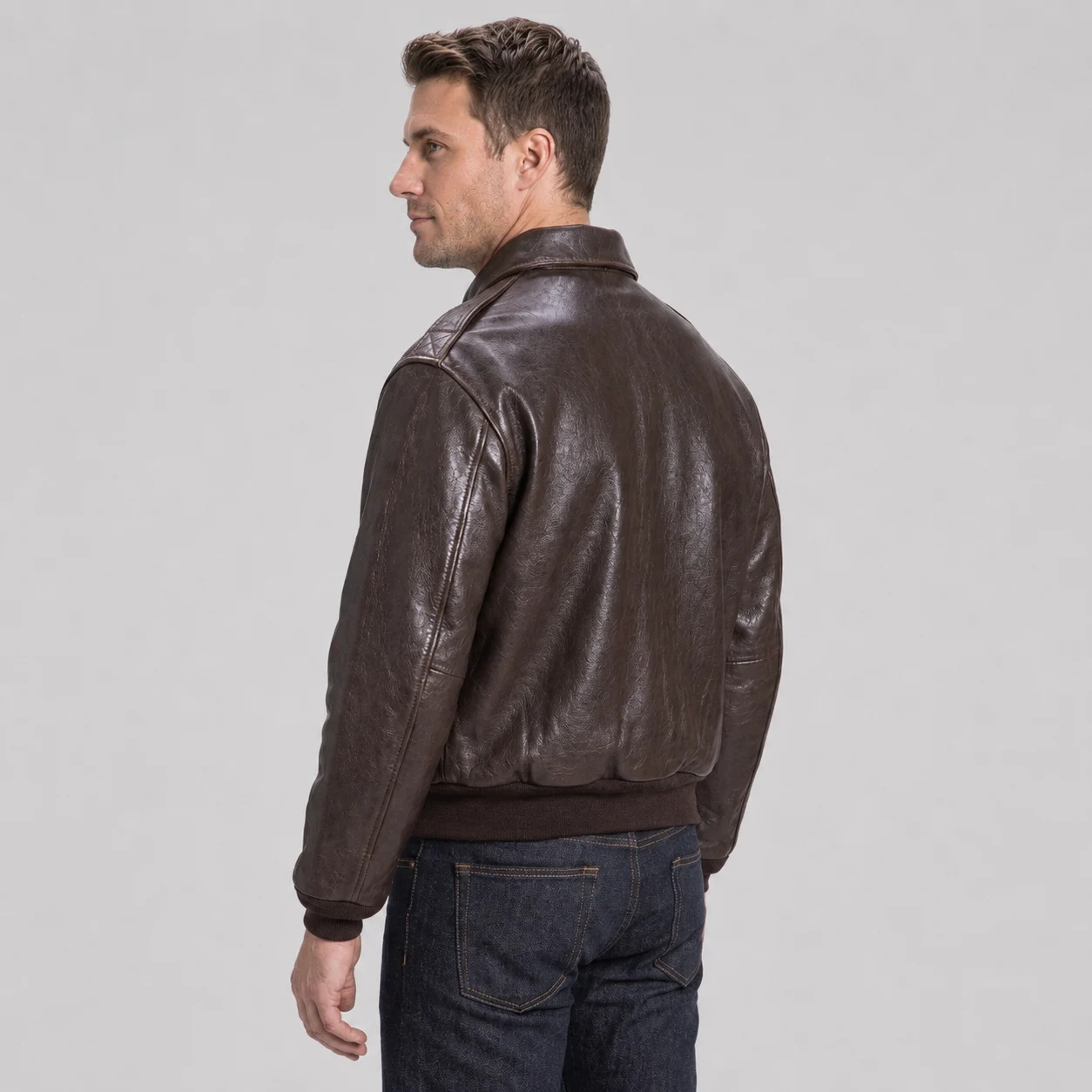
What Top-Grain Leather Actually Is
Here’s where it gets a little confusing, and it’s worth clearing up because leather terminology isn’t always used consistently. Technically, “top grain” refers to leather taken from the upper part of the hide, which is also where full-grain leather comes from. In that sense, full-grain leather can also be described as top-grain leather.
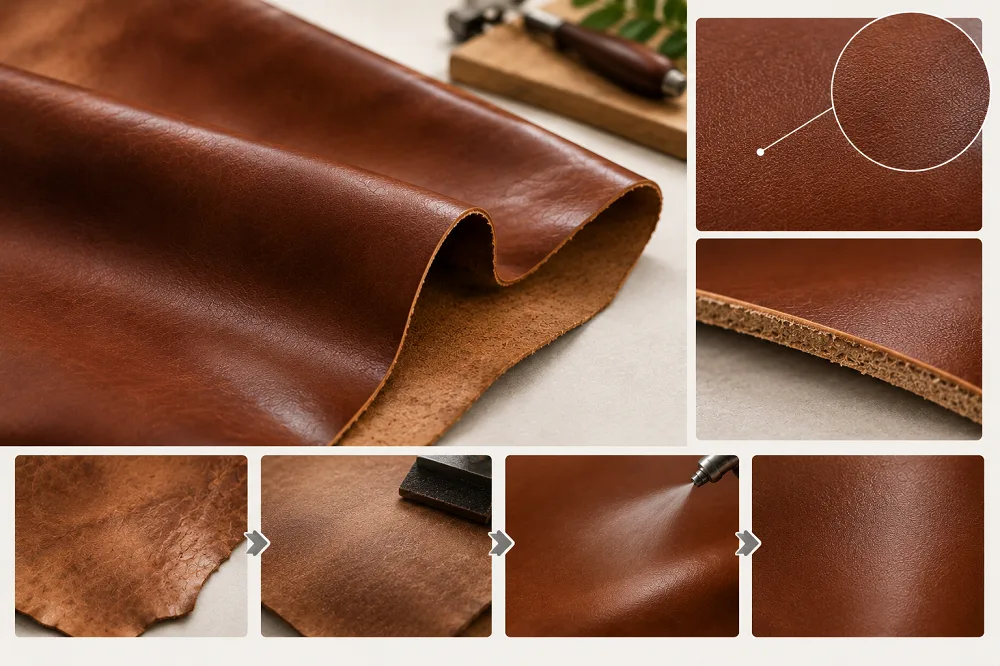
In many consumer product descriptions, however, “top-grain” usually refers to leather whose surface has been lightly sanded or buffed to remove some natural blemishes and create a more uniform appearance. The leather may then receive a finish or coating to further even out its color and texture. More heavily sanded and finished leather is often described as corrected-grain leather. So while these terms can overlap in everyday product descriptions, they should not automatically be treated as exactly the same thing.
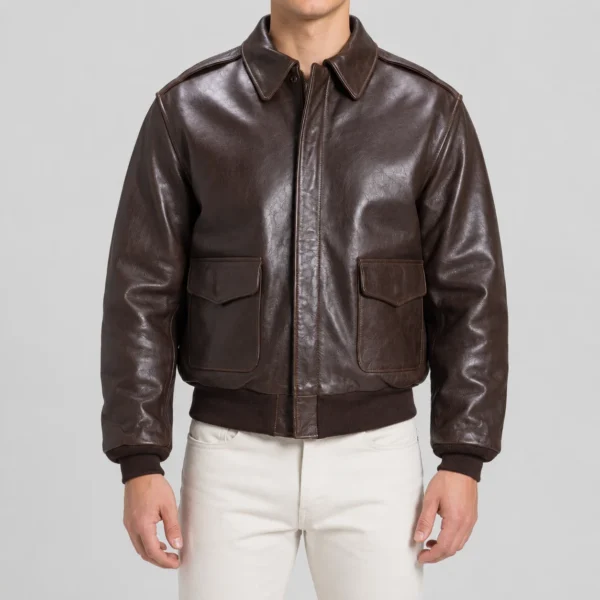
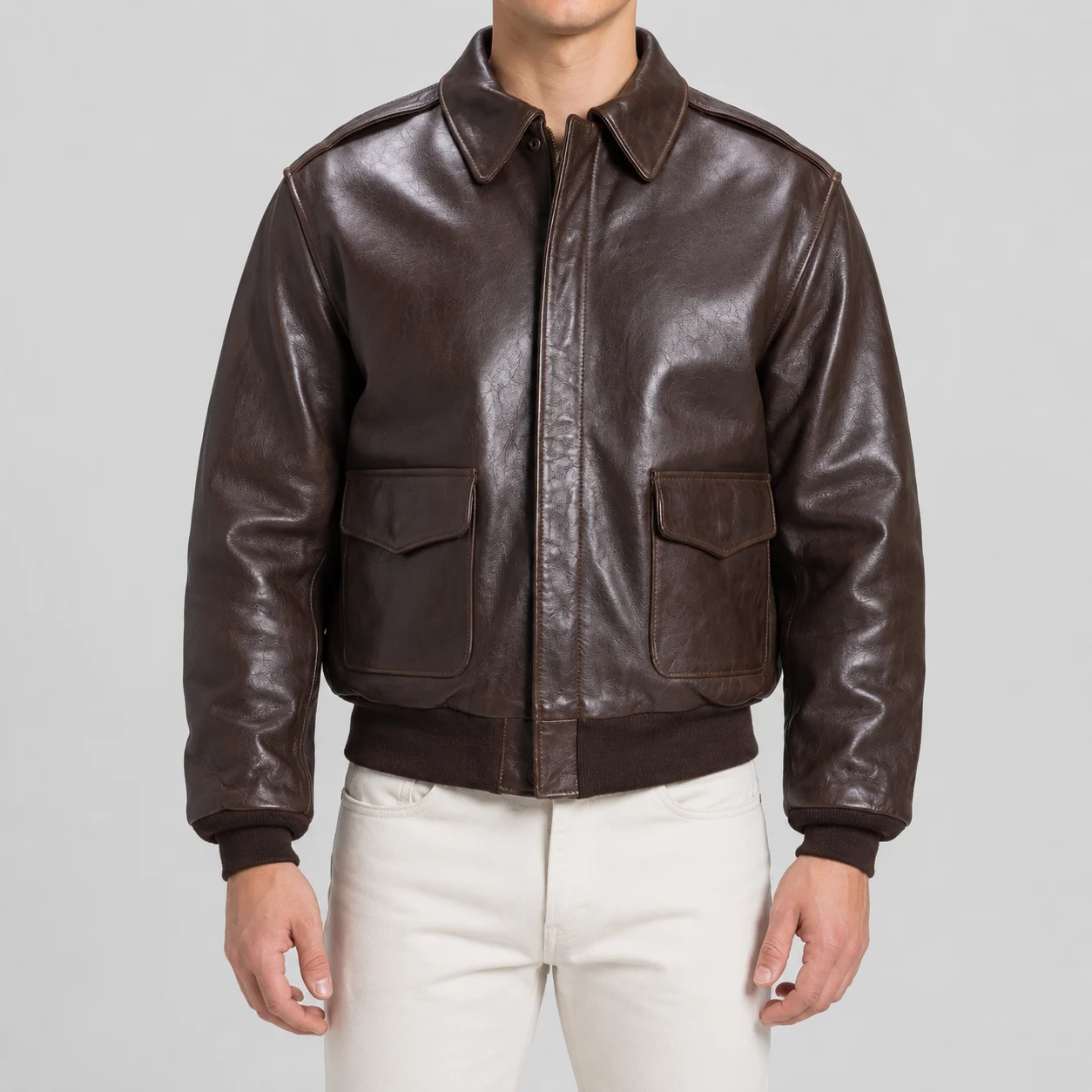
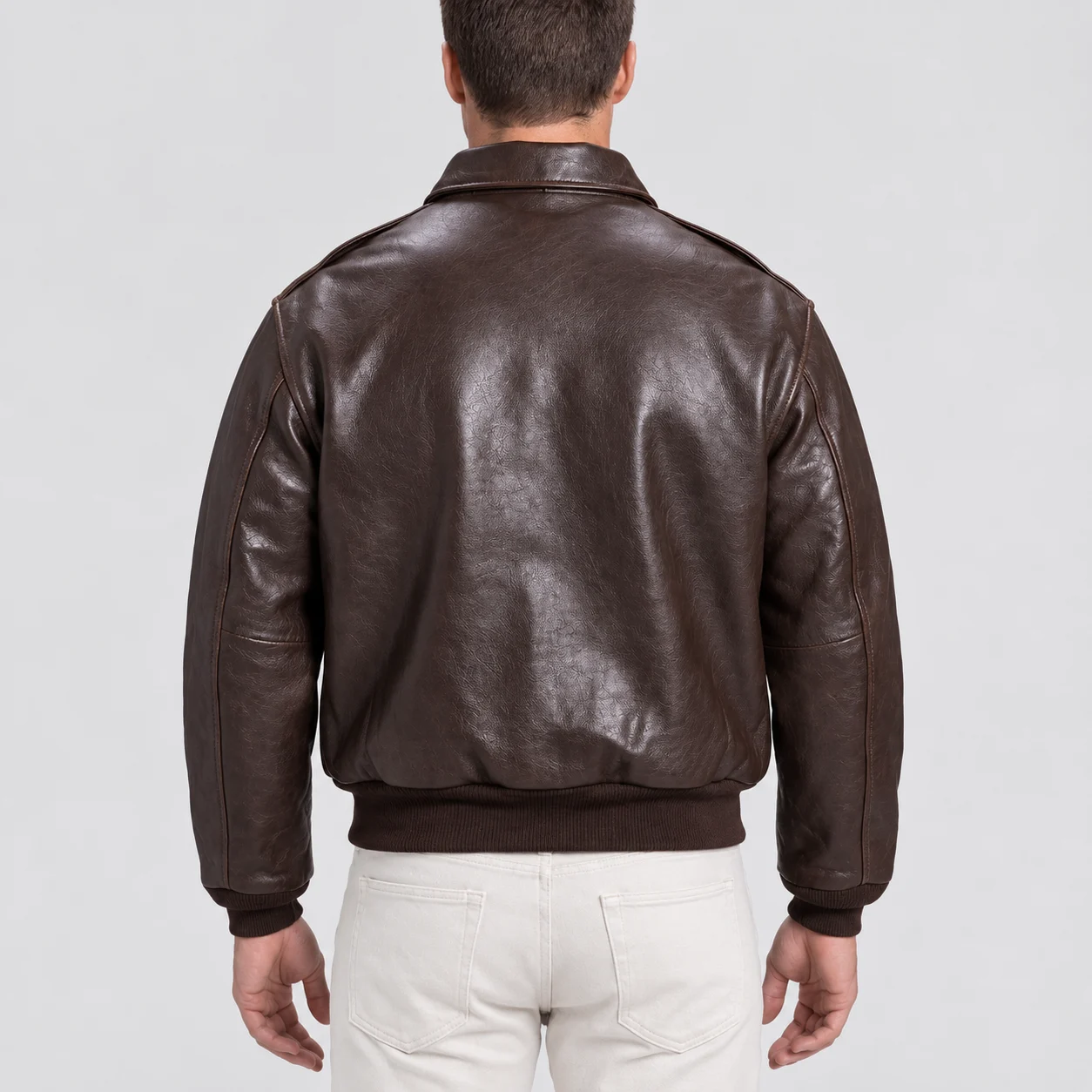
For leather jackets, top-grain leather can still be a practical choice when you want a smoother, more uniform appearance and easier day-to-day maintenance. Its finished surface can provide added resistance to light moisture, stains, and everyday marks, while still offering the strength and feel associated with genuine leather. The right choice ultimately depends on how you plan to wear and maintain the jacket, rather than the leather grade alone.
The Real Differences That Matter
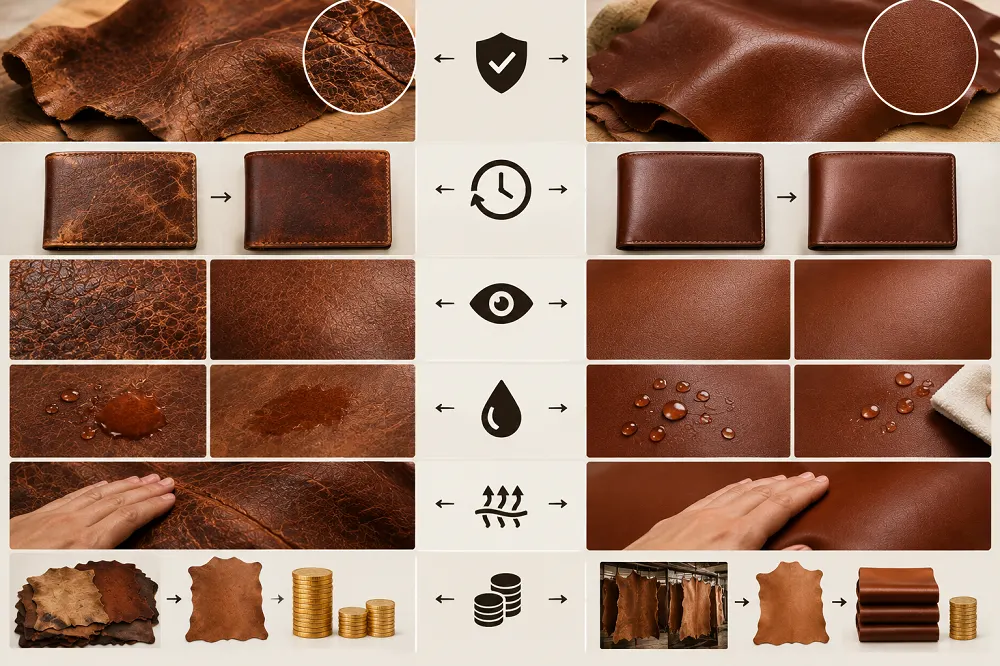
Durability. Full-grain has an advantage because the natural grain surface and its strongest fiber structure remain intact. Top-grain leather has been sanded or buffed to remove some surface imperfections, but this does not make it weak or low-quality. A well-made top-grain leather can still be highly durable and suitable for years of regular use. The main difference is that full-grain retains more of the hide’s original surface and natural character, while top-grain prioritizes a smoother and more consistent finish.
Appearance over time. Full-grain leather changes color and texture as it absorbs oils from your hands and gets exposed to air and light. Two owners of the same bag will end up with two different-looking bags after a few years. Top-grain leather, because of its finish coating, resists that kind of change and tends to look close to how it did on day one, for better or worse depending on what you want.
Look and feel out of the box. Top-grain has the edge in the showroom. The sanding and finishing process creates an even color and a smoother surface, which is part of why it shows up so often in furniture and higher-volume products where consistency matters. Full-grain looks more rustic and less uniform from the start, and that’s simply the nature of an unaltered hide.
Water and stain resistance. Top-grain’s finish coating gives it a real advantage against spills and light water exposure. Full-grain is more porous, so it absorbs moisture and can stain more easily if it isn’t conditioned. Some people also convert this into a durability point, but it’s really a maintenance point. Full-grain isn’t fragile, it just asks for a bit more upkeep.
Breathability and feel against skin. Full-grain leather breathes better since nothing is sealing the surface, which matters for things like belts, jacket linings, or gloves. Top-grain’s coating traps a bit more heat and moisture against the skin over long wear.
Price. Full-grain usually costs more, but not always for the reason people assume. Tanneries have to reject far more hides to make full-grain, since every scar and mark stays visible, so only the cleanest hides qualify. That selectivity, not some inherent premium in the leather itself, is what drives the price up. It’s also worth knowing that the tannery matters more than the label. A mediocre “full-grain” hide from a low-cost tannery can cost less and perform worse than a well-made, lightly corrected top-grain leather from a respected one.
A Point Worth Making Clear
There’s a common misconception floating around leather forums and comment sections that full-grain is automatically superior no matter what, and that top-grain is a corner-cutting downgrade. That’s an oversimplification. Corrected or sanded leather isn’t inherently cheap or poorly made. Several well-regarded leather goods and footwear brands use lightly corrected top-grain leather for specific products because it holds up well and gives a more consistent finish, and their customers have used those products for years without complaint. The layer of the hide is one factor in quality, not the only one. Tanning method, thickness, and how the leather was finished all play a role too.
Which One Should You Actually Buy
- Buying something you’ll wear or use daily for years, such as a leather jacket, work bag, wallet, or pair of boots? Full-grain is worth the extra cost. It ages into something better than what you started with, and the fiber structure holds up under repeated flexing and friction.
- Buying furniture, a car interior, or anything where a consistent look matters more than long-term character? Top-grain is often the smarter and more practical choice. It resists stains, cleans up easily, and doesn’t need the same level of conditioning.
- Want something that looks polished right away and don’t plan on keeping it for a decade? Top-grain will look great from day one without the natural imperfections some people find distracting on full-grain.
- Building a piece you want to hand down or watch age over the years? Full-grain is the only one of the two that actually improves with time instead of just holding steady.
How to Tell Them Apart When You’re Shopping
- Check for small natural imperfections and slight color variation. If the surface looks completely uniform edge to edge, it’s more likely corrected or coated.
- Press a finger into the leather. Full-grain tends to show a slight, natural give and may darken faintly where you touched it. Top-grain feels more consistent and doesn’t react the same way.
- Look closely at the pore pattern. Real, unaltered pores look irregular. An embossed pattern that repeats identically across the surface is a sign of correction.
- Ask the seller directly which grade it is and where the hide came from. A brand that’s confident in its material usually has a clear answer.
Frequently Asked Questions
Is full-grain leather better than top-grain leather?
Full-grain leather is generally the better choice when durability, natural character, and long-term aging are the main priorities. However, top-grain leather is still durable, genuine leather and can be a better choice if you prefer a smoother, more consistent appearance.
Is top-grain leather real leather?
Yes. Top-grain leather is genuine leather made from the upper portion of the hide. In many consumer products, its surface is sanded or buffed to remove some natural imperfections and create a more uniform finish.
Does full-grain leather last longer than top-grain leather?
Full-grain leather can have an advantage in long-term durability because its natural grain surface remains intact. However, the actual lifespan of either leather depends on factors such as hide quality, thickness, tanning, finishing, construction, and care.
Is top-grain leather good for leather jackets?
Yes. Top-grain leather can be a good choice for a leather jacket, especially if you want a smooth, consistent appearance and a surface that is easier to maintain. A well-made top-grain leather jacket can provide years of regular wear.
Why is full-grain leather more expensive?
Full-grain leather often costs more because natural marks, scars, and variations remain visible, which limits the number of hides suitable for products requiring a consistent appearance. However, price also depends on the tannery, leather quality, thickness, finishing, and craftsmanship.
Does full-grain leather develop a patina?
Yes. Full-grain leather can develop a distinctive patina as it is exposed to use, oils, light, and air. Over time, its color and texture can change, giving the leather a more individual and lived-in appearance.
What is the difference between top-grain and corrected-grain leather?
Top-grain is a broader term that can refer to leather from the upper portion of the hide. In many consumer product descriptions, top-grain has been lightly sanded or buffed. Corrected-grain leather generally involves more extensive surface correction, followed by finishing or coating to create a more uniform appearance.
Which leather should I choose for everyday use?
Choose full-grain if you value natural character, long-term aging, and maximum retention of the hide’s original surface. Choose top-grain if you prefer a more uniform appearance, easier maintenance, and durable leather without as many visible natural imperfections.
The Bottom Line
Full-grain leather is the better material almost every time durability and long-term character are the priority, and it’s worth the higher price for anything you plan to use hard and keep for years. Top-grain isn’t a downgrade to be avoided though. It’s a legitimate, durable material with real advantages in consistency, stain resistance, and upfront appearance, and it makes sense for plenty of products where those things matter more than a hide’s natural story.
The real mistake isn’t choosing top-grain over full-grain. It’s assuming the label alone tells you everything about quality, when the tannery, the finishing, and the craftsmanship behind the product matter just as much as which layer of the hide it came from.











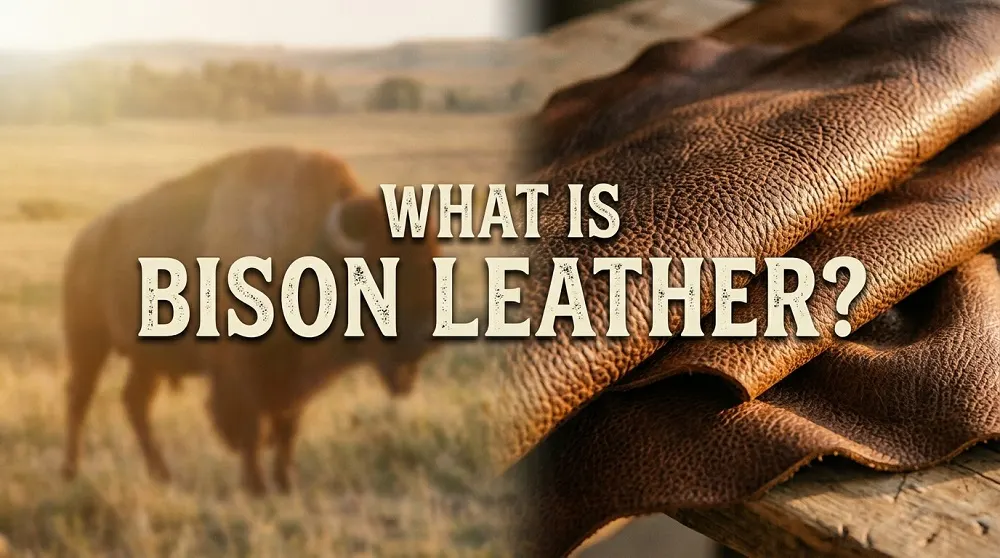
What Is Bison Leather? Durability, Uses & Cowhide Comparison
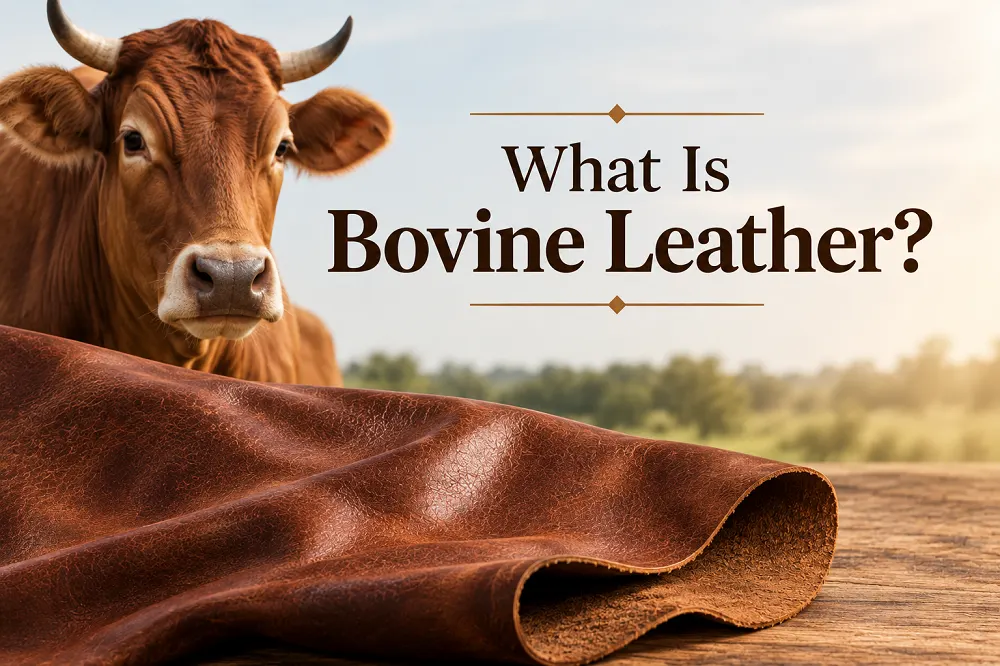
What Is Bovine Leather?