Quick Answer: Nubuck is real, top-grain leather that’s been lightly sanded on the outer surface to create a soft, velvety nap. It’s made from the strong outer layer of the hide, which makes it more durable and water-resistant than suede.
Suede, by contrast, comes from the soft inner split layer of the hide. It’s lighter, more flexible, and more affordable, but also more delicate and less durable.
- Choose nubuck for boots, structured jackets, and daily-use items.
- Choose suede for lighter jackets, dress shoes, and occasional wear.
Both are genuine leather, but nubuck lasts longer and costs more.
Whether you searched “what is nubuck,” “nubuck leather,” “nubuck vs suede,” “nubuk leather,” or “Camoscio o Nabuk?”, or just want to know what’s on the shoe, jacket, or bag in front of you, this guide covers all of it in one place: what nubuck actually is, how it’s made, how it compares to suede and other leathers, whether it’s real leather, how it handles water, what it costs, and how to keep it looking good for years.
What Is Nubuck Leather?
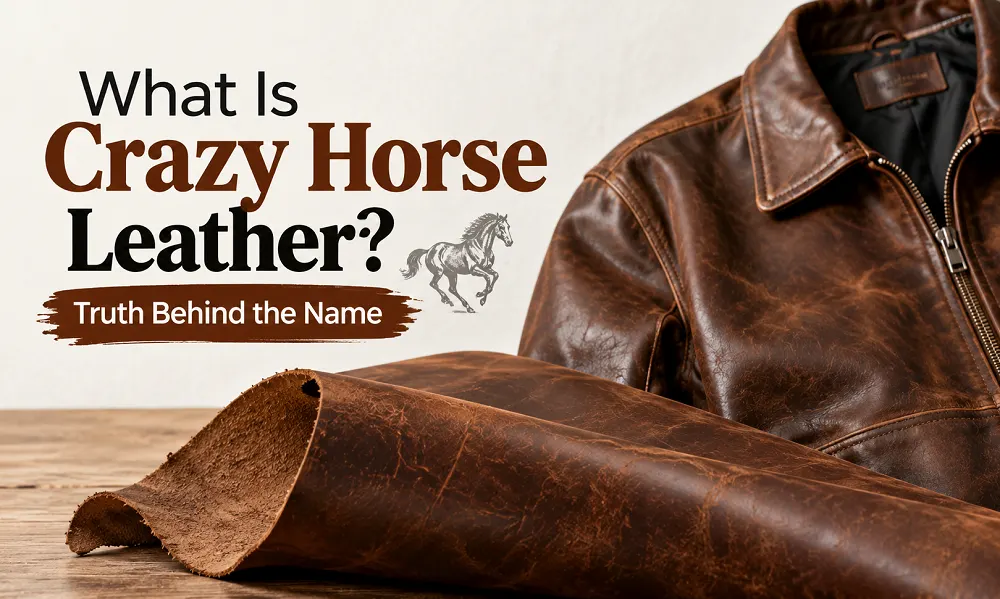
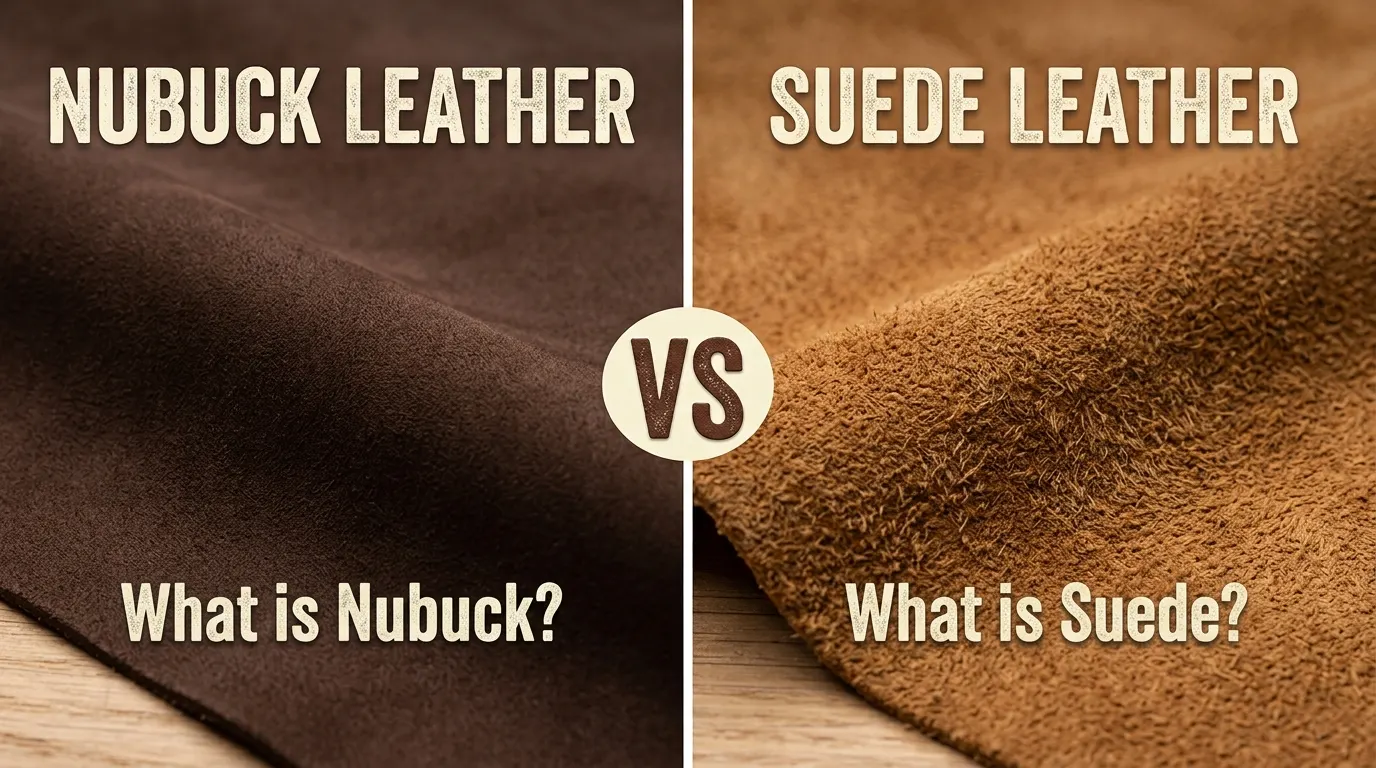
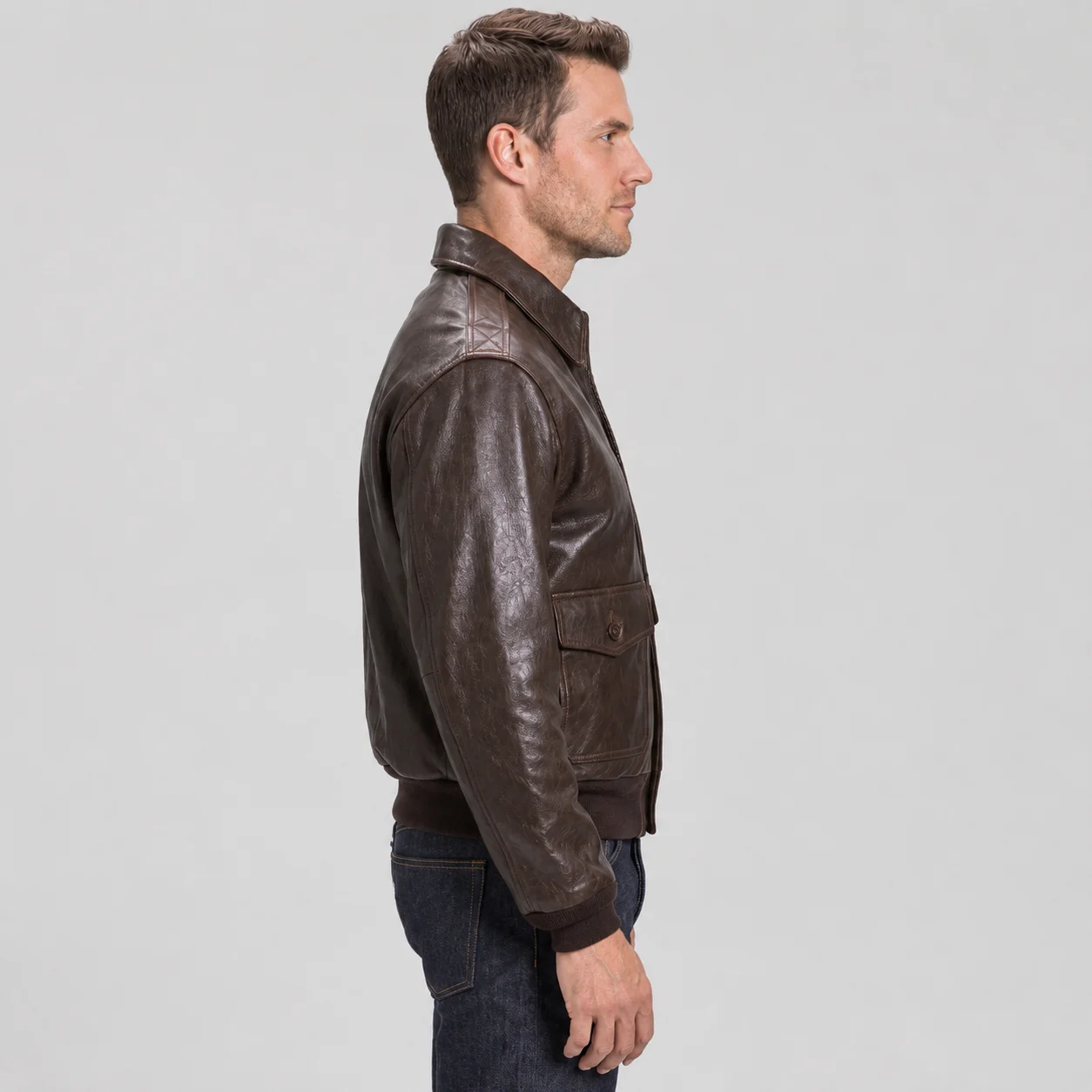
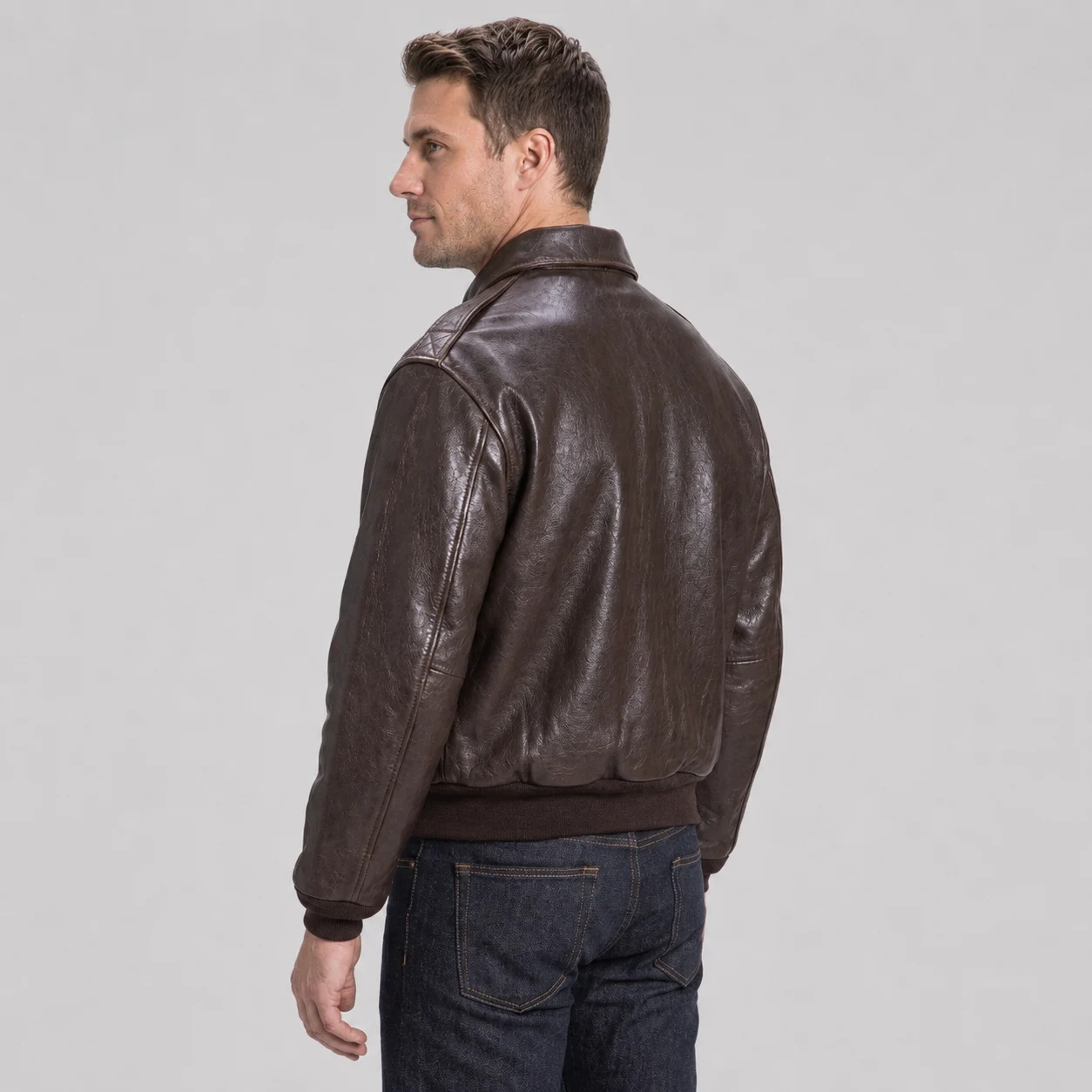
Nubuck is top-grain leather that’s been lightly sanded or buffed on the outer (grain) side, opening up short protein fibers to create a soft, velvety, matte surface. It looks and feels a lot like suede, but because it’s made from the strong outer layer of the hide rather than the inner split, it’s noticeably tougher, thicker, and longer-lasting.
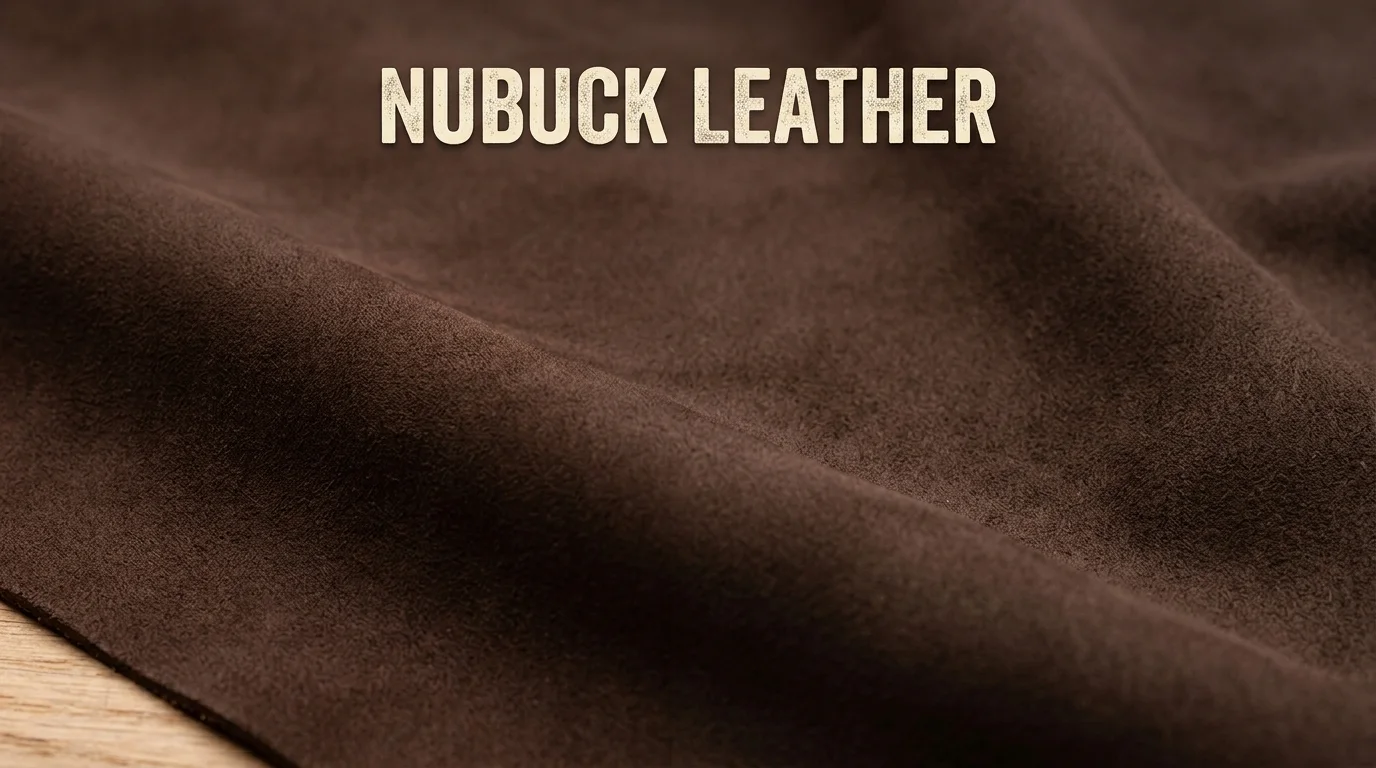
You’ll find nubuck on hiking boots, dress shoes, jackets, handbags, furniture upholstery, and even car interiors, anywhere a maker wants a soft, matte texture without sacrificing durability.
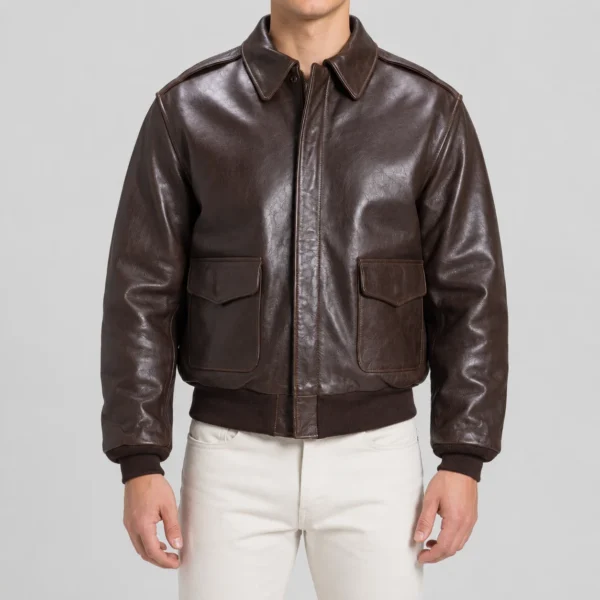


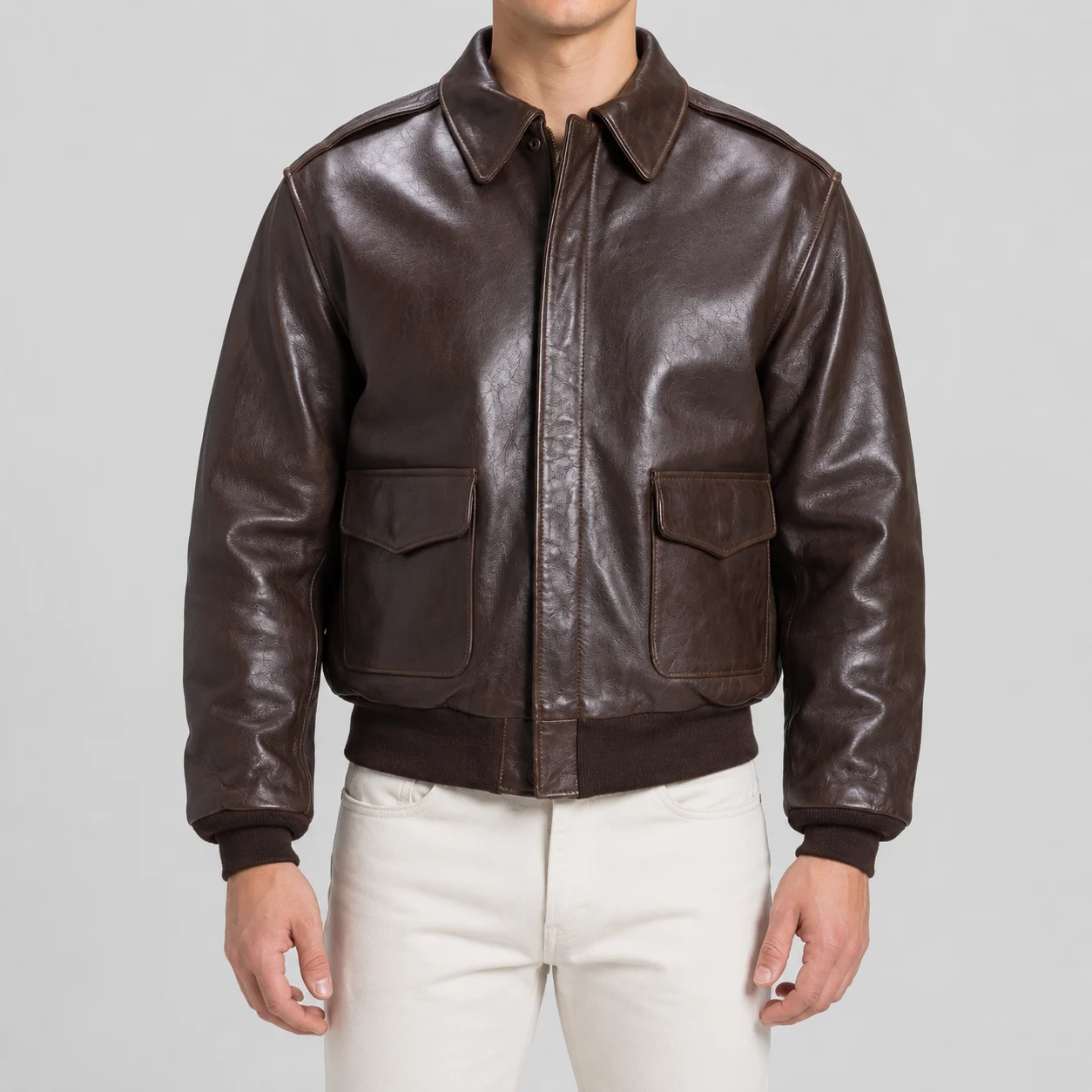
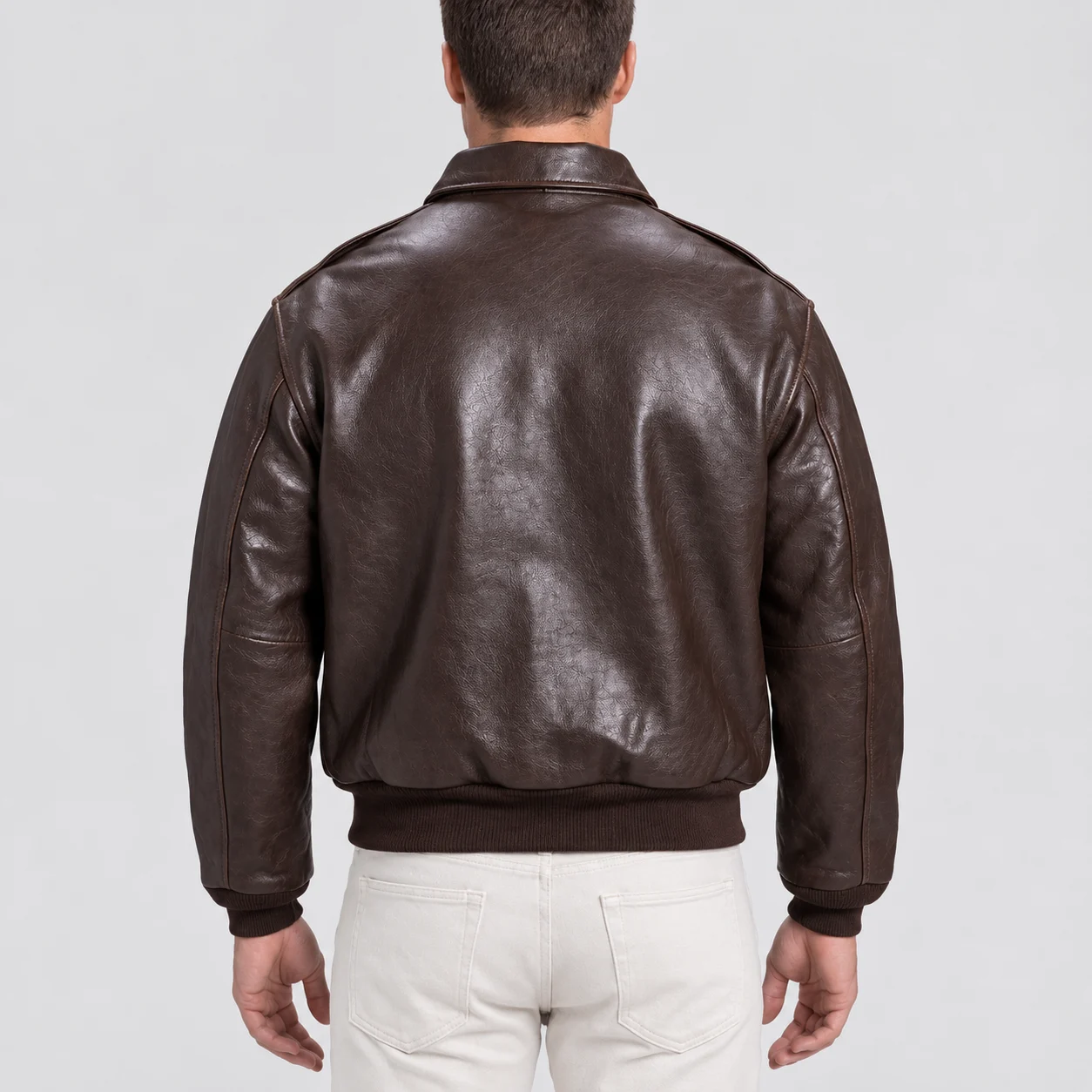
What Is Suede Leather?
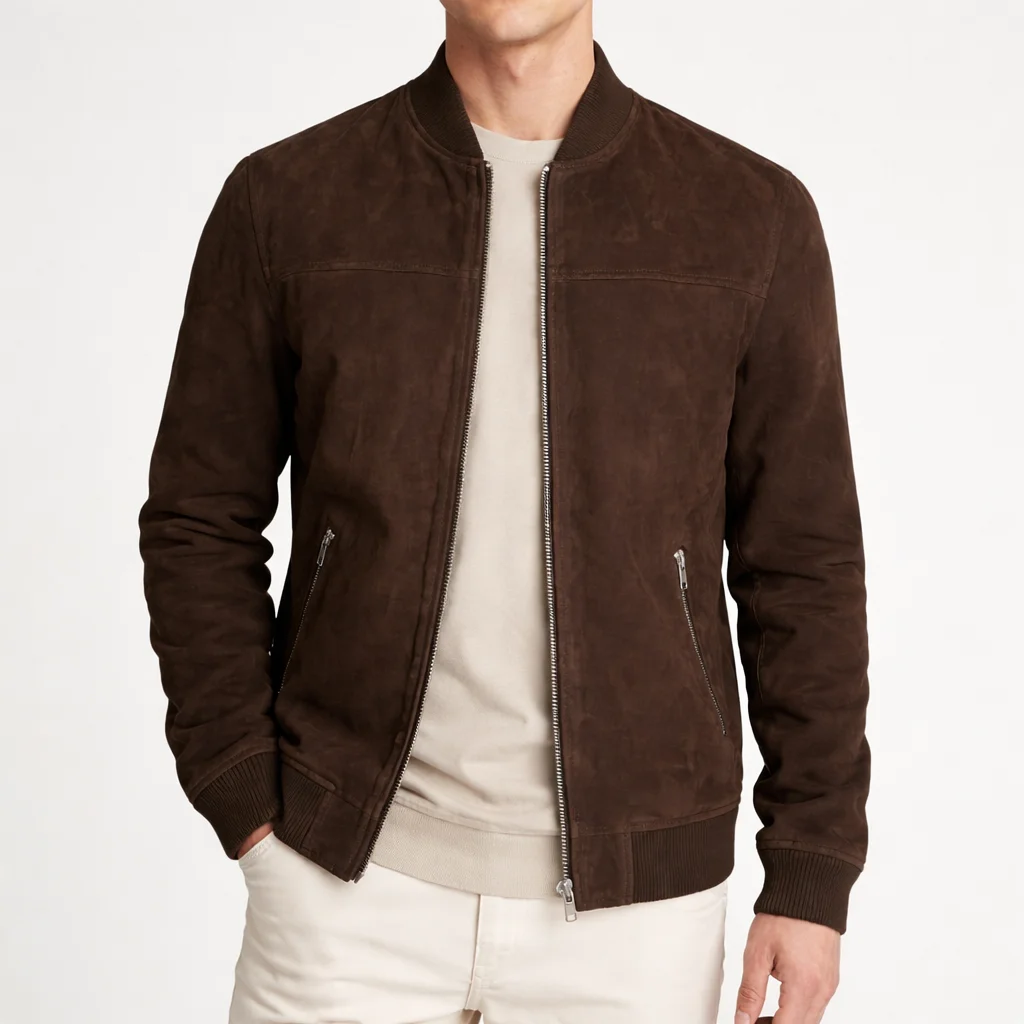
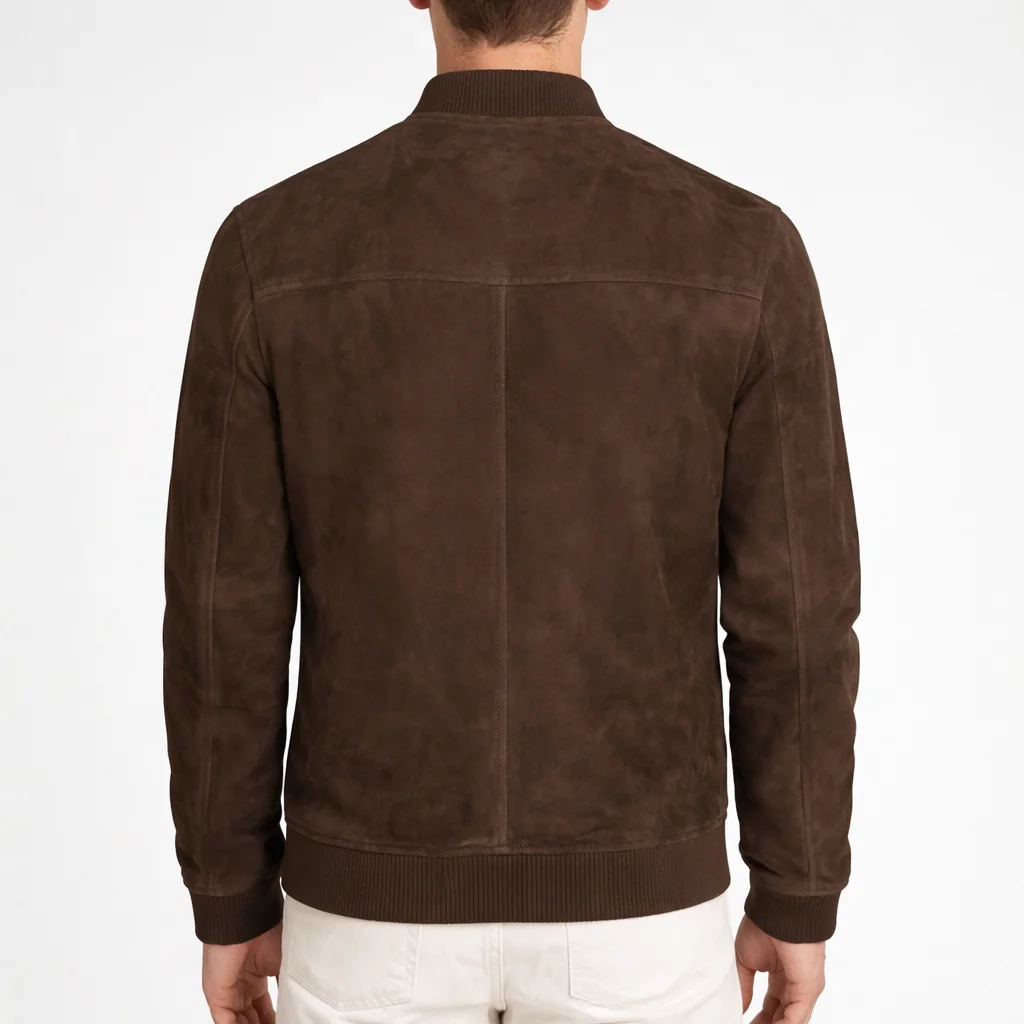
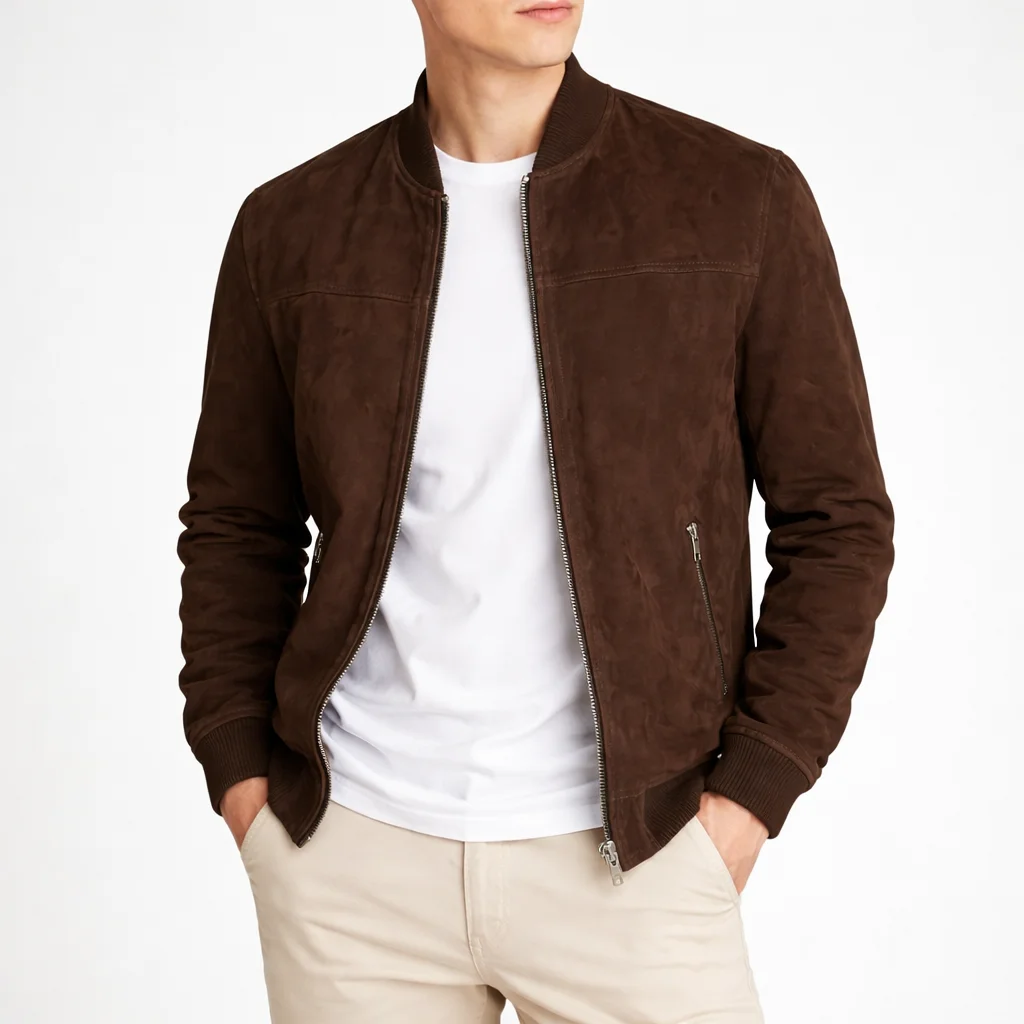
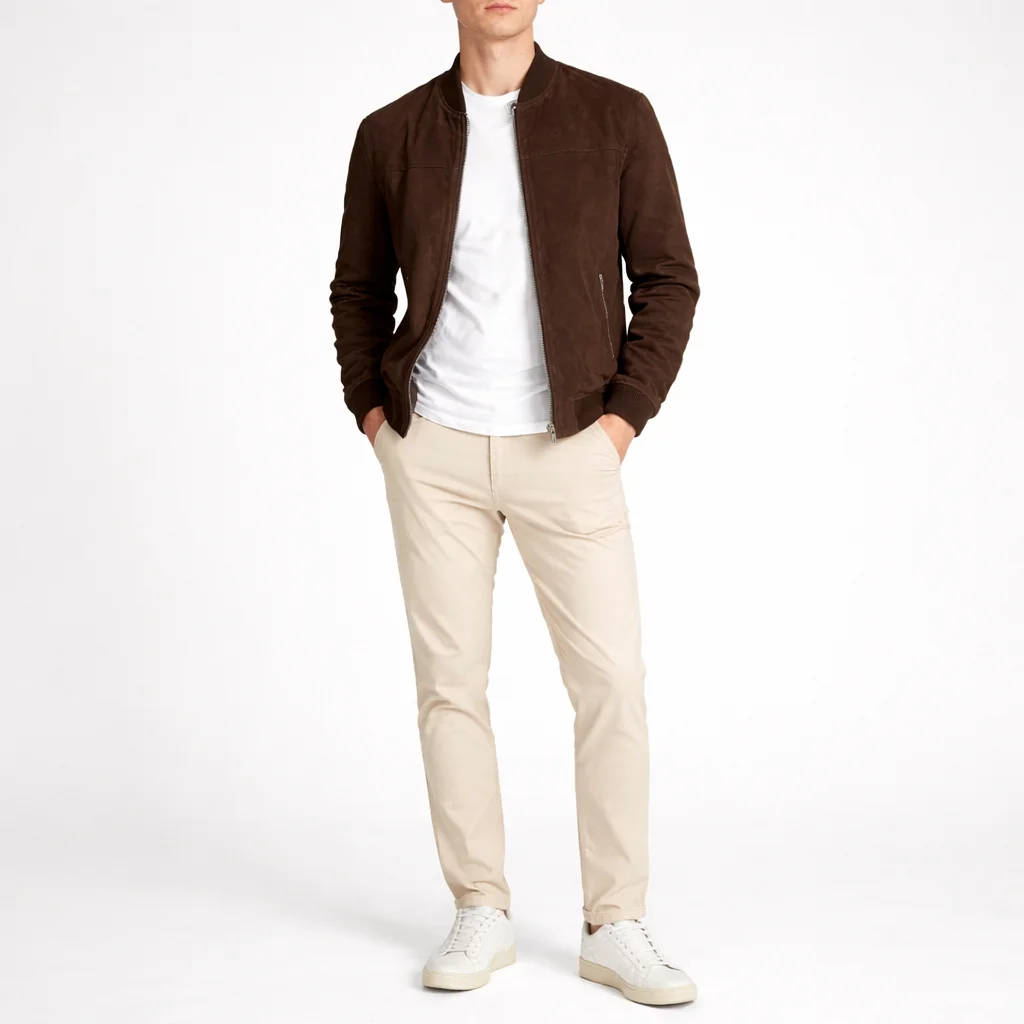
Suede is genuine leather made from the soft inner layer of an animal hide, called the flesh side. It’s created by sanding or buffing the underside of the skin to raise the fibers, giving it that famous fuzzy, velvety texture. It’s commonly made from lamb, goat, calf, or deer skin and is softer, thinner, and more flexible than traditional leather.
The name comes from 18th century France, where “gants de Suède” meant “gloves from Sweden,” since Swedish artisans first developed the technique for making soft gloves for women.
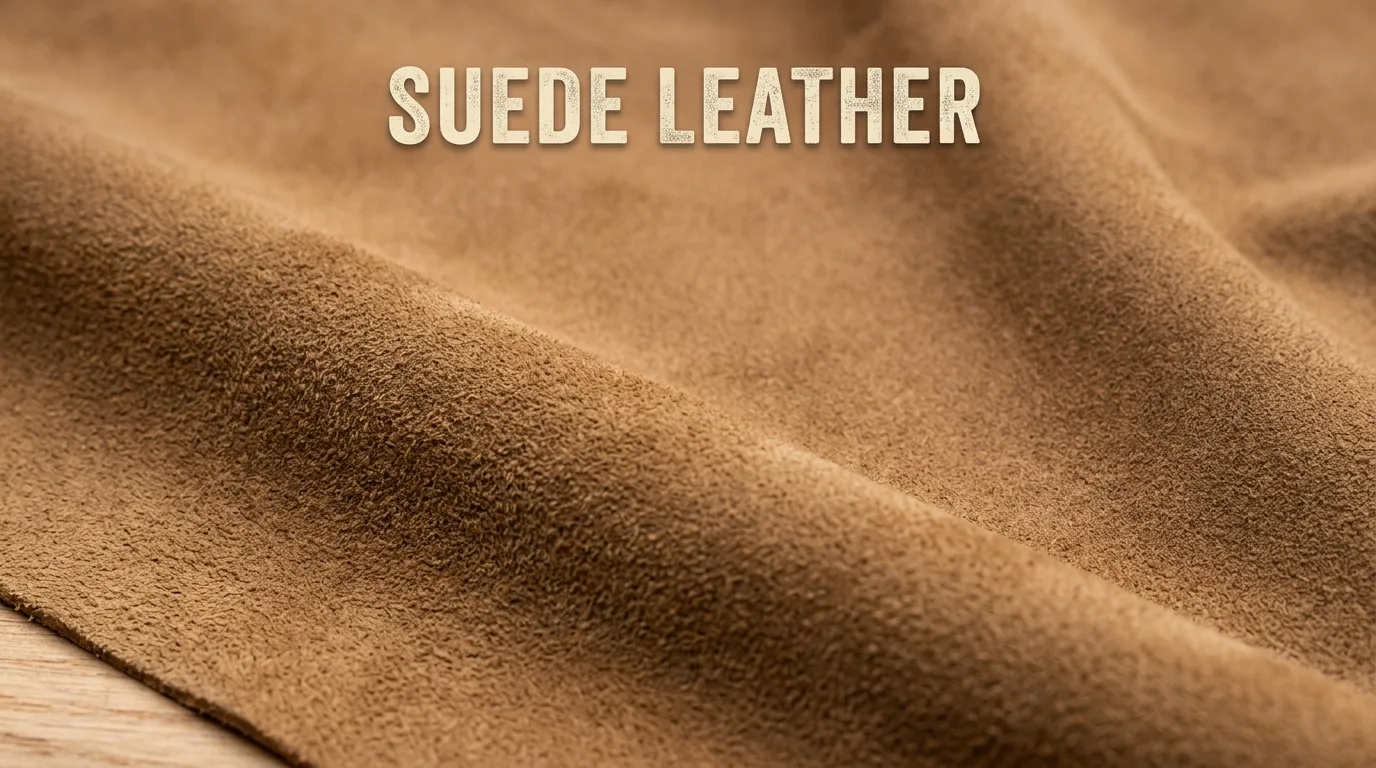
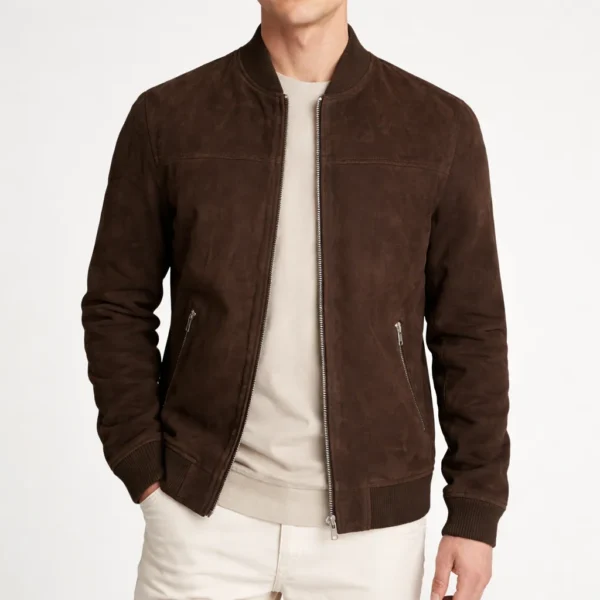
Suede is loved for its lightweight feel, breathability, and elegant appearance, making it a popular choice for jackets, shoes, bags, and gloves. However, it lacks the tough outer grain layer, so it’s more delicate and less durable than full-grain leather or nubuck. It absorbs water quickly, stains easily, and shows wear faster. With proper care, using a suede brush and waterproofing spray, suede pieces can develop a beautiful worn-in character and last for many years.


Where the Name “Nubuck” Comes From
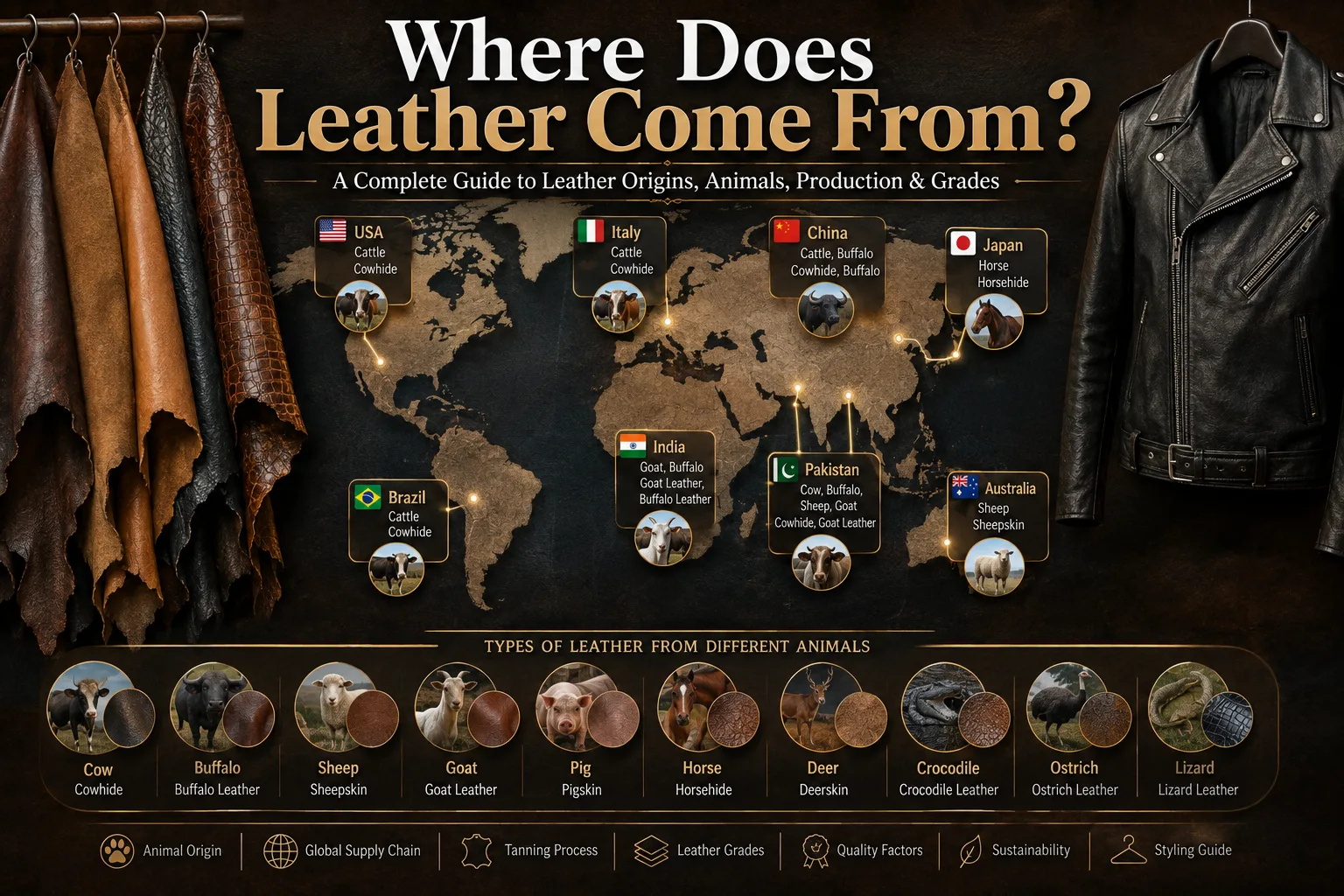
The name is a blend of “new” and “buckskin.” Nubuck was originally made from the hide of buck deer, back when deerskin was the standard raw material for this kind of finish. As demand grew, tanneries shifted to cowhide and calfskin, more widely available and more affordable, while keeping the same sanding technique and the original name. Deer and elk nubuck still exists today, but it’s a specialty, premium option rather than the industry standard.
What Is Nubuck Made Of?
Modern nubuck is almost always made from cowhide or calfskin, taken specifically from the top-grain layer, the same premium layer used for full-grain and top-grain smooth leathers.
Which animals is nubuck made from?
- Cow and calf — by far the most common source today; widely available, consistent quality, and cost-effective.
- Deer (buckskin) — the original source nubuck was named after; still used for premium, specialty pieces.
- Elk — another premium, specialty option valued for its thickness and softness.
- Goat — occasionally used for lighter nubuck items like gloves and small accessories.
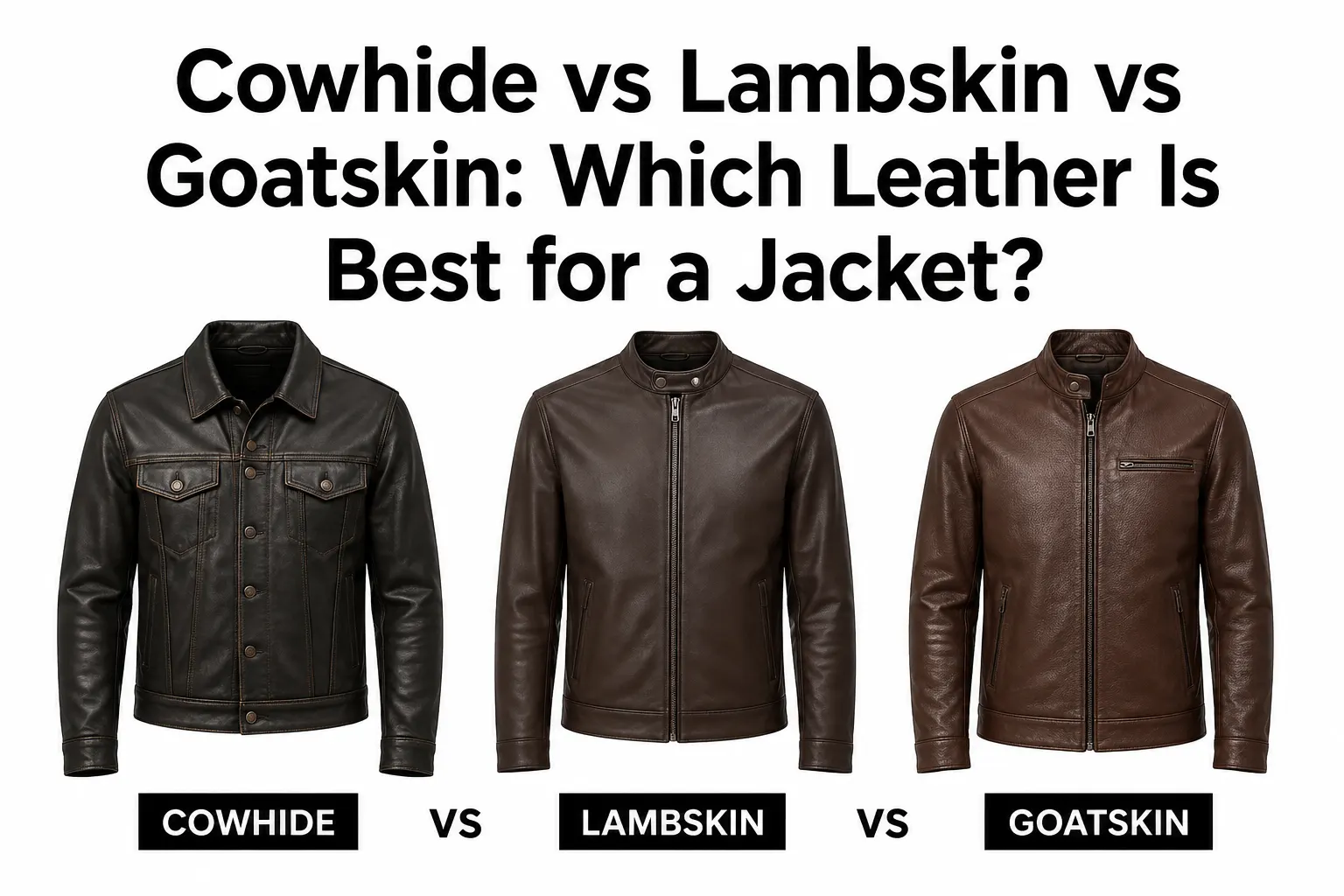
Related Article: Cowhide vs Lambskin vs Goatskin: Which Leather Is Best for a Jacket?
Here’s how the nap is created, regardless of which hide is used:
- The hide is processed to retain the strong outer grain layer.
- That surface is run against a sanding or buffing wheel, lightly abrading the grain to lift short protein fibers.
- Because the natural top-grain surface often has visible scars, insect bites, or blemishes, the leather is then dyed or stained, usually more heavily than smooth leather needs, to even out the sanded surface.
- The result keeps the density and tensile strength of the original top grain while gaining a soft, brushed hand-feel.
Is Nubuck Real Leather?
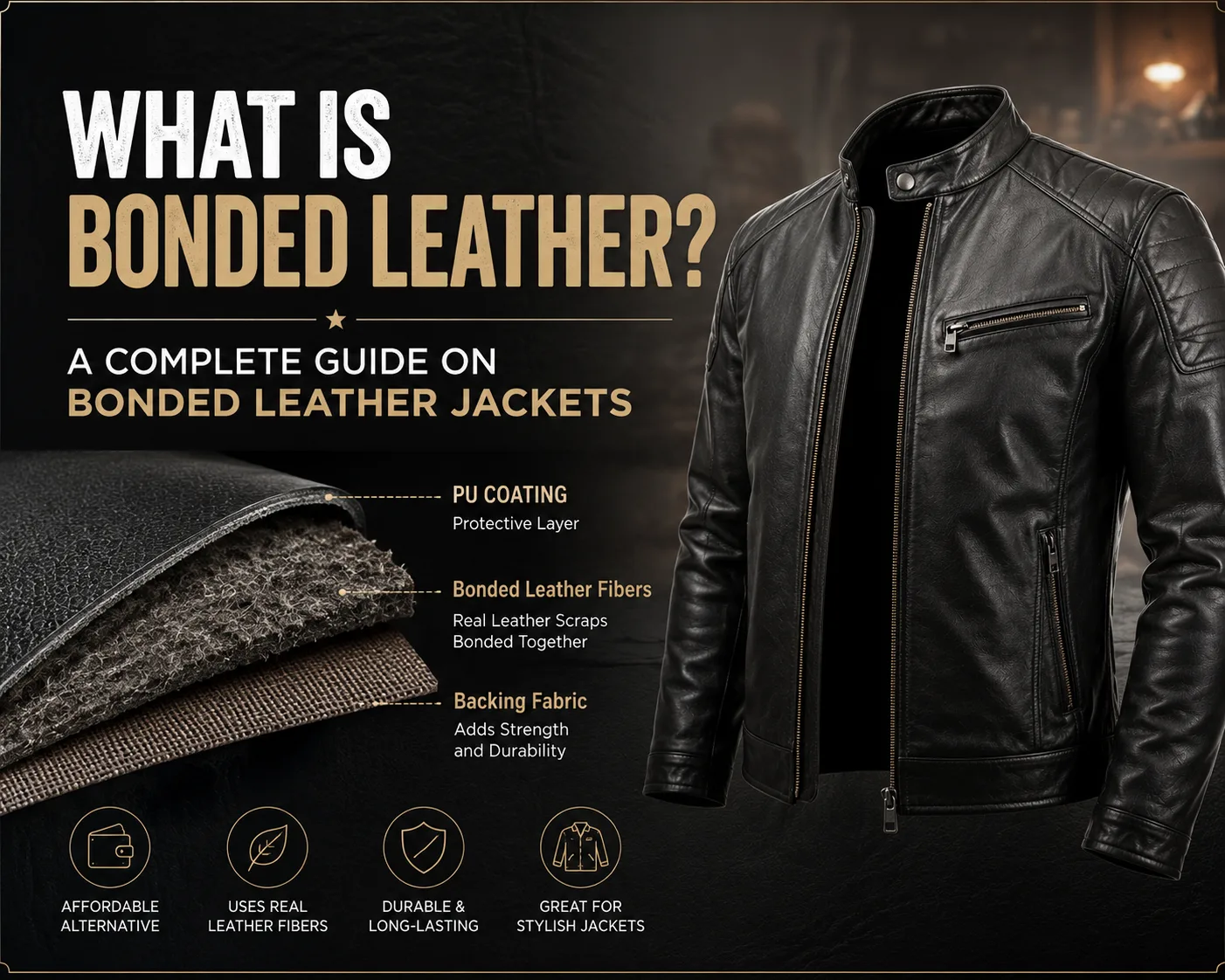
Yes. Nubuck is genuine leather made from the outer grain layer of an animal hide. It’s not synthetic or bonded leather. This is worth clarifying because nubuck’s matte look sometimes gets mistaken for faux or “vegan leather,” which is actually a plastic-based material (typically polyurethane) with no animal hide content at all. Bonded leather, scraps of real leather glued together with a polyurethane backing, is another separate category entirely. Nubuck belongs to neither; it’s simply top-grain leather with a sanded finish.
Nubuck vs Suede: The Core Difference
This is the comparison almost everyone searching “nubuck” eventually wants answered, so here it is directly:
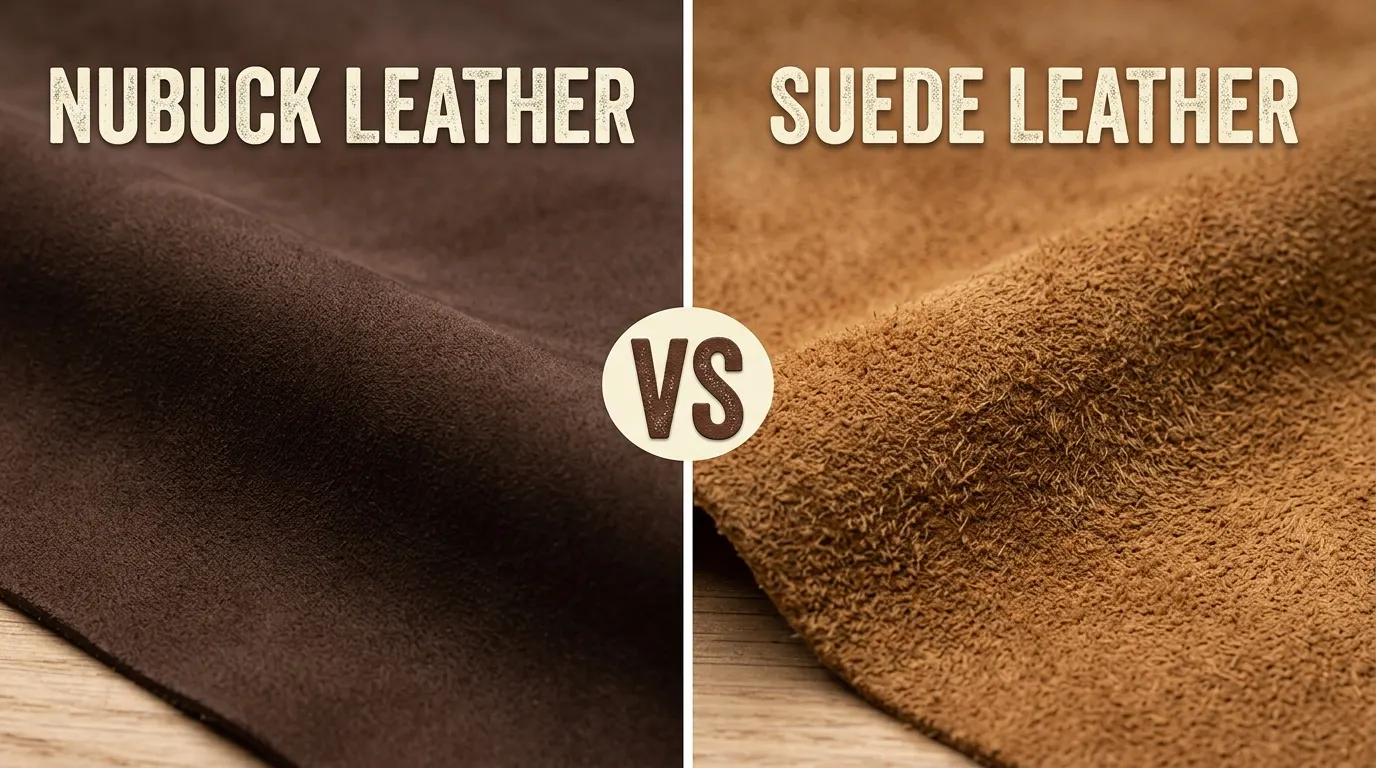
- Nubuck comes from the outer, top-grain side of the hide: the strongest, densest layer.
- Suede comes from the inner, flesh side of the hide: a thinner, more porous split layer.
Both go through a similar sanding/brushing process to create their nap, which is why they look and feel similar at a glance. But because nubuck retains the structural grain layer underneath its nap, it holds up to wear, resists tearing, and handles water slightly better than suede, which is thinner and more delicate by nature.
Nubuck vs Nappa vs Genuine vs Faux Leather
Since these terms often get confused, here’s how nubuck stacks up against other leather types you’ll commonly see on labels:
- Nubuck vs Nappa leather: Nappa is a soft, smooth, full-grain leather (no sanding) known for its buttery texture, commonly used in luxury car interiors and handbags. Nubuck is sanded and matte; nappa is unsanded and smooth. Nappa is generally more expensive and used where a sleek, polished look is wanted, while nubuck is chosen for a soft, matte texture.
- Nubuck vs genuine leather: “Genuine leather” is a broad, often misleading label that can refer to lower layers of the hide with a lower quality finish. Nubuck, by contrast, specifically comes from the premium top-grain layer, so it’s generally a higher-quality product than leather simply labeled “genuine.”
- Nubuck vs faux/vegan leather: Faux leather contains no animal hide at all; it’s a plastic-based material (usually polyurethane or PVC) designed to imitate the look of leather. Nubuck is 100% real animal hide. Faux leather is cheaper and animal-free, but doesn’t develop the same patina, breathability, or long-term durability as real nubuck.
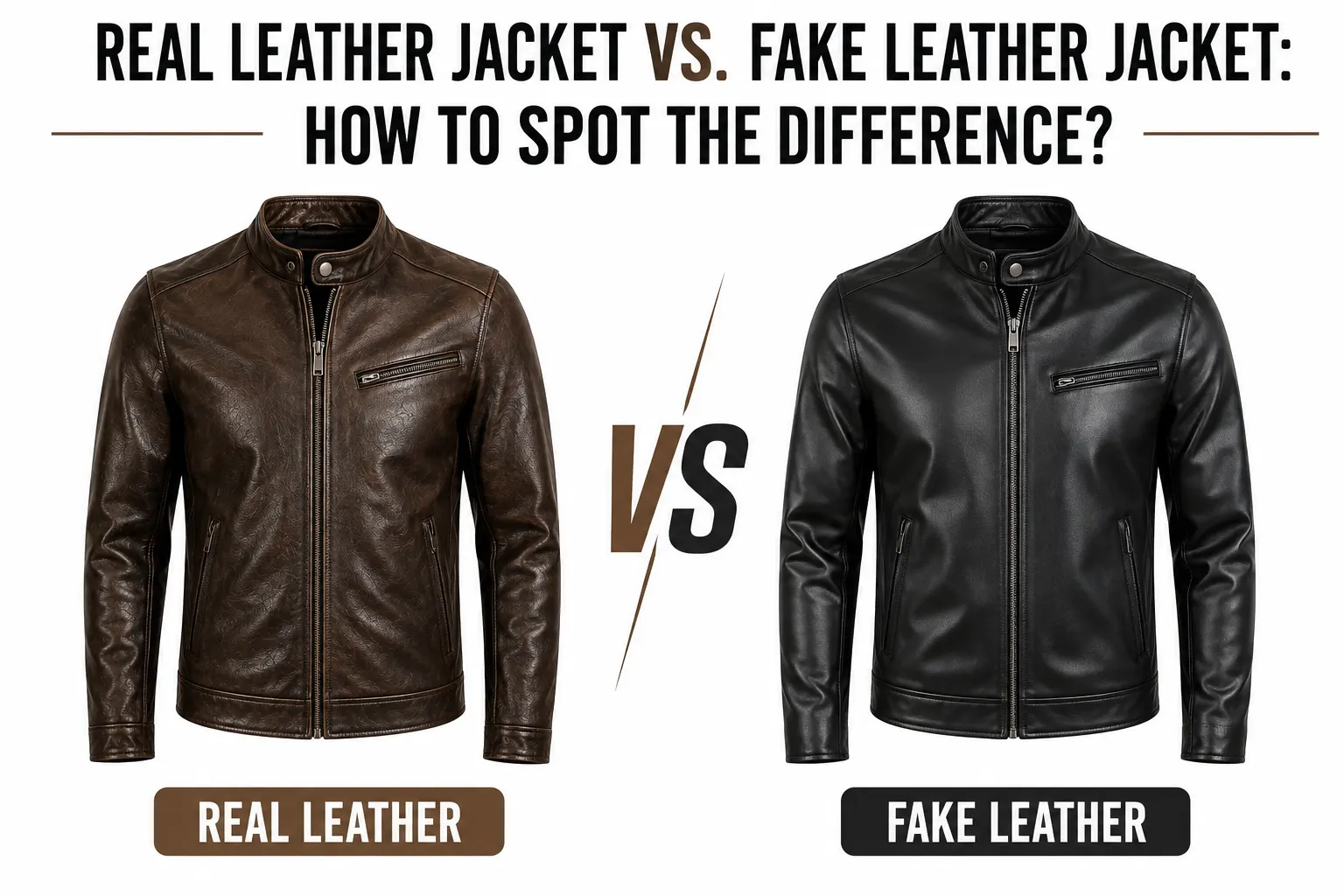
Related Article: REAL LEATHER JACKET VS. FAKE LEATHER JACKET: HOW TO SPOT THE DIFFERENCE?
Comparison Table
| Feature | Nubuck | Suede | Full-Grain Leather | Top-Grain Leather |
|---|---|---|---|---|
| Hide layer | Outer top-grain, sanded | Inner split / flesh side | Outer top-grain, unsanded | Outer layer, sanded smooth or corrected |
| Surface | Matte, velvety nap | Fuzzy, longer nap | Natural grain, finish varies | Smooth, slightly corrected |
| Durability | High | Moderate | Highest | High |
| Water resistance | Moderate | Low | Moderate–high (depends on finish) | Moderate |
| Typical cost | High | Lower | Highest | High |
| Common uses | Jackets, boots, bags, furniture | Jackets, shoes, bags, gloves, upholstery | Premium boots, belts, wallets | Shoes, bags, upholstery |
Advantages of Nubuck Leather
Nubuck leather offers a range of qualities that make it a standout choice for anyone comparing leather types. It’s crafted from top-grain leather, which gives it excellent durability, comfort, and long-term wear. Its velvet-like surface also means it doesn’t demand the same constant upkeep as many other leathers.
Beyond that, nubuck is far more breathable than synthetic alternatives, and it pairs beautifully with almost any product it’s used in. Here are some of its key advantages:
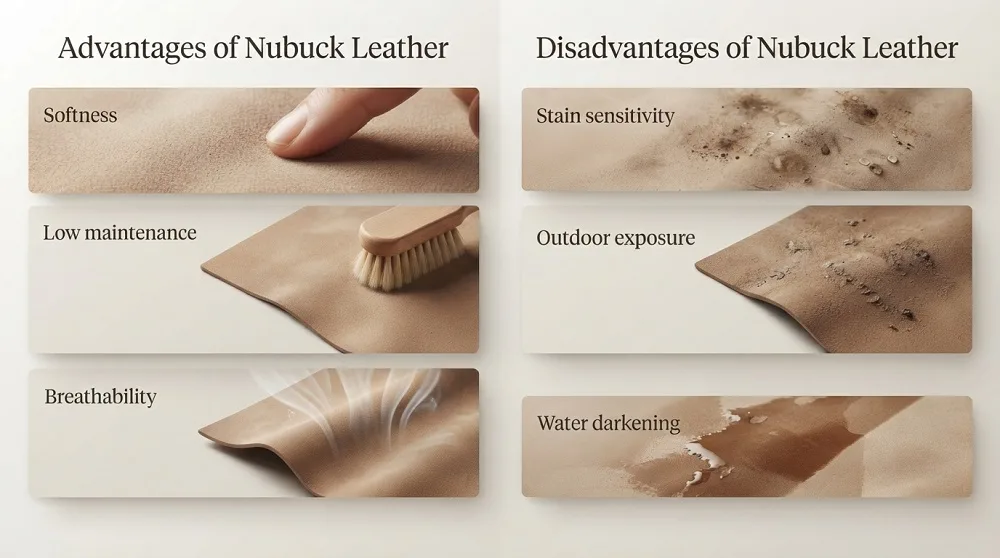
- Softness: Nubuck is exceptionally soft, which makes it highly comfortable to wear. This softness comes from both the manufacturing process and the type of hide used, usually calfskin. After the hide is sanded, short protein fibers are exposed, creating a surface that’s both durable and gentle to the touch. Nubuck shoes, in particular, are known for their all-day comfort.
- Low maintenance: Unlike many leather types, nubuck doesn’t require frequent care. It doesn’t need regular polishing to keep its appearance, making it a practical choice for everyday use.
- Breathability: Nubuck allows air to circulate far better than most synthetic materials. This is what keeps nubuck footwear comfortable even after long hours of wear.
Disadvantages of Nubuck Leather
Nubuck leather does have a few drawbacks, but in most cases its advantages far outweigh them. One of the main concerns is that dirt, oil, and grit tend to leave visible stains on the surface. This makes nubuck less suitable for environments where it will be exposed to mud, grime, or heavy outdoor use.
Because of this, nubuck requires extra care when worn outside, since it stains easily. Nubuck shoes, for example, aren’t the best choice for muddy parks or nature trails.
Another point to note is that nubuck darkens when it gets wet, though it typically returns to its original color once it dries. Some people view this as a disadvantage, while others consider it a minor and temporary issue.
Pros and Cons of Nubuck Leather
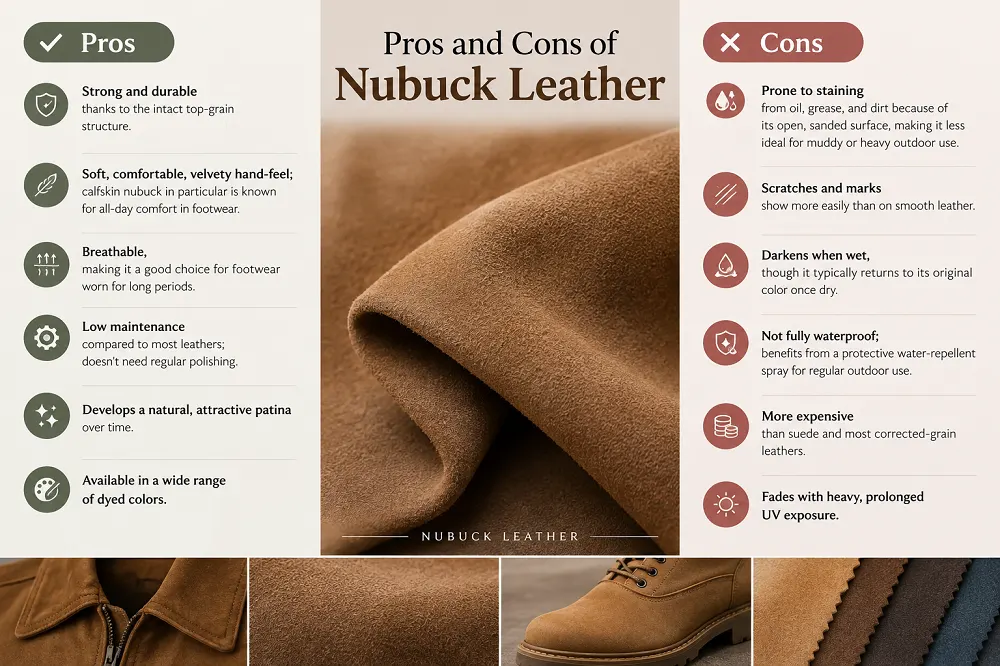
Pros:
- Strong and durable thanks to the intact top-grain structure
- Soft, comfortable, velvety hand-feel; calfskin nubuck in particular is known for all-day comfort in footwear
- Breathable, making it a good choice for footwear worn for long periods
- Low maintenance compared to most leathers; doesn’t need regular polishing
- Develops a natural, attractive patina over time
- Available in a wide range of dyed colors
Cons:
- Prone to staining from oil, grease, and dirt because of its open, sanded surface, making it less ideal for muddy or heavy outdoor use
- Scratches and marks show more easily than on smooth leather
- Darkens when wet, though it typically returns to its original color once dry
- Not fully waterproof; benefits from a protective water-repellent spray for regular outdoor use
- More expensive than suede and most corrected-grain leathers
- Fades with heavy, prolonged UV exposure
Pros and Cons of Suede Leather
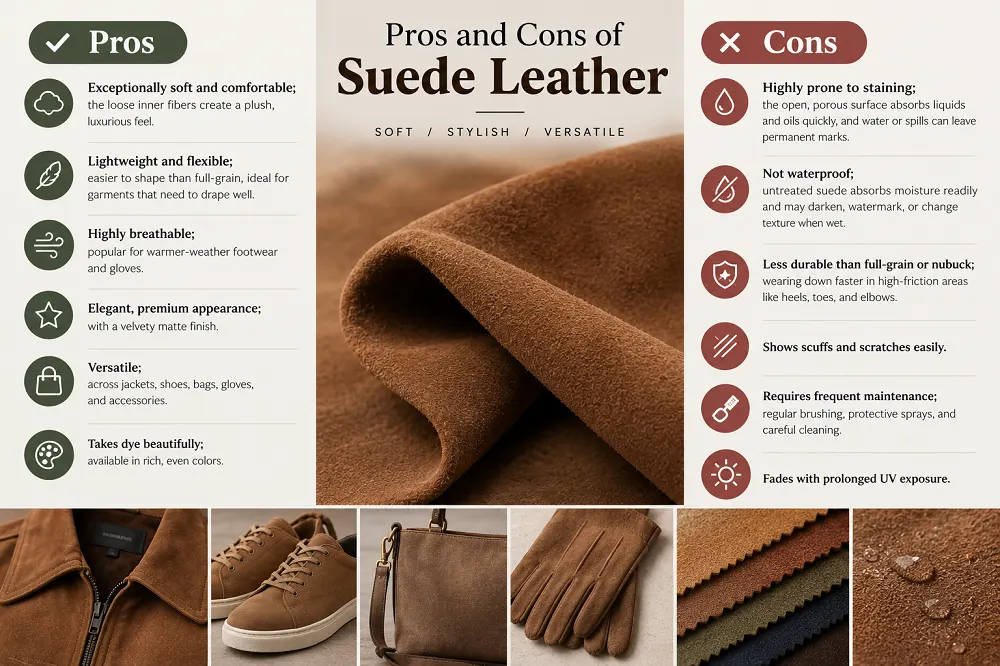
Pros:
- Exceptionally soft and comfortable; the loose inner fibers create a plush, luxurious feel
- Lightweight and flexible, easier to shape than full-grain, ideal for garments that need to drape well
- Highly breathable, popular for warmer-weather footwear and gloves
- Elegant, premium appearance with a velvety matte finish
- Versatile across jackets, shoes, bags, gloves, and accessories
- Takes dye beautifully, available in rich, even colors
Cons:
- Highly prone to staining; the open, porous surface absorbs liquids and oils quickly, and water or spills can leave permanent marks
- Not waterproof; untreated suede absorbs moisture readily and may darken, watermark, or change texture when wet
- Less durable than full-grain or nubuck, wearing down faster in high-friction areas like heels, toes, and elbows
- Shows scuffs and scratches easily
- Requires frequent maintenance: regular brushing, protective sprays, and careful cleaning
- Fades with prolonged UV exposure
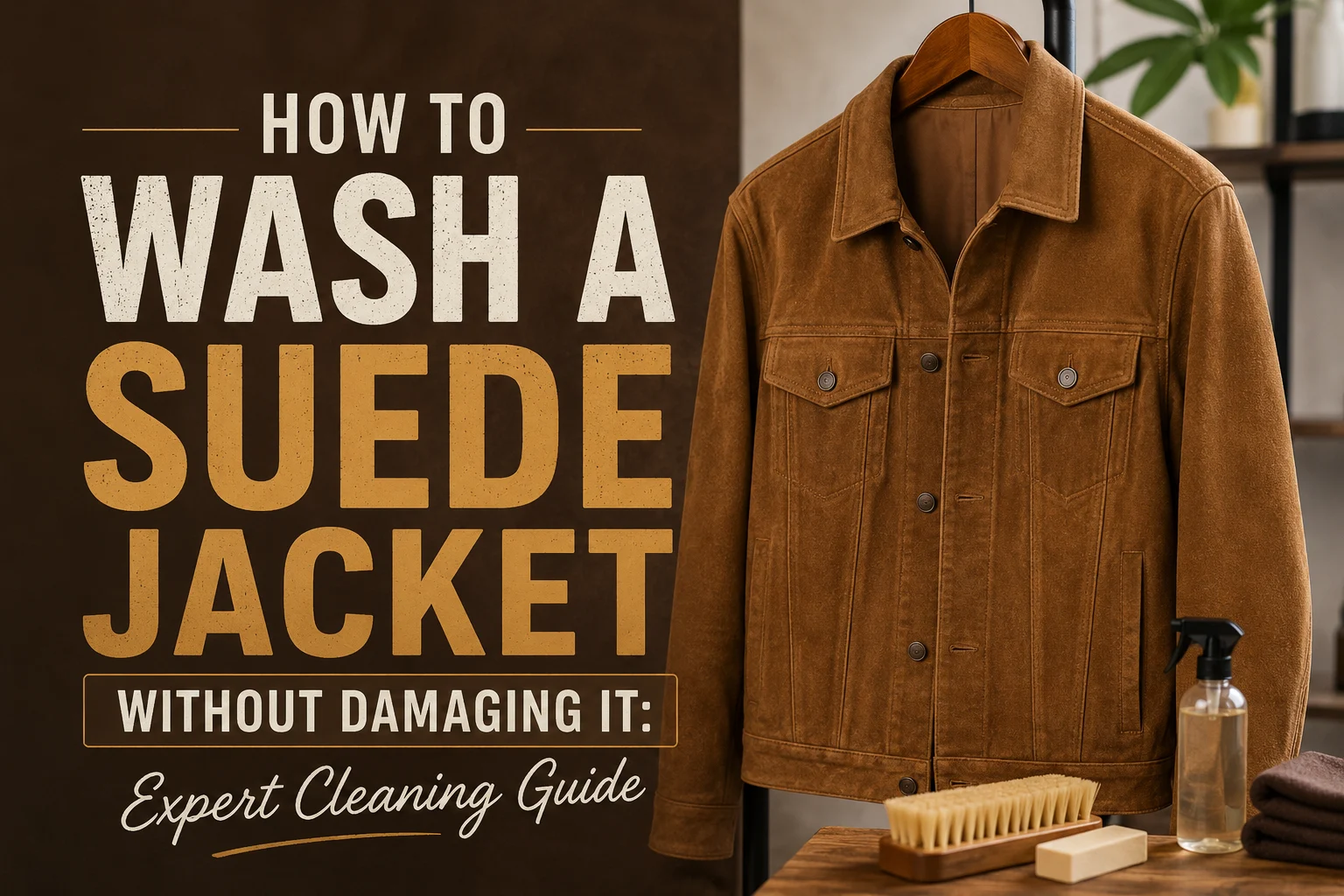
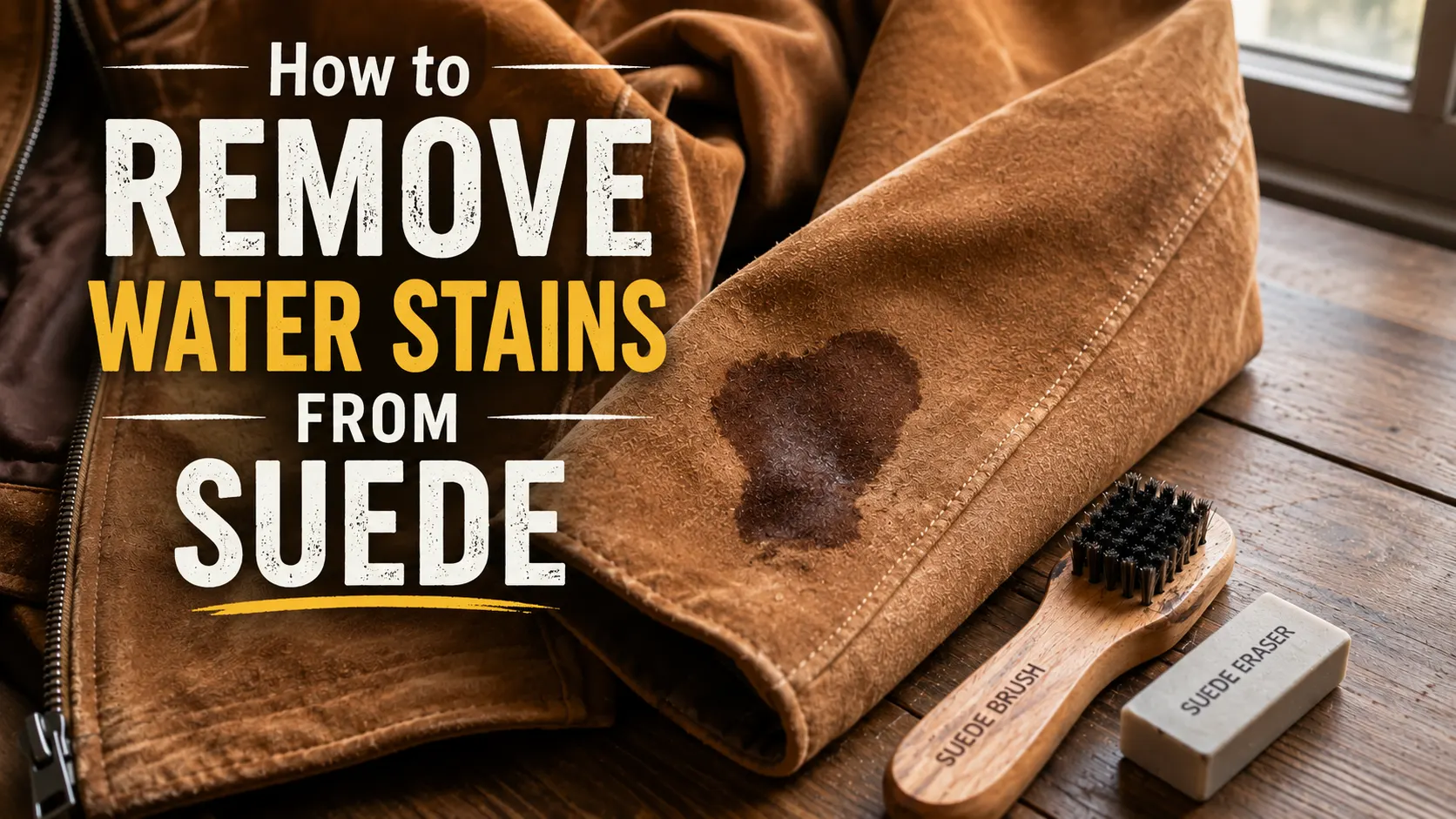
Related Article: How to Remove Water Stains from Suede Jacket – 5 Easy Home Methods
Is Nubuck Waterproof?
No, nubuck is water-resistant, not waterproof. Its sanded surface is more porous than smooth leather, so:
- Light moisture (a quick drizzle, splashes) is tolerated reasonably well, especially with a protective spray applied.
- Heavier or prolonged water exposure will cause the leather to darken temporarily as it absorbs moisture. It typically returns to its original color once fully dry.
- Repeated soaking can leave watermarks, stiffen the nap, or flatten it unevenly, and over time weaken the fibers.
If your nubuck item gets wet: blot (never rub) with a clean, dry cloth, let it air-dry naturally away from direct heat, then brush the nap back into shape once fully dry. Apply a nubuck-specific water-repellent spray according to the manufacturer’s instructions.
Is Suede Waterproof?
No, suede is not waterproof. Its soft, open nap is more porous than smooth leather and generally absorbs moisture more readily than nubuck, making it more vulnerable to water stains, darkening, and changes in texture.
- Light moisture: A few drops or brief exposure to light rain may not cause permanent damage, especially with a protective spray applied.
- Heavy or prolonged exposure: Soaking can cause suede to darken, watermark, stiffen, or leave an uneven nap after drying.
- Repeated wetting: Frequent exposure and drying can gradually weaken the fibers and affect softness and appearance.
If your suede gets wet: blot the excess moisture gently with a clean, dry cloth, never rub. Let it air-dry naturally at room temperature, away from direct heat and sunlight. Once fully dry, use a suede brush to restore the nap.
Nubuck in Rain, Snow, and Humidity
Rain: Occasional light rain won’t ruin a treated nubuck item, but repeated exposure without a protective spray will eventually cause darkening, watermarks, and a stiffer nap. Always let nubuck dry naturally rather than using direct heat.
Snow and slush: Snow itself is manageable in small amounts, but road salt and slush residue are the real risk, they can leave white mineral stains once the leather dries. Wipe off salt residue with a damp cloth as soon as possible.
Humidity: High humidity doesn’t damage nubuck directly, but it slows drying time and can encourage the nap to flatten or mat if the item stays damp for long. Store nubuck items in a cool, dry, well-ventilated space rather than sealed bags or damp closets.
For any of these conditions, a nubuck-specific water and stain protectant reapplied every few months during wet seasons makes the biggest practical difference.
Does Nubuck Stretch?
Yes, modestly. Like most leathers, nubuck stretches slightly with regular wear as the fibers relax. This is especially noticeable in footwear, where a snug pair of nubuck boots will loosen a little around the toe box and ball of the foot after a few wears. Wearing thicker socks during the first few wears is a common way to encourage even stretching.
Does Suede Stretch?
Yes, modestly, for the same reason. A snug pair of suede shoes or boots may loosen slightly around the toe box and ball of the foot after a few wears. Thicker socks during the break-in period help the leather stretch gradually and evenly.
How Much Does Nubuck Cost?
Nubuck generally costs more than suede because it’s cut from the same premium top-grain layer used for full-grain leather, a layer that’s more limited and more expensive to source than the inner split used for suede.
Rough price expectations (varies widely by brand, hide quality, and craftsmanship):
- Nubuck boots/shoes: typically mid-to-premium range, often noticeably more than a comparable suede pair from the same brand
- Nubuck jackets: priced closer to full-grain leather jackets than to suede jackets
- Nubuck accessories (wallets, small bags): a moderate premium over suede equivalents, reflecting the higher cost of the raw material
As a rule of thumb: if a product labeled “nubuck” is priced the same as or cheaper than a similar suede item, it’s worth double-checking the material, since genuine nubuck rarely undercuts suede on price.
How to Clean and Care for Nubuck
Never use standard leather creams, waxes, or polish on nubuck. These products are made for sealed, smooth leather and can flatten the nap into a dark, greasy patch.
Step-by-step cleaning routine:
- Dry brush first. Use a nubuck/suede brush (firmer bristles than a standard suede brush) to lift surface dirt and dust, brushing in one consistent direction.
- Treat scuffs. Use a nubuck cleaning eraser block on scuffs and light marks before reaching for any liquid cleaner.
- Deep clean if needed. For heavier soiling, apply a small amount of nubuck-specific cleaner to a cloth or sponge and work it gently in circular motions. Never soak the material.
- Dry naturally. Let the item air-dry away from direct sunlight, radiators, or other heat sources, which can cause cracking.
- Restore the nap. Once fully dry, brush again in one direction to lift the fibers back into their velvety finish.
- Protect it. Apply a nubuck-specific water-repellent spray according to the manufacturer’s instructions, especially before wet-weather months.
Quick don’ts: avoid regular soap or detergent, avoid oil-based cleaners not made for nubuck, and treat stains immediately, the longer they sit, the harder they are to lift.
Products You Need for Nubuck Care
A basic nubuck care kit covers almost every situation:
- Nubuck/suede brush — firm brass or rubber bristles for daily dirt removal and nap restoration
- Nubuck cleaning eraser block — for scuffs and light surface marks without liquid
- Nubuck-specific cleaner — for deeper stains; never substitute a general leather cleaner
- Water and stain repellent spray (nubuck-formulated) — the single most effective preventative step, reapplied every few months
- Soft, clean cloths — for blotting moisture, never rubbing
Keeping just these four or five items on hand covers the vast majority of nubuck maintenance needs.
Best Uses for Nubuck
- Outerwear: Leather jackets, structured jackets, and coats where you want a soft texture with a durable, substantial surface.
- Footwear: Hiking boots, work boots, casual sneakers, and dress shoes where durability and support matter.
- Bags and accessories: Backpacks, belts, wallets, and everyday bags that benefit from nubuck’s durable surface.
- Furniture and interiors: Upholstery and car interiors where regular contact requires good wear resistance.
Best Uses for Suede
- Outerwear: Suede jackets, lightweight coats, and fashion-forward outerwear where softness and drape matter most.
- Footwear: Suede boots, loafers, and casual shoes where flexibility and a soft feel are valued.
- Bags and accessories: Handbags, clutches, and fashion accessories where suede’s velvety texture adds visual appeal.
- Furniture and interiors: Upholstery, cushions, and interior accents where a soft nap creates a warm aesthetic.
How to Spot Quality Nubuck
- Feel the density. Quality nubuck feels dense and slightly firm under the nap, not thin, hollow, or papery.
- Check the flex. Good nubuck bends naturally and gradually returns to shape without leaving deep, permanent creases.
- Inspect the nap. The surface should have a fine, even texture with consistent color rather than patchy or overly rough areas.
- Look at the grain. High-quality nubuck made from the outer grain layer feels more substantial than lower-grade or synthetic imitations.
How to Spot Quality Suede
- Feel the softness. Good suede feels soft and supple with a fine, even nap rather than coarse or stiff fibers.
- Check the nap. Gently brush the surface in different directions. Quality suede shows a consistent nap without bald or uneven patches.
- Inspect the backing. The underside should feel relatively uniform, without excessive loose fibers or a weak, papery construction.
- Test the flexibility. Good suede bends easily and returns naturally without becoming excessively wrinkled.
Which Should You Buy?
Choose nubuck for structured jackets, boots, daily-carry bags, and anything that needs to survive regular wear and occasional weather exposure.
Choose suede for lighter jackets, dress loafers, gloves, and accessories where softness, flexibility, and drape matter more than maximum durability.
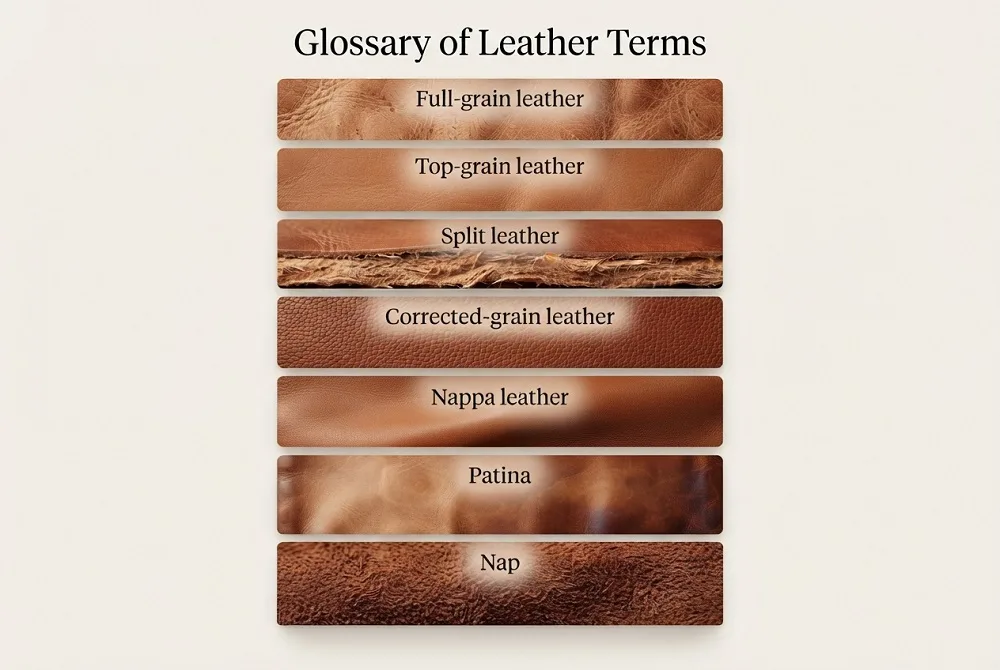
Glossary of Leather Terms
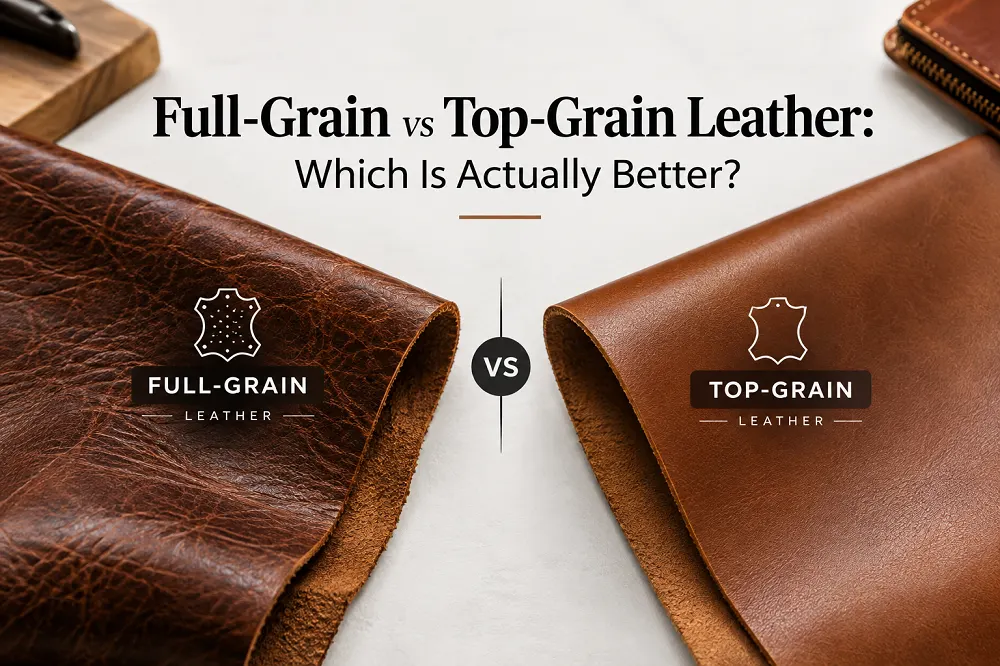
- Full-grain leather: The uppermost layer of the hide, unsanded and unaltered, keeping the natural grain and highest durability.
- Top-grain leather: The same outer layer as full-grain, but lightly sanded or corrected for a more uniform look; nubuck is a type of top-grain leather.
- Split leather: The lower, inner layers of the hide left after the top-grain is removed; suede is typically made from this split layer.
- Corrected-grain leather: Leather that’s been sanded and stamped with an artificial grain pattern to hide imperfections.
- Nappa leather: A soft, smooth, full-grain leather known for its supple, buttery texture; unlike nubuck, it isn’t sanded.
- Patina: The natural sheen and color change leather develops over time from wear, light exposure, and handling.
- Nap: The short, raised fibers that give nubuck and suede their soft, velvety surface texture.
FAQs
What is nubuck leather? Nubuck is top-grain leather that’s been sanded on the outer surface to create a soft, velvety nap, giving it a suede-like look with more durability.
Is nubuck leather real or fake? Yes, nubuck is 100% real leather. It comes from the tough outer layer of an animal hide, giving it superior durability and a distinct, velvety feel.
Is nubuck the same as suede? No. Nubuck comes from the outer top-grain layer of the hide, while suede comes from the inner, softer split layer, which makes nubuck stronger and more expensive.
Is nubuck leather synthetic or bonded leather? Neither. It’s 100% genuine leather, made from the top-grain layer of an animal hide.
Is nubuck leather waterproof? No. Nubuck is water-resistant but not waterproof. It handles light moisture well, especially with a protective spray, but heavier exposure causes temporary darkening and can weaken fibers over time.
Does nubuck leather stretch? Yes, modestly, with regular wear, most noticeably in footwear, where the fit loosens slightly around the toe box after a few wears.
How do you clean nubuck leather? Brush with a dedicated nubuck brush, use an eraser block on scuffs, apply a nubuck-specific cleaner for deeper stains, and always air-dry away from direct heat before re-brushing the nap.
What happens if nubuck gets wet? It temporarily darkens as it absorbs moisture and lightens again as it dries, though repeated or heavy soaking can leave watermarks and stiffen or flatten the nap.
Which is more expensive, nubuck or suede? Nubuck is typically more expensive because it’s made from the same premium top-grain layer used for full-grain leather, which costs more to source than the split layer used for suede.
What is nubuck used for? Common uses include boots and shoes, jackets, bags, wallets, furniture upholstery, and car interiors.
Can nubuck be dyed different colors? Yes. Because the sanding process can leave visible imperfections, nubuck is usually dyed fairly heavily, which also means it’s available in a wide range of colors.
What animal is nubuck leather made from? Most modern nubuck comes from cowhide or calfskin. Deer (the original source), elk, and occasionally goat are used for premium or specialty pieces.
Bottom Line
Nubuck is Genuine (Real), top-grain leather finished with a soft, sanded nap: tougher and pricier than suede, but not fully waterproof and more prone to visible staining than smooth leather. Once you know it comes from the hide’s outer layer rather than the inner split, most of its behavior (durability, cost, water sensitivity) makes intuitive sense. Match it to the right use case, boots, structured jackets, and daily-carry goods, and it will reward you with years of wear.































What Is Bison Leather? Durability, Uses & Cowhide Comparison
What Is Bovine Leather?