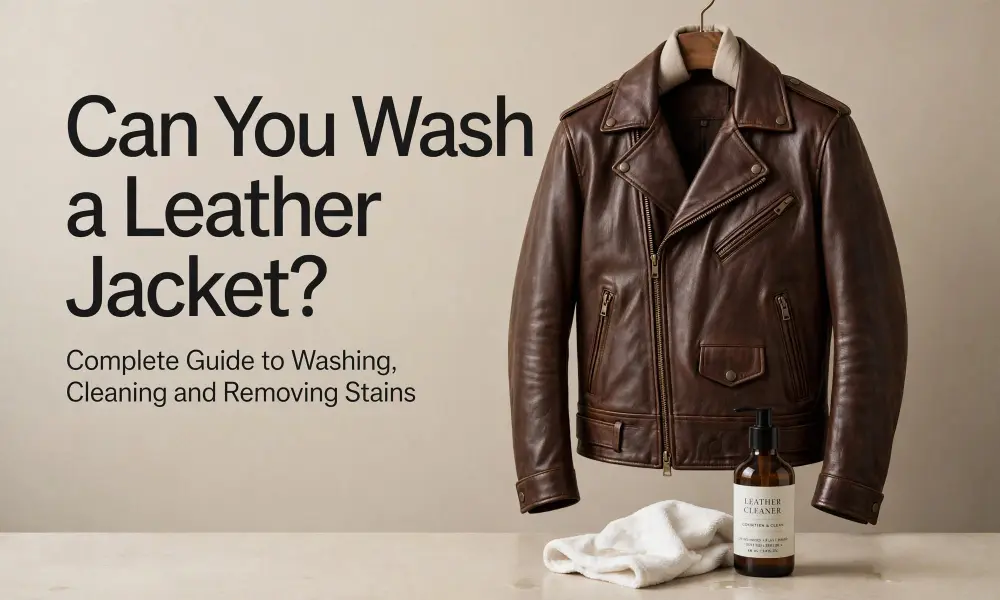
A leather jacket should not be washed like an ordinary cotton or polyester jacket. Genuine leather can absorb water, lose its natural oils, become stiff, shrink, crack, or develop permanent marks if it is soaked or cleaned incorrectly.
The safest way to clean a leather jacket is to wipe its surface with a soft, slightly damp microfiber cloth and use a leather-specific cleaner when necessary. However, the right cleaning method depends on the leather type, the stain, and the jacket’s care instructions.
This complete guide explains whether you can wash a leather jacket, how to clean it at home, how to remove common stains and odours, and how to protect genuine leather for years.
Quick Answer: You should not machine-wash or soak a genuine leather jacket. Clean minor dirt with a soft, slightly damp cloth, use a compatible leather cleaner for stains, and let the jacket air-dry naturally. Suede, nubuck, and faux leather require different care methods.
Can You Wash a Leather Jacket?
No, you should not wash a genuine leather jacket using ordinary laundry methods or soak it in water. Regular washing methods can damage the leather’s finish, natural oils, shape, and texture.
Leather is a natural material. Unlike ordinary fabric, it can absorb moisture and react badly to excessive water, heat, detergents, and strong cleaning chemicals.
You can clean a leather jacket at home, but you should use a method designed for its specific leather type.
- Avoid soaking genuine leather jackets in a bucket or bathtub.
- Avoid ordinary laundry detergent and bleach.
- Use a soft cloth for light surface dirt.
- Choose a leather-safe cleaner for tougher stains.
- Let the jacket dry naturally at room temperature.
- Follow the manufacturer’s care instructions.
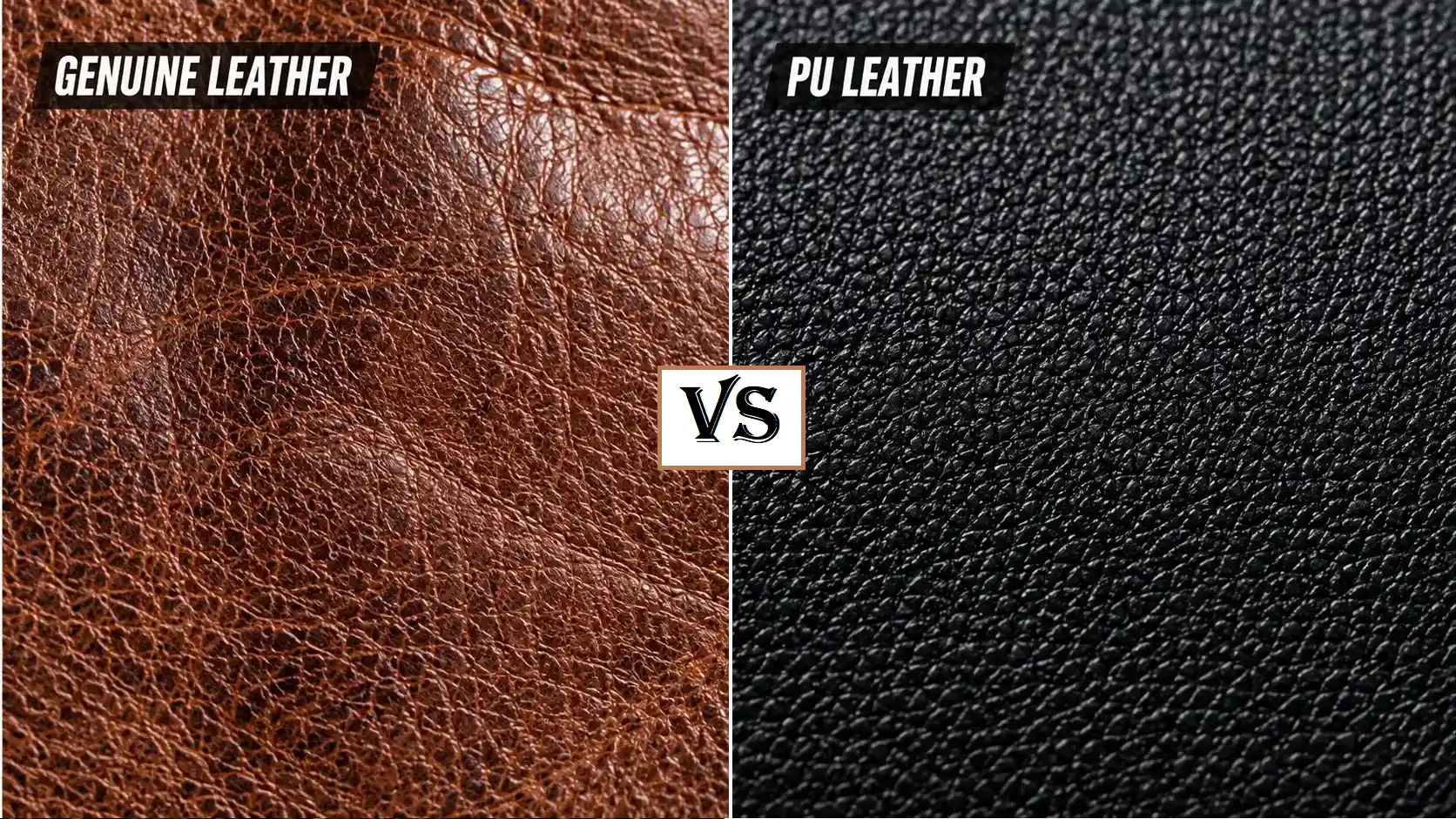
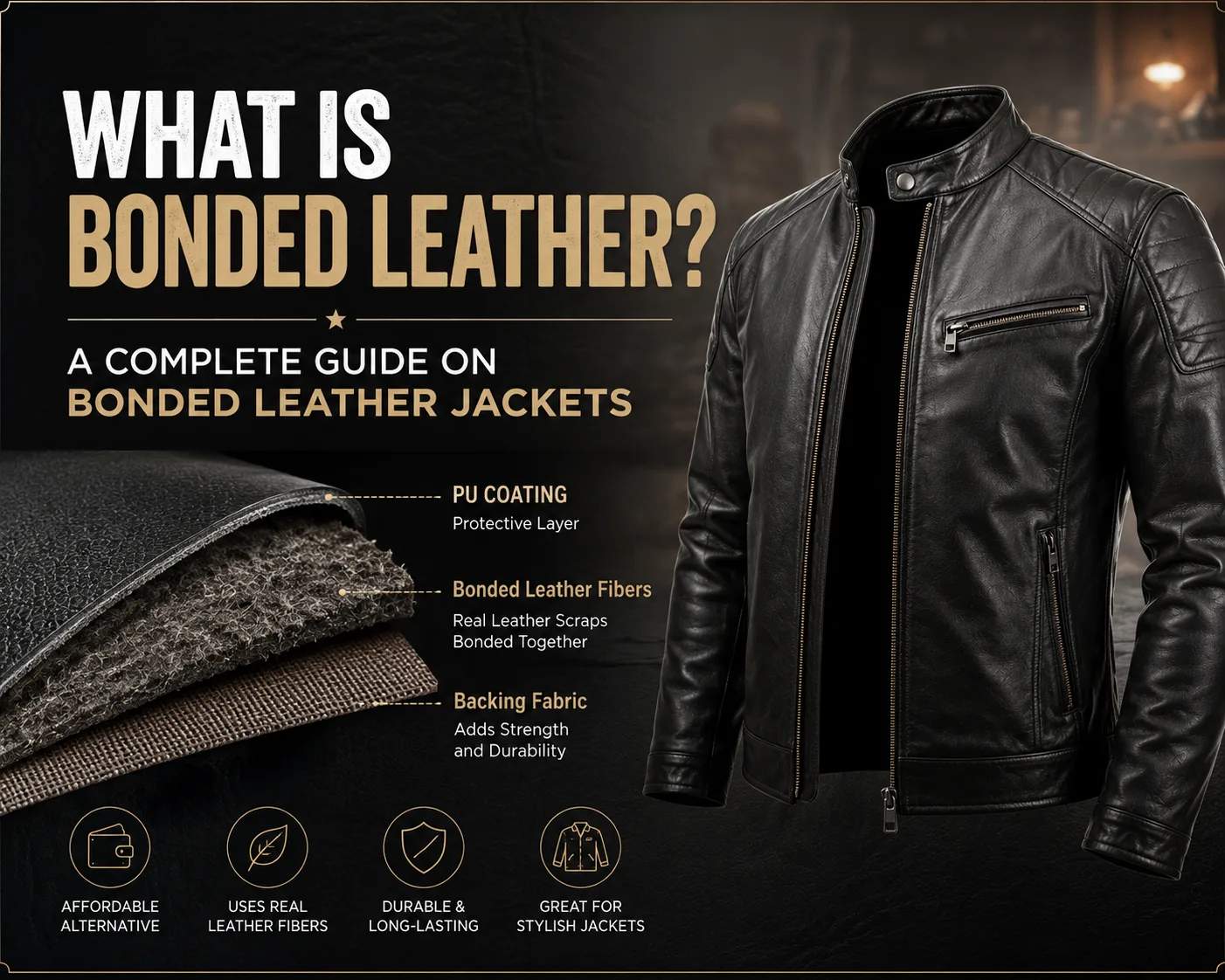
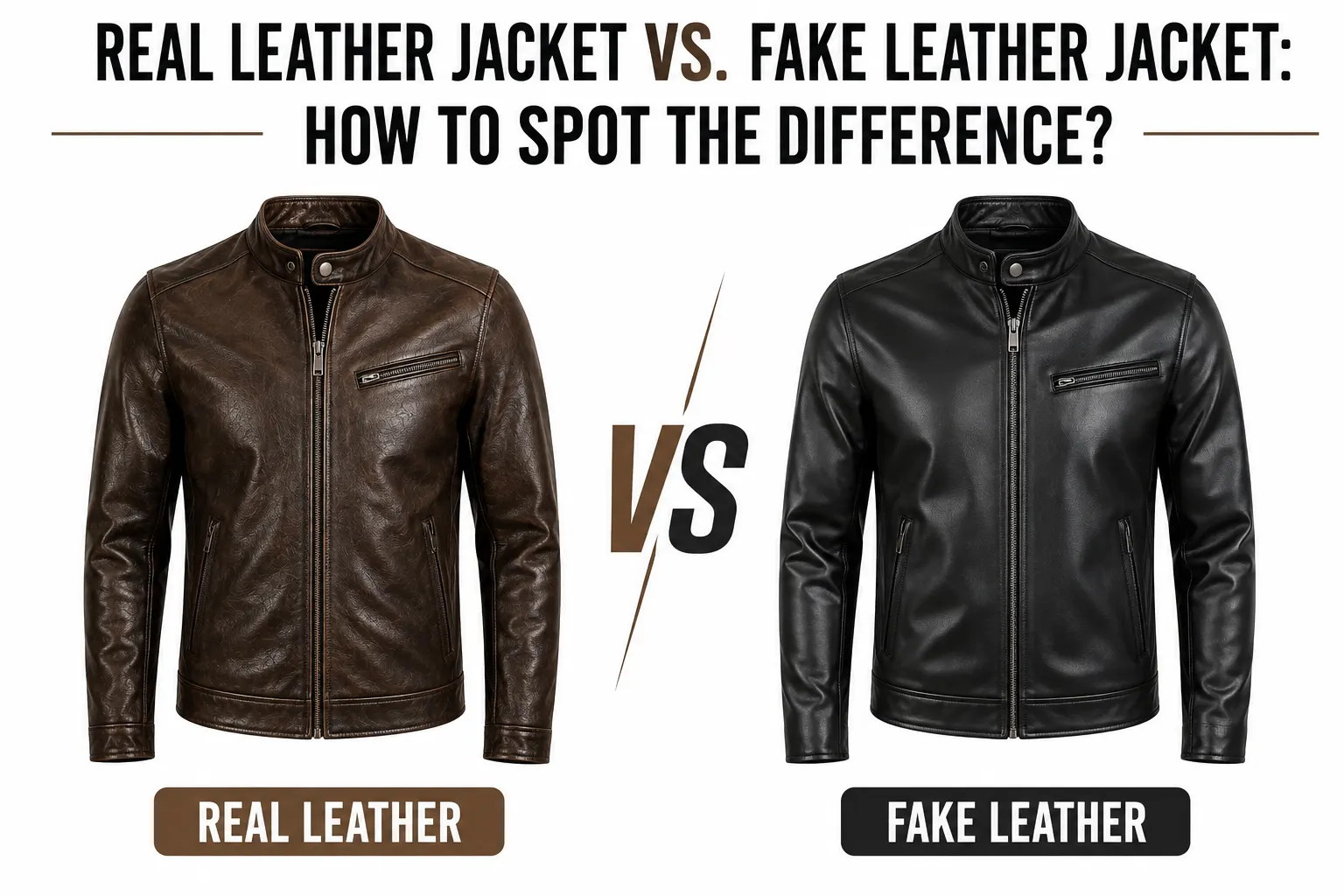
If you are unsure about your jacket’s material, first understand the differences between genuine leather and PU leather.
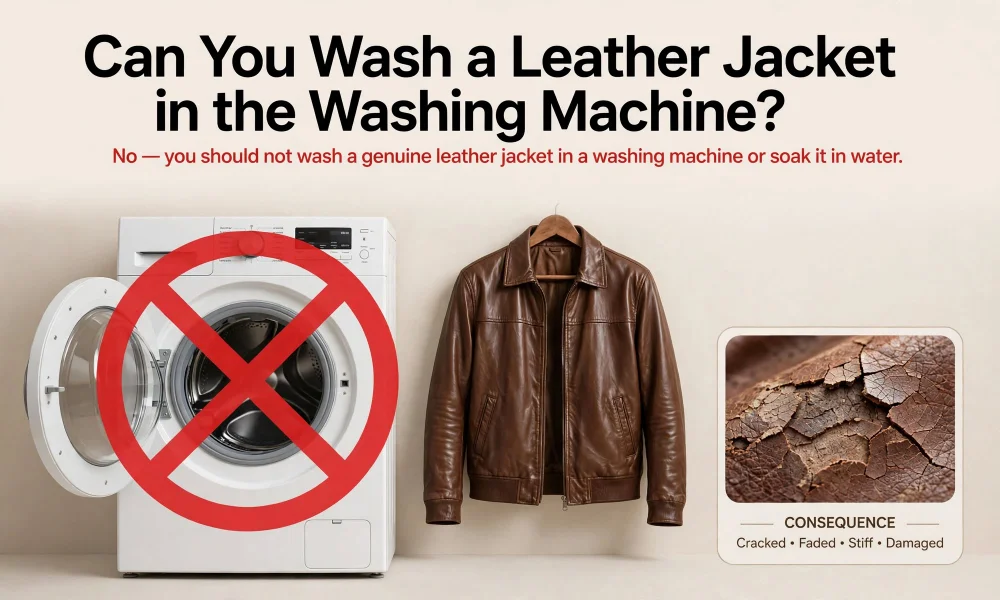
Can You Put a Leather Jacket in the Washing Machine?
No. Machine washing is generally unsafe for genuine leather jackets, even when using a gentle or cold cycle.
A washing machine exposes leather to repeated movement, laundry detergent, and large amounts of water. These conditions can affect the material, its natural oils, and its construction.
Possible damage includes:
- Stiff or hardened leather.
- Cracking and peeling.
- Shrinking or distortion.
- Faded or uneven colour.
- Damaged surface finish.
- Loose stitching or damaged lining.
- Loss of natural softness.
Even a delicate washing cycle cannot eliminate these risks. Genuine leather jackets should be cleaned using leather-safe methods rather than conventional machine washing.
Possible damage includes:
- Stiff or hardened leather.
- Cracking and peeling.
- Shrinking or distortion.
- Faded or uneven colour.
- Damaged surface finish.
- Loose stitching or damaged lining.
- Loss of natural softness.
Even a gentle or cold cycle does not make machine washing safe for genuine leather. The combination of water, detergent, and mechanical movement can still affect the material.
What About Faux Leather?
Some faux leather garments have specific machine-washing instructions, but many do not. Check the care label before washing. Never assume that a PU or synthetic leather jacket is machine washable.
Can You Hand-Wash a Leather Jacket?
You should not hand-wash a genuine leather jacket by submerging it in water or rubbing it with soapy water. However, you can carefully clean its surface using a damp cloth.
For safe surface cleaning:
- Remove dust with a dry, soft microfiber cloth.
- Slightly dampen another clean cloth with water.
- Wring it out so it is not dripping wet.
- Gently wipe the affected surface.
- Avoid soaking seams, pockets, and leather panels.
- Use a leather-specific cleaner if ordinary wiping is insufficient.
- Allow the jacket to air-dry naturally.
Do not scrub aggressively. Excessive friction can damage the finish, especially on delicate or coated leather.
How to Clean a Leather Jacket at Home
You do not always need professional cleaning for minor dirt or everyday marks. With the correct supplies and a careful approach, you can clean many surface-level problems at home.
What You Need
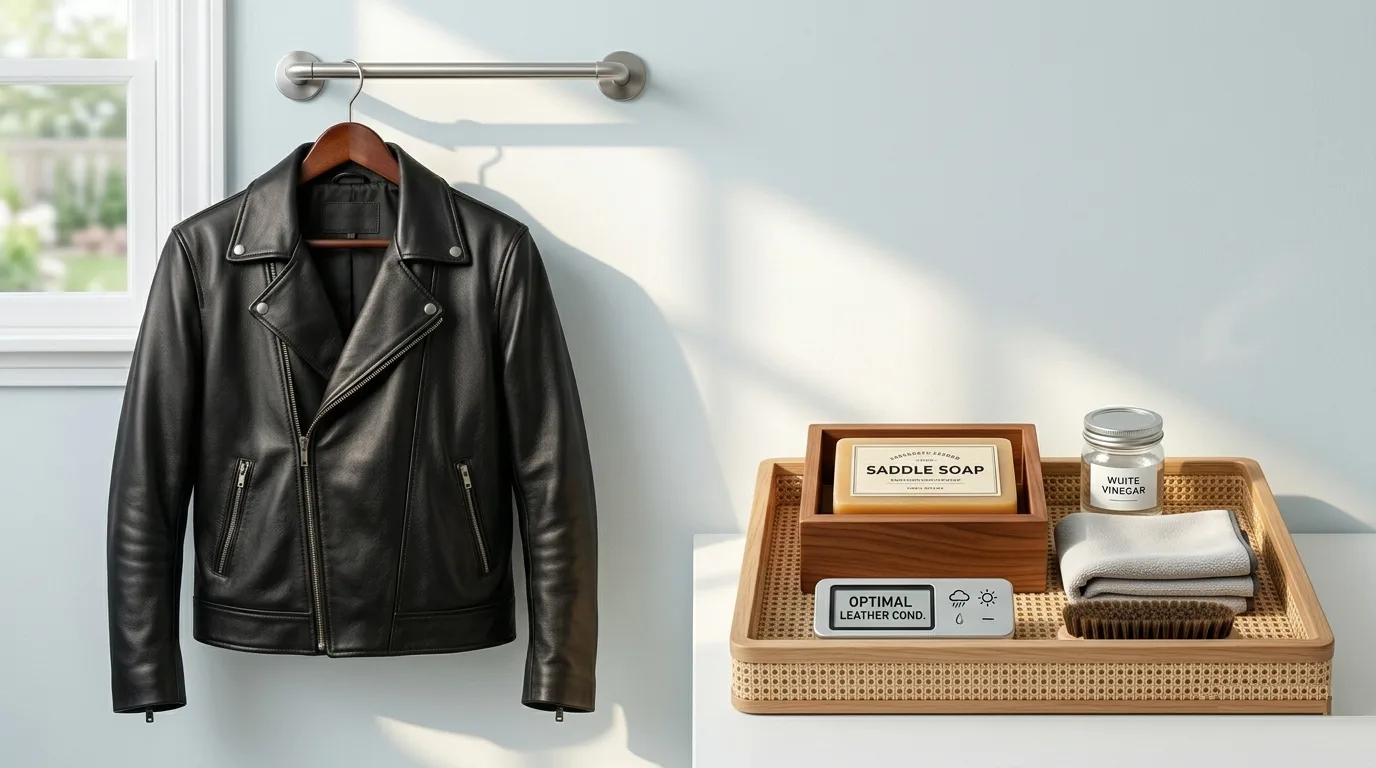
Prepare these items before starting:
- A soft microfiber cloth.
- A clean, dry cotton cloth.
- A small amount of clean water.
- A leather-specific cleaning product, if required.
- A padded hanger.
- A leather conditioner suitable for your jacket, if recommended.
Avoid household cleaners, dishwashing liquids, bleach, alcohol, and harsh chemicals.
Step 1: Check the Care Label
Before cleaning, check the jacket’s care label and any instructions supplied by the manufacturer.
Identify whether the jacket is made from smooth genuine leather, suede, nubuck, or synthetic leather. Different materials require different cleaning techniques.
Step 2: Remove Loose Dust
Use a clean, dry microfiber cloth to gently remove dust and loose dirt.
Pay attention to areas around the collar, shoulders, sleeves, pockets, and seams. These areas often collect dirt from regular use.
Step 3: Clean the Surface
For minor dirt, slightly dampen a microfiber cloth with water and gently wipe the affected area.
Do not pour water directly onto the jacket. Avoid excessive moisture and do not rub the leather too hard.
Step 4: Use a Leather Cleaner for Stubborn Dirt
If water alone does not remove the dirt, use a cleaner specifically designed for the type of leather.
Always test the product on a small, hidden area first. Follow the product instructions and stop if the colour or finish changes.
Step 5: Remove Excess Moisture
Use a clean, dry cloth to gently absorb any remaining moisture. Do not twist, squeeze, or aggressively rub the leather.
Step 6: Let the Jacket Air-Dry
Hang the jacket on a suitable padded hanger in a well-ventilated area.
Keep it away from:
- Direct sunlight.
- Hair dryers.
- Radiators.
- Heaters.
- Clothes dryers.
- Other direct heat sources.
Allow it to dry naturally before wearing or storing it.
Step 7: Condition the Leather if Needed
Some smooth leather jackets benefit from an appropriate leather conditioner after cleaning.
Only use a conditioner compatible with your leather type and finish. Test it on a hidden area first and follow the manufacturer’s instructions.
Do not automatically apply conditioner to suede, nubuck, or coated leather.
How to Clean Different Types of Leather Jackets
Not all leather jackets are made from the same material. Identifying the leather type is important because a cleaning method suitable for one jacket may damage another.
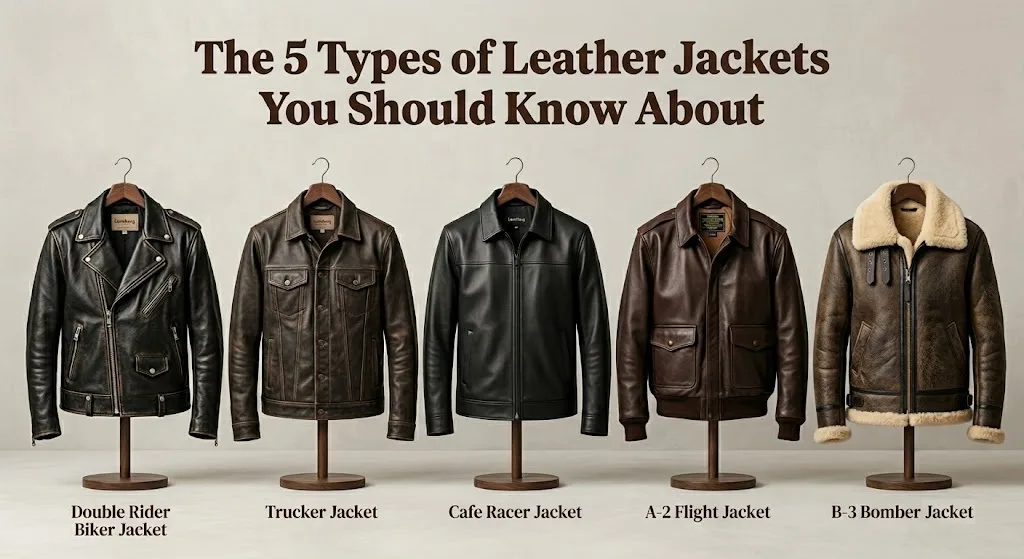
1. How to Clean a Genuine Leather Jacket
Smooth genuine leather requires gentle cleaning and protection.
- Remove dust with a dry microfiber cloth.
- Use a slightly damp cloth for light surface dirt.
- Apply a leather-specific cleaner when necessary.
- Avoid soaking or excessive rubbing.
- Dry naturally away from heat.
- Use a compatible leather conditioner if recommended.
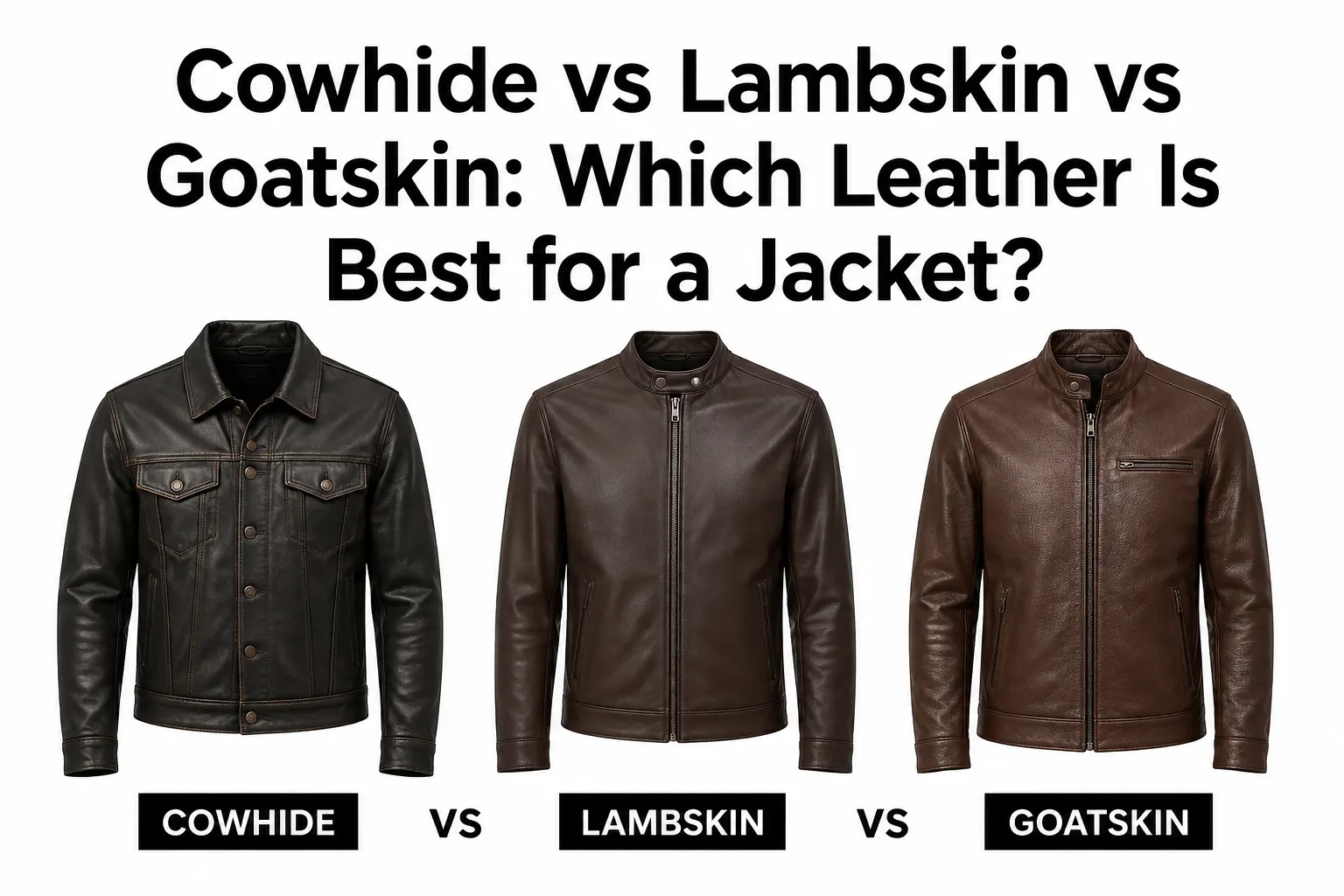
For more information about leather varieties, read Cowhide vs Lambskin vs Goatskin Leather Jackets.
2. How to Clean a Lambskin Leather Jacket
Lambskin is generally softer and more delicate than many heavier leather types. It can be more sensitive to friction, moisture, and unsuitable cleaning products.
For lambskin:
- Use a soft, clean microfiber cloth.
- Avoid vigorous rubbing.
- Do not apply excessive water.
- Use products specifically approved for delicate leather.
- Test every cleaning product in an inconspicuous area.
- Consider professional cleaning for stubborn stains.
Avoid experimenting with household remedies on delicate lambskin.
3. How to Clean a Suede Leather Jacket
Suede has a soft, textured surface that requires different care from smooth leather.
For routine maintenance:
- Let the jacket dry completely if it is damp.
- Use a suede brush to gently remove dust.
- Brush in the direction recommended for the material.
- Use a suede eraser designed for suitable surface marks.
- Seek professional help for deep stains.
Do not clean suede with ordinary leather conditioner or a wet cloth unless the product specifically permits it. If you are looking for suede outerwear, explore the LAMMBERG men’s suede jackets collection.
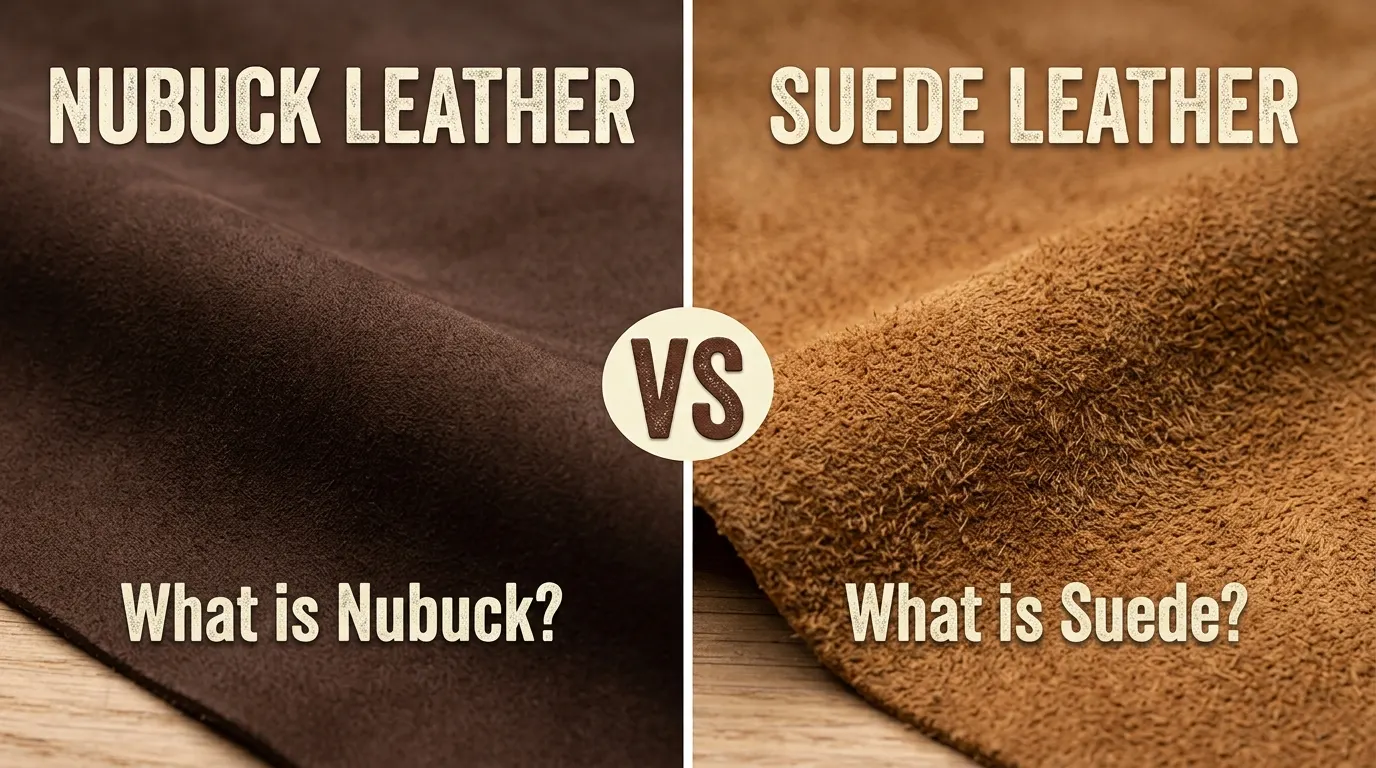
4. How to Clean a Nubuck Leather Jacket
Nubuck has a fine, brushed surface and can show water marks and stains easily.
Use a nubuck-specific brush or cleaning product. Avoid ordinary household cleaners, excessive water, and products intended for smooth leather.
For serious stains, professional leather cleaning is usually the safer option. To understand how nubuck differs from suede and how each material is made, read our guide to what nubuck leather is and how nubuck compares with suede.
5. How to Clean a Faux Leather or PU Jacket
Faux leather is synthetic, so its care requirements differ from genuine leather.
For many PU jackets:
- Wipe the surface with a soft, slightly damp cloth.
- Use mild cleaning methods approved by the manufacturer.
- Avoid abrasive brushes and harsh chemicals.
- Do not use excessive heat.
- Dry with a soft cloth or naturally as instructed.
Some synthetic jackets may have washable care labels. Follow the label rather than applying genuine-leather cleaning rules automatically.
How to Remove Different Stains from a Leather Jacket
Different stains require different approaches. The most important rule is to avoid aggressive cleaning attempts that can spread the stain or damage the leather.
How to Remove Oil and Grease Stains
Oil and grease can be difficult to remove because they may penetrate the leather.
- Gently blot fresh grease with a clean, dry cloth.
- Do not rub the stain.
- Avoid adding water.
- Do not use dish soap or strong degreasers.
- Use a leather-specific stain treatment if recommended.
- Contact a leather-cleaning professional if the stain remains.
Do not apply random powders or solvents without checking whether they are safe for your leather finish.
How to Remove Ink from a Leather Jacket
Ink can leave permanent marks, particularly on light-coloured leather.
Avoid rubbing alcohol, nail-polish remover, bleach, and other aggressive solvents. These may remove the leather’s colour or protective finish.
Use a product specifically designed for ink removal on the relevant leather type. For valuable jackets or large ink stains, professional treatment is the safer choice.
How to Remove Food Stains
For fresh food spills:
- Remove solid food gently without scraping the leather.
- Blot the area with a clean cloth.
- Avoid spreading the stain.
- Use a compatible leather cleaner if needed.
- Let the area dry naturally.
If the food contains oil, sauce, or strong colouring, professional cleaning may be necessary.
How to Remove Water Marks
Water can leave visible marks on some leather finishes.
Do not immediately apply heat or rub the area. Let the jacket dry naturally and inspect the result.
If a mark remains, use a cleaner designed for that leather type or consult a leather-care professional.
How to Remove Mud from a Leather Jacket
Let mud dry before attempting to remove it.
Once dry:
- Gently brush away loose dirt using a suitable soft brush.
- Wipe remaining surface dirt with a slightly damp cloth if appropriate for the leather.
- Avoid scraping or scratching the material.
- Allow the jacket to air-dry.
For suede and nubuck, use the appropriate brush rather than a wet-cleaning method.
How to Remove Sweat Marks
Sweat can affect the collar, underarms, and lining of a jacket.
For the leather exterior, use a compatible leather cleaner and a soft cloth. Do not soak the jacket to remove sweat.
If the lining is removable, follow its separate care label. If it is attached, avoid saturating it with water or cleaning products.
How to Remove Salt Stains
Salt marks can appear after exposure to road salt or salty water.
Do not scrape the marks or apply strong household chemicals. Use a cleaner specifically recommended for the leather type. If the salt has affected a large area, professional cleaning may be necessary.
How to Remove Bad Smell from a Leather Jacket
Leather jackets can develop unpleasant smells because of sweat, smoke, damp storage, food, or environmental exposure.
To reduce odours safely:
- Hang the jacket in a shaded, ventilated area.
- Allow it to air out naturally.
- Keep it away from strong perfumes and sprays.
- Make sure it is completely dry before storage.
- Clean the lining according to its care instructions.
Avoid spraying perfume, deodorant, or household air fresheners directly onto leather.
For more detailed advice, read How to Get the Smell Out of a Leather Jacket.
Can Leather Jackets Get Wet in the Rain?
Yes, a leather jacket can get wet in the rain, but prolonged exposure to water can cause problems.
Depending on the leather and its finish, excessive moisture may lead to:
- Water marks.
- Stiffness.
- Changes in texture.
- Colour variation.
- Damage to the finish.
- Mould growth if stored while damp.
If your jacket gets wet:
- Gently blot excess water with a soft, dry cloth.
- Do not rub or wring the leather.
- Hang it on a padded hanger.
- Let it dry naturally in a ventilated area.
- Keep it away from direct heat and sunlight.
- Apply a suitable leather-care product only if recommended.
Read Can Leather Jackets Get Wet? for more information.
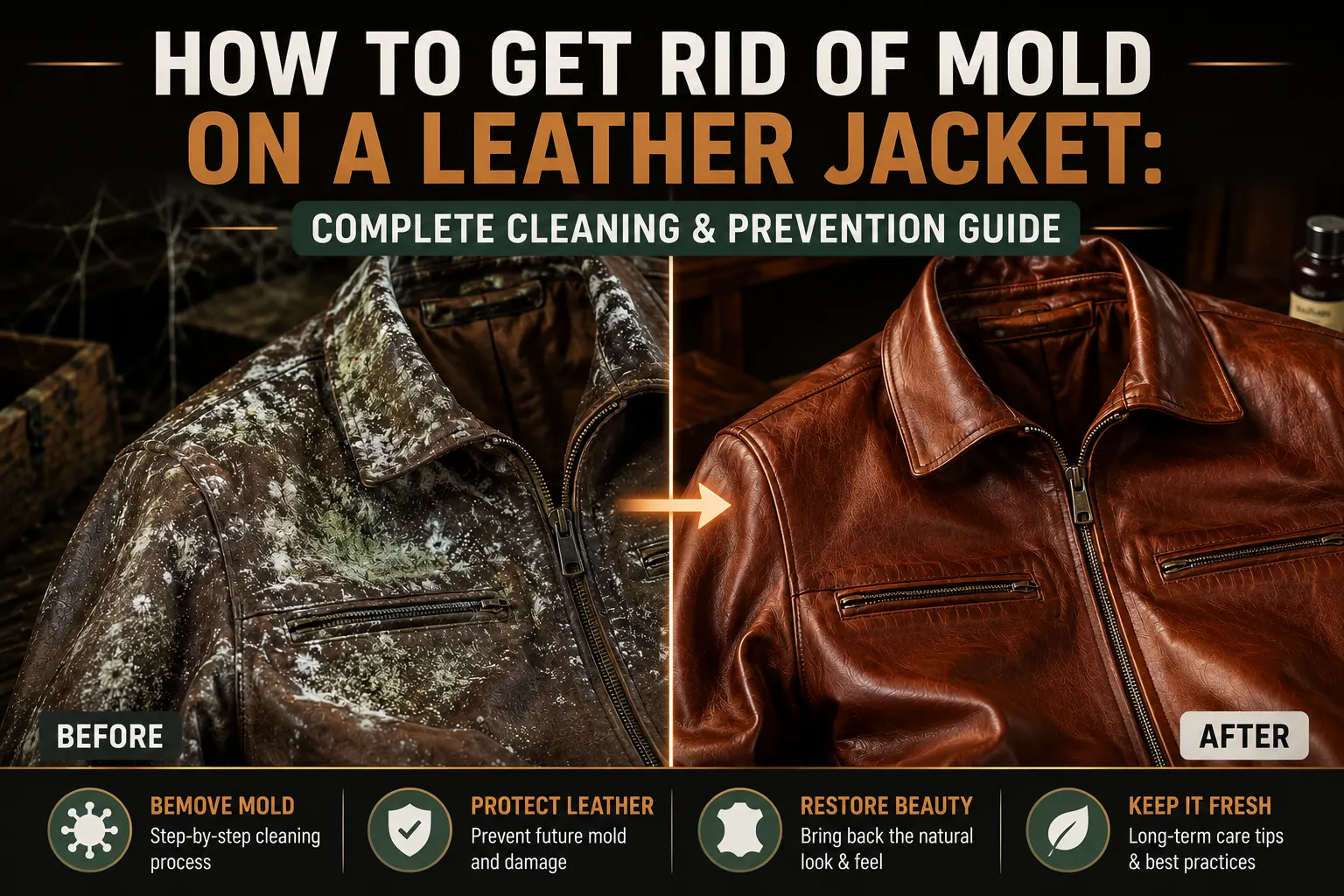
How to Remove Mould from a Leather Jacket
Mould can develop when leather is stored in damp or poorly ventilated conditions.
If you notice mould:
- Avoid shaking or brushing it indoors.
- Keep the jacket away from other garments.
- Do not use bleach or household disinfectants.
- Avoid applying excessive water.
- Seek professional leather cleaning, especially if mould covers a large area or has affected the lining.
Mould can be difficult to remove completely. Simply wiping visible growth away does not guarantee that the underlying problem has been resolved.
You can also read How to Get Rid of Mold on a Leather Jacket.
What Should You Never Use to Clean a Leather Jacket?
Some common household products can damage leather, even when they appear to clean it effectively.
Avoid using the following unless the manufacturer specifically approves them:
| Product or Method | Why to Avoid It |
|---|---|
| Washing machine | Excessive water and movement can damage leather. |
| Clothes dryer | Heat can cause shrinkage and stiffness. |
| Bleach | Can damage colour and surface finish. |
| Strong detergents | May remove protective oils or coatings. |
| Nail-polish remover | Can damage colour and finish. |
| Rubbing alcohol | May dry out or discolour leather. |
| Household disinfectants | May contain unsuitable chemicals. |
| Direct sunlight | Can fade and dry the material. |
| Hair dryer or heater | Can cause uneven drying and damage. |
| Abrasive brushes | Can scratch or wear the surface. |
Always choose products made for the specific leather type.
How Often Should You Clean a Leather Jacket?
A leather jacket does not need frequent washing. Regular light maintenance is usually more appropriate than repeated deep cleaning.
A practical maintenance routine includes:
- After wearing: Remove dust or visible surface dirt when necessary.
- When stains appear: Treat them promptly using a suitable method.
- During storage: Keep the jacket dry and ventilated.
- When it looks dirty: Clean the affected areas rather than washing the entire jacket.
- When it needs deeper treatment: Consider professional leather cleaning.
The ideal cleaning frequency depends on how often you wear the jacket, the environment, and the leather finish.
How to Maintain a Leather Jacket and Keep It in Good Condition
Good maintenance helps protect the appearance, comfort, and structure of a leather jacket.
Store It on a Suitable Hanger
Use a wide, padded hanger that supports the shoulders. Thin wire hangers may distort the jacket’s shape over time.
Avoid Plastic Bags for Long-Term Storage
Leather needs suitable ventilation. Avoid storing it in sealed plastic bags for extended periods. A breathable garment cover is generally a better choice.
Keep It Away from Excessive Heat
Do not leave your jacket near heaters, radiators, or in a hot car for long periods.
Protect It from Unnecessary Moisture
Store leather in a dry place with reasonable ventilation. Never put a damp jacket directly into a wardrobe.
Avoid Overloading the Pockets
Heavy objects can stretch the pockets and affect the jacket’s shape.
Use Compatible Leather-Care Products
Choose cleaners and conditioners according to the material and finish. Always test products on a hidden area first.
What Happens If You Wash a Leather Jacket?
Washing a genuine leather jacket incorrectly can cause both immediate and long-term damage.
1. Stiffness: Excessive water and unsuitable detergents can affect the leather’s flexibility.
2. Shrinking: Heat and improper drying may cause the material to contract or change shape.
3. Cracking: Damage to the leather’s surface and natural oils can contribute to cracking.
4. Colour fading: Harsh cleaning products may remove or alter the finish.
5. Uneven texture: Water exposure and friction can leave some areas rougher or different from others.
6. Damaged lining: The internal fabric, padding, and stitching may also be affected by improper washing.
If your jacket has already been washed, do not try to repair it with heat, oil, or random household products. Let it dry naturally and seek professional advice if it has become stiff, misshapen, or discoloured.
Can a Professional Cleaner Wash a Leather Jacket?
Yes. A professional leather cleaner can assess the material and choose a suitable cleaning and treatment method.
Professional cleaning is especially useful when:
- The jacket has large or stubborn stains.
- Ink or oil has penetrated the leather.
- The jacket has developed mould.
- The leather has become discoloured.
- The jacket has a delicate finish.
- The lining needs specialised treatment.
- Home cleaning attempts have not worked.
Before handing over your jacket, confirm that the cleaner has experience with the specific leather type.
Frequently Asked Questions
Can you wash a leather jacket with water?
You can use a slightly damp cloth to clean minor surface dirt from many smooth leather jackets. However, you should not soak or submerge genuine leather in water.
Can I wash my leather jacket with soap?
Ordinary soap and household detergents are not recommended. Use a leather-specific cleaning product suitable for your jacket.
Can I wash a leather jacket in cold water?
Cold water does not make machine washing or soaking safe for genuine leather. Use a suitable surface-cleaning method instead.
Can you put a leather jacket in the washing machine on a delicate cycle?
No. A delicate cycle can still expose genuine leather to excessive water, movement, and detergent.
Can you dry-clean a leather jacket?
Some specialist cleaners offer leather cleaning services. Choose a professional who handles leather garments rather than assuming ordinary dry-cleaning is suitable.
Can you use baby wipes on a leather jacket?
Baby wipes may contain fragrances, moisturisers, or other ingredients that are unsuitable for certain leather finishes. A leather-specific cleaner is a safer choice.
Can you use vinegar to clean a leather jacket?
Do not assume vinegar is safe for leather. It can affect some finishes and colours. Use a compatible leather-care product instead.
Can you use coconut oil or olive oil on leather?
Household oils are not recommended as general leather conditioners. They may darken the material, leave residue, or cause other unwanted effects. Use a conditioner designed for your leather type.
Can you iron a leather jacket?
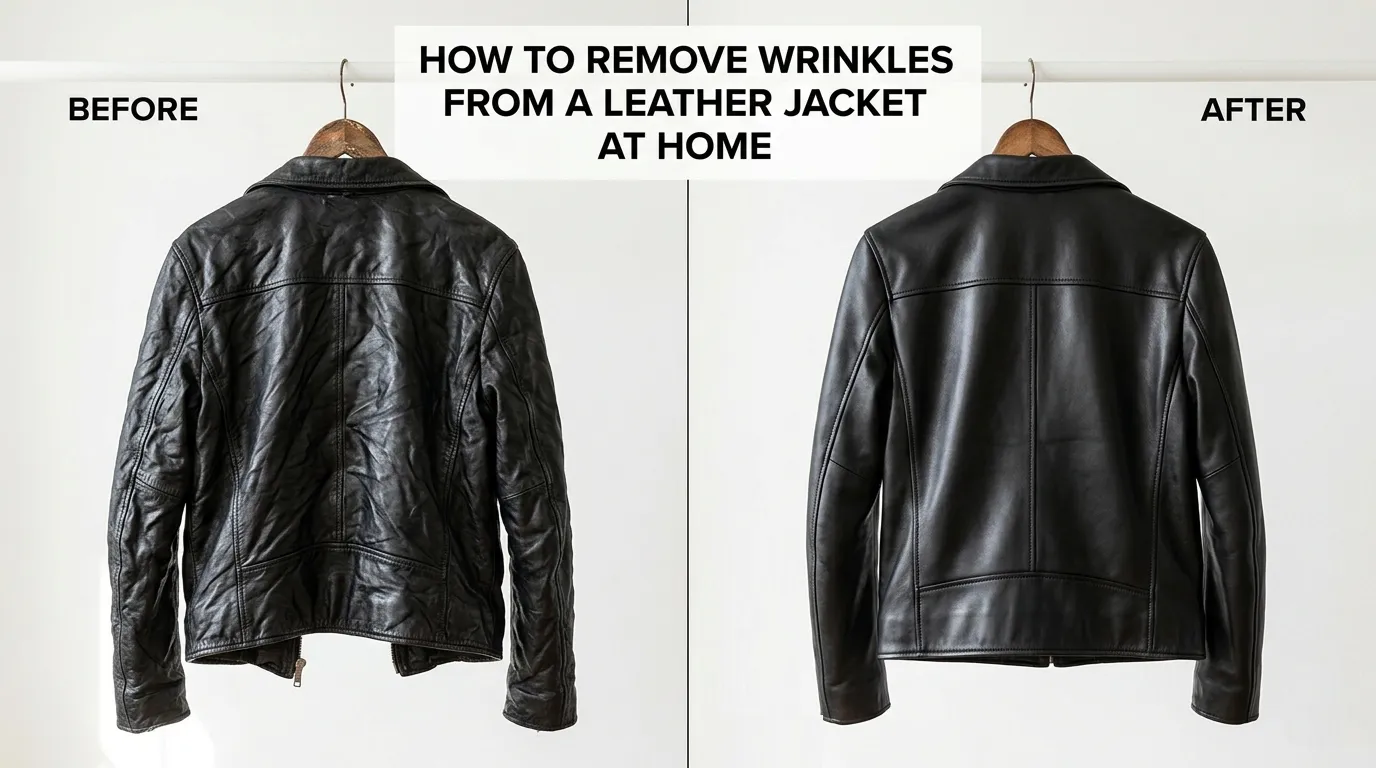
Do not apply a regular hot iron directly to leather. Heat can damage its surface and finish. For serious creases, consult a leather-care professional.
Can a leather jacket shrink after washing?
Yes. Incorrect washing and drying can cause genuine leather to shrink or become misshapen. Avoid machine washing, soaking, and direct heat.
How do you clean the inside of a leather jacket?
Follow the lining’s care instructions. For an attached lining, use a suitable fabric-safe cleaning method without soaking the leather exterior. Professional cleaning is recommended for heavy odours or stains.
How do you clean a white leather jacket?
White leather can show dirt and stains easily. Use a cleaner specifically approved for white leather and test it on a hidden area. Avoid bleach and harsh chemicals.
How do you clean a black leather jacket?
Remove dust with a soft cloth and use a compatible leather cleaner for surface dirt. Avoid products that may leave a visible residue or change the finish.
Is it safe to use leather conditioner after cleaning?
It can be appropriate for some smooth leather jackets, provided the conditioner is compatible with the material and finish. It is not automatically suitable for suede, nubuck, or coated leather.
Can you wash a leather jacket at home?
You can clean minor surface dirt at home using suitable leather-care methods. However, you should not wash genuine leather like ordinary clothing. Deep stains and delicate materials may require professional treatment.
Final Thoughts: The Safest Way to Clean a Leather Jacket
A genuine leather jacket should never be treated like an ordinary washable garment. Machine washing, soaking, harsh detergents, and excessive heat can damage its appearance, texture, and structure.
For everyday care, remove dust with a soft cloth, clean minor marks carefully, use products designed for the specific leather type, and let the jacket dry naturally. For difficult stains, mould, or serious damage, professional leather cleaning is the better option.
Choosing a well-made jacket and maintaining it properly can help you enjoy it for many years. Explore the LAMMBERG men’s leather jacket collection or women’s collection to find a style that suits you. If you want a jacket made around your preferred fit and specifications, visit the LAMMBERG Bespoke service.