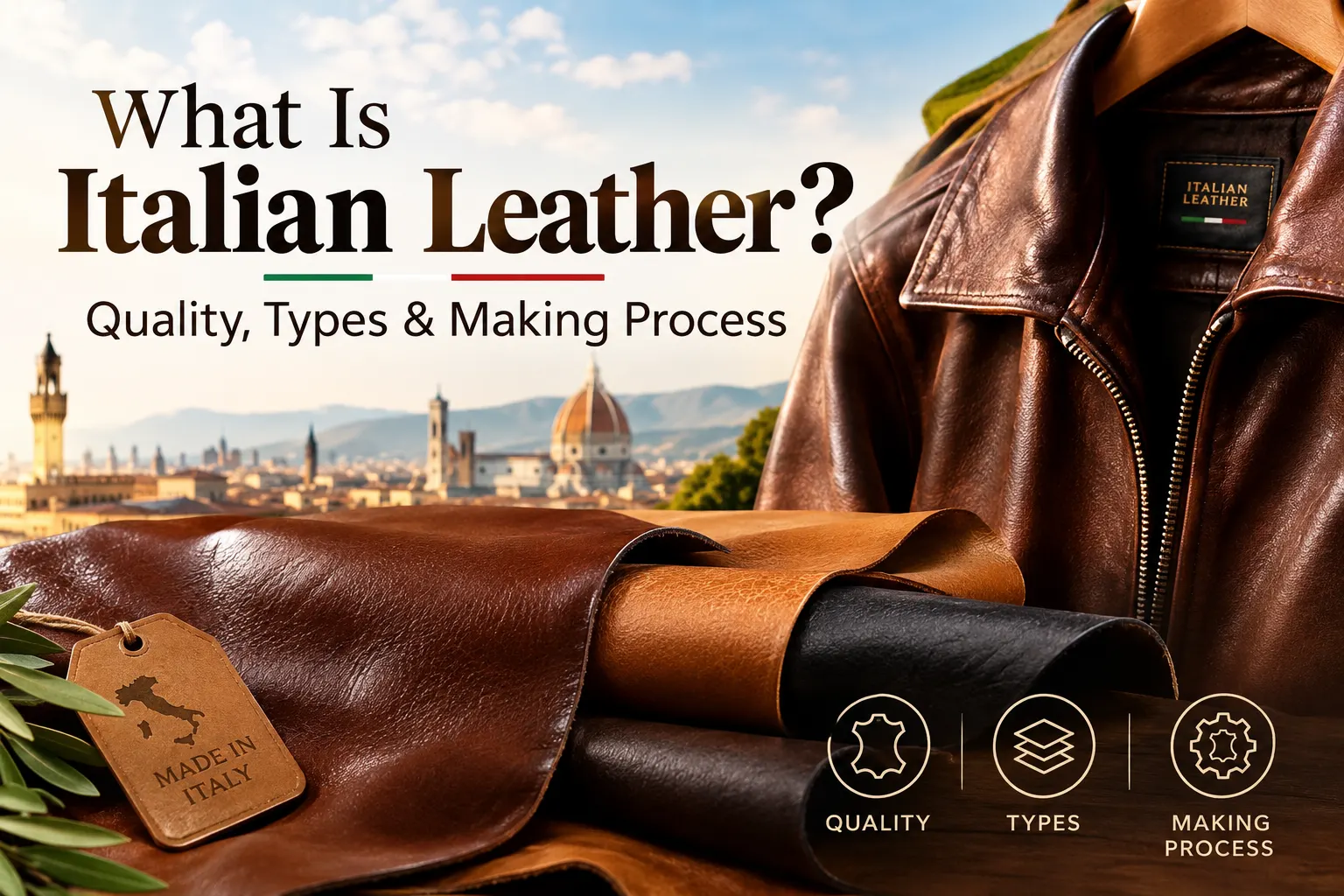
What Is Italian Leather? Quality, Types & Making Process
Quick Answer: Italian leather is leather that has gone through the key stages of production in Italy. Under European standard UNI EN 16484, this means at minimum the retanning, dyeing, and fatliquoring stages must happen in Italy for the leather to qualify as Italian origin.
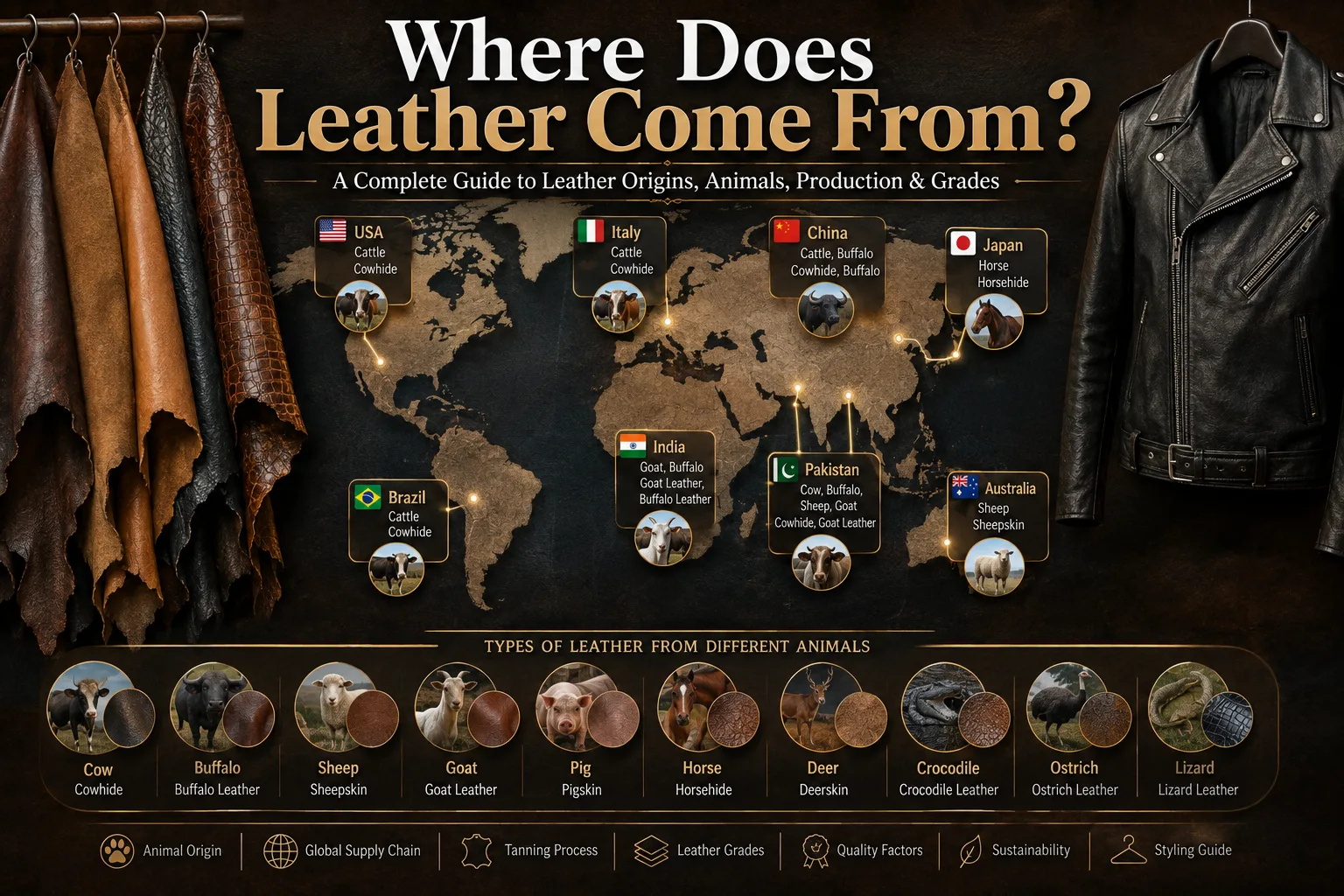
Most important point: Italian leather does not mean the hide came from Italy. Italy imports over 90% of its raw materials from more than 100 countries and processes them through its tanneries. So “Italian leather” tells you where the leather was processed, not where the animal lived.
Why Is Italian Leather Famous?
Italy has generations of tanning knowledge combined with modern technology
Major leather regions: Tuscany, Veneto, and Campania
The Tuscan Leather District around Santa Croce sull’Arno supplies many top fashion houses
Italian tanneries control every stage: tanning, dyeing, retanning, fatliquoring, drying, finishing, and quality control
But remember: “Italian leather” is not a quality grade. It is a production origin. Quality depends on the hide, tanning method, grade, and finishing.
Does Italy Make or Import Its Leather?
Italy does both.
Italian tanneries source over 90% of raw materials internationally
Imports include raw hides, wet-blue leather, semi-processed leather, and crust leather
The qualifying processing stages happen in Italy
Simple example: Raw hide from another country → Italian tannery → tanning → dyeing → retanning → finishing → Italian leather
Full Cycle certification: If the entire process from raw hide to finished leather happens in Italy, it can be certified as “Leather from Italy – Full Cycle” under UNI 11239 / EN 16484.
What Makes Italian Leather Different?
Experienced tanneries generations of knowledge plus modern technology
Careful finishing controls color, texture, shine, smoothness, and water resistance
Strong quality control detailed specifications throughout production
Design collaboration tanneries work with fashion, footwear, automotive, and furniture brands
Traceability certified programs can identify the leather and its source
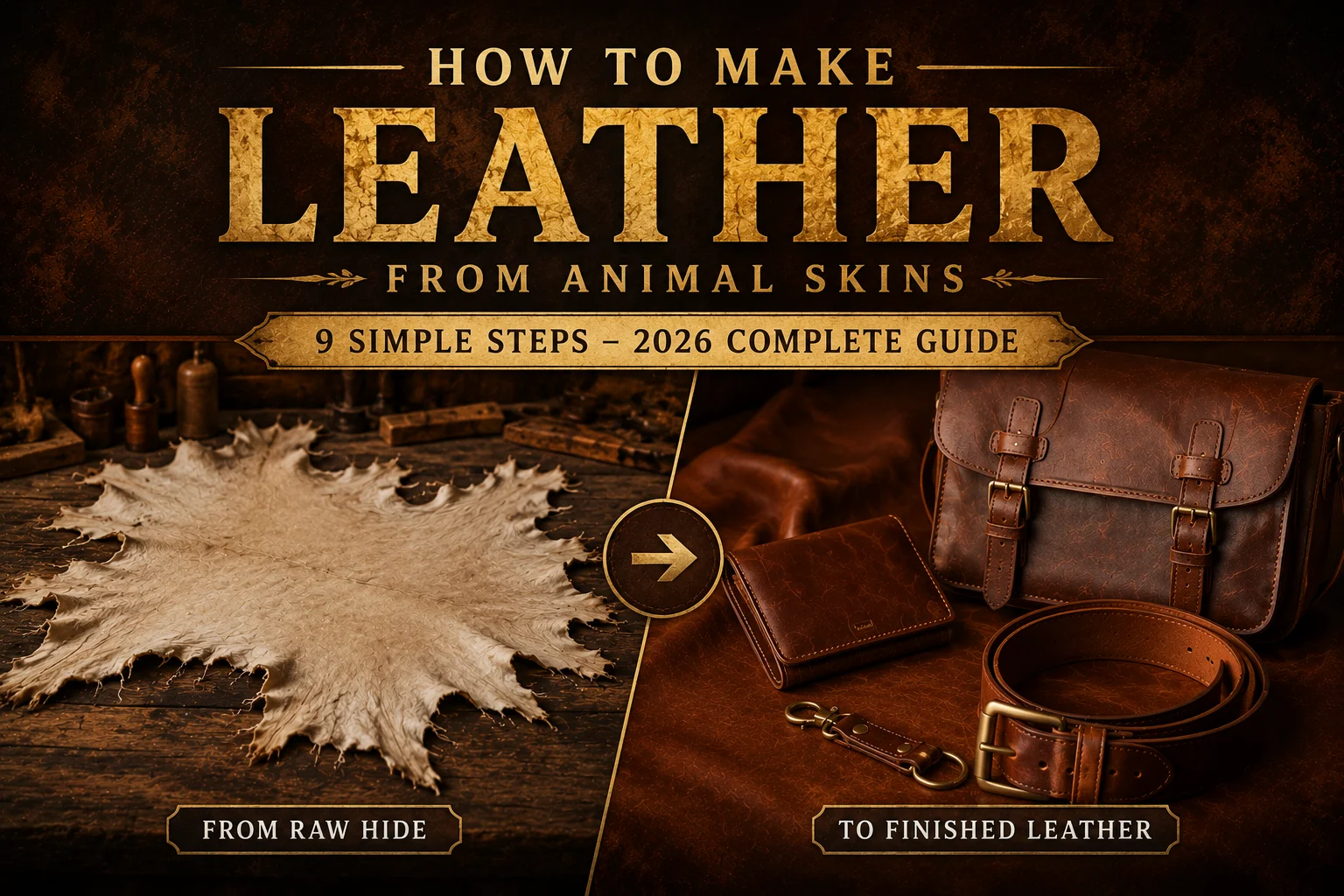
How Is Italian Leather Made?
1. Selecting the Hide – Hides chosen based on final product. Can come from cattle, calves, sheep, goats, or buffalo. May be sourced internationally.
2. Soaking – Restores moisture and removes dirt, salt, and unwanted materials.
3. Liming and Hair Removal – Loosens and removes hair, prepares skin structure.
4. Deliming and Bating – Cleans and conditions the hide for softness and structure.
5. Tanning – The most important stage. Stabilizes the hide and converts it into durable leather.
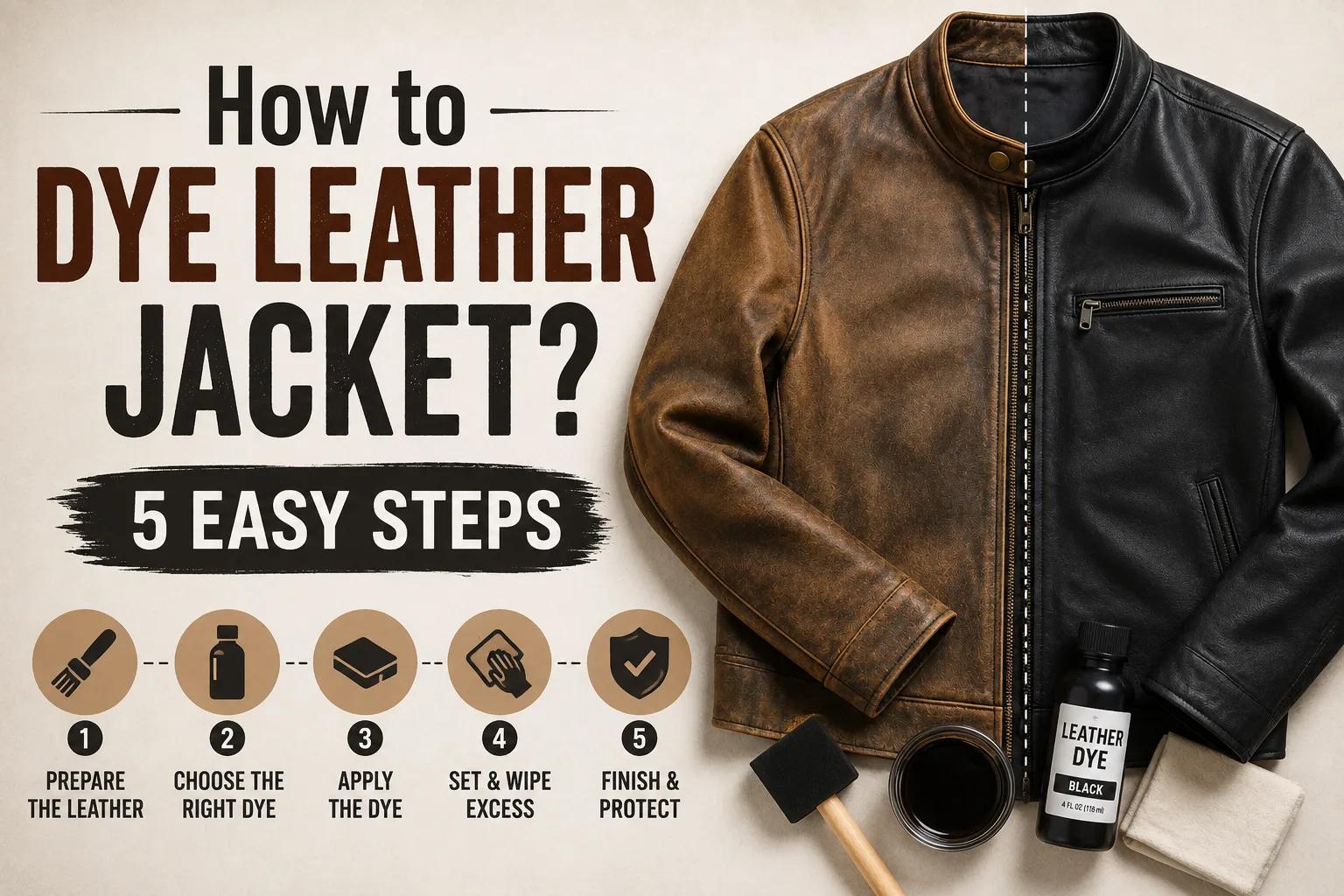
6. Dyeing and Retanning – Achieves specific color, softness, thickness, and performance.
7. Drying and Softening – Dried and mechanically softened for desired feel.
8. Finishing – Creates texture, color, shine, matte look, or protective layer. This stage has huge impact on final appearance.
Types of Italian Leather
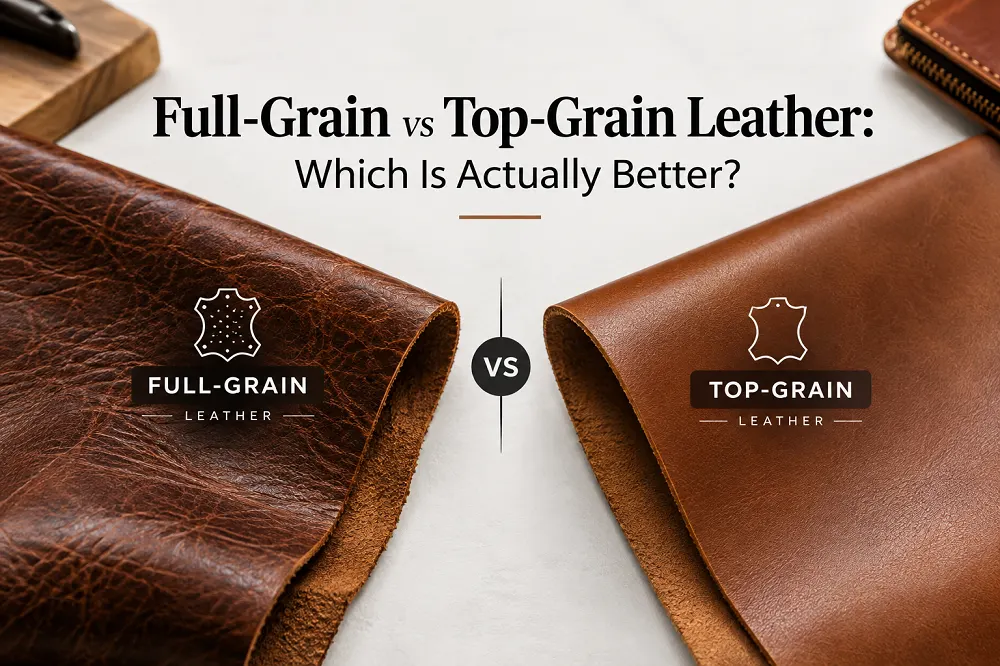
Full-Grain: Retains natural grain surface. Shows natural markings and develops character with use. Not all Italian leather is full-grain.
Top-Grain: Processed for a more uniform surface while keeping some natural grain. Common in fashion, footwear, and furniture.
Vegetable-Tanned: Uses plant-based tannins. Tuscany is famous for this. Develops a deeper patina with use. Not all Italian leather is vegetable-tanned.
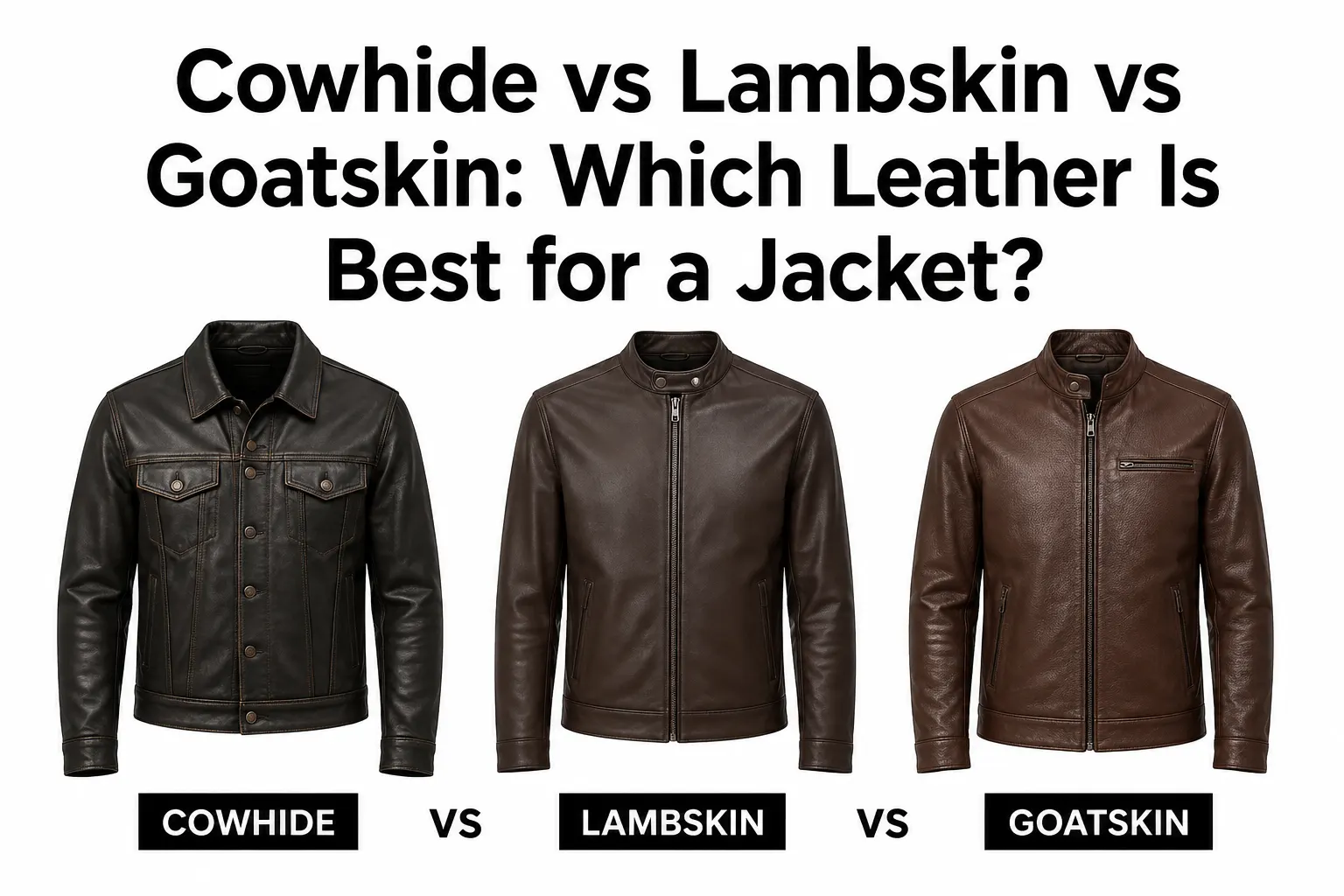
Lambskin: Soft, lightweight, smooth. Used for jackets, gloves, bags, and luxury accessories.
Calfskin: Fine grain, smooth texture. Used for premium footwear, bags, and wallets.
Cowhide: Stronger and more substantial. Used for jackets, boots, belts, and furniture.
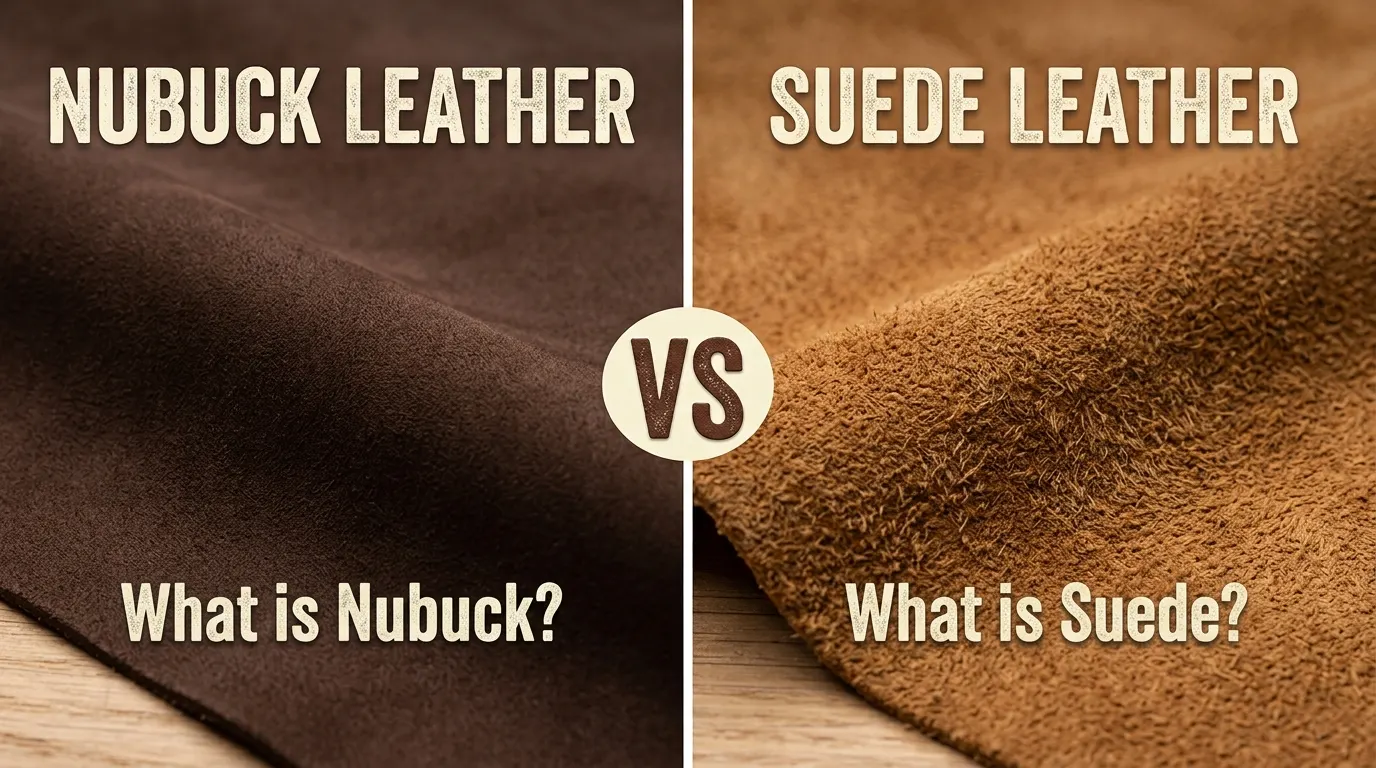
Suede: Made from the underside of the hide with a soft, napped surface. Available in many colors and finishes.
Italian Leather vs Other Terms
Term
What It Tells You
Italian leather
Where qualifying production took place
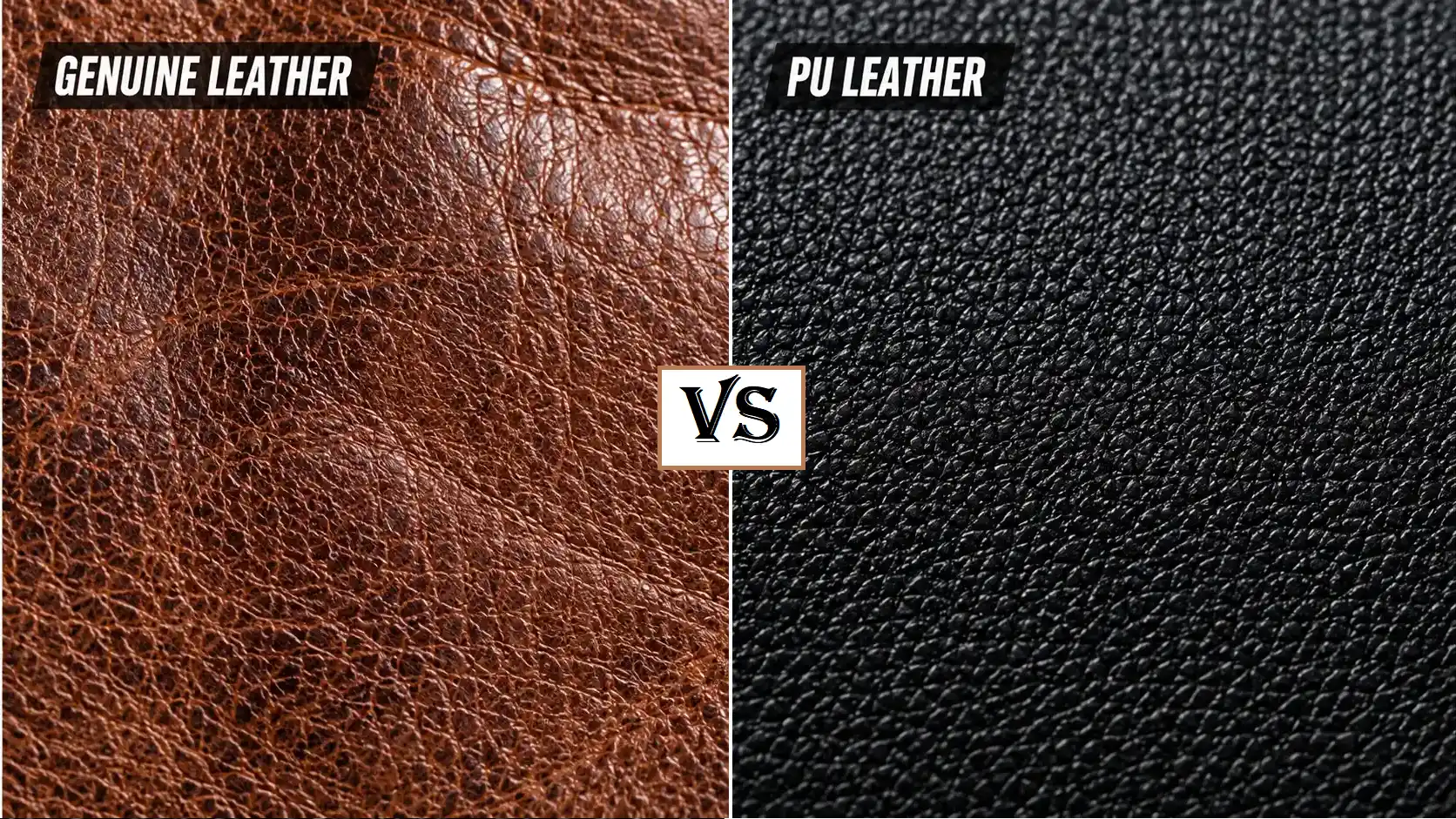
Genuine leather
Broad term for real leather, not synthetic
Full-grain leather
Grain layer of the hide largely retained
Top-grain leather
Grain processed for a more uniform surface
Corrected grain
Grain partially removed by buffing, then finished
Split leather
No grain structure, from lower layers
Vegetable-tanned
The tanning method used
Italian leather can also be full-grain, top-grain, corrected grain, split, or vegetable-tanned. These terms describe different things.
Is All Italian Leather Vegetable-Tanned?
No. Italy is famous for vegetable-tanned leather, especially in Tuscany, but Italian tanneries also use chrome tanning and other methods.
These statements are not automatically true:
Italian leather = vegetable-tanned
Italian leather = full-grain
Italian leather = Italian hide
Italian leather = highest quality
“Made in Italy” vs “Italian Leather”
These are not the same claim.
Italian leather — Leather whose qualifying production stages happened in Italy
Made in Italy — Refers to the finished product (jacket, bag, shoe). Under Italian Law No. 55 of 2010, at least two processing stages must occur in Italy
A product can use Italian leather without every component being made in Italy.
2. Animal Type — Cowhide, lambskin, goatskin, calfskin, or buffalo?
3. Tanning Method — Vegetable, chrome, combination, or specialized?
4. Thickness — Affects weight, structure, warmth, durability, and flexibility.
5. Finish — Should suit the intended use, not just look shiny.
6. Construction — Check stitching, zippers, hardware, lining, and seams. Good leather cannot fix poor construction.
7. Traceability — Look for certification numbers or consortium seals.
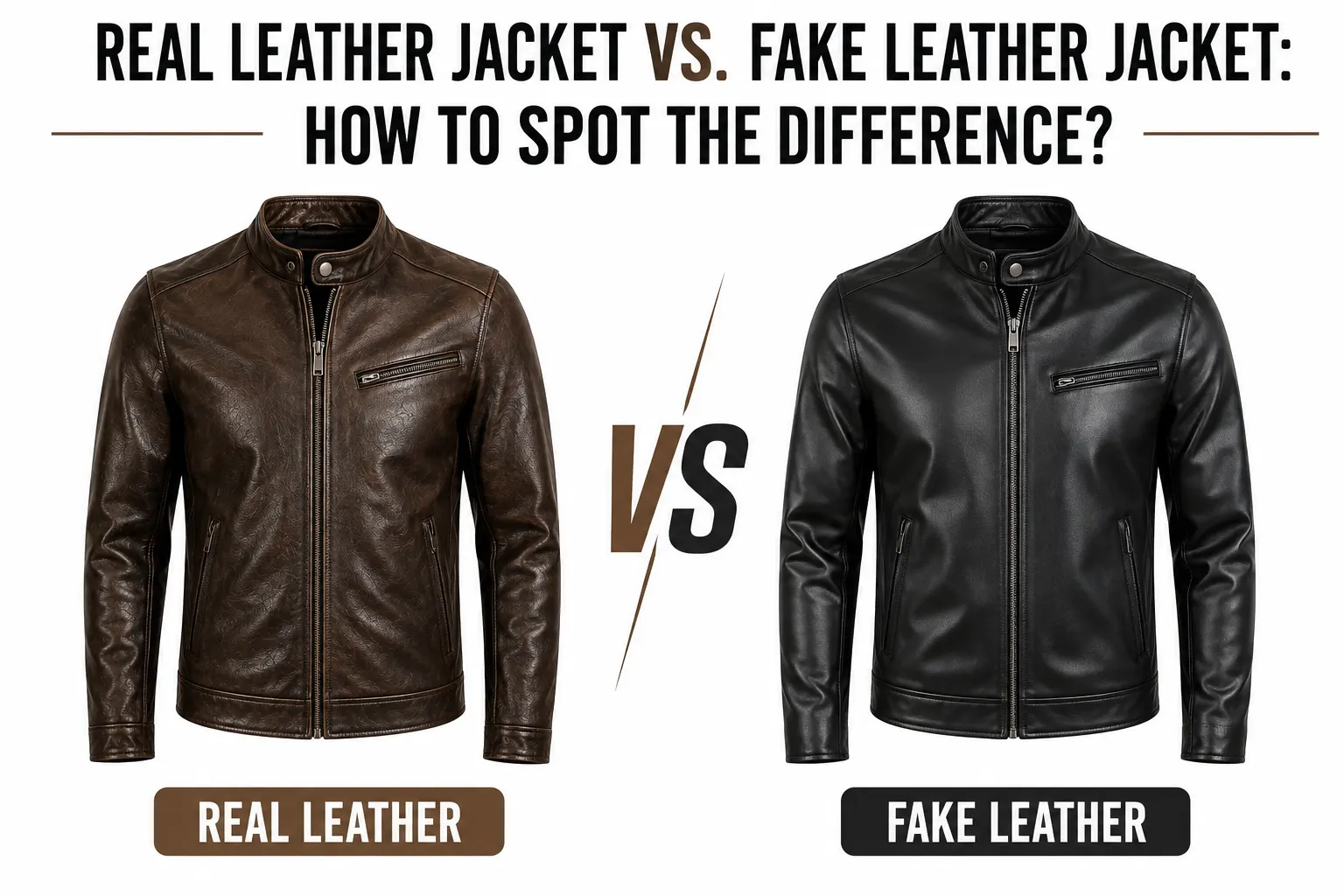
8. Visual and Smell Test — Real leather has natural imperfections and a musky scent. Synthetic looks too perfect and smells like plastic.
Main Characteristics of Italian Leather
Soft and supple feel
Strong color development
Consistent finishing
Good flexibility
Distinctive texture
Durable construction
Wide range of colors and finishes
Natural patina in suitable types
But these are not guaranteed just by the word “Italian.” Grade and tanning matter just as much.
Is Italian Leather Sustainable?
Leather production uses hides from the food industry, turning waste into a usable material
Italian tanneries invest in environmental management
In Santa Croce sull’Arno, tanneries share district-wide wastewater treatment plants
Sustainability depends on: hide origin, tanning method, chemicals, water management, energy use, waste treatment, traceability, and product lifespan
Judge sustainability by the specific tannery and process, not just the country.
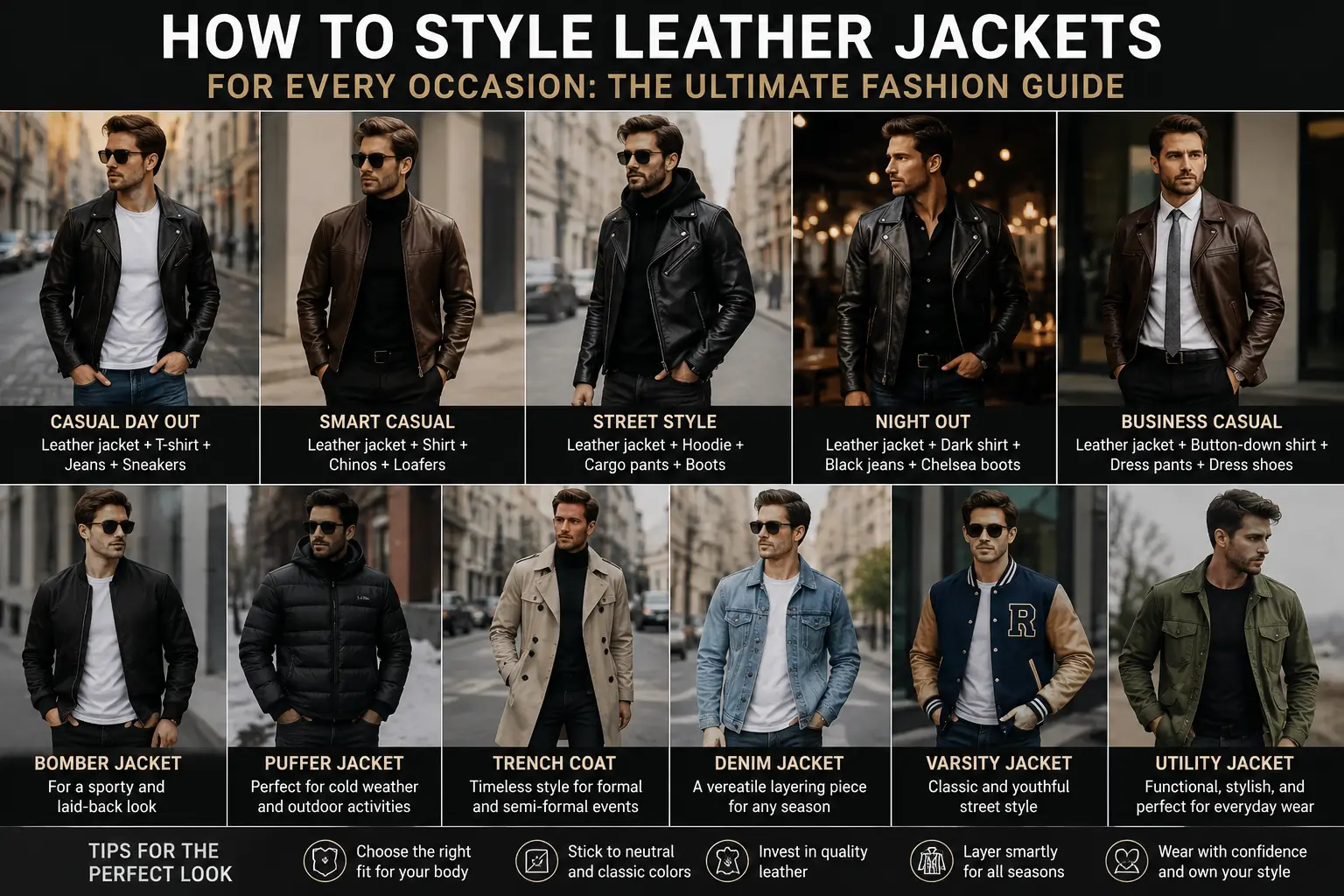
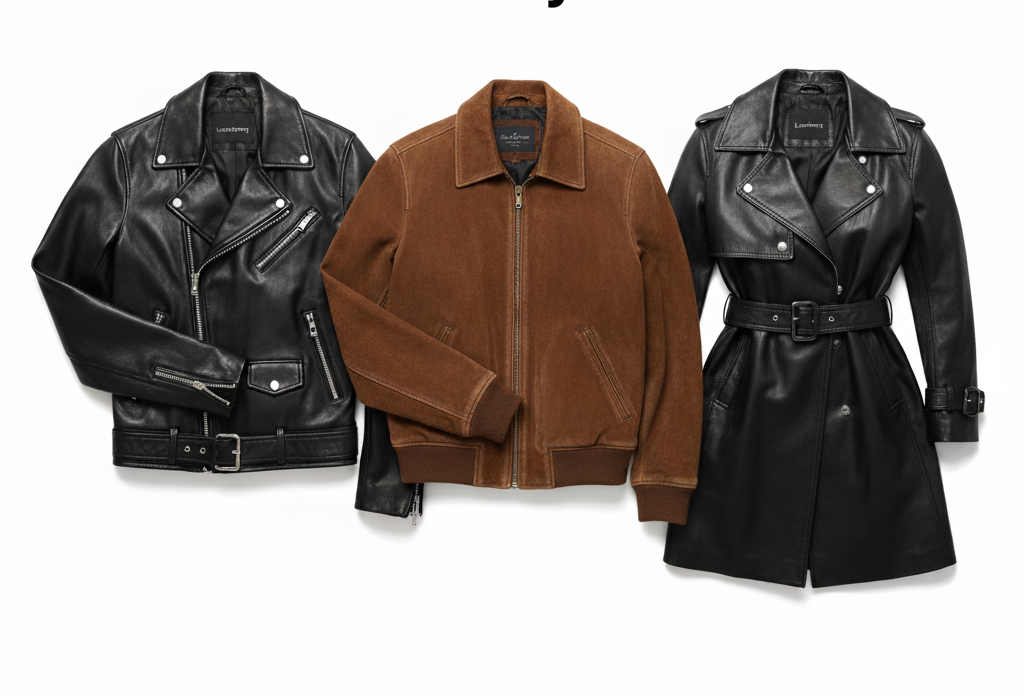
Why Italian Leather Is Popular for Jackets
Lambskin: Soft, lightweight, comfortable
Cowhide: More substantial, resistant to heavy wear
Goatskin: Lightweight but durable with distinctive grain
Suede: Soft and casual, needs protection from moisture
The best choice depends on how you will wear the jacket, not just whether the leather is Italian.
Italian Leather vs Other Leather
Excellent leather is produced in many countries. Compare based on:
Hide quality
Leather grade
Tanning method
Production standards
Finishing
Traceability
Craftsmanship
Construction
Italian leather has a strong reputation, but high-quality leather from other countries can be just as good.
What to Ask Before Buying
If a seller says “100% Italian leather,” ask:
Where did the original hide come from?
Was the leather tanned in Italy?
Is it full-grain, top-grain, corrected grain, split, or suede?
What animal hide was used?
What tanning method was used?
Was the entire tanning cycle completed in Italy?
Is the Italian-origin claim certified or traceable?
Where was the finished product manufactured?
Final Thoughts
Italian leather is famous because Italy has a highly developed tanning industry with traditional craftsmanship and modern technology.
But Italian leather does not automatically mean Italian hides, full-grain leather, vegetable-tanned leather, or the highest quality.
Most raw material is imported, while the important tanning and finishing stages happen in Italy.
Look beyond the label. Check the hide quality, leather grade, tanning method, finishing, traceability, and construction. That tells you what you are actually buying.
FAQs
Is Italian leather real leather? Yes. It refers to real animal leather processed in Italy. The term does not specify grade.
Does Italian leather come from Italy? Not necessarily. Italy imports most raw material. The hide can originate elsewhere and be processed in Italy.
Is Italian leather better than other leather? Not automatically. Quality depends on hide, tanning, grade, finishing, and construction.
Is Italian leather always full-grain? No. Italian tanneries produce full-grain, top-grain, corrected grain, split, and suede.
Is Italian leather always vegetable-tanned? No. Italy is famous for vegetable tanning, but chrome tanning and other methods are also used.
Is Italian leather good for jackets? Yes, but the best leather depends on use. Lambskin is soft. Cowhide is more rugged.
What is Tuscan leather? Leather produced in Tuscany, a major Italian leather region known for vegetable tanning and its own certification consortium.
What does “Leather from Italy” mean? Leather whose qualifying production stages meet Italian origin requirements under UNI EN 16484.
What does “Full Cycle” mean? The entire process from raw hide to finished leather happened in Italy.
Can Italian leather be made from imported hides? Yes. The origin of raw material does not prevent the finished leather from qualifying as Italian.
How can I check if Italian leather is genuine? Ask about the tannery, grade, animal type, tanning method, country of processing, and certification. Look for “vera pelle” or “vero cuoio” labeling.
Quick Answer: Bison leather is genuine leather made from the hide…
How to Measure Your Weight
Place the weighing scale on a flat, hard floor (not on carpet) and step on it to measure your weight. Wear your everyday light clothing and don’t forget to remove your shoes while weighing.
At lammberg, your privacy is of paramount importance to us. When you provide your measurements and upload pictures while ordering our made-to-measure items, rest assured that this information is collected solely for internal purposes related to pattern making and determining the appropriate size for your order. We understand the sensitivity of the data you share with us, and we want to assure you that your pictures will be treated with the utmost confidentiality. They will never be disclosed or shared with any third party. Instead, they will be securely stored with industry-standard encryption, and access will be restricted to authorized personnel directly involved in the pattern making and sizing process. We are committed to using this information solely for the purpose it was provided and will not retain it longer than necessary.
Thank You!
We are truly excited that you’ve chosen us for crafting your custom jacket!
Your dream jacket is our mission, and we can’t wait to bring it to life.
Our dedicated support agent will be in touch via email to have a conversation about all the intricate details and options you have mentioned, ensuring a stress-free experience for you.
To ensure our messages reach you promptly and smoothly, kindly add customized@lammberg.com to your address book.
We can’t wait to start working on your perfect jacket!
Thank You!
We are truly excited that you’ve chosen us for crafting your bespoke jacket!
Your dream jacket is our mission, and we can’t wait to bring it to life.
Our dedicated support agent will reach out to you via email to have a conversation about tailoring a bespoke jacket based on your preferences, ensuring a stress-free experience for you.
To ensure our messages reach you promptly and smoothly, kindly add bespoke@lammberg.com to your address book.
We can’t wait to start working on your perfect jacket!
How to Measure Your Height
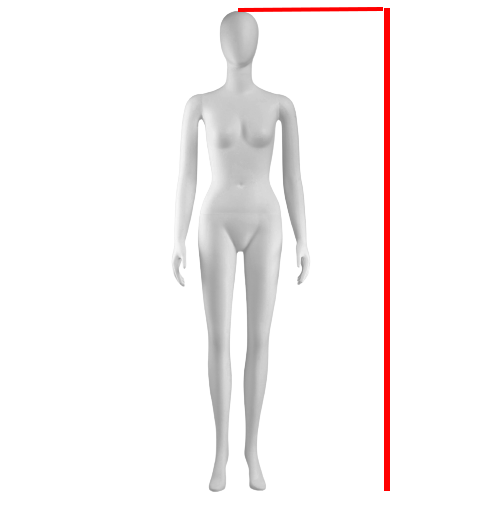
Stand against a wall without shoes. Place a straight object such as a book or ruler on your head and mark where it meets the wall. And then measure from the floor to the mark for an accurate height reading.
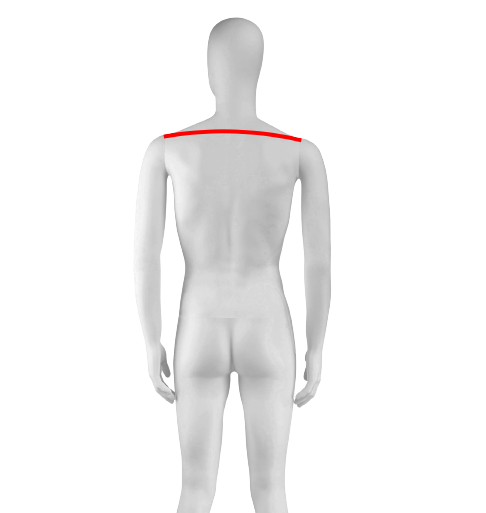
How to Measure Your Shoulder
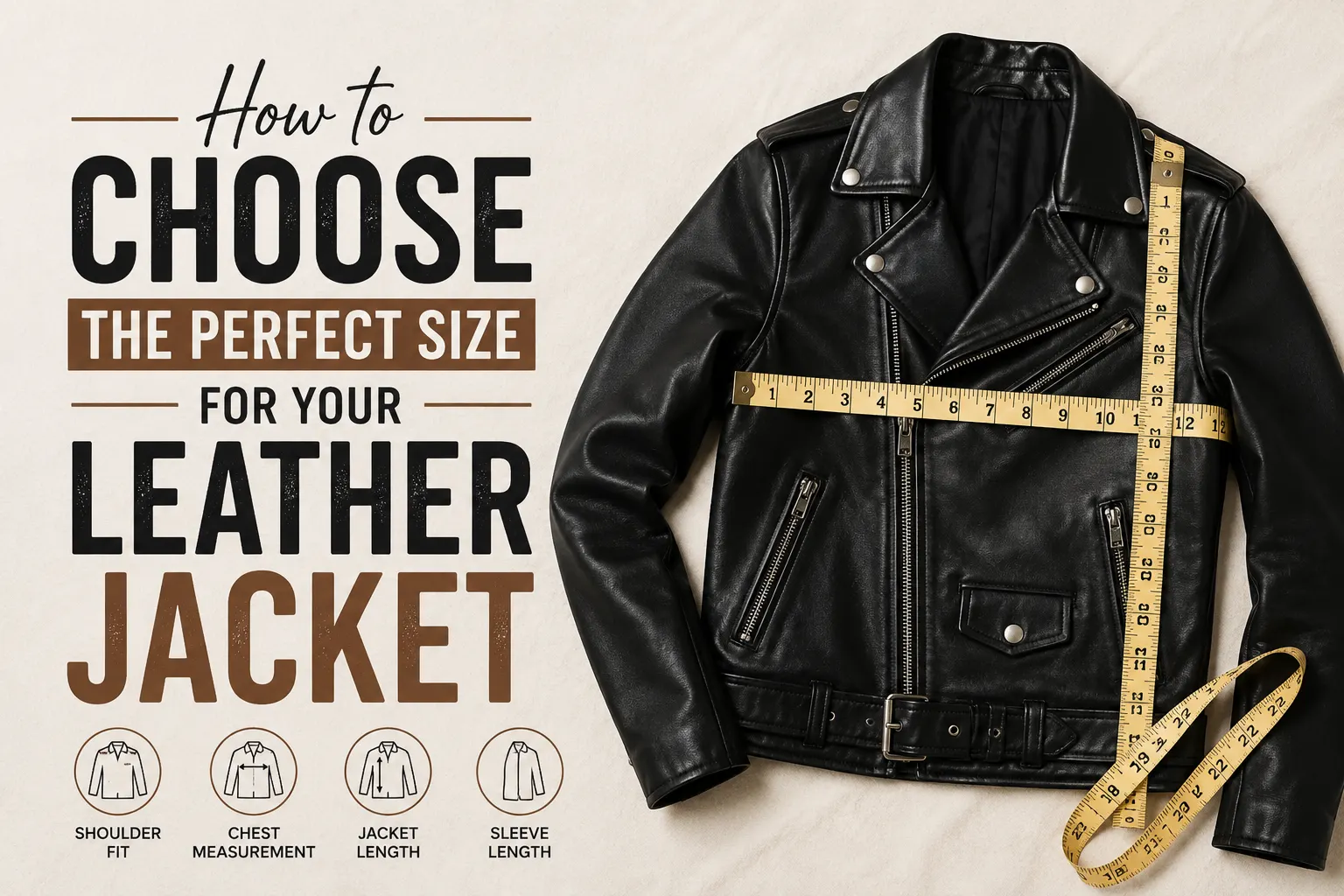
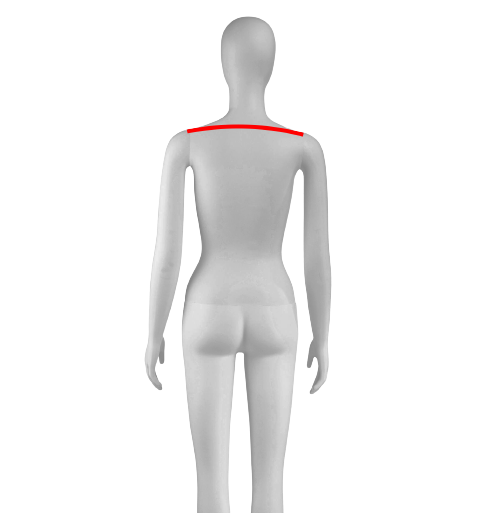
Measure the distance from the bony end of one shoulder, straight across the back of the neck, continuing to the bony end of the other shoulder.
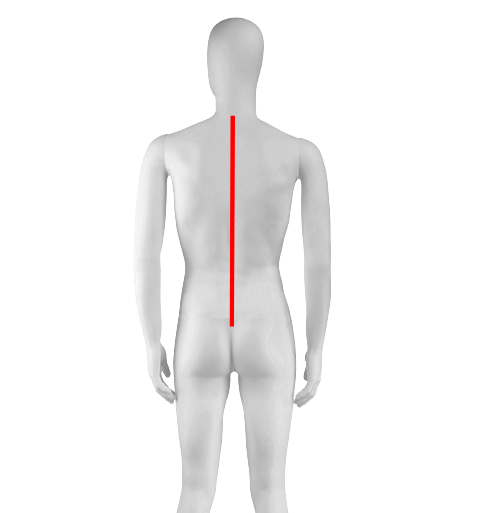
How to Measure The Required Length
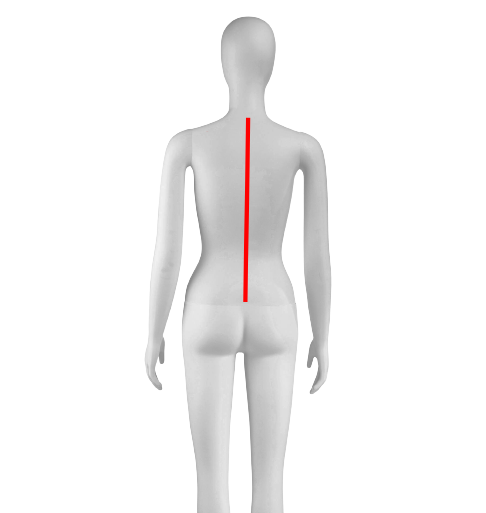
Facing backwards, measure vertically down, from the bone at the base of your neck, to your required length. If you are unsure of the perfect length, this will vary depending on the style of the jacket and your personal preference, but typically falls somewhere where your arms end.
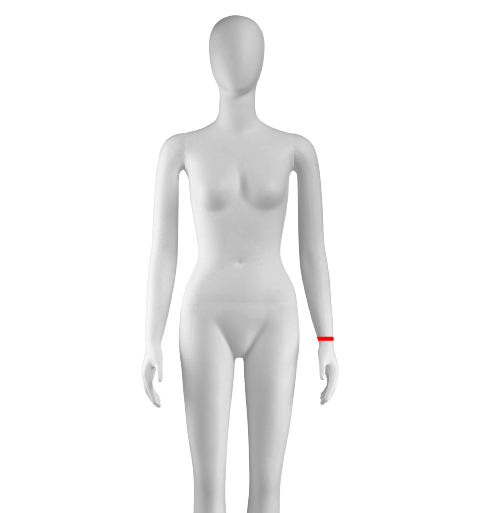
How to Measure Your Wrist
Measure around the fullest part of your wrist, that is exactly above your wrist bone and you will get your wrist measurement.
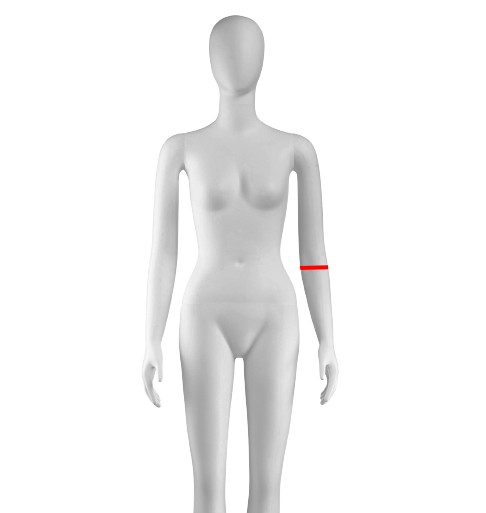
How to Measure Your Forearm
Wrap the tape measure around the widest part of your forearm, which is usually 2 inches below the elbow.
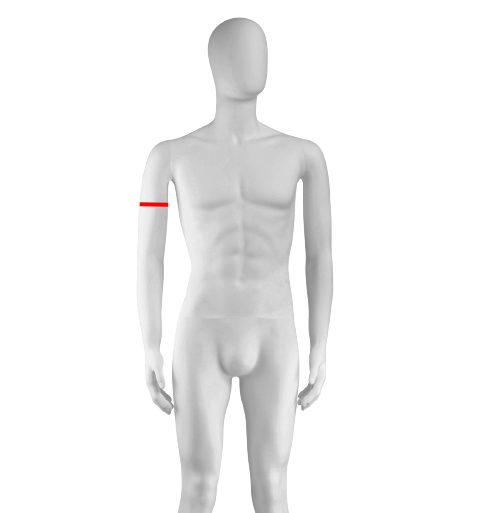
How to Measure Your Bicep
To know your bicep measurement, measure around the fullest part of your bicep with your arms relaxed.
How to Measure Your Armhole
To measure your armhole, wrap the tape measure around your arm and shoulder, drawing it up from behind your shoulder until it meets the starting end.
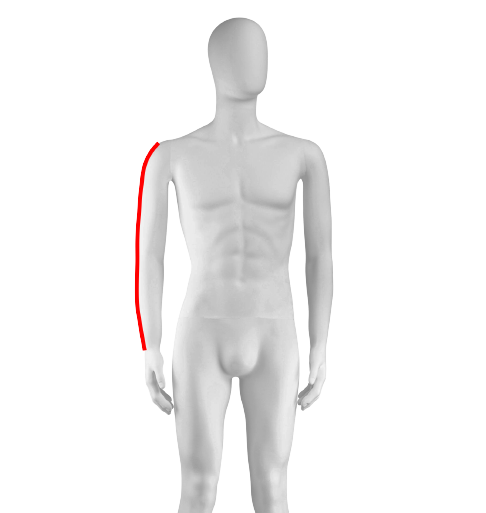
How to Measure Your Sleeve Length
Place the tape measure at the edge of your shoulder. Guide it down alongside your arm straight to the point where you would like your sleeve to end.
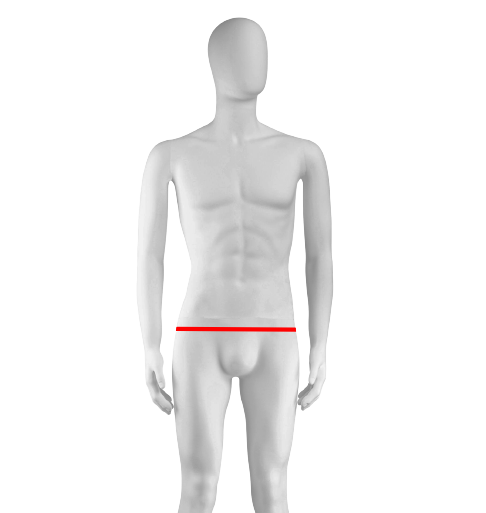
How to Measure your Hip
Measure around the fullest part of your hips. Start at one hip, then bring the tape measure around the back and over the other hip, and back to where you started. Stand straight and make sure the tape is leveled all the way around.
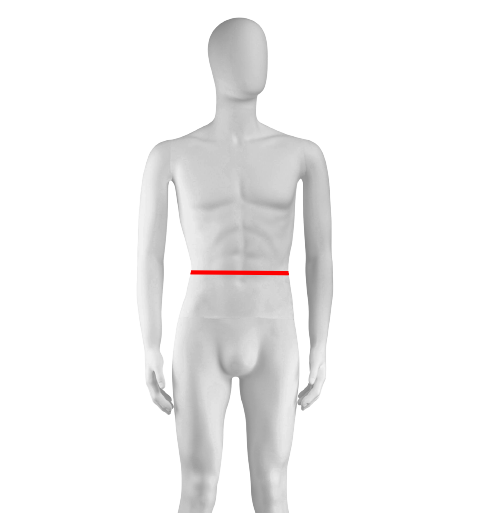
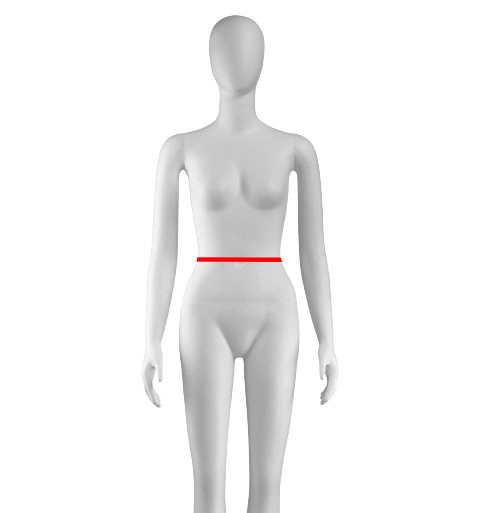
How to Measure Your Waist
To know your waist measurement, measure the circumference of your waist. Use the tape to circle your waist (sort of like a belt would) at your natural waistline across the belly button. Breathe normally while taking the measurement and make sure the tape is leveled all the way around.
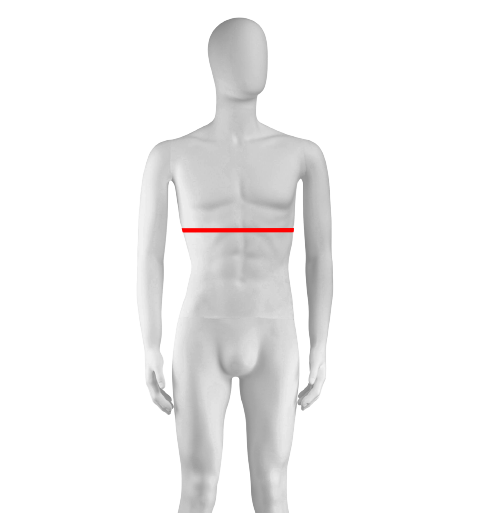
How to Measure Your Midriff
Your midriff is part of the body between your chest and the waist. Measure around the circumference of your body, above your belly button and below your rib cage. Relax and breathe normally.
Make sure the tape is leveled all the way around.
How to Measure Your Chest
To measure your chest, raise your arms, wrap the measuring tape an inch below the armhole.
Now lower your arms and measure around the circumference of the body, covering the broadest part of the chest and across the shoulder blades. Relax and breathe normally.
Make sure the tape is leveled all the way around.
How to Measure Your Neck
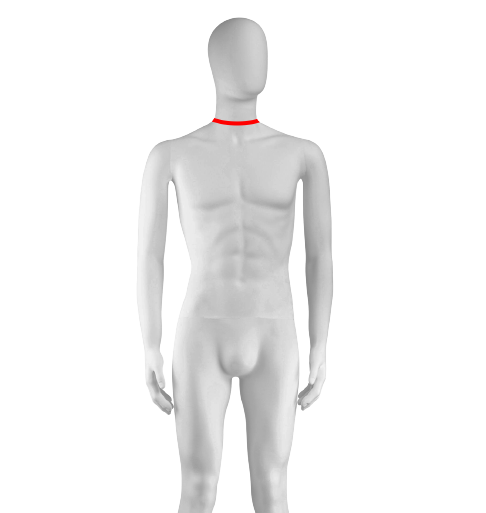
Wrap the measuring tape around your neck and measure around the thickest part of your neck just above your collar bone. The thickest part of your neck is typically just below your Adam’s apple. Be careful not to pull too tightly.
You should be able to comfortably fit two fingers between your neck and the measuring tape.
How to Measure Your Height
Stand against a wall without shoes. Place a straight object such as a book or ruler on your head and mark where it meets the wall. And then measure from the floor to the mark for an accurate height reading.
Unit of Measurement
Select your preferred unit of measurement. We will follow this throughout your measurements.
How to Measure Your Shoulder
Measure the distance from the bony end of one shoulder, straight across the back of the neck, continuing to the bony end of the other shoulder.
How to Measure The Required Length
Facing backwards, measure vertically down, from the bone at the base of your neck, to your required length. If you are unsure of the perfect length, this will vary depending on the style of the jacket and your personal preference, but typically falls somewhere where your arms end.
How to Measure Your Wrist
Measure around the fullest part of your wrist, that is exactly above your wrist bone and you will get your wrist measurement.
How to Measure Your Forearm
Wrap the tape measure around the widest part of your forearm, which is usually 2 inches below the elbow.
How to Measure Your Bicep
To know your bicep measurement, measure around the fullest part of your bicep with your arms relaxed.
How to Measure Your Armhole
To measure your armhole, wrap the tape measure around your arm and shoulder, drawing it up from behind your shoulder until it meets the starting end.
How to Measure Your Sleeve Length
Place the tape measure at the edge of your shoulder. Guide it down alongside your arm straight to the point where you would like your sleeve to end.
How to Measure your Hip
Measure around the fullest part of your hips. Start at one hip, then bring the tape measure around the back and over the other hip, and back to where you started. Stand straight and make sure the tape is leveled all the way around.
How to Measure Your Waist
To know your waist measurement, measure the circumference of your waist. Use the tape to circle your waist (sort of like a belt would) at your natural waistline across the belly button. Breathe normally while taking the measurement and make sure the tape is leveled all the way around.
How to Measure Your Midriff
Your midriff is part of the body between your chest and the waist. Measure around the circumference of your body, above your belly button and below your rib cage. Relax and breathe normally.
Make sure the tape is leveled all the way around.
How to Measure Your Bust
To measure your bust, raise your arms, wrap the measuring tape around the fullest part of your chest.
Now lower your arms and measure around the circumference of the body, covering the broadest part of the chest and across the shoulder blades. Relax and breathe normally.
Make sure the tape is leveled all the way around.
How to Measure Your Neck
Wrap the measuring tape around your neck and measure around the thickest part of your neck just above your collar bone. The thickest part of your neck is typically just below your Adam’s apple. Be careful not to pull too tightly.
You should be able to comfortably fit two fingers between your neck and the measuring tape.
Measurement Instructions
You will need a fabric tape measure and a helping hand. You may also do the measurements yourself, but for the most accurate results, we suggest getting a friend or a relative to do it for you. It’s more fun as well.
You must provide full, accurate and legible measurements on this form.
Please make sure you have precisely followed the demonstration pictures to obtain measurements.
We guarantee that your item will fit you perfectly if you provide us the correct measurements. There will be no returns or exchanges related to fit when pertaining to wrongly submitted measurements.
Once you have given us the measurements, we will process your order immediately, so any changes at later stage may not be possible.
When taking measurements, the tape should be held flat against the body; hold it snugly enough to prevent drooping, but not so tight as to feel restrictive.
Wear what you would normally wear under a jacket while taking measurements.
Make sure to measure without any bulky clothing or layers that might affect the accuracy of the measurement.
Stand as you normally would stand in your day to day stance.
If you wish to, please send 3 full length photos of yourself (Front, Back and Side pose) wearing a t-shirt and a trouser for a better perception for our production team.
Should you need further clarification or assistance, we are always available to you, please write to tailorsupport@lammberg.com