Most leather is designed to stay the same. Vachetta is designed to change. That single difference explains almost everything about it. It explains the pale color it starts with, the golden brown it becomes, the way collectors hunt for old bags with dark handles, and the way careless owners ruin new ones in a single rainy afternoon.
If you have ever searched for what is vachetta leather and come away more confused than before, this guide is written for you. We are going to skip the marketing language and look at the material honestly. What it is, where it comes from, why it behaves the way it does, and what you actually need to know before you spend money on it.
The Short Answer, Then the Real One
Short version: vachetta leather is a full grain cowhide that has been vegetable tanned and then deliberately left unfinished. There is no protective coating, no pigment layer, and no sealant. The surface you touch is the actual surface of the hide, pores and all.
The longer answer is where things get interesting, because “vachetta” is not a strict technical grade like full grain or top grain. It is closer to a trade name, a label that Italian tanneries and luxury houses popularised to describe a specific style of untreated, vegetable tanned leather. Two items sold as vachetta can differ in thickness, softness, and even color, depending on the tannery, the hide, and the oils used. What they share is the philosophy: leave the leather alone and let it become something over time.
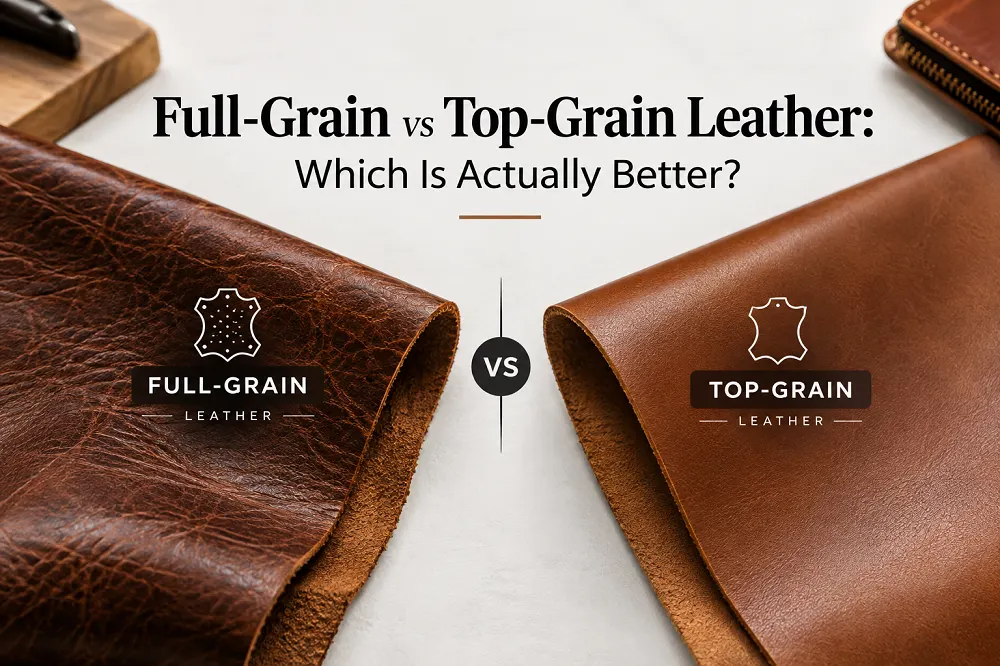
If you want to understand how vachetta fits into the wider world of leather grades, our guide to full grain vs top grain leather explains the difference in detail.
Where the Name Comes From
The word traces back to the Italian vaccetta, a diminutive form related to vacca, meaning cow. French has a similar term, vache, and the leather trade has borrowed from both over the years. In practice, the name became strongly associated with the Tuscan tanning tradition, where vegetable tanning never disappeared the way it did in much of the industrialised world. When luxury bag makers wanted a word that sounded as special as the leather they were using, vachetta stuck.
That history matters for buyers, because it explains why the label is used loosely. It signals a tradition and a process more than a precise specification.
What Vachetta Leather Is Made Of
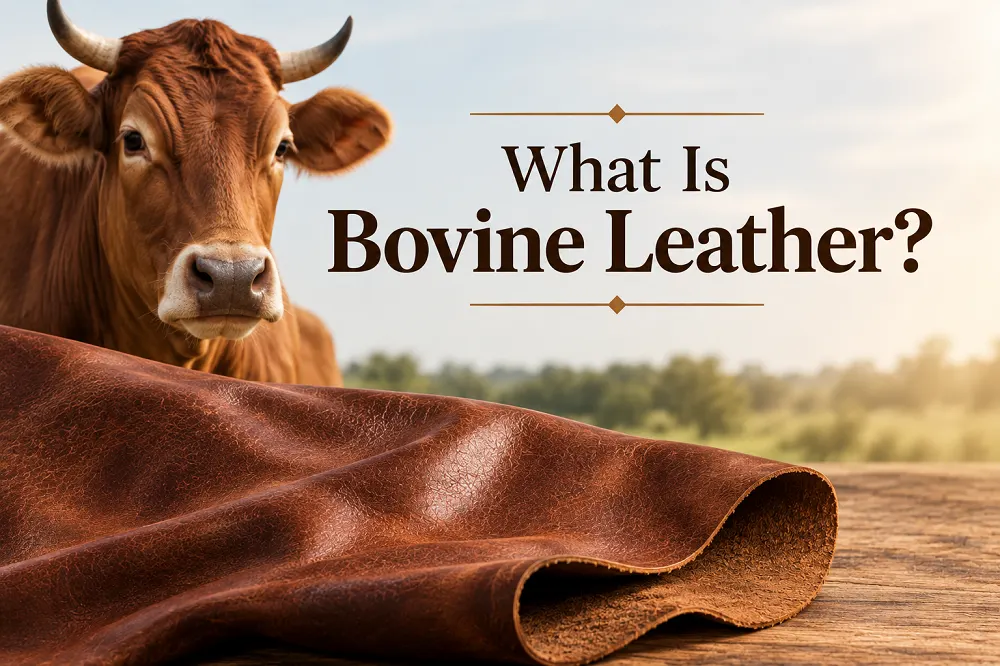
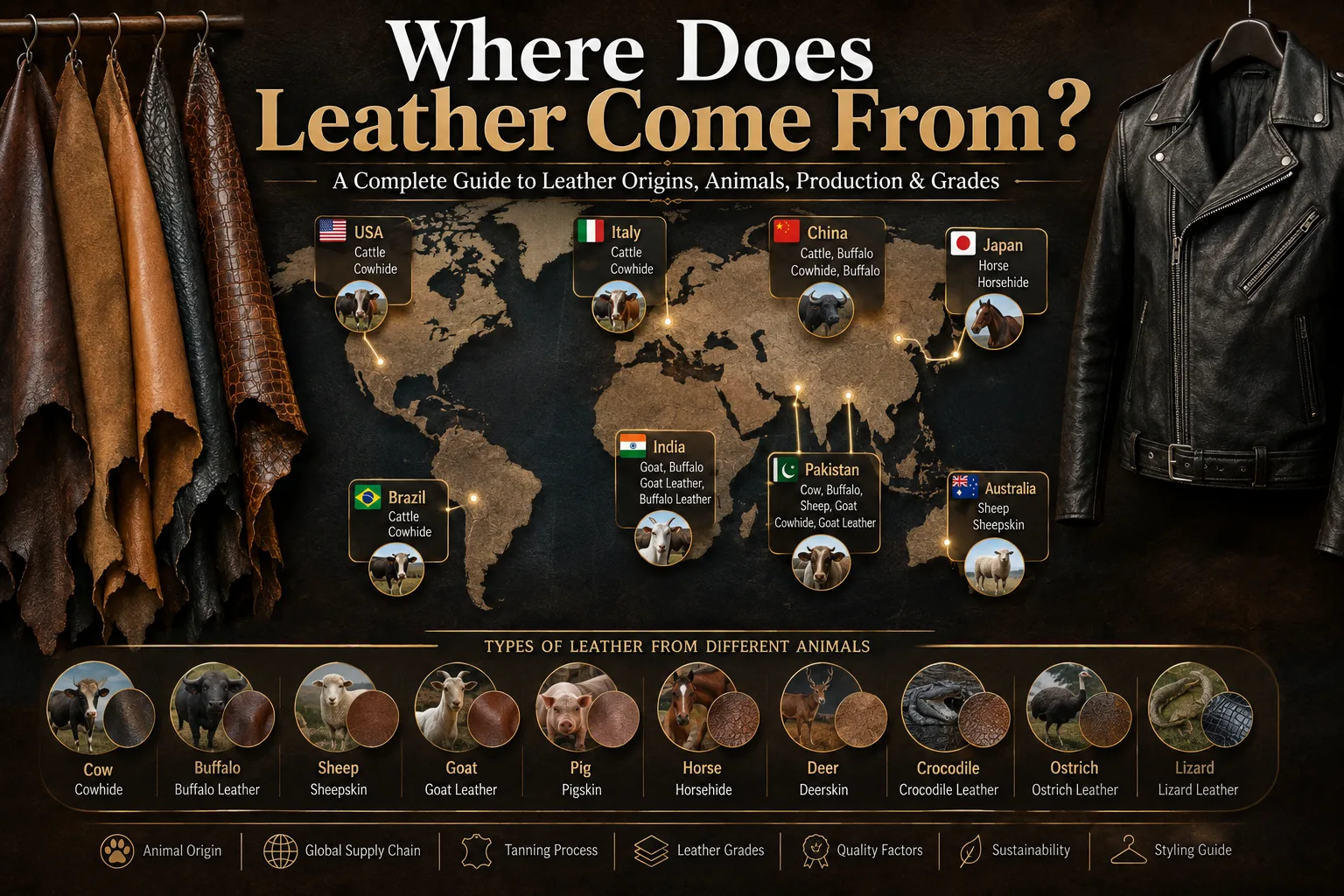
Start with the raw material. Vachetta comes from bovine hide, usually cow or steer, and sometimes calf. The hides chosen for vachetta tend to be relatively clean and even, because nothing will be sanded or corrected later to hide flaws. Any scar or vein on the surface stays visible on the finished product.
Then comes the tanning. Instead of chromium salts, which speed up production dramatically, vachetta is tanned with plant derived tannins, extracts from bark, wood, leaves, and fruit. This is a slow process measured in weeks or months rather than hours, and it is the reason vegetable tanned leather has that warm, slightly woody smell and a firmness that softens with handling.
The step that separates vachetta from ordinary vegetable tanned leather is what happens next, the fatliquoring stage. Oils, whether animal tallow, fish oil, or mineral based lubricants, are worked into the hide. This is what gives vachetta its characteristic suppleness. Standard vegetable tanned leather can feel stiff and boardy, while vachetta feels almost silky, with a temper that bends easily without losing shape. The type and amount of oil also influence the final color and how quickly the leather darkens.
Is Vachetta Leather Real Leather? Yes, and That Matters
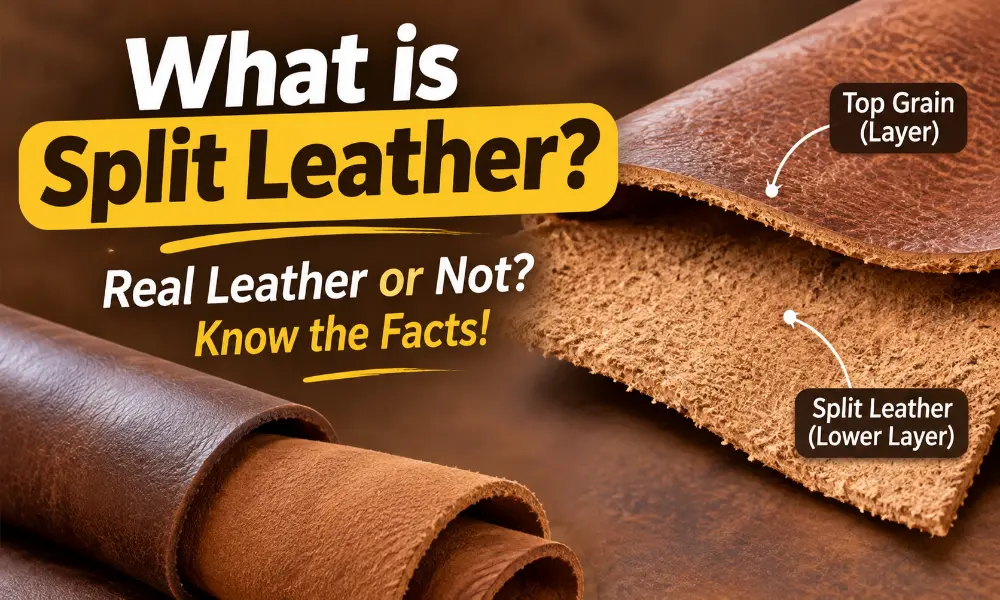
There is no ambiguity here. Vachetta is real leather, and not just real leather but a high grade of it. It is full grain, meaning the outermost layer of the hide, the part with the tightest fiber structure and the most natural surface, is intact. Nothing has been split away or buffed down.
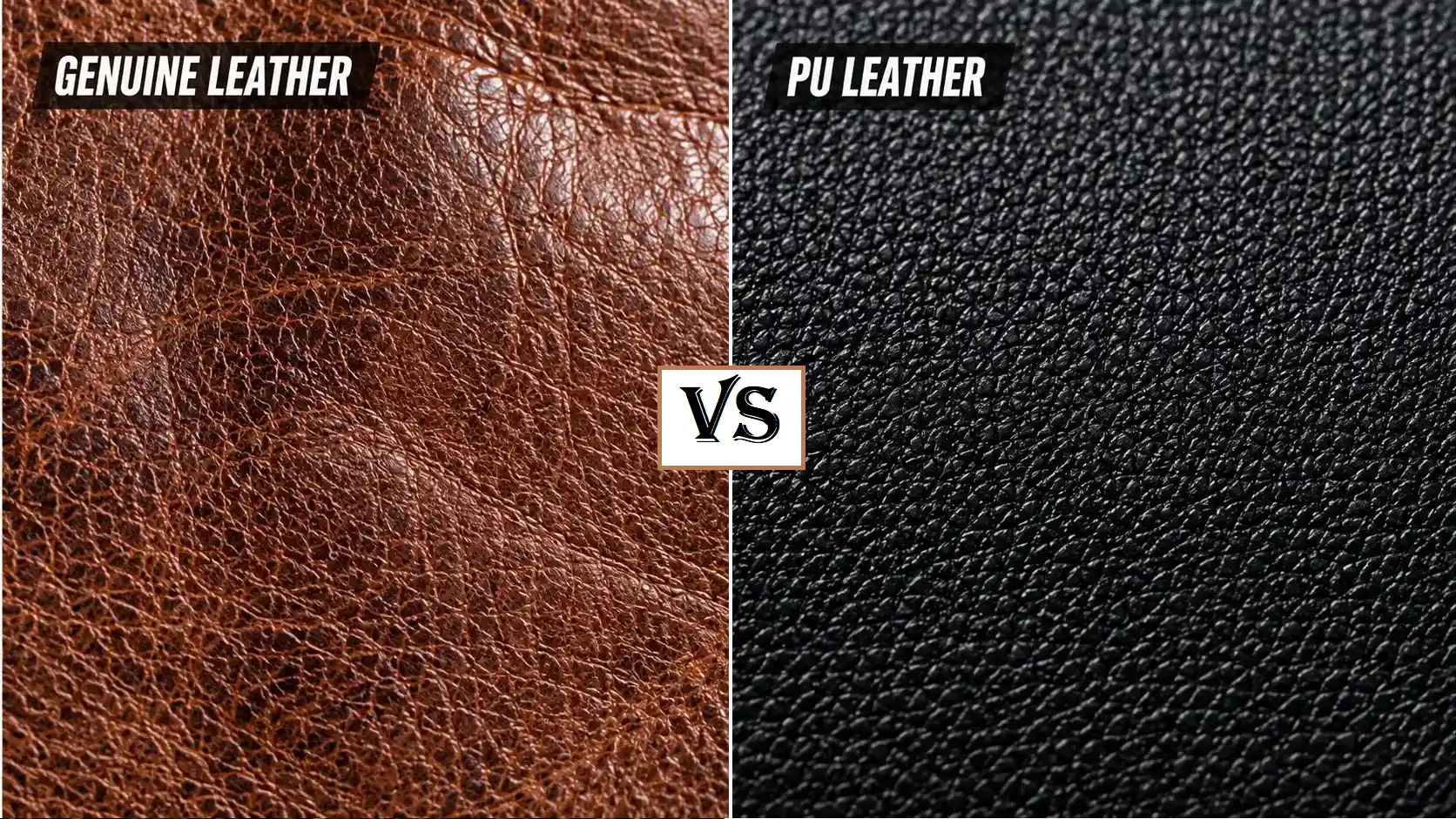
This is worth stating plainly because the untreated look sometimes confuses people. A pale, matte, slightly uneven surface can read as fake to shoppers used to glossy, uniform leather. The opposite is true. The uniformity of most finished leather is achieved through coatings and pigments. Vachetta’s unevenness is evidence of authenticity.
Is Vachetta Leather Vegan? No, and Alternatives Are Different
Vachetta is animal hide, full stop. It cannot be vegan, and no plant based material should be marketed as vachetta.
That said, if you love the look of vachetta but want a plant based option, several materials aim for a similar pale, natural aesthetic. These include cactus leather, mushroom leather, pineapple based Piñatex, and high quality PU. They are worth considering on their own merits. What they cannot do is age the way vachetta does. Patina is a chemical and biological process involving the fats and tannins inside the hide. Synthetic materials do not have that internal structure, so they fade, crack, or peel rather than deepen.
Vachetta Leather vs Calf Leather: Untangling the Confusion
People compare these two constantly, but they are not really competing categories. One describes a process, and the other describes an animal’s age.
Vachetta tells you the leather was vegetable tanned, left unfinished, and fatliquored. It can be made from mature cowhide or from calf.
Calf leather tells you the animal was young, typically under a year old and sometimes under three months. Younger hides have finer grain, fewer marks, and a softer hand.
So a vachetta item can also be calf leather, and a calf leather item can be chrome tanned and coated. When a product is described as vachetta calf, it means both: a young hide, vegetable tanned and left natural. These tend to be the most refined and most expensive examples. A vachetta made from mature steer hide will be a touch coarser and more robust, but it will patina in exactly the same way.
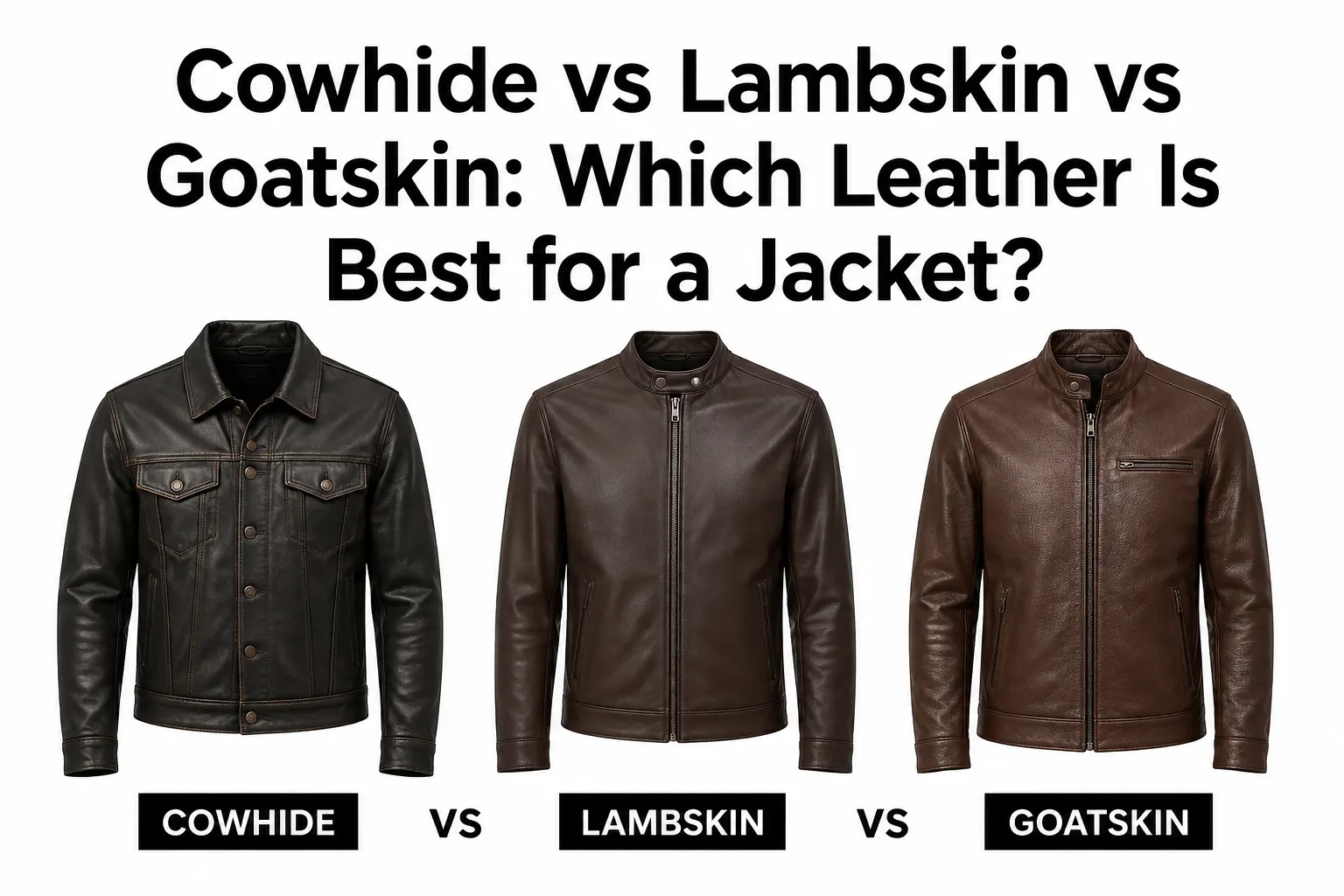
If you are comparing hide types more broadly, our breakdown of cowhide vs lambskin vs goatskin covers how each behaves in a jacket.
What Is Vachetta Leather Patina?
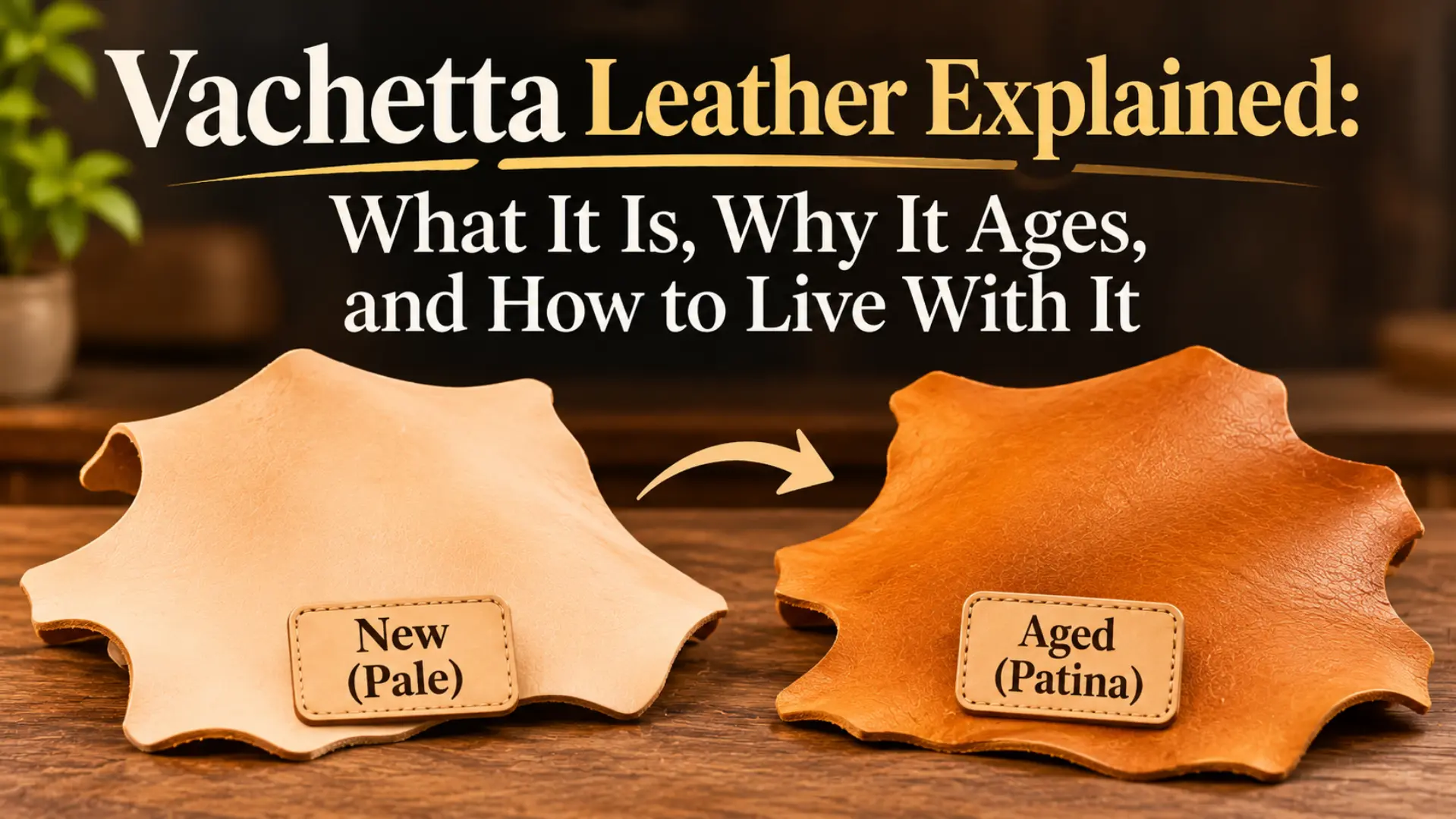
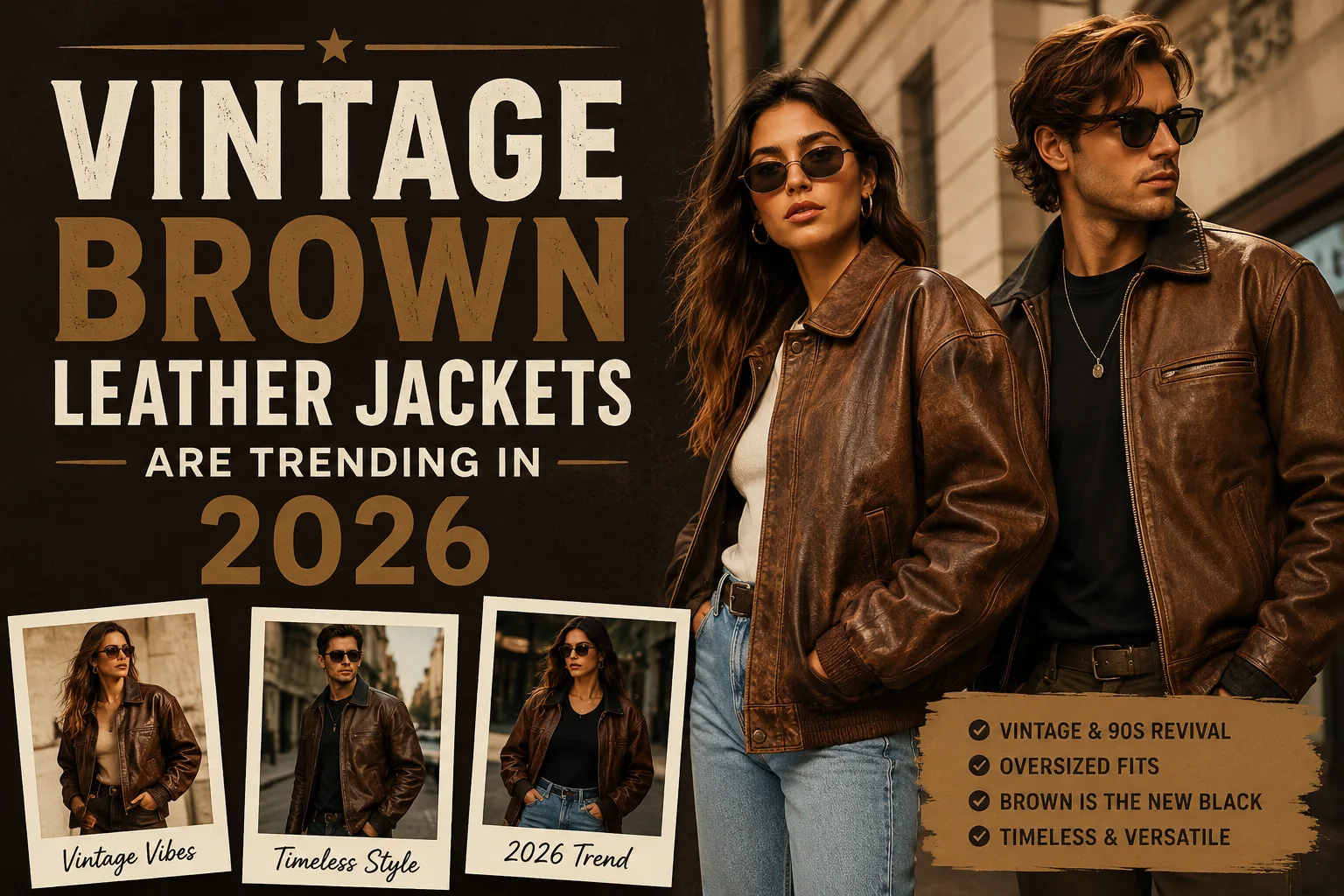
Patina is the reason vachetta exists as a category. It is the gradual, permanent transformation of the leather from pale cream or beige to honey, caramel, and eventually a deep amber or brown.
The mechanism is straightforward once you know it. Because there is no coating, the leather’s pores are open. Oxygen, UV light, moisture, and the natural oils from human skin all reach the fibers directly. Over months and years, these exposures oxidise the tannins and redistribute the fats, darkening the surface. Areas that are touched most, such as handles, strap edges, and zip pulls, darken first and darkest. Areas that are rarely handled stay lighter.
The result is a gradient that is unique to each item. Two identical bags bought on the same day will look different five years later because they were carried differently. This is why vachetta leather patina is so prized. It is a record of use that cannot be faked or mass produced.
Sunlight accelerates patina. So does handling. Water creates sudden, uneven patina events that often look like stains rather than an even glow, which brings us to the practical problem.
Why Vachetta Stains So Easily
An open pore surface absorbs. That is the whole story. A drop of water does not sit on top of vachetta, it sinks in within seconds. As it dries, it pulls tannins and oils toward the surface, leaving a darker ring at the edge of where the droplet sat. Oil from fingers does something similar but more slowly, creating dark patches at contact points.
This is not a manufacturing defect. It is the unavoidable trade off of leaving leather untreated. The same openness that lets patina develop lets stains in.
How to Protect Vachetta Leather Without Ruining It
Here is where most advice goes wrong. People either treat vachetta like finished leather, wiping it with whatever cleaner is in the cupboard, or they become so afraid of damaging it that they never use the item at all. Neither is right.
The sensible approach has three parts.
Prevention. A protectant spray formulated for untreated leather creates a light, breathable barrier that slows water absorption without sealing the surface. Apply it evenly, let it cure fully, and reapply every six to twelve months depending on use. This will not make vachetta waterproof, but it buys you time to blot spills before they set.
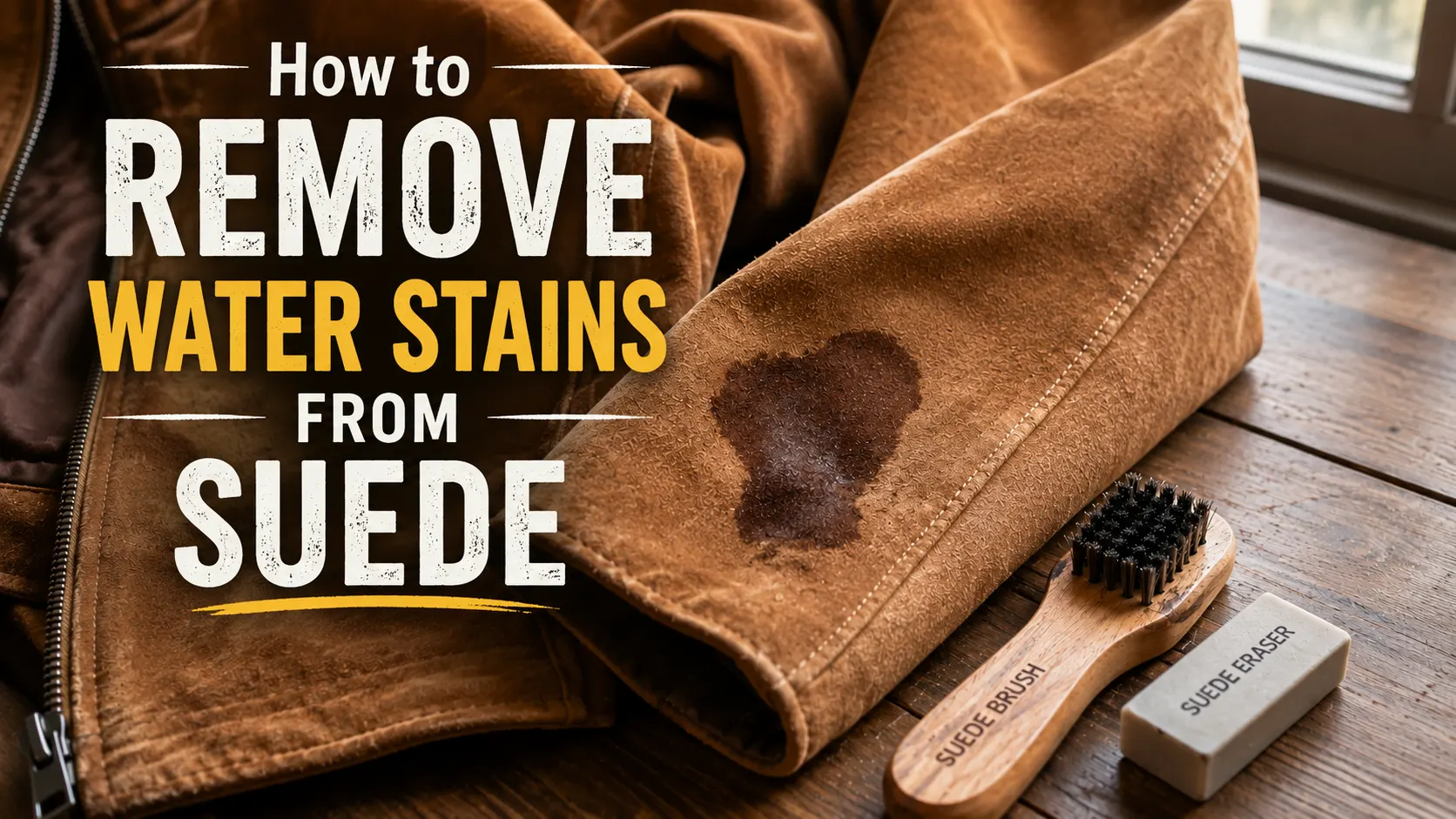
Reaction. When liquid lands on vachetta, blot and do not rub. Rubbing spreads the moisture and pushes it deeper. Use a clean, dry, absorbent cloth and press gently. Then leave the item to dry naturally, away from radiators, hairdryers, or direct sun. Heat cracks leather.
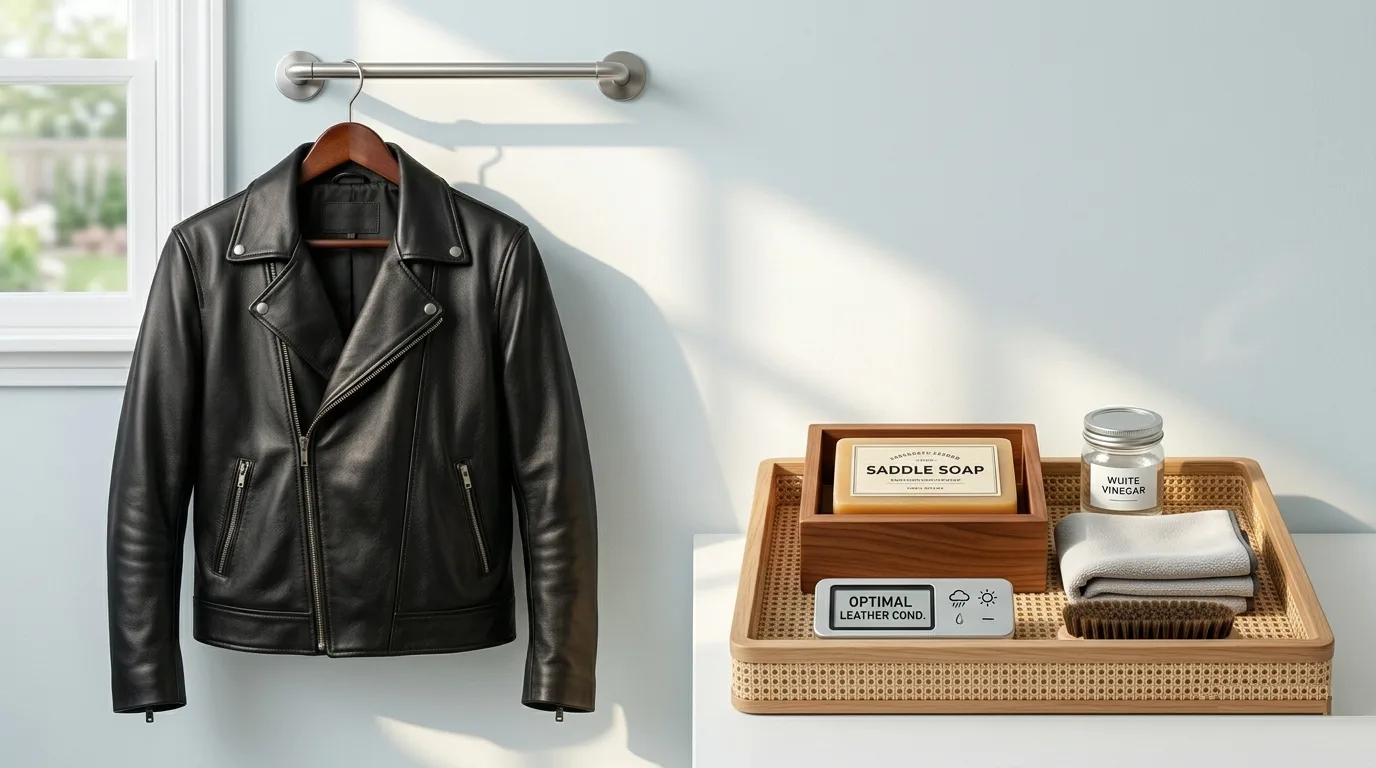
Maintenance. A conditioner made for natural, unfinished leather, applied sparingly every six to twelve months, keeps the fibers supple and reduces the risk of drying and cracking. Apply with a soft cloth in small circles, let it absorb, then buff off any excess. Always test on a hidden area first, because conditioners can darken leather slightly, and on vachetta that effect is permanent.
What to avoid: alcohol, acetone, household cleaners, silicone based polishes, and anything labelled as a leather cleaner without checking whether it is safe for untreated leather. These strip natural oils and leave dry, patchy areas that never recover their evenness.
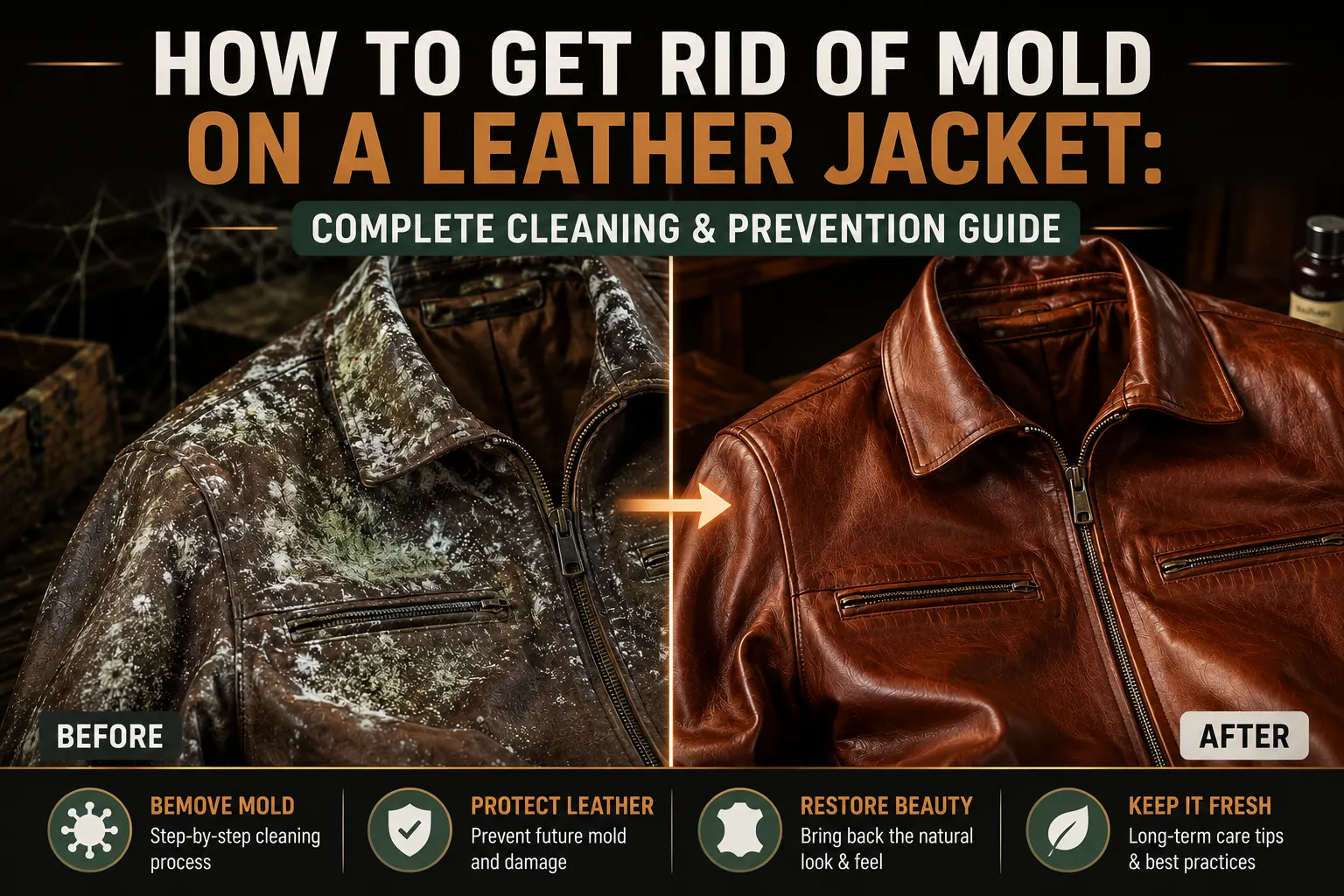
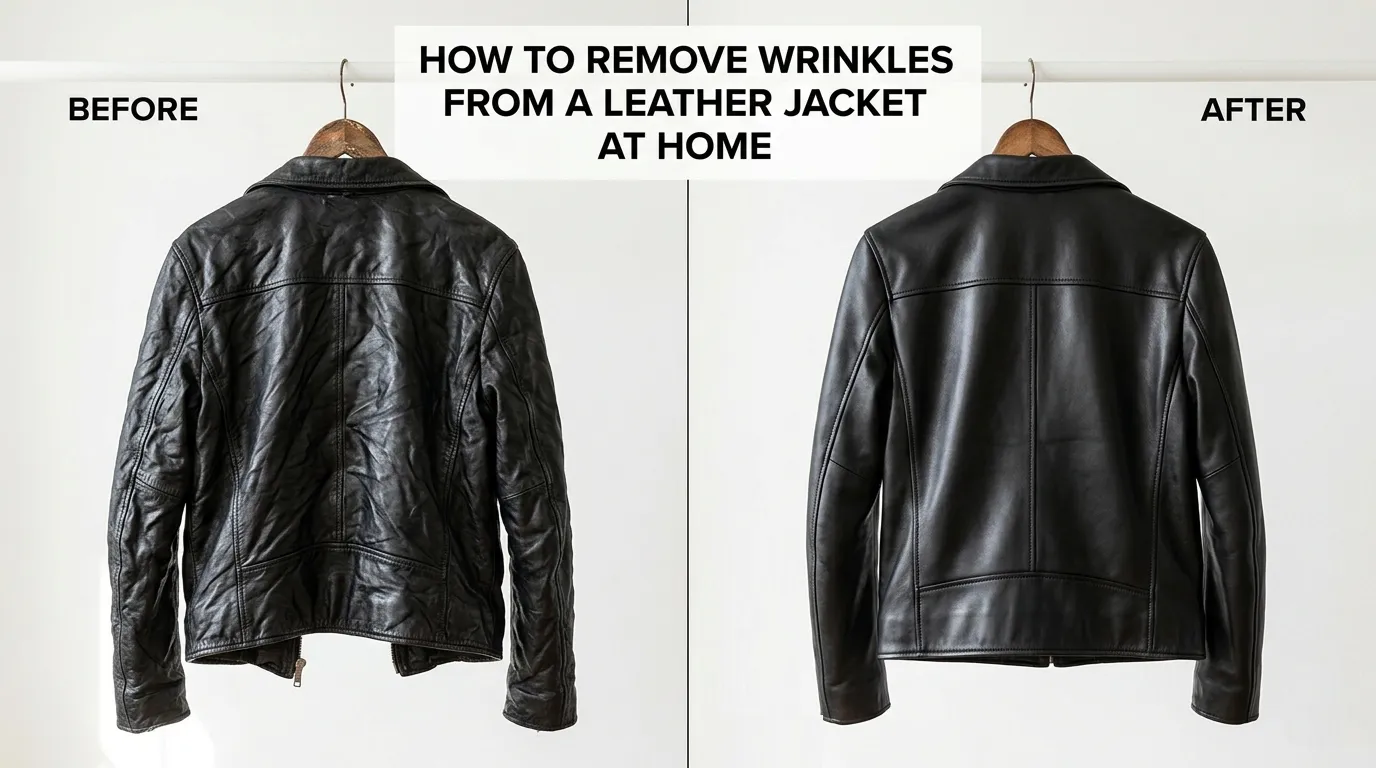
For a deeper look at cleaning methods that are safe for leather, our guides to removing mold and removing wrinkles cover techniques that apply across leather types.
Daily Habits That Make a Difference
Small behaviours matter more with vachetta than with almost any other leather. Wash and dry your hands before handling the item, especially if you have been eating or using hand cream. Keep it away from perfume, hairspray, and makeup. Store it in a breathable cotton dust bag rather than plastic, which traps moisture. Rotate the item’s position in storage so one side does not fade or darken faster than the other.
And accept that some marking is inevitable. A vachetta item with no marks at all after years of use has probably not been used.
What Vachetta Leather Is Used For
Vachetta’s combination of softness, strength, and aging behaviour makes it suitable for a specific range of products. The most famous is luxury handbag trim, including handles, straps, piping, and edge binding on canvas bags. The pale leather against dark canvas is one of the most recognisable contrasts in fashion.
Beyond bags, vachetta appears in:
- Straps and handles on briefcases, totes, and luggage, where its suppleness matters for comfort
- Small leather goods such as wallets, card holders, and bracelets, which patina quickly because they are handled constantly
- Footwear, particularly sandals and casual shoes, where the leather moulds to the foot over time
- Belts, offering a natural, understated finish
- Craft and tooling work, because vegetable tanned leather takes stamps, carving, and dye exceptionally well
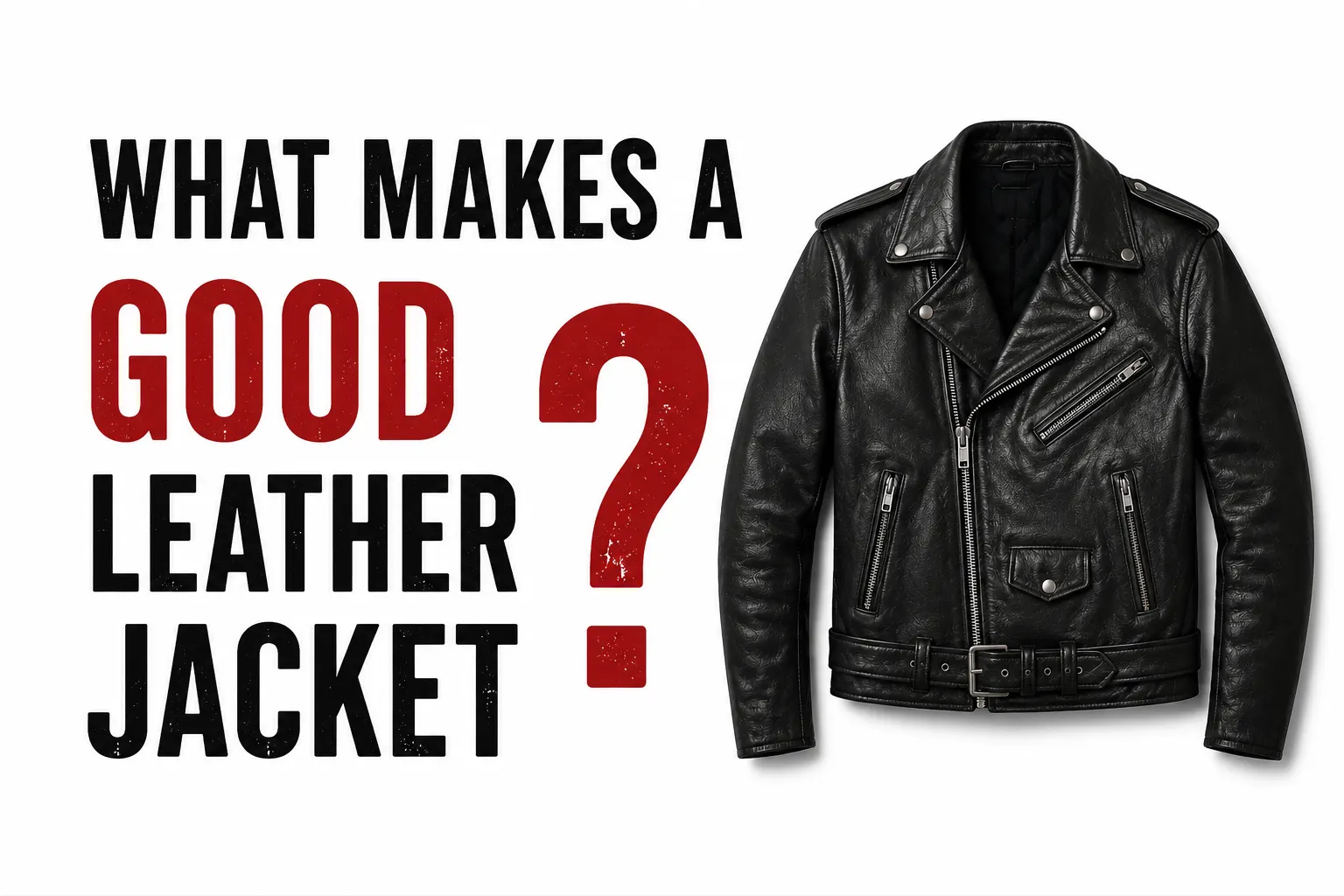
It is less common in jackets and garments, where the untreated surface would be impractical for daily wear and the cost per square foot would be prohibitive. If you are shopping for outerwear, our guide to what makes a good leather jacket covers the leather types that work best for jackets.
How Much Does Vachetta Leather Cost?
Genuine high quality vachetta is expensive, often in the range of twenty dollars per square foot or more for top tier Italian hides. The reasons are cumulative. Only clean, even hides are suitable because flaws cannot be hidden. Vegetable tanning takes months rather than hours. The fatliquoring process requires skill. And the best tanneries have limited capacity.
Price varies widely, though, because the label is not regulated. Some leather sold as vachetta is thinner, less carefully oiled, or made from lower grade hides. As with most things, the tannery’s reputation matters more than the word on the tag.
Frequently Asked Questions
Is vachetta leather real leather?
Yes. It is full grain bovine hide, vegetable tanned and left unfinished. It is one of the more authentic forms of leather available.
What is vachetta leather made of?
Cow, steer, or calf hide, tanned with plant based tannins and treated with animal or mineral oils to give it softness. No synthetic coating is applied.
Is vachetta leather vegan?
No. It is animal hide. Plant based alternatives exist but do not age the same way.
What is the difference between vachetta and calf leather?
Vachetta describes the tanning and finish, while calf describes the animal’s age. A leather can be both vachetta and calf, or vachetta and mature cowhide.
Why does vachetta leather darken?
Because it is untreated, its open pores let oxygen, light, moisture, and skin oils reach the tannins inside. Over time this oxidises and darkens the leather, and that process is called patina.
Can vachetta leather get wet?
It can, but water causes stains and uneven darkening. Blot immediately and let it dry naturally. A protectant spray reduces the risk.
How do I clean vachetta leather?
Use a soft, dry cloth for dust and a barely damp cloth with distilled water for light marks. For tougher stains, use a cleaner made specifically for untreated leather, and test it on a hidden area first.
Does vachetta leather scratch easily?
Yes, more easily than coated leathers, because there is no protective layer. Light scratches often blend into the patina over time, while deep ones may need professional attention.
The Bottom Line
Vachetta is not the easiest leather to own. It asks for clean hands, a protectant spray, occasional conditioning, and a willingness to accept that it will change. In return, it offers something almost no other material can, a finish that is genuinely yours, shaped by how you carry it, where you take it, and how long you keep it.
If you want a bag or accessory that looks exactly the same in ten years as it did on day one, vachetta is the wrong choice. If you want something that gets better, more personal, and more beautiful with every year of use, there is nothing quite like it.
And if you are ready to move from learning about leather to wearing it, explore our latest leather jacket collection.