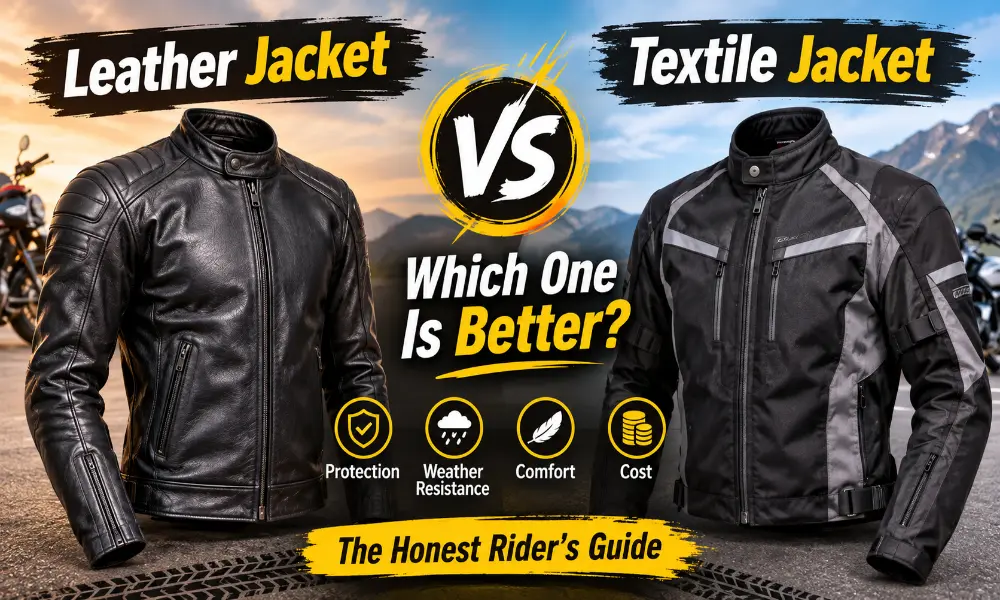
Leather Jacket vs Textile Motorcycle Jacket: Which One Is Better?
Leather Jacket vs Textile Motorcycle Jacket: Understanding the Difference
Choosing between a leather jacket and a textile motorcycle jacket is not simply a matter of appearance. Both materials have different strengths, and the right choice depends on your riding habits, weather conditions, comfort requirements and the level of protection you need.
Leather has a long history in motorcycle clothing because of its abrasion-resistant properties and durable construction. Textile jackets, on the other hand, offer greater flexibility in design, ventilation, waterproofing and insulation. Modern manufacturing has also improved the protective performance of many textile garments.
Neither material is automatically the best choice for every rider. A well-designed jacket needs suitable materials, reliable construction, protective armour and a fit that keeps everything in the correct position.
Let’s compare both options to understand where each one performs best.
What Is a Leather Motorcycle Jacket?
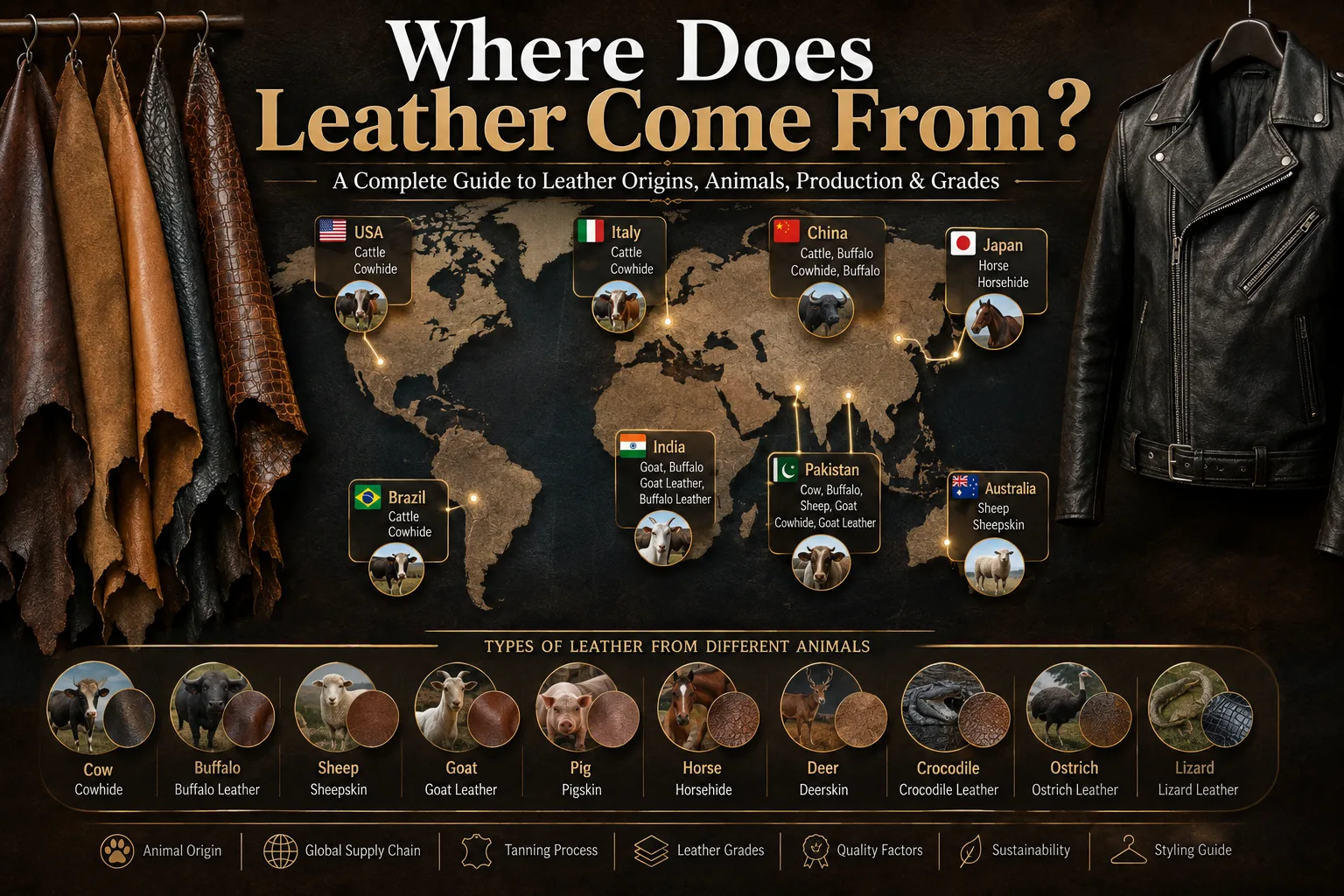
A leather motorcycle jacket is made from animal hide, commonly cowhide, buffalo or other types of leather. Its dense natural fibre structure makes it suitable for garments designed to withstand abrasion during a slide.
Motorcycle leather jackets are generally constructed with reinforced stitching, protective panels and armour at important impact areas. Some designs also include perforated leather, stretch panels, removable thermal liners and ventilation openings.
Leather is particularly popular among sport riders and those who prefer a close-fitting jacket with a traditional motorcycle appearance.
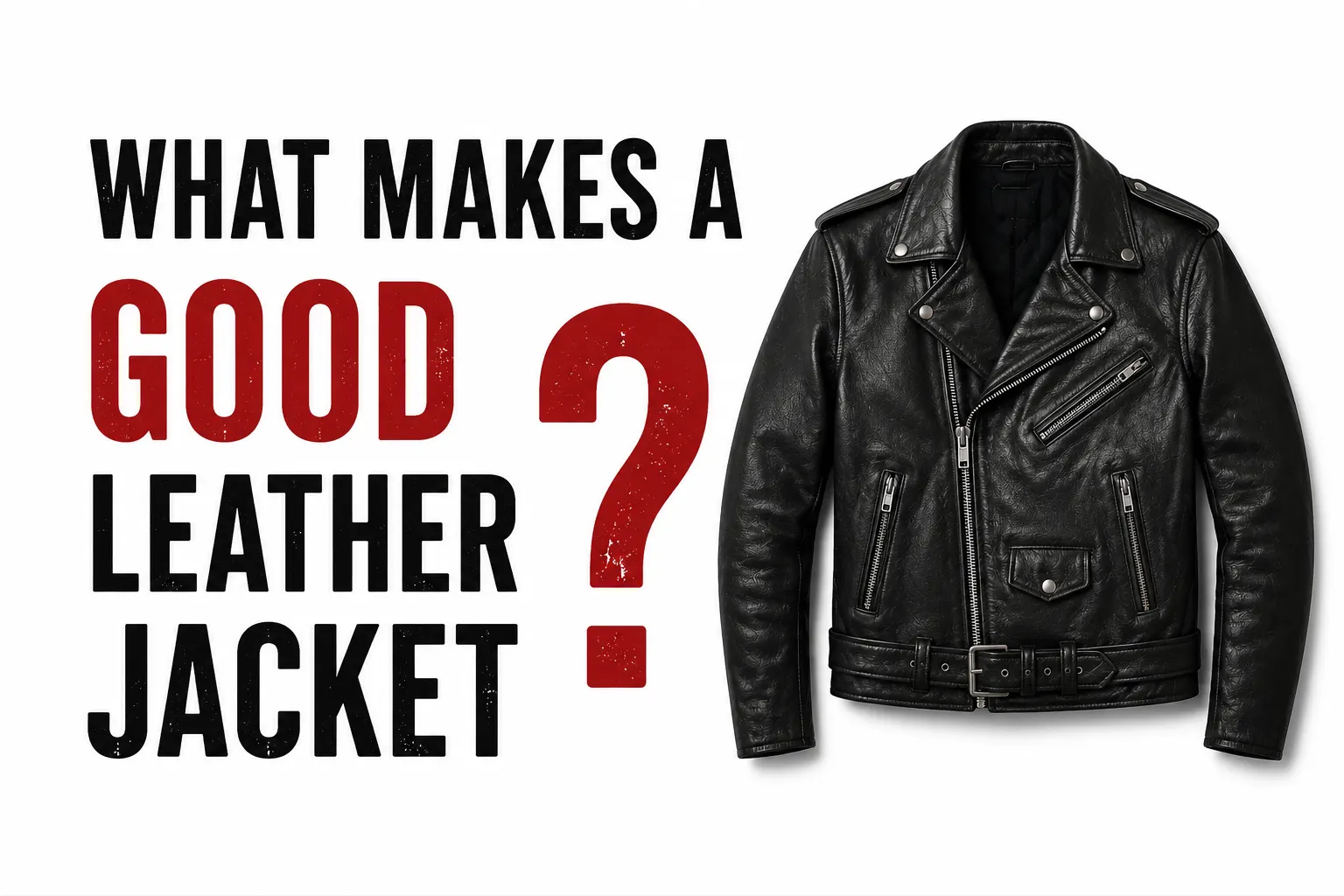
However, not every leather jacket is designed for riding protection. A regular fashion leather jacket may look similar to motorcycle gear, but it does not necessarily have reinforced seams, impact protectors or tested abrasion resistance.
If protection is your priority, choose a motorcycle-specific leather jacket with appropriate safety certification.
What Is a Textile Motorcycle Jacket?
A textile motorcycle jacket is made from engineered fabrics rather than animal hide. Common materials include nylon, polyester and specialised abrasion-resistant fabrics such as Cordura.
Manufacturers can combine different fabrics, protective reinforcements, waterproof membranes and ventilation panels to create jackets for specific riding conditions.
Many textile jackets feature:
Waterproof or water-resistant construction.
Removable thermal insulation.
Mesh panels for airflow.
Adjustable cuffs, waist and collar.
Multiple storage pockets.
Shoulder and elbow armour.
Additional reinforcement in high-wear areas.
Their adaptable construction makes textile jackets particularly useful for commuting, touring and adventure riding.
Leather vs Textile Motorcycle Jacket: Key Differences
The biggest differences become clearer when both materials are compared across everyday riding requirements.
Feature
Leather Motorcycle Jacket
Textile Motorcycle Jacket
Abrasion resistance
Generally excellent with suitable construction
Varies by fabric and reinforcement
Weight
Usually heavier
Usually lighter
Flexibility
May need a break-in period
Often flexible straight away
Waterproofing
Requires suitable treatment or a waterproof design
Easier to manufacture with waterproof membranes
Ventilation
Perforations and vents
Mesh panels and adjustable vents
Warmth
Depends on lining and construction
Often available with removable thermal liners
Maintenance
Requires leather-specific care
Usually easier to clean
Price
Often more expensive
Available across a wider range of budgets
Appearance
Traditional leather finish
Wider range of technical designs
The table provides a general comparison. Actual performance depends on the specific jacket, materials, protective features and manufacturing quality.
1. Protection: Which Jacket Is Safer?
Protection is one of the most important factors when selecting motorcycle clothing.
Leather is well known for its ability to resist abrasion. Its dense structure can provide strong resistance against friction when a rider slides across the road. This is one reason leather remains popular in performance riding and track-focused equipment.
However, the quality of the leather, its thickness, panel construction and stitching all influence the final result.
Textile jackets can also provide substantial protection. Modern motorcycle fabrics are developed to withstand abrasion and tearing, while reinforced panels can strengthen areas that are more likely to contact the road during a fall.
Some high-performance textile garments are tested to demanding motorcycle clothing standards and can provide protection suitable for different riding activities.
Understanding Motorcycle Jacket Safety Ratings
One important standard to understand is EN 17092, which classifies motorcycle protective garments according to their tested performance.
Its main protection classes include:
AAA: The highest protection class in this series, designed for demanding riding conditions.
AA: Provides a strong balance between protection and practical everyday use.
A: Offers a lower level of protection than AA and AAA, with less restriction on weight and movement.
B: Provides abrasion protection without the impact protectors included in higher-class garments.
C: Designed to hold impact protectors and provide supplementary protection rather than complete garment protection.
Impact protectors are another important consideration. Look for suitable shoulder and elbow protection, and check whether the jacket includes a compatible back protector.
A certified jacket is not a guarantee against every injury, but its tested performance gives you a much better basis for comparing protective clothing than material labels alone.
The important point: A properly tested textile jacket can be a better protective choice than an ordinary, non-certified leather jacket. Always assess the complete garment rather than assuming leather automatically means greater safety.
2. Weather Resistance: Leather vs Textile
Weather conditions can make a major difference to your riding experience.
Leather in Different Weather Conditions
Leather performs well in many normal riding conditions, but untreated leather is not naturally waterproof.
When exposed to heavy rain, it can absorb moisture, become heavier and take longer to dry. Repeated exposure to water without suitable care may also affect its texture and condition.
Some leather motorcycle jackets include waterproof liners or specially designed protective finishes. These features can improve their performance in wet conditions, but they should not be assumed to be present in every leather jacket.
In cold weather, leather can provide a useful outer layer against wind, especially when combined with suitable insulation underneath.
Textile in Different Weather Conditions
Textile jackets offer more options for changing weather.
Waterproof membranes, sealed seams and water-resistant treatments can help prevent rain from reaching the rider. Removable thermal liners provide additional warmth in colder conditions, while ventilation openings allow heat to escape when temperatures rise.
Some textile jackets use a layered construction that can be adjusted according to the weather.
For riders who travel long distances or regularly encounter rain and temperature changes, this versatility can be a major advantage.
3. Ventilation and Comfort in Hot Weather
Heat management is especially important during summer riding.
Leather jackets can include perforated panels that allow air to pass through the material. These openings improve ventilation, but the amount of airflow depends on their size, placement and overall jacket construction.
Textile jackets often have an advantage in hot conditions because manufacturers can incorporate large mesh sections. These allow more direct airflow than many conventional leather designs.
For extremely hot weather, a purpose-built mesh textile jacket can be more comfortable than a heavier leather jacket.
However, ventilation should never come at the expense of suitable protective construction. Check the garment’s certification and reinforcement before choosing a highly ventilated design.
4. Weight and Freedom of Movement
Leather jackets are generally heavier than textile alternatives. The weight comes from the hide itself, the thickness of the material and the protective construction.
A new leather jacket can also feel stiff at first. With regular wear, suitable leather gradually becomes more flexible and adapts to the wearer’s body.
Textile jackets are usually lighter and may offer greater freedom of movement straight away. Stretch panels around the shoulders, elbows and sides can improve comfort while riding.
However, flexibility alone does not determine whether a jacket is comfortable. Its cut, armour placement, ventilation and overall fit are equally important.
5. Fit: Why the Right Size Matters
A motorcycle jacket must fit correctly to perform as intended.
A jacket that is too loose may allow its protective armour to move away from the areas it is designed to cover. A jacket that is too tight can restrict movement and make it difficult to control the motorcycle comfortably.
Leather jackets generally need a close, secure fit because the material can relax slightly with use. Textile jackets may allow more room for additional clothing layers, but they should still hold the protective components in place.
Before purchasing either type, check the following:
Shoulder armour should sit correctly over the shoulders.
Elbow protectors should remain in position when your arms bend.
Sleeves should provide adequate coverage while reaching for the handlebars.
The jacket should not ride up excessively when you lean forward.
The waist, cuffs and collar should have suitable adjustment.
You should be able to move naturally in your riding position.
If possible, try the jacket while sitting in a motorcycle riding posture. A jacket that feels comfortable while standing may fit differently when you reach forward and bend your arms.
6. Durability and Long-Term Performance
Leather and textile jackets can both last for years when they are properly manufactured and maintained.
Leather is valued for its strong natural structure and ability to resist abrasion. A well-made leather motorcycle jacket can provide long-term service, and minor surface wear may be repairable depending on its location and severity.
Textile durability depends heavily on the type of fabric, reinforcement, stitching and protective coatings. High-quality motorcycle textiles can withstand regular use, but waterproof membranes and surface treatments may lose performance over time.
One important point concerns crash damage. Even if a leather jacket looks wearable after a fall, its seams, panels and protective structure may have been compromised. Textile garments can also suffer hidden damage after an accident.
Never assume a jacket is safe for another ride simply because it looks acceptable. Follow the manufacturer’s inspection and replacement guidance, and have damaged protective equipment assessed before using it again.
7. Maintenance: Which Jacket Is Easier to Care For?
Leather and textile jackets require different maintenance routines.
How to Maintain a Leather Motorcycle Jacket
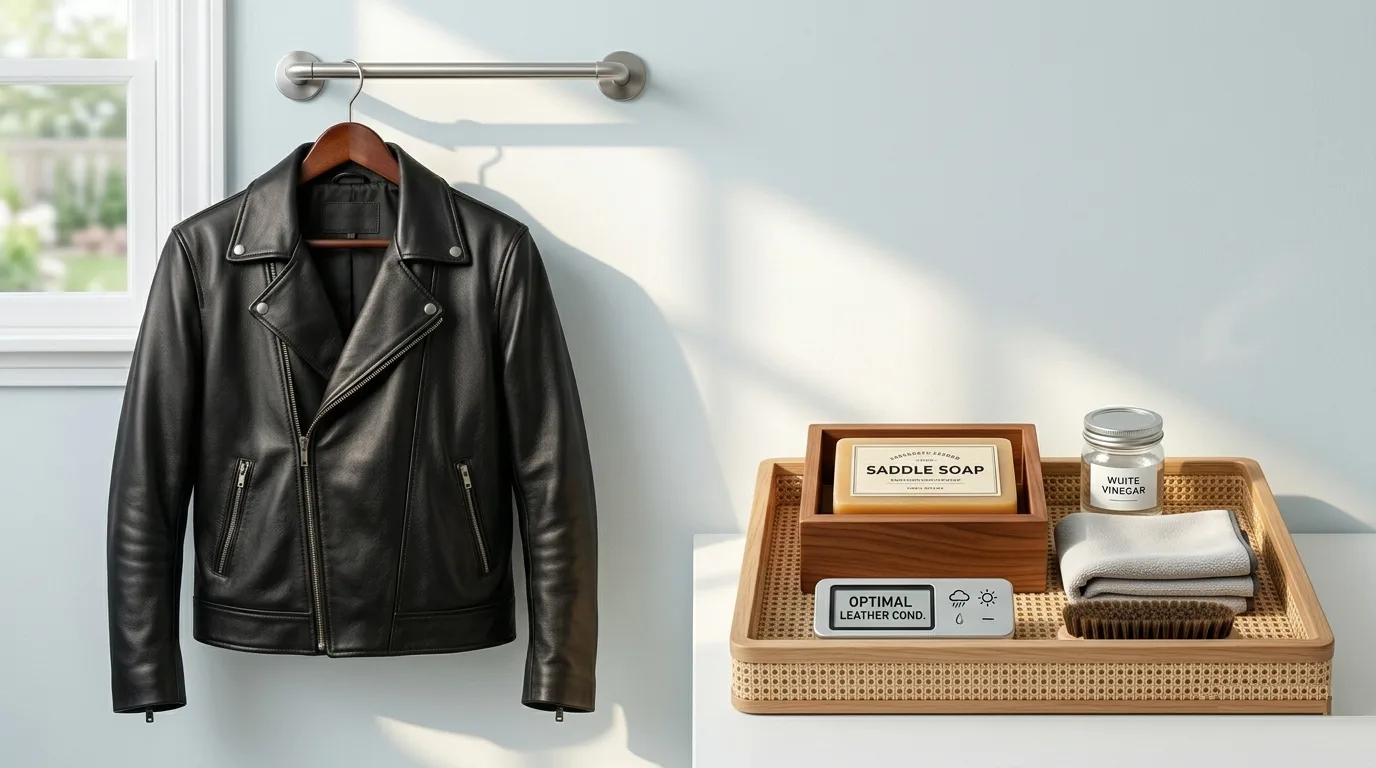
Leather needs appropriate cleaning and conditioning to help maintain its flexibility and surface condition.
Remove dust and surface dirt with a soft cloth.
Use a leather cleaner suitable for the jacket’s finish.
Apply compatible leather conditioner when recommended by the manufacturer.
Allow wet leather to dry naturally at room temperature.
Avoid direct heat, radiators and hair dryers.
Store the jacket in a cool, dry and ventilated place.
Avoid using ordinary household oils or harsh cleaning products. They can affect the leather’s finish and long-term condition.
How to Maintain a Textile Motorcycle Jacket
Textile jackets are generally easier to clean, but their waterproof membranes and protective treatments require suitable care.
Check the manufacturer’s washing instructions.
Remove detachable armour and liners when instructed.
Use a cleaner designed for technical riding fabrics.
Avoid detergents or fabric treatments that can affect waterproof coatings.
Allow the jacket to dry completely before storage.
Reapply a compatible water-repellent treatment when recommended.
A textile jacket should not automatically be machine-washed without checking its care label. Incorrect washing can damage specialised materials and waterproof components.
8. Cost: Is Leather More Expensive Than Textile?
Leather motorcycle jackets are often more expensive because natural hides require additional processing, tanning and specialised manufacturing.
The cost can also increase with thicker leather, reinforced construction, protective armour and detailed finishing.
Textile jackets are available at a wider range of prices. Basic designs may be relatively affordable, while premium touring and adventure jackets with advanced waterproof membranes, ventilation systems and protective reinforcements can also be expensive.
Rather than comparing price alone, consider what the jacket offers:
Tested abrasion resistance.
Quality of protective armour.
Reinforced stitching and construction.
Waterproofing and ventilation.
Comfort and fit.
Expected maintenance requirements.
A more expensive jacket is not automatically safer. The material, construction and certified performance should guide your decision.
Which Motorcycle Jacket Should You Choose?
The right choice depends on the type of riding you do most often.
Choose a Leather Motorcycle Jacket If:
You prefer a traditional leather riding style.
Abrasion resistance is a major priority.
You mainly ride in dry or moderately cool conditions.
You want a close-fitting jacket that can adapt to your body with use.
You are comfortable with regular leather maintenance.
Leather is particularly suitable for riders who value its natural feel, classic appearance and performance in properly designed protective motorcycle clothing.
Choose a Textile Motorcycle Jacket If:
You commute regularly in changing weather.
You frequently ride in rain or high temperatures.
You need adjustable ventilation and removable insulation.
You prefer a lighter jacket with flexible construction.
You want multiple practical features for touring or everyday riding.
Textile is often the more versatile option for commuters, adventure riders and people who need one jacket for different seasons.
Should You Own Both?
If you ride frequently in different environments, having both types can make practical sense.
A leather jacket can be used for suitable dry-weather rides, while a waterproof textile jacket can provide greater adaptability for commuting and long-distance touring.
This approach allows you to choose your clothing according to the conditions rather than expecting one jacket to perform equally well in every situation.
Can You Use a Regular Leather Jacket for Motorcycle Riding?
A regular leather fashion jacket should not be considered a replacement for motorcycle protective clothing.
Although genuine leather can offer abrasion resistance, a fashion jacket may not include reinforced seams, tested impact protectors or the correct construction needed for riding safety.
Motorcycle-specific jackets are designed with protective features and may carry an EN 17092 certification. Before riding, check the garment’s label, protective components and intended use.
If you are buying a leather jacket primarily for everyday fashion, focus on its material, fit and construction. If you need riding protection, choose equipment specifically designed and tested for motorcycling.
Frequently Asked Questions
1. Is a leather motorcycle jacket safer than a textile jacket?
Leather generally offers strong abrasion resistance, but safety depends on the complete garment. A certified textile jacket with suitable reinforcement and armour can provide substantial protection. Compare safety ratings and construction rather than relying on the material alone.
2. Are textile motorcycle jackets waterproof?
Some textile motorcycle jackets are designed with waterproof membranes, sealed seams and water-resistant treatments. However, not every textile jacket is waterproof. Always check the manufacturer’s specifications.
3. Do leather motorcycle jackets get hot in summer?
They can become warm in high temperatures, especially when made from thick, non-perforated leather. Perforated leather improves airflow, but large mesh textile panels generally provide greater ventilation.
4. Can a textile jacket protect you in a motorcycle accident?
Yes. Properly designed and certified textile motorcycle jackets can provide abrasion and impact protection. Their performance depends on the fabric, reinforcement, stitching, armour and certification class.
5. Do leather motorcycle jackets stretch over time?
Leather can gradually become more flexible with regular use and adapt to the wearer’s shape. However, it should fit securely from the beginning. Do not purchase an excessively tight jacket expecting it to stretch into the correct size.
6. Which motorcycle jacket is better for long-distance touring?
Textile jackets are often preferred for touring because of their waterproof options, ventilation, removable liners and adjustable construction. A suitable leather jacket can also work for touring in appropriate weather conditions.
7. How long does a motorcycle jacket last?
There is no fixed lifespan for every jacket. Material quality, frequency of use, storage, maintenance and exposure to weather all affect durability. After a crash, the jacket should be inspected even if there is no obvious damage.
8. Can you wear a leather jacket in the rain?
A leather motorcycle jacket can handle some light rain, but untreated leather may absorb water and become heavy. For regular wet-weather riding, a properly designed waterproof motorcycle jacket or suitable waterproof outer layer is generally more practical.
Final Thoughts
The choice between a leather jacket and a textile motorcycle jacket comes down to your riding conditions and priorities.
Leather offers a traditional riding style, natural abrasion resistance and a durable feel when properly constructed. Textile provides greater flexibility in ventilation, waterproofing, insulation and everyday practicality.
Neither material guarantees protection on its own. A properly fitted jacket with suitable armour, reinforced construction and recognised safety certification is a much more important consideration than appearance or material alone.
Choose a jacket that matches your riding environment, feels comfortable in the riding position and provides the level of protection you need.
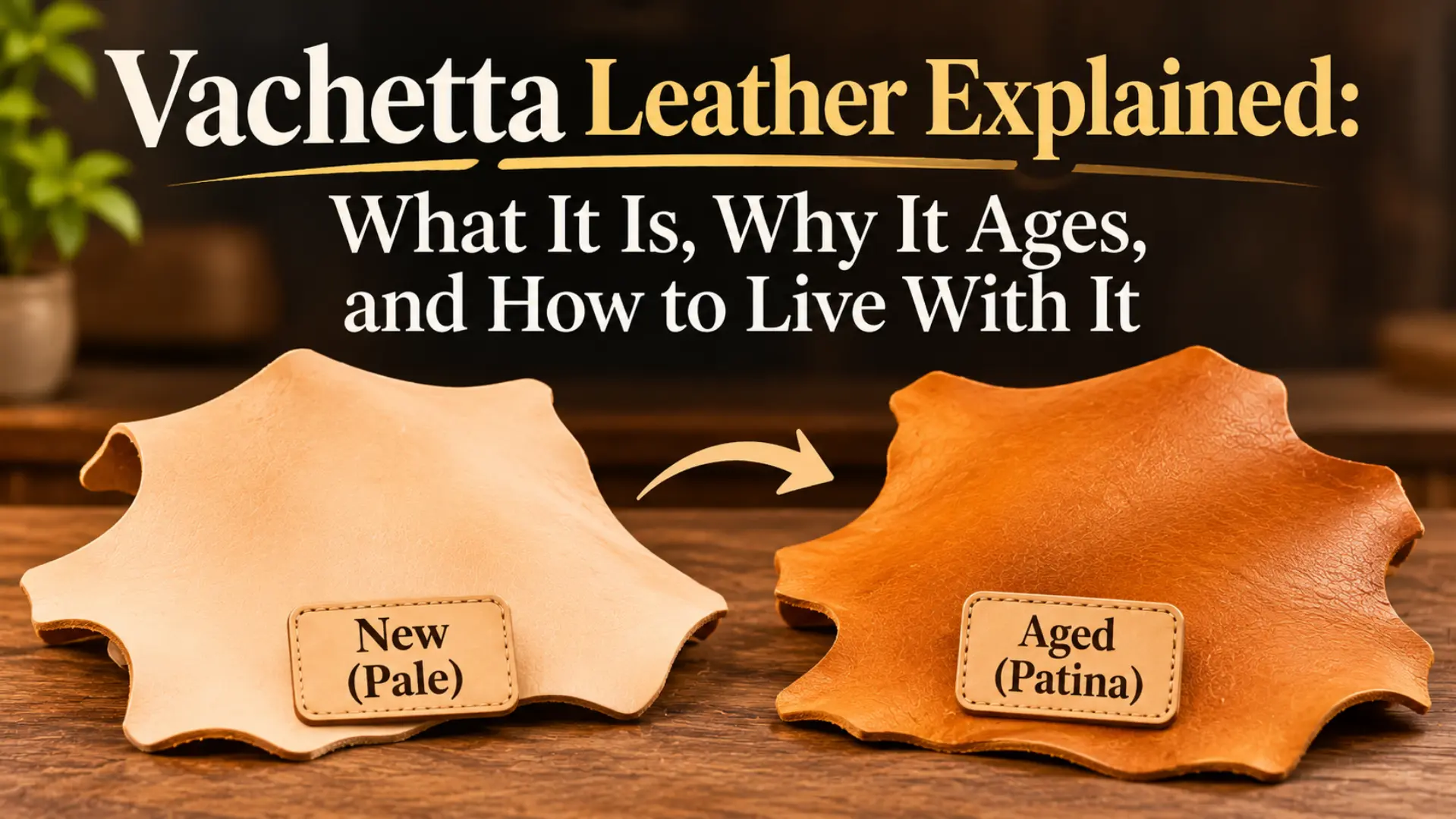
Most leather is designed to stay the same. Vachetta is…
How to Measure Your Weight
Place the weighing scale on a flat, hard floor (not on carpet) and step on it to measure your weight. Wear your everyday light clothing and don’t forget to remove your shoes while weighing.
At lammberg, your privacy is of paramount importance to us. When you provide your measurements and upload pictures while ordering our made-to-measure items, rest assured that this information is collected solely for internal purposes related to pattern making and determining the appropriate size for your order. We understand the sensitivity of the data you share with us, and we want to assure you that your pictures will be treated with the utmost confidentiality. They will never be disclosed or shared with any third party. Instead, they will be securely stored with industry-standard encryption, and access will be restricted to authorized personnel directly involved in the pattern making and sizing process. We are committed to using this information solely for the purpose it was provided and will not retain it longer than necessary.
Thank You!
We are truly excited that you’ve chosen us for crafting your custom jacket!
Your dream jacket is our mission, and we can’t wait to bring it to life.
Our dedicated support agent will be in touch via email to have a conversation about all the intricate details and options you have mentioned, ensuring a stress-free experience for you.
To ensure our messages reach you promptly and smoothly, kindly add customized@lammberg.com to your address book.
We can’t wait to start working on your perfect jacket!
Thank You!
We are truly excited that you’ve chosen us for crafting your bespoke jacket!
Your dream jacket is our mission, and we can’t wait to bring it to life.
Our dedicated support agent will reach out to you via email to have a conversation about tailoring a bespoke jacket based on your preferences, ensuring a stress-free experience for you.
To ensure our messages reach you promptly and smoothly, kindly add bespoke@lammberg.com to your address book.
We can’t wait to start working on your perfect jacket!
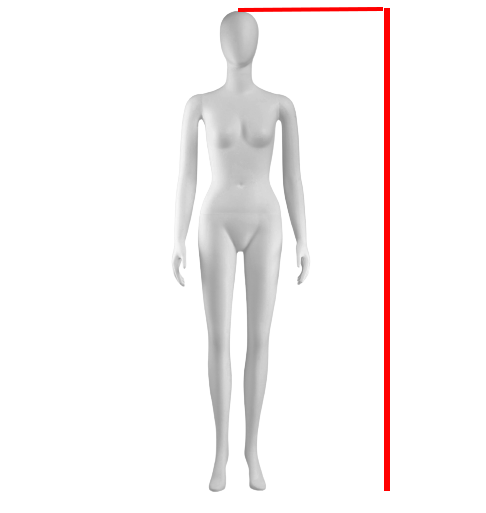
How to Measure Your Height
Stand against a wall without shoes. Place a straight object such as a book or ruler on your head and mark where it meets the wall. And then measure from the floor to the mark for an accurate height reading.
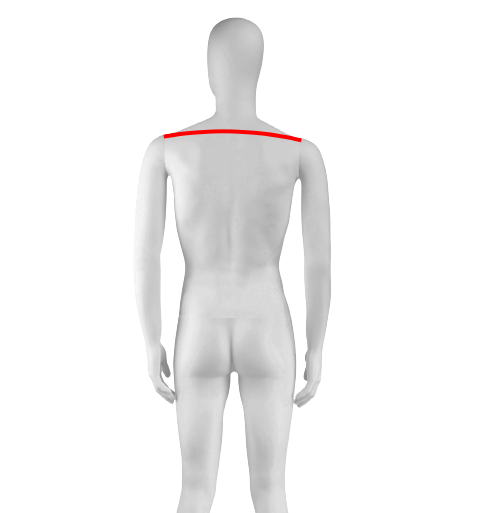
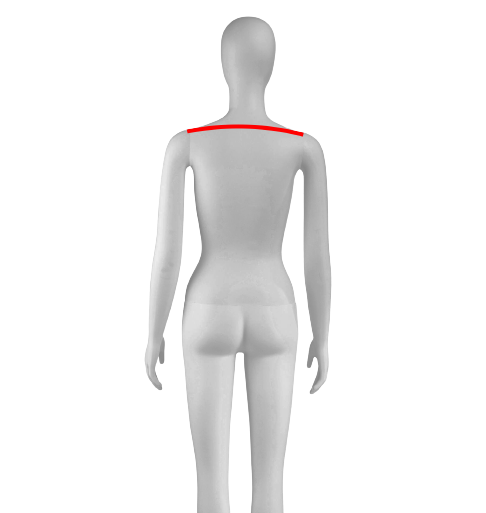
How to Measure Your Shoulder
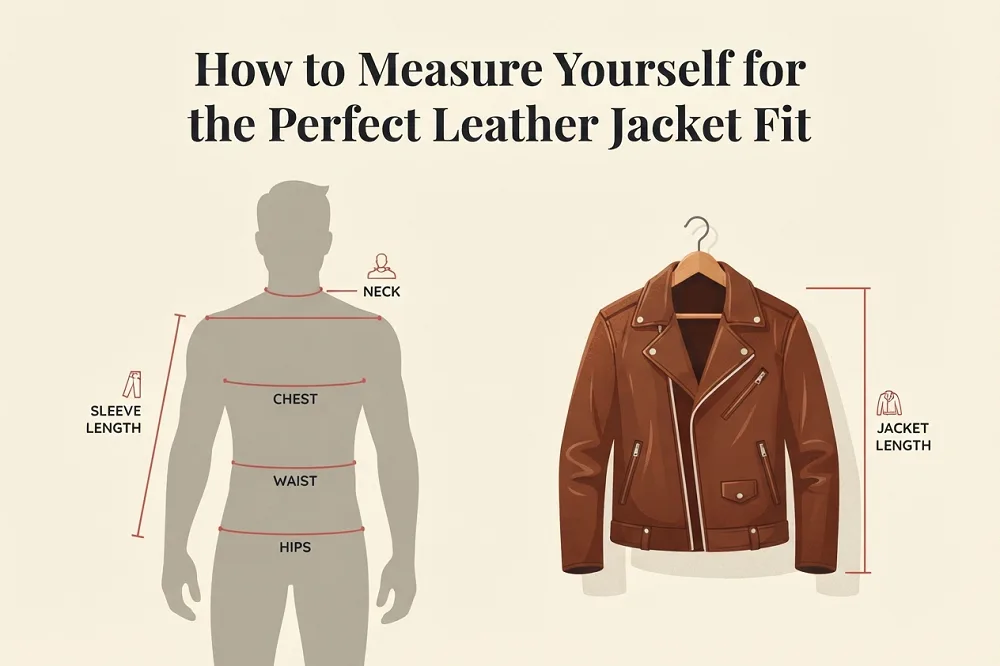
Measure the distance from the bony end of one shoulder, straight across the back of the neck, continuing to the bony end of the other shoulder.
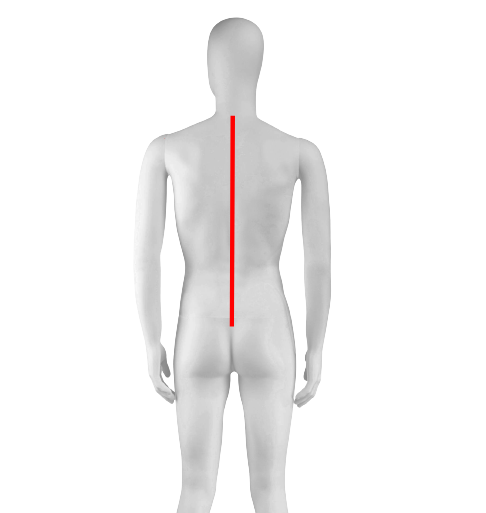
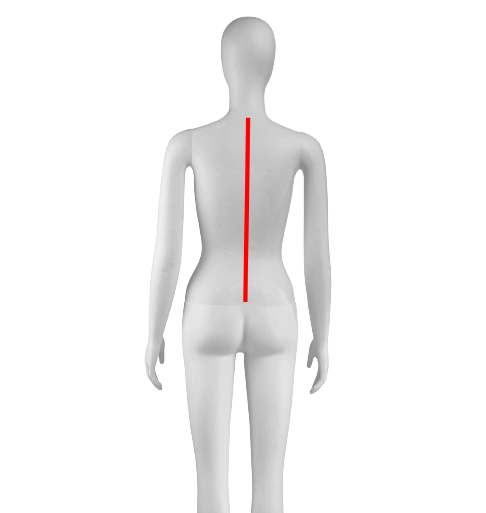
How to Measure The Required Length
Facing backwards, measure vertically down, from the bone at the base of your neck, to your required length. If you are unsure of the perfect length, this will vary depending on the style of the jacket and your personal preference, but typically falls somewhere where your arms end.
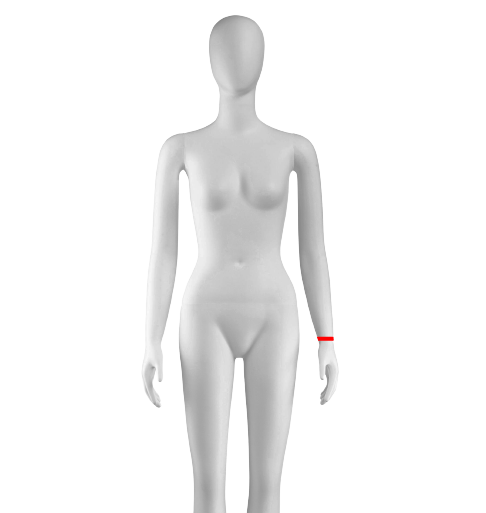
How to Measure Your Wrist
Measure around the fullest part of your wrist, that is exactly above your wrist bone and you will get your wrist measurement.
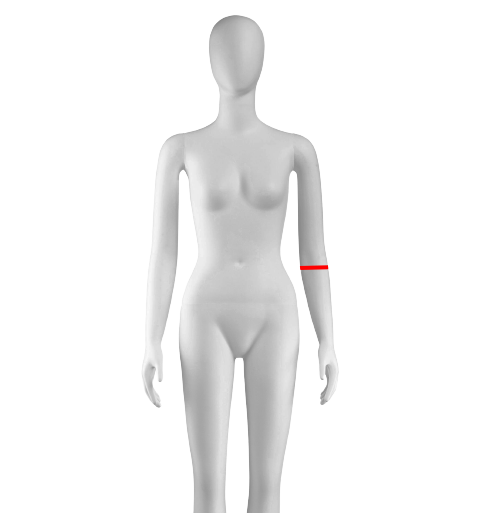
How to Measure Your Forearm
Wrap the tape measure around the widest part of your forearm, which is usually 2 inches below the elbow.
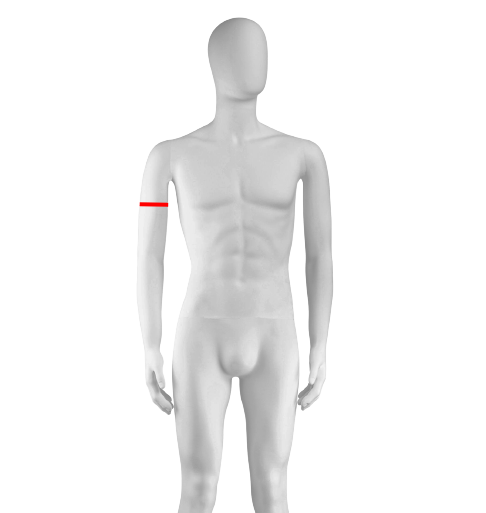
How to Measure Your Bicep
To know your bicep measurement, measure around the fullest part of your bicep with your arms relaxed.
How to Measure Your Armhole
To measure your armhole, wrap the tape measure around your arm and shoulder, drawing it up from behind your shoulder until it meets the starting end.
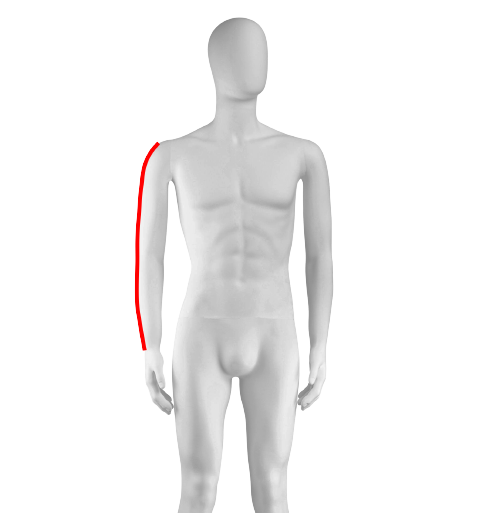
How to Measure Your Sleeve Length
Place the tape measure at the edge of your shoulder. Guide it down alongside your arm straight to the point where you would like your sleeve to end.
How to Measure your Hip
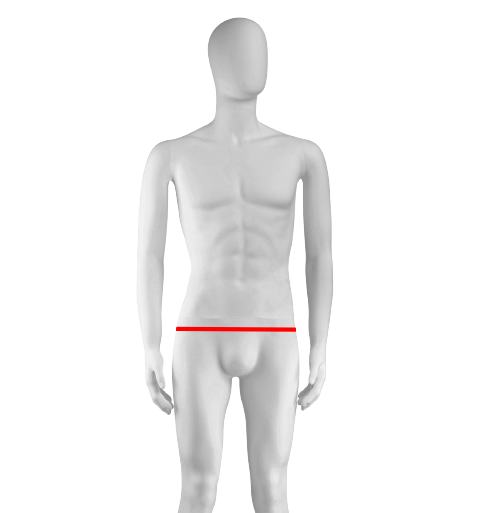
Measure around the fullest part of your hips. Start at one hip, then bring the tape measure around the back and over the other hip, and back to where you started. Stand straight and make sure the tape is leveled all the way around.
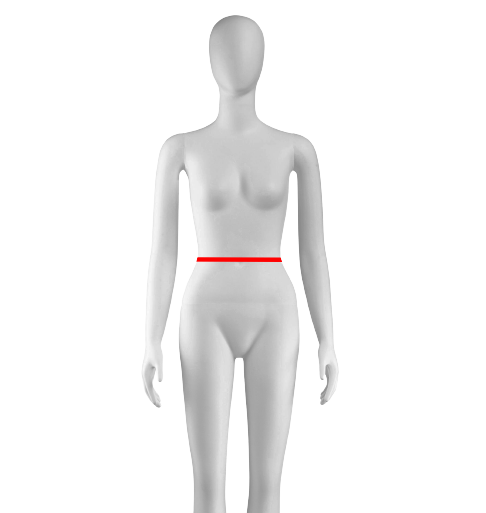
How to Measure Your Waist
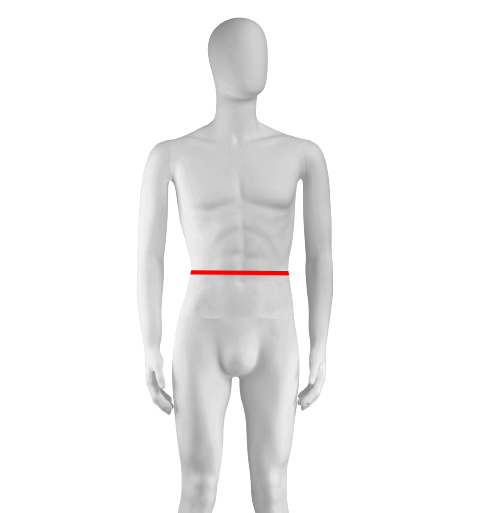
To know your waist measurement, measure the circumference of your waist. Use the tape to circle your waist (sort of like a belt would) at your natural waistline across the belly button. Breathe normally while taking the measurement and make sure the tape is leveled all the way around.
How to Measure Your Midriff
Your midriff is part of the body between your chest and the waist. Measure around the circumference of your body, above your belly button and below your rib cage. Relax and breathe normally.
Make sure the tape is leveled all the way around.
How to Measure Your Chest
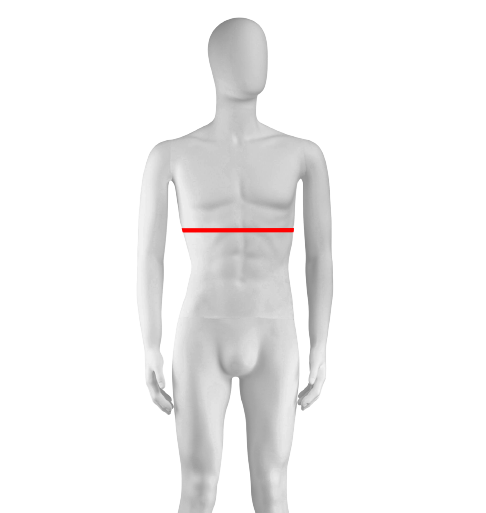
To measure your chest, raise your arms, wrap the measuring tape an inch below the armhole.
Now lower your arms and measure around the circumference of the body, covering the broadest part of the chest and across the shoulder blades. Relax and breathe normally.
Make sure the tape is leveled all the way around.
How to Measure Your Neck
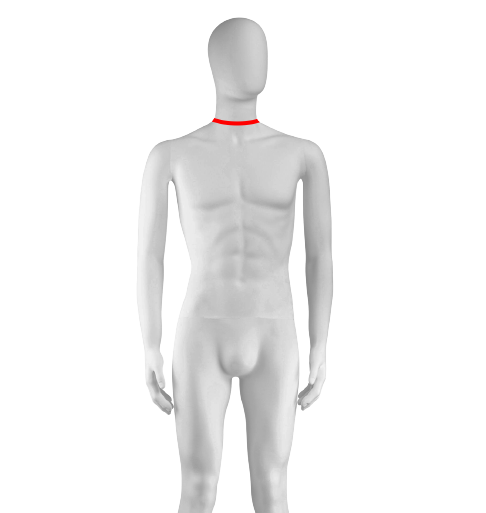
Wrap the measuring tape around your neck and measure around the thickest part of your neck just above your collar bone. The thickest part of your neck is typically just below your Adam’s apple. Be careful not to pull too tightly.
You should be able to comfortably fit two fingers between your neck and the measuring tape.
How to Measure Your Height
Stand against a wall without shoes. Place a straight object such as a book or ruler on your head and mark where it meets the wall. And then measure from the floor to the mark for an accurate height reading.
Unit of Measurement
Select your preferred unit of measurement. We will follow this throughout your measurements.
How to Measure Your Shoulder
Measure the distance from the bony end of one shoulder, straight across the back of the neck, continuing to the bony end of the other shoulder.
How to Measure The Required Length
Facing backwards, measure vertically down, from the bone at the base of your neck, to your required length. If you are unsure of the perfect length, this will vary depending on the style of the jacket and your personal preference, but typically falls somewhere where your arms end.
How to Measure Your Wrist
Measure around the fullest part of your wrist, that is exactly above your wrist bone and you will get your wrist measurement.
How to Measure Your Forearm
Wrap the tape measure around the widest part of your forearm, which is usually 2 inches below the elbow.
How to Measure Your Bicep
To know your bicep measurement, measure around the fullest part of your bicep with your arms relaxed.
How to Measure Your Armhole
To measure your armhole, wrap the tape measure around your arm and shoulder, drawing it up from behind your shoulder until it meets the starting end.
How to Measure Your Sleeve Length
Place the tape measure at the edge of your shoulder. Guide it down alongside your arm straight to the point where you would like your sleeve to end.
How to Measure your Hip
Measure around the fullest part of your hips. Start at one hip, then bring the tape measure around the back and over the other hip, and back to where you started. Stand straight and make sure the tape is leveled all the way around.
How to Measure Your Waist
To know your waist measurement, measure the circumference of your waist. Use the tape to circle your waist (sort of like a belt would) at your natural waistline across the belly button. Breathe normally while taking the measurement and make sure the tape is leveled all the way around.
How to Measure Your Midriff
Your midriff is part of the body between your chest and the waist. Measure around the circumference of your body, above your belly button and below your rib cage. Relax and breathe normally.
Make sure the tape is leveled all the way around.
How to Measure Your Bust
To measure your bust, raise your arms, wrap the measuring tape around the fullest part of your chest.
Now lower your arms and measure around the circumference of the body, covering the broadest part of the chest and across the shoulder blades. Relax and breathe normally.
Make sure the tape is leveled all the way around.
How to Measure Your Neck
Wrap the measuring tape around your neck and measure around the thickest part of your neck just above your collar bone. The thickest part of your neck is typically just below your Adam’s apple. Be careful not to pull too tightly.
You should be able to comfortably fit two fingers between your neck and the measuring tape.
Measurement Instructions
You will need a fabric tape measure and a helping hand. You may also do the measurements yourself, but for the most accurate results, we suggest getting a friend or a relative to do it for you. It’s more fun as well.
You must provide full, accurate and legible measurements on this form.
Please make sure you have precisely followed the demonstration pictures to obtain measurements.
We guarantee that your item will fit you perfectly if you provide us the correct measurements. There will be no returns or exchanges related to fit when pertaining to wrongly submitted measurements.
Once you have given us the measurements, we will process your order immediately, so any changes at later stage may not be possible.
When taking measurements, the tape should be held flat against the body; hold it snugly enough to prevent drooping, but not so tight as to feel restrictive.
Wear what you would normally wear under a jacket while taking measurements.
Make sure to measure without any bulky clothing or layers that might affect the accuracy of the measurement.
Stand as you normally would stand in your day to day stance.
If you wish to, please send 3 full length photos of yourself (Front, Back and Side pose) wearing a t-shirt and a trouser for a better perception for our production team.
Should you need further clarification or assistance, we are always available to you, please write to tailorsupport@lammberg.com