A leather jacket is more than just clothing; it’s an investment in style and durability. But when it absorbs the stubborn odors of mildew and cigarette smoke, it can feel impossible to restore. Fortunately, you don’t need expensive professional cleaning services. With common household ingredients like white vinegar, saddle soap, and a little patience, you can eliminate both the smell and the source – and even prevent mildew from coming back.
This step-by-step guide covers everything from safety precautions to deep cleaning and conditioning, ensuring your leather jacket looks and smells fresh again.
Why Leather Jackets Absorb Smoke and Mildew Odors
Leather is a natural, porous material. This quality makes it comfortable and breathable, but it also means the fibers easily trap airborne particles. Cigarette smoke contains tar, nicotine, and hundreds of chemicals that cling to leather. Mildew (a type of fungus) thrives in dark, damp environments – exactly where leather jackets are often stored. Once these odors set in, simple airing out is rarely enough.
The good news: a combination of gentle cleaning, pH-neutral solutions, and natural deodorizing techniques can reverse the damage.
Safety First – Before You Begin
Mildew releases microscopic spores that can cause respiratory issues and allergic reactions. Always follow these safety rules:
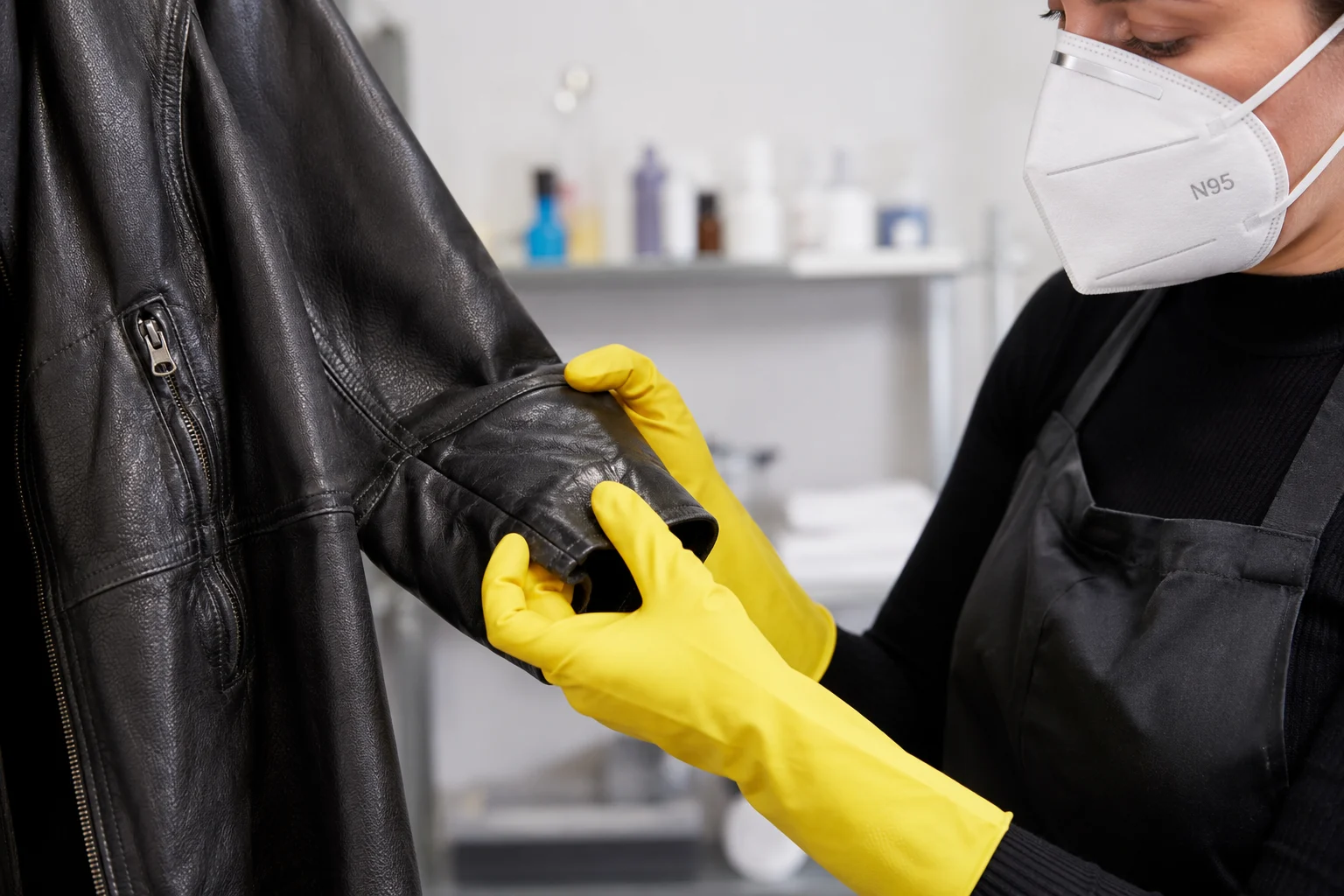
- Wear a protective mask (N95 or similar) to avoid inhaling spores.
- Work in a well‑ventilated area – outdoors is ideal. If indoors, open all windows and use a fan.
- Wear rubber gloves to prevent skin contact with mold and cleaning solutions.
- Clean your workspace afterward – vacuum and wipe down surfaces to avoid spreading spores.
What You’ll Need
You probably already have most of these items at home:
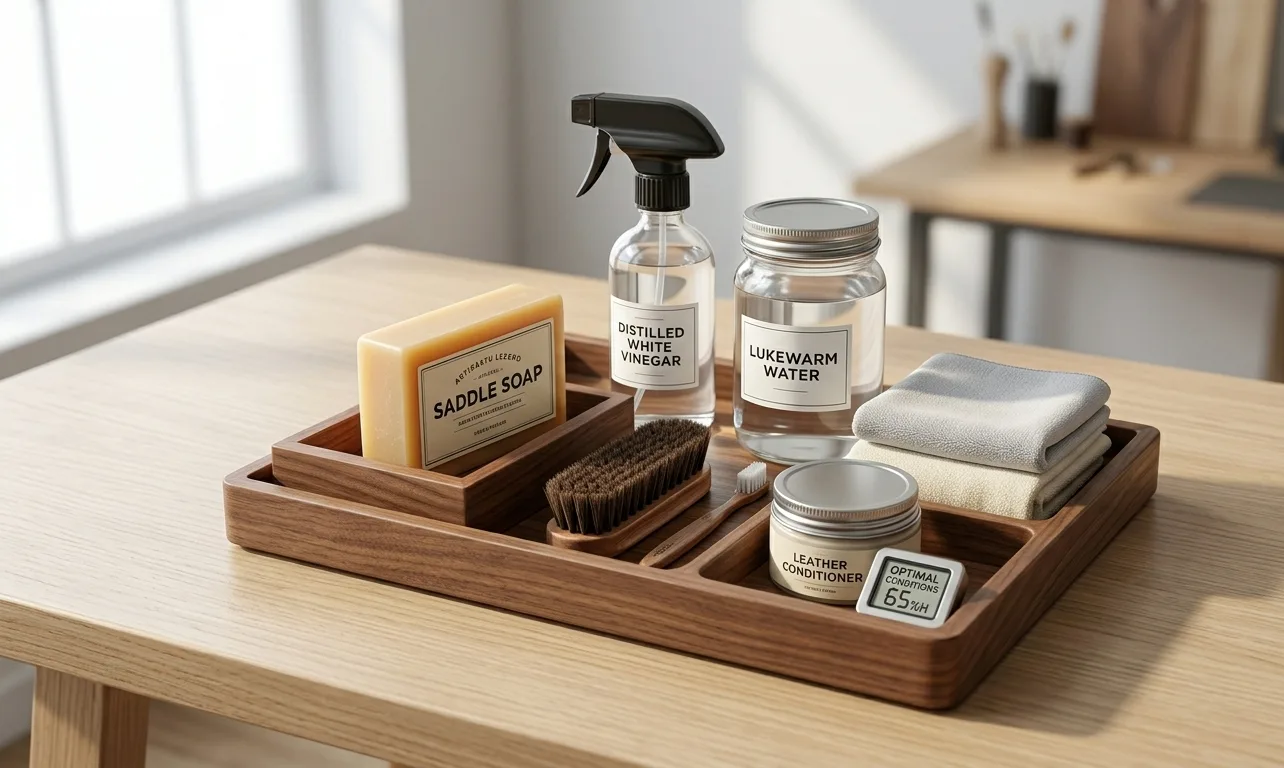
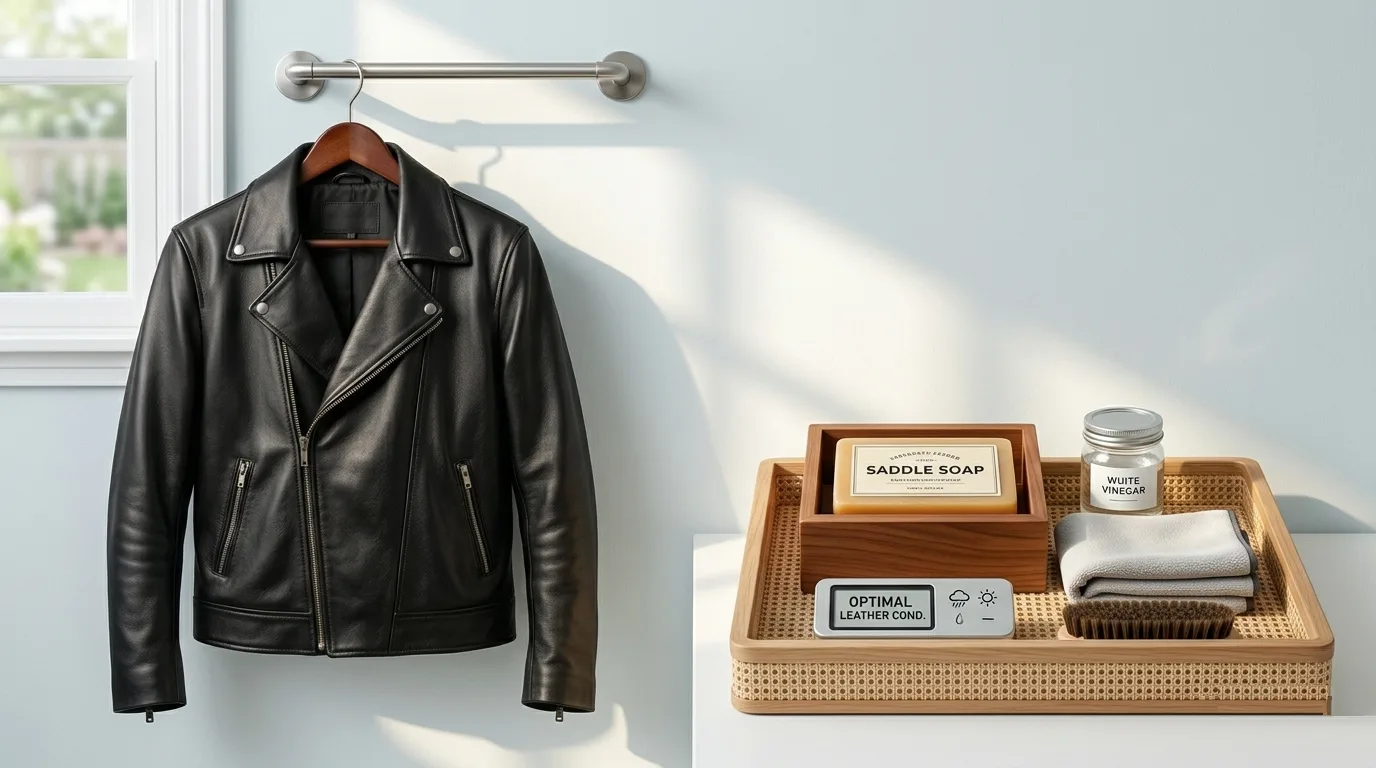
- Distilled white vinegar
- Lukewarm water
- Two soft, clean cloths (microfiber works well)
- Soft‑bristle brush (horsehair brush preferred, but a clean toothbrush can work for crevices)
- Saddle soap (available at most shoe or leather goods stores)
- Leather conditioner (essential for the final step)
- A spray bottle (optional)
Step 1 – Remove Surface Mildew
Before deep cleaning, you want to lift off as much loose mildew and dirt as possible.
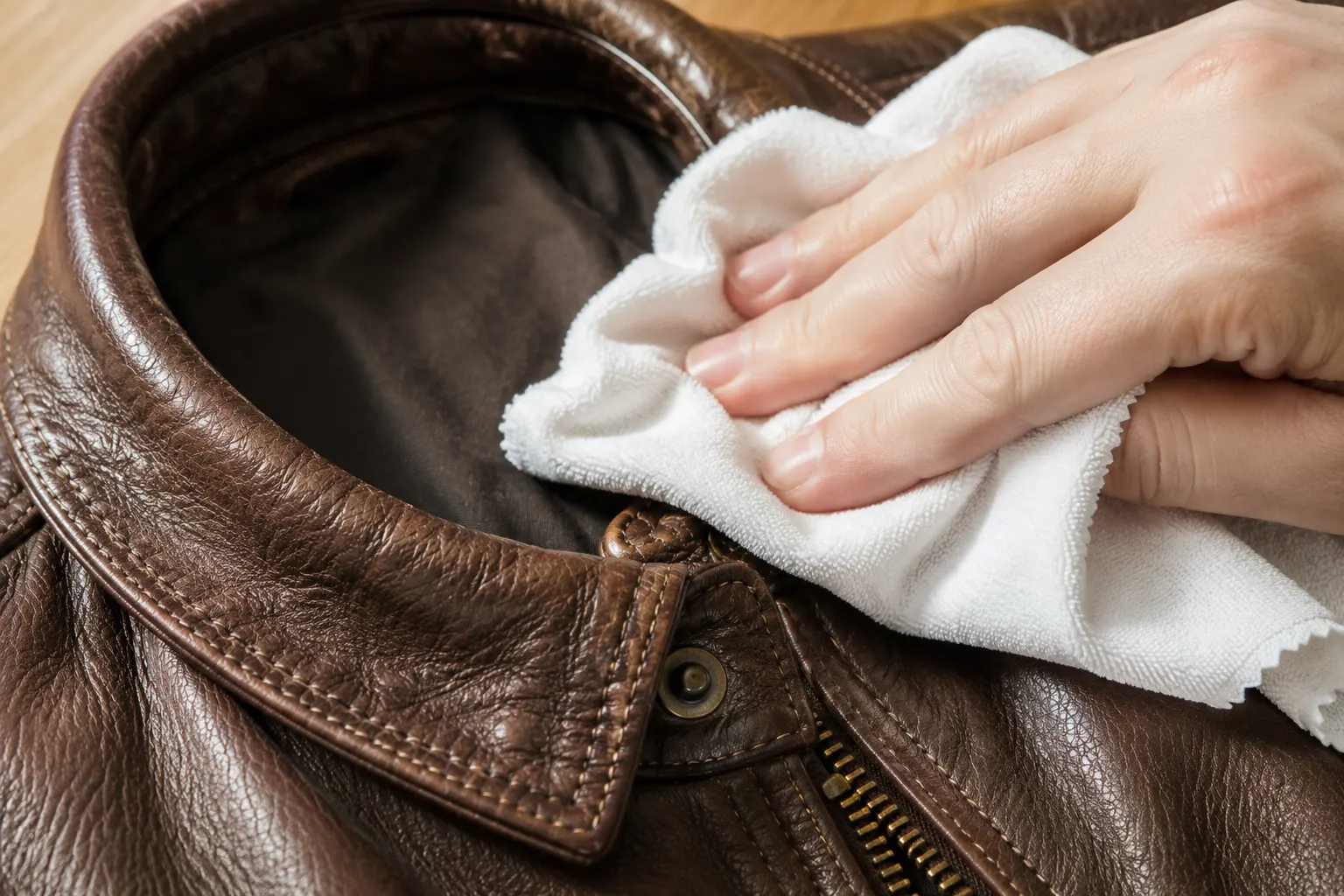
- Dampen a clean rag with plain water. Wring it out until it is lightly moist – not dripping.
- Gently wipe the entire surface of the jacket, including the collar, cuffs, and seams.
- Pay special attention to folds and stitching where mildew often hides.
- Allow the jacket to air dry for 10–15 minutes.
This step prevents you from grinding debris deeper into the leather during the next phases.
Step 2 – Kill Odors with a Vinegar Solution
White vinegar is a natural antimicrobial and deodorizer. Its acetic acid neutralizes the alkaline compounds in cigarette smoke and kills mildew spores.
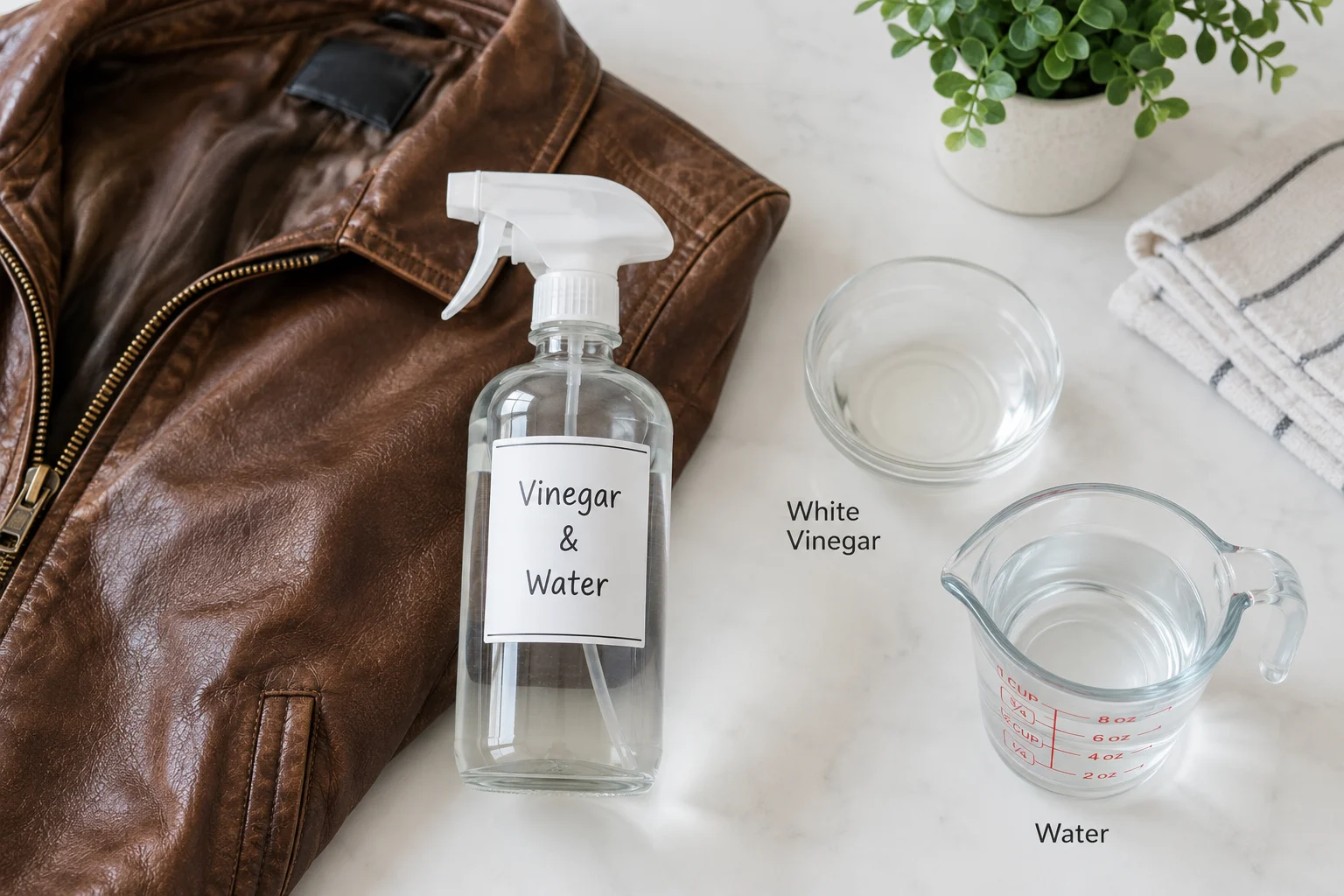
- Mix equal parts white vinegar and lukewarm water in a small bowl or spray bottle.
- Test on a hidden area – for example, inside a zipper flap or under the collar. Wait 5 minutes to check for any discoloration or texture change.
- Apply the solution by dipping a clean cloth into the mixture (or lightly misting the cloth – never spray directly onto leather).
- Wipe down the entire jacket in gentle, circular motions. Don’t forget the inner lining if it’s also affected.
- Let it sit for 5–10 minutes to allow the vinegar to penetrate and neutralize odors.
- Wipe again with a separate clean, damp (water only) rag to remove any vinegar residue.
Note for stubborn smoke smells: You may need to repeat this step 2–3 times. For extremely severe cases, increase the vinegar ratio to 2 parts vinegar, 1 part water – but always re‑test first.
Step 3 – Deep Clean with Saddle Soap
Saddle soap is a gentle, glycerin‑based cleaner designed specifically for leather. It will remove the remaining dirt, smoke residue, and any lingering vinegar smell.
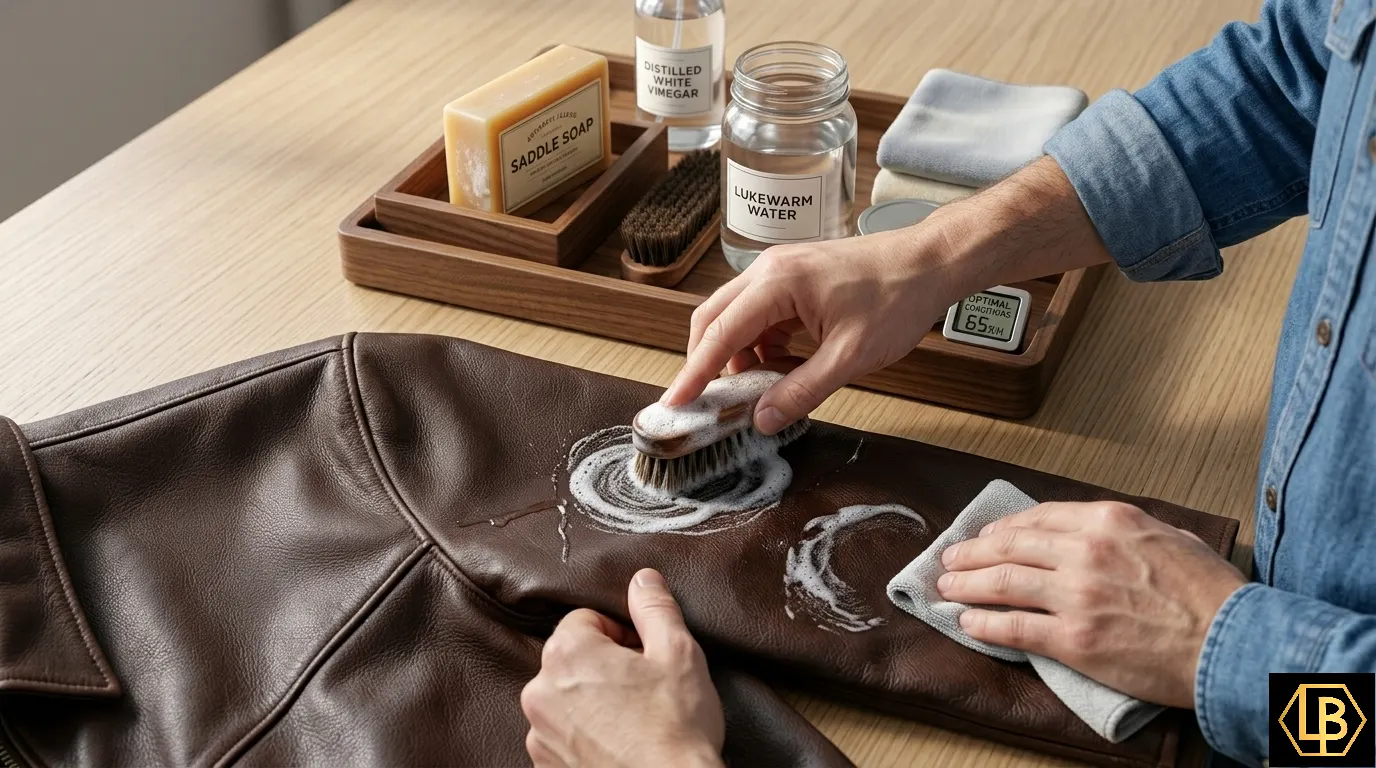
- Dampen your soft‑bristle brush or a cloth with a tiny amount of water (just enough to create a lather).
- Rub the brush over the saddle soap to pick up a small amount of product.
- Work the lather into the leather using small circular motions. Clean one section (e.g., a sleeve) at a time.
- Do not soak the jacket – use minimal water. Excess moisture can damage leather and encourage new mildew growth.
- Wipe away the lather immediately with a clean, slightly damp rag. Remove all soap residue.
- Repeat until the entire jacket has been cleaned.
Why clean the whole jacket? Spot‑cleaning can leave visible watermarks or uneven color. A full, even clean ensures a uniform result.
Step 4 – Air Out in Sunlight or Cold
After cleaning, the most effective way to eliminate any remaining odor is nature itself.
Sunlight Method
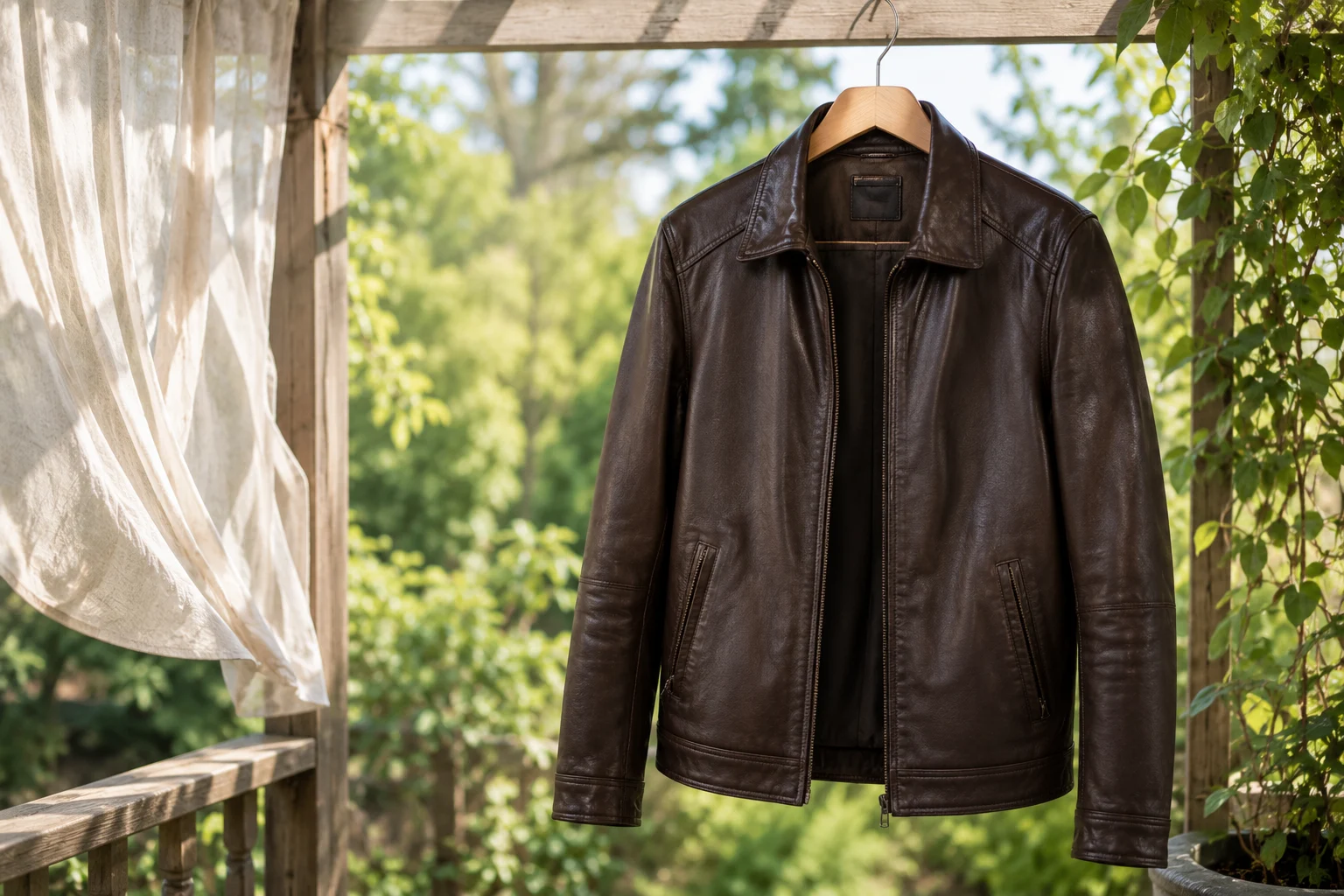
- Hang the jacket on a padded hanger in a shaded, breezy outdoor area.
- Avoid direct, intense sunlight – UV rays can fade and dry out leather.
- Leave it for 2–3 hours, then bring it inside.
- Repeat over 2–3 days if the smell persists.
Cold Weather Method
- If it’s winter (below freezing), hang the jacket outside on a dry, cold day.
- Freezing temperatures kill odor‑causing bacteria without harming the leather.
- Leave it for 3–4 hours.
- Avoid the freezer – sealing the jacket in a plastic bag and placing it in a freezer restricts airflow, which is essential for odor removal.
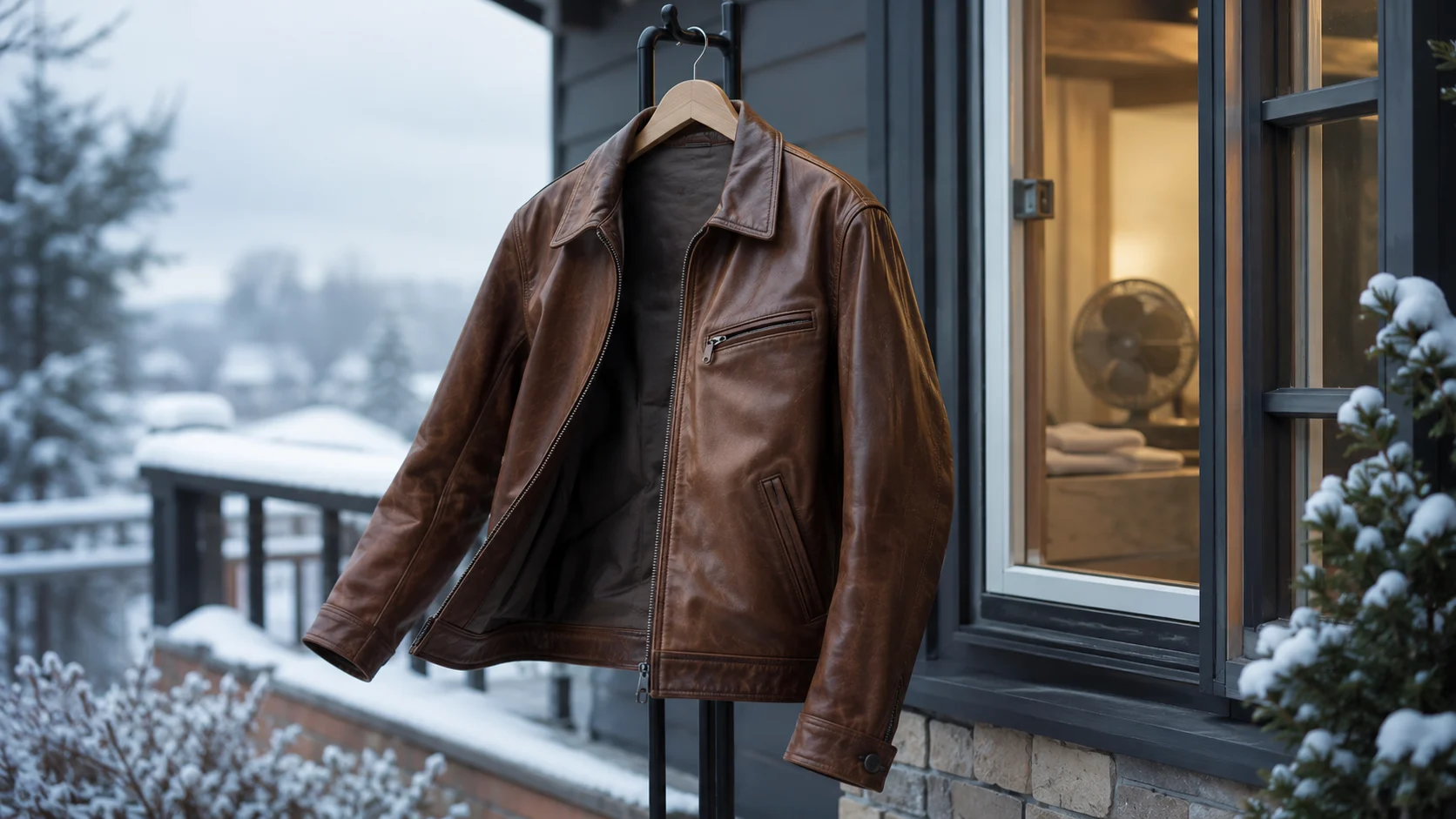
If weather does not cooperate, you can also hang the jacket in a bathroom with a dehumidifier running, or near an open window with a fan.
Step 5 – The Most Important Step: Conditioning
Cleaning – especially with saddle soap – strips away the leather’s natural oils. If you skip conditioning, the leather will become dry, stiff, and prone to cracking.
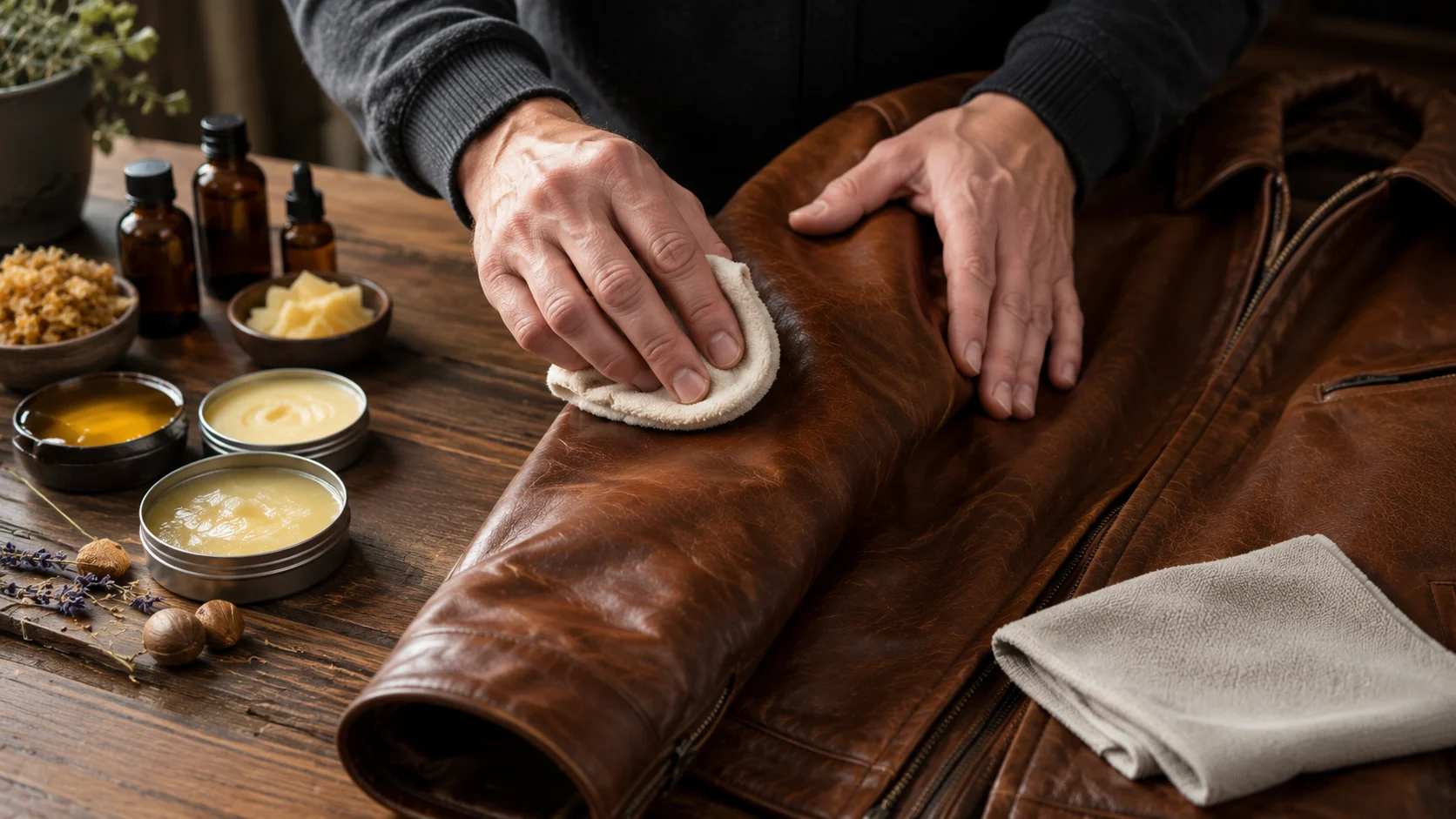
- Choose a high‑quality leather conditioner (look for ingredients like lanolin, neatsfoot oil, or beeswax).
- Apply a thin, even layer using a soft cloth. Work it into the leather with gentle, circular motions.
- Let the conditioner absorb for 15–20 minutes.
- Buff off any excess with a clean, dry cloth.
Conditioning not only restores softness and shine but also creates a protective barrier that resists future moisture and odors.
Step 6 – Prevent Future Mildew and Smoke Smells
Once your jacket is clean, proper storage and maintenance will keep it that way.
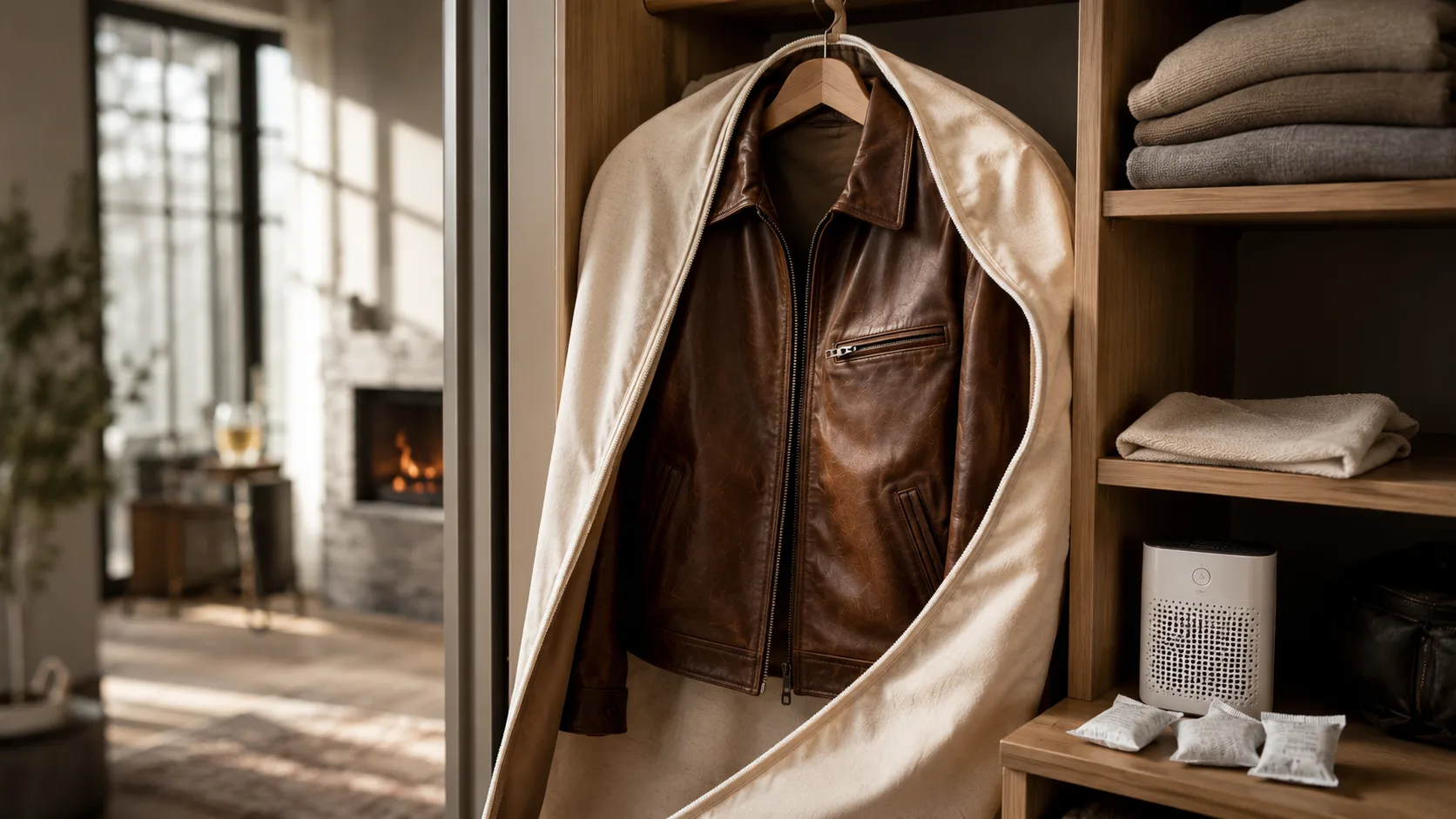
- Store in a cool, dry place – avoid basements, garages, or any area with humidity above 50%.
- Use a breathable garment bag (cotton or canvas) – never plastic, which traps moisture.
- Hang on a wide, padded hanger to maintain shape and allow airflow.
- Keep away from smoke sources – don’t wear or store your jacket near cigarettes, fireplaces, or strong cooking odors.
- Perform a quick wipe‑down with a dry cloth after each wearing.
If you live in a humid climate, consider placing a silica gel packet or a small dehumidifier near your stored leather items.
Common Mistakes to Avoid
| Mistake | Why It’s Harmful |
|---|---|
| Using bleach or ammonia | Damages leather fibers, causes discoloration |
| Soaking the jacket | Leads to shrinkage, warping, and mildew regrowth |
| Skipping the test patch | Could ruin visible areas with chemical reactions |
| Applying heat (hair dryer, radiator) | Makes leather brittle and cracks it |
| Forgetting to condition | Leather dries out and loses flexibility |
When to Call a Professional
This DIY method works for 95% of cases. However, seek professional help if:
- The mildew has penetrated deeply, leaving black or green stains that won’t lift.
- The leather feels slimy or has a persistent musty smell after three cleaning attempts.
- The jacket is extremely valuable (vintage, designer) and you’re unsure about home treatment.
A professional leather cleaner may use ozone chambers or specialized enzymes that go beyond household methods.
Shop Our Premium Leather Jacket Collections
Keep your wardrobe fresh with our high-quality genuine leather jackets. Explore:
- Men’s Leather Jackets – Biker, racer, and classic styles.
- Women’s Leather Jackets – Trendy, elegant, and durable.
- Men’s Winter Leather Jackets – Stay warm in style.
- Women’s Winter Leather Jackets – Cozy and chic.
Frequently Asked Questions (FAQs)
For more answers, visit our complete FAQ page.
1. Can I use baking soda instead of vinegar?
Baking soda can help absorb odors, but it doesn’t kill mildew spores. White vinegar is preferred because it is a natural fungicide. You can sprinkle baking soda after cleaning to freshen up, but vinegar should be your main weapon.
2. Will vinegar damage my leather jacket?
When diluted with equal parts water and wiped (not soaked), white vinegar is safe for most finished leathers. Always test on a hidden spot first. Avoid using pure vinegar or leaving it on for too long.
3. How often should I condition my leather jacket?
At least once or twice a year, or every time you deep clean it. If you live in a dry climate, consider conditioning every 3–4 months.
4. Can I machine wash a leather jacket to remove smoke smell?
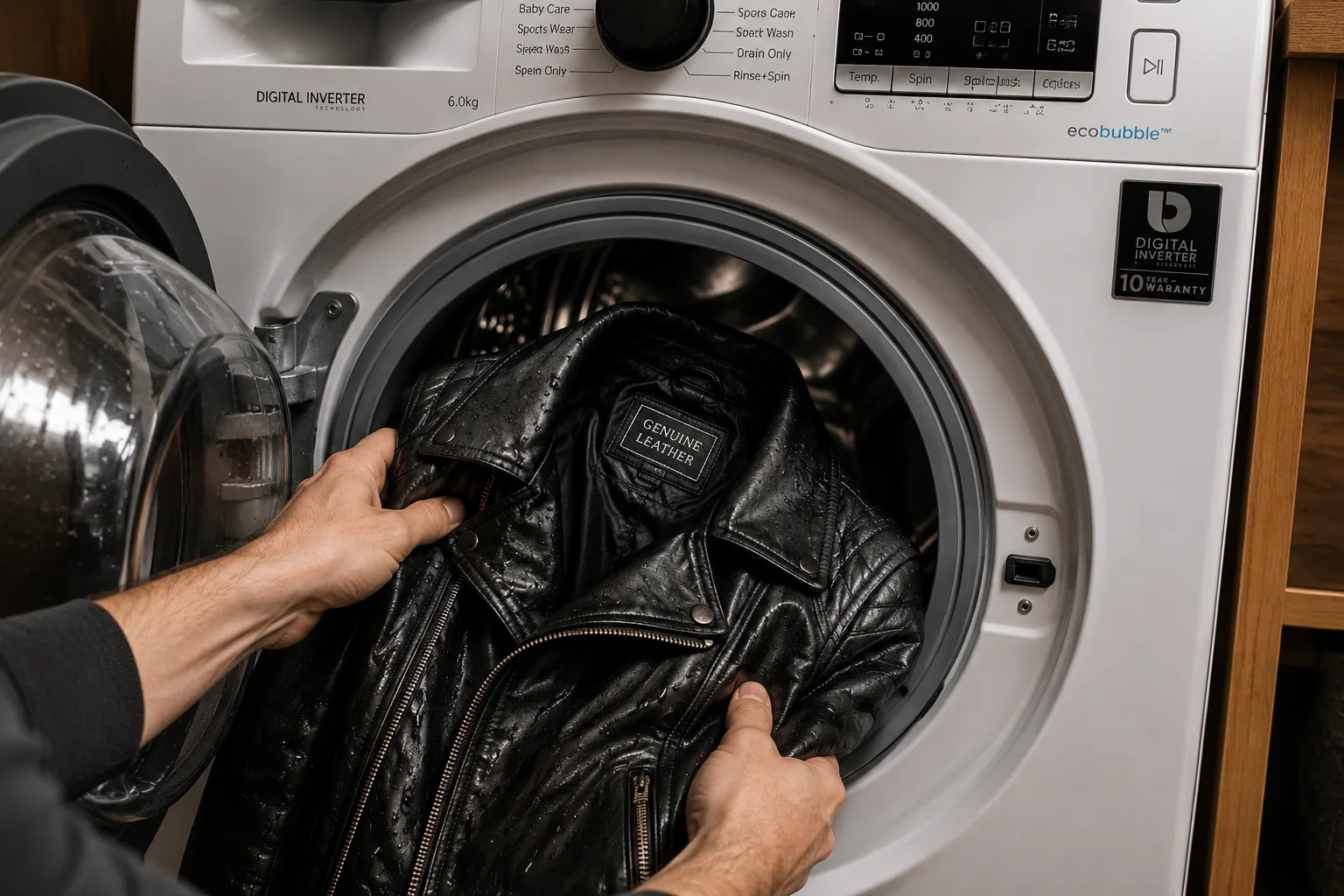
Absolutely not. Machine washing can ruin the leather by causing shrinkage, stiffness, and cracking. Stick to the hand-cleaning methods described above.
5. What if the cigarette smell remains after all steps?
Repeat the cleaning process and allow the jacket to air out again. For stubborn odors, use activated charcoal or consult a professional leather cleaner.
6. Do you sell leather conditioner or cleaning kits?
We focus on premium leather jackets. However, any high-quality leather conditioner containing lanolin or beeswax works well and is widely available online or at leather goods stores.
7. How do you get cigarette smoke smell out of a leather jacket?
Air out the jacket in a well-ventilated space, then use a leather-safe cleaner and conditioner to help remove lingering smoke odors.
8. How do you get rid of cigarette smoke smell on a jacket?
Let the jacket breathe outdoors, wipe it with a leather cleaner, and place it near odor absorbers like baking soda without direct contact.
9. How do you get the musty smell out of leather jackets?
Clean the leather with a specialized cleaner, allow it to dry completely, and store it in a cool, dry place with good airflow.
10. How long does it take to get cigarette smell out of leather?
Light odors may disappear within a few days, while stronger smoke smells can take one to two weeks with proper cleaning and ventilation.
11. Does cigarette smell stay in leather?
Yes, leather is porous and can absorb smoke odors, but proper cleaning and conditioning can significantly reduce or eliminate the smell.
12. Does vinegar damage leather?
Undiluted vinegar can dry out and damage leather, so always dilute it with water or use a leather-safe cleaner instead.
13. What is the best odor remover for leather?
A high-quality leather cleaner and conditioner is the safest option, while activated charcoal or baking soda nearby can help absorb unwanted odors.
14. How do you clean mildew off leather?
Gently wipe the surface with a leather cleaner or a slightly damp microfiber cloth, let it air dry completely, and apply a leather conditioner afterward.
15. Can I spray perfume on a leather jacket?
No. Spraying perfume directly on leather can stain or dry out the material. Apply fragrance to your clothing or skin instead of the jacket.
Need Help? Customer Support & Policies
If you have any questions about your leather jacket purchase, returns, or shipping, we’re here to help:
- Contact Us – 24/7 support
- Return and Refund Policy
- Shipping and Delivery Policy
- Help Center
- All Blog Articles & Leather Guides
Final Thoughts
Removing mildew and cigarette smell from a leather jacket is a straightforward process when you follow the right steps. White vinegar kills the fungus and neutralizes smoke. Saddle soap deep‑cleans the surface. Fresh air and sun (or cold) finish the deodorizing job. And never, ever skip conditioning – it’s the secret to long‑lasting leather health.
With just a few hours of work, your jacket can be restored to its original fresh, supple condition – ready to wear with confidence. And if you’re looking for a new leather jacket for men or women, explore our latest collections at Lammberg.
This guide is based on proven leather care techniques. Always test any product on a hidden area first, and when in doubt, consult a leather specialist.
Related Articles
- Full-Grain vs Top-Grain Leather: Which Is Actually Better?
- The Incredible Story of Leather: 7,000 Years of History That Changed Fashion Forever
- Don’t Buy a Leather Jacket Until You Read These 7 Expert Tips
- 15 Leather Jacket Myths That Are Costing You Money (Fact #7 Surprises Everyone)
- Real vs Fake Leather Jackets: 10 Easy Ways to Spot the Difference in Seconds
- What Makes a Premium Leather Jacket So Expensive? The Craftsmanship Explained
- Never Buy Bonded Leather Until You Read This Complete Guide
- Peacoat vs Trench Coat: Which One Makes You Look Better?
- 11 Men’s Leather Jacket Trends That Will Dominate Fashion in 2025
- How to Remove Bad Smells from a Leather Jacket (Without Damaging It)
- The Ultimate Leather Jacket Size Guide: Get the Perfect Fit Every Time
- How to Measure Yourself Correctly Before Buying a Leather Jacket Online
- Top Women’s Leather Coat Trends Everyone Will Be Wearing in 2026
- 10 Men’s Leather Coats That Make You Look Rich in 2026
- The Only Jacket Guide You’ll Ever Need for Every Season
- Top 10 Genuine Leather Jackets in the USA (Ranked by Experts)
- Best Lightweight Packable Puffer Jackets That Travelers Swear By
- How Fashion Experts Style Leather Jackets in 2026 (Copy These Looks)
- How to Wear a Men’s Leather Jacket Without Looking Outdated
- How to Remove Wrinkles from a Leather Jacket Without Ruining It
- 10 Leather Jacket Outfit Ideas That Make Every Woman Look Stylish Instantly
- How to Remove Mold from a Leather Jacket Before It Gets Worse
- The Hidden World of Leather Clusters: How the Global Leather Industry Really Works
- Can You Wash a Leather Jacket in a Washing Machine? The Answer May Surprise You
- 25 Best Leather Coats to Buy in 2026 (Expert Picks)
- The 25 Best Leather Jackets of 2026 You Won’t Regret Buying
- 5 Types of Leather Jackets Every Stylish Man & Woman Should Own
- The Untold History of Leather Jackets: From War Heroes to Hollywood Legends
- 10 Leather Blazer Office Outfits Every Working Woman Should Copy in 2026
- 10 Leather Blazer Office Looks That Instantly Upgrade Your Style
- How to Remove Cigarette Smell & Mildew from Leather Jackets Fast (Pro Methods)
- Do Police Officers Still Wear Leather Jackets? The Truth Will Surprise You





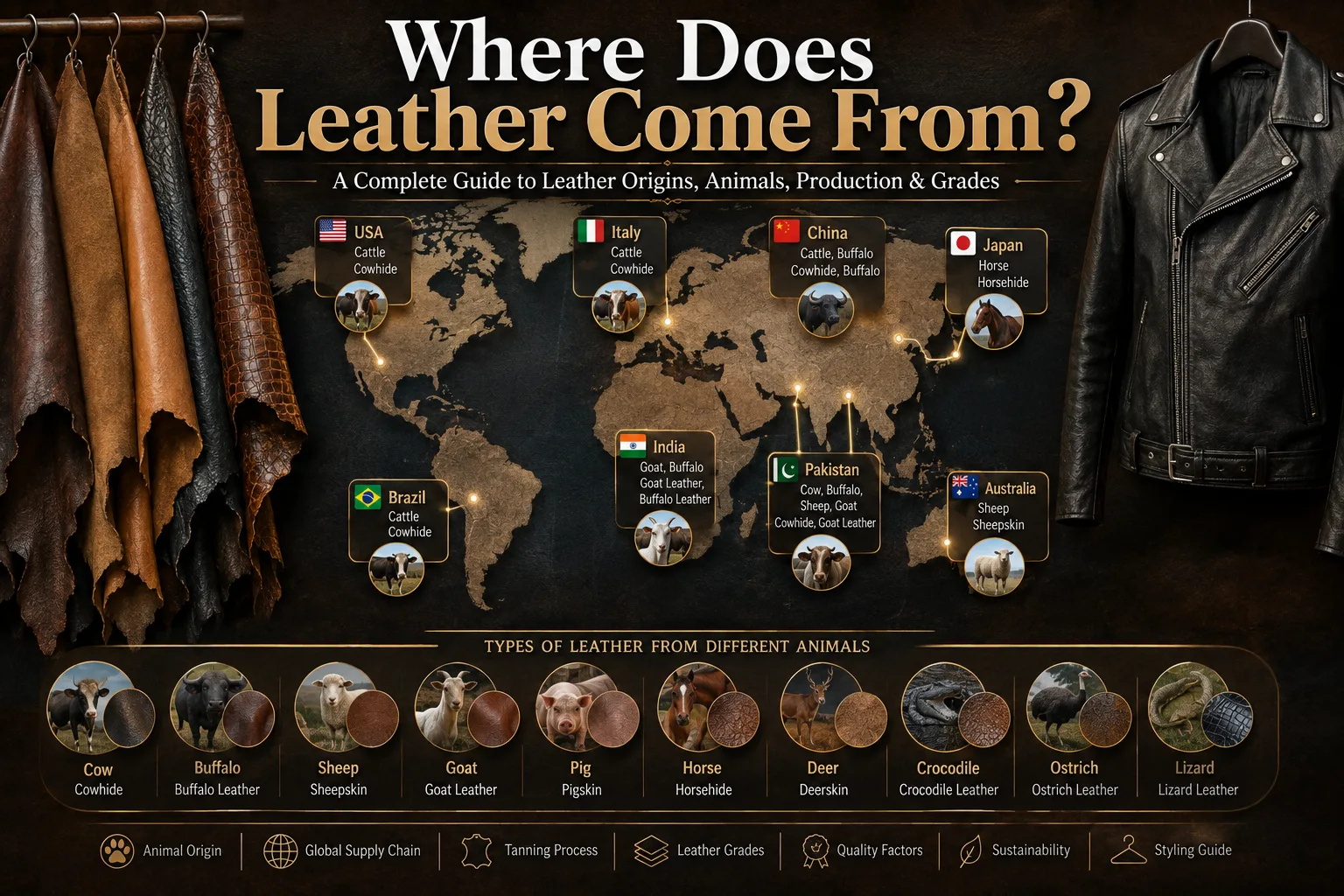



















Global Leather Industry: What Each Country Does Best
What Is Bison Leather? Durability, Uses & Cowhide Comparison