Crafting a leather jacket is a skillful art, turning raw hides into a fashionable and enduring piece that blends classic techniques with modern style.
The leather jacket, an iconic garment that exudes timeless style and rebellious charm, has been a fashion staple for decades. Behind its allure lies a meticulous and intricate process that transforms raw animal hides into a wearable work of art. In this blog, we’ll delve into the fascinating journey of how a leather jacket is made, from the selection of hides to the final product that graces the shoulders of fashion enthusiasts worldwide.


The tanning process stabilizes the collagen fibers in the hide, preventing it from decomposing and giving the leather its characteristic strength and texture.


Raw Material Selection
The journey begins with the careful selection of raw materials. High-quality leather jackets require premium hides, typically sourced from cows, goats, or sheep. The choice of leather depends on the desired end product—whether it’s a rugged biker jacket or a sophisticated bomber. The hides must be free from defects, scars, and blemishes to ensure a smooth and flawless finish.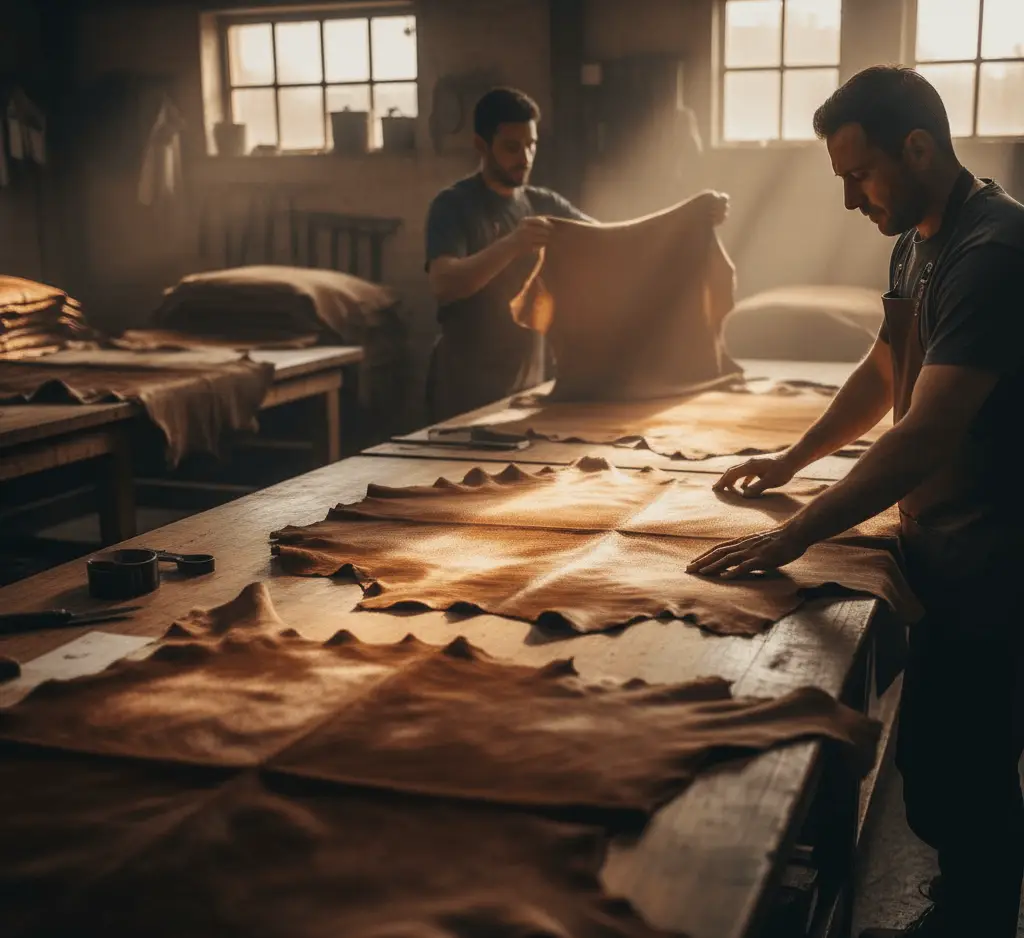
Raw Material leather Selection
Pre-Tanning Preparation
Before tanning, the hides undergo a series of preparatory steps. This includes removing hair, fleshing, and soaking to clean and soften the material. The hides are then treated with salt to prevent bacterial growth and preserve them during transportation.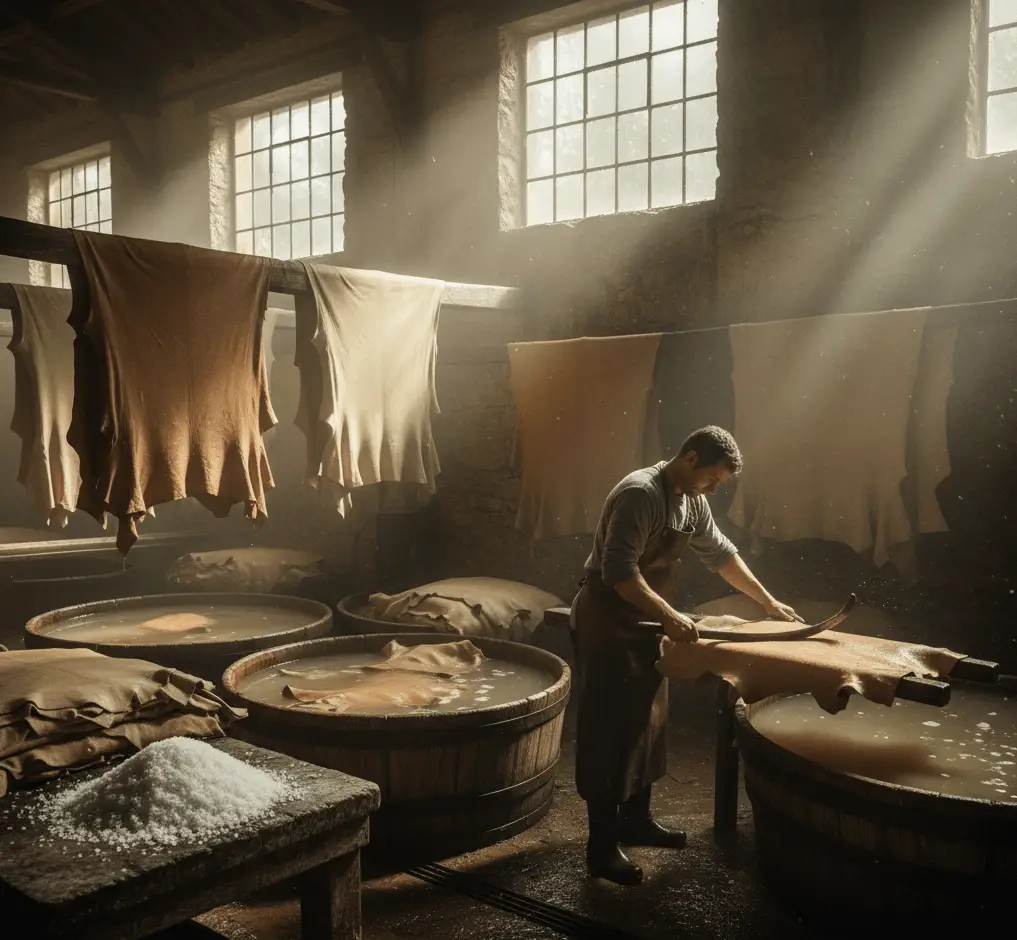
The hides are then treated with salt
Tanning Process
Tanning is a critical step in turning raw hides into durable and flexible leather. Traditional tanning methods involve using vegetable extracts or mineral salts, while modern techniques often employ chemicals.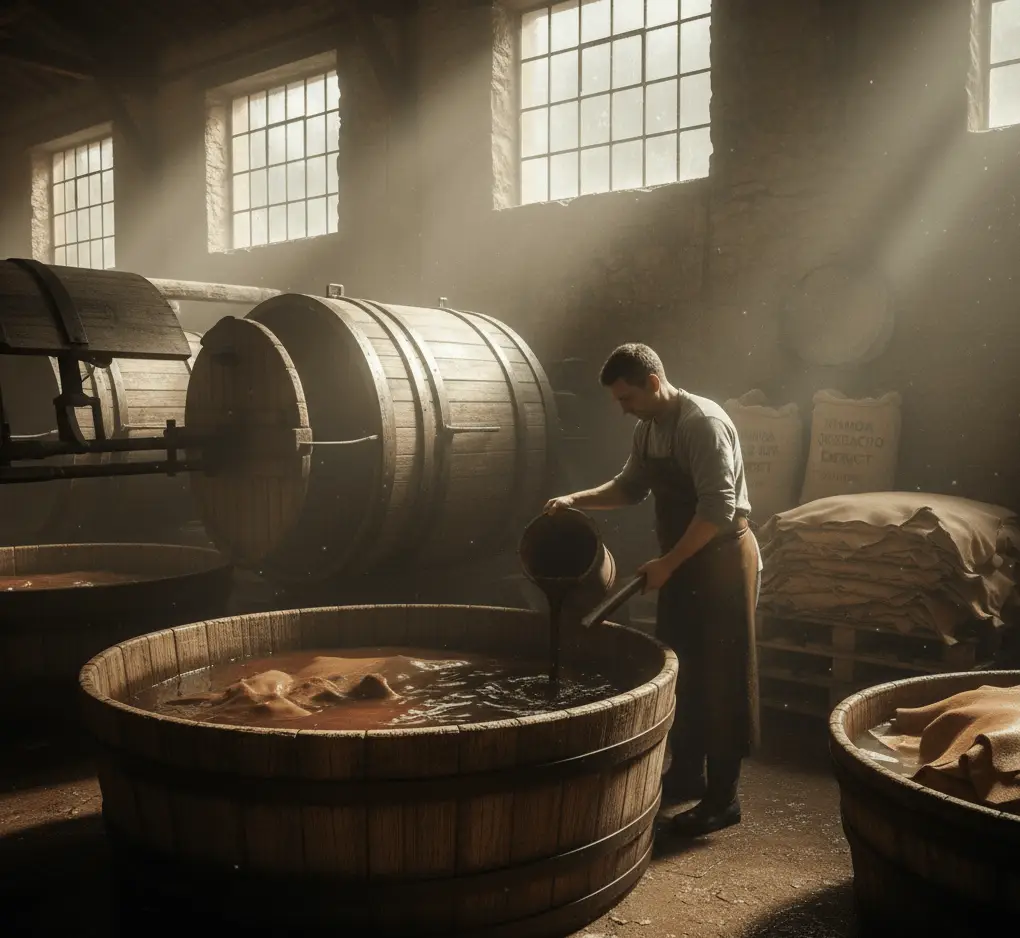
Tanning Process
Dyeing and Finishing
Once tanned, the leather is dyed to achieve the desired color. This can be done using natural or synthetic dyes, depending on the manufacturer’s preferences. After dyeing, the leather undergoes finishing processes such as buffing, oiling, and polishing to enhance its appearance, texture, and overall quality.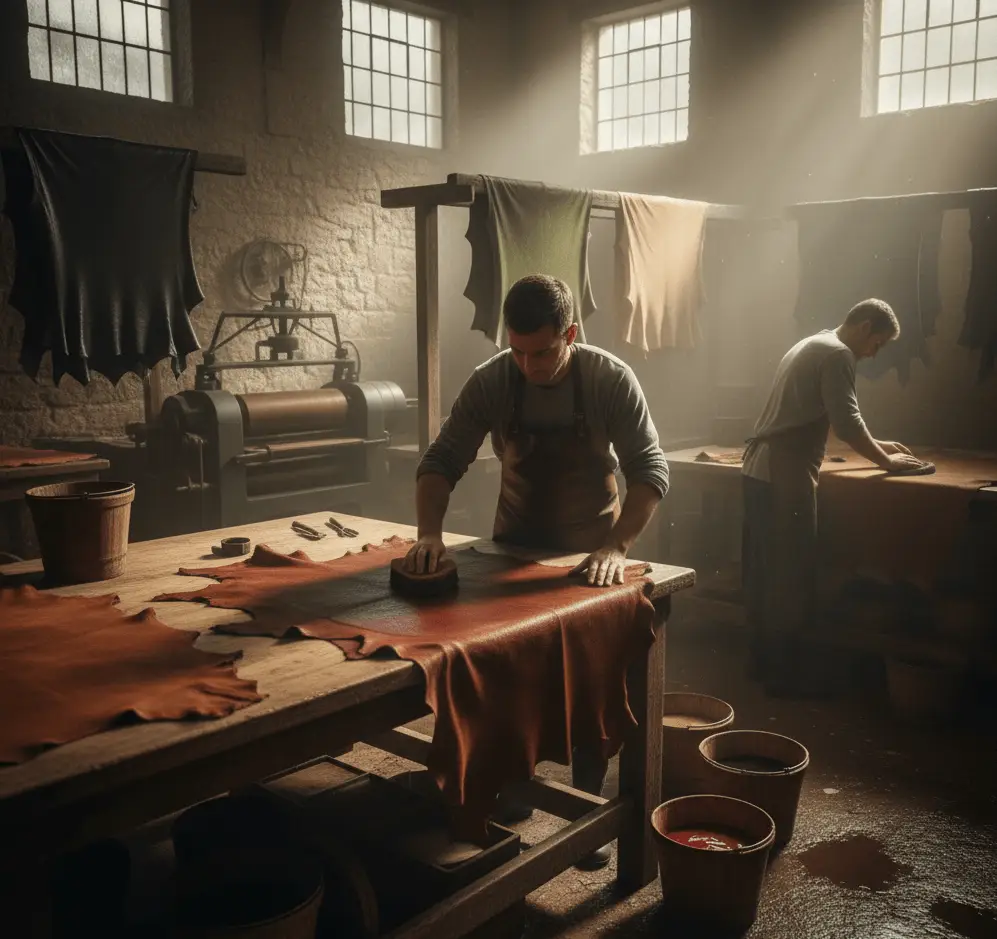
Dyeing and Finishing
Cutting and Pattern Making
With the prepared leather in hand, skilled artisans create a pattern for the jacket. This pattern serves as a template for cutting the leather into individual pieces, including the body, sleeves, and various panels. Precision is crucial at this stage to ensure consistency and accuracy in the final product.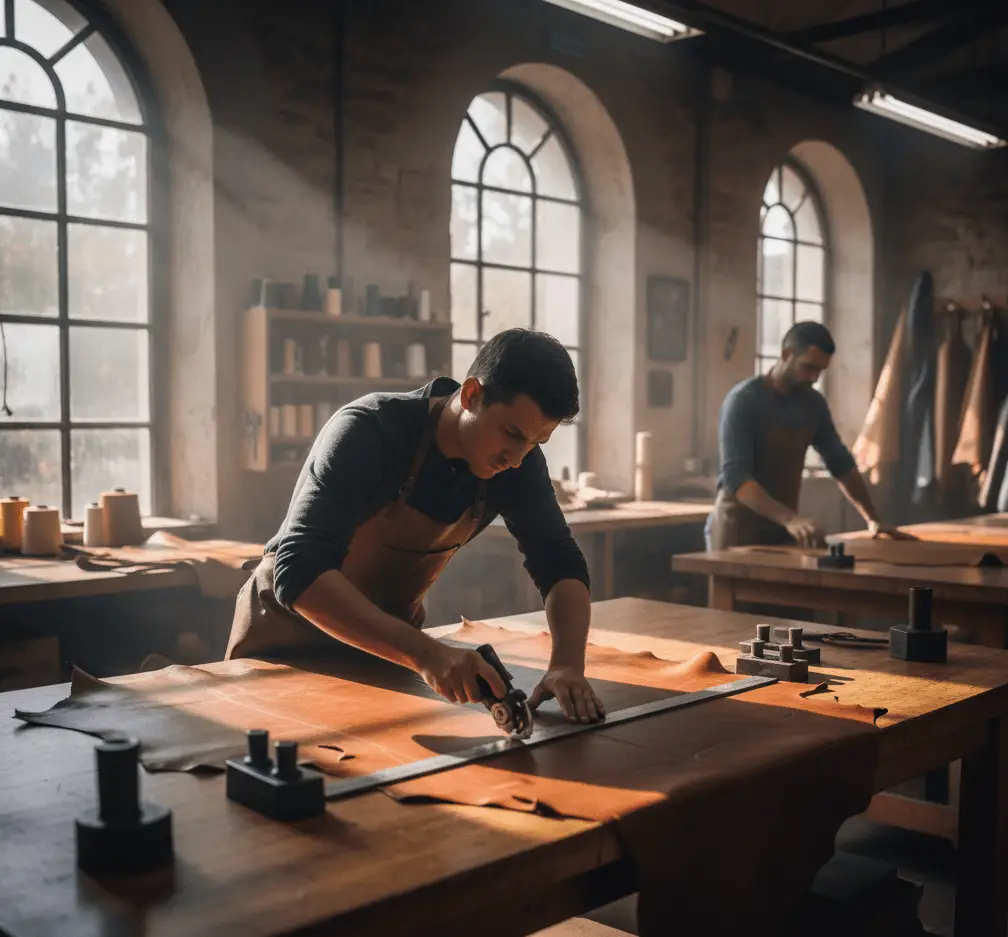
Cutting and Pattern Making
Assembly and Stitching
The cut leather pieces are then skillfully assembled by expert craftsmen. Using heavy-duty sewing machines or hand-stitching techniques, these artisans meticulously bring the jacket to life. Reinforcements may be added to critical areas for durability, and pockets, zippers, and other hardware are carefully integrated.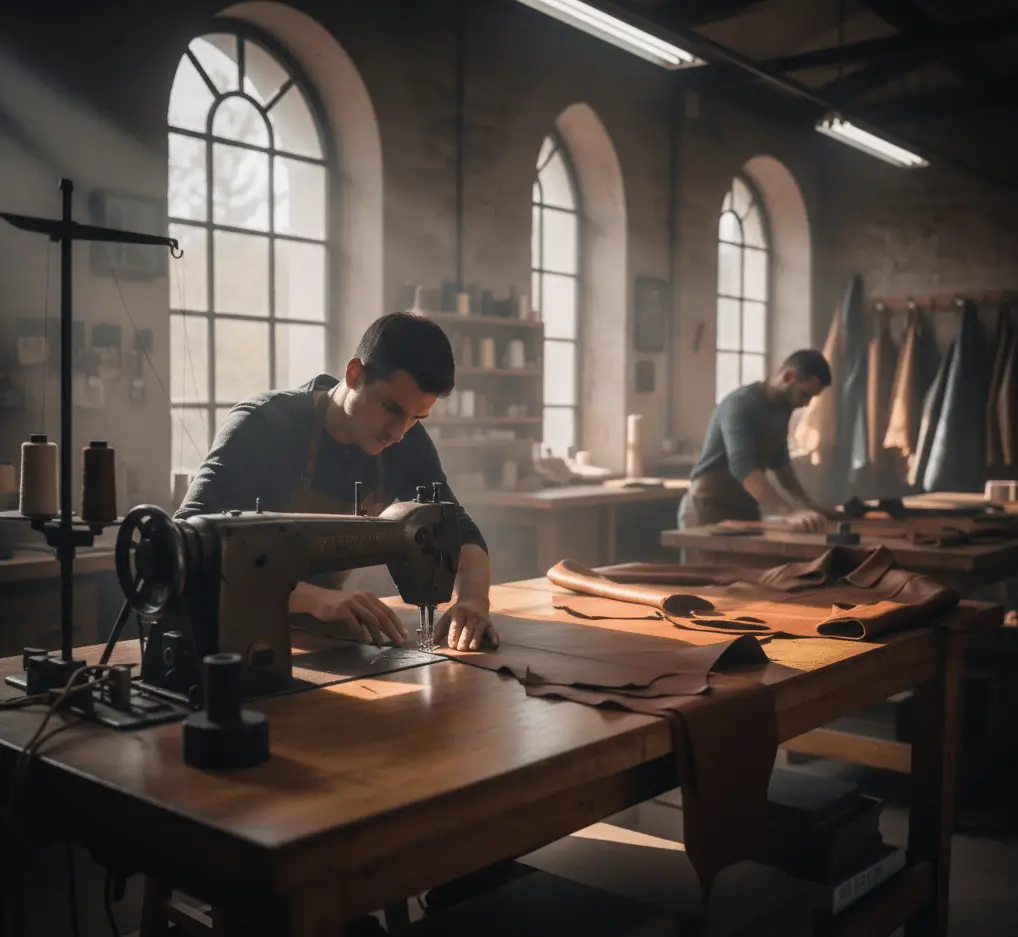
Assembly and Stitching
Detailing and Embellishments
To add character and style, designers incorporate details and embellishments. This can include quilting, embroidery, studs, or patches, depending on the jacket’s design. These elements contribute to the uniqueness of each leather jacket.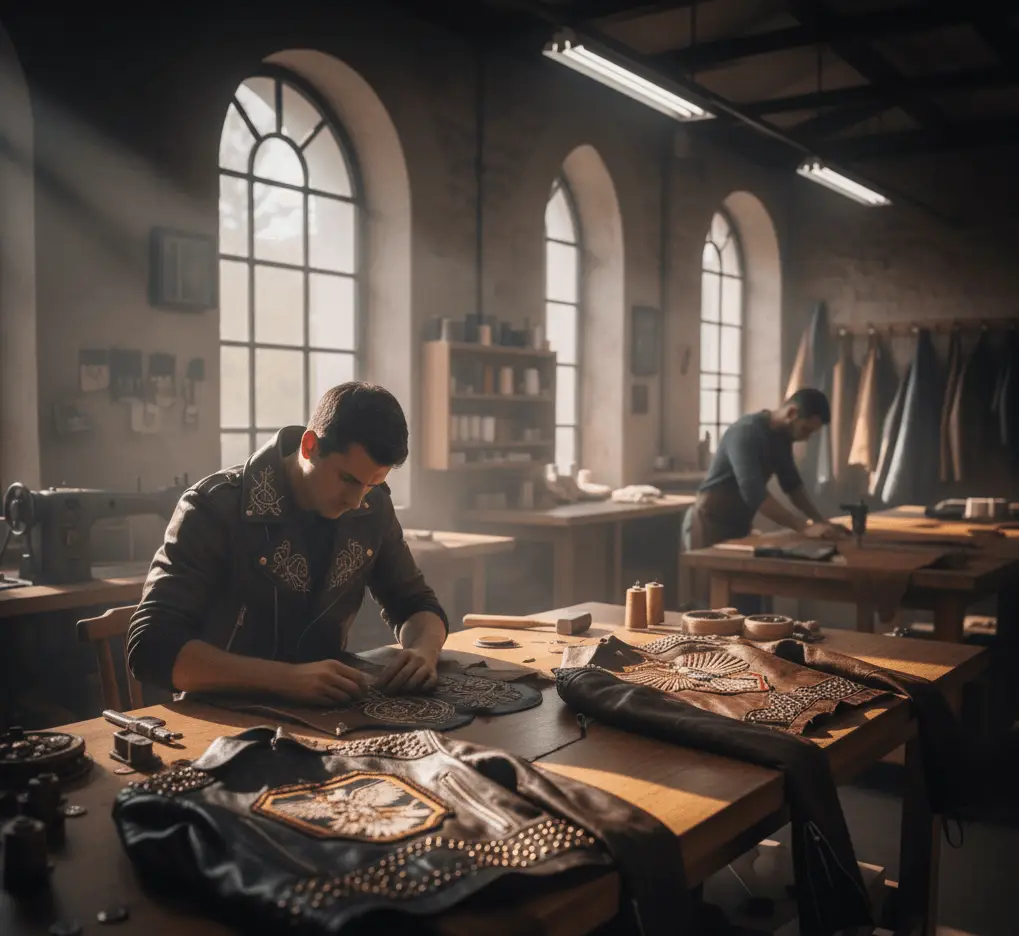
Detailing and Embellishments
Quality Control
Before the jackets hit the shelves, rigorous quality control measures are in place. Each piece undergoes inspection to ensure that it meets the brand’s standards for craftsmanship, durability, and aesthetic appeal.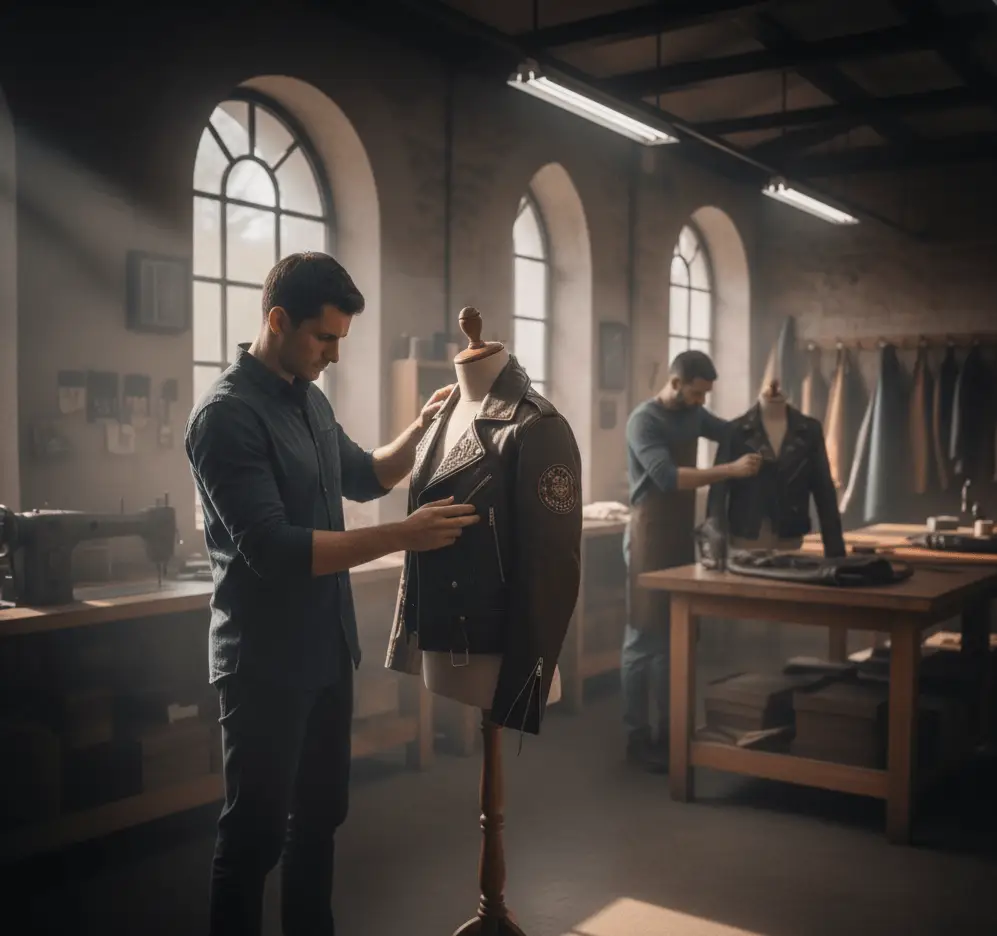
Quality Control
Final Treatments
In the final stages, the leather jackets may undergo additional treatments for waterproofing, stain resistance, or other specific features. This step adds functionality to the garment, ensuring that it not only looks great but also stands up to the challenges of everyday wear.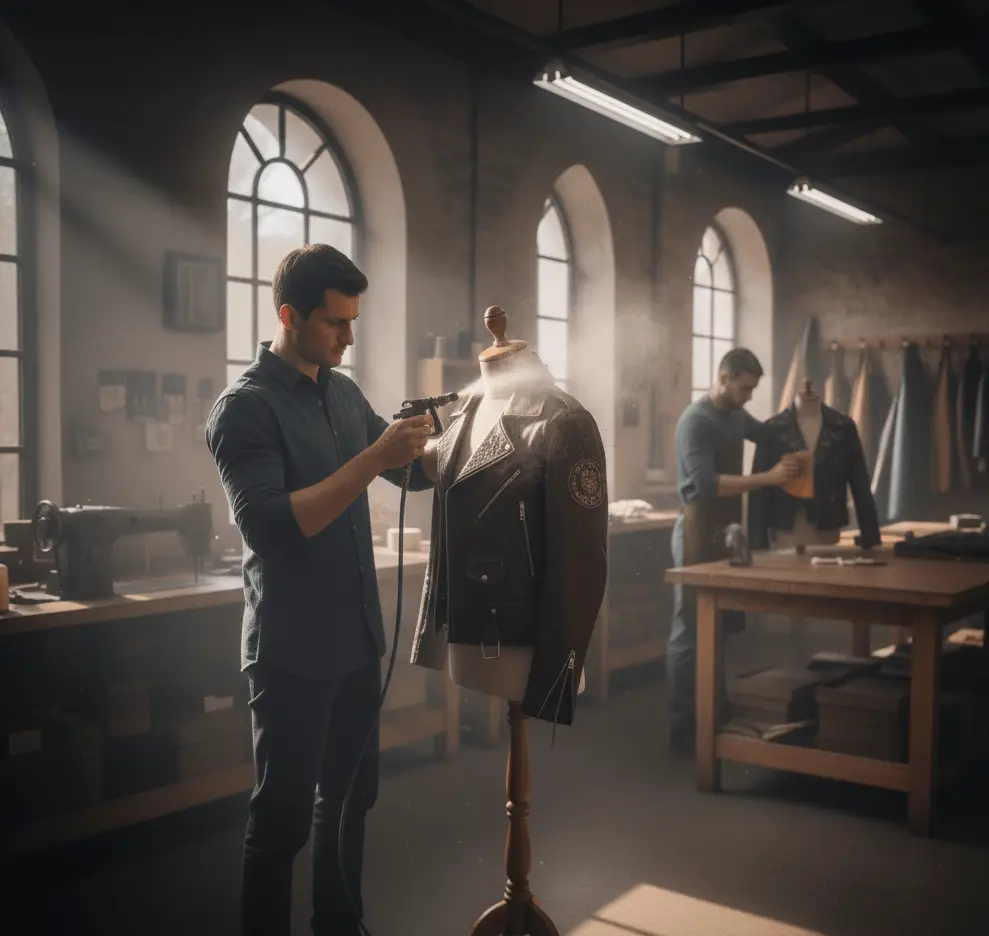
Final Treatments
Packaging and Distribution
Once approved, the leather jackets are carefully packaged and prepared for distribution. From the hands of skilled artisans to the closets of fashion enthusiasts, each jacket embarks on its own unique journey.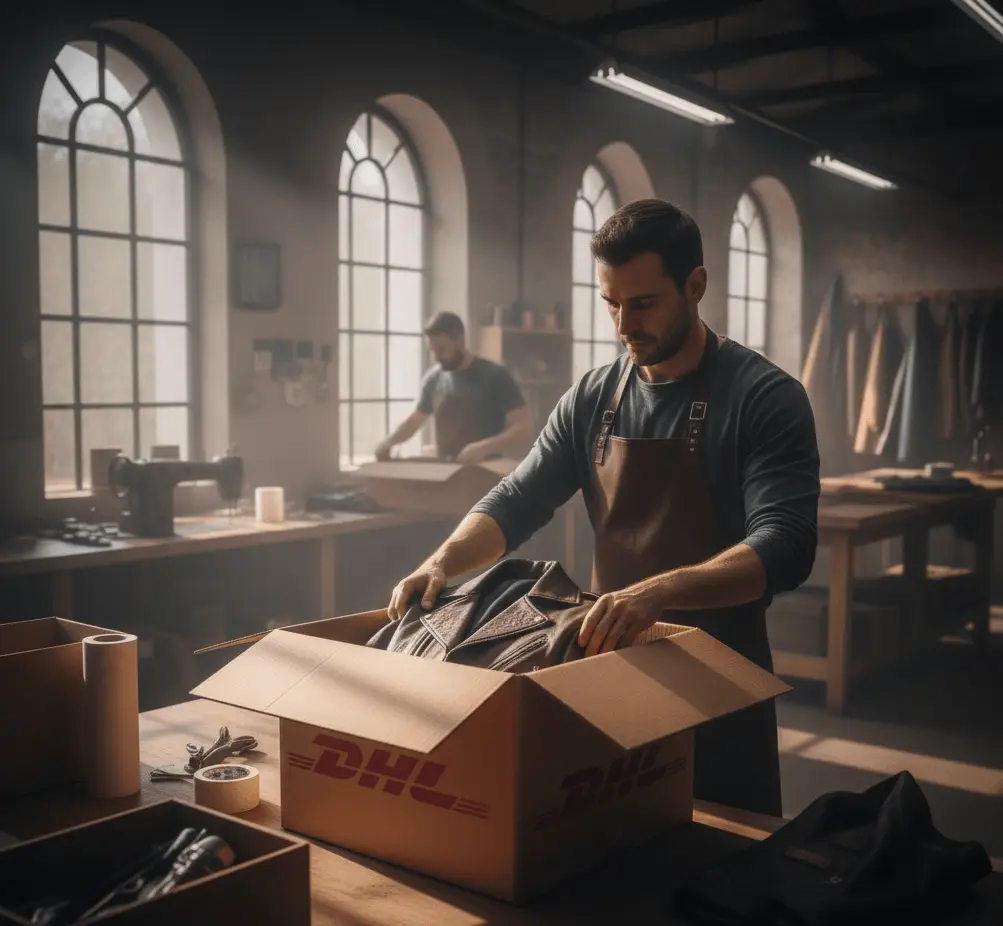
Packaging and Distribution
Conclusion
The creation of a leather jacket is a labor-intensive process that combines traditional craftsmanship with modern techniques. From the selection of premium hides to the final stitches, every step is a testament to the dedication and skill of the artisans involved. The result is not just a garment but a piece of wearable art that carries with it the rich history and craftsmanship of leatherworking traditions.

How to Measure Yourself for the Perfect Leather Jacket Fit: Your Ultimate Guide by LAMMBERG
A leather jacket is more than just outerwear—it’s a statement…
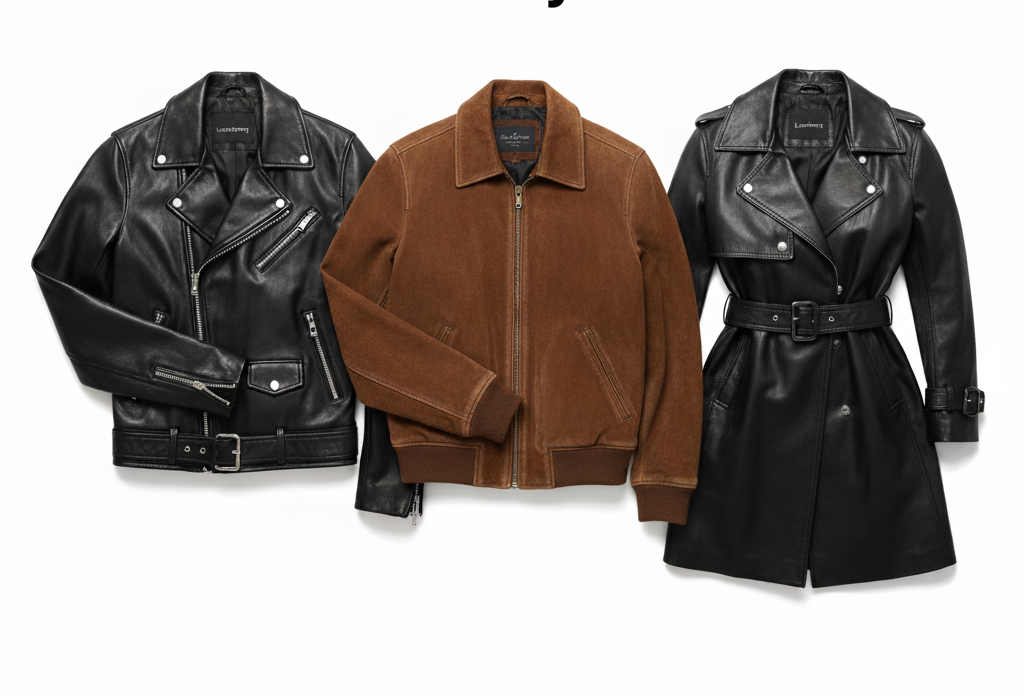
Top 10 Genuine Leather Jackets for men and women in USA You Can Buy Online
Meta Description:Discover the top 10 genuine leather jackets in…
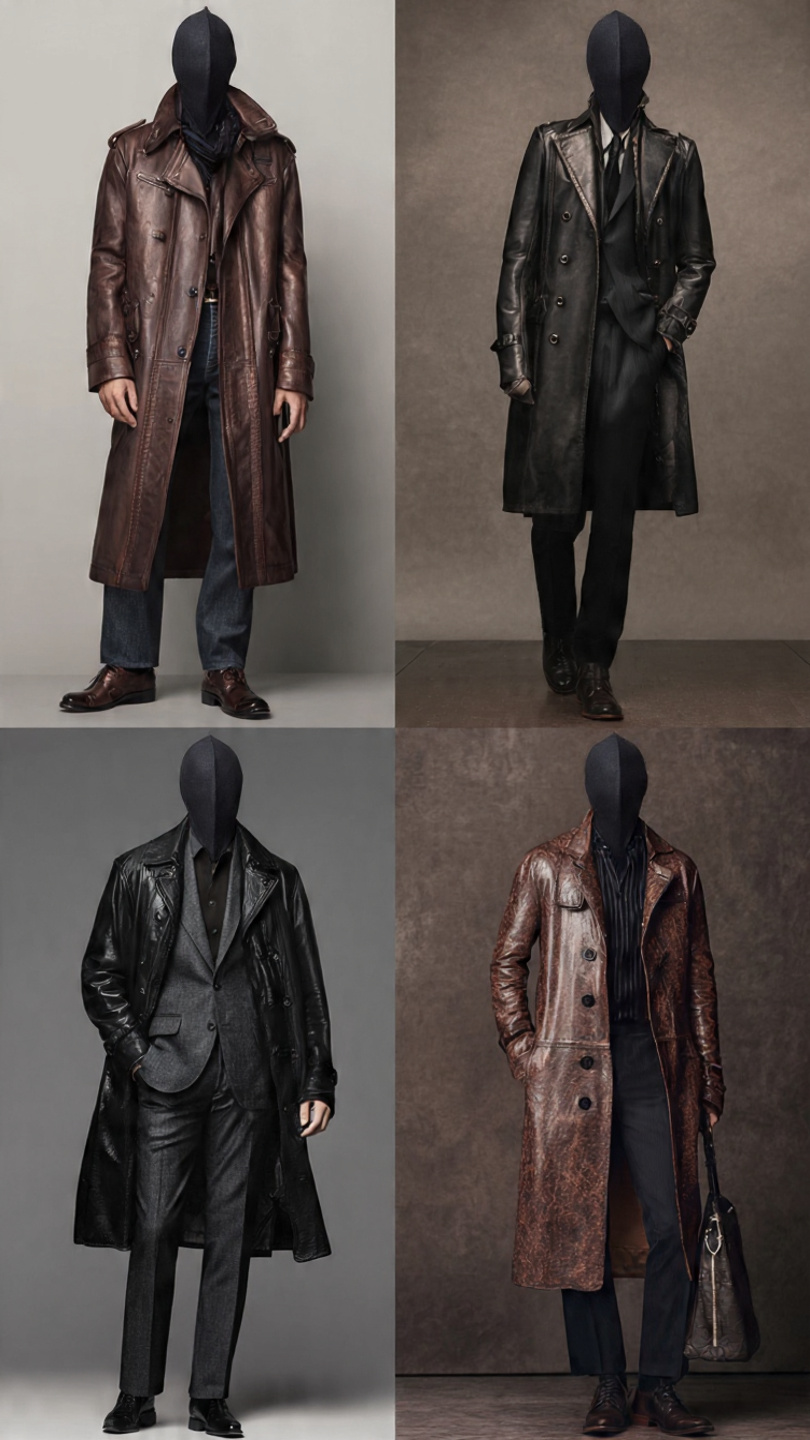
Top 10 Men’s Leather Coats and Trench Coats in 2025
Every year, new styles redefine men’s fashion, but one thing…