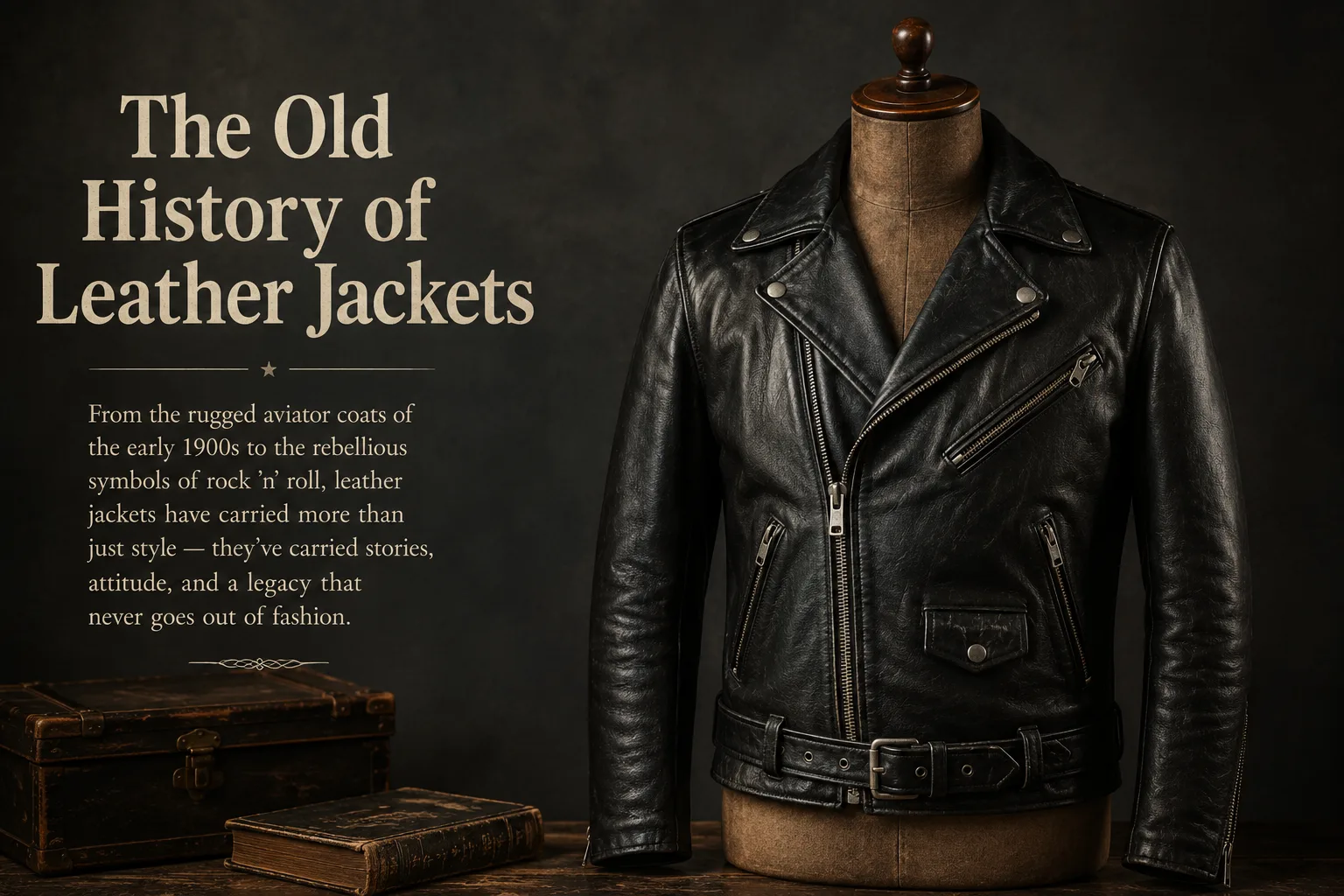
The History of Leather Jackets
From Open-Cockpit Survival Gear to the Most Enduring Garment in Fashion
Few garments have survived a century of changing trends the way the leather jacket has. It has been strapped onto fighter pilots at 20,000 feet, zipped up by factory workers on the production line, worn on motorcycle seats, painted into album covers, and walked down luxury runways and somehow it still looks like it belongs in 2026. That kind of staying power is rare in fashion. Most trends fade in a season or two. The leather jacket has lasted because it was never built as a trend in the first place; it was built to solve a problem, and the solution turned out to be timeless.
This is the story of how that happened from the freezing cockpits of early military aircraft, through motorcycle garages, Hollywood film sets, punk clubs, and eventually onto the racks of nearly every modern wardrobe, including the men’s and women’s leather jacket collections we build today.
Long Before It Was Fashion: Leather as Survival Gear
Long before anyone thought of a leather jacket as a style statement, leather itself was simply the most reliable material humans had for protection against the elements. Hides were waterproofed, wind-resistant, and durable in a way that woven fabric of the era simply could not match. For centuries, leather garments were functional rather than fashionable worn by laborers, soldiers, and travelers who needed something tough enough to survive daily wear and harsh weather.
The leather jacket as we recognize it today, however, didn’t emerge from any of that. It came from the sky.
World War I: Where the Modern Leather Jacket Was Born
The early twentieth century gave the world powered flight, and powered flight gave the world a very specific, very urgent problem: open cockpits. Pilots in the First World War sat exposed to brutal wind chill at altitude, often in temperatures that standard wool uniforms simply could not handle. As early as 1915, pilots serving with the Royal Flying Corps in France and Belgium had already started wearing long leather coats over their uniforms, since leather was one of the only flexible materials available that wind couldn’t cut straight through.
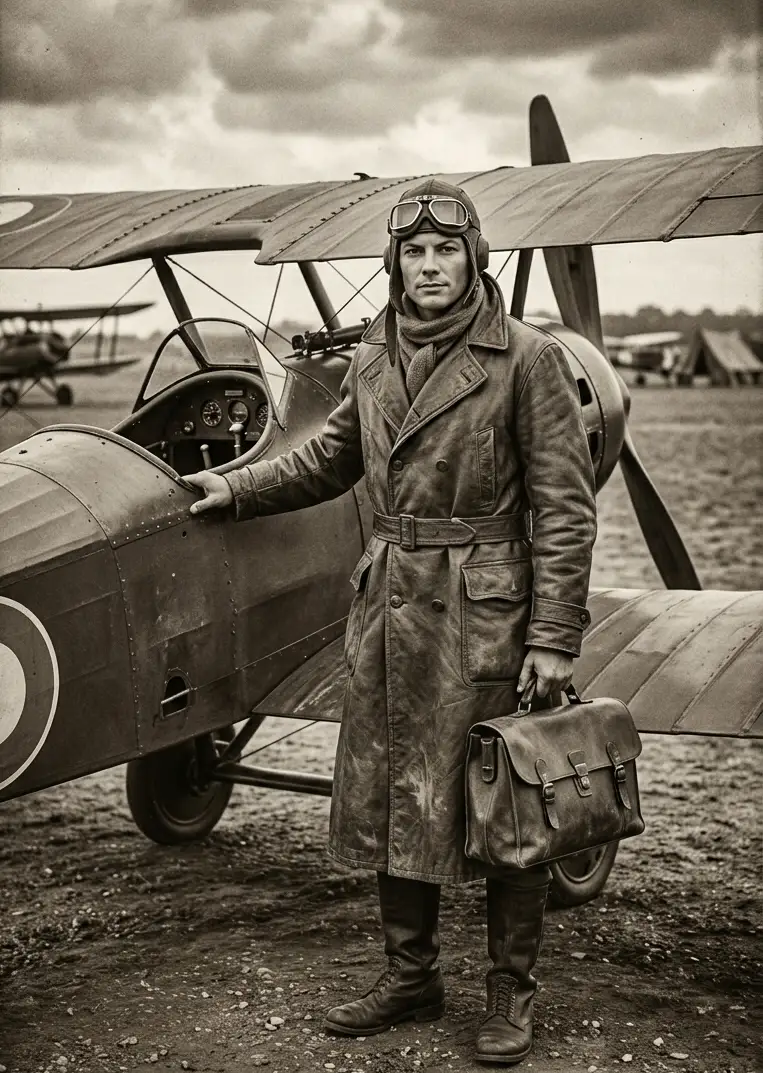
The United States followed a similar path. In September 1917, the US Army Aviation Clothing Board was established specifically to standardize protective flight gear, and within months, heavy-duty leather flight jackets began reaching American pilots. These early jackets featured high wraparound collars, wind-flapped zipper closures, and snug-fitting cuffs and waistbands designed to keep cold air from sneaking in while the pilot worked the controls. Some versions were even lined with fur for extra insulation against the thin, freezing air found at high altitude.
This is also where the term “bomber jacket” effectively entered the vocabulary. The jackets weren’t designed with style in mind at all. they were survival equipment, built to keep a pilot functional during missions where the cold alone could be as dangerous as enemy fire.
The Interwar Years: From Coats to Jackets
Through the 1920s, flight gear kept evolving as aviation itself matured. Leslie Irvin, a stunt parachutist by trade, designed one of the first true sheepskin flying jackets in 1926 and went on to become a major supplier of flight jackets to the Royal Air Force. A year later, in 1927, the first standardized flight jacket. the Type A-1 entered production. It introduced a button-front design with a knitted waistband and cuffs, and it’s widely considered the template that modern leather jackets still echo today.
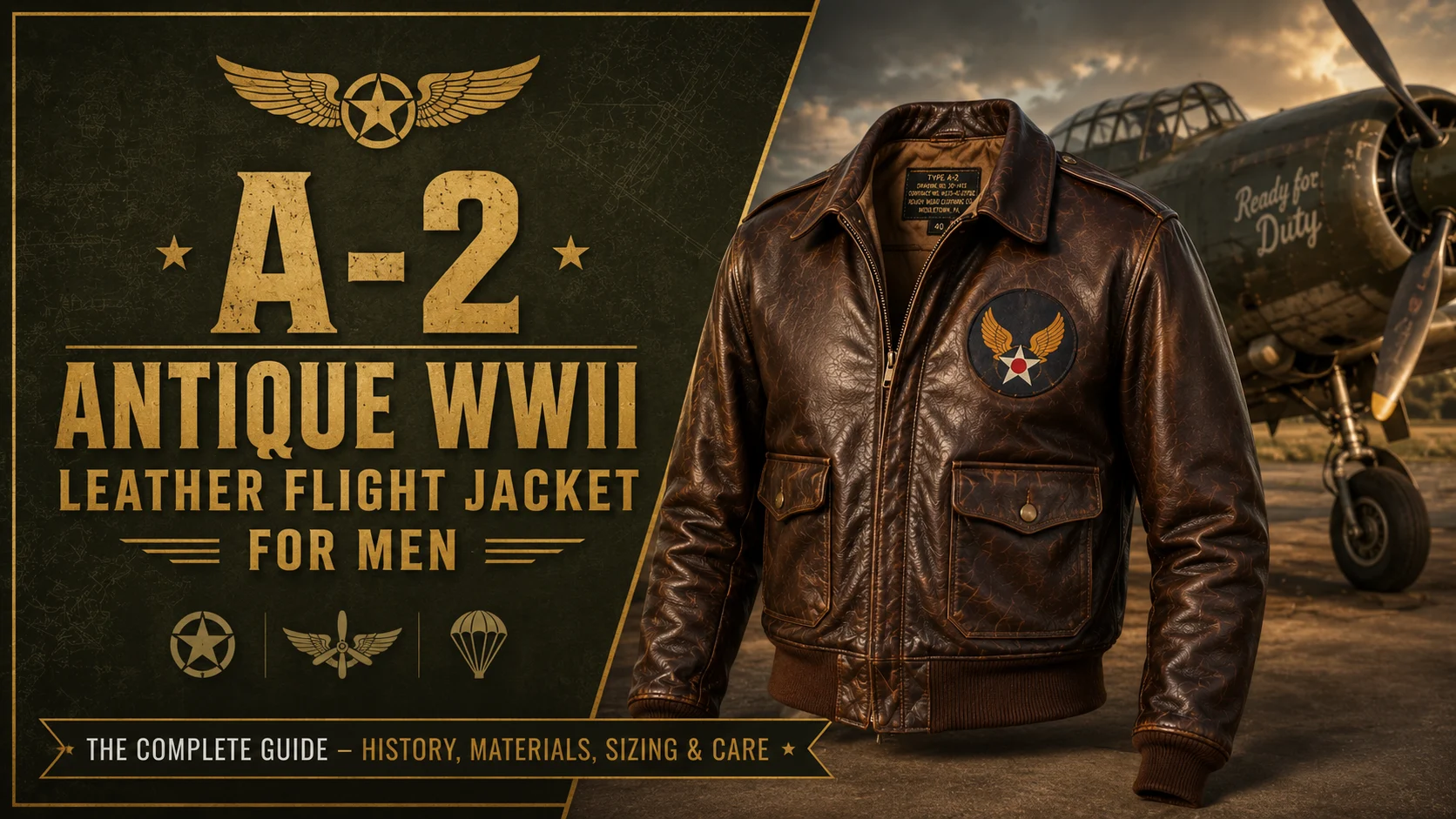
By the early 1930s, the A-2 flight jacket had replaced the A-1 as standard issue for the Air Corps. Made initially from seal-brown horsehide with a silk lining, the A-2 swapped buttons for a front zipper and added a shirt-style collar. As bombing missions during the Second World War began taking place from altitudes as high as 25,000 feet where temperatures could plunge to around -50°C thick, properly insulated flight jackets stopped being a convenience and became essential survival equipment for every crew member on board.
Interestingly, leather jackets weren’t only a Western military phenomenon during this period. In Russia, leather jackets became an unofficial uniform among Bolshevik commissars during the Russian Civil War and were later worn widely within the Cheka. The garment’s association with authority, toughness, and seriousness wasn’t unique to one army or one continent. it was a pattern that kept repeating wherever leather jackets showed up.
1928: The Leather Jacket Leaves the Military Behind
The single biggest turning point in this entire story happened not in a war zone, but in a workshop in New York. In 1928, a tailor named Irving Schott designed the first jacket built specifically for civilians: a motorcycle jacket he named the “Perfecto,” reportedly after his favorite shape of cigar.
Schott’s design broke from military tradition in a small but important way instead of buttons, the Perfecto used a zipper for its front closure, and the cut itself was asymmetric. That asymmetrical zipper wasn’t a style flourish; it was a practical solution for riders leaning forward over a motorcycle, since it kept wind from cutting through the gap and avoided putting an uncomfortable metal zipper line straight down the rider’s sternum while hunched over the handlebars.
The jacket was made from heavy-grade horsehide, lined with wool, and sold through a Harley-Davidson dealership on Long Island for just $5.50. It caught on almost immediately within motorcycle and biker communities, and in doing so, it quietly created an entirely new category: the leather jacket as everyday civilian clothing, not military uniform.
World War II: Bigger Skies, Heavier Jackets
World War II pushed flight jacket design even further. Alongside the A-2, the Navy and Marine Corps introduced the G-1 a goatskin leather jacket similar in spirit to the A-2 but built with a shearling collar for extra warmth. For crews flying at extreme altitudes in unheated bombers, shearling-lined jackets such as the B-3 were considered the warmest option available, with some accounts crediting this kind of insulation with helping pilots like Lt. John A. Macready reach record-setting altitudes in open-cockpit aircraft years earlier.
It was also common during this era for aviators to personalize their jackets with hand-painted nose art, unit insignia, and mission tallies turning a piece of survival gear into something closer to a wearable record of a crew’s service. Many of these original jackets still exist today in museum collections, preserved as much for their historical weight as for their craftsmanship.
The 1950s: Hollywood Turns the Jacket Into a Symbol of Rebellion
By the early 1950s, the leather jacket had already proven itself on battlefields and motorcycles. What it hadn’t done yet was become an identity. That changed almost overnight thanks to two films.
In 1953, a leading actor of the era wore a Schott-style motorcycle jacket while playing a brooding, defiant biker gang leader on the big screen. The film struck such a nerve with how it portrayed youthful defiance against authority that several American schools went as far as banning the look altogether inadvertently making the jacket even more desirable to the young audiences it was supposedly corrupting. Two years later, another era-defining film cemented the connection between leather jackets and teenage rebellion, this time through a story about a misunderstood teenager pushing back against the expectations of the adult world around him.
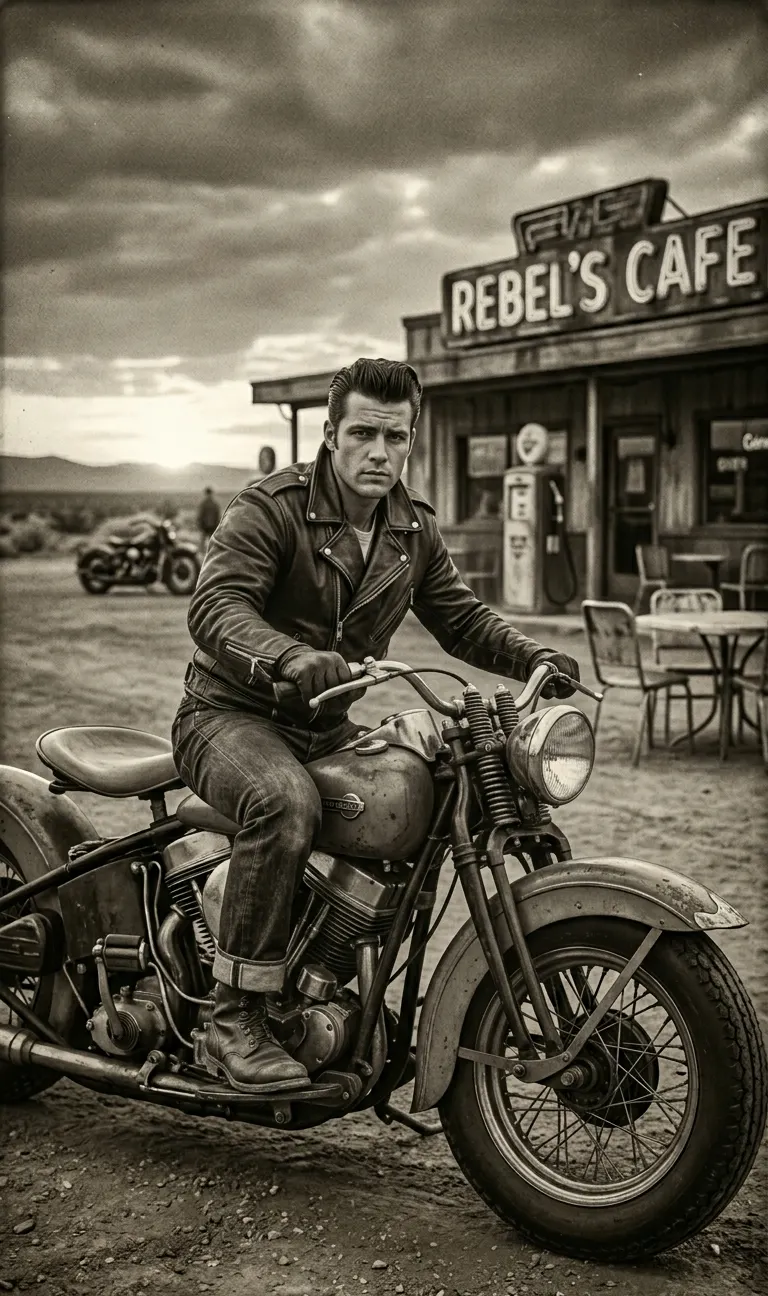
Almost overnight, the leather jacket stopped being something pilots and bikers wore out of necessity and became a visual shorthand for nonconformity. This wasn’t really about leather as a material anymore, it was about what putting one on seemed to say about the person wearing it. That cultural shift, more than any single design change, is the reason the leather jacket survived long after motorcycle culture or military aviation needed it for purely practical reasons.
The 1960s: Counterculture Claims the Jacket
The 1960s carried that rebellious energy forward, but widened its audience considerably. Leather jackets were embraced by rock musicians and counterculture movements looking for a visual identity that matched their music, famously including a well-known British rock band, who wore leather during their early club days before global fame changed their image entirely. At the same time, motorcycle clubs continued treating the jacket as something closer to an unofficial uniform, a way of signaling who belonged to which group at a glance.
By the end of the decade, the leather jacket had built up two parallel identities that would keep feeding each other for the rest of the century: one rooted in music and youth culture, and one rooted in the biker communities that had worn it since the 1930s.
The 1970s and 1980s: Punk, Rock, and the Mainstream
If the 1950s made the leather jacket a symbol, the punk scene of the mid-1970s turned it into a uniform. Around 1974, an underground music scene built around a small New York club helped launch punk rock as a genre and a fashion statement at the same time. Bands associated with that scene adopted black leather biker jackets, ripped jeans, and plain T-shirts as a deliberately minimal, anti-glamour uniform, a direct rejection of the more polished rock aesthetics that had come before it. That stripped-down look went on to shape punk fashion well beyond the original scene that started it.
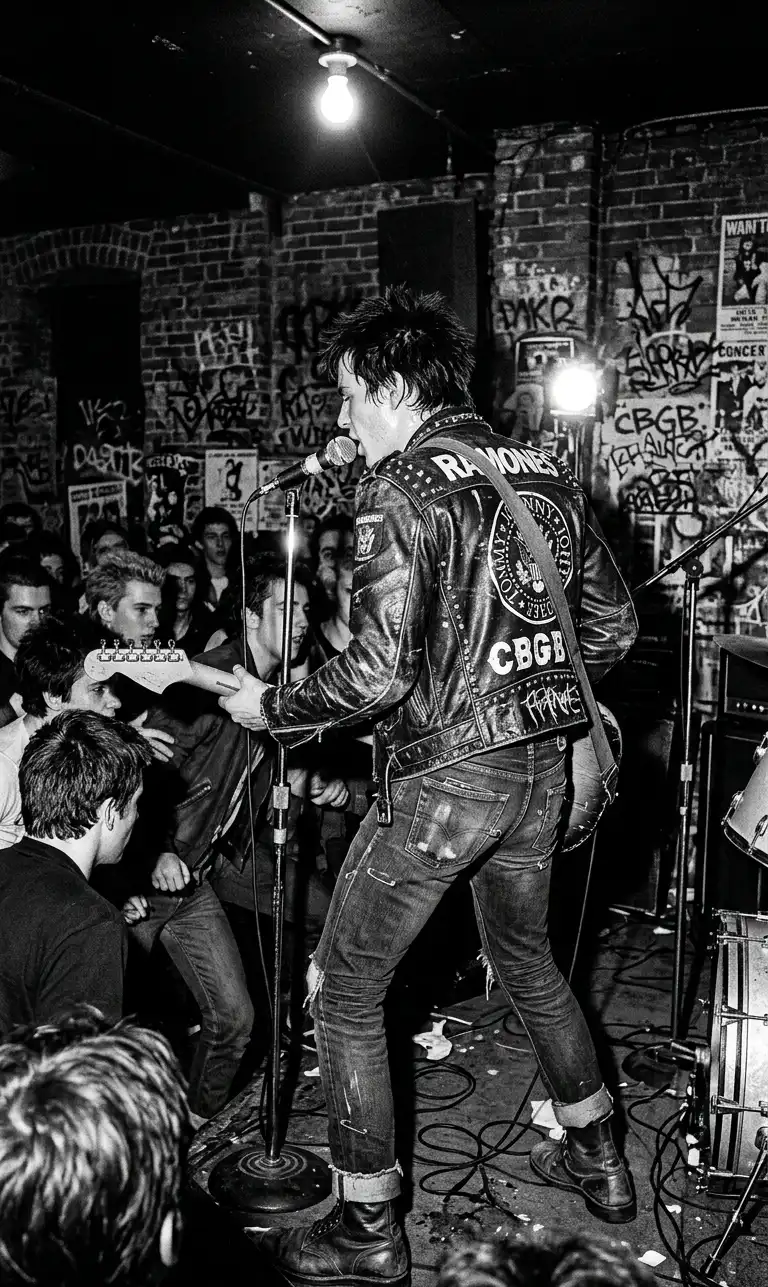
Mainstream rock embraced the jacket too. A famous 1975 album cover featuring a working-class American rock icon in a classic biker jacket helped turn the garment into something that resonated with everyday audiences, not just rebellious subcultures. The 1980s then pulled leather jackets even further into mainstream pop culture: a hit pop star’s red leather jacket in a now-iconic 1983 music video became one of the most recognized fashion moments of the decade, while a blockbuster fighter-pilot film in 1986 sent flight-style bomber jackets straight back into everyday demand a full-circle moment for a garment that had started its life in military cockpits seventy years earlier.
The 1990s and 2000s: From Subculture to High Fashion
The 1990s saw leather jackets pulled in two directions simultaneously. On one side, grunge culture treated them as an extension of its raw, unpolished aesthetic, worn loose, distressed, and frequently layered over flannel. On the other side, luxury fashion houses began producing their own high-end versions, elevating a once-rebellious garment into something that could sell for designer prices on a runway. By the 2000s, vintage and intentionally distressed leather looks had become genuinely fashionable in their own right, as shoppers leaned into garments that looked like they had a history, even if they’d been manufactured to look that way.
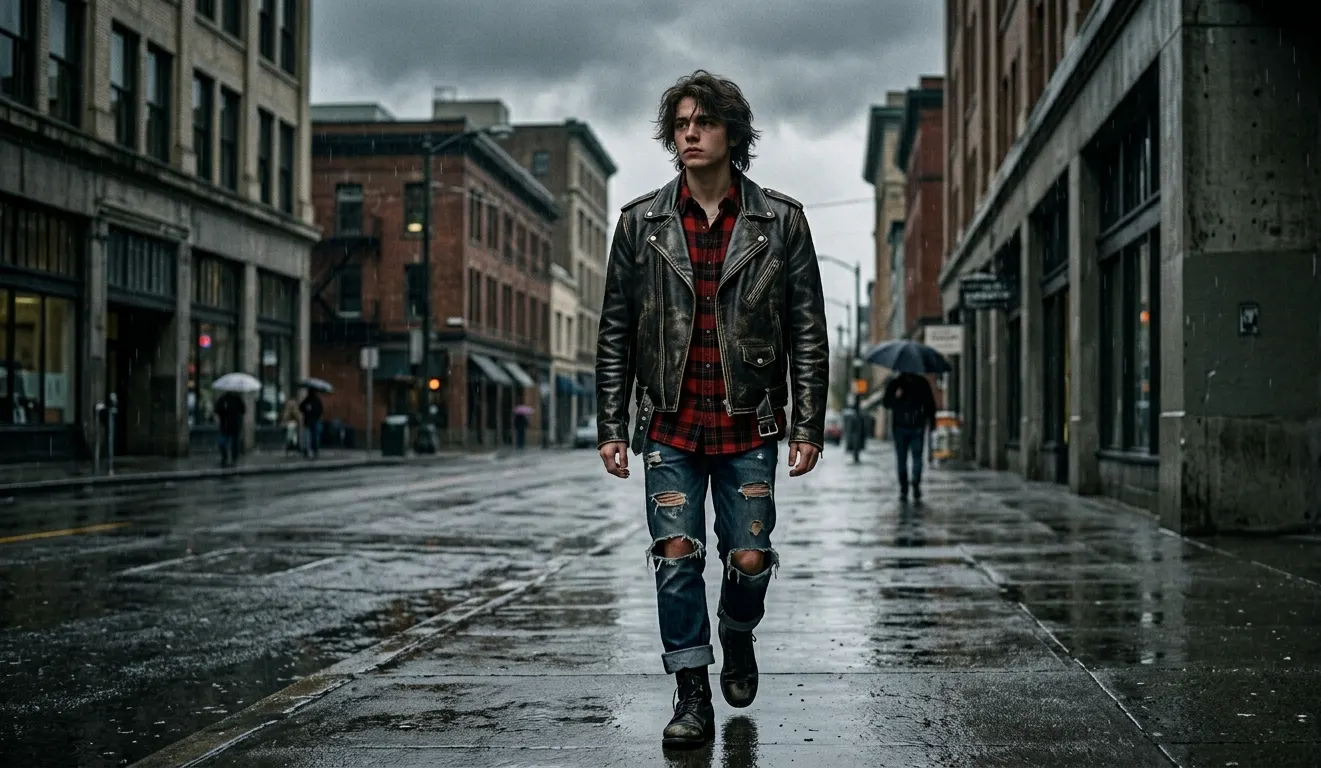
This period mattered for a reason that often gets overlooked: it proved the leather jacket could move between completely opposite worlds underground music scenes and luxury fashion houses, without losing its core identity in either one. Few garments can pull that off.
Today: A Century Later, Still Not Out of Style
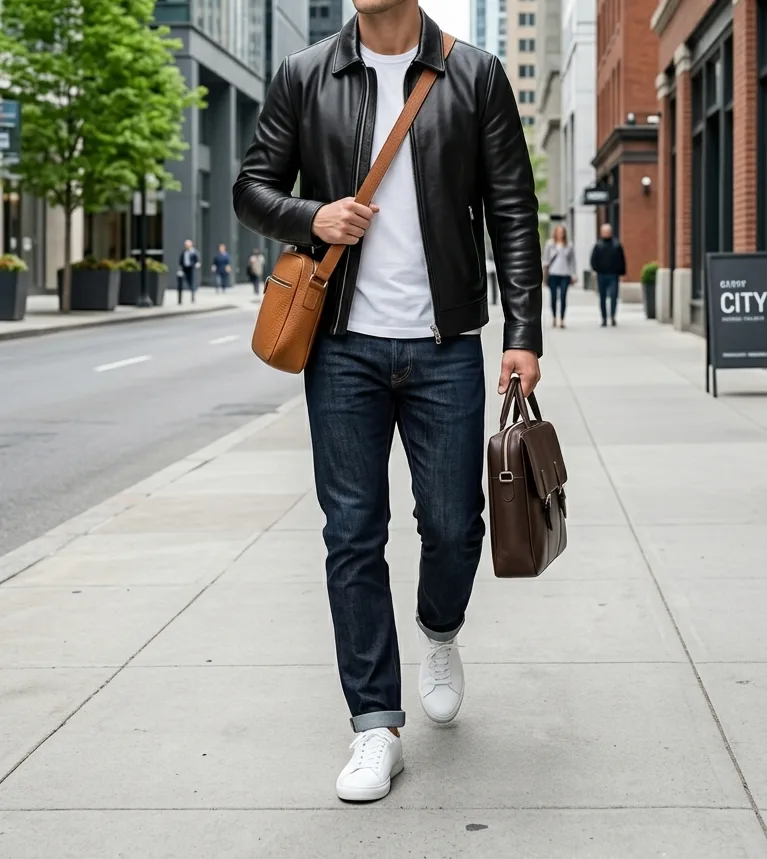
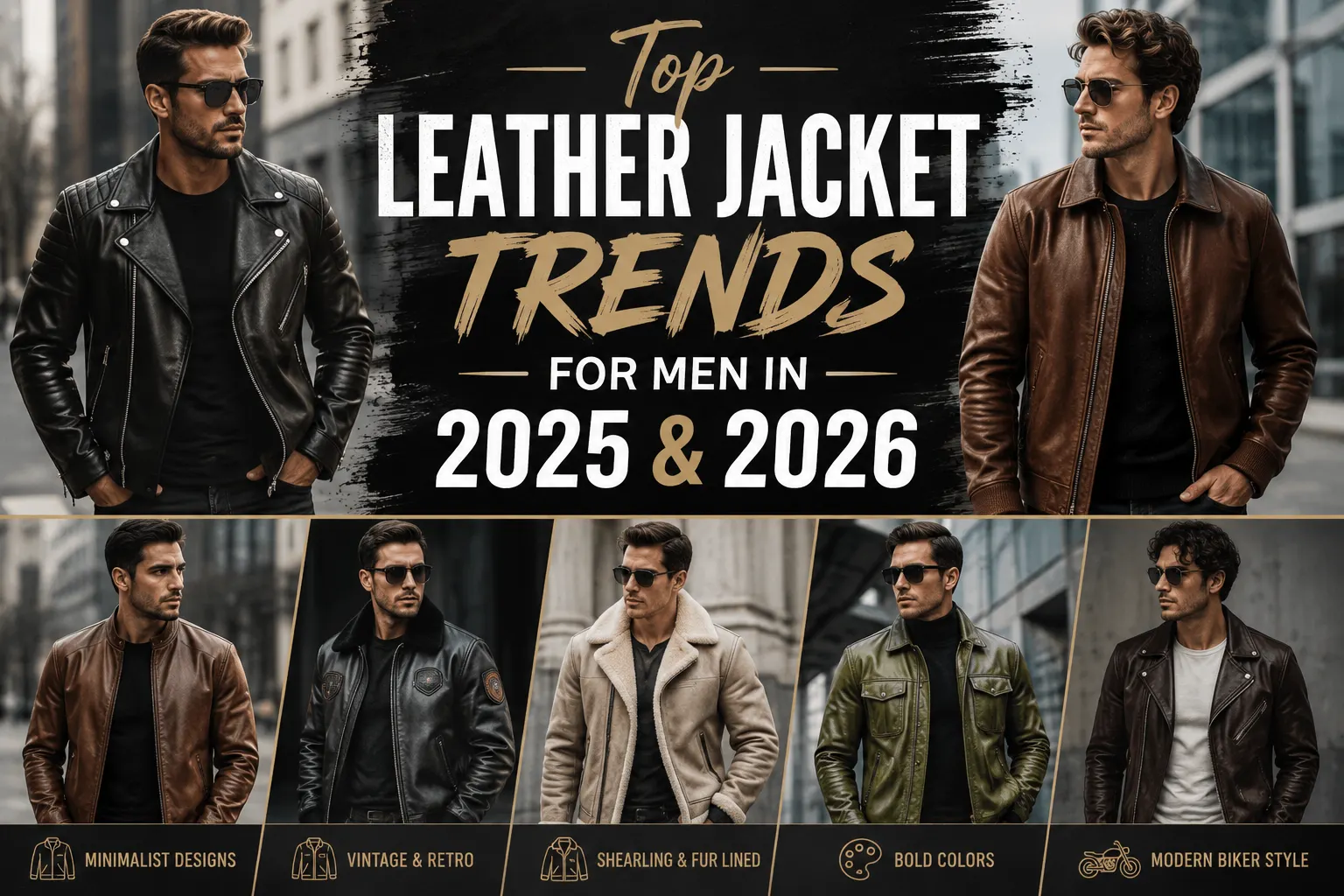
More than a hundred years after a handful of WWI pilots first strapped leather coats over their uniforms, the leather jacket remains one of the most reliably stylish pieces a person can own. What’s changed is the range of what “a leather jacket” even means. Today’s wardrobes might include anything from a structured leather blazer for the office, to a classic biker silhouette, to a suede jacket for a softer, more relaxed finish, to insulated leather winter jackets built for genuinely cold climates a direct, if distant, descendant of those original WWII shearling-lined flight jackets.
Sustainability has also entered the conversation in a way it never did during the garment’s earlier decades. Vegan and lab-developed leather alternatives have emerged for buyers who want the look without using animal hide, while a growing appreciation for well-made, long-lasting leather has pushed many buyers in the opposite direction toward fewer, better pieces designed to be worn for years instead of one season. Both approaches are really chasing the same thing the original aviators were after a century ago: a jacket that earns its place in the wardrobe by actually holding up.
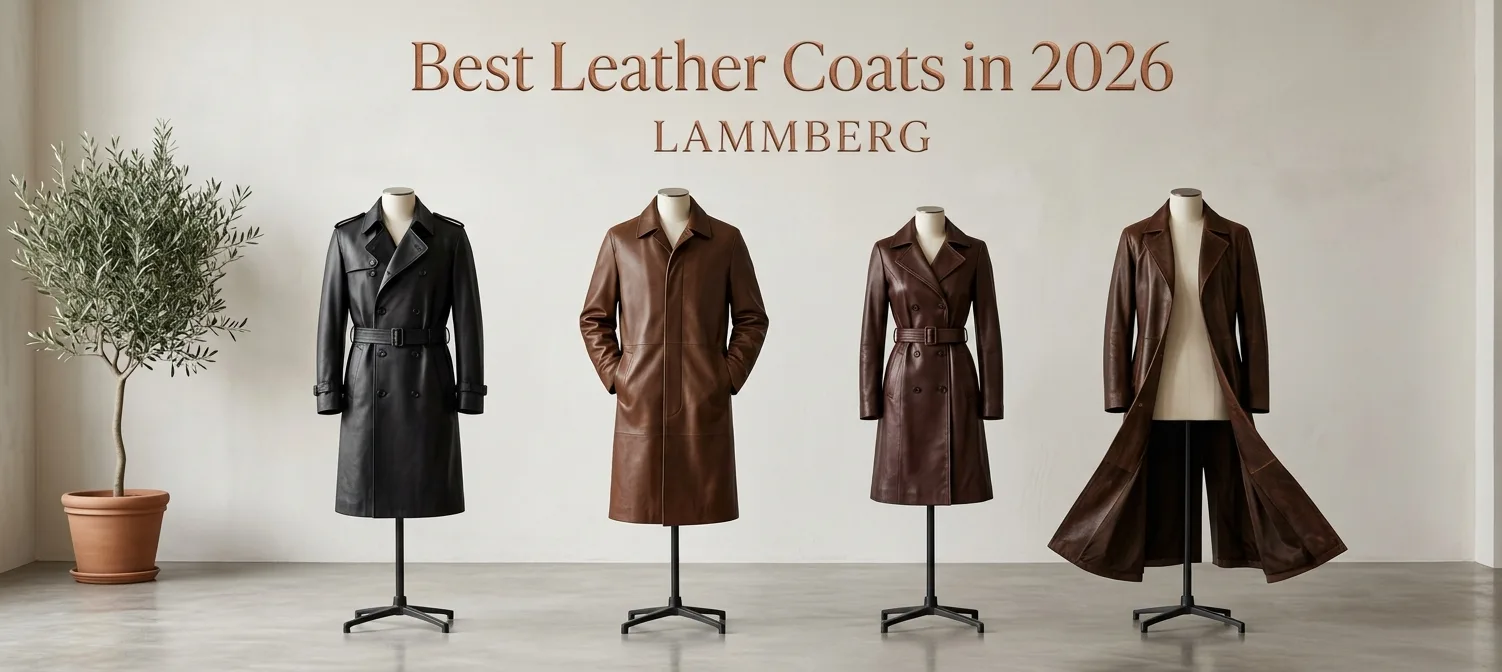
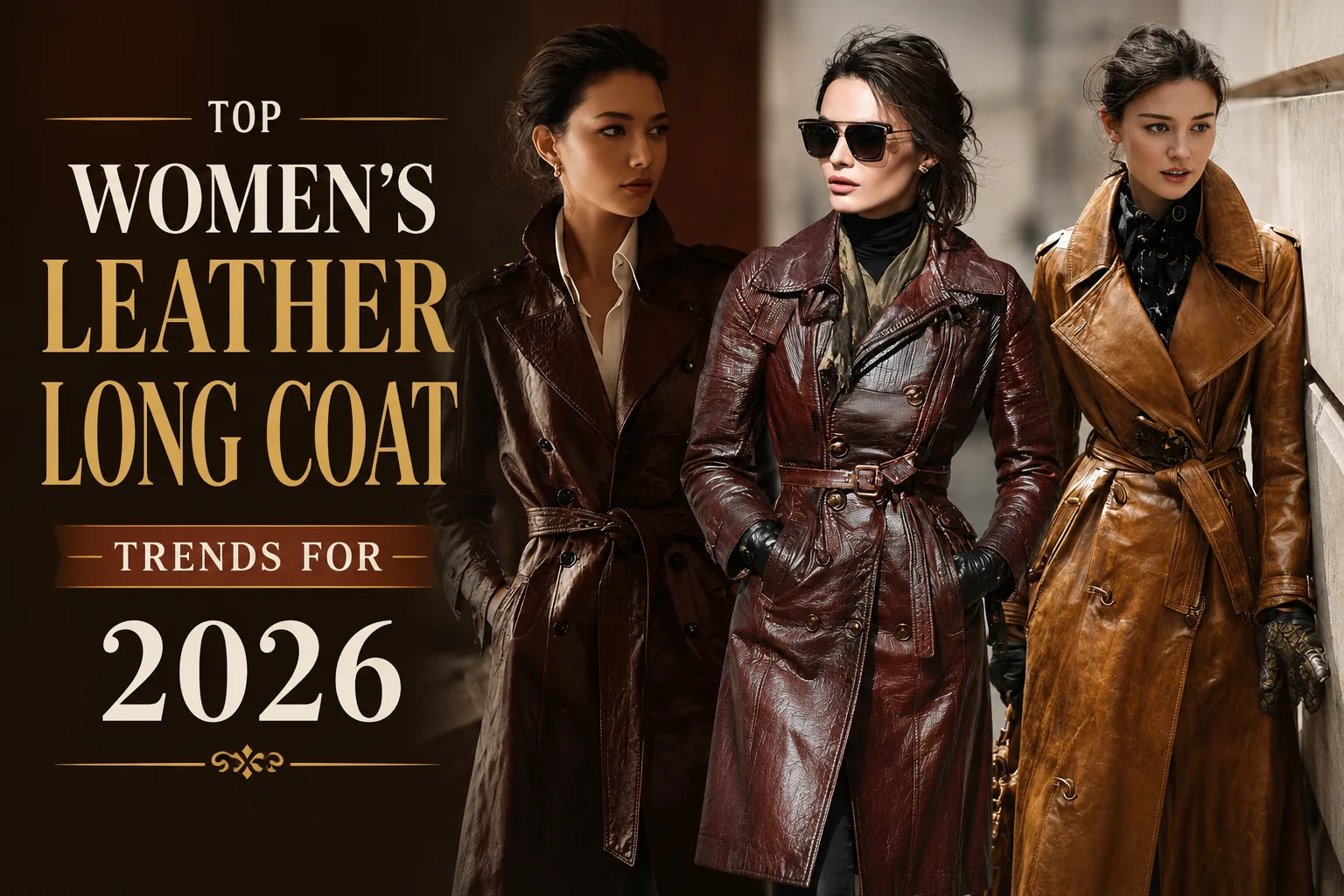
Women’s leather fashion, largely absent from the jacket’s early decades, is now just as central to the story. From tailored women’s leather jackets to women’s leather blazers and women’s leather trench coats, the same qualities that made the original flight and biker jackets so enduring, durability, structure, and a slightly rebellious edge are exactly what keep these pieces relevant for a completely different generation of wearers.
How That History Shaped the Styles We Still Wear
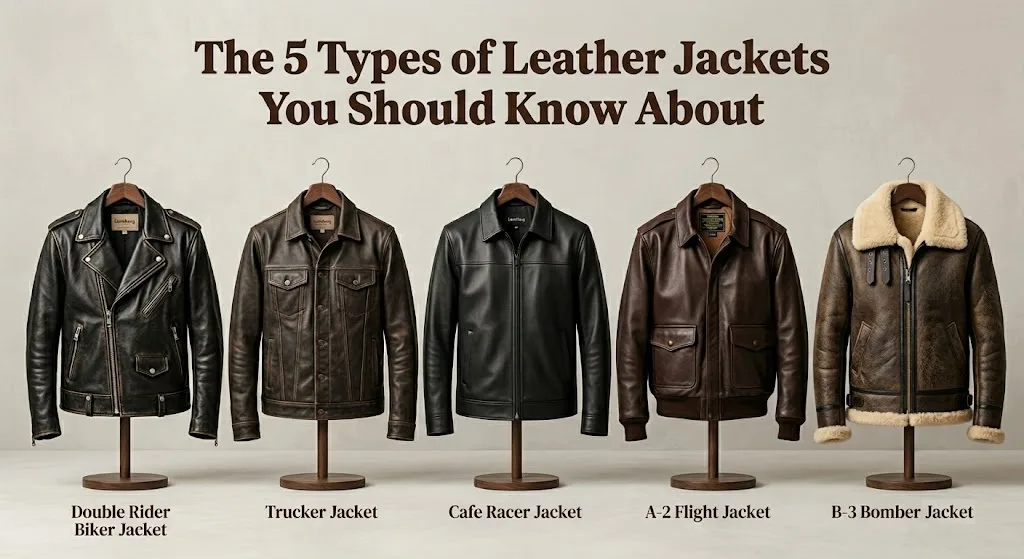
Almost every leather jacket silhouette sold today can be traced directly back to one of the moments covered above. Knowing where each style came from makes it much easier to pick the right one, instead of choosing based on looks alone.
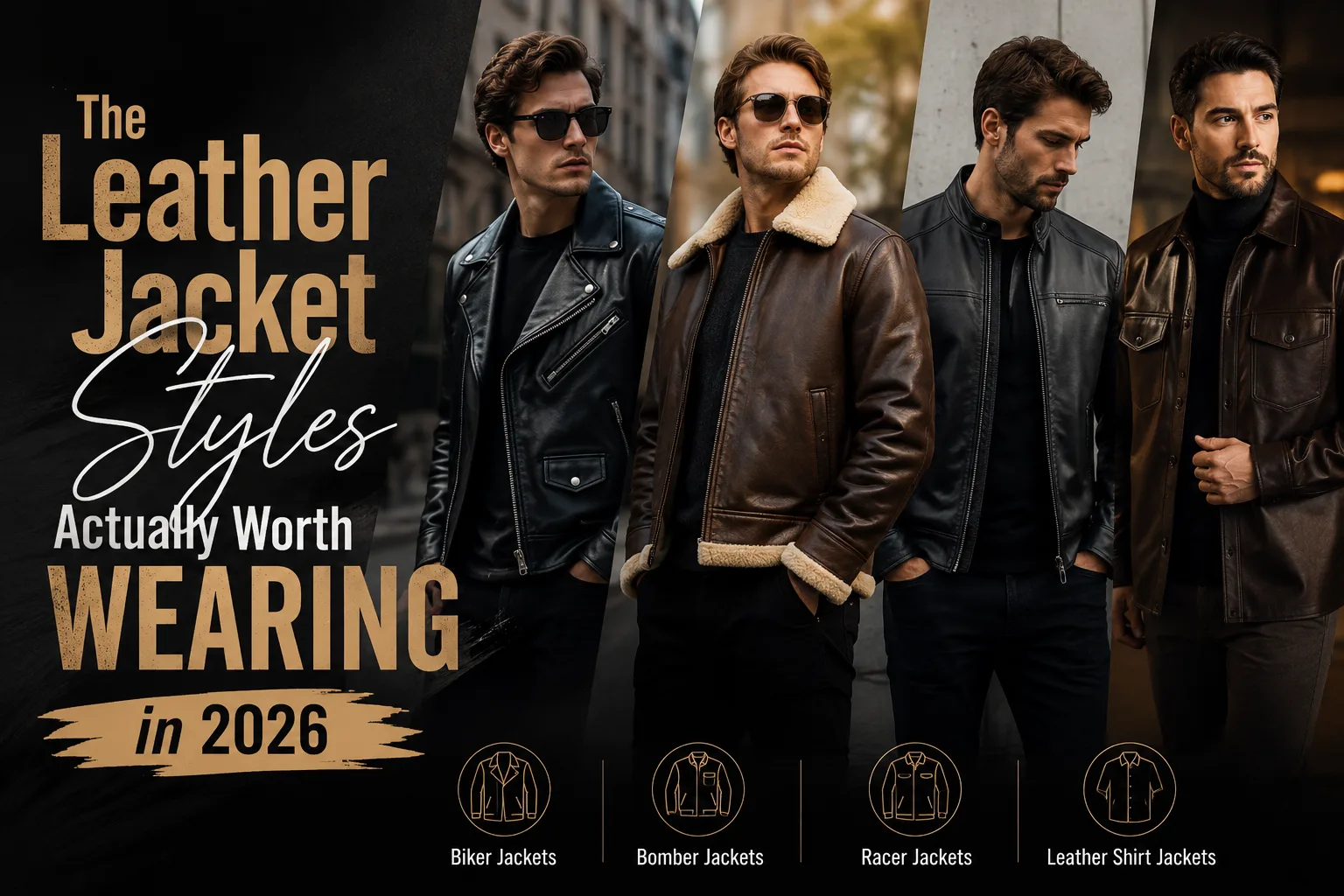
The Bomber Jacket
The bomber’s roomy fit, ribbed waistband, and front zipper come straight from its flight-jacket origins. Pilots needed a cut loose enough to layer over a uniform but snug enough at the cuffs and waist to keep cold air out, which is exactly why the silhouette still reads as relaxed rather than fitted today.
The Biker (Perfecto-Style) Jacket
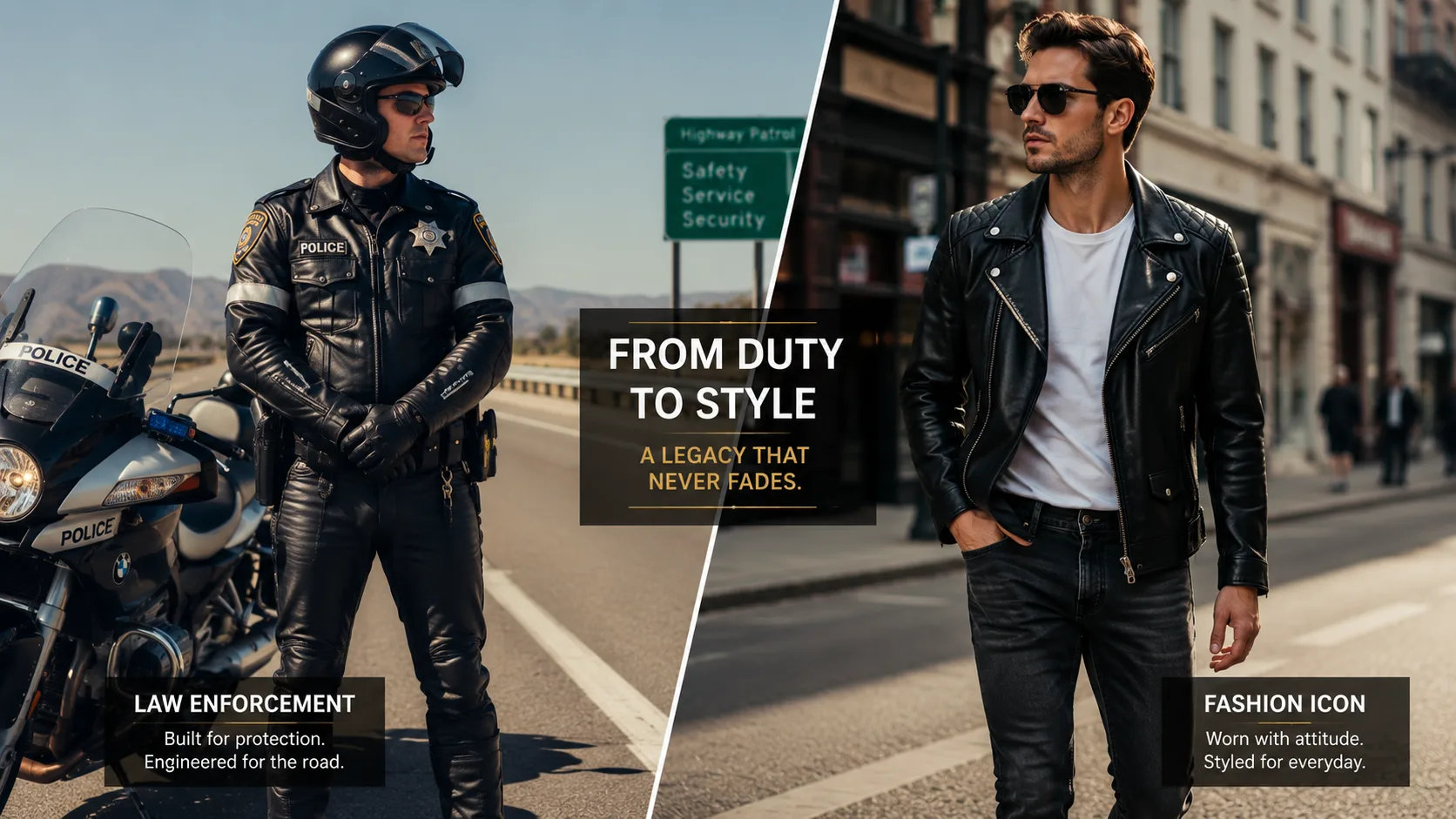
The asymmetric zipper, wide lapels, and belted waist all trace back to Irving Schott’s 1928 design for motorcyclists. Every one of those details originally solved a real riding problem, and that’s precisely why the silhouette has barely changed in almost a hundred years. there was never really a design flaw to fix.
The Aviator Jacket
Distinguished by a shearling lining and an oversized collar that can be turned up against the wind, the aviator style is the most direct descendant of WWII-era jackets like the G-1 and B-3, built for crews facing genuinely freezing conditions at altitude.
The Leather Blazer
A newer branch of the family tree, the leather blazer takes the same durable material and reshapes it into a tailored, structured cut suited for the office or for smarter occasions proof that the material itself has always been more versatile than any single decade’s version of the jacket.
Why the Story Still Matters
What makes the leather jacket’s history worth knowing isn’t just trivia. it explains why the garment still feels right today. Every detail that defines a classic leather jacket exists because it once solved a real problem: the asymmetric zipper that protected a motorcyclist’s chest from wind, the shearling lining that kept a pilot alive at high altitude, the heavy-grade leather chosen because nothing else could survive daily wear. Fashion built on top of function tends to last, and that’s exactly what happened here.
A century after its first appearance in an open cockpit, the leather jacket hasn’t lost that foundation it’s simply added new chapters on top of it. Whether you’re drawn to the rugged practicality of a leather vest, the structure of a tailored blazer, or a classic biker jacket that hasn’t really changed in spirit since 1928, you’re wearing a small piece of that century-long story.
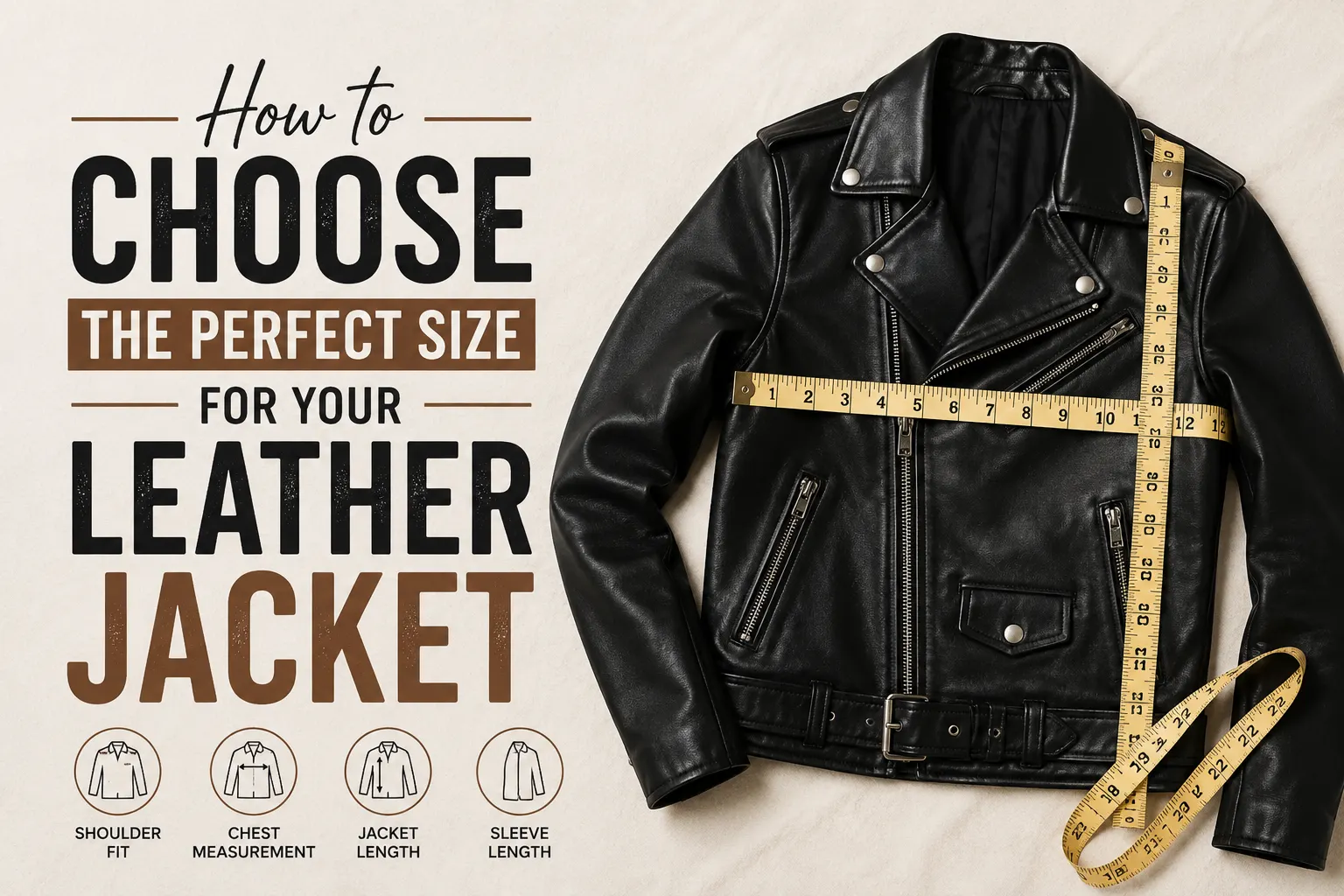
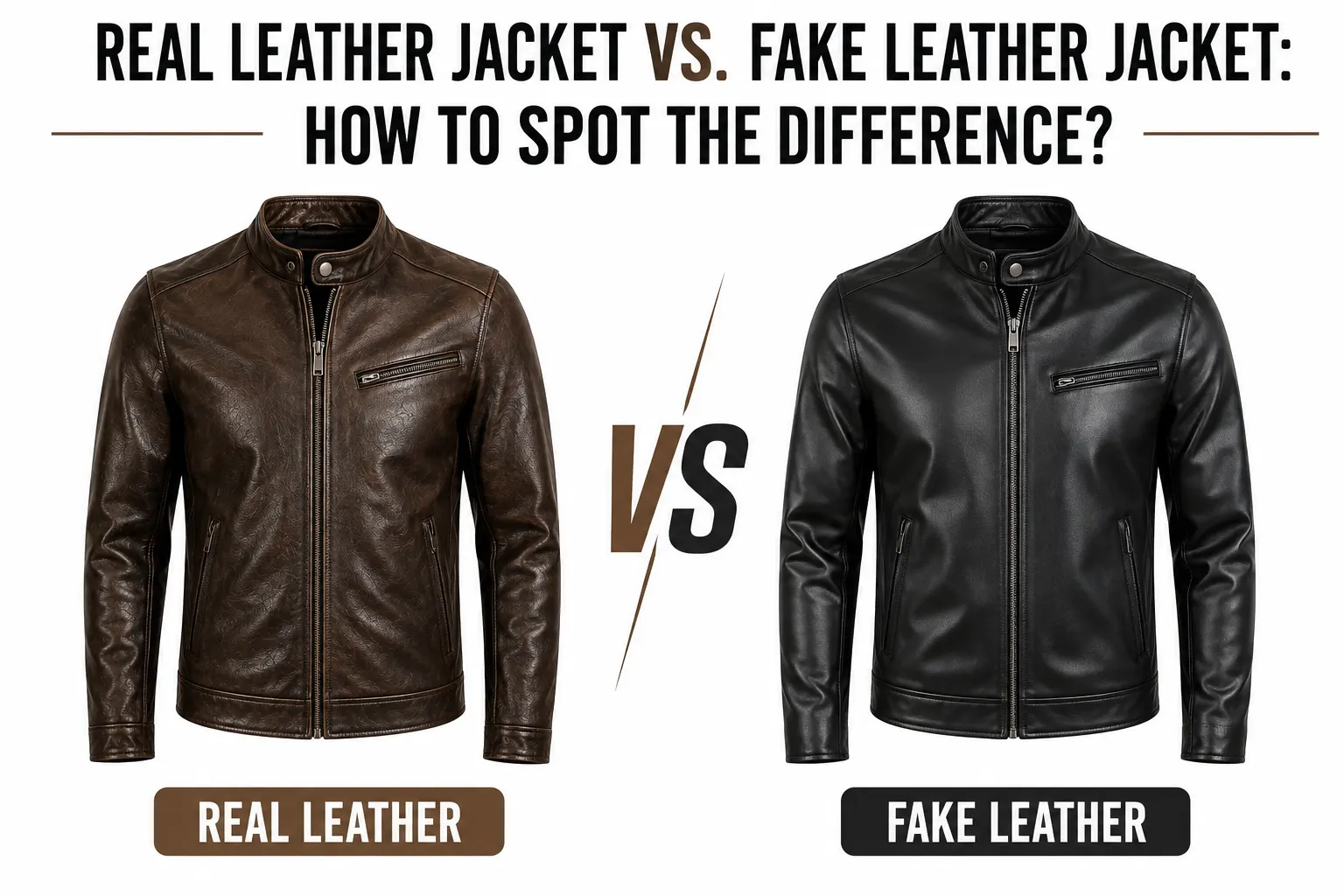
If you’re exploring your own first leather jacket or simply want to compare styles before deciding, our guide on how to choose the perfect size for your leather jacket and our breakdown of real leather versus fake leather are good next stops. And if any questions come up along the way, our FAQs and Help Center are there to help.

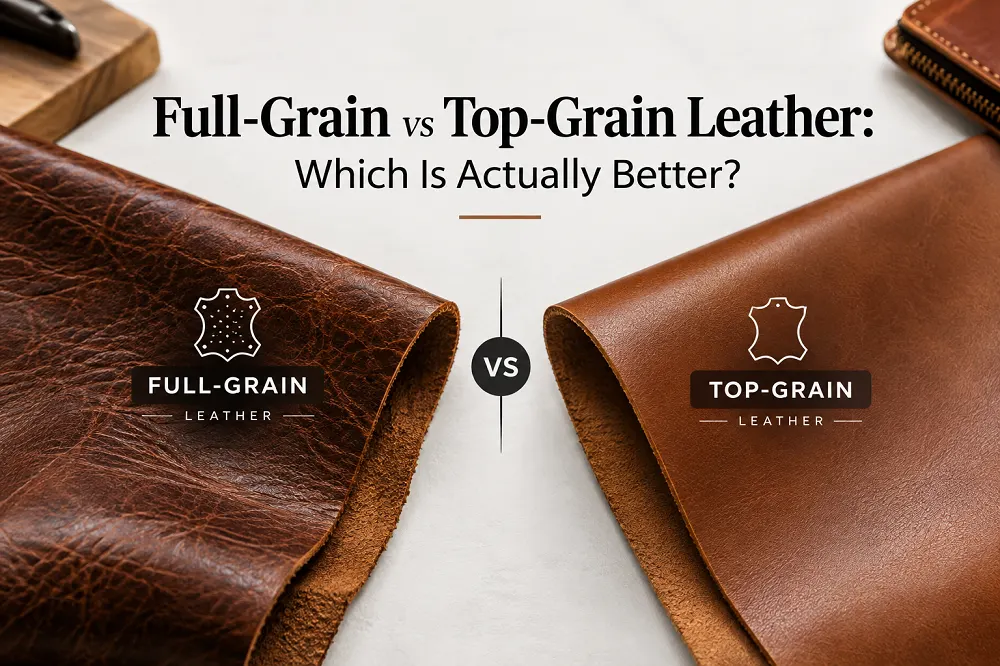
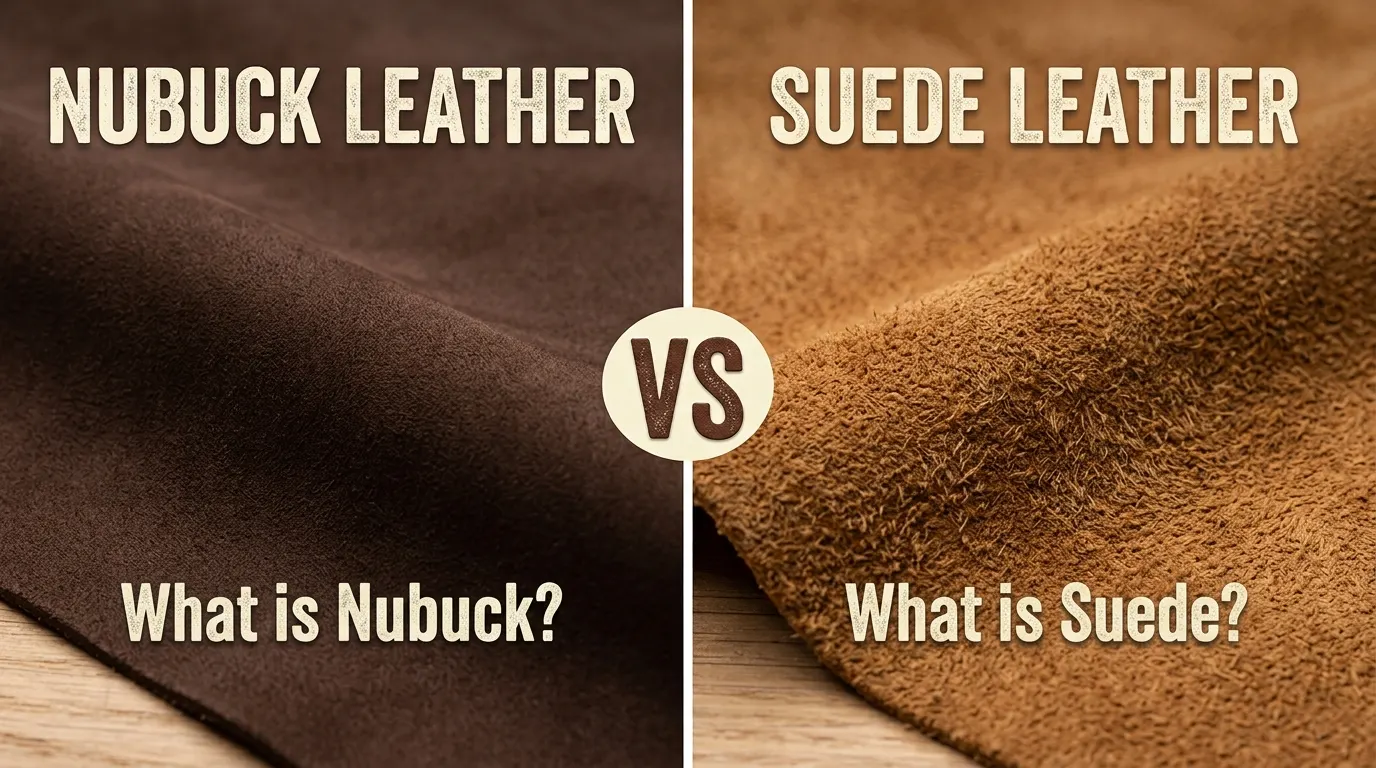







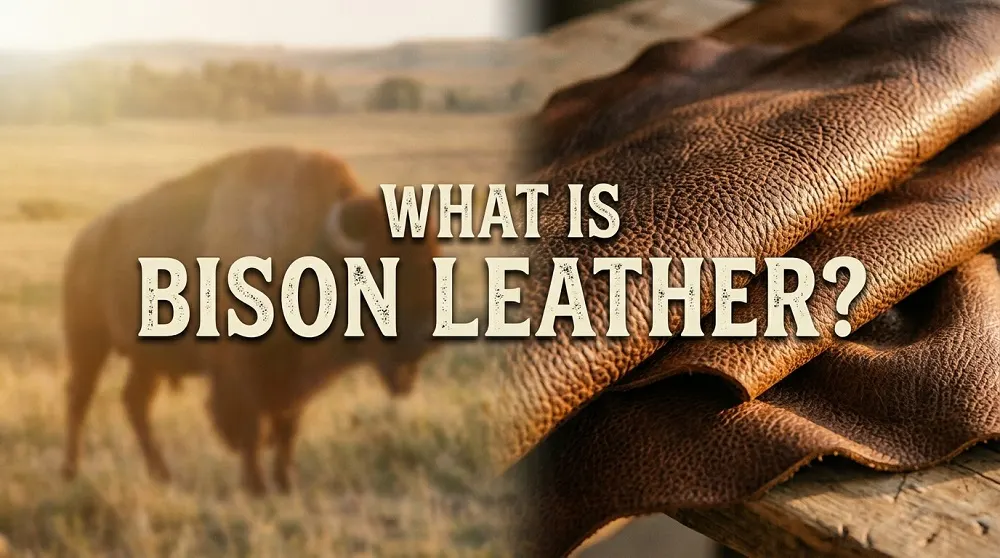
What Is Bison Leather? Durability, Uses & Cowhide Comparison
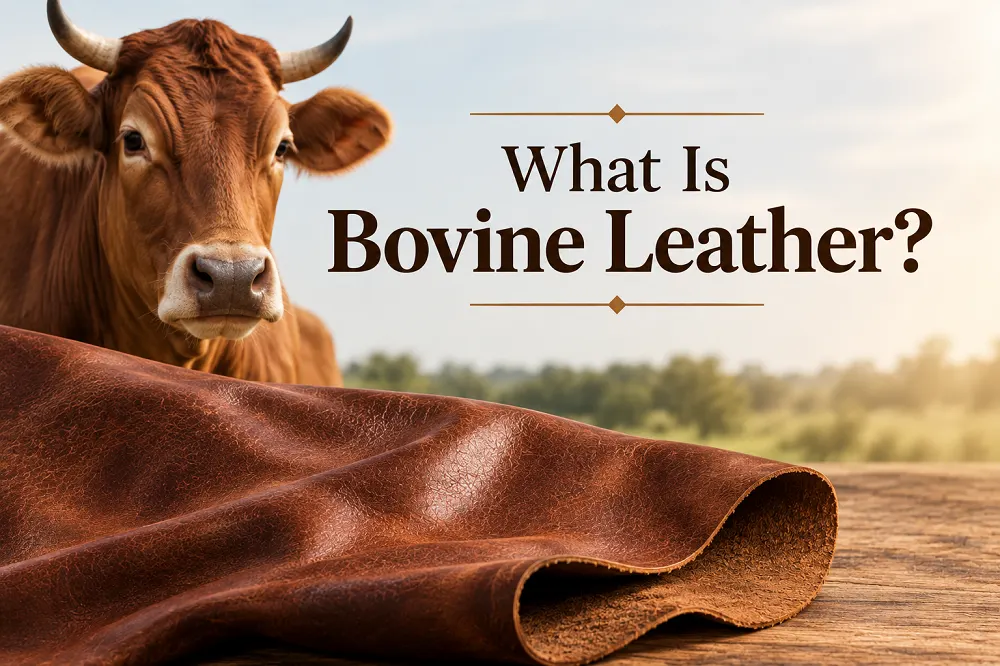
What Is Bovine Leather?