Introduction
Choosing the right outerwear for cold or wet weather involves balancing style, comfort, and practicality. Among the most iconic coat types are the peacoat and the trench coat. Both have rich histories, distinct designs, and unique strengths. Whether you are selecting your first winter coat or refining your wardrobe, understanding the differences can help you make a confident choice.
In this guide, we explore peacoats and trench coats in depth. We will compare their materials, weather suitability, styling options, and care requirements. Along the way, we also reference related pieces such as leather trench coats, winter coats, and fashion outerwear to help you see where each type fits in the broader context of style.
Explore our collection of Leather Trench Coats for Men for inspiration and premium options.
What Is a Peacoat?
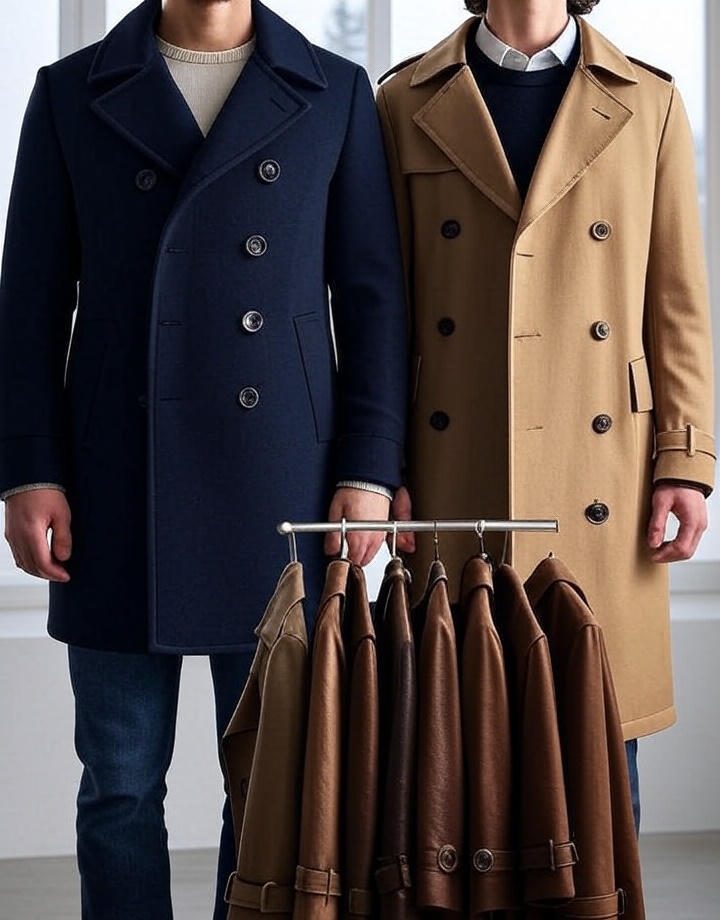
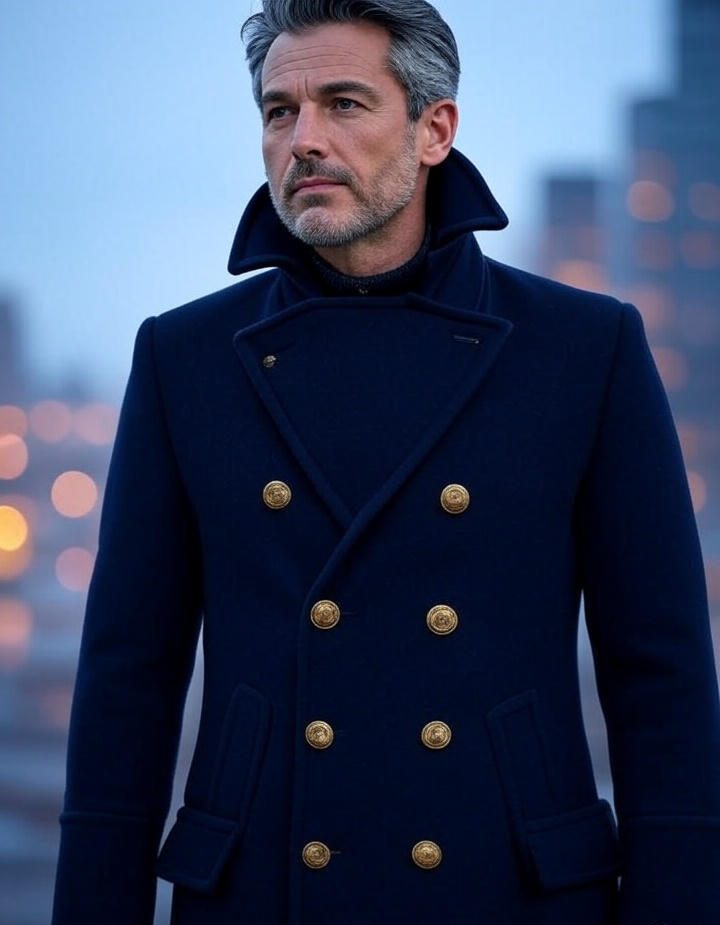
A peacoat is a short or mid-length coat traditionally made of heavy wool. It has a double-breasted front, broad lapels, and often large buttons, with a structured silhouette that enhances torso shape. Originally worn by sailors to protect against cold sea winds, the peacoat today is a staple in both casual and semi-formal wardrobes.
Key Features of a Peacoat
- Heavy wool or wool blend material
- Double-breasted front or sometimes single with wide lapels
- Broad lapels and pronounced collars to protect the neck
- Short to mid-thigh length for ease of movement
- Warm lining, sometimes quilted or with a shell fabric for wind resistance
What Is a Trench Coat?
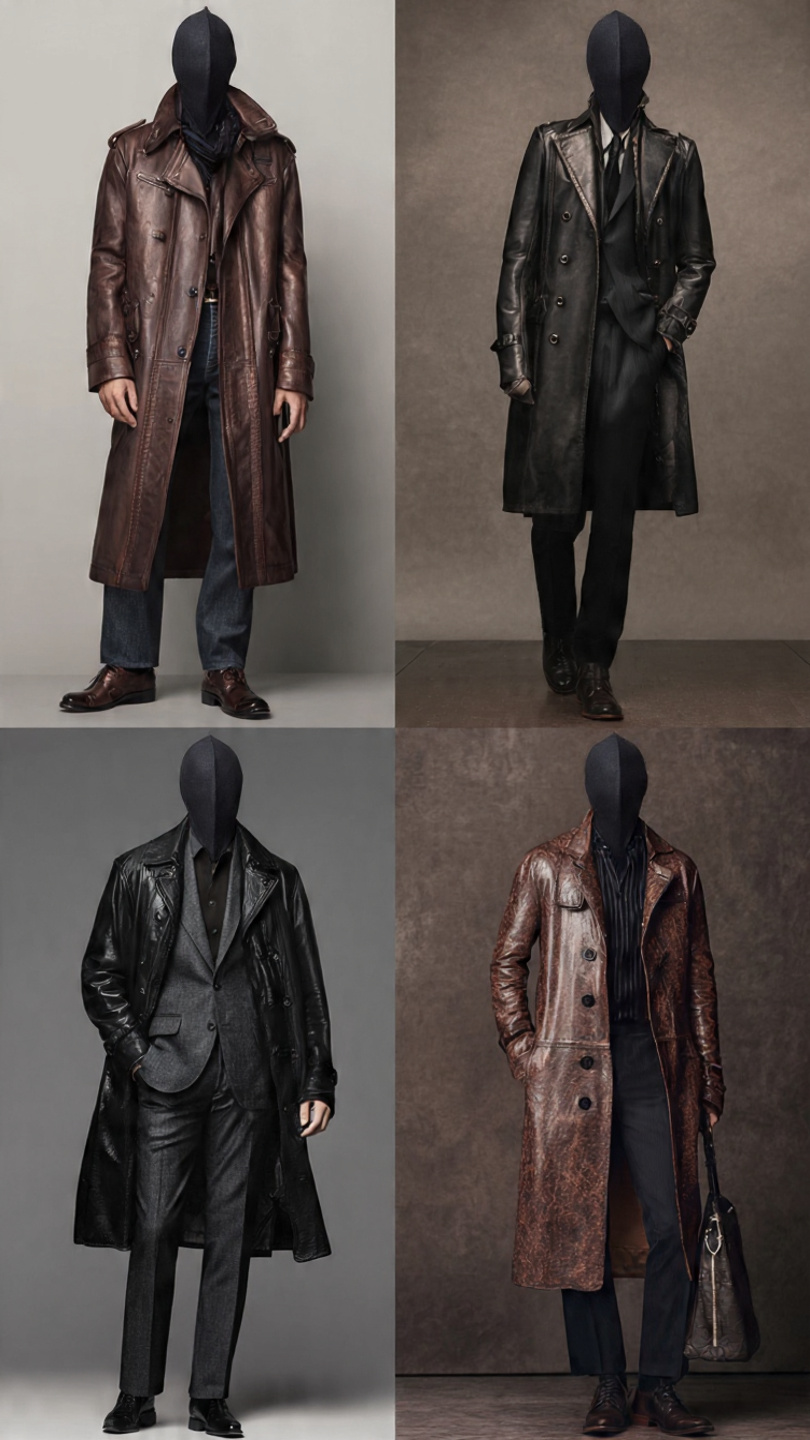
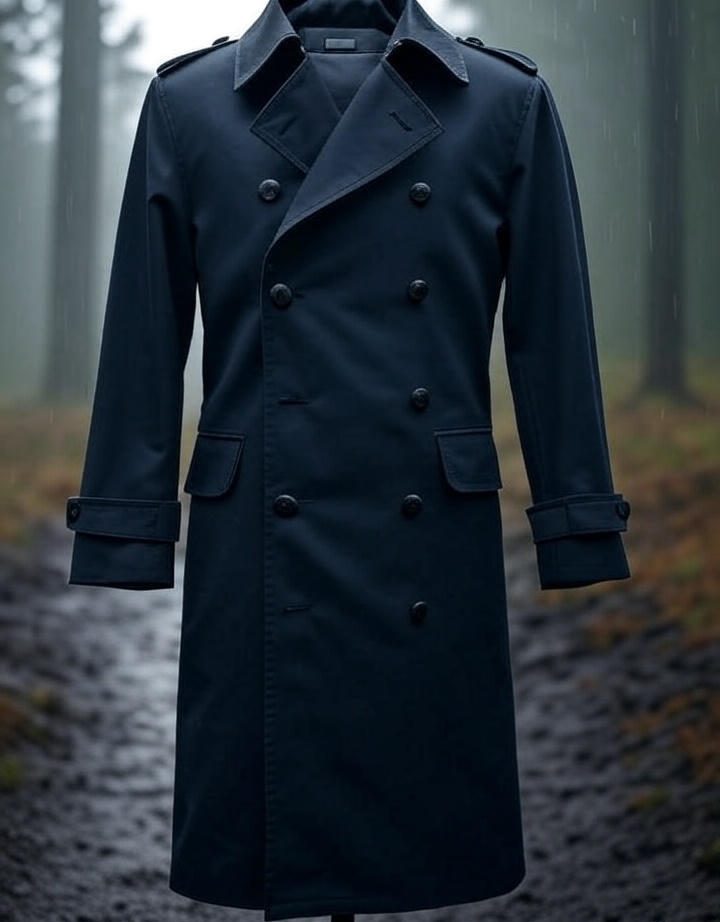
The trench coat has military roots, designed for officers in wet environments. It is longer than a peacoat, often reaching knee length or longer, and made from water-resistant materials like gabardine, cotton, or treated synthetics. Modern variations may include leather or waxed fabrics for a more dramatic and weather-proof look.
Key Features of a Trench Coat
- Longer cut; usually knee-length or longer
- Water-resistant or waterproof fabric
- Belted waist to adjust fit and prevent wind/splash ingress
- Large storm flap, epaulets, and sometimes shoulder or back venting
- Buttons (often double- or single-breasted), adjustable cuffs
Material Comparison: Peacoats vs Trench Coats
| Aspect | Peacoat Material | Trench Coat Material |
|---|---|---|
| Primary fabric | Heavy wool, wool blends | Gabardine, treated cotton, leather, synthetic blends |
| Water protection | Minimal, unless treated | High, designed for wet weather |
| Warmth | Excellent, especially in cold air | Variable; better in wet/cool seasons, may need layering |
| Weight | Heavier, thick bulk | Lighter fabric versions available, especially in warmer climates |
Are Peacoats Waterproof?
Traditional peacoats are not waterproof. They offer excellent insulation and shelter against wind, but when exposed to rain or prolonged moisture, wool(s) may absorb water, becoming heavy and taking time to dry. If waterproofing is necessary, leather trench coats or leather outerwear may be more suitable; see our selection of Leather Trench Coats for Men.
Pros and Cons: Peacoats vs Trench Coats
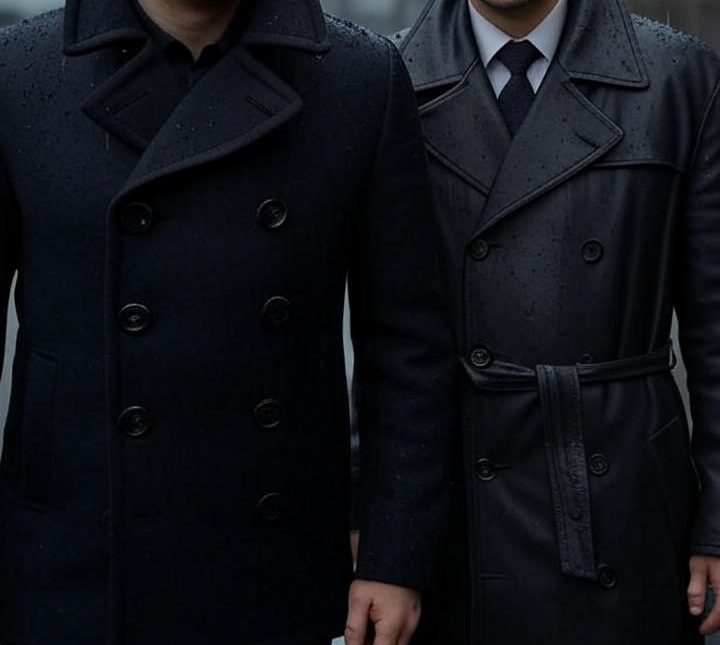
Peacoat Pros
- Excellent warmth; ideal for colder dry climates
- Structured and classic style that pairs well with both casual and business attire
- Shorter length allows easier movement, especially commuting or driving
- Timeless look that remains stylish decade after decade
Peacoat Cons
- Poor performance in heavy rain or snow unless treated
- Heavy weight might hinder layering or make frequent travel more cumbersome
- Limited coverage in longer coats needed for full protection
Trench Coat Pros
- Water resistance makes them ideal for wet or unpredictable weather
- Versatile design; works for layered outfits or lighter looks
- More coverage due to longer length (knees or below)
- Belt and adjustable features add flexibility and style
Trench Coat Cons
- Usually less insulated; cold weather needs additional layers
- Bulkier look, especially in long trench coats; may feel less structured than a peacoat
- Heavier versions (leather or thick gabardine) may restrict mobility compared to peacoats
Styling Guide: Peacoat or Trench for Men and Women
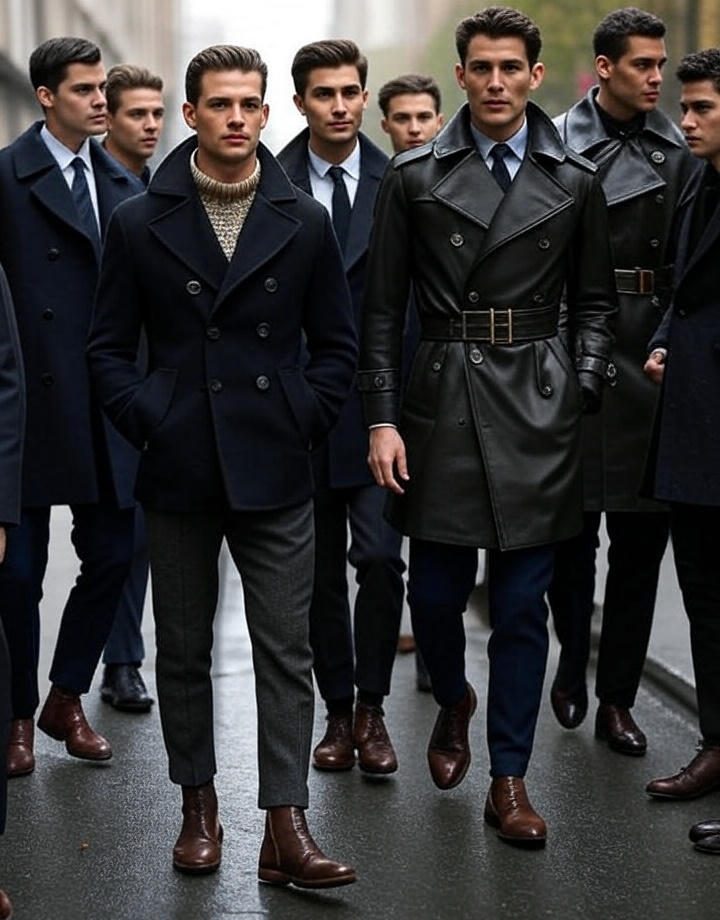
Men’s Styling
- Peacoat with tailored trousers, boots, and knit sweater for smart-casual look
- Trench coat over suit and dress shoes for a refined, rainy business appearance
- For bold looks, a leather trench coat with asymmetrical detail or hardware provides edge
Women’s Styling
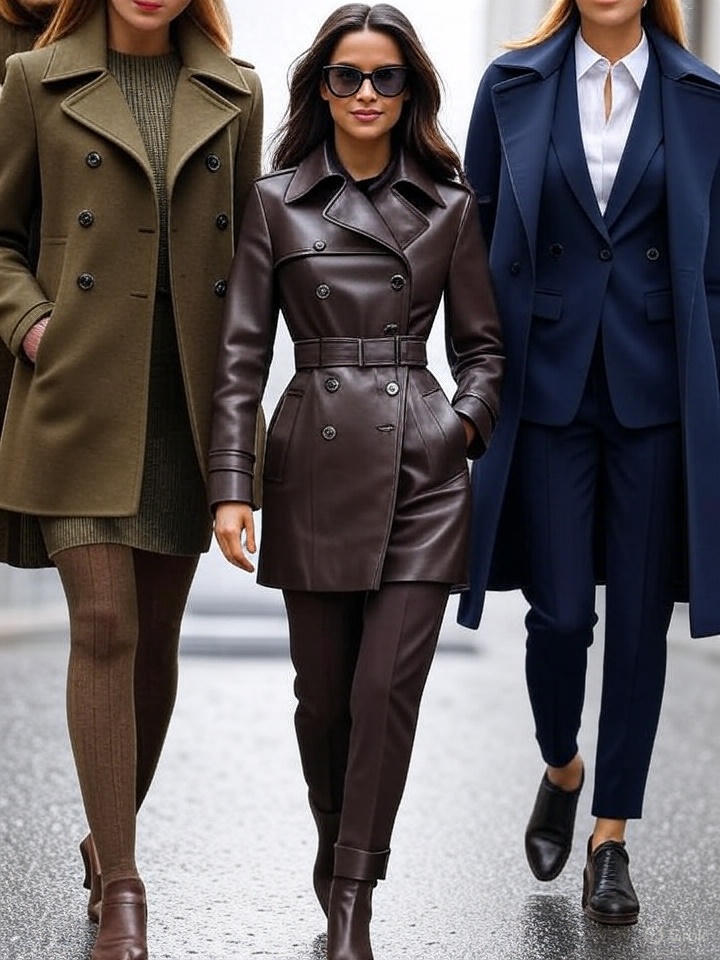
- Peacoat with skinny jeans and knee-high boots for chic winter look
- Trench coat layered over dresses or skirts, adding rain-proof elegance to bridal or evening wear
- Leather trench coat with statement belt or contrasting accessories to emphasize quality
Warmth vs Water Resistance
If choosing between warmth and water resistance, consider climate first. Peacoats excel in dry cold, but trench coats or leather – especially in treated or lined forms – fare better in wet or mixed climates.
If you require both, layering is key: wear a lightweight trench over a warm sweater or thermal base for combined protection.
History & Fashion Evolution
- Peacoats trace their origin to 18th-century navies; evolved over time to fashion staples.
- Trench coats date to early 20th century World War era; original versions from Burberry (gabardine) or Aquascutum.
- Leather variations of trench coats became popular in film noir, detective dramas, and later street style.
Care Tips for Peacoats and Trench Coats
- For wool peacoats: dry clean or spot clean; use fabric brush; hang on wide wood hanger.
- For trench coats of cotton or gabardine: machine wash if label allows; avoid bleach; reproof for water resistance annually.
- For leather trench coats: keep conditioned; avoid prolonged exposure to water; hang in dry, ventilated area; use leather protectant spray.
When to Choose Which: Practical Scenarios
| Scenario | Best Option |
|---|---|
| Cold, dry winter with snow | Peacoat with heavy wool |
| Mild rain and wind | Trench coat or leather trench |
| Business travel | Lightweight trench coat over suit |
| Casual weekend in city | Peacoat with casual layers |
Frequently Asked Questions (FAQs)
Q: Can I wear a peacoat in heavy rain?
A: Not really. The wool in peacoats absorbs water. If you anticipate frequent rain, consider a trench coat or leather trench with water-resistant treatment.
Q: Is a leather trench coat better than a fabric trench coat?
A: Leather trench coats tend to be more durable and water-resistant, but require more care. Fabric trench coats weigh less and are easier to maintain.
Q: Which is more formal: peacoat or trench coat?
A: Trench coats often offer a sleeker, more formal appearance when paired with business attire. Peacoats are more versatile between casual and semi-formal.
Q: How long do peacoats last?
A: With proper care, peacoats made from high-quality wool can last many years. Lower quality versions may degrade faster.
Q: How to style a trench coat in winter?
A: Use layers: thermal tees, sweaters, scarves underneath; boots and gloves; choose trench coats with lining or heavier fabric.
Conclusion
Both peacoats and trench coats hold important places in fashion. If warmth and structure are your priorities, peacoats are excellent choices. If weather protection, versatility, and classic elegance matter more, trench coats may serve you better.
For those who want both, leather trench coats combine style, water resistance, and robust structure. Browse our selection of Leather Trench Coats for Men to find designs that meet both needs.
Pick the coat that fits your climate, wardrobe, and lifestyle—and you won’t go wrong.


How to Measure Yourself for the Perfect Leather Jacket Fit: Your Ultimate Guide by LAMMBERG
Top 10 Genuine Leather Jackets for men and women in USA You Can Buy Online